Located in Auribeau sur Siagne, FR
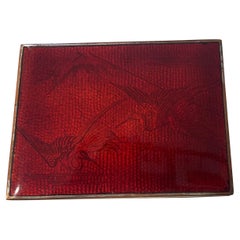
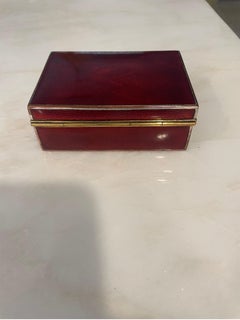
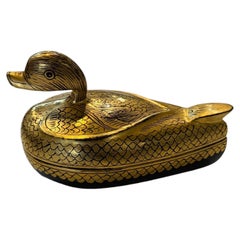
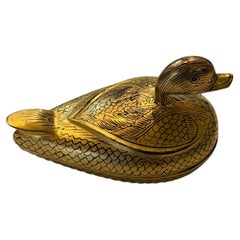
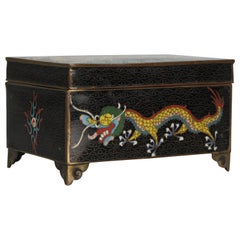
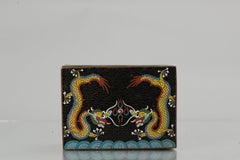
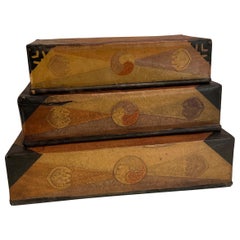
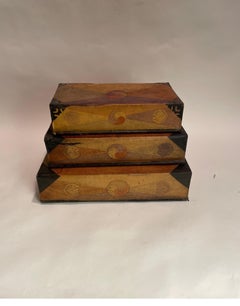
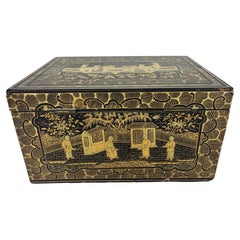
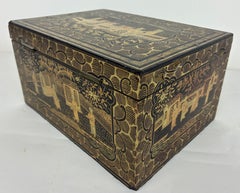
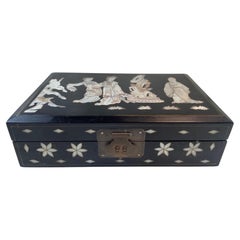
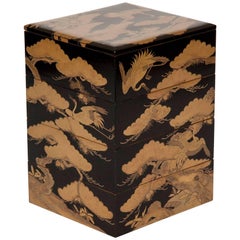
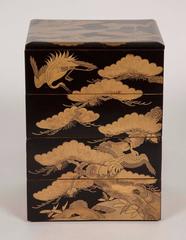
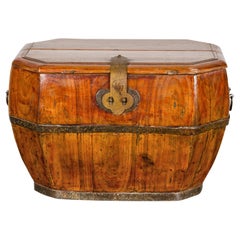
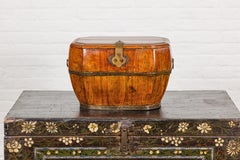
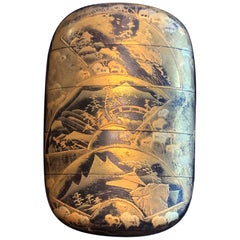
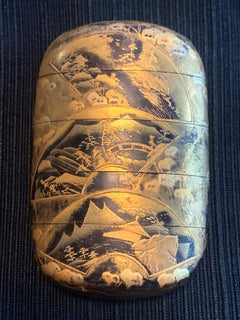
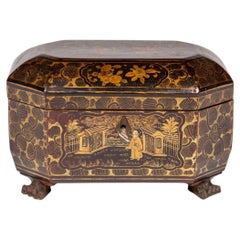
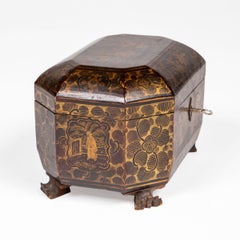
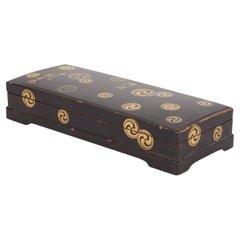
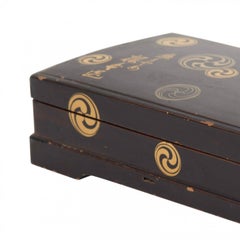
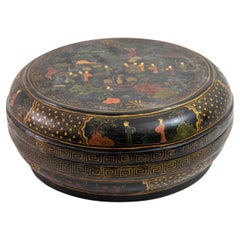
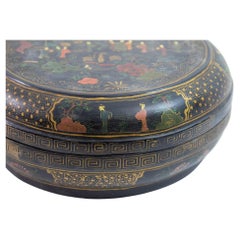
20th Century Japanese Black Lacquer Box with Gold Bird and Reed Motif, Decorative & Functional
Description:
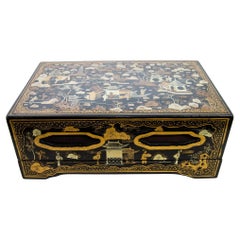
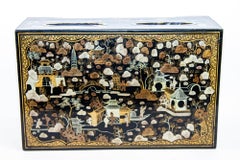
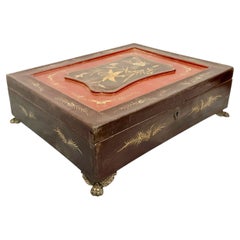
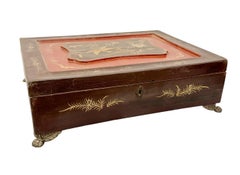
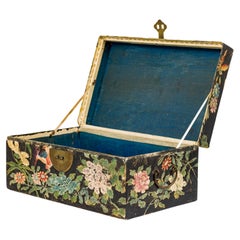
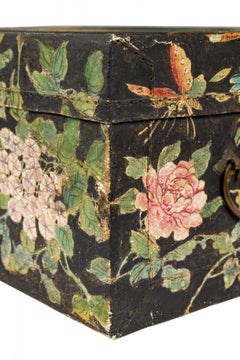
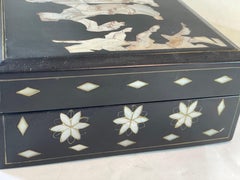
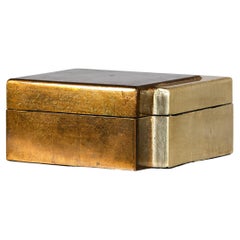
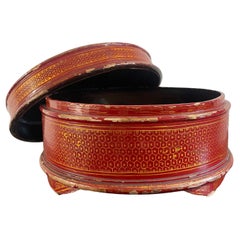
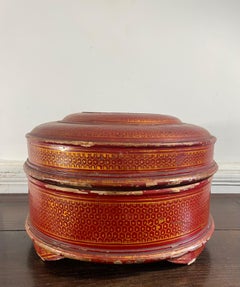
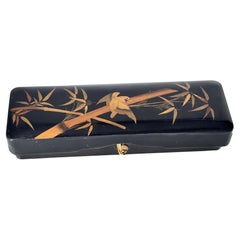
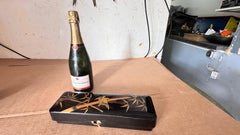
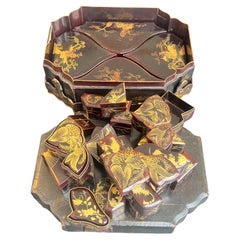
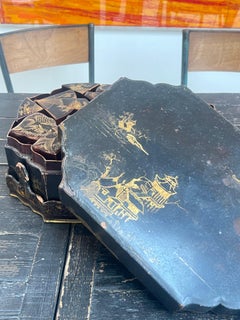
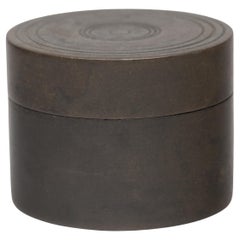
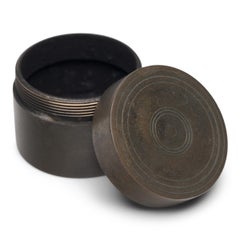
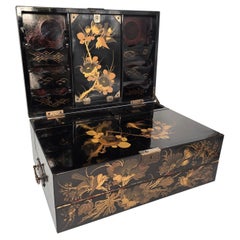
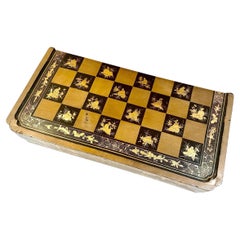
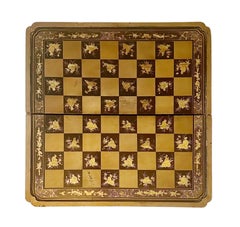
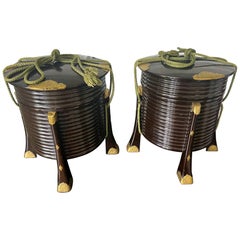
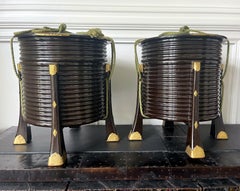
This elegant Japanese lacquer box, crafted in the 20th century, is a beautiful example of refined traditional craftsmanship. Coated in deep black lacquer, the box is adorned with delicate gold-painted branch and bird motifs, evoking a sense of serenity and natural harmony. The fine, meticulous brushwork captures the lightness of the reeds and the poised elegance of the bird, offering a peaceful and contemplative decorative piece. The removable lid reveals an interior decorated with two gold medallions, each threaded with a golden ribbon, adding an extra touch of subtle luxury and detail.
Key features include:
Authentic Japanese Craftsmanship: This box reflects traditional Japanese lacquerware techniques, emphasizing delicacy, patience, and respect for nature.
Elegant Black and Gold Color Palette: The deep black base contrasts beautifully with the fine gold detailing, creating a sophisticated and timeless aesthetic.
Nature-Inspired Motif: The scene of golden reeds and a resting bird embodies calmness, elegance, and a connection to the natural world, key themes in Japanese art.
Decorative Interior: Inside, two gold medallions with threaded ribbons enhance the box’s refined, ceremonial feel, offering a hidden layer of beauty.
Functional and Decorative: Perfect for use as a decorative object, a jewelry box, a keepsake container, or a small personal storage piece.
Versatile Placement: Its understated luxury allows it to fit effortlessly into minimalist, traditional, wabi-sabi, or eclectic interiors.
This 20th-century Japanese black lacquer box is more than a container—it’s a poetic celebration of craftsmanship, nature, and subtle beauty, offering both functional use and decorative sophistication.
Keywords: Japanese black lacquer box, gold painted bird and reed motif, 20th-century Japanese decor, traditional lacquerware, serene Japanese art box, nature-themed lacquer container...
Category
Early 20th Century Meiji East Asian Boxes