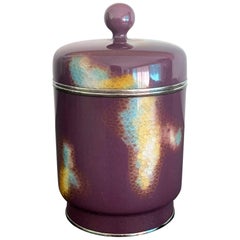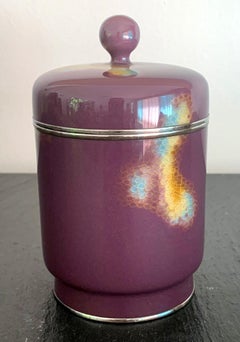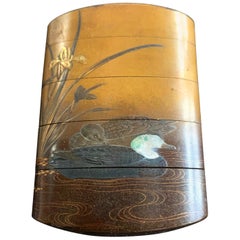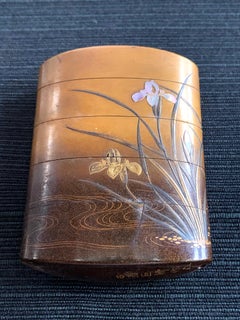
Japonisme Boxes

JAPONISME STYLE

In the late 19th and early 20th century, France developed an enduring passion for Japanese aesthetics and craftsmanship. Not only did this interpretation of Japanese culture — which became known as Japonisme — infuse fresh energy into French art and design, but it also radically transformed how Europeans, and subsequently the world, would come to understand visual culture. 

Until 1853, Japan had been closely guarded against foreign visitors for over two centuries. However, American Commodore Matthew C. Perry sailed into Japan that year and initiated the first of its treaties with the United States and Europe, thereby opening its borders and giving the West its first-ever look at Japanese design. 

For the next few decades, taken with Japonisme, sophisticated collectors in Paris, New York and elsewhere gorged themselves on lacquered screens, celadon ceramics and netsuke ornaments, along with artworks depicting various aspects of Japanese life. The East Asian country’s influence on Europe, particularly France, contributed to one of the most creatively prosperous periods in history, leaving an imprint on the Impressionist, Art Nouveau and Art Deco movements, and inspiring artists like Edgar Degas, Mary Cassatt, Vincent van Gogh as well as luxury houses such as Louis Vuitton and Hermès. Japonisme emerged at the time when the ornate Renaissance Revival style was the most prominent mode of decorating in Europe, and Japanese aesthetics seemed strikingly modern and elegant in comparison. 

In addition to everyday practical objects from Japan, such as vases, tableware and decorative boxes, Japanese art, especially Japanese woodblock prints by masters of the ukiyo-e school, caught the eye of many artists — particularly those in the Art Nouveau poster community in 1880s Paris. The luscious organic colors associated with traditional Japanese design, motifs like cherry blossoms and carp and the vivid patterns found in woodblock prints, silks and more were adopted and appropriated by painters as well as ceramicists and those working in other fields of the decorative arts. Today, demand for Japanese lacquerware — furniture, trays, writing boxes, screens, incense burners — from the Edo period (1615–1868) and the late 19th century continues to be very strong among collectors.

Find a collection of antique Japonisme furniture and decorative objects on 1stDibs.

to
39
4
21
14
9
3
1
1
1
1,107
835
818
611
283
247
221
189
132
120
119
119
115
101
85
74
38
33
25
22
10
3
3
31
6
33
33
33
3
1
Height
to
Width
to
39
39
39
1
1
Style: Japonisme
Rare & Important 16th Century Italian Bronze Jacopo Lodovico del Duca Table Box

Rare & Important 16th Century Italian Bronze Jacopo Lodovico del Duca Table Box

Located in Forney, TX

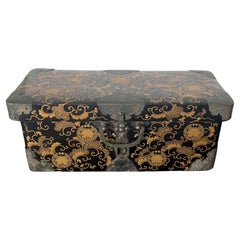
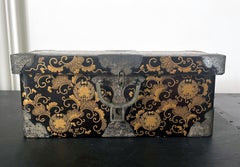
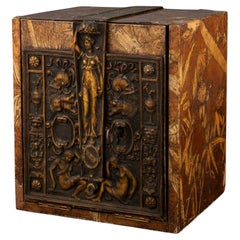
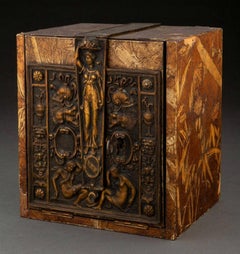
A magnificent antique fall-front box with scarce Medieval period bronze lockplate and hasp attributed to Jacopo and Lodovico del Duca. Featuring an important Lockplate and Hasp designed circa 1570, exact date of manufacture unknown, attributed to the late 16th century Roman foundry of Jacopo 1520-1604) and Ludovico (1551-1601) del Duca, with no apparent signatures or hallmarks which is typical of the era, but we did not remove it and inspect the back. Boxes such as this hand various uses but were frequently used by merchants as a writing box - slope during travel and trade, as a small coffer - strong box for storing important documents, money and valuables, as well as a jewelry casket. This hand-crafted European drop-front box dates to the late 19th century, signed L'PUPLET, adorned with a significantly older Italian fine quality cast bronze lockplate with intricate Renaissance era reliefs, including figures, coat-of-arms, and elongated hasp, mounted on a chest of drawers form solid wooden case, wrapped in exotic Japanesque embossed and gilded metallic paper, having a locking fall-front panel with original key included, opening to reveal three interior drawers, all lined in red velvet. circa 1875 The visually striking textured wallpaper covering the box's exterior displays bamboo, birds, and flowers in the oriental Japanesque taste popular in Europe in the 1860s and 1870s following the forced reopening of foreign trade with Japan in 1858 and the ensuing Japonisme craze. To the interior of the fall front panel is a gilt circular stamp with the somewhat obscured name of the workshop or store (likely) "L'PUPLET" and the city "Burxelles" which is in Brussels, indicating the box was likely made or retailed there. Marks to box: L'PUPLET, BRUXELLES Inscription: 13, 14, 15 (Interior drawers inscribed on the verso of their backboards in script from top to bottom, respectively) Provenance / Acquisition: The origin of the elaborate lockplate with hasp on the front of the piece is more intriguing. At least 76 lockplates of this design have been recorded in major museums, private collections, and in the antiques trade across the Western World. For example, lockplates of this pattern are in the collections of the Rijksmuseum in Amsterdam, the State Museum of Prussian Cultural Heritage in Berlin, the Museum Cicico in Bologna, The Museum of Fine Arts in Boston, the Dallas Museum of Art in Texas, the Victoria & Albert Museum in London, the Museo di Palazzo Venezia in Rome, the State Hermitage Museum in St. Petersburg, and the National Gallery of Art in Washington, DC.[1] Specialists in Renaissance bronzes, especially Charles Avery...

Category

16th Century Italian Antique Japonisme Boxes

Materials

Bronze, Metal
Japanese wooden box, 19th century, Japan

Japanese wooden box, 19th century, Japan

Located in Auribeau sur Siagne, FR

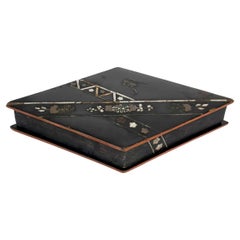
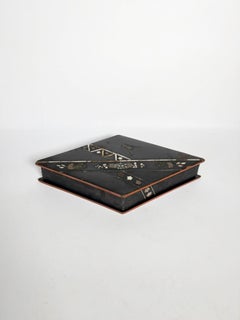
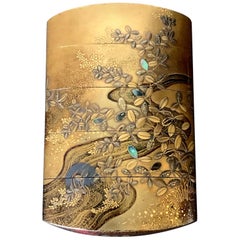
A 19th-century Japanese wooden box with an elegant geometric shape, crafted using traditional Japanese decorative arts techniques. The black lacquered surface is adorned with delicate painted and inlaid motifs, blending stylized floral elements, graphic symbols, and decorative characters. The composition is structured by a play of diagonal lines and ornamental bands, lending the piece a remarkable visual restraint while revealing refined and meticulous craftsmanship. The contrasts between the deep black, the golden tones, and the light accents attest to masterful craftsmanship. The antique patina, with subtle signs of age, enhances the authenticity and charm of this piece. Serving as both a storage object and a decorative element, this box embodies the aesthetics of 19th-century Japan, where functionality and symbolism harmoniously converge. It will find its place naturally in a wabi-sabi, minimalist, or eclectic interior, or within a collection of antique Asian objects. Main features: Antique wooden box Japan, 19th century Black lacquered wood Painted and inlaid decoration Stylized symbolic and floral motifs Original patina Storage and collectible item Keywords: antique Japanese box...

Category

19th Century Japanese Antique Japonisme Boxes

Materials

Wood, Lacquer

Fine Japanese Lacquered Inro by Yutokusai

Fine Japanese Lacquered Inro by Yutokusai

Located in Atlanta, GA

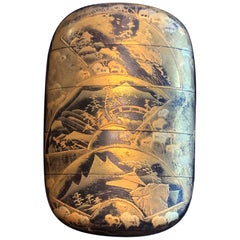
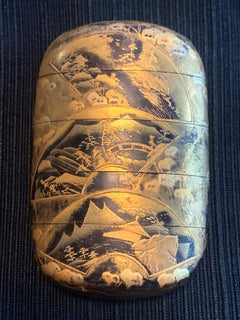
A four-case lacquered Japanese inro by Yutokusai (Gyokkei), a lacquer artist active from 1845-1900 (end of Edo to Meiji period). The slightly round inro features a very intricate design with three unfolded fans on the front and two on the back: each reveals a vignette landscape scenery, likely real places in Japan. Using a combination of hiramaki-e and slight takamaki-e, the artist deftly created the pictures with fine details, rendering the inro as a miniature artwork...

Category

19th Century Japanese Antique Japonisme Boxes

Materials

Wood, Lacquer

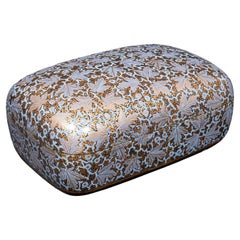
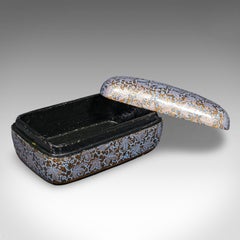
Small Antique Sharing Box, Japanese, Lacquered, Meiji, Keepsake Case, Victorian

Small Antique Sharing Box, Japanese, Lacquered, Meiji, Keepsake Case, Victorian

Located in Hele, Devon, GB

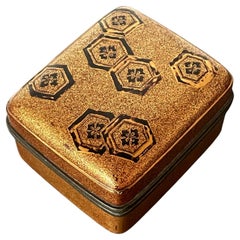
This is a small antique sharing box. A Japanese, lacquered Meiji era case, dating to the late Victorian period, circa 1890. Attractive Meiji period (1867 - 1912) box with a striking...

Category

1890s Japanese Antique Japonisme Boxes

Materials

Lacquer

Antique Japanese Lacquer and Inlay Box from Ryukyu Island

Antique Japanese Lacquer and Inlay Box from Ryukyu Island

Located in Atlanta, GA

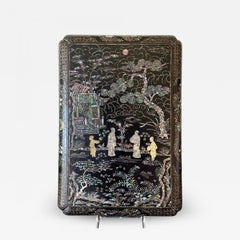
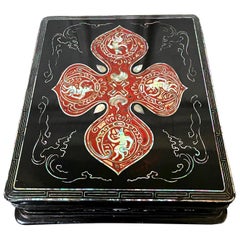
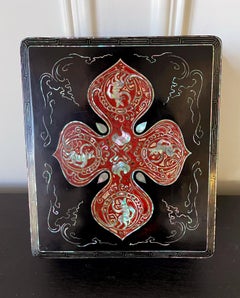
A lacquer presentation box with mother-of-pearl inlays from Japanese Ryukyu Islands circa 17-18th century. The lidded box in rectangular form with rounded corner is a classic example...

Category

18th Century Japanese Antique Japonisme Boxes

Materials

Mother-of-Pearl, Lacquer

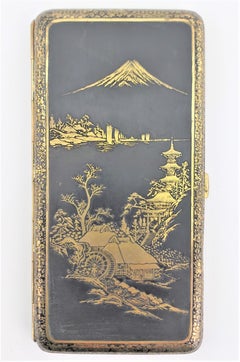
Large Antique Komai Style Japanese Damascene Cigarillo, Cigar or Cigarette Case

Large Antique Komai Style Japanese Damascene Cigarillo, Cigar or Cigarette Case

Located in Hamilton, Ontario

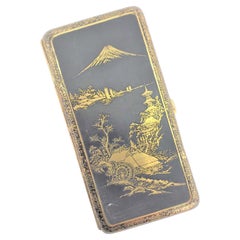
This large antique damascene styled tobacco case is unsigned, but presumed to have originated from Japan and dating to approximately 1920 and done in a Anglo-Japanese style. The case...

Category

Early 20th Century Japanese Japonisme Boxes

Materials

Metal
Japanese Lacquer Hokai Box, 19th Century

Japanese Lacquer Hokai Box, 19th Century

Located in Pasadena, CA

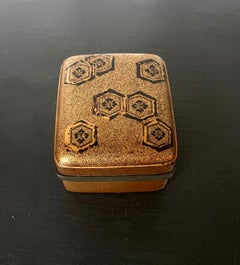
This is a good example of a traditional Japanese Hokai shell storage box for the Kai-awase game. This box is well-detailed in chased brass appliques and makie. The box is in overall ...

Category

Late 19th Century Japanese Antique Japonisme Boxes

Materials

Wood, Lacquer

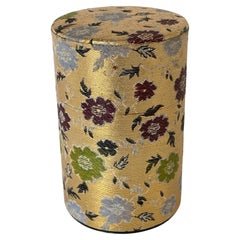
1960's Japanese Tea Caddy Tin Canister

1960's Japanese Tea Caddy Tin Canister

Located in New York, NY

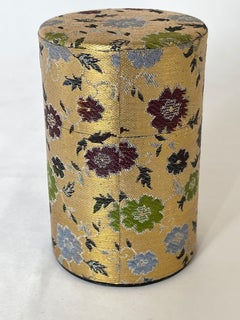
1960's tin tea caddy covered in traditional Japanese woven gold fabric with floral motif. There are two lids, inner and outer to keep tea leaves fresh.

Category

Mid-20th Century Japanese Japonisme Boxes

Materials

Tin

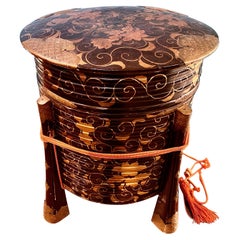
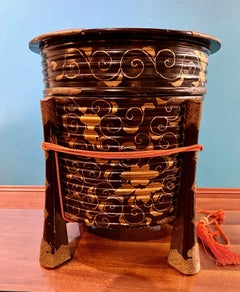
Japanese Maki-e Lacquer Stack Box Jubako

Japanese Maki-e Lacquer Stack Box Jubako

Located in Atlanta, GA

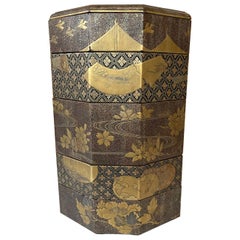
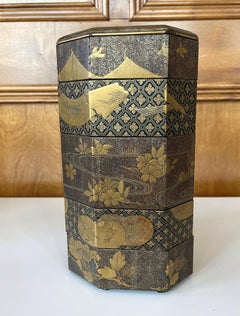
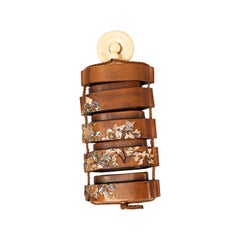
An antique jubako (stack boxes) with five tiers in an elongated octagon shape circa 19th century (end of Edo or beginning of Meiji period). jubako was traditionally used to store and...

Category

19th Century Japanese Antique Japonisme Boxes

Materials

Wood, Lacquer

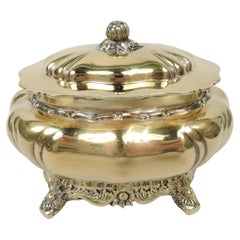
Antique Tiffany  & Co. Chrysanthemum Silver Gilt Box

Antique Tiffany & Co. Chrysanthemum Silver Gilt Box

By Tiffany & Co.

Located in New York, NY

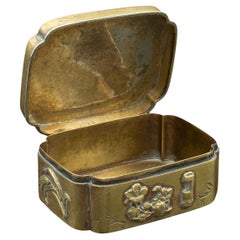
Chrysanthemum gilt sterling silver box. Made by Tiffany & Co. in New York. Traditional lobed and ovoid bowl with short and inset neck and splayed volute scroll supports. Cover hinged...

Category

Late 19th Century American Antique Japonisme Boxes

Materials

Sterling Silver

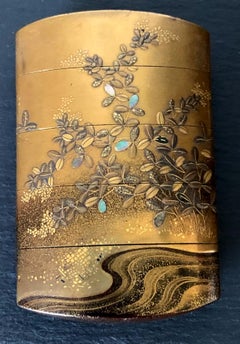
Fine Japanese Lacquered Inro with Inlays by Kajikawa

Fine Japanese Lacquered Inro with Inlays by Kajikawa

Located in Atlanta, GA

A Japanese four-case lacquer inro by a member of Kajikawa family circa 19th century (late Edo to early Meiji period). It depicts a nocturnal scenery of a meandering stream surrounded by bush clovers, where a full moon is reflected on the water. It was masterfully decorated in gold and silver maki-e using a combination of techniques including takamakie, togidashi and kirigane as well as aogai (abalone shell) inlays. The stream was set between the slightly elevated banks, adding to this piece a already strong three-dimensional composition. The interior was decorated in gold nashiji. It was signed on the bottom "Kajikawa Zou" (made by Kajikawa and a pot seal centered with "Ei" in Kanji. In one of the compartment, there is a katakana mark, appears to be a name, possibly the owner. Kajikawa clan was one of the most famous lacquer artisanal family established in the 17th century. Many well known members over the generations produced lacquer art in a wide range of formats, but two third were signed only with the family name such as this one. It is therefore not possible to pinpoint the exact author of this piece. Provenance: This inro was purchased as lot 349 in Christie's New York sale Japanese...

Category

19th Century Japanese Antique Japonisme Boxes

Materials

Shell, Wood, Lacquer

Japanese Rinpa Style Lacquer Ink Stone Box Suzuribako

Japanese Rinpa Style Lacquer Ink Stone Box Suzuribako

Located in Atlanta, GA

A Japanese writing box with ink stone (known as Suzuribako) with exquisite maki-e decoration circa late Meiji to early Taisho period (1890s-1930s)...

Category

Early 20th Century Japanese Japonisme Boxes

Materials

Wood, Lacquer

Japanese Maki-e Lacquerware Portable Picnic Set Sagejubako

Japanese Maki-e Lacquerware Portable Picnic Set Sagejubako

Located in Atlanta, GA

Sagejubako is a portable picnic set that became popular in the early Edo period when an additional meal was added between breakfast and dinner. It normally consists of a carry case w...

Category

19th Century Japanese Antique Japonisme Boxes

Materials

Lacquer

Antique Japanese Lacquered Incense Box Kobako Ex-Christie's

Antique Japanese Lacquered Incense Box Kobako Ex-Christie's

Located in Atlanta, GA

An old Japanese lacquered small box likely used to contain incense powder called Kobako, circa Momoyama to early Edo period (16-17th century). The rectangular form box with a fitted ...

Category

17th Century Japanese Antique Japonisme Boxes

Materials

Lead

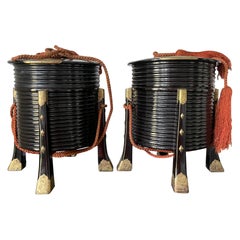
Pair of Large Antique Japanese Hokai Lacquer Boxes

Pair of Large Antique Japanese Hokai Lacquer Boxes

Located in Atlanta, GA

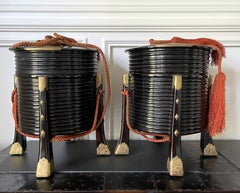
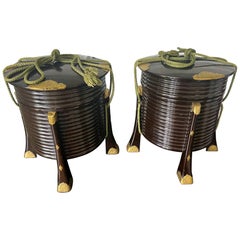
A pair of Japanese lacquered lidded Hokai boxes with chased brass hardware and original ropes. Hokai boxes are traditionally used in Japan as the containers ...

Category

Early 20th Century Japanese Japonisme Boxes

Materials

Wood, Lacquer

Antique Japanese Inro by Shigehide Edo Period

Antique Japanese Inro by Shigehide Edo Period

Located in Atlanta, GA

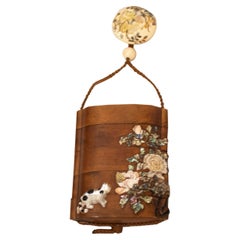
This exquisite four-case lacquered inro was dated to the latter part of 18th century to early 19th century (Edo period) and made by Shigehide. The opposite sides of the inro together features a lavish flower arrangement in a bamboo basket (ikebana). The detailed craftmanship was a true pleasure to behold. Mostly Takamaki-e (high relief) were used to texturize the delicate petals of the chrysanthemums, on which different shades of gold were used to create contrast. Raden (mother of pearl) shells were also used to highlight some leaves, rendering the piece an interesting balance of color and material. The interior was completed in a mottled gold finish. It was signed Shigehide on the bottom with a Kao. There is a small carved rabbit ojime bead...

Category

Late 18th Century Japanese Antique Japonisme Boxes

Materials

Wood, Lacquer

Pair of Large Antique Japanese Hokai Lacquer Boxes

Pair of Large Antique Japanese Hokai Lacquer Boxes

Located in Atlanta, GA

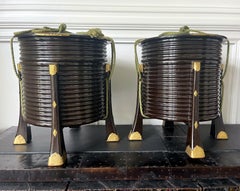
A pair of Japanese lacquer lidded Hokai boxes with chased brass hardware and original ropes. Hokai boxes are traditionally used in Japan to store and carry s...

Category

Early 20th Century Japanese Japonisme Boxes

Materials

Wood, Lacquer

Antique Sterling Silver Japanese Export Engraved Cigarette or Decorative Box

Antique Sterling Silver Japanese Export Engraved Cigarette or Decorative Box

Located in Hamilton, Ontario

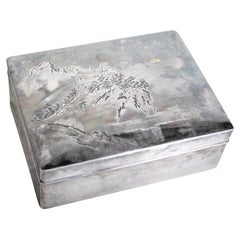
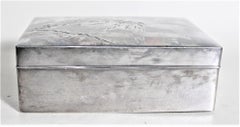
This antique engraved sterling silver cigarette or decorative box was made in Japan in approximately 1900 in the period Japonisme style. The box is composed of an ebonized hardwood c...

Category

Early 20th Century Japanese Japonisme Boxes

Materials

Sterling Silver

Meji's Period Inro Box. Japan, 19th Century.

Meji's Period Inro Box. Japan, 19th Century.

Located in Madrid, ES

Inro is an ancient traditional Japanese box used to carry and store small items such as tobacco, money, paintbrushes, and other objects. The...

Category

19th Century Japanese Antique Japonisme Boxes

Materials

Wood, Lacquer

Vintage Japanese Box from the 1970s

Vintage Japanese Box from the 1970s

Located in Austin, TX

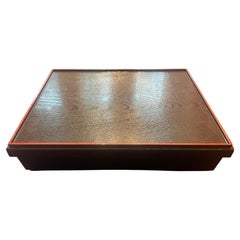
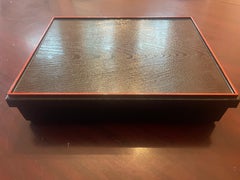
Perhaps originally designed as a Bento Box, this is a one-of-a-kind piece for your home-office or study desk. It has iconic 1970s modern lines and beautifully exemplifies the elevat...

Category

Late 20th Century Japonisme Boxes

Materials

Plastic

Vintage Japanese Temple Style Box

Vintage Japanese Temple Style Box

Located in Dallas, TX

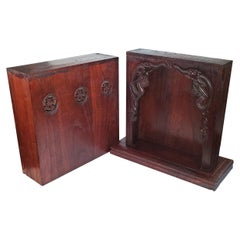
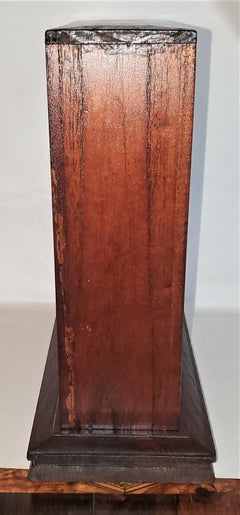
PRESENTING A LOVELY Vintage Japanese Temple Style Box. Made of rosewood, this box has a cover featuring ‘Buddhist Swastikas’ on the front. The cover lifts off to reveal a tabernacle with 2 carved dragons on wither side. Probably made in the first quarter of the 20th Century, circa 1920-30. Rectangular shaped for the storage of deities statues...

Category

Early 20th Century Japanese Japonisme Boxes

Materials

Wood

Oriental Lacker Boxes on a Tray, Japan, 1930s
Oriental Lacker Boxes on a Tray, Japan, 1930s
Located in Den Haag, NL

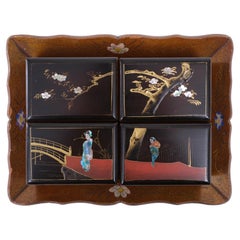
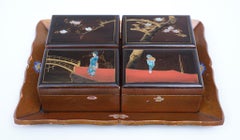
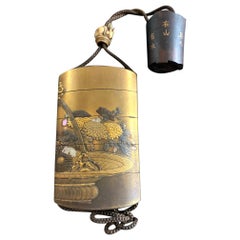
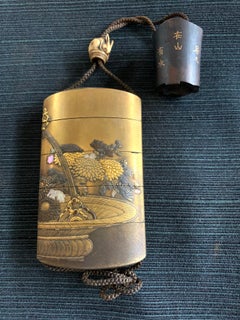
4 Small Lacker boxes on a tray. Mother of Pearl inlay. Inside the boxes. Lots off Bone fiches. I think a game. Very good condition.

Category

1930s Japanese Vintage Japonisme Boxes

Materials

Lacquer

Japanese Meiji Period Lacquered Wooden Box w/ Original Outer Case, Ca. 1880

Japanese Meiji Period Lacquered Wooden Box w/ Original Outer Case, Ca. 1880

Located in New York, NY

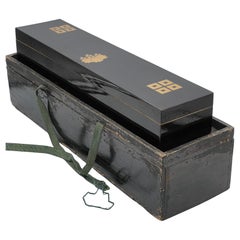
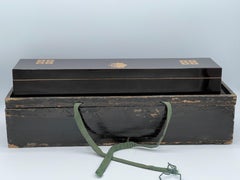
Japanese Meiji Period Lacquered Wooden Box w/ Original Outer Case, Ca. 1880 Meiji Period: 1868-1912 DIMENSIONS Length: 16.5 inches Width: 3.5 inches Height: 2.5 inches

Category

1880s Japanese Antique Japonisme Boxes

Materials

Wood

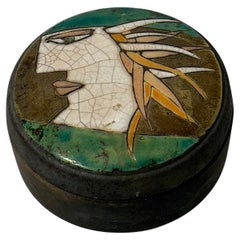
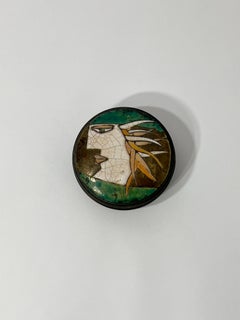
Boîte en céramique raku, circa 1980-1990

Boîte en céramique raku, circa 1980-1990

Located in Meyrin, Switzerland

Céramique, boîte au décor émaillé selon la technique japonaise raku (raku-yaki) circa 1980, bien que le décor et la signature font penser de manière subjective à la Grèce, céramiste ...

Category

Mid-20th Century Greek Japonisme Boxes

Materials

Ceramic

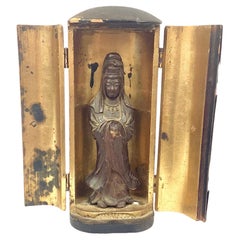
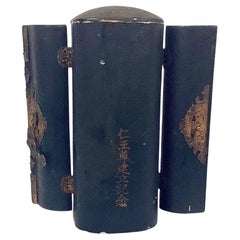
Antique Japanese Lacquer And Giltwood Zushi Shrine

Antique Japanese Lacquer And Giltwood Zushi Shrine

Located in Bradenton, FL

Antique Japanese Lacquer And Giltwood Zushi Shrine, or traveling altar, with hand-carved wooden standing Japanese figure. Intricately bronzed...

Category

19th Century Japanese Antique Japonisme Boxes

Materials

Giltwood, Lacquer

Japanese Rinpa Style Lacquer Box Meiji Period

Japanese Rinpa Style Lacquer Box Meiji Period

Located in Atlanta, GA

A black lacquer tebako (hand box) with maki-e decoration and silver trim, circa late 19th century, Meiji period. The surface of the lid features a Rinpa style maki-e paint depicting ...

Category

1890s Japanese Antique Japonisme Boxes

Materials

Wood, Lacquer

Antique Japanese Lacquered Box

Antique Japanese Lacquered Box

Located in Houston, TX

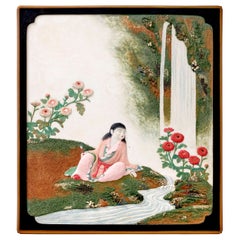
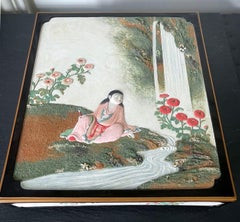
Antique Japanese Lacquered Box. Offered is a beautifully detailed Japanese lacquered box that dates to the 1920's. This decorative box is artfully decorated with a riparian theme fea...

Category

1920s Japanese Vintage Japonisme Boxes

Materials

Wood

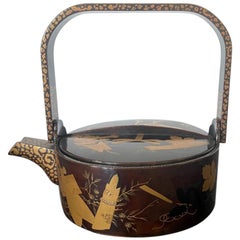
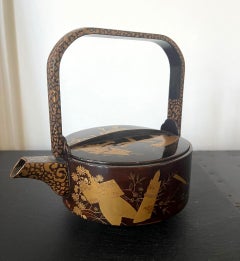
Japanese Lacquer Maki-e Sake Ewer Meiji Period

Japanese Lacquer Maki-e Sake Ewer Meiji Period

Located in Atlanta, GA

A Japanese lacquered wood sake ewer with maki-e design, circa late 19th century, Meiji period. The nicely decorated lacquerware is of a Classic sake ewer for...

Category

1890s Japanese Antique Japonisme Boxes

Materials

Lacquer

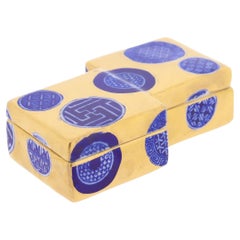
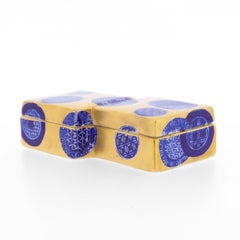
Gilt Japonisme Porcelain Dresser Box

Gilt Japonisme Porcelain Dresser Box

Located in Philadelphia, PA

A fine 2-section Japonisme dresser box. In gilt porcelain. With cobalt blue and white geometric circle devices throughout. Simply a wonderful porcelain dresser box! Date: 20th Ce...

Category

20th Century Unknown Japonisme Boxes

Materials

Porcelain

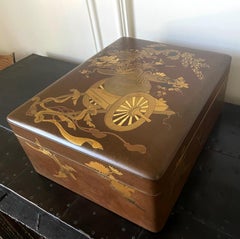
Japanese Lacquer Box with Fine Maki-e Decoration Meiji Period

Japanese Lacquer Box with Fine Maki-e Decoration Meiji Period

Located in Atlanta, GA

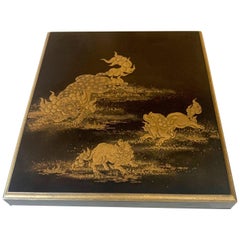
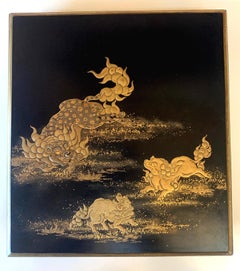
A lacquered wood box with lid from Japan circa 19th century Meiji Period. The finely decorated box was used to store paper slips and small documents on the desk. It is overall finished with black lacquer (kuro) with sparse Mura-Nashiji effect outside and on the top surface of the lid, there are three Komainu, (sometimes known as Shishi or Japanese lions) frolicking and forming a circle in lively motion. Komainu are auspicious animals in Japanese cultures in both Shinto and Buddhism tradition. Originally from China, these animals symbolizes guardians to ward off evil spirits. Hiramaki-e was used in combination with carving and combing to render the lions with various surface textures. A gilt border with an slight angle was given to the lid and even the thin band is decorated with miniature floral scrolls. The interior of the box was finished in a dense nashiji. Underneath the lid, a cluster of peonies open lavishly by two gentle mounts. Takamaki-e (high relief) in both gold and silver were...

Category

Late 19th Century Japanese Antique Japonisme Boxes

Materials

Wood, Lacquer

Japanese Maki-e Lacquer Portable Sagejubako Theme of Three Winter Friends

Japanese Maki-e Lacquer Portable Sagejubako Theme of Three Winter Friends

Located in Atlanta, GA

Sagejubako is a portable lunch or picnic set that became popular in the early Edo period when an additional meal was added between breakfast and dinner. It normally consists of a han...

Category

19th Century Japanese Antique Japonisme Boxes

Materials

Lacquer

Japanese Cloisonné Covered Jar by Ando Jubei

Japanese Cloisonné Covered Jar by Ando Jubei

By Ando Jubei

Located in Atlanta, GA

Japanese cloisonné enamels are known as shippo-yaki and the mid-19th century saw the production of very high quality wares in the early centers Nagoya. One of the most renowned works...

Category

Early 20th Century Japanese Japonisme Boxes

Materials

Metal, Sterling Silver, Enamel

Japanese Inro by Koma Koryu Edo Period

Japanese Inro by Koma Koryu Edo Period

Located in Atlanta, GA

A four-case lacquered inro by Koma Koryu circa 19th century late Edo period. The inro features a pair of Chinese mandarin duck resting under a bundle of blooming irises on the pond. ...

Category

19th Century Japanese Antique Japonisme Boxes

Materials

Wood, Lacquer

Unusual Japanese Lacquer Inkstone Box with MOP Inlays

Unusual Japanese Lacquer Inkstone Box with MOP Inlays

Located in Atlanta, GA

A Japanese black lacquer box with mother of pearl inlays circa early 20th century, end of Meiji period. It was likely to be used to store inkstone or other scholarly items. The piece displays several interesting characteristics that appear puzzling initially. First, the form is not typical Japanese, but more Chinese and Korean, with its scalloped base. Second, the decoration of MOP inlays also suggests a Korean and Chinese affiliation, especially with the linear borders and the scrolling cloud patters on the sides of the box. These two observations suggest that the box may be from Ryukyu Island instead of Japanese mainland. Third, strikingly in the center of the cover, a bold quarterly floral pattern outlined with MOP was filled with a striking mottled red lacquer using tsugaru nuri...

Category

Early 20th Century Japanese Japonisme Boxes

Materials

Wood, Lacquer

Japonisme boxes for sale on 1stDibs.

Find a broad range of unique Japonisme boxes for sale on 1stDibs. Many of these items were first offered in the Late 20th Century, but contemporary artisans have continued to produce works inspired by this style. If you’re looking to add vintage boxes created in this style to your space, the works available on 1stDibs include decorative objects, asian art and furniture, serveware, ceramics, silver and glass and other home furnishings, frequently crafted with lacquer, wood and other materials. If you’re shopping for used Japonisme boxes made in a specific country, there are Asia, East Asia, and Japan pieces for sale on 1stDibs. While there are many designers and brands associated with original boxes, popular names associated with this style include Ando Jubei, and Tiffany & Co.. It’s true that these talented designers have at times inspired knockoffs, but our experienced specialists have partnered with only top vetted sellers to offer authentic pieces that come with a buyer protection guarantee. Prices for boxes differ depending upon multiple factors, including designer, materials, construction methods, condition and provenance. On 1stDibs, the price for these items starts at $145 and tops out at $13,500 while the average work can sell for $3,500.