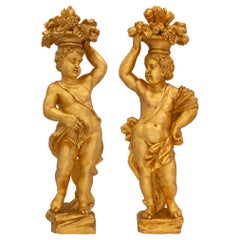
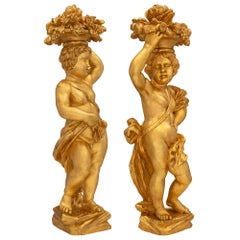
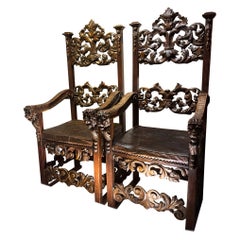
Baroque Sculptures

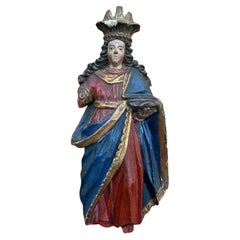
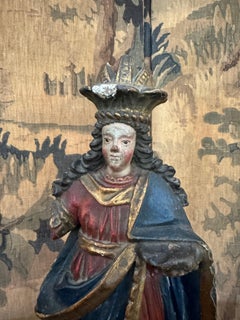
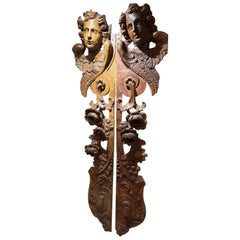
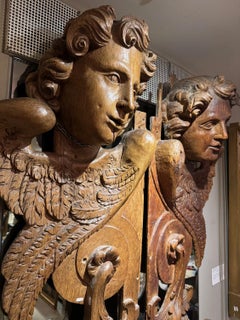
BAROQUE STYLE

The decadence of the Baroque style, in which ornate furnishings were layered against paneled walls, painted ceilings, stately chandeliers and, above all, gilding, expressed the power of the church and monarchy through design that celebrated excess. And its influence was omnipresent — antique Baroque furniture was created in the first design style that truly had a global impact.

Theatrical and lavish, Baroque was prevalent across Europe from the 17th to mid-18th century and spread around the world through colonialism, including in Asia, Africa and the Americas. While Baroque originated in Italy and achieved some of its most fantastic forms in the late-period Roman Baroque, it was adapted to meet the tastes and materials in each region. French Baroque furniture informed Louis XIV style and added drama to Versailles. In Spain, the Baroque movement influenced the elaborate Churrigueresque style in which architecture was dripping with ornamental details. In South German Baroque, furniture was made with bold geometric patterns.

Compared to Renaissance furniture, which was more subdued in its proportions, Baroque furniture was extravagant in all aspects, from its shape to its materials.

Allegorical and mythical figures were often sculpted in the wood, along with motifs like scrolling floral forms and acanthus leaves that gave the impression of tangles of dense foliage. Novel techniques and materials such as marquetry, gesso and lacquer — which were used with exotic woods and were employed by cabinetmakers such as André-Charles Boulle, Gerrit Jensen and James Moore — reflected the growth of international trade. Baroque furniture characteristics include a range of decorative elements — a single furnishing could feature everything from carved gilded wood to gilt bronze, lending chairs, mirrors, console tables and other pieces a sense of motion.

Find a collection of authentic antique Baroque tables, lighting, decorative objects and other furniture on 1stDibs.

to
124
495
6
3
312
101
82
9
32
11
13
2
1
2
2
3
1
6,848
4,660
2,857
884
844
695
627
468
445
369
249
199
193
90
87
80
76
268
135
119
77
73
330
164
491
248
86
56
50
Height
to
Width
to
504
500
500
18
15
13
4
3
Style: Baroque
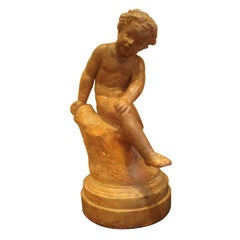
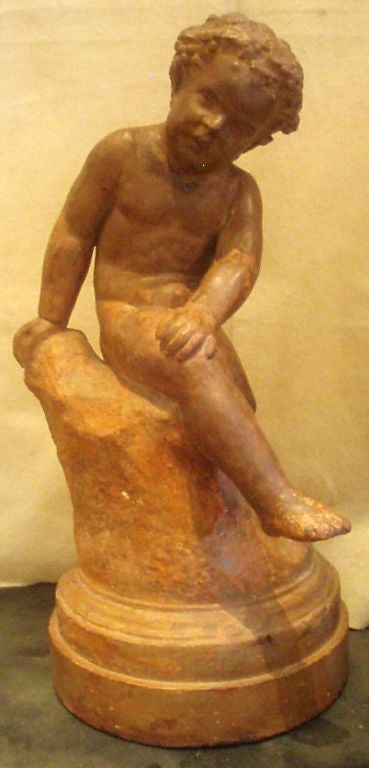
19th Century Terracotta Putto Sculpture, Albert-Ernest Carrier-Belleuse, France
Located in Vero Beach, FL
This 19th century terracotta sculpture of a putto feeding a bird is by Albert - Ernest Carrier - Belleuse (1824 - 1887). The terracot...
Category

19th Century French Antique Baroque Sculptures

Materials

Terracotta

Bronze Dolphin Sculpture
Located in New York, NY
Bronze dolphin sculpture. Bronze dolphin in a baroque Venetian sea serpent style mounted on black marble base; a very sculptural bookend. Un...
Category

Early 20th Century American Baroque Sculptures

Materials

Bronze

Two Rare Italian, Terracotta Sculptures
Located in Los Angeles, CA
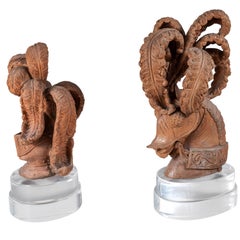
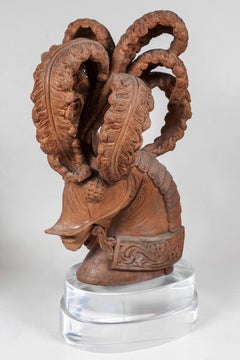
Very rare Italian terracotta sculptures of a knight, and horse, both in repousse armor decorated with dramatic plumes. Each mounted on cu...
Category

Mid-20th Century Italian Baroque Sculptures

Materials

Terracotta, Lucite

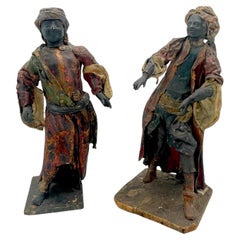
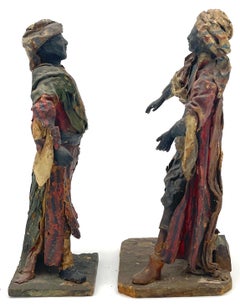
Pair of 18th C. Italian Baroque Neapolitan Crèche Leather Figures of Merchants
Located in West Palm Beach, FL
Pair of 18th-Century Italian Baroque Neapolitan Crèche Figures of Merchant Men in Leather A rare and expressive pair of 18th-century Italian Baroque crèche figures, likely originati...
Category

18th Century Italian Antique Baroque Sculptures

Materials

Leather, Wood

Pair of Antique 17th-Century Oak Church Pew Finals—Exquisite Hand-Carved Flowers
Located in Saint Helena, CA
Exquisite flowers in hearty oak This is a pair of antique finials or decorative finishing elements. Dating circa 1680 and nearly 350 years old, they are remarkable ...
Category

17th Century English Antique Baroque Sculptures

Materials

Wood, Oak

Baroque Style Capadimonte Porcelain Figure of Lady, 1900s
Located in Lisbon, PT
A Capadimonte charming porcelain figure depicts a baroque styled woman dressed in pink and holding a fan. Take into account that the colors on the items may vary depending on the ty...
Category

20th Century Italian Baroque Sculptures

Materials

Porcelain

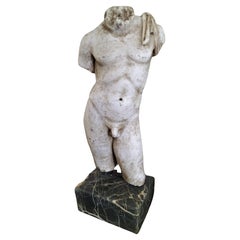
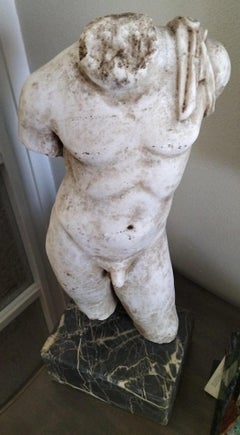
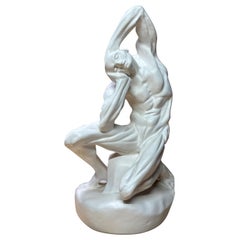
Magnificent "Dorso Masculino" Sculpture in Carrara Marble the, 20th Century
Located in Madrid, ES
Magnificent "Dorso Masculino" sculpture in Carrara marble from the 20th century. Italy Measures: H. 108cm x 37cm Perfect conditions.
Category

Early 20th Century Italian Baroque Sculptures

Materials

Carrara Marble

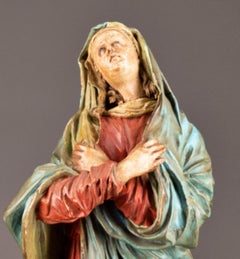
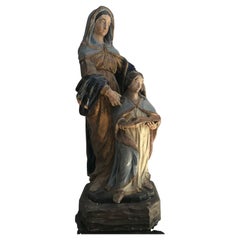
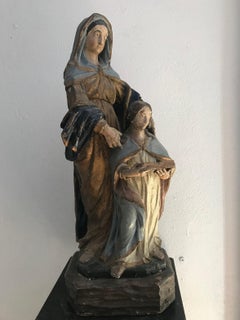
16th Century Spanish Carved & Polychrome Painted Saint Anne with the Infant Mary
Located in Miami, FL
This sculpture represents Santa Ana (Saint Anne) with the infant Mary. Verge.    
Category

16th Century European Antique Baroque Sculptures

Materials

Wood

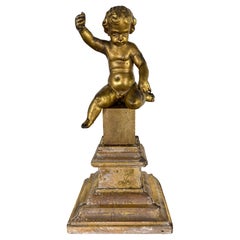
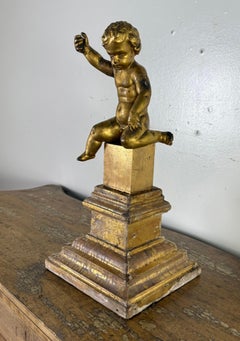
19th Century Italian Giltwood Cherub on Carved Plinth Base
Located in Los Angeles, CA
An exquisite 19th-century Italian giltwood cherub figure, beautifully hand-carved and seated atop a stepped architectural plinth. The cherub, rendered in expressive Baroque style, fe...
Category

Late 19th Century Italian Antique Baroque Sculptures

Materials

Giltwood

17th Century Processional Figur Mannequins Jesus Christus Carved Painted Wood
Located in Epfach, DE
An unusual and rare processional or lecturer figure from the 17th century, also called Mannequins. Carved from wood and of very good quality. A detailed and particular elaboration of...
Category

Early 17th Century German Antique Baroque Sculptures

Materials

Wood

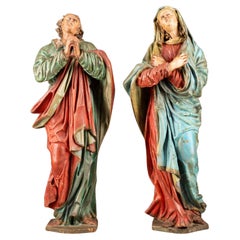
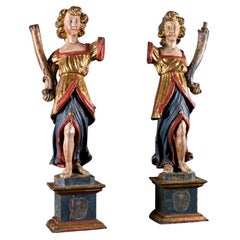
Coppia di Angeli Reggicero in Legno Italia Inizio XVIII Secolo
Located in Milano, IT
Coppia di angeli di epoca barocca, poggianti su basamenti ornati da caratteristici motivi a ricciolo e teste di putti; le due figure sono rappresentate in posizione speculare, un bra...
Category

18th Century Italian Antique Baroque Sculptures

Materials

Wood

Marble Sculpture Depicting "Saint Cristofer" 18th Century
Located in Madrid, ES
Marble sculpture depicting "Saint Cristofer" 18th century Marble base. Some defects Good condition for the age Measures: 36 x 14 x 7 cm.
Category

Early 18th Century Italian Antique Baroque Sculptures

Materials

Carrara Marble

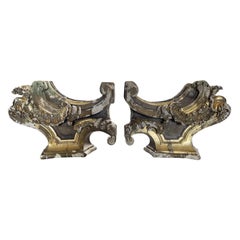
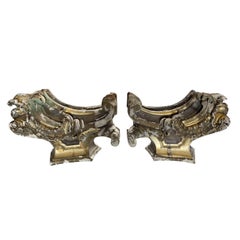
17th Century Portuguese Pair of Antique Baroque Gilded Pinewood Table Bases
Located in West Palm Beach, FL
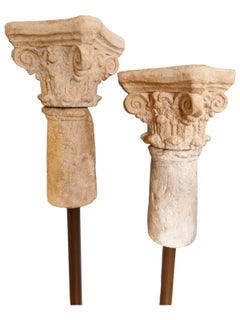
An antique pair of Portuguese Baroque architectural table bases made of hand carved Pinewood, in good condition. The partly gilded pieces are particularized by floral décor. Authenti...
Category

17th Century Portuguese Antique Baroque Sculptures

Materials

Pine, Giltwood

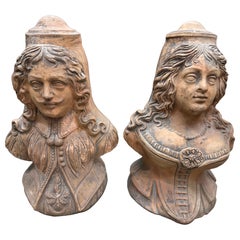
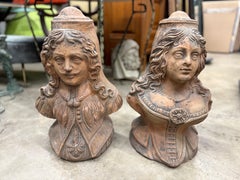
Set of 17th Century French Eavesdroppers
Located in Chicago, IL
These exquisite 17th century French carved wood eavesdroppers, now mounted on custom steel stands, are a captivating blend of historical artistry and modern presentation. Originally ...
Category

17th Century French Antique Baroque Sculptures

Materials

Walnut

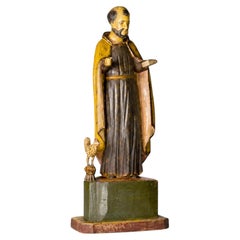
Hand Carved "Saint Francis" Wooden Sculpture, Spain, 17th Century.
Located in Madrid, ES
Sculpture of Saint Francis made of hand-carved and polychrome wood with gold leaf embellishments. Valladolid, Spain, 17th century. Circa 1650
Category

17th Century Spanish Antique Baroque Sculptures

Materials

Wood

Capodimonte Porcelain Figure Of Couple Playing Lute, Early 20th Century
Located in Lisbon, PT
A Neapolitan Capodimonte porcelain in the Baroque style depicting a french salon scene, a woman seated in an armchair playing the lute and a male admirer trying to impress her, marke...
Category

Early 20th Century Italian Baroque Sculptures

Materials

Porcelain

Antique Italian Reliquary Joseph and Mary Busts I 17th Century
Located in Lincoln, GB
Antique Italian Reliquary Joseph and Mary Busts I 17th Century Exquisite pair of reliquary Joseph and Mary bust showcases the exceptional craftsmanship of late 17th-century Italian artisans. Meticulously carved from wood and adorned with intricate gesso detailing, these busts are a testament to the skill and artistry of the period. The wood has been expertly painted, adding a touch of vibrant color to the delicate features of the busts. Each bust serves as a reliquary, providing a sacred space to house religious relics or artifacts. With their ornate design and historical significance, these Italian reliquary busts...
Category

Late 17th Century Italian Antique Baroque Sculptures

Materials

Wood

Pair Antique Bronze Patinated Putti Angel Sconces
Located in New York, NY
Pair antique bronze patinated angel putti sconces. Italian late 17th century bronze putti with exceptional modeling seated on scrolled arms each ex...
Category

17th Century Italian Antique Baroque Sculptures

Materials

Bronze

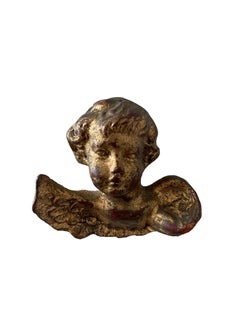
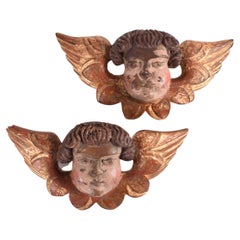
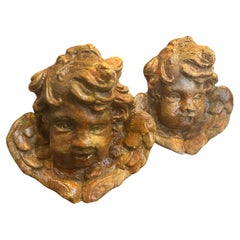
Two 1930s Baroque Style Stone Sicilian Angels
Located in Catania, Sicilia
Two sculptures of angels heads in stone mixture made in 1930s in Sicily, they were used as decorations in a villa, they are in original conditions and patina with signs of use and ag...
Category

Mid-20th Century Sicilian Baroque Sculptures

Materials

Stone, Composition

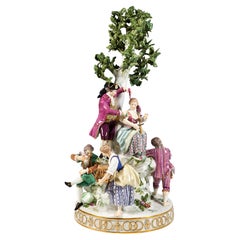
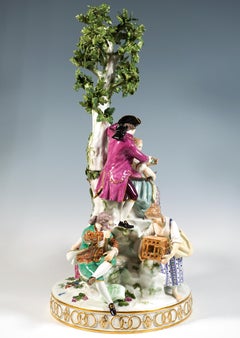
Meissen Group 'The Wine Press' With 7 Winemaker Children, J.J. Kändler, Ca. 1924
Located in Vienna, AT
Excellent Meissen porcelain sculpture: Group of seven gardener children in elaborate Rococo clothing placed around a wine press, sitting on it, manipulating the machine, eating grape...
Category

Early 20th Century German Baroque Sculptures

Materials

Porcelain

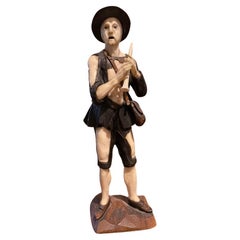
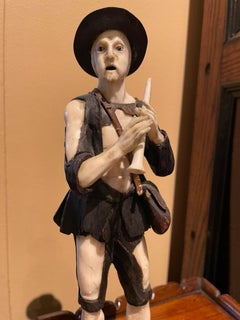
18th Century Austrian Baroque Carved Figure of a Beggar Musician
Located in Stamford, CT
Carved bone and walnut figure of a beggar with a very expressive face holding a flute, with a satchel over his shoulder carved from wood with a leather strap. With inset glass eyes. ...
Category

Mid-18th Century Austrian Antique Baroque Sculptures

Materials

Bone, Walnut

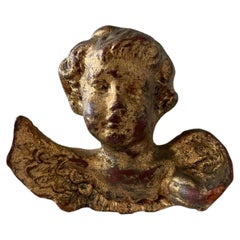
Pair of 19th Century Giltwood Wings on Iron Bases
Located in Los Angeles, CA
Pair of 19th century Italian Baroque style 22K giltwood wings. The wings have been mounted on iron bases. Wear is consistent with age. There is some mis...
Category

19th Century Italian Antique Baroque Sculptures

Materials

Iron

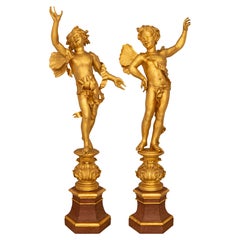
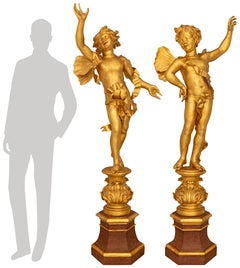
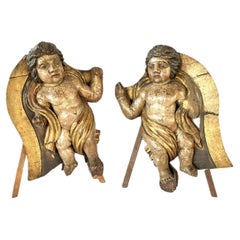
Pair of Angels on Carved Base from the 1700s
Located in Milano, MI
Pair of Carved Wood Putti on Carved Base from the 1700s are two naked cherubs covered only by their golden loincloths; apparently two heralding angels without wings, they stand on ti...
Category

18th Century Italian Antique Baroque Sculptures

Materials

Pine

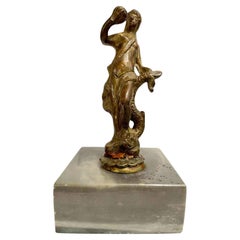
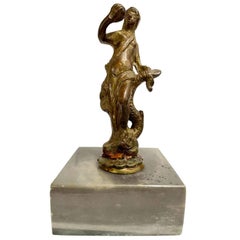
Venus With Dolphin 1600 Italian Bronze Sculpture On Gray Marble Base
Located in Milano, MI
Venus With Dolphin In Bronze 1600, small 17th-century Italian sculpture ending in a ferrule at the bottom. He holds a sphere in his right hand and with his left hand holds the dolphi...
Category

17th Century Italian Antique Baroque Sculptures

Materials

Bronze

Baroque Triton Sculpture
Located in New York, NY
Baroque triton sculpture. Antique finely cast late 17th century gilt iron triton sea god sculpture with split tail astride the “rocks” on gilt painted...
Category

Late 17th Century Italian Antique Baroque Sculptures

Materials

Iron

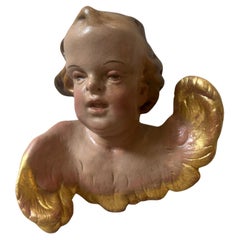
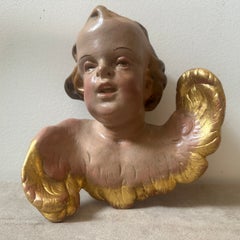
18th Century Carved Wood Panel – Polychrome Head Of Cherub – Putto
Located in Lincoln, GB
Antique Polychrome Carved Head Of Cherub / Putti / Putto Exquisite 18th-century carved wood panel features a stunning polychrome head of a cherub, also...
Category

18th Century French Antique Baroque Sculptures

Materials

Wood

18th Century Russian Carved Oak Figure of a Saint
Located in Stamford, CT
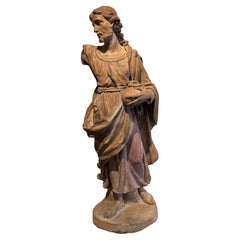
A very interesting Baroque period carved oak figure of a saint or prophet said to come from a demolished Russian Orthodox church. This compelling figure is ...
Category

Early 18th Century Russian Antique Baroque Sculptures

Materials

Oak

An Articulating Santos, c.1820
Located in Savannah, GA
An articulating santo or saint mannequin vested in a period continental bullion embroidered silk chasuble, circa 1820. Articulating arms and glass eyes; mounted on later base. 18...
Category

1820s European Antique Baroque Sculptures

Materials

Wood

Gilt Bronze Boy Allegory of Geography, French, 18th Century
Located in Miami Beach, FL
This charming depiction of a boy measuring the earth with a compass is an allegorical sculpture of geography. This bronze was cast using the lost wax technique and is fire gilded. He...
Category

Late 18th Century French Antique Baroque Sculptures

Materials

Marble, Bronze

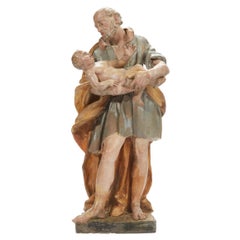
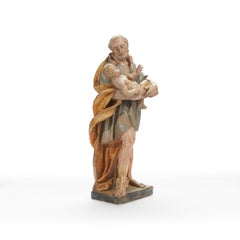
San Giuseppe con Bambino Terracotta Barocca Italiana XVIII Secolo da Pio A.G.
By Angelo Gabriello Piò
Located in Milano, MI
San Giuseppe con Bambino in Terracotta splendido esempio di plastica bolognese del 1700, dalla cerchia dello scultore italiano Angelo Gabriello Piò (Bologna 1690 – 1770). Modellato...
Category

Early 18th Century Italian Antique Baroque Sculptures

Materials

Terracotta

Angelo Statue in Wood Baroque Style, 18th Century
Located in Beuzevillette, FR
Beautiful wooden statue of an 18th century baroque style Angelo. It is finely carved. Some old restorations are to be noted on the feet, and the left hand. The back wings are missing.
Category

18th Century Antique Baroque Sculptures

Materials

Wood

German Baroque Painted Wood Angel Sculptures, A Pair
Located in Bradenton, FL
Pair of 18th Century German Baroque Carved Wooden Angel Sculptures. Each cherubic angel is depicted in dynamic, flowing motion with beautifully detailed features and in the original ...
Category

18th Century German Antique Baroque Sculptures

Materials

Wood

Monumental 17th Century Italian Baroque Carved Wood Bust
Located in Houston, TX
Monumental 17th century Italian Baroque carved wood bust. Expertly carved Italian Baroque walnut bust /torso from the 17th century. This gorgeous...
Category

17th Century Italian Antique Baroque Sculptures

Materials

Walnut

19th C. French Terracotta Sculpture of Cherubs and Goat Signed P. De Leonardi
Located in Dallas, TX
This delightful antique sculpture was crafted in France circa 1890, and depicts two cherubic children at play with a goat in a joyful, animated composition. Sculpted in clay and sign...
Category

Late 19th Century French Antique Baroque Sculptures

Materials

Terracotta

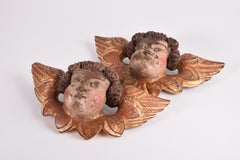
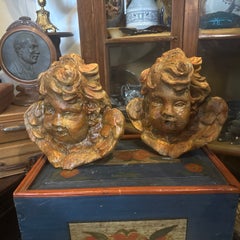
Pair of Baroque Putti Cherubs, Polychrome & Gilt Wood, French Pyrenees ca 1700
Located in Silkeborg, Silkeborg
Pair of original Baroque wooden putti / winged cherubs. We were told that they originate from a church in the French Pyrenees. We suppose they are from...
Category

17th Century French Antique Baroque Sculptures

Materials

Wood

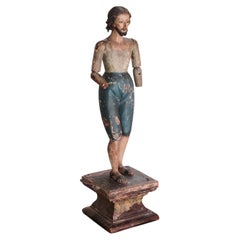
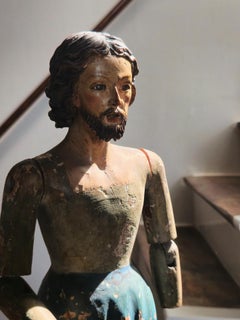
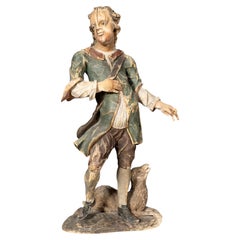
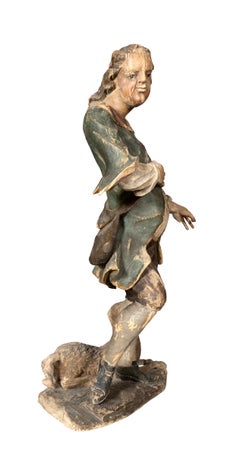
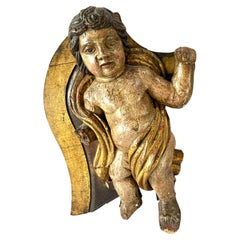
18th Century Italian Carved Santo Boy Sculpture Icon
Located in Rio Vista, CA
Large 18th century Italian carved Santo figural icon sculpture depicting a boy with arms raised dressed in a blue parcel-gilt outfit with boots. Heavily aged and distressed polychrom...
Category

18th Century Italian Antique Baroque Sculptures

Materials

Glass, Lacquer, Giltwood, Wood

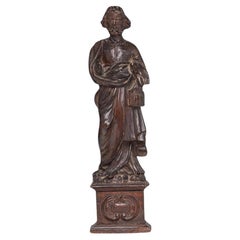
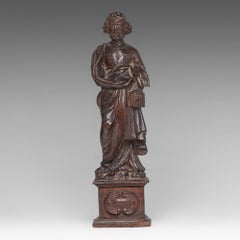
Large Antique French 17th Century Carved Walnut Saint Peter Santos Figure Statue
Located in Portland, OR
A fine & large antique 17th Century French carved walnut statue of Saint Peter, circa 1680. The statue is finely carved from walnut and depicts Saint Peter holding a bible in his ha...
Category

1680s French Antique Baroque Sculptures

Materials

Walnut

Pair of Carved Wood Baroque Style Wall Decors with Deer and Ibex Figures
Located in Barntrup, DE
A pair of beautiful Baroque style polychrome carved wood wall decors depicting deer and ibex figures. Painted in brown, green, red, and golden c...
Category

1950s Italian Vintage Baroque Sculptures

Materials

Wood, Paint

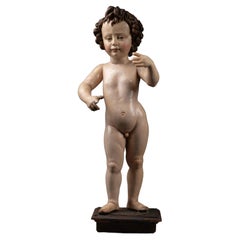
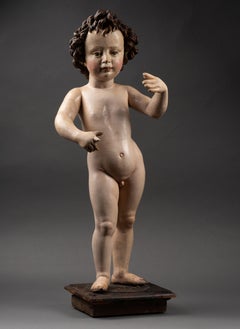
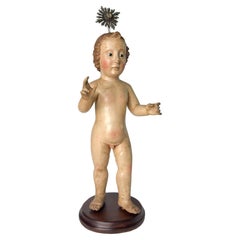
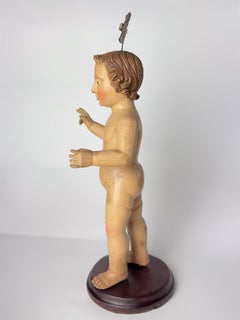
Jesus Of Mechelen Flemish Sculpture, 17th Century, Religious Art
Located in Lisbon, PT
This 17th-century Flemish Baroque tabletop sculpture from Mechelen represents the Infant Jesus, arms outstretched in divine grace, blessing the viewer with serene charm. A remarkabl...
Category

Late 17th Century Belgian Antique Baroque Sculptures

Materials

Wood

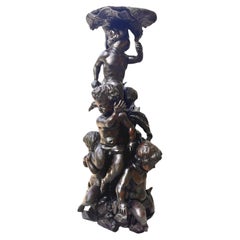
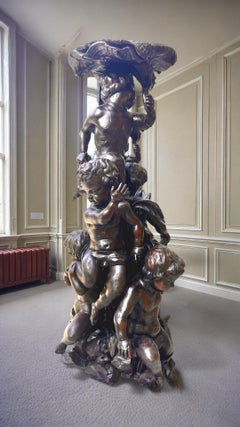
Baroque Style Faux Bois MAC Gilt Candlestick Floor Sculpture, Mar Co.
By MAC
Located in Lambertville, NJ
Tall floor torchère sculpture by Mar Co.' and 'M.A.C. Sculpture, Inc. California. This baroque inspired sculptural floor candlestick is made of resin with a reflective gilt painted f...
Category

Early 2000s American Baroque Sculptures

Materials

Gold Leaf

Castilian millstone in granite and iron sculpture foot
Located in Valladolid, ES
One of a kind traditional Castilian millstone, wheel, or millstone, circular in shape , forming a unique, singular, and impressive sculpture. The piece is made of granite, and vari...
Category

1790s Spanish Antique Baroque Sculptures

Materials

Granite, Iron

Emile Louis Picault (Fr. 1833-1915) Bust Of Italian Painter Salvator Rosa
Located in Bridgeport, CT
Bronze bust of Salvator Rosa, an Italian Baroque painter, poet and printmaker, known for romanticized landscapes and historical paintings. The well cast bronze bust with a fine deep ...
Category

20th Century French Baroque Sculptures

Materials

Marble, Bronze

White Rabbit in Wonderlandt, Handmade in Italy, Handcrafted Design, 2021
Located in San Miniato PI, IT
Our artisan's pieces are a dream come true, as in Disney's Alice in Wonderland. Ceramic tea service are completely hand-crafted and painted with ...
Category

2010s Italian Baroque Sculptures

Materials

Ceramic

Italy Sicily Late 19th Century Set 7 Kitchen Wooden Tiles with Rural Scenes
Located in Brescia, IT
This particular set of wooden tiles, was handmade with colorful rural scenes, to decorate the sides of the Sicilian carts used during popular folks. Thes...
Category

Late 19th Century Italian Antique Baroque Sculptures

Materials

Wood

Antique Polychrome Terracotta Jesus Child Putto Figure 17th Century
Located in Lincoln, GB
Antique Polychrome Terracotta Jesus Child Putto Figure Exquisite polychromed, hand painted terracotta figure that beautifully depicts Baby Jesus. The attention to detail is evident i...
Category

17th Century Spanish Antique Baroque Sculptures

Materials

Terracotta

Very Large Mythological Meissen Group 'Apollo & Daphne' By J.J. Kaendler, C 1860
Located in Vienna, AT
Excellent large and rare Meissen figurine group from the 19th century: Apollo, clothed with a cloak, attempts to seize Daphne from behind as she flees from him and freezes into a lau...
Category

Mid-19th Century German Antique Baroque Sculptures

Materials

Porcelain

A Carved Polychrome Painted Figure of the Virgin and Christ, 18th Century
Located in ARMADALE, VIC
A Carved and Polychrome-Painted Group of the Virgin and Christ, 18th Century The modelled standing in robes holding the Christ child, on a rockwork base with a seraphim mask to the ...
Category

18th Century French Antique Baroque Sculptures

Materials

Hardwood

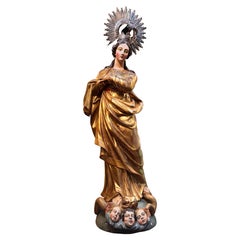
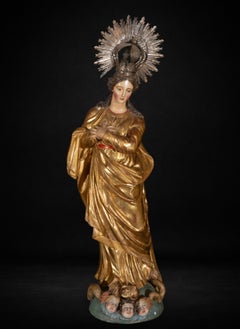
Italian Baroque Religious Madonna and Child Statue, 18th Century
Located in Lisbon, PT
An 18th-century Italian sculpture of a draped Madonna, masterfully carved in polychrome and gilded wood. The Virgin, gracefully veiled, holding the infant Jesus on her lap with a st...
Category

18th Century Italian Antique Baroque Sculptures

Materials

Gold Leaf

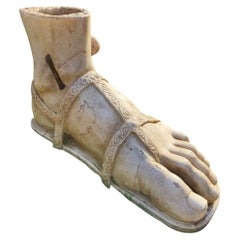
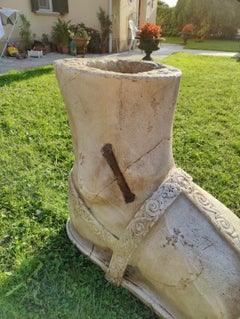
Masterpiece and Museum Pair of Italian Feet of "Mercury" 17th Century
Located in Madrid, ES
Masterpiece and Museum Pair of Feet of "Mercury" 17th Century in Greek Thassos marble late 17th century early 18th century 17th/18th century 120 x 50 x H 70cm good condition for the ...
Category

Late 17th Century Italian Antique Baroque Sculptures

Materials

Marble

Mid-17th Century French Carved Walnut Bust of Saint Paul
Located in Dallas, TX
Carved in France in the 17th century, this commanding walnut bust likely represents Saint Paul the Apostle, depicted with dramatic realism and spiritual gravity. The figure features ...
Category

Mid-17th Century French Antique Baroque Sculptures

Materials

Walnut

18th Century Carved Venetian Polychromed Gondola Figurerhead
Located in West Palm Beach, FL
18th century carved Venetian polychromed gondola figurerhead, realistically carved and painted, raised on a 6.5" diameter base.
Category

Mid-19th Century Italian Antique Baroque Sculptures

Materials

Wood

French 19th Century Patinated Bronze Group "The Abduction of the Sabine Women"
By Pierre Loison 1
Located in Los Angeles, CA
A very fine and Monumental French 19th century patinated bronze group Titled "The Abduction of the Sabine Women" after a model by Pierre Loison (French, 1816-1886), depicting a young scantily maiden being carried away on the arms of a Roman soldier, raised on circular ebonized wood and brass revolving pedestal stand. Signed at the base: P. Loison, circa: Paris, 1870-1880. Overall height (Sculpture and Pedestal): 91 inches (231.2 cm). Sculpture height: 54 3/4 inches (139.1 cm). Sculpture width: 24 inches (61 cm). Pedestal height: 36 inches (91.5 cm). Pedestal width (Widest): 25 1/2 inches (64.8 cm). Pierre Loison was a French sculptor of the 19th century born in the seaside town of Loir-et-Cher on July 5, 1816 and died in Cannes on February 3, 1886. In 1841, he joined the Pierre-Jean David d'Angers workshop where he became one of his favorite pupils. A year later he attended the School of Fine Arts in Paris. He exhibited for the first time at the Salon des artistes Français where in 1845 he was awarded third-class medal. In 1853 he was awarded First Place medal and at the Universal Exhibition of 1955 he received an honorable mention and another medal award in 1859. On 12 July 1859 and by decree, he was made "Chevalier de la Légion d’Honneur". Pierre Loison is buried at The Montparnasse Cemetery in Paris. Works by Pierre Loison "Femme assise": Terre cuite (1843) au musée Gustave-Moreau à Paris "Jeune fille portant un vase": Statue en marbre blanc, (h. 1,25 m) datée de 1857 et présentée au Salon de 1859 ; la statue fut d’abord placée au Palais-Royal (appartements du prince Napoléon) ; elle est actuellement au musée des Beaux-arts de Dole ; une réplique de taille réduite est au Musée des arts décoratifs de Paris. "La Halle aux grains de Mer": Chaque façade de ce bâtiment, classé à l’inventaire supplémentaire des monuments historiques, comporte un fronton triangulaire et celui de la façade ouest représentant « L’Agriculture distribuant des couronnes aux enfants de Beauce et de Sologne » a été sculpté gracieusement par P. Loison, natif de la commune. "La Justice assise": Allégorie de la Justice au fronton du Palais de justice de Blois (1847). "Buste d’Achille Fould": Au musée du Château de Blois 8; "Nausicaa": Statue en plâtre présentée au Salon de 1874, au musée des Beaux-arts de Vendôme. "Statue de J-B. Pigalle sur la façade de l’hôtel de ville de Paris "Sculptures extérieures du Palais du Louvre": Pierre Loison est l’auteur de neuf statues qui décorent les façades du Louvre "Figure" (1878) au deuxième étage du Pavillon Marsan10; "La Navigation" (1868) sur la balustrade du premier étage du Pavillon des États11; "Pandore" (1861) sur l’aile Est12; « Vénus » (1865) Aile Marsan13; "l’Histoire et la Vérité" (1857)14; "La Poésie et la Philosophie" (1857)15 deux oculi du Pavillon Mollien, coté cour Napoléon ; "Concordet" (1857) sur la balustarde du premier étage de la Rotonde de Beauvais, coté cour Napoléon. "Statue de Sappho sur le rocher de Leucade : datée de 1859, (h. 1,85 m) sur la façade nord de la cour carrée du Palais du Louvre à Paris ; le modèle en plâtre, offert par Mme Loison, est au musée des Beaux-arts de Blois. "Vierge à l’enfant": Statue en marbre en l’église Saint-Pierre de Dampierre-en-Yvelines. "Jeune romain enlevant une Sabine": Groupe présenté au Salon de 1863 qui a été reproduit en bronze par la fonderie d’art Raingo frères. "Sépulture de la famille Hautoy : Au cimetière du Père-Lachaise, deux bas-reliefs en marbre représentant l’un "La vie de Famille," l’autre 'Le chantier," datés de 1880. "Demoiselle d’honneur de la Cour de François Ier": Statue en pierre exposée au Salon des artistes vivants en 1870 ; acquise par l’État à ce Salon, elle a été déposée en 1891, devant la mairie d’Aubin. "La Paix distribuant des palmes aux génies des Beaux-arts": Fronton du Château de Compiègne (1866). "Daphnis et Naïs": Groupe en marbre (1869) au musée de Picardie à Amiens. "Jean-Baptiste Pigalle": Statue en pierre (1881) sur la façade principale, au rez-de-chaussée de l’Hôtel de ville de Paris. "Gisant de Ferdinand-Philippe d'Orléans: dans la chapelle royale de Dreux en collaboration avec Ary Scheffer. "La Grace": Statue en marbre (1875) dans le grand foyer de l’opéra Garnier. The Abduction of the Sabine Women The Abduction of the Sabine Women is an episode in the legendary history of Rome, traditionally dated to 750 BC, in which the first generation of Roman men acquired wives for themselves from the neighboring Sabine families. Recounted by Livy and Plutarch (Parallel Lives II, 15 and 19), it provided a subject for Renaissance and post-Renaissance works of art that combined a suitably inspiring example of the hardihood and courage of ancient Romans with the opportunity to depict multiple figures, including heroically semi-nude figures, in intensely passionate struggle. Comparable themes from Classical Antiquity are the Battle of the Lapiths and Centaurs and the theme of Amazonomachy, the battle of Theseus with the Amazons. The Abduction is supposed to have occurred in the early history of Rome, shortly after its founding by Romulus and his mostly male followers. Seeking wives in order to found families, the Romans negotiated unsuccessfully with the Sabines, who populated the area. Fearing the emergence of a rival society, the Sabines refused to allow their women to marry the Romans. Consequently, the Romans planned to abduct Sabine women, during a festival of Neptune Equester and proclaimed the festival among Rome's neighbours. According to Livy, many people from Rome's neighbours including folk from the Caeninenses, Crustumini, and Antemnates, and many of the Sabines attended. At the festival Romulus gave a Signal, at which the Romans grabbed the Sabine women and fought off the Sabine men. The indignant abductees were soon implored by Romulus to accept Roman husbands. Livy says Romulus offered them free choice and promised civic and property rights to women. According to Livy, Romulus spoke to them each in person, declaring "that what was done was owing to the pride of their fathers, who had refused to grant the privilege of marriage to their neighbours; but notwithstanding, they should be joined in lawful wedlock, participate in all their possessions and civil privileges, and, than which nothing can be dearer to the human heart, in their common children." Responsibility of the men for meeting the needs of the children thus conceived was not included. War with the Sabines and other tribes Outraged at the occurrence, the King of the Caeninenses entered upon Roman territory with his army. Romulus and the Romans met the Caeninenses in battle, killed their king, and routed their army. Romulus later attacked Caenina and took it upon the first assault. Returning to Rome, he dedicated a temple to Jupiter Feretrius (according to Livy, the first temple dedicated in Rome) and offered the spoils of the enemy king as spolia opima. According to the Fasti Triumphales, Romulus celebrated a triumph over the Caeninenses on 1 March 752 BC. At the same time, the army of the Antemnates invaded Roman territory. The Romans retaliated, and the Antemnates were defeated in battle and their town captured. According to the Fasti Triumphales, Romulus celebrated a second triumph in 752 BC over the Antemnates. The Crustumini also started a war, but they too were defeated and their town captured. Roman colonists subsequently were sent to Antemnae and Crustumerium by Romulus, and many citizens of those towns also migrated to Rome (particularly the families of the captured women). The Sabines themselves finally declared war, led into battle by their king, Titus Tatius. Tatius almost succeeded in capturing Rome, thanks to the treason of Tarpeia, daughter of Spurius Tarpeius, governor of the citadel on the Capitoline Hill. She opened the city gates for the Sabines in return for "what they bore on their arms", thinking she would receive their golden bracelets. Instead, the Sabines crushed her to death with their shields, and her body was thrown from a rock known ever since by her name, the Tarpeian Rock. The Romans attacked the Sabines, who now held the citadel. The Roman advance was led by Hostus Hostilius, the Sabine defence by Mettus Curtius. Hostus fell in battle, and the Roman line gave way, They retreated to the gate of the Palatium. Romulus rallied his men by promising to build a temple to Jupiter Stator on the site. He then led them back into battle. Mettus Curtius was unhorsed and fled on foot, and the Romans appeared to be winning. At this point, however, the Sabine women intervened: [They], from the outrage on whom the war originated, with hair dishevelled and garments rent, the timidity of their sex being overcome by such dreadful scenes, had the courage to throw themselves amid the flying weapons, and making a rush across, to part the incensed armies, and assuage their fury; imploring their fathers on the one side, their husbands on the other, "that as fathers-in-law and sons-in-law they would not contaminate each other with impious blood, nor stain their offspring with parricide, the one their grandchildren, the other their children. If you are dissatisfied with the affinity between you, if with our marriages, turn your resentment against us; we are the cause of war, we of wounds and of bloodshed to our husbands and parents. It were better that we perish than live widowed or fatherless without one or other of you." The battle came to an end, and the Sabines agreed to unite in one nation with the Romans. Titus Tatius jointly ruled with Romulus until Tatius's death five years later. The new Sabine residents of Rome settled on the Capitoline Hill, which they had captured in the battle. Artistic representations: The Rape of the Sabine Women by Johann Heinrich Schönfeld The subject was popular during the Renaissance as symbolising the importance of marriage for the continuity of families and cultures. It was also an example of a battle subject in which the artist could demonstrate his skill in depicting female as well as male figures in extreme poses, with the added advantage of a sexual theme. It was depicted regularly on 15th-century Italian cassoni and later in larger paintings. A comparable opportunity from the New Testament was afforded by the theme of the Massacre of the Innocents. Giambologna The sculpture by Giambologna (1579–1583) that was reinterpreted as expressing this theme depicts three figures (a man lifting a woman into the air while a second man crouches) and was carved from a single block of marble. This sculpture is considered Giambologna's masterpiece. Originally intended as nothing more than a demonstration of the artist's ability to create a complex sculptural group, its subject matter, the legendary rape of the Sabines, had to be invented after Francesco I de' Medici, Grand Duke of Tuscany, decreed that it be put on public display in the Loggia dei Lanzi in Piazza della Signoria, Florence. True to mannerist densely packed, intertwined figural compositions and ambitious overinclusive efforts, the statue renders a dynamic panoply of emotions, in poses that offer multiple viewpoints. When contrasted with the serene single-viewpoint pose of the nearby Michelangelo's David, finished nearly 80 years before, this statue is infused with the dynamics that lead towards Baroque, but the tight, uncomfortable, verticality— self-imposed by the author's virtuosic restriction to a composition that could be carved from a single block of marble— lacks the diagonal thrusts that Bernini would achieve forty years later with his Rape of Proserpina and Apollo and Daphne, both at the Galleria Borghese, Rome. The proposed site for the sculpture, opposite Benvenuto Cellini's statue of Perseus, prompted suggestions that the group should illustrate a theme related to the former work, such as the rape of Andromeda by Phineus. The respective rapes of Proserpina and Helen were also mooted as possible themes. It was eventually decided that the sculpture was to be identified as one of the Sabine virgins. The work is signed OPVS IOANNIS BOLONII FLANDRI MDLXXXII ("The work of Johannes of Boulogne of Flanders, 1582"). An early preparatory bronze featuring only two figures is in the Museo Nazionale di Capodimonte in Naples. Giambologna then revised the scheme, this time with a third figure, in two wax models now in the Victoria and Albert Museum, London. The artist's full-scale gesso for the finished sculpture, executed in 1582, is on display at the Accademia Gallery in Florence. Bronze reductions of the sculpture, produced in Giambologna's own studio and imitated by others, were a staple of connoisseurs' collections into the 19th century. Nicolas Poussin Nicolas Poussin produced two major versions of this subject, which enabled him to display to the full his unsurpassed antiquarian knowledge, together with his mastery of complicated relations of figures in dramatic encounter. One, now at the Metropolitan Museum of Art, was executed in Rome, 1634–35. It depicts Romulus at the left giving the Signal for the abduction. The second version, of 1636–37, now at the Louvre Museum, shows that, though some of the principal figures are similar, he had not exhausted the subject. The architectural setting is more developed. Peter Paul Rubens Peter Paul Rubens painted a version of the subject about 1635–40. It is at the National Gallery, London. Jacques-Louis David Jacques-Louis David painted the other end of the story, when the women intervene to reconcile the warring parties. The Sabine Women Enforcing Peace by Running Between the Combatants (also known as The Intervention of the Sabine Women ) was completed in 1799. It is in the Louvre Museum. David had worked on it from 1796, when France was at war with other European nations after a period of civil conflict culminating in the Reign of Terror and the Thermidorian Reaction, during which David himself had been imprisoned as a supporter of Robespierre. After David’s estranged wife visited him in jail, he conceived the IDEA of telling the story, to honor his wife, with the theme being love prevailing over conflict. The painting was also seen as a plea for the people to reunite after the bloodshed of the revolution. The painting depicts Romulus's wife Hersilia — the daughter of Titus Tatius, leader of the Sabines — rushing between her husband and her father and placing her babies between them. A vigorous Romulus prepares to strike a half-retreating Tatius with his spear, but hesitates. Other soldiers are already sheathing their swords. The rocky outcrop in the background is the Tarpeian Rock. John Leech The English 19th century satirical painter John Leech included in his Comic History of Rome a depiction of the Rape of the Sabine Women, where the women are portrayed, with a deliberate anachronism, in Victorian costume...
Category

19th Century French Antique Baroque Sculptures

Materials

Bronze

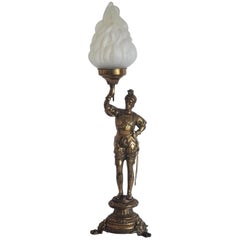
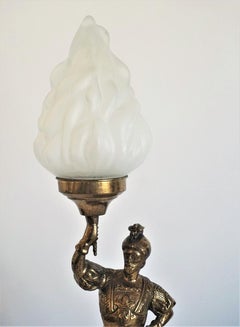
Early 20th Century Bronze Knight Sculpture Candelabra, Electrified Table Lamp
Located in Frankfurt am Main, DE
A solid bronze and brass knight sculpture candelabra later converted to electrified table lamp with large frosted glass torch flame shade. Europe...
Category

Early 20th Century Portuguese Baroque Sculptures

Materials

Brass, Bronze

18th Century Italian Antique Marble Dancing Putto small on a base.
Located in Encinitas, CA
The sculpture features a small dancing Angel 'Putto" supported on a marble block with wonderful detailing on the draping cloth and face. The sculpture is supported by an iron rod stu...
Category

Mid-18th Century Italian Antique Baroque Sculptures

Materials

Marble

Italian Putto Carved In Gilded Wood, Italy, 18th Century
Located in MARSEILLE, FR
Beautiful sculpture representing a chubby putto in gilded wood, with wings, a branch ending above his head. Italian work from the 18th century Iron hook on the back, some missin...
Category

18th Century Italian Antique Baroque Sculptures

Materials

Wood

19th Century, Bronze Lovers
Located in Dallas, TX
Intricate lovers in bronze statue. From the late 18th century. This piece stands at 23 in high 7 inches wide. Perfect addition for your study or reading room.
Category

Early 19th Century European Antique Baroque Sculptures

Materials

Bronze

19th Century, Bronze Lovers
$3,200 Sale Price
20% Off
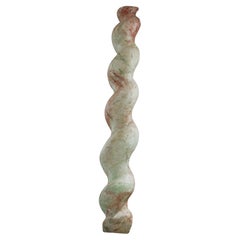
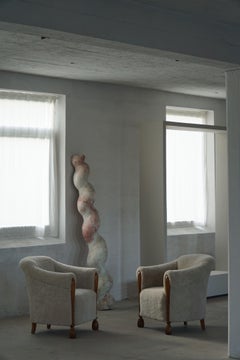
17th Century Hand-Painted Italian Candlestick with Aquamarine
Located in Dublin, Dalkey
17th century Italian candlestick with aquamarine. The candlestick is from originally from a church in Florence. It hand-carved and hand-painted with hints of pale greenish-hues showi...
Category

17th Century Italian Antique Baroque Sculptures

Materials

Crystal, Quartz, Rock Crystal

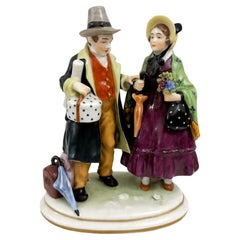
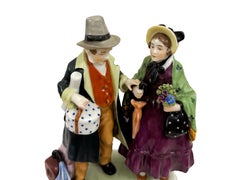
Capodimonte Traveling Couple Figurine, 1771-1834
Located in Lisbon, PT
This late 18th-century Capodimonte figurine, depicting a traveling couple with suitcases, crafted from fine translucent soft-paste porcelain. The man and woman are elegantly dresse...
Category

18th Century Italian Antique Baroque Sculptures

Materials

Porcelain

Pair of Stone Lions, dated 1701
Located in Greding, DE
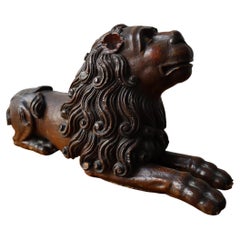
A pair of lions of the same design made of stone with escutcheons. Together they bear the date 1701 and the monogram B. W.
Category

Early 1700s German Antique Baroque Sculptures

Materials

Stone

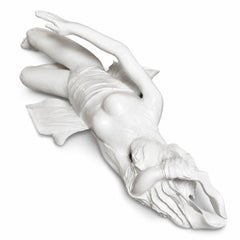
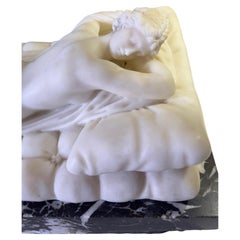
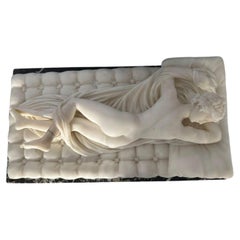
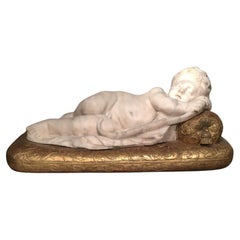
Solid Carved Carrara Marble of Sleeping Child
By François Duquesnoy
Located in Los Angeles, CA
Marble statue in the style of François Duquesnoy. We have a similar statue available of "Sleeping Cupid" available as a gorgeous pair. See other listing. Please note, the marble p...
Category

Early 20th Century Italian Baroque Sculptures

Materials

Carrara Marble

Baroque sculptures for sale on 1stDibs.

Find a broad range of unique Baroque sculptures for sale on 1stDibs. Many of these items were first offered in the Mid-20th Century, but contemporary artisans have continued to produce works inspired by this style. If you’re looking to add vintage sculptures created in this style to your space, the works available on 1stDibs include decorative objects, more furniture and collectibles, lighting and other home furnishings, frequently crafted with metal, silver and other materials. If you’re shopping for used Baroque sculptures made in a specific country, there are Europe, Italy, and France pieces for sale on 1stDibs. While there are many designers and brands associated with original sculptures, popular names associated with this style include Europa Antiques, and Liciano Sacco. It’s true that these talented designers have at times inspired knockoffs, but our experienced specialists have partnered with only top vetted sellers to offer authentic pieces that come with a buyer protection guarantee. Prices for sculptures differ depending upon multiple factors, including designer, materials, construction methods, condition and provenance. On 1stDibs, the price for these items starts at $294 and tops out at $195,000 while the average work can sell for $3,816.
Recently Viewed

View All