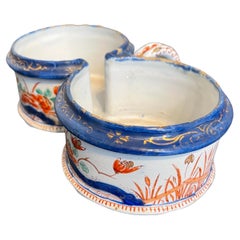
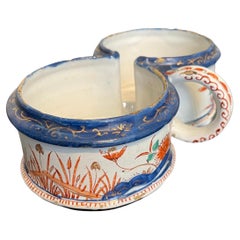
18th Century Polychrome Delft Oil and Vinegar Stand
Located in Haddonfield, NJ
18th Century polychrome Delft oil and vinegar stand in Imari flower decorations.
Category
Mid-18th Century Dutch Antique Baroque Ceramics
Materials
Delft
The decadence of the Baroque style, in which ornate furnishings were layered against paneled walls, painted ceilings, stately chandeliers and, above all, gilding, expressed the power of the church and monarchy through design that celebrated excess. And its influence was omnipresent — antique Baroque furniture was created in the first design style that truly had a global impact.
Theatrical and lavish, Baroque was prevalent across Europe from the 17th to mid-18th century and spread around the world through colonialism, including in Asia, Africa and the Americas. While Baroque originated in Italy and achieved some of its most fantastic forms in the late-period Roman Baroque, it was adapted to meet the tastes and materials in each region. French Baroque furniture informed Louis XIV style and added drama to Versailles. In Spain, the Baroque movement influenced the elaborate Churrigueresque style in which architecture was dripping with ornamental details. In South German Baroque, furniture was made with bold geometric patterns.
Compared to Renaissance furniture, which was more subdued in its proportions, Baroque furniture was extravagant in all aspects, from its shape to its materials.
Allegorical and mythical figures were often sculpted in the wood, along with motifs like scrolling floral forms and acanthus leaves that gave the impression of tangles of dense foliage. Novel techniques and materials such as marquetry, gesso and lacquer — which were used with exotic woods and were employed by cabinetmakers such as André-Charles Boulle, Gerrit Jensen and James Moore — reflected the growth of international trade. Baroque furniture characteristics include a range of decorative elements — a single furnishing could feature everything from carved gilded wood to gilt bronze, lending chairs, mirrors, console tables and other pieces a sense of motion.
Find a collection of authentic antique Baroque tables, lighting, decorative objects and other furniture on 1stDibs.
18th Century Polychrome Delft Oil and Vinegar Stand
Located in Haddonfield, NJ
18th Century polychrome Delft oil and vinegar stand in Imari flower decorations.
Delft
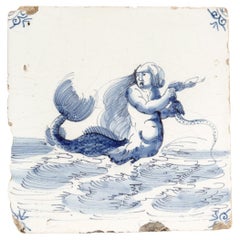
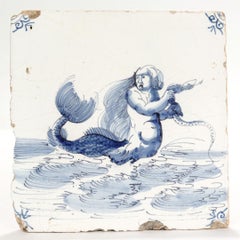
Antique 18th Century Dutch Delft Tile of a Mermaid & Serpent
By Delft
Located in Philadelphia, PA
A fine antique 18th century Dutch Delft pottery tile. Depicting a mermaid in the ocean wringing a snake with her hands. Simply a wonderful Dutch Delft tile! Date: 18th Cent...
Ceramic, Pottery
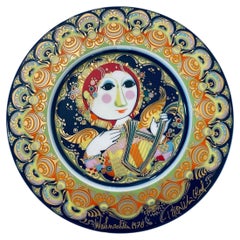
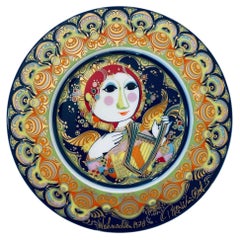
Bjorn Wiinblad Christmas Plate Angel with Harp 1978 Collectible Limited Ed 11 in
By Rosenthal, Bjorn Wiinblad, Bjørn Wiinblad
Located in Moreno Valley, CA
Bj0rn Wiinblad Christmas Plate 1978 "Angel with Harp". limited edition 11 inches diameter. Bjørn Wiinblad porcelain Christmas plate 1978, produced by Rosenthal. Dimensions: 11.25 in....
Porcelain
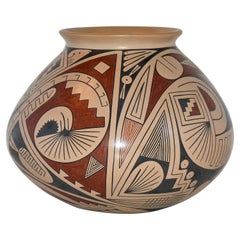
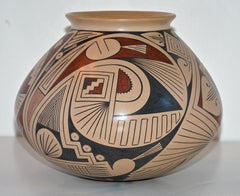
Mata Ortiz Polychrome Pottery Vessel by Pilo Mora, 1990
By Pilo Mora
Located in Los Angeles, CA
Mata Ortiz polychrome pottery vessel Pilo Mora, Master Potter (1961 - ) 1990 Hand coiled low fire clay Pueblo Quezada, Mata Ortiz, Chihuahua, Mexico Measures: 7 inches Height. x...
Clay
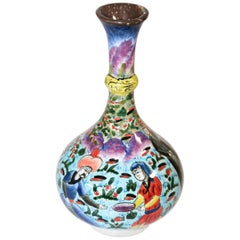
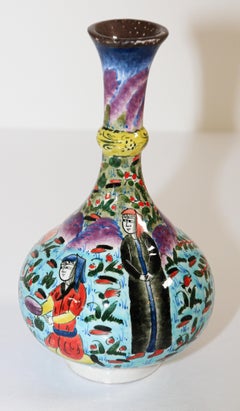
Turkish Ottoman Scene Polychrome Hand Painted Ceramic Vase Kutahya
By Iznik Pottery
Located in Moreno Valley, CA
A small Kütahya style polychrome hand painted and handcrafted glazed ceramic decorative vase with an Ottoman scene. This is an intricately, hand painted vase that was made in Marmara, Turkey: Kütahya is famous for its kiln products, such as tiles and pottery, which are glazed and multicolored. It has a beautifully hand painted scene with Ottomans princes enjoying the outdoors, surrounded by flowers in burgundy, turquoise, light and dark blue and green foliage. An Islamic ceramic...
Ceramic
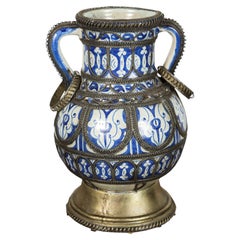
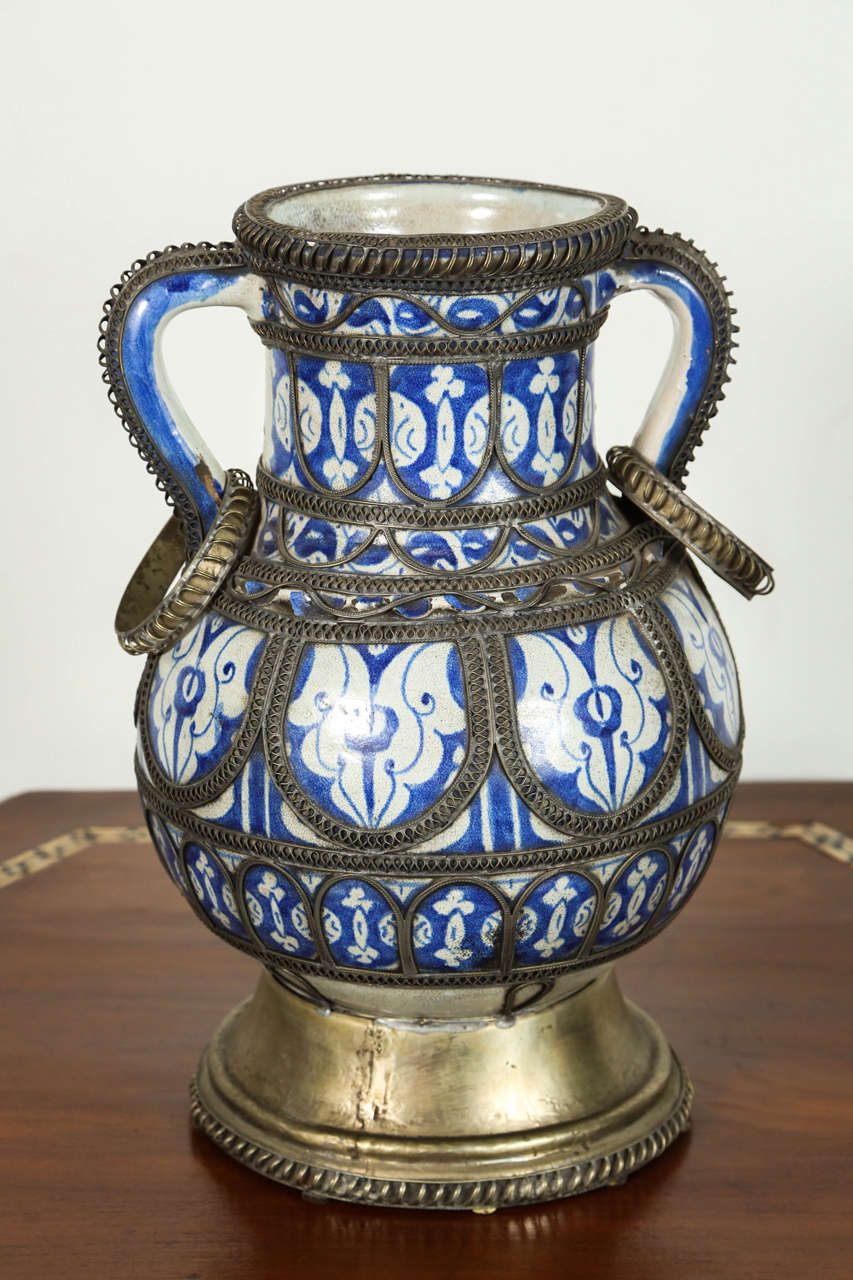
Antique Moroccan Footed Vase, Blue & White Ceramic, 20th Century
Located in Moreno Valley, CA
Antique Moroccan Fez Blue & White Ceramic Footed Vase with Filigree Metal Overlay, Early 20th Century. Dimensions: 10 in. x 14 inc. H. A striking antique Moroccan ceramic footed vase handcrafted in the historic city of Fez (Fès), renowned for producing some of Morocco's finest pottery for centuries. Dating to the early 20th century, this impressive vessel beautifully combines the celebrated ceramic traditions of Fez with the intricate artistry of Moroccan metalwork. Wheel-thrown from high-quality earthenware, the vase is decorated in the iconic "Bleu de Fès" palette, featuring richly painted cobalt blue floral and geometric motifs set against a luminous crackled white glaze. This distinctive blue-and-white decoration has long been associated with the master potters of Fez and reflects centuries of Andalusian, Moorish, and Islamic artistic influence. The ceramic body is enhanced by an elaborate handcrafted filigree metal overlay, composed of finely worked white metal and brass elements that wrap gracefully around the neck, body, handles, and pedestal foot. Decorative embossed bands, intricate openwork, and circular ring handles create a sophisticated interplay between ceramic and metal, showcasing the remarkable craftsmanship of Moroccan artisans. Its elegant baluster form, raised pedestal base, and twin ring handles evoke the refined decorative objects once found in traditional Moroccan riads and palaces. Originally created as an ornamental vase for displaying flowers or simply admired as a work of art, today it remains a stunning statement piece for both traditional and contemporary interiors. Rich in history and craftsmanship, this vase complements Moorish, Mediterranean, Spanish Colonial, Islamic, Hollywood Regency, Global, and Bohemian interiors, making it equally desirable for collectors and interior designers. Origin: Fez (Fès), Morocco Date: Early 20th Century Materials: Hand-thrown ceramic, white metal and brass filigree overlay Style: Moorish / Islamic / Moroccan Condition: Very good antique condition with age-appropriate wear consistent with use. Beautiful craquelure to the glaze and a rich patina to the metalwork, enhancing its authenticity and character. A superb example of traditional Moroccan craftsmanship, this antique Fez vase...
Ceramic
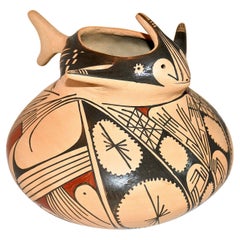
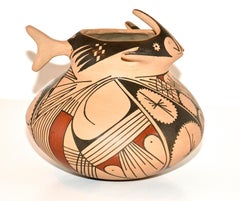
Mata Ortiz Polychrome Effigy Pot by Mauro Quezada, 1989
By Mauro Quezada
Located in Los Angeles, CA
Polychrome effigy pot Mauro Quezada Hand coiled low fired clay 1989 Pueblo Quezada, Mata Ortiz, Chihuahua, Mexico Measures: 4.75 inches height x 5.5 inches...
Clay, Paint
$339Sale Price|30% Off
H 4.5 in W 7 in D 4 in
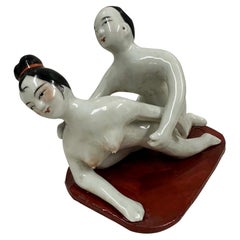
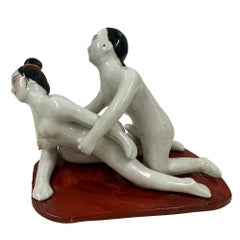
Early 20th-Century Antique Chinese Erotic Porcelain Figurine
Located in Pomona, CA
These "spring palace paintings" (春宫畫), Chinese erotic porcelain figurine were historically given to brides and young couples, sometimes as a form of "sex education" in a culture wher...
Porcelain
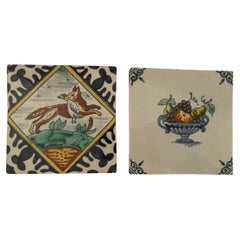
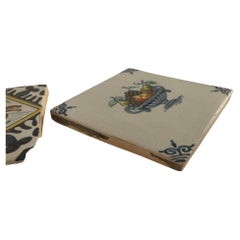
Royal Tichelaar Makkum Antique Delft Dutch Faience Hand-Painted Tiles
Located in Moreno Valley, CA
Antique Dutch Delft polychrome tiles - set of 2. These are two attractive Dutch (Netherlands), Delft ceramic wall tiles, which we date to the l...
Ceramic
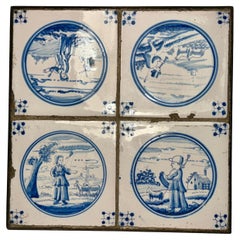
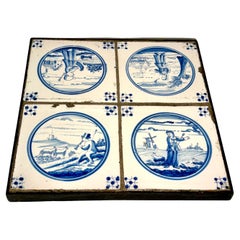
Set of Four 18th Century Blue and White Delft Tiles, 1780s
Located in Haddonfield, NJ
Set of Four 18th Century Blue and White Delft Tiles Framed in Custom Iron Frame. Wonderful piece to display.
Iron
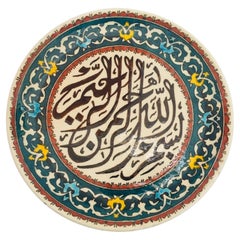
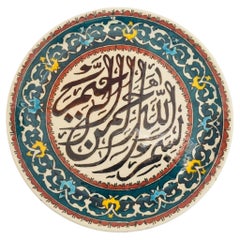
Polychrome Hand Painted Ceramic Decorative Plate with Islamic Calligraphy
Located in Moreno Valley, CA
Polychrome hand painted and handcrafted ceramic wall decorative plate with polychrome Ottoman floral design and Islamic calligraphy writing in the ce...
Ceramic
$4,800Sale Price / set|12% Off
H 6.7 in W 6.11 in D 9.06 in
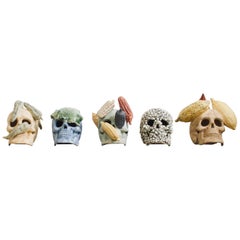
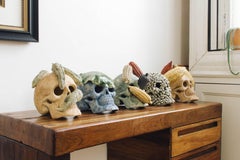
Mexican Handmade Ceramic Skull Sculpture Collection Made in Limited Editions
Located in Queretaro, Queretaro
"As a Mexican and Oaxacan, but more as Omar, I see death as something present. It´s something that is a part of life and when you think about death, you begin to value a lot of things. Death is important to me because it’s a constant threat. If you think about dying now, you would probably do things that in another moment you would say, “I’ll do it later.” I see death as an opportunity to live a better life...a continuation of something," says Mexican ceramist Omar Hernández. Omar Hernandez is a Mexican ceramist born and raised in Oaxaca, Mexico. As a child, growing up in a family of potters he didn't have much interest in making pottery, but in his early 20's he realized he could do other things with clay that weren't necessarily utilitarian pieces. It was then that Omar started his skull...
Clay
$450
H 5.91 in W 1.97 in D 1.58 in
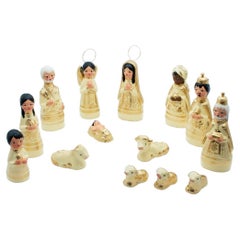
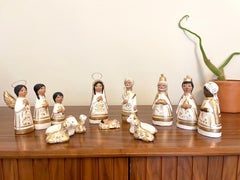
Mexican Nativity Set Folk Art Ceramic Christmas Decoration Pottery Sculptures
Located in Queretaro, Queretaro
Folkloric ceramic nativity set decorated in Tonalá, Jalisco, México. Beautifully hand painted. Handmade in clay. Includes 14 figures. The figures are first handmade in clay and burned in a wood burned oven at low temperature, then painted with acrylic paint and decorated manually. Mexican folk art...
Ceramic
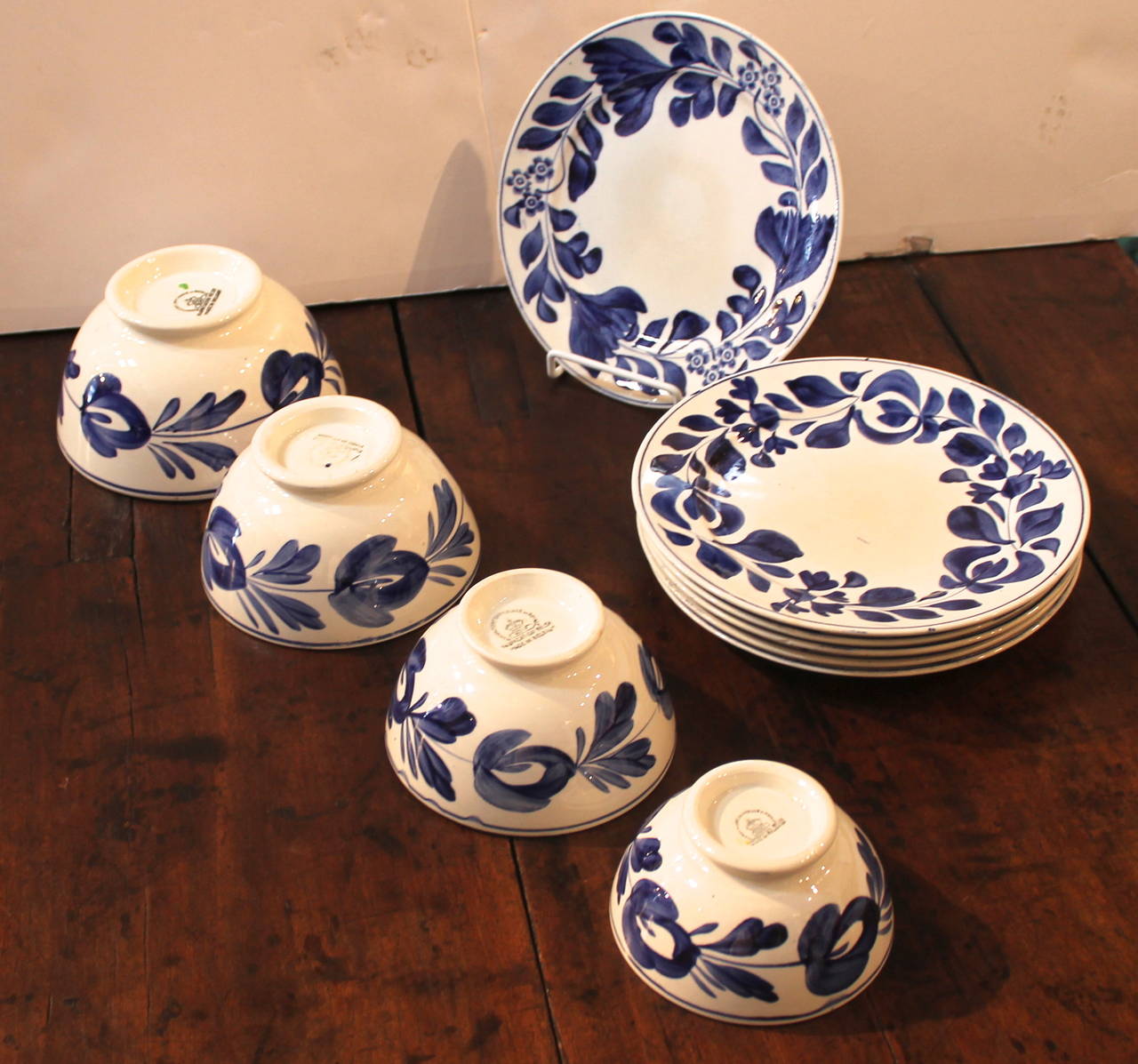
19th Century Adams Rose Plates and Bowls
Located in Los Angeles, CA
This is really a wonderful starter set of blue and white stick spatter in the English pattern of Adams Rose. All pieces are in mint condition. There are ...
Pottery
$1,415 / set
H 11.42 in W 7.88 in D 5.52 in
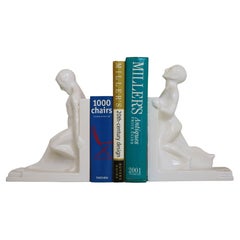
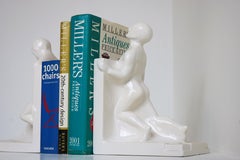
Antique Dutch Art Deco Bookends by Godefridus Boonenkamp 1931 Ceramic Pottery
Located in Ijzendijke, NL
Gorgeous Dutch ceramic pottery Art Deco bookends. Designed by Godefridus Boonenkamp in 1931. Very nice, large bookends, made of white baked earthenware ...
Ceramic, Pottery
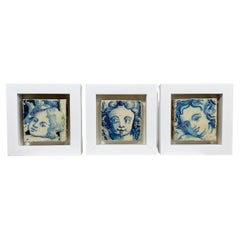
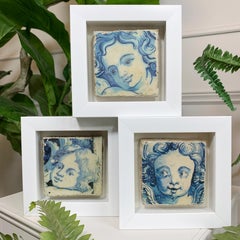
Set of 3 Framed Antique Portuguese Baroque Putti Tiles
Located in Hastings, GB
A charming set of 3 antique Baroque Putti tiles from Portugal, we have mounted and framed these in modern wooden frames with glass fronts. These ...
Ceramic
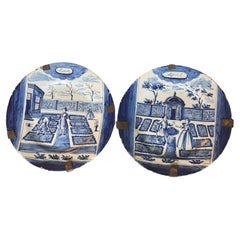
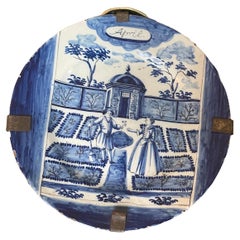
Pair of Blue and White Delft Calendar Plates
Located in Haddonfield, NJ
Pair of Delft calendar plates in blue and white garden scenarie. March and April plates. These two plates were part of a 12 plate series of calen...
Delft


Spanish 18th Century Tile
Located in valatie, NY
An 18th century hand painted tile with a pair of angels. N.P. Trent has been a respected name in antiques for over 30 years with a large collection of period furniture, art and deco...
Ceramic
Sold
H 16.5 in W 13.75 in D 8.5 in
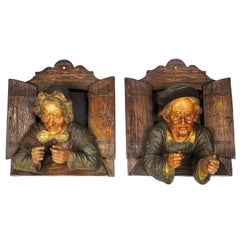
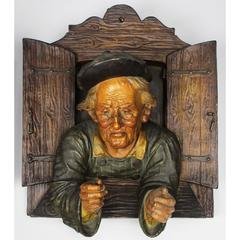
Charming Pair of Austrian 19th Century Polychromed Majolica Wall Sculptures
Located in Los Angeles, CA
A fine and charming pair of Austrian 19th century polychromed majolica hanging wall sculptures of an elderly couple peeking through a window, probably by Friedrich Goldscheider (Goldscheider'sche Porzellan-Manufactur und Majolica-Fabrik.) Each wall sculpture depicting an elderly man wearing glasses and a traditional cap with his arms extended forward as if it was reading a book or a newspaper. The other depicting an elderly lady, also peeking through a window, wearing a laced cap with a bow tie and shawl over her shoulders, her arms are also extended forward as if it was reading a book or a newspaper. The male figure stamped on the back "78 - II ." The lady figure stamped on the back "37 - 79." Vienna, circa 1890-1900. Man's height: 16 1/2 inches (41.9 cm.) Man's width: 13 3/4 inches (34.9 cm.) Depth: 8 1/2 inches (21.6 cm.) Lady's height: 15 1/2 inches (39.4 cm.) Lady's width: 13 3/4 inches (34.9 cm.) Lady's depth: 6 1/2 inches (16.5 cm.) Goldscheider Manufactory and Majolica Factory (German: Goldscheider'sche Porzellan-Manufactur und Majolica-Fabrik, (now) Goldscheider Keramik) is an Austrian ceramic manufactory. In 1885, Friedrich Goldscheider came from the small Bohemian city of Pilsen to Vienna and founded the Goldscheider Manufactory and Majolica Factory. It became one of the most influential ceramic manufactories of terracotta, faience and bronze objects in Austria with subsidiaries in Paris, Leipzig and Florence. For over half a century Goldscheider created masterpieces of historical revivalism, Art Nouveau (Jugendstil) and Art Deco. Famous artists such as Josef Lorenzl, Stefan Dakon, Ida Meisinger and the two perhaps best known Austrian ceramic artists Michael Powolny and Vally Wieselthier worked for Goldscheider. Several of the artists who worked for Goldscheider also worked for other Viennese studios, such as Augarten, Keramos or for the German brands Rosenthal and Meissen. The Goldscheider family emigrated in 1938 to United Kingdom and USA. Walter Goldscheider startet a new factory in Trenton, New Jersey and returned to Vienna in 1950. Marcel Goldscheider went to Stoke-on-Trent and produced figurative ceramics for Myott and opened his own studio in the 1950s in Hanley. Both brothers died in the early 1960s. More than 10,000 different models were created over a period of three generations. Since the very beginning many of these won first prizes and gold medals at innumerable world fairs, exhibitions and trade fairs. Goldscheider figures...
Majolica