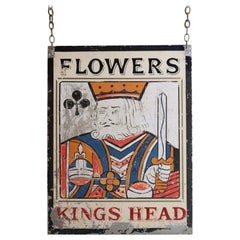
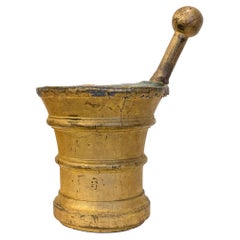
Located in Sag Harbor, NY
History of the spa
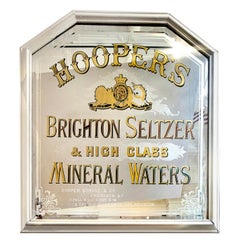
In the early part of the nineteenth century there were spas all over Europe as they were highly fashionable. A problem for Brighton was that it lacked the natural water necessary for a spa. There was a natural spring and spa at St.Ann’s Well Crescent Gardens in Hove but this was too far away for the ‘fashionable folk’ in Brighton. Frederick Struve, a research chemist from Saxony, had invented a machine that reproduced the characteristics of natural mineral water using chemicals. He believed there was enough trade in Brighton to set up an establishment and in 1825 Struve opened the pump room of his ‘German Spa’.
Dr Richard Russell had the brilliant idea in the 18th century of persuading people that sea water could be good for them. But there were other enterprising souls who felt that Brighton suffered through its lack of a traditional spa.
There was a small spa at St Ann’s Well Gardens in Hove with commendably pure water from a spring but this was felt to be too far away from the resort’s fashionable centre.
Frederick Struve had the notion of starting a more impressive spa in the open space later to be called Queen’s Park.
A choice of waters
The ‘Fashionable Chronicle’ in the Brighton Gazette provides a description of the building: ‘The building consists of a large handsome room fifty or sixty feet in length, and of proportionate breadth and height. A fine flight of steps lead to the noble saloon, on which are placed Ionic columns, supporting a portico in the purest Grecian taste. On the side of the Saloon opposite the entrance runs a counter, behind which are ranged cocks that supply different kinds of waters.’ Customers could obtain the waters of Karlsbad, Kesselbrunnen in Bad Ems, Marienbad, Bad Pyrmont and other continental spas.
Queueing for a cure
The curative waters received considerable patronage from the upper classes. In the first season there were 333 subscribers to the spa and in 1835, ten years after opening, Struve obtained the patronage of King William IV. Struve consequently renamed it the ‘Royal German...
Category
Early 20th Century German Signs