Maiolica Furniture

to
19
138
14
143
10
1
30
24
10
7
6
5
3
2
1
81
28
34
11
9
19
5
4
4
3
3
3
1
4
156
368,529
303,874
215,551
154,737
149
119
10
9
7
154
152
152
9
9
8
6
4
Material: Maiolica
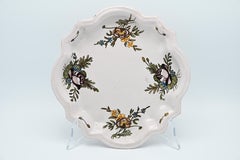
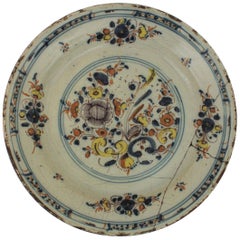
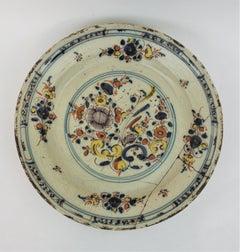
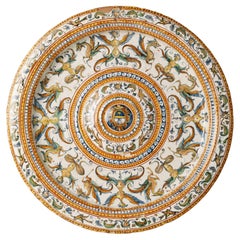
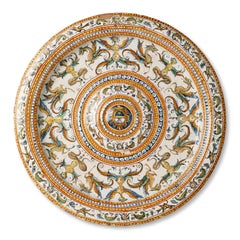
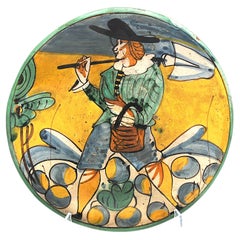
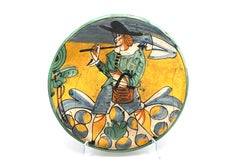
Montelupo maiolica 'Arlecchino' dish, Italy 17th century

Montelupo maiolica 'Arlecchino' dish, Italy 17th century

By Flavia Montelupo

Located in DELFT, NL

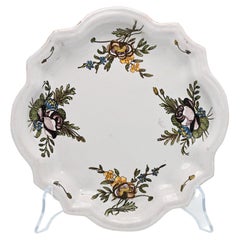
A Montelupo Mailica dish. featuring an Arlecchino decor in the shades of ochre, yellow, blue, green, and black. The shallow, circular form is decorated with geometric and abstract motifs typical of Montelupo arlecchini wares, reflecting the period’s engagement with popular theatrical subjects drawn from the Commedia dell’Arte. Produced in Montelupo Fiorentino in the late 17th century, this dish represents the mature phase of Montelupo maiolica...

Category

Late 17th Century Italian Baroque Antique Maiolica Furniture

Materials

Earthenware, Faience, Maiolica, Ceramic

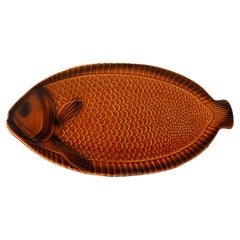
huge French Majolica Fish Platter Sarreguemines 1950s in very good condition

huge French Majolica Fish Platter Sarreguemines 1950s in very good condition

By Sarreguemines

Located in Landshut, BY

huge French Majolica Fish Platter Sarreguemines 1950s in very good condition German : Saargemünd / French Sarreguemines) is situated in the north-east of France, on the border wi...

Category

Mid-20th Century German Maiolica Furniture

Materials

Maiolica

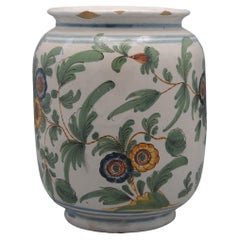
Pesaro - Large albarello - 'al tacchiolo' decor, 18th century

Pesaro - Large albarello - 'al tacchiolo' decor, 18th century

Located in DELFT, NL

Very large albarello with polychrome decoration called “al tacchiolo” of foliage with stylized flowers. Marked under the base: “N°20 Pesaro, 18th century. Fabbrica Casali Callegari ...

Category

Late 18th Century Antique Maiolica Furniture

Materials

Maiolica

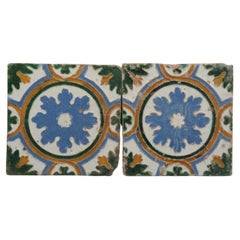
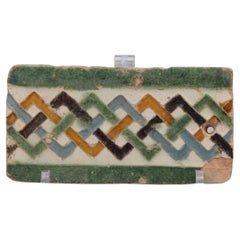
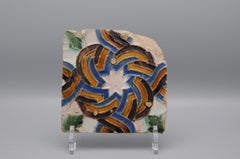
Spanish Moorish Mudejar Tile, Arista y Cuenca - Sevilla 16th century

Spanish Moorish Mudejar Tile, Arista y Cuenca - Sevilla 16th century

By Estadio of Spain

Located in DELFT, NL

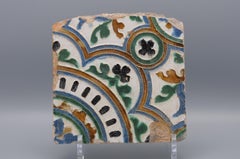
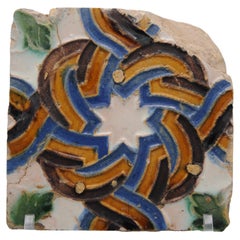
Rare late 15th or early 16th century Mudejar tile of the so-called ‘Arista’ technique with intricate geometric decoration. Good condition; some chipping to the edges, some wear to ...

Category

16th Century Spanish Renaissance Antique Maiolica Furniture
Materials

Earthenware, Clay, Maiolica

Spanish Azulejo Tile Arista y Cuenca - Toledo 16th century

Spanish Azulejo Tile Arista y Cuenca - Toledo 16th century

By Estadio of Spain

Located in DELFT, NL

Early Arista y Cuenca tile made in Toledo. Azulejo Toledano. Alhambra tile decorated in renaissance mudejar style geometrical design. Probably made between 1550 and 1575. In very g...

Category

16th Century Spanish Renaissance Antique Maiolica Furniture
Materials

Earthenware, Maiolica

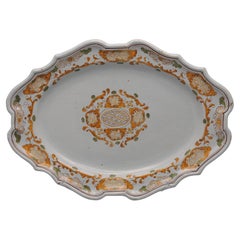
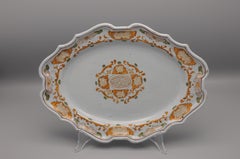
Manifattura San Carlo della Real Fabbrica di Caserta - Serving dish 18th century

Manifattura San Carlo della Real Fabbrica di Caserta - Serving dish 18th century

By Moustiers

Located in DELFT, NL

Manifattura San Carlo della Real Fabbrica di Caserta - Serving dish in Moustiers style with scalloped edge decorated in ocher and green monochrome with a medallion in the center of t...

Category

18th Century French Chinoiserie Antique Maiolica Furniture

Materials

Earthenware, Faience, Maiolica

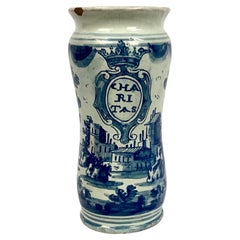
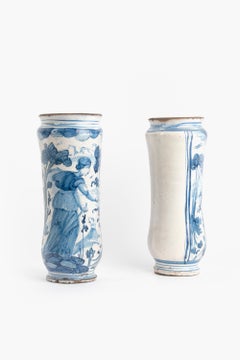
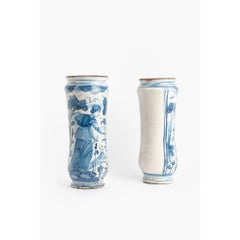
18th Century Italian Maiolica Blue and White Alborello Pharmacy Jar #2

18th Century Italian Maiolica Blue and White Alborello Pharmacy Jar #2

Located in Bradenton, FL

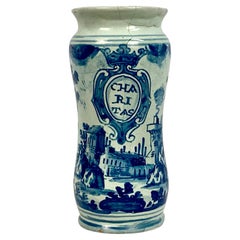
18th Century Italian Majolica Albarello Pharmacy Jar. Jar is in a cylindrical shape with flared rim and foot. Jar features blue and white pattern with the word "Charitas" in an oval ...

Category

18th Century Italian Renaissance Antique Maiolica Furniture
Materials

Maiolica

An Antique Italian Glazed Pottery Jug from the Montelupo Fiorentino factory

An Antique Italian Glazed Pottery Jug from the Montelupo Fiorentino factory

Located in New Orleans, LA

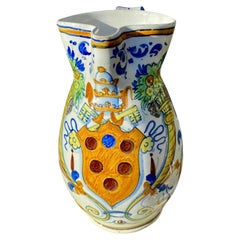
This is an antique Italian ceramic jug, likely from the Montelupo Fiorentino factory, dating to around the late 19th century with the coat-of-arms of the Medici Grand Dukes flanked b...

Category

1880s Italian Renaissance Revival Antique Maiolica Furniture

Materials

Ceramic, Earthenware, Maiolica, Majolica, Pottery

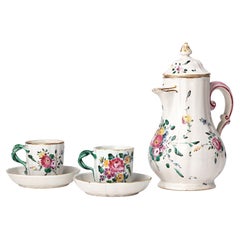
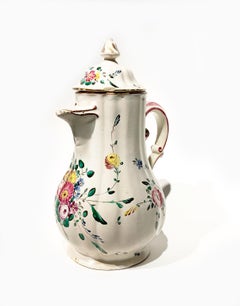
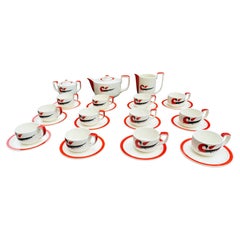
Antonio Ferretti Coffee Pot and Cups Set, Maiolica, Lodi, Circa 1765

Antonio Ferretti Coffee Pot and Cups Set, Maiolica, Lodi, Circa 1765

By Antonio Ferretti

Located in Milano, IT

A coffee pot and two cups with saucers Antonio Ferretti Manufacture Lodi, Circa 1765-1770 Maiolica polychrome decorated “a piccolo fuoco” (third fire). They measure: coffee pot: 9....

Category

1760s Italian Rococo Antique Maiolica Furniture

Materials

Maiolica

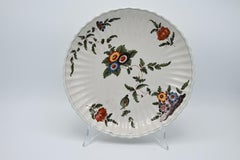
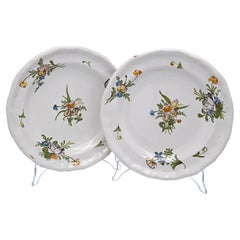
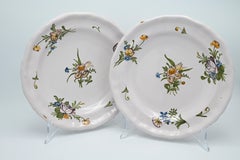
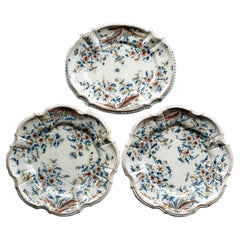
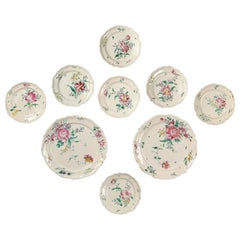
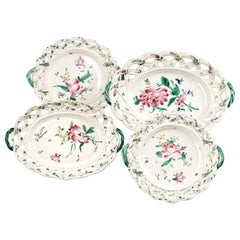
Piatti di Maiolica Italiana 1770 Decoro Al Garofano Manifattura Ferniani Faenza

Piatti di Maiolica Italiana 1770 Decoro Al Garofano Manifattura Ferniani Faenza

By Ferniani Factory

Located in Milano, MI

Coppia Di Piatti In Maiolica italiana XVIII secolo Con Decoro Al Garofano Manifattura Ferniani Faenza dipinti in policromia, nei toni del blu, bruno, giallo, rosso, arancio e verde. ...

Category

1770s Italian Baroque Antique Maiolica Furniture

Materials

Maiolica

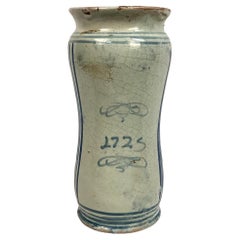
18th Century Italian Maiolica Blue and White Alborello Pharmacy Jar #1

18th Century Italian Maiolica Blue and White Alborello Pharmacy Jar #1

Located in Bradenton, FL

18th Century Italian Majolica Albarello Pharmacy Jar. Jar is in a cylindrical shape with flared rim and foot. Jar features blue and white pattern with the word "Charitas" in an oval ...

Category

18th Century Italian Renaissance Antique Maiolica Furniture
Materials

Maiolica

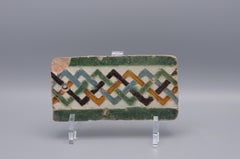
Spanish Azulejo Geometric Tile Arista y Cuenca - Sevilla 16th century

Spanish Azulejo Geometric Tile Arista y Cuenca - Sevilla 16th century

By Estadio of Spain

Located in DELFT, NL

Rare early 16th century Mudejar tile of the so-called ‘Aristo’ or 'cuerda secca' technique Geometric design with a central intertwining cords. Very ornate decoration. This type of...

Category

16th Century Spanish Renaissance Antique Maiolica Furniture
Materials

Earthenware, Maiolica

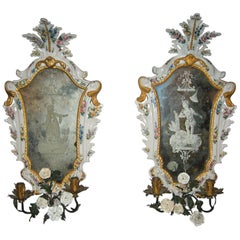
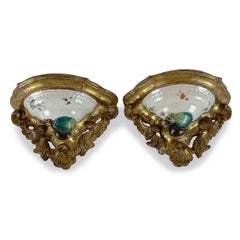
Pair of 19th Century Italian Shelves in Gilded Wood and Baroque Majolica 1700s

Pair of 19th Century Italian Shelves in Gilded Wood and Baroque Majolica 1700s

Located in Milano, MI

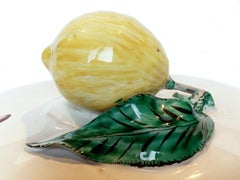
Two 19th-century Italian Gilded Antique Shelves centered by 1700s Majolica, small shaped shelves in carved and gilded wood, made from a polychrome majolica lid divided into two parts...

Category

Mid-19th Century Italian Baroque Antique Maiolica Furniture

Materials

Maiolica, Giltwood

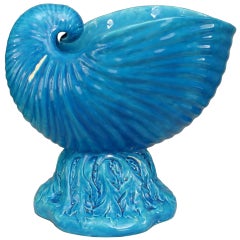
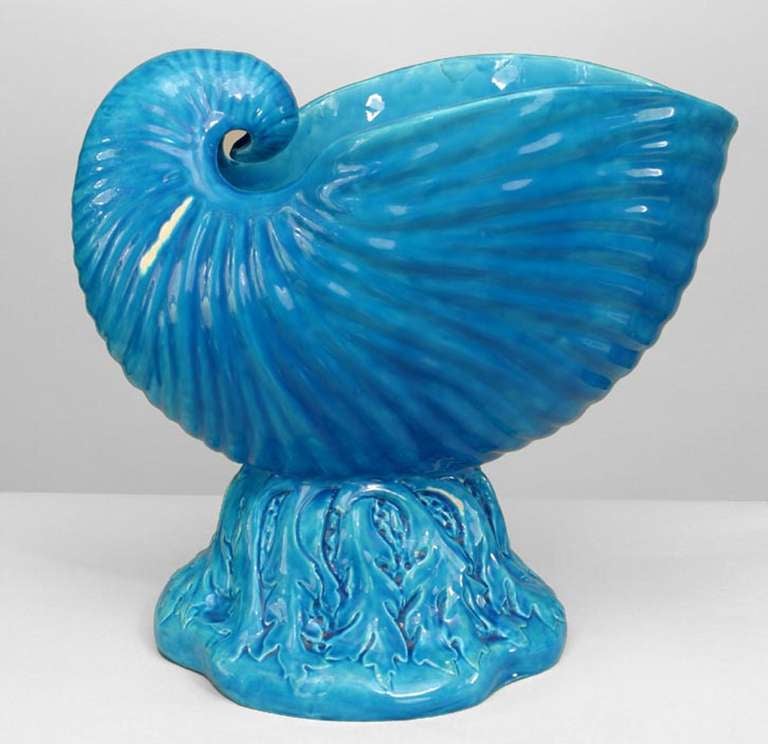
English Victorian Blue Majolica Nautilus Shell Pot

English Victorian Blue Majolica Nautilus Shell Pot

By Minton

Located in Queens, NY

English Victorian large blue Majolica porcelain jardiniere of nautilus shell shape raised on a leafy form pedestal base (signed MINTON, 1873)

Category

19th Century British Victorian Antique Maiolica Furniture

Materials

Maiolica

Italian Maiolica Pitcher by Antonio Ferretti, Lodi, Circa 1770-1780

Italian Maiolica Pitcher by Antonio Ferretti, Lodi, Circa 1770-1780

By Antonio Ferretti

Located in Milano, IT

Maiolica pitcher Antonio Ferretti Manufacture Lodi, circa 1770-1780 Maiolica polychrome decorated “a piccolo fuoco” (third fire). It measures 8.66 x 8.66 x 4.33 in (22 x 22 x 11 ...

Category

1770s Italian Rococo Antique Maiolica Furniture

Materials

Maiolica

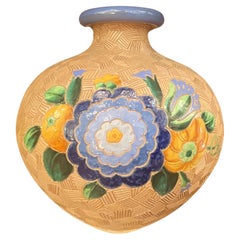
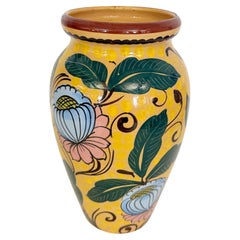
Art Deco Yellow Glazed Earthenware Vase with Futurist Floral Motifs, Italy

Art Deco Yellow Glazed Earthenware Vase with Futurist Floral Motifs, Italy

Located in Bresso, Lombardy

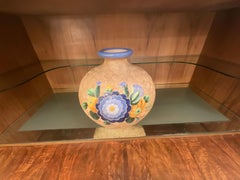
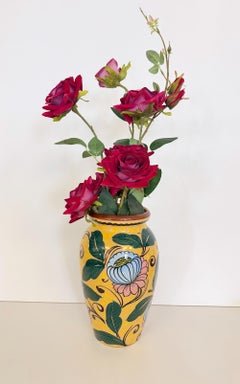
Made in Italy. This vintage vase is made in yellow glazed maiolica and was produced by the Italian manufacturer Aquila of Pisa in the 1930s. It stands out for its style inspired by t...

Category

1930s Italian Art Deco Vintage Maiolica Furniture

Materials

Maiolica

Lebrillo - 19th century, Triana (Sevilla)

Lebrillo - 19th century, Triana (Sevilla)

By Estadio of Spain

Located in DELFT, NL

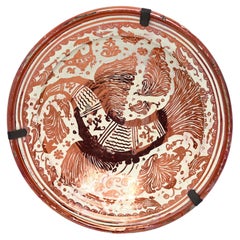
Large tin-glazed earthenware lebrillo/ basin, form Triana, Seville, Spain 19th century Central design of a dog within in colorful background in yellow, turquoise, manganese and blue.

Category

19th Century Spanish Baroque Antique Maiolica Furniture

Materials

Earthenware, Faience, Luster, Maiolica

Early 20th Century Italian Majolica Urn

Early 20th Century Italian Majolica Urn

Located in Houston, TX

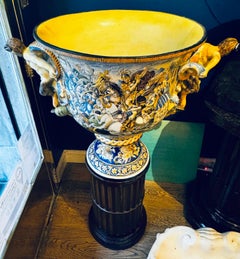
Early 20th century Italian majolica urn. This gorgeous Italian majolica or maiolica urn or jardiniere is hand decorated with serpents, dolphins an...

Category

Early 20th Century Italian Neoclassical Maiolica Furniture

Materials

Ceramic, Maiolica, Majolica

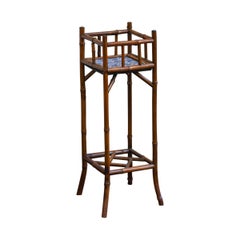
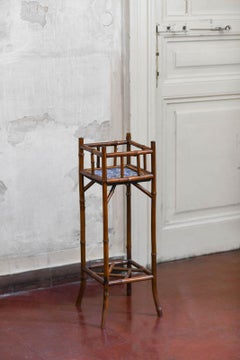
Bamboo Plant Stand
Bamboo Plant Stand

Bamboo Plant Stand

Located in Roma, RM

Bamboo Plant Stand Product details From the residence of Antonello Falqui – Falqui Collection. Quadrangular top inlaid with majolica. Dimensions 25 W x 76 H x 25 D cm

Category

Early 20th Century Maiolica Furniture

Materials

Maiolica, Bamboo

Nevers Faience Plate, 18th Century French, Chinoiserie Decor, 23cm

Nevers Faience Plate, 18th Century French, Chinoiserie Decor, 23cm

By Nevers

Located in DELFT, NL

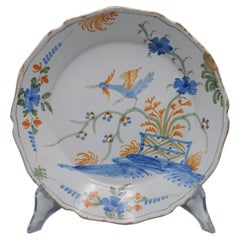
An 18th century French faience plate from Nevers, dating to the 1790s. The plate is decorated in polychrome with a bird perched on flowering branches, rendered in a chinoiserie manne...

Category

18th Century French Chinoiserie Antique Maiolica Furniture

Materials

Earthenware, Faience, Maiolica

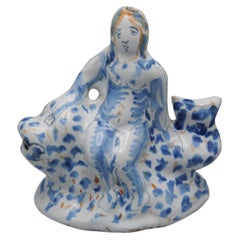
18th Century Antique Nevers Faience Mermaid Pitcher

18th Century Antique Nevers Faience Mermaid Pitcher

By Nevers

Located in DELFT, NL

A French faience verseuse from Nevers, decorated in cobalt blue with touches of ochre, featuring Amphitrite riding a dolphin. Executed in a bold, rustic style typical of Nevers’ popu...

Category

18th Century French Chinoiserie Antique Maiolica Furniture

Materials

Earthenware, Faience, Maiolica

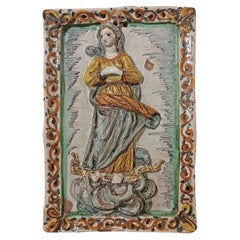
LATE 17th CENTURY MONTELUPO MAJOLICA PLAQUE WITH VIRGIN

LATE 17th CENTURY MONTELUPO MAJOLICA PLAQUE WITH VIRGIN

Located in Firenze, FI

Exquisite rectangular polychrome majolica plaque. The plaque, likely for devotional purposes, depicts the Virgin Mary with her hands clasped, a veil, and a flowing dress. The Virgin ...

Category

Late 17th Century Italian Antique Maiolica Furniture

Materials

Maiolica

midcentury SCHRAMBERG MAIOLICA  box Barbotine FISH TUREEN TERRINE handpainted

midcentury SCHRAMBERG MAIOLICA box Barbotine FISH TUREEN TERRINE handpainted

By Schramberg Majolica

Located in Landshut, BY

midcentury SCHRAMBERG MAIOLICA Barbotine FISH TUREEN TERRINE handpainted Design Period 1955 to 1965 Production Period around 1960 Country of Manufacture Germany H / height: 11cm both ~ Gew. / weight: 2950grs DM / diameter casserole : 30 cm x 15cm x 11cm high ~ 19cm with its lid MARKED: Schramberger Majolikafabrik 5624 :-: fair condition with some very small chips (see photos) - Considering the sensitive material I would even say it is in good condition -- let´s call it charming vintage :-: To ensure a safe arrival, this item is packed in super-safe packaging. (up to 10 Kg) SMF SCHRAMBERG was originally founded in 1820 as Faist'sche Steingutfabrik by the stoneware expert Isidor Faist on the site of the abandoned Schramberg castle. By 1829, Faist and his factory had gained such a good reputation that Baron Ferdinand von Uechtritz became his partner under the new name of Steingut- und Majolikafabrik Uechtritz & Faist. With the Baron's financial support, the partners were able to build a new factory behind the castle, which dramatically increased production. By the 1860s, the company had a permanent workforce of 100 and an impressive number of almost 6,000 homeworkers (decorators, etc.), mainly children and women. From 1882, Faist began taking orders from Villeroy & Boch, who eventually bought the Schramberg pottery in 1883 and continued to operate it as a V&B subsidiary until the early 20th century. In 1911, several of the factory buildings had to be demolished to make way for the local railway, which drastically reduced production and caused Villeroy & Boch to lose interest in the site, which they sold to brothers Moritz and Leopold Meyer in 1912. It was the Meyers who introduced the "SMF" trademark and eventually gave the company its permanent name, Schramberger Majolika-Fabrik. In 1918 the company was transformed from a sole proprietorship to a limited liability company and the transformation was complete. The Meyer brothers were always on the lookout for new talent, and many famous artists joined the factory or contributed designs in the years that followed. Their decorative ceramics, stylized in vibrant colours, attracted much attention in the 1920s. Eva Stricker-Zeisel was a prominent designer for the company from 1928 to 1930. Her designs were strongly influenced by the Bauhaus movement and her modern form and decoration designs gave an avant-garde look to part of the production programme. As well as designing the shapes, Eva Zeisel also supplied the intended decorations for the pieces, although the decoration department often adapted her decorations to shapes for which they were not intended. They would even use them on shapes other than those designed by Zeisel and apply decors not designed by her to her shapes. This particularly happened with the very popular 'Mondrian' pattern, which often appeared on non-Zeisel shapes. The factory continued to produce Zeisel's designs for some time after her departure, but she sometimes felt that the designs were not exactly as she had intended. With the economic crisis of the early 1930s, the focus of production shifted to tableware and utilitarian ceramics, until the Nazis forced Moritz and Leopold Meyer to sell the factory in 1938 as part of the forced aryanisation of the German state. Both emigrated to England with their families during the war, but in 1949 Peter Meyer...

Category

Mid-20th Century German Mid-Century Modern Maiolica Furniture

Materials

Maiolica

Blue and White Cherubs and Landscape Vase by Ernan, Albisola, Italy, 1940s

Blue and White Cherubs and Landscape Vase by Ernan, Albisola, Italy, 1940s

By Ceramiche di Albisola

Located in Brescia, Brescia

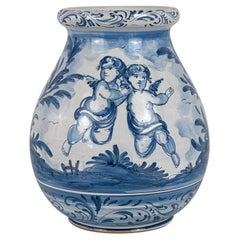
A stunning hand-painted ceramic vase by Ernan of Albisola, Italy, dating to the 1940s. Featuring an elegant baroque silhouette with a wide flared rim and bulbous body, the piece is r...

Category

1940s Italian Art Deco Vintage Maiolica Furniture

Materials

Ceramic, Maiolica

Deruta - Alzatina dish on stand, 18th century

Deruta - Alzatina dish on stand, 18th century

By Savona (Levantino Family)

Located in DELFT, NL

An alzatina or crespina, dish on stand. Depicting 'Prudentia'; holding a snake and a mirror in her hands. Italy, 18th century. Dimensions: diam. 23 cm. Good condition: chipping ...

Category

18th Century Italian Baroque Antique Maiolica Furniture

Materials

Earthenware, Faience, Maiolica

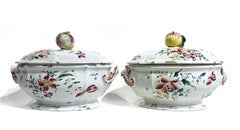
Antique Rococo Maiolica Tureen by Antonio Ferretti, Italy, 1770-1780

Antique Rococo Maiolica Tureen by Antonio Ferretti, Italy, 1770-1780

By Antonio Ferretti

Located in Milano, IT

Maiolica tureen Antonio Ferretti Manufacture Lodi, circa 1770-1780 Maiolica polychrome decorated “a piccolo fuoco” (third fire). It measures 9.05 x 12.59 x 9.05 in (23 x 32 x 23 cm) ...

Category

1770s Italian Rococo Antique Maiolica Furniture

Materials

Maiolica

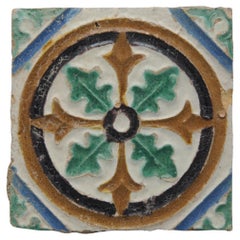
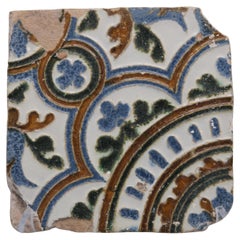
Spanish Azulejo Tile Arista y Cuenca - Sevilla 16th century

Spanish Azulejo Tile Arista y Cuenca - Sevilla 16th century

By Estadio of Spain

Located in DELFT, NL

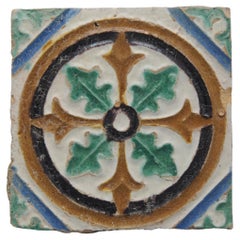
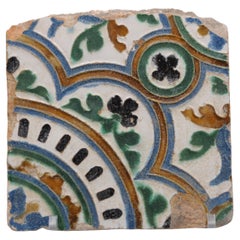
Early Arista y Cuenca tile, most likely made in Sevilla. Azulejo tile decorated with a gemetric pattern with 4 central leafs within a cirlce. Mid 16th century In very good conditi...

Category

16th Century Spanish Renaissance Antique Maiolica Furniture
Materials

Earthenware, Maiolica

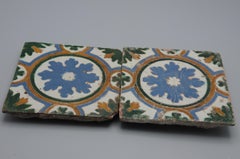
Spanish Azulejo pair of Tiles Arista y Cuenca - Toledo 16th century

Spanish Azulejo pair of Tiles Arista y Cuenca - Toledo 16th century

By Estadio of Spain

Located in DELFT, NL

Early Arista y cuenca tiles made in Toledo. Tile decorated in renaissance with stylized flowers, probably made between 1550 and 1575. Also separately available, please reach out t...

Category

16th Century Spanish Renaissance Antique Maiolica Furniture
Materials

Earthenware, Maiolica

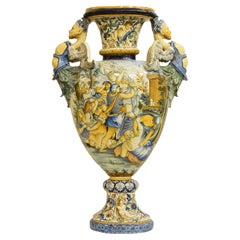
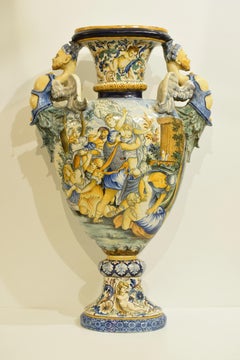
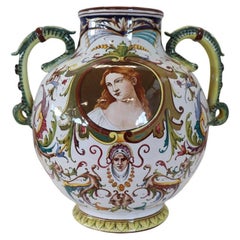
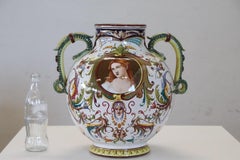
Large polychrome majolica vase, Italy, Mid-19th Century

Large polychrome majolica vase, Italy, Mid-19th Century

Located in Prato, IT

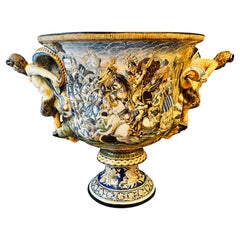
Imposing antique vase in Italian majolica, Mid-19th century. With very fine hand painted classic scenes and grotesque faces embossed to the sides on each handle. Similar vases are ke...

Category

Mid-19th Century Italian Antique Maiolica Furniture

Materials

Maiolica

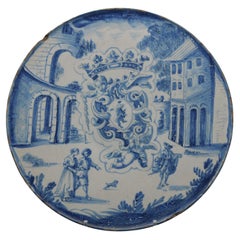
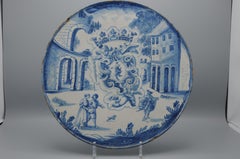
Savona - Armorial Alzatina dish on stand, 18th century, Savona Crest Mark

Savona - Armorial Alzatina dish on stand, 18th century, Savona Crest Mark

By Savona (Levantino Family)

Located in DELFT, NL

A Savona alzatina or crespina, dish on stand, with blue decor. On the front a heraldic coat of arms with a lion adorned with crown and putto. In the background elaborate architecture...

Category

18th Century Italian Baroque Antique Maiolica Furniture

Materials

Earthenware, Faience, Maiolica

SET of 2 traditional Italian Jugs GUBBIO  floral handpainted Jug Wine Pitcher

SET of 2 traditional Italian Jugs GUBBIO floral handpainted Jug Wine Pitcher

By C.A.M. Gubbio

Located in Landshut, BY

Design Period 1955 to 1965 Production Period around 1960 Country of Manufacture Italy Gubbio Umbria (Provincia di Perugia) MARKED: by artist C.A.F.F. Gubbio :-:very good condi...

Category

Mid-20th Century Italian Rustic Maiolica Furniture

Materials

Maiolica

Fries Aardewerk - Large Dutch Maiolica 'Kraak' style dish, 1660-1680

Fries Aardewerk - Large Dutch Maiolica 'Kraak' style dish, 1660-1680

By Delft

Located in DELFT, NL

The dish has a broad, gently sloping rim and is decorated in blue with a freely painted floral arrangement in a vase at the center, enclosed within a double circle. The rim is richly...

Category

Late 17th Century Dutch Baroque Antique Maiolica Furniture

Materials

Delft, Maiolica

Spanish 17th Century Ceramic Circular Charger Plate, Talavera or Puente

Spanish 17th Century Ceramic Circular Charger Plate, Talavera or Puente

Located in Barcelona, ES

Spanish Faience charger with floral motifs. Talavera de la Reina-Puente del Arzobispo, Toledo. Spain, late 17th century. Hand painted in ochre, yellow, brown and blue with a central...

Category

Late 17th Century Spanish Antique Maiolica Furniture

Materials

Ceramic, Earthenware, Faience, Maiolica

Teruel (Aragon) - Spanish Maiolica Mortar, 17th century

Teruel (Aragon) - Spanish Maiolica Mortar, 17th century

Located in DELFT, NL

Ceramic mortar produced at the Teruel pottery workshops in the 17th century. It has a truncated cone shape with three handles and a pourer. It is tin-...

Category

17th Century Spanish Baroque Antique Maiolica Furniture

Materials

Maiolica

17th CENTURY MAJOLICA PLATE MONTELUPO

17th CENTURY MAJOLICA PLATE MONTELUPO

Located in Firenze, FI

Splendid polychrome majolica plate belonging to the Montelupo ceramic workshop. The enamel has also been applied to the rim, in an elegant aqua green, while the background is white d...

Category

17th Century Italian Antique Maiolica Furniture

Materials

Maiolica

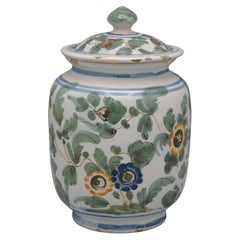
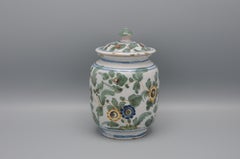
Pesaro - Albarello and cover - decor 'al tacchiolo', 18th century

Pesaro - Albarello and cover - decor 'al tacchiolo', 18th century

Located in DELFT, NL

Albarello wand cover with polychrome decoration called “al tacchiolo” of foliage with stylized flowers. Marked under the base: “N° 49" 18th century. Height: 15 cm incl lid, diameter ...

Category

Late 18th Century Antique Maiolica Furniture

Materials

Maiolica

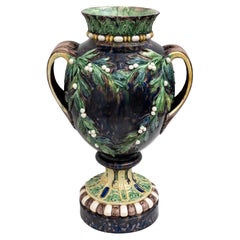
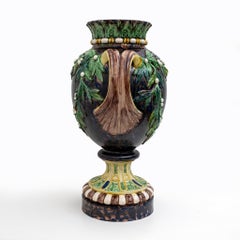
Large 19th century French Majolica Renaissance Palissy Vase with Mistletoe, 1880

Large 19th century French Majolica Renaissance Palissy Vase with Mistletoe, 1880

By Bernard Palissy

Located in Puglia, Puglia

Rare and large Palissy Majolica vase, France, circa 1880. Made on a circular base, the baluster vase with a marbled brown bottom rests. The neck and foot feature motifs inspired by ...

Category

1880s French Renaissance Revival Antique Maiolica Furniture

Materials

Maiolica

Antique Ceramics from the Giustiniani Family Collection by Angelo

Antique Ceramics from the Giustiniani Family Collection by Angelo

Located in CABA, AR

The Giustiniani family was one of the most important in ceramic production in Naples, particularly from the 17th to the 19th century. The Giustiniani manufactory is famous for its "r...

Category

Late 19th Century Italian Antique Maiolica Furniture

Materials

Ceramic, Maiolica

17th CENTURY MAJOLICA ALBARELLO

17th CENTURY MAJOLICA ALBARELLO

Located in Firenze, FI

Unique and elegant majolica albarello vase painted in white with blue decorations. The vase has an ovoid body and a ringed base. On the front, in addition to geometric and floral dec...

Category

17th Century Italian Antique Maiolica Furniture

Materials

Maiolica

Antique 19th Century Italian Maiolica Pot of the Renaissance Style

Antique 19th Century Italian Maiolica Pot of the Renaissance Style

Located in Dallas, TX

Vivid colors, hand-painted in the Renaissance style, enhance this large maiolica pot from the 1800’s. Maiolica is tin-glazed pottery from Italy that has been decorated over a white background. This pot is considered an istoriato, which is to say that the pot has been decorated with figures, rather than strictly geometric patterns or floral designs. The maiolica does incorporate floral and foliate motifs, with white flowers that have yellow centers surrounded by blue rings. There are also yellow flowers that are depicted in various stages of nyctinasty (the closing of flowers during the night). The flora is all connected by a series of green and yellow curled leaves. Behind the vegetation is a dark blue background. There are two portraits inside large yellow cartouches that are painted in the middle of the pot. The first is a bearded man, dressed in a light brown tunic...

Category

19th Century Italian Renaissance Antique Maiolica Furniture
Materials

Maiolica

Late 18th C English Mahogany Chest on Chest

Late 18th C English Mahogany Chest on Chest

Located in San Francisco, CA

Late 18th C English Mahogany Chest on Chest. Late Georgian period Circa 1800. Solid, figured, Honduran mahogany. Mostly original hardware and original bracket feet and back boards. ...

Category

Early 1800s English Georgian Antique Maiolica Furniture

Materials

Multi-gemstone

18th Century Italian Majolica Faience Centerpiece Large Lodi Circular Bowl

18th Century Italian Majolica Faience Centerpiece Large Lodi Circular Bowl

Located in Milano, MI

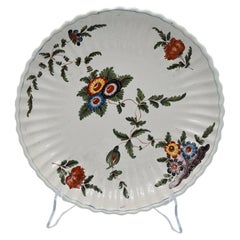
18th century Italian collectible antique painted majolica bowl, a large basin-shaped centerpiece, with vertical ribs, decorated with polychrome flowers. Small chips, felure and minor...

Category

Mid-18th Century Italian Rococo Antique Maiolica Furniture

Materials

Maiolica

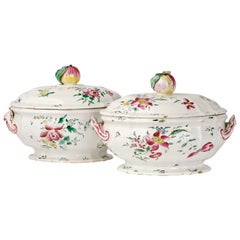
Italian Maiolica Tureen by Pasquale Rubati, Milan, Circa 1770-1780

Italian Maiolica Tureen by Pasquale Rubati, Milan, Circa 1770-1780

By Pasquale Rubati

Located in Milano, IT

Maiolica tureen Pasquale Rubati Manufacture Milan, circa 1770 - 1780 Maiolica polychrome decorated “a piccolo fuoco” (third fire). It measures 6.69 in x 11,02 x 8.26 (17 x 28 x ...

Category

1770s Italian Rococo Antique Maiolica Furniture

Materials

Maiolica

Italian Cantagalli Maiolica Large Plate with family noble emblem, Late 19th C.

Italian Cantagalli Maiolica Large Plate with family noble emblem, Late 19th C.

By Cantagalli

Located in CH

Cantagalli Maiolica Plate with Heraldic Emblem Cantagalli Factory, Florence, Late 19th Century Tin-glazed earthenware (maiolica); polychrome decoration This large maiolica plate was...

Category

Late 19th Century Italian Renaissance Revival Antique Maiolica Furniture

Materials

Ceramic, Maiolica

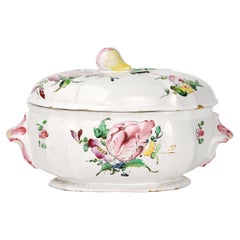
Antique Maiolica Sugar Bowl by Antonio Ferretti, Lodi, Circa 1770-1780

Antique Maiolica Sugar Bowl by Antonio Ferretti, Lodi, Circa 1770-1780

By Antonio Ferretti

Located in Milano, IT

Maiolica sugar bowl Antonio Ferretti Manufacture Lodi, Circa 1770-1780 Maiolica polychrome decorated “a piccolo fuoco” (third fire). It measures 3.54 x 4.52 x 3.54 in (9 x 11,5 x 9 cm) Weight: 0.394 lb (0.179 kg) State of conservation: small and slight chips on the edges. The small sugar bowl has a swollen and ribbed body resting on a flat base. The cap-shaped lid follows the rib of the container and is topped with a small knob in the shape of a two-colored fruit. The sugar bowl is painted “a piccolo fuoco” (third fire) with the characteristic floral motif of bunches and isolated semis. An example which closely corresponds to this one is kept at the Civic Museum in Lodi (G. Gregorietti, Maioliche di Lodi, Milano e Pavia, Catalogo della Mostra, Milano, 1964 n. 137). This decorative style represented a strong point of the Lodi factory, which established itself thanks to the vivid nature of the colors made possible by the introduction of a new technique perfected by Paul Hannong in Strasbourg and later introduced by Antonio Ferretti to Italy. The production process, called “piccolo fuoco” (third fire), allowed the use of a greater number of colors than in the past; in particular, the purple of Cassius, a red made from gold chloride, was introduced. Its use allowed for many more tones and shades, from pink to purple. The Ferretti family started their maiolica manufacturing business in Lodi in 1725. The forefather Simpliciano started the business by purchasing an ancient furnace in 1725 and, indeed, we have evidence of the full activity of the furnaces starting from April of the same year (Novasconi-Ferrari-Corvi, 1964, p. 26 n. 4). Simpliciano started a production of excellence also thanks to the ownership of clay quarries in Stradella, not far from Pavia. The production was so successful that in 1726 a decree of the Turin Chamber came to prohibit the importation of foreign ceramics, especially from Lodi, to protect internal production (G. Lise, La ceramica a Lodi, Lodi 1981, p. 59). In its initial stages, the manufacture produced maolicas painted with the “a gran fuoco” (double fire) technique, often in turquoise monochrome, with ornamentation derived from compositional modules in vogue in Rouen in France. This was also thanks to the collaboration of painters like Giorgio Giacinto Rossetti, who placed his name on the best specimens next to the initials of the factory. In 1748 Simpliciano made his will (Gelmini, 1995, p. 30) appointing his son Giuseppe Antonio (known as Antonio) as universal heir. After 1750, when Simpliciano passed away, Antonio was directly involved in the maiolica factory, increasing its fortunes and achieving a reputation on a European level. Particularly important was the aforementioned introduction in 1760 of the innovative “a piccolo fuoco” (third fire) processing, which, expanding the ornamental repertoire with Saxon-inspired floral themes, was able to commercially compete with the German porcelains that had one of its most renowned offerings in the naturalistic Deutsche Blumen. Antonio Ferretti understood and promoted this technique and this decoration, proposing it in a fresher and more corrective version, less linked to botanical tables, both with or without contour lines, as well as in purple or green monochrome. After efforts to introduce more industrial production techniques to the sector succeeded, even the Ferretti manufacture, in the last decade of the eighteenth century, started heading towards decline despite its attempts to adapt production to neoclassical tastes. In 1796 the Napoleonic battle for the conquest of the Lodi bridge over the Adda definitively compromised the furnaces. Production resumed, albeit in a rather stunted manner, until Antonio's death on 29 December 1810. (M. L. Gelmini, pp. 28-30, 38, 43 sgg., 130-136 (for Simpliciano); pp. 31 sgg., 45-47, 142-192 (for Antonio). Bibliography G. Gregorietti, Maioliche di Lodi Milano e Pavia Catalogo della Mostra, Milano, 1964 n. 137; C. Baroni, Storia delle ceramiche nel Lodigiano, in Archivio storico per la città e i comuni del circondario e della diocesi di Lodi, XXXIV (1915), pp. 118, 124, 142; XXXV (1916), pp. 5-8; C. Baroni, La maiolica antica di Lodi, in Archivio storico lombardo, LVIII (1931), pp. 453-455; L. Ciboldi, La maiolica lodigiana, in Archivio storico lodigiano, LXXX (1953), pp. 25 sgg.; S. Levy, Maioliche settecentesche lombarde e venete, Milano 1962, pp. 17 sgg.; A. Novasconi - S. Ferrari - S. Corvi, La ceramica lodigiana, Lodi 1964, ad Indicem; Maioliche di Lodi, Milano e Pavia (catal.), Milano 1964, p. 17; O. Ferrari - G. Scavizzi, Maioliche italiane del Seicento e del Settecento, Milano 1965, pp. 26 sgg.; G. C. Sciolla, Lodi. Museo civico, Bologna 1977, pp. 69-85 passim; G. Lise, La ceramica a Lodi, Lodi 1981; M. Vitali, in Storia dell'arte ceramica...

Category

1770s Italian Rococo Antique Maiolica Furniture

Materials

Maiolica

Maiolica Pitcher Antonio Maria Coppellotti Manufacture, Lodi, Circa 1735

Maiolica Pitcher Antonio Maria Coppellotti Manufacture, Lodi, Circa 1735

By Antonio Maria Coppellotti

Located in Milano, IT

Majolica pitcher Antonio Maria Coppellotti Manufacture Lodi, circa 1735 Majolica decorated in cobalt blue monochrome It measures 7.36 in hight x 8.07 x 4.52 (h 18.7 cm x 20.5 x 11.5...

Category

1730s Italian Baroque Antique Maiolica Furniture

Materials

Maiolica

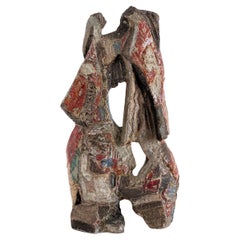
Italian Large Majolica Terracotta Sculpture with Lustre by Adolfo Merlone, 1950s

Italian Large Majolica Terracotta Sculpture with Lustre by Adolfo Merlone, 1950s

Located in Morazzone, Varese

Italian Large Majolica Terracotta Sculpture with Lustre by Adolfo Merlone, 1950s Majolica terracotta sculpture decorated with lustre glazes in shades of red, blue and yellow depicti...

Category

1950s Italian Mid-Century Modern Vintage Maiolica Furniture

Materials

Maiolica, Terracotta

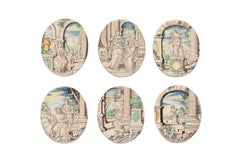
Ancient Maiolica Tiles, Ambrogette, Rampini Manufactory, Pavia, 1693-1704

Ancient Maiolica Tiles, Ambrogette, Rampini Manufactory, Pavia, 1693-1704

By Siro Antonio Africa

Located in Milano, IT

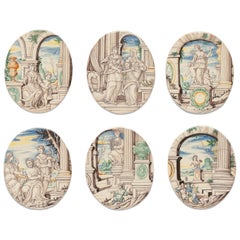
Six maiolica “ambrogette” (tiles) Rampini manufactory, painter probably Siro Antonio Africa Pavia, 1693-1704 a) 6.88 x 5.51 in (17.5 x 14 cm); 0.55 lb (252 g) b) 7.08 x 5.70 in (18 x 14.5 cm); 0.51 lb (233 g) c) 6.88 x 5.70 in (17.5 x 14.5 cm); 0.54 lb (245 g) d) 6.81 x 5.51 in (17.3 x 14 cm); 0.50 lb (230 g) e) 6.88 x 5.51 in (17.5 x 14 cm); 0.50 lb (229 g) f) 7.08 x 5.70 in (18 x 14.5 cm); 0.51 lb (233 g) State of conservation: intact. These six ”maiolica fina” small “ambrogette” belong to a family of ceramic works considered among the finest produced between the 17th and 18th centuries. For a long time, this type of maiolica was attributed to the Venetian village of Angarano, but later it was definitively attributed to the pottery factories in Pavia. A fundamental study ascribed this production specifically to Pavia through an analysis of Lombard collections and a comparison with archaeological remains found near the two main manufacturing sites in the city. (E. Pelizzoni - M. Forni - S. Nepoti, La maiolica di Pavia tra Seicento e Settecento, Milano 1997). The six small oval tiles have rounded edges and are decorated with a historiated motif. They were created using high-fired polychrome technique, with a predominance of cool tones and a dominance of gray and blue, interspersed with manganese, citrine yellow, orange-yellow, and green. The six small “ambrogette” are characterized by the same stylistic features, with a similar decorative design. The first tile (a) depicts a female figure, holding a stiletto and sitting near a pedestal supporting a relief-decorated baluster vase. Behind her, a child is holding a chalice, while through the arches of a portico, a glimpse of a mountainous landscape can be seen in the background. The female figure could possibly be Lucretia, an example of virtue in ancient Roman culture. In the second “ambrogetta” b), the Biblical episode of Judith and Holofernes is depicted through canonical iconography: the decapitated body of Holofernes lies on the bed in the background, while the protagonist, Judith, is seen placing his head into a sack held by a maidservant. Through an archway a shining slice of the moon gives the perception of nighttime. Surprisingly, within the narrative, there is the presence of a basin in the shape of a large shell, closely resembling the products of Pavia's factories. The third small plaque (c) depicts a female figure standing on a plinth and framed by an architectural arch with a vast mountainous landscape in the background. The woman, with her breasts exposed, is accompanied by two children: one approaching her as if wanting to be picked up, and the other seated with an apple in his hand. The protagonist lends herself to different interpretations: perhaps she represents Rea Silvia with the two twin founders of Rome, or perhaps she is an allegory for the Pietà, a common theme depicted on maiolica. In the fourth tile (d), three characters are depicted near a column. The main figure is an old man with a sad expression, holding a cup, while a woman, wearing a turban on her head, also holds a cup in her right hand and a pitcher in her left. A second woman with her hair bound holds another pitcher behind the old man: at his feet a traveller's bag can be seen, along with some apples and a slice of cheese on a rectangular base. It is likely the sad Biblical episode of Lot and his daughters...

Category

Early 1700s Italian Baroque Antique Maiolica Furniture

Materials

Maiolica

Mid Century Modern Italian Ceramic Table Lamp Ugo Zaccagnini Florence 1960s

Mid Century Modern Italian Ceramic Table Lamp Ugo Zaccagnini Florence 1960s

By Ceramiche Zaccacnini

Located in Palermo, PA

This monumental Italian ceramic table lamp by Ugo Zaccagnini dates from the 1960s and was produced in Florence. The lamp features a rich brown glazed base with incrusted gold painted...

Category

Mid-20th Century Italian Chinoiserie Maiolica Furniture

Materials

Ceramic, Maiolica, Fabric

Maiolica Tureen by Felice Clerici or Pasquale Rubati, Milan, c. 1770

Maiolica Tureen by Felice Clerici or Pasquale Rubati, Milan, c. 1770

By Felice Clerici, Pasquale Rubati

Located in Milano, IT

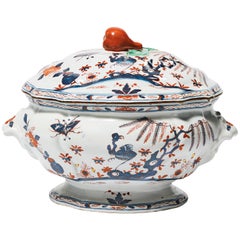
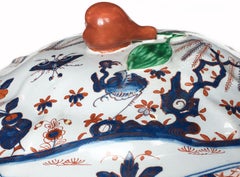
Maiolica tureen “allo struzzo” (ostrich decoration) Milan, Felice Clerici or Pasquale Rubati factory, circa 1750-1780 Measures: 9.25 in x 12.79 in x 10.23 in (cm 23.5 x cm 32.5 x cm 26) lb 4.78 (kg 2.17) State of conservation, a felûre consolidated inside with slight edge chipping restored. In Milan in the 18th century two Majolica warehouses were opened, the first, by Felice Clerici, in 1745, the second in 1756 by Pasquale Rubati. Traditionally this type of decoration has been attributed to the Pasquale Rubati factory. In reality the motif “allo struzzo”, one of the clearest examples of how the taste for chinoiserie met with considerable success during the 18th century, had been produced, in specimens of greater or lesser quality, by both Milanese manufactories. This Maiolica tureen has a swollen and ribbed oval bowl, rests on an extroflexed foot and shows stirrup handles. The tri-color ornament, in the typical tones of Japanese "Imari" decorations, shows an idealized oriental landscape that develops around a perforated rock and has a willow tree with long lance-shaped leaves framing the long-legged bird figure. The ornamentation is enhanced by decorative elements such as butterflies, small florets and a vase with a thin flowery stem. The lid is ribbed with a pear-shaped knob on top. The decoration was called in the Milanese manufactories "allo struzzo" (ostrich decoration) and this refers to the oriental figure Xian He or the crane, symbol of longevity, here losing its symbolic value. It is hypothesized that among some 16th century engravings...

Category

1770s Italian Chinoiserie Antique Maiolica Furniture

Materials

Maiolica

Antique Italian Coffee Pot by Antonio Maria Coppellotti, Circa 1740

Antique Italian Coffee Pot by Antonio Maria Coppellotti, Circa 1740

By Antonio Maria Coppellotti

Located in Milano, IT

Coffee pot Antonio Maria Coppellotti Manufacture Lodi, Circa 1740 High fire polychrome maiolica It measures: 7.87 in x 6,49 x 5.11 (20 cm x 16,5 x 13); weight 1.23 lb (561 g) ...

Category

1730s Italian Rococo Antique Maiolica Furniture

Materials

Maiolica

LATE 17th CENTURY CASTLES MAJOLICA PLAQUE

LATE 17th CENTURY CASTLES MAJOLICA PLAQUE

Located in Firenze, FI

Splendid polychrome majolica plaque, attributable to the renowned Castelli factory, located in Abruzzo (Central Italy), and dating back to around the end of the 17th century. The pla...

Category

Late 17th Century Italian Antique Maiolica Furniture

Materials

Maiolica

Antique 19th Century Pair Early Cantagalli Majolica Istoriato Plates Italy 1880

Antique 19th Century Pair Early Cantagalli Majolica Istoriato Plates Italy 1880

By The Cantagalli Workshop

Located in Portland, OR

A fine and early pair of antique Italian Cantagalli maiolica (majolica) hand-painted Istoriato plates, Florence, Italy, circa 1880. This very fine pair of plates decorated in the Is...

Category

1880s Italian Renaissance Revival Antique Maiolica Furniture

Materials

Maiolica, Pottery

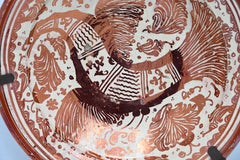
Pair of 17th Century Abruzzo Maiolica Albarelli Lamps

Pair of 17th Century Abruzzo Maiolica Albarelli Lamps

Located in London, GB

17th Century pair of Abruzzo Maiolica Albarelli lamps. Converted from a very fine and rare pair of waisted cylindrical form Italian maiolica albarelli from the Abruzzo region, decor...

Category

17th Century Italian Renaissance Antique Maiolica Furniture
Materials

Maiolica

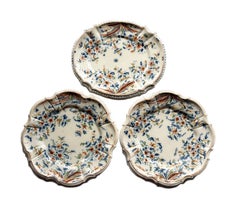
Three Dishes, Antonio Maria Coppellotti Factory, Lodi, Italy, Circa 1745

Three Dishes, Antonio Maria Coppellotti Factory, Lodi, Italy, Circa 1745

By Antonio Maria Coppellotti

Located in Milano, IT

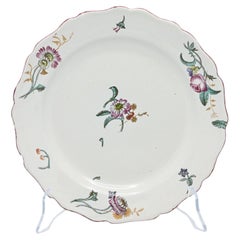
Pair of round dishes and a small oval tray Antonio Maria Coppellotti factory Lodi, circa 1745 High fire polychrome majolica Dishes size: diameter 9.44 in, height 0.78 in (24 cm, 2 c...

Category

1740s Italian Rococo Antique Maiolica Furniture
Materials

Maiolica

Maiolica flower pot "a mezzaluna," Pasquale Rubati Factory, Milan, circa 1770

Maiolica flower pot "a mezzaluna," Pasquale Rubati Factory, Milan, circa 1770

By Pasquale Rubati

Located in Milano, IT

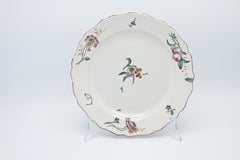
Majolica flower pot "crescent" decorated in manganese Pasquale Rubati Factory Milan, c. 1770 4.92 in x 8.66 in x 5,31 in 12.5 cm x 22 cm X 13.5 cm Weight: 2.29 lb (1039 g) State of conservation: intact with slight chipping due to use in relief parts A rare example of a flower pot "a mezzaluna" produced by the manufactory of the refined painter Pasquale Rubati, who opened a factory in Milan in 1756 to compete with Felice Clerici...

Category

1770s Italian Rococo Antique Maiolica Furniture
Materials

Maiolica