Vermeil Furniture

to
8
57
32
90
2
2
7
5
4
3
3
2
2
2
2
1
1
1
1
5
41
44
4
8
12
3
1
1
2
2
2
1
1
94
363,916
299,801
230,707
153,374
80
38
14
14
13
94
94
94
7
7
3
2
2
Material: Vermeil
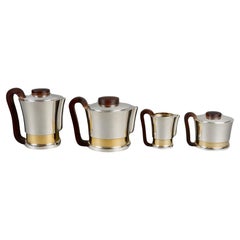
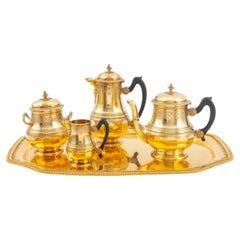
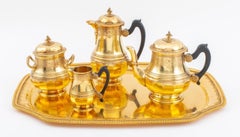
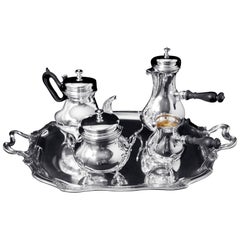
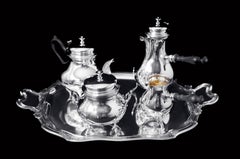
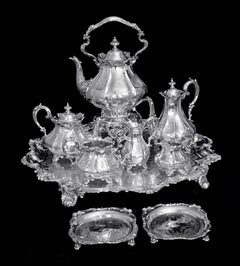
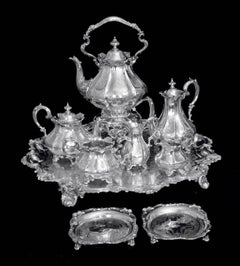
SAVORY and Sons - 9pc. 19th Century Victorian (British) Sterling Silver Tea Set

SAVORY and Sons - 9pc. 19th Century Victorian (British) Sterling Silver Tea Set

By Maison Odiot Paris, A. B. Savory

Located in Wilmington, DE

Direct from a private mansion in Paris, a stunning 9-piece antique Victorian sterling silver tea set by one of Britain’s premier silversmiths “Savory and Sons” professionally refinished to near new condition and including 8 anti-tarnish storage wraps for easy storage – circa early 1800s. The annals of British silversmithing are replete with illustrious names, each contributing to an enduring legacy of artistry and opulence. Among these distinguished firms, Savory and Sons occupies a position of particular reverence. From its early 19th-century origins in the heart of the City of London to its eventual evolution into a larger commercial entity, the name Savory became synonymous with the pinnacle of quality, elegance, and refined taste. More than mere retailers or manufacturers, they were arbiters of style, purveyors of luxury to a clientele that included royalty, and creators of some of the most exquisite silver objects of the Victorian era. Savory - A Foundation of Quality and Craftsmanship: The story of Savory and Sons is one of entrepreneurial spirit, family partnership, and an unwavering commitment to excellence. The firm's origins can be traced to 1812, when Adey Bellamy Savory, a man of Huguenot descent—a heritage often associated with exceptional skill in the precious metal trades—established his business at 14 Cornhill in the City of London. Initially listed in directories under various specializations, from goldsmith to dealer in foreign coins, A.B. Savory was building a foundation as a purveyor of fine and curious goods. This early period was crucial for establishing the reputation for reliability and discernment that would become the firm's hallmark. A pivotal transformation occurred in 1833 when Adey Bellamy's sons, Joseph and Albert, were taken into partnership, and the firm's name was officially changed to A.B. Savory & Sons. This marked the beginning of its most celebrated era. The business model was sophisticated, operating on two fronts. They maintained a retail presence at various addresses on Cornhill, strategically positioned opposite the Bank of England, a locale that placed them at the very center of British commerce and affluence. Simultaneously, they operated a significant manufacturing enterprise, or "silver manufactory," at 5 Finsbury Place, South, and later at 15 Gee Street and 18 Red Lion Street in Clerkenwell, the historic heart of London's watchmaking and silversmithing trades. This vertical integration allowed Savory & Sons to exert unparalleled control over the quality of their wares, from the initial design concept to the final polish. The exceptional quality and craftsmanship associated with the Savory name was not solely the product of the founding family, but also of the master artisans they employed. A prime example is the silversmith William Smily and his sons. William Smily, who had been apprenticed to a spoon and fork maker, began working in Savory's Gee Street factory and eventually rose to become the works manager for A.B. Savory & Sons. It was Smily who registered his own maker's mark, which was used on silverware manufactured for the firm, often accompanied by the stamp "A.B. Savory & Sons". This practice of collaborating with and retaining craftsmen ensured that the silver bearing the Savory name was not merely retailed but was conceived and executed to the highest international standards. The "SS" mark, used by both William and later his son Samuel (who succeeded him as works manager), became an internal stamp of quality, signifying that a piece had been crafted under the watchful eye of a master. The detail lavished on even the most functional items is a testament to this culture of excellence. Royal Patronage and Public Accolades: For a firm like Savory and Sons, the ultimate validation of its status came in the form of royal patronage. Their location opposite the Bank of England and their reputation for supplying "the World's Elite," placed them in the direct orbit of the aristocracy and the royal household. To be a silversmith of choice for the upper echelons of society was, in effect, to operate under a de facto royal warrant, as taste and fashion flowed...

Category

Early 19th Century British Early Victorian Antique Vermeil Furniture

Materials

Vermeil, Sterling Silver
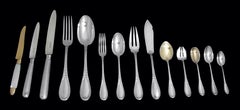
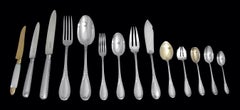
Puiforcat (Hermes) & Cardeilhac (Christofle): 182-piece Sterling Flatware Set

Puiforcat (Hermes) & Cardeilhac (Christofle): 182-piece Sterling Flatware Set

By Christofle Cardeilhac 1, Puiforcat

Located in Wilmington, DE

Direct from Paris: A stunning 182-piece antique sterling silver flatware set by two of France’s premier silversmiths “Puiforcat”, currently owned b...

Category

Late 19th Century French Louis XVI Antique Vermeil Furniture

Materials

Vermeil, Sterling Silver
Jewel walking stick, signed Lazarus Pozen Witwe, Germany end 19th century.

Jewel walking stick, signed Lazarus Pozen Witwe, Germany end 19th century.

By Lazarus Posen Witwe

Located in Milan, IT

Walking stick: a jeweled stick with a tactile L-shaped handle, played on the contrasts of 800/1000 silver and vermeil. Wide stepped silver arches surround niches in openwork vermeil ...

Category

Late 19th Century German Antique Vermeil Furniture

Materials

Vermeil, Silver

A 200 Plus Set of 19 Century Imperial Russian Silver Flatware by Andrei Bragin

A 200 Plus Set of 19 Century Imperial Russian Silver Flatware by Andrei Bragin

By Andrei Bragin

Located in Vancouver, British Columbia

An exceptional and extremely rare set of a combination of silver and vermeil (gilded silver) flatware designed and crafted in St Petersburg Russia by Andrei Stepanovich Bragin d...

Category

Mid-19th Century Russian Other Antique Vermeil Furniture

Materials

Silver, Vermeil

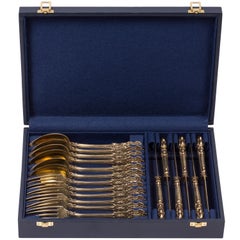
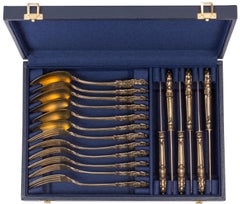
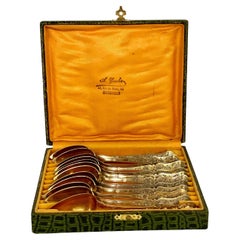
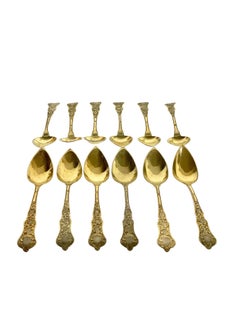
Set of twelve 19th Century Vermeil Spoons in its Original Leather Case

Set of twelve 19th Century Vermeil Spoons in its Original Leather Case

Located in LA CIOTAT, FR

An elegantly presented case of twelve silver-gilt, or vermeil, tea or coffee spoons, distinctively shaped with pointed bowl tips and elaborately shaped handle ends engraved with scro...

Category

19th Century French Antique Vermeil Furniture

Materials

Vermeil

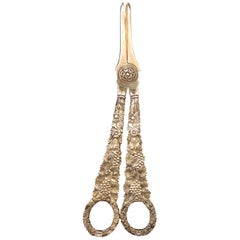
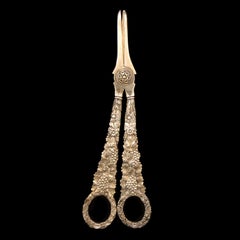
Odiot Grape Scissors 19th Century, Vermeil with Rich Wine Yard Style Chiseling

Odiot Grape Scissors 19th Century, Vermeil with Rich Wine Yard Style Chiseling

Located in Paris, FR

Odiot is one of the most French famous silversmiths. First established in 1690, during the reign of Louis XIV by Jean-Baptiste Gaspard Odiot and then Napoleon the first emperor favor...

Category

Late 19th Century French Antique Vermeil Furniture

Materials

Vermeil

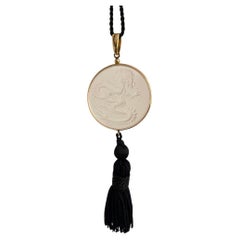
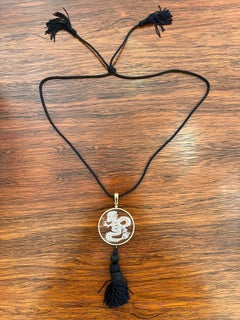
Lalique Cristal necklace Dragon

Lalique Cristal necklace Dragon

By Lalique

Located in Geneva, CH

Cristal carved pendant Celestial Dragon. Crimped with vermeil (gold). Black twisted silk cord 40cm, adjustable. Signed LALIQUE. Mint condition

Category

20th Century French Vermeil Furniture

Materials

Crystal, Vermeil

Charles Nicolas Odiot, Vermeil Oille Tureen, Mid-19th Century

Charles Nicolas Odiot, Vermeil Oille Tureen, Mid-19th Century

By Charles Nicolas Odiot

Located in Paris, FR

Exceptional vermeil tureen with its lobed tray. The circular terrine is decorated with a border of chiselled foliage.The grip lid is decorated with foliage patterns. The soup tureen ...

Category

1820s French Restauration Antique Vermeil Furniture

Materials

Vermeil

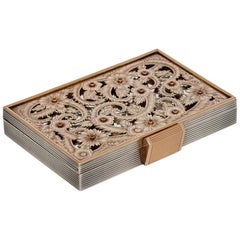
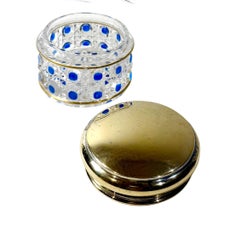
Boucheron Silver and Vermeil Minaudière

Boucheron Silver and Vermeil Minaudière

By Boucheron

Located in London, GB

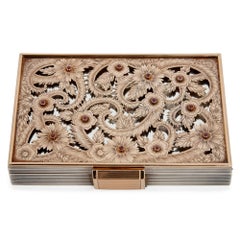
Boucheron silver and vermeil minaudière French, circa 1960 Measures: Minaudière: Height 2.5cm, width 13cm, depth 8.5cm Case: Height 4cm, width 18cm...

Category

1960s French Vintage Vermeil Furniture

Materials

Vermeil, Silver

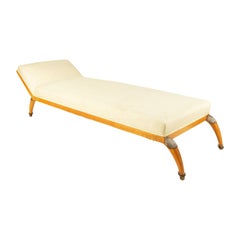
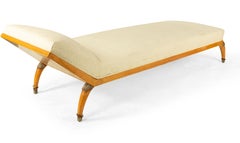
French Art Deco Maple Recamier

French Art Deco Maple Recamier

Located in Queens, NY

French Art Deco maple recamier with fluted silver gilt trim and beige circle upholstery

Category

1930s French Art Deco Vintage Vermeil Furniture

Materials

Vermeil, Silver

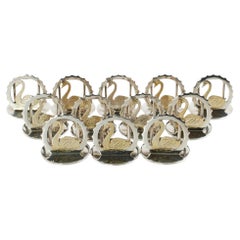
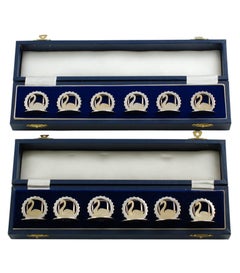
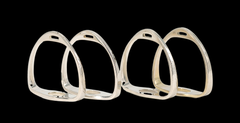
Asprey & Co Sterling Silver Cased Swan Motif Menu Place Card Holders Set of 12

Asprey & Co Sterling Silver Cased Swan Motif Menu Place Card Holders Set of 12

By Asprey International Limited

Located in Cincinnati, OH

This elegant set of 12 sterling silver menu place card holders was made by Asprey of London. The pieces have circular bases surmounted with arched menu place card supports and featur...

Category

1980s English Other Vintage Vermeil Furniture

Materials

Vermeil, Sterling Silver
Lapis Lazuli, Vermeil, Enamel and Diamond Flower Model in the style of Fabergé

Lapis Lazuli, Vermeil, Enamel and Diamond Flower Model in the style of Fabergé

By Fabergé

Located in London, GB

Lapis lazuli, vermeil, enamel and diamond flower model in the style of Fabergé Continental, 20th Century Height 17cm, width 5.5cm, depth 4cm Inspired by the legendary craftsmanship ...

Category

20th Century European Belle Époque Vermeil Furniture

Materials

Stone, Lapis Lazuli, Vermeil, Enamel

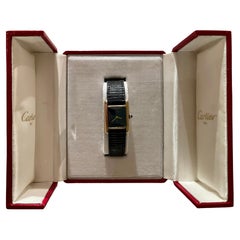
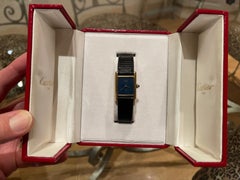
Cartier, Must Tank Watch in Silver Vermeil

Cartier, Must Tank Watch in Silver Vermeil

By Cartier

Located in Beaune, FR

Vermeil watch (925 silver, gold plated G 20M) Swiss Tank Must de Cartier model with blue dial. Automatic movement. The push button is adorned with a blue Lapis Lazuli. Dial dimen...

Category

20th Century French Vermeil Furniture

Materials

Vermeil

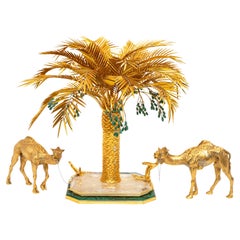
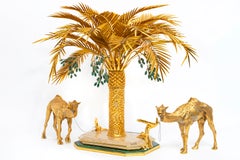
Asprey Orientalist Gilt Silver Palm Tree & Camel Centerpiece w/ Jade & Diamonds

Asprey Orientalist Gilt Silver Palm Tree & Camel Centerpiece w/ Jade & Diamonds

By Asprey International Limited

Located in New York, NY

A Magnificent and Quite Rare English Asprey Signed Orientalist Motif Masterpiece with Dessert Palm Tree and Parcel-Gilt Silver Camels having Diamond Eyes. Gorgeously constructed in ...

Category

20th Century English Other Vermeil Furniture

Materials

Jade, Malachite, Rock Crystal, Vermeil, Silver

Silver-gilt dessert knives mother-of-pearl handles, 19th, Cardeilhac, set of 24

Silver-gilt dessert knives mother-of-pearl handles, 19th, Cardeilhac, set of 24

By Cardeilhac

Located in Paris, FR

Superb set of 24 fruit, dessert, cheese, or hors d’oeuvre knives, crafted by Maison Cardeilhac, founded in 1804. This set, dating from the first half of the 19th century, showcases e...

Category

19th Century French Antique Vermeil Furniture

Materials

Silver, Sterling Silver, Vermeil

Silver-Gilt Exhibition Tea Table by Maison Aucoc

Silver-Gilt Exhibition Tea Table by Maison Aucoc

Located in New Orleans, LA

Silver-Gilt Tea Table Maison Aucoc Circa 1904 The turn of the century was the golden age of the great international exhibitions, the venues at which artisans from across the globe w...

Category

Early 20th Century French Art Nouveau Vermeil Furniture

Materials

Vermeil

19th Century Coromandel Vanity Box with Silver Gilt Fitted Interior by Asprey

19th Century Coromandel Vanity Box with Silver Gilt Fitted Interior by Asprey

By Asprey International Limited

Located in London, GB

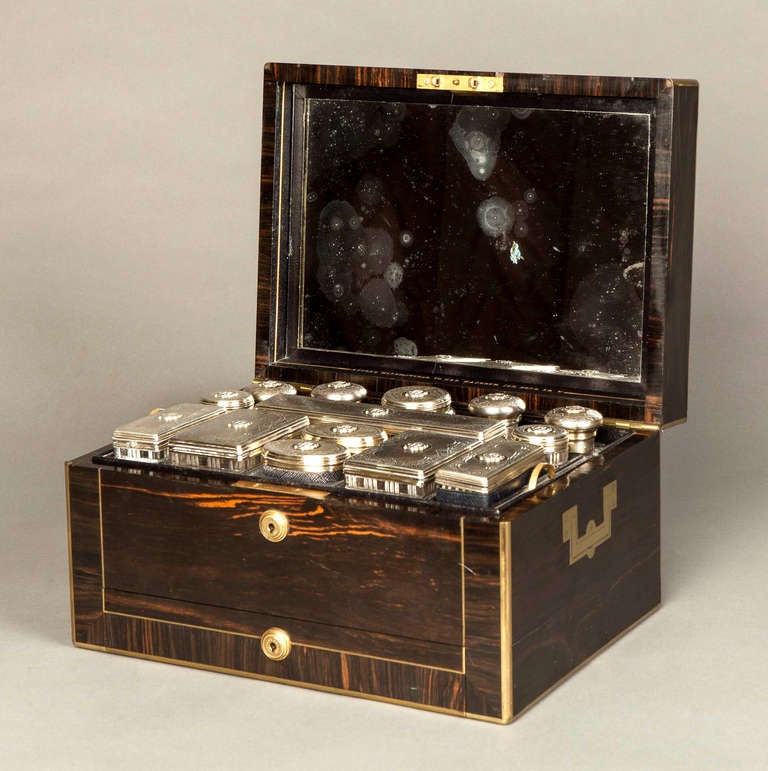
A Victorian Coromandel and Brass bound Dressing Case By Asprey The hinged cover with an inset brass monogram, the base with a jewellery drawer and two fitted internal trays, contai...

Category

19th Century English Victorian Antique Vermeil Furniture

Materials

Brass, Silver, Vermeil

Savary & Fils: 182pc. French 950 Sterling Silver Flatware Set, 26 Svg. Pcs. 1880

Savary & Fils: 182pc. French 950 Sterling Silver Flatware Set, 26 Svg. Pcs. 1880

By Savary Paris 1

Located in Wilmington, DE

Direct from Paris: A magnificent 182pc. Louis XVI, 950 sterling silver flatware set by French silversmith Savary & Fils "Silversmith to the Kings and Queens of Europe". Includes an ...

Category

Late 19th Century Louis XVI Antique Vermeil Furniture

Materials

Vermeil, Sterling Silver
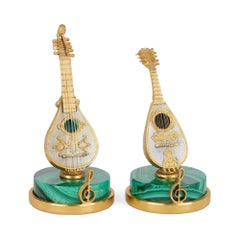
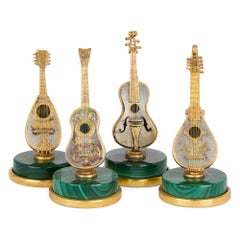
Collection Seven Italian Modern Miniature Musical Instruments Silver Malachite

Collection Seven Italian Modern Miniature Musical Instruments Silver Malachite

Located in London, GB

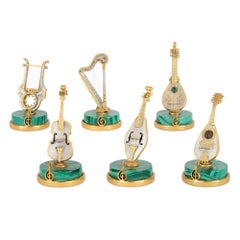
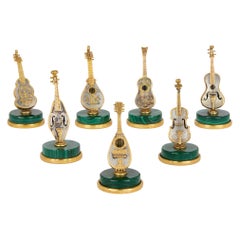
Collection Seven Italian Modern Miniature Musical Instruments Silver Malachite Italian, 20th Century Largest (cello): Height 6cm, width 3.3cm An exceptional example of Italian craf...

Category

20th Century Italian Vermeil Furniture

Materials

Malachite, Vermeil, Silver

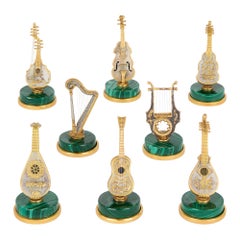
Collection Italian Miniature Green Malachite Silver Vermeil Musical Instruments

Collection Italian Miniature Green Malachite Silver Vermeil Musical Instruments

Located in London, GB

Collection Italian Miniature Green Malachite Silver Vermeil Musical Instruments Italian, 20th Century Largest (harp): Height 6cm, diameter 3.7cm This delicate ensemble of miniatur...

Category

20th Century Italian Vermeil Furniture

Materials

Malachite, Vermeil, Silver

Antique Rogers Aesthetic Period Six Piece Silverplate Tea and Coffee Service

Antique Rogers Aesthetic Period Six Piece Silverplate Tea and Coffee Service

Located in Bridgeport, CT

A fine antique service in very good condition. With fine chased decoration in the Japanese manner with decorative floral sections alternating with angular decorated bands. All pieces footed. Including: a teapot with hinged lid, a coffee pot, a large hot water pot on stand with a burner below (H. 16", W. 11", the bone finish resin knob...

Category

Late 19th Century Aesthetic Movement Antique Vermeil Furniture

Materials

Vermeil, Silver Plate

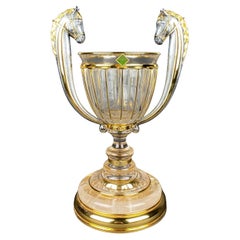
A rock-crystal & sterling silver cup by Wolfers

A rock-crystal & sterling silver cup by Wolfers

By Wolfers Frères

Located in Wijnegem, BE

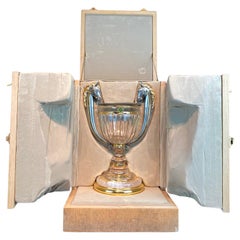
An unique piece from the atelier of Wolfers, cup made in rock-crystal mounted on silver, decorated with 2 horse heads in sterling silver and finished with vermeil gold. The rim is se...

Category

1960s Belgian Vintage Vermeil Furniture

Materials

Jade, Rock Crystal, Vermeil, Sterling Silver
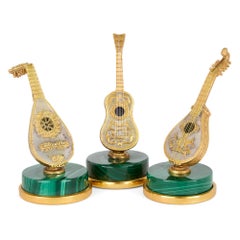
Set Eight Italian Miniature Silver Gilt Malachite Musical Instrument Figures

Set Eight Italian Miniature Silver Gilt Malachite Musical Instrument Figures

Located in London, GB

Set Eight Italian Miniature Silver Gilt Malachite Musical Instrument Figures Italian, 20th Century Largest (guitar): Height 6.5cm, diameter 3.3cm A delightful example of Italian c...

Category

20th Century Italian Vermeil Furniture

Materials

Malachite, Vermeil, Silver

Pair of Vermeil Continental Silver Footed Vases

Pair of Vermeil Continental Silver Footed Vases

Located in New York, NY

Pair of German continental silver and vermeil vases with gorgeous bows and flowers decorating the surface, three tri-dimensional ram heads by each leg, hooved feet. Measuring approxi...

Category

19th Century German Antique Vermeil Furniture

Materials

Vermeil, Silver

Vermeil and Lapis Lazuli Centrepiece by Asprey

Vermeil and Lapis Lazuli Centrepiece by Asprey

By Asprey & Garrard Limited

Located in London, GB

Very large vermeil and lapis lazuli centrepiece by Asprey English, c. 1980 Height 29cm, width 70cm, depth 27cm Made by the renowned firm of Asprey in around 1980, this vermeil (sil...

Category

20th Century English Modern Vermeil Furniture

Materials

Lapis Lazuli, Vermeil

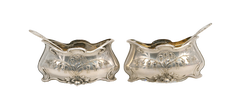
Pair Nautical Shaped Italian Silver-Gilt Salts

Pair Nautical Shaped Italian Silver-Gilt Salts

Located in New York, NY

Pair nautical shaped italian silver-gilt salts. Pair silver & vermeil navette shaped salt cellars with "SL" engraved escutcheons on laurel incised rectangular socle bases with origin...

Category

Early 19th Century Italian Antique Vermeil Furniture

Materials

Sterling Silver, Vermeil

Pair of Italian Vermeil Basin Form Salts

Pair of Italian Vermeil Basin Form Salts

Located in New York, NY

Pair of exceptional vermeil salt cellars with cord incised rims on hoof feet, Italy, 18th century. Stamped LF. Dimension: 3.88" L x 2.88" D x 1.63...

Category

18th Century Italian Antique Vermeil Furniture

Materials

Vermeil

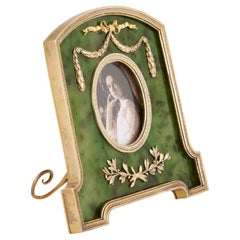
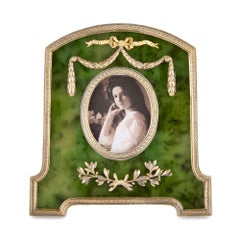
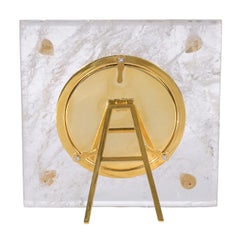
Fabergé-Inspired Nephrite and Vermeil Picture Frame

Fabergé-Inspired Nephrite and Vermeil Picture Frame

By Fabergé

Located in London, GB

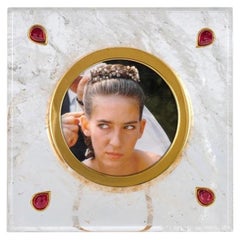
Fabergé-inspired nephrite and vermeil picture frame Continental, 20th century Frame: Height 8.5cm, width 8cm, depth 1cm/ 5cm (open) Box: Height ...

Category

20th Century European Belle Époque Vermeil Furniture

Materials

Stone, Vermeil

Crystal and silver Jam ou Suger Bowl

Crystal and silver Jam ou Suger Bowl

Located in Paris, FR

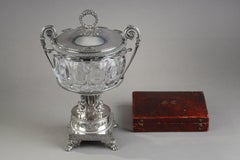
Silver and crystal jam dish and 12 small vermeil spoons. The square base, decorated with a flower frieze, stands on claw feet and is topped by a circular b...

Category

19th Century French Antique Vermeil Furniture

Materials

Crystal, Vermeil, Silver

Italian Neo-Classic Painted Armoire

Italian Neo-Classic Painted Armoire

Located in Queens, NY

Italian Neo-Classic (Last quarter 18th Century) cream painted and silver gilt trimmed armoire with 2 doors and resting on ogee feet (with 3 shelve...

Category

Late 18th Century Italian Neoclassical Antique Vermeil Furniture

Materials

Vermeil, Silver

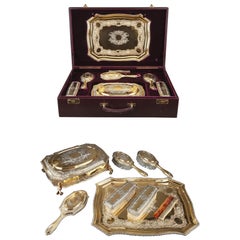
Silver-Gilt Dressing-Table Service by Lionel Alfred Crichton, London, 1917

Silver-Gilt Dressing-Table Service by Lionel Alfred Crichton, London, 1917

By Crichton Brothers

Located in Paris, FR

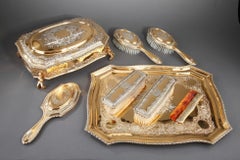
George V dressing-table service crafted of silver-gilt, comprising an oblong tray, a large jewel box with detachable velvet lining, two hair brushes, two clothes brushes, a comb and a hand mirror, all contained in a fitted red leather covered case. The border of each piece is chased with strapwork on a matted ground, engraved with an early 18th century style cartouche surrounding a vacant shield. The rich and delicate decoration is composed of naturalistic plants and animal motifs. The jewel box and tray are beautifully embellished with grotesque in Renaissance style, depicting mascaron, animals and foliated scrolls, in a fantastic architectural setting. Hallmarked "CRICHTON BROS LONDON & NEW YORK", along with several English silver marks as follow: - Maker's mark "LAC" (for silversmith Lionel Alfred Crichton...

Category

1920s English Vintage Vermeil Furniture

Materials

Vermeil, Silver

Hand-Carved Silver Giltwood Decorative Sculpture

Hand-Carved Silver Giltwood Decorative Sculpture

Located in Sheffield, MA

Silver and gold gilt decorative sculpture pediment with scroll work, sunflowers and leaves. Could be used over a mirror, bed as corona or door having the right width or above headboa...

Category

20th Century Italian Baroque Vermeil Furniture

Materials

Vermeil, Silver

Gilded Cutlery Set in Vermeil Louis XIV Style Napoleon III Era 19th Century

Gilded Cutlery Set in Vermeil Louis XIV Style Napoleon III Era 19th Century

Located in Beuzevillette, FR

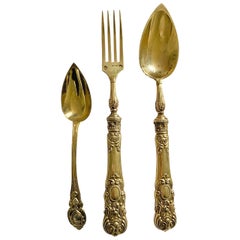
Set worked of gilded Cutlery for entremets. A soup spoon, a fork and a coffee spoon. Very nice set. Shells are visible on the handle of the fork and the...

Category

19th Century French Louis XV Antique Vermeil Furniture

Materials

Vermeil

Puiforcat (Hermes), Christofle, Faberge - 5pc. French 950 Sterling Tea Set

Puiforcat (Hermes), Christofle, Faberge - 5pc. French 950 Sterling Tea Set

By Limoges, Fabergé, Puiforcat

Located in Wilmington, DE

Direct from Paris: A stunning 5pc., antique French 950 sterling silver tea set by the world's premier French silversmiths "Emile Puiforcat" (currently owned by Hermes) and "Christofl...

Category

Late 19th Century French Louis XV Antique Vermeil Furniture

Materials

Vermeil, Sterling Silver
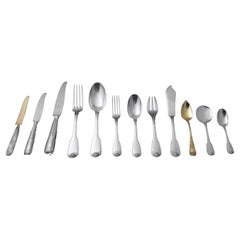
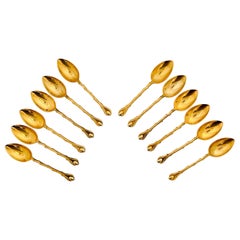
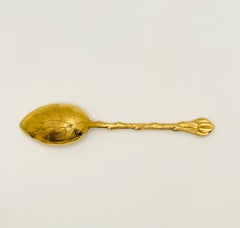
Teaspoons 12 Items gold covered by Saint Medard France 1950

Teaspoons 12 Items gold covered by Saint Medard France 1950

Located in Paris, IDF

Series of 12 teaspoons in vermeil (silver plated with gold), from Saint Médard goldsmiths in France, in its original case. Note a delicate foliage decoration on the spoons. Each spoo...

Category

Mid-20th Century Vermeil Furniture

Materials

Vermeil

Silver and Cut-Crystal Confiturier

Silver and Cut-Crystal Confiturier

Located in Paris, FR

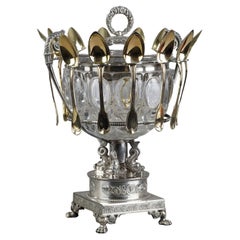
Silver and cut-crystal confiturier in Medici-shape decorated with two handles with floral motifs and volutes end in a swan's head. .The silver frame is adorned with laurel leaves and stylized palmettes. The confiturier dish rests on a raised foot adorned with four leaning dolphins placed on a finely chiseled square base with a floral frieze. Four feet with foliage motifs support the set. The removable lid is topped with a flower. Twelve vermeil spoons...

Category

1820s French Restauration Antique Vermeil Furniture

Materials

Crystal, Vermeil, Silver

Set of SALT & PEPPER shakers in Crystal rock and vermeil, by Giberto Venezia

Set of SALT & PEPPER shakers in Crystal rock and vermeil, by Giberto Venezia

By Giberto Venezia

Located in Venezia, IT

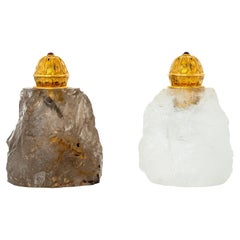
Salt & Pepper is a luxurious design object created for FuoriSalone 2022 and unveiled at the event. Far more than simple table accessories, these twin pieces embody the concept of "t...

Category

2010s Italian Vermeil Furniture

Materials

Amethyst, Rock Crystal, Vermeil

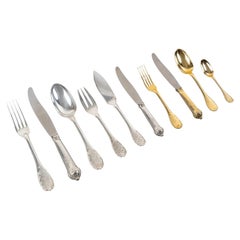
Societe Parisienne d'Orfevrerie (Odiot) - 184pc. French Vermeil Flatware Set

Societe Parisienne d'Orfevrerie (Odiot) - 184pc. French Vermeil Flatware Set

By Societe Parisienne d'Orfevrerie

Located in Wilmington, DE

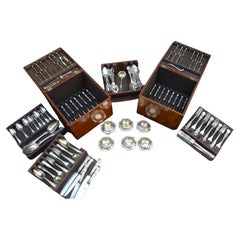
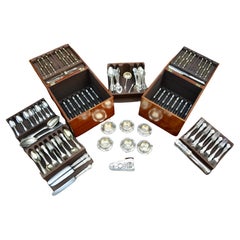
Direct from France: Direct from a private chateau near Paris, a stunning 184pc. gold plated sterling silver (vermeil) flatware set by internationally known French silversmiths "Societe Parisienne d'Orfevrerie" complete with original 6-drawer storage cabinet and 16 magnificent serving pieces, superb condition - circa 1911 and no monograms. The annals of 19th century French silverware bear witness to numerous illustrious workshops, yet few achieved the remarkable synthesis of technical mastery, artistic innovation, and aristocratic prestige as the Société Parisienne d'Orfèvrerie. Founded by Odiot during the flourishing years of the Second Empire, this distinguished Parisian firm carved its legacy through exceptional creations in gold-plated 950 sterling silver, known as vermeil, particularly in the realm of flatware. While maintaining its distinct identity, the firm's close association with the legendary Odiot dynasty - through shared master craftsmen, parallel design philosophies, and overlapping aristocratic patronage - positioned it among the foremost creators of luxury tableware in nineteenth-century Europe. The Early Years: The emergence of Société Parisienne d'Orfèvrerie coincided with a period of remarkable innovation in French decorative arts during the mid-nineteenth century. Though lacking the multi-generational heritage of the Odiot dynasty, which traced its origins to 1690, SPO rapidly ascended to prominence by adopting and adapting the exacting standards that had made Odiot synonymous with excellence in European silverware. This connection manifested most significantly through the migration of skilled artisans between workshops, as numerous master silversmiths who had trained in Odiot's ateliers brought their expertise to SPO's benches. These craftsmen carried with them not only technical knowledge but also the aesthetic sensibilities that defined French high silverwork during this golden age. What set Société Parisienne d'Orfèvrerie apart was its particular specialization in vermeil, the art of gold-plating sterling silver. While Odiot certainly produced vermeil pieces among its vast output, SPO made this technique a defining characteristic of its production, particularly in flatware. The process demanded extraordinary precision, involving the plating of 950 sterling silver - an alloy of exceptional purity containing 95% fine silver - with a substantial layer of 24-karat gold. This marriage of precious metals created tableware that combined the structural integrity and luminous quality of silver with the sumptuous warmth of gold, resulting in pieces that glowed with rich, deep radiance. The technical challenges of this process were considerable, requiring perfect preparation of the silver surface and meticulous control of the gilding bath to ensure even, durable coverage that would withstand generations of use. Master Craftsman in Vermeil: The foundation of SPO's flatware excellence lay in its uncompromising approach to materials and technique. In an era when many manufacturers had begun adopting the 925-sterling standard for economic reasons, SPO remained steadfast in its use of 950 silver, a purer alloy that offered superior workability and a distinctive luminous quality. This higher silver content not only enhanced the metal's natural brilliance but also provided greater resistance to the stresses of daily use, ensuring that pieces maintained their structural integrity over decades of service. The gold plating process itself represented a triumph of French electrochemical innovation, with SPO's craftsmen perfecting a technique that deposited a substantially thicker and more durable layer of gold than conventional gilding methods. Each component in an SPO flatware service represented countless hours of skilled labor, beginning with the careful forging of blanks that would be transformed through a series of specialized processes. Master chasers employed repoussé techniques to create intricate decorative motifs on handles, working from the reverse side to produce low-relief designs of floral arrangements, mythological scenes, or geometric patterns. Engravers then refined these elements, adding delicate details that brought the designs to life with astonishing realism. The functional elements of each piece received equal attention, with blades and bowls carefully balanced for optimal weight distribution and ergonomic comfort. A single place setting might require weeks of work from multiple specialists, each contributing their expertise to create a harmonious whole. The most elaborate commissions incorporated personalized elements that transformed functional tableware into bespoke works of art. Aristocratic clients frequently requested custom monograms or family crests, often executed in exquisite detail with additional embellishments of enamel or precious stones. These personalized touches not only demonstrated the owner's status but also served as a testament to SPO's ability to accommodate the most discerning tastes. The firm's workshops maintained extensive pattern books containing hundreds of design variations, allowing for nearly infinite customization while maintaining the cohesive aesthetic that defined SPO's output. A Favorite of European Royalty: Like its esteemed counterpart Odiot, Société Parisienne d'Orfèvrerie enjoyed considerable favor among European royalty and aristocracy, particularly during the reign of Napoleon III. The Second Empire court's appetite for lavish tableware created ideal conditions for SPO's ascent, with the firm's vermeil flatware becoming a particular favorite for state banquets and diplomatic gifts. The inherent qualities of vermeil - its resistance to tarnishing in humid conditions and its opulent visual appeal - made it especially desirable among the international elite who frequented Paris during this period of unprecedented luxury. Among SPO's most illustrious commissions was a comprehensive twelve-place vermeil service created for Empress Eugénie, wife of Napoleon III. This magnificent ensemble exemplified the rococo revival style favored by the imperial court, with each piece featuring elaborate rocaille scrollwork intertwined with naturalistic vine motifs. The service's attention to detail extended to its specialized pieces, including fish servers with delicately pierced blades and sauce ladles with perfectly balanced handles. Another significant patron, Tsar Alexander II of Russia, commissioned a vermeil flatware service featuring Cyrillic monograms and subtle references to traditional Russian decorative arts, demonstrating SPO's ability to adapt its designs to diverse cultural preferences. The firm's clientele extended beyond imperial courts to include the rising financial and industrial elites of the period. American magnates touring Europe, British aristocrats refreshing their country estates, and the newly wealthy bourgeoisie of Paris all sought SPO's creations as tangible symbols of their refined taste and social standing. This broad appeal stemmed from SPO's unique position at the intersection of traditional craftsmanship and innovative production techniques, allowing it to meet the exacting standards of old-world aristocracy while satisfying the practical demands of modern entertaining. Awards and Accolades: The excellence of Société Parisienne d'Orfèvrerie's creations received formal recognition at the great international exhibitions that served as showcases for industrial and artistic achievement throughout the nineteenth century. The 1855 Paris Exposition Universelle marked a watershed moment for the firm, where its exhibition of vermeil flatware earned a gold medal and lavish praise from the international jury. Contemporary accounts particularly noted the flawless execution of the gilding and the ergonomic perfection of each piece, with one critic remarking that the flatware seemed to "anticipate the hand's movements before being lifted." Subsequent appearances at the 1862 London International Exhibition and the 1867 Paris World's Fair further cemented SPO's reputation as a leader in luxury flatware...

Category

Early 20th Century Empire Vermeil Furniture

Materials

Vermeil, Sterling Silver
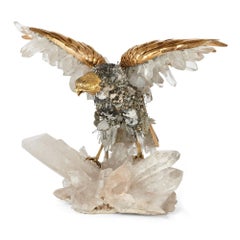
Large Quartz Crystal and Vermeil Bird Model by Asprey

Large Quartz Crystal and Vermeil Bird Model by Asprey

By Asprey International Limited

Located in London, GB

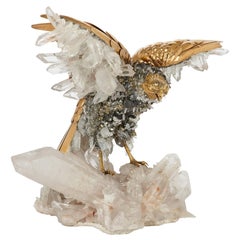
Large quartz crystal and vermeil bird model by Asprey Swiss, c. 1975 Height 40cm, width 33cm, depth 40cm This phenomenal piece of sculpture depicts an eagle in motion, taking off from a rocky crag made of stunning quartz crystal. The body of the bird is carved from quartz with pyrite inclusions. The contrast between the transparent host quartz and golden pyrite inclusions is considered one of the most attractive pairings in the gem kingdom...

Category

20th Century Swiss Vermeil Furniture

Materials

Quartz, Pyrite, Vermeil

Large Modern Italian Silver Gilt Vermeil Diamond Malachite Eagle Giaconi & Gioli

Large Modern Italian Silver Gilt Vermeil Diamond Malachite Eagle Giaconi & Gioli

Located in London, GB

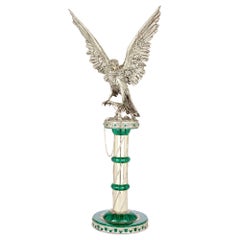
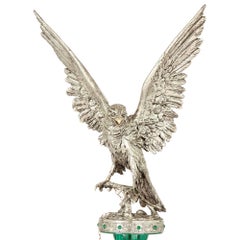
Large Modern Italian Silver Gilt Vermeil Diamond Malachite Eagle Giaconi & Gioli Italian, c. 1970 Eagle: Height 58cm, width 44cm, depth 22cm Stand: Height 51cm, diameter 29cm Overal...

Category

20th Century Italian Modern Vermeil Furniture

Materials

Malachite, Vermeil, Silver

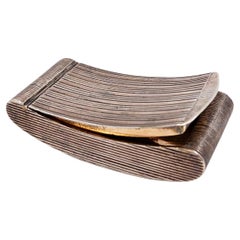
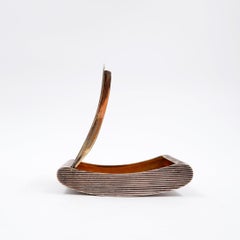
Curved ribbed silver-gilt pocket snuff box - 19th century

Curved ribbed silver-gilt pocket snuff box - 19th century

Located in Linkebeek, BE

Curved ribbed silver-gilt pocket snuff box - 19th century George III - John Turner Sterling - Early 19th century Dimensions: 9 x 5 cm (3.5 x 2 in) H: 2 cm (0.8 in) Material: Silver R...

Category

19th Century George III Antique Vermeil Furniture

Materials

Vermeil

Pair of Antique Russian Silver Vermeil Hand Engraved Toasting Cups and Saucers

Pair of Antique Russian Silver Vermeil Hand Engraved Toasting Cups and Saucers

By Aleksandr Fuld

Located in CHARLESTON, SC

Pair of extraordinary quality antique Russian .875 fine silver vermeil hand engraved rare toasting cups and saucers. Gilt "Florentine" or matte finish with bright gilding on cup i...

Category

Late 19th Century Russian Antique Vermeil Furniture

Materials

Vermeil, Silver

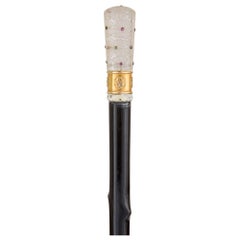
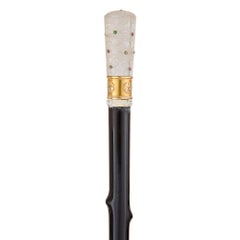
Antique French Crystal, Vermeil and Gemstone Cane

Antique French Crystal, Vermeil and Gemstone Cane

Located in London, GB

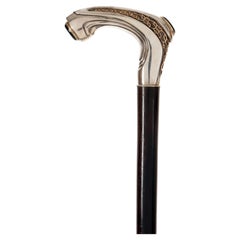
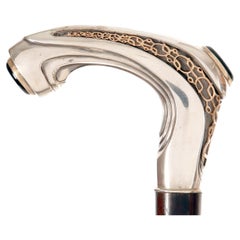
Antique French crystal, vermeil and gemstone cane French, c. 1890 Height 89cm, diameter 2.5cm Masterfully crafted in late 19th century France, this exquisite walking stick is ado...

Category

Late 19th Century French Belle Époque Antique Vermeil Furniture

Materials

Crystal, Multi-gemstone, Vermeil

Lapparra - 204pcs. Antique Louis XV French 950 Sterling Silver Flatware Set

Lapparra - 204pcs. Antique Louis XV French 950 Sterling Silver Flatware Set

By Lapparra Orfèvre Argentier

Located in Wilmington, DE

Direct from St Tropez: Direct from a private villa in St. Tropez, a magnificent 204pc. Louis XVI French 950 sterling silver flatware set by Henri Lapparra, includes a magnificent 5-...

Category

Late 19th Century Louis XVI Antique Vermeil Furniture

Materials

Vermeil, Sterling Silver
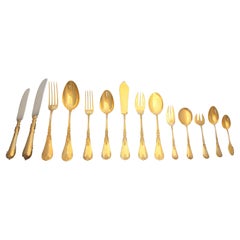
English 19th Century W. Leuchars Silver Gilt Two-Sided Cut Glass Scent Bottle

English 19th Century W. Leuchars Silver Gilt Two-Sided Cut Glass Scent Bottle

By William Leuchars

Located in CHARLESTON, SC

Rare and fine antique English W. Leuchars silver gilt (vermeil) and cut-glass scent bottle Maker: W. Leuchars 38 Piccadilly London The double sided scent bottle one side is for ...

Category

Mid-19th Century English Antique Vermeil Furniture

Materials

Vermeil

Early 19th Century Russian Polish Alabaster and Vermeil Lantern by Nast

Early 19th Century Russian Polish Alabaster and Vermeil Lantern by Nast

Located in Essex, MA

Period Carved neoclassical Alabaster and Vermeil, gold on solid silver lantern. But the famous Russian/Polish Silversmith, Ludwik Bernard Nast ( Warsaw c 1821-1838). Excellent gold o...

Category

Early 19th Century Polish Neoclassical Antique Vermeil Furniture

Materials

Alabaster, Vermeil

19th Century Silver Gilt Presentation Casket Awarded to Alderman Abel Heywood

19th Century Silver Gilt Presentation Casket Awarded to Alderman Abel Heywood

By Elkington & Co.

Located in London, GB

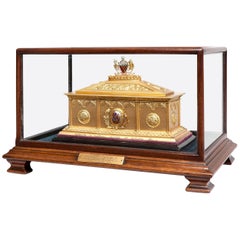
An Elkington & Company Silver Gilt Presentation Casket Hall Marked for Birmingham, 1891 and the maker; the casket, in the Victorian Gothic manner, with cluster columns at the angles...

Category

1890s English Gothic Revival Antique Vermeil Furniture

Materials

Vermeil

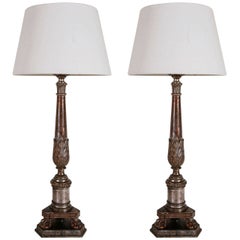
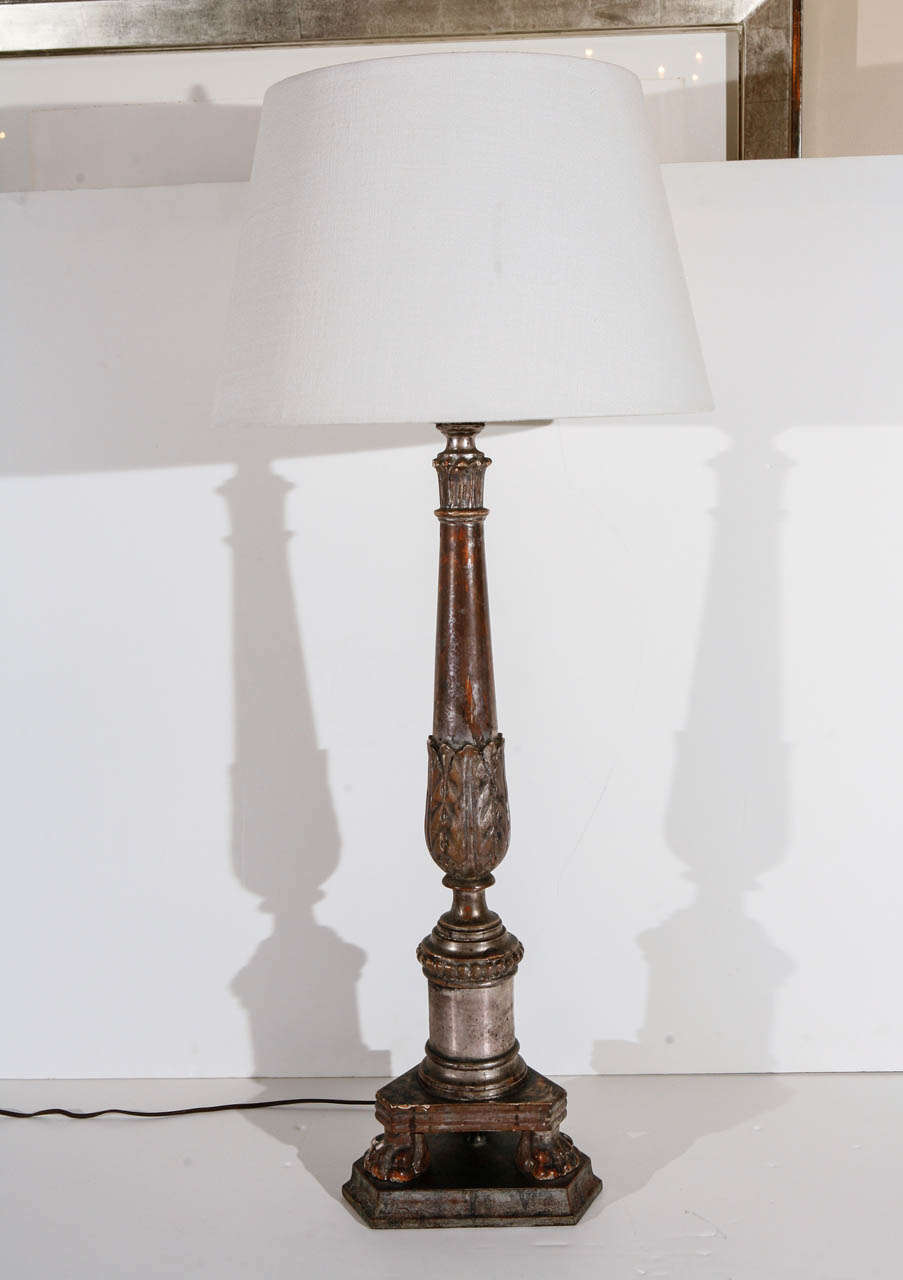
Italian Silver Gilt Candlestick Lamps

Italian Silver Gilt Candlestick Lamps

Located in Los Angeles, CA

Pair of hand-carved and gilded candlestick lamps with clipped-corner bases and claw feet.

Category

Early 20th Century Italian Vermeil Furniture

Materials

Vermeil, Silver

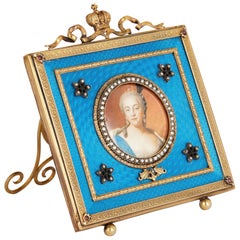
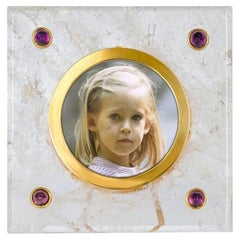
Vermeil and Pearl Photograph Frame in the Manner of Fabergé

Vermeil and Pearl Photograph Frame in the Manner of Fabergé

By Fabergé

Located in London, GB

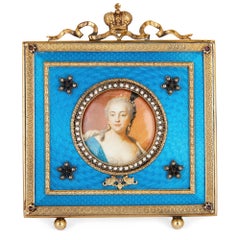
This picture frame is designed in the style of the famed Russian jeweller Fabergé. The frame is rectangular in profile with a surface profusely ornamented with brilliant blue guilloc...

Category

20th Century Russian Vermeil Furniture

Materials

Vermeil, Enamel, Silver

Antique French Solid Silver Gilt Rococo Style Inkwell / Stand, Emile Puiforcat

Antique French Solid Silver Gilt Rococo Style Inkwell / Stand, Emile Puiforcat

By Emile Puiforcat

Located in London, GB

We are delighted to offer this magnificent French silver gilt inkstand made circa late 19th/early 20th century by one of the most important Parisian silversmiths: Puiforcat. Puifo...

Category

Late 19th Century French Rococo Antique Vermeil Furniture

Materials

Vermeil, Sterling Silver
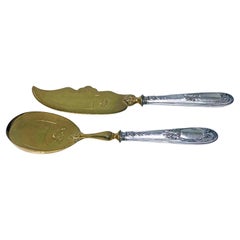
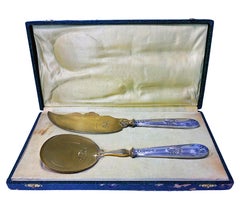
Pair French 1st standard Silver Fruit and Cake Servers C.1920.

Pair French 1st standard Silver Fruit and Cake Servers C.1920.

Located in Toronto, Ontario

Boxed Pair French 1st standard Silver (.950) Fruit and Cake Servers C.1920. Unusual swan amidst foliate design silver handles with vermeil on white metal spade and slice. French silver and blanc metal marks for Robert Louis of Paris who was active C.1917. Marks wing, a palm, three stars above, four stars below and French 1st standard Minerva silver...

Category

Early 20th Century Vermeil Furniture

Materials

Vermeil, Silver Plate, Sterling Silver
Cardeilhac: Magnificent 5pc. French Antique Sterling Silver Tea Set
Cardeilhac: Magnificent 5pc. French Antique Sterling Silver Tea Set
By Puiforcat, Christofle Cardeilhac 1

Located in Wilmington, DE

Direct from Paris: a magnificent 5pc. sterling silver tea set by two of France’s premier silversmiths “Cardeilhac” and “Puiforcat”, currently owned by Hermes. The set is in like con...

Category

Late 19th Century Louis XVI Antique Vermeil Furniture

Materials

Vermeil, Sterling Silver
Puiforcat (Hermes) - 170pc. Antique French Art Nouveau 950 Sterling Flatware Set

Puiforcat (Hermes) - 170pc. Antique French Art Nouveau 950 Sterling Flatware Set

By Puiforcat

Located in Wilmington, DE

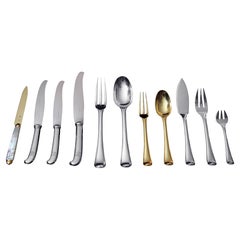
Direct from Paris: A magnificent 170pc. 950 sterling silver original French art nouveau flatware set with 8 serving pieces by the world's premier French silversmith "Puiforcat" currently owned by Hermes, stunning luxury at an amazingly low price - circa early 1900s. The art of French silversmithing represents a centuries-old tradition of luxury, precision, and timeless elegance. Among the most distinguished names in this venerable craft stands Puiforcat, a Maison renowned for its exceptional craftsmanship, innovative design, and royal patronage. Established in the early nineteenth century, Puiforcat has maintained an unwavering commitment to excellence, producing sterling silver flatware, tableware, and decorative objects that embody both artistic mastery and functional beauty. The History and Legacy of Puiforcat: The origins of Puiforcat trace back to 1820, when master silversmith Jean-Baptiste Fuchs established his workshop in Paris. Fuchs was a consummate artisan who adhered to the exacting standards of French silversmithing, a tradition that demanded not only technical precision but also refined artistic sensibility. The Maison’s identity became firmly established when Fuchs' son-in-law, Émile Puiforcat, inherited the business and elevated its reputation to unprecedented heights. Émile Puiforcat emerged as more than just a silversmith; he was a true visionary who intuitively understood the evolving aesthetic sensibilities of the late nineteenth and early twentieth centuries. Under his inspired leadership, the Maison successfully transitioned from producing traditional silverware to embracing avant-garde movements, particularly Art Nouveau and later Art Deco. This remarkable ability to innovate while maintaining the highest standards of craftsmanship distinguished Puiforcat from its contemporaries and established its enduring reputation. During the glorious Belle Époque period spanning the late nineteenth to early twentieth century, Puiforcat flourished as French decorative arts entered a golden age. The Maison’s work during this period was characterized by several defining features that set it apart. Each piece bore the mark of meticulous hand-hammered finishes, a technique that gave Puiforcat silverware its distinctive texture and depth compared to mass-produced alternatives. The Maison’s artisans employed exquisite chasing and engraving techniques, including the sophisticated repoussé method where designs were carefully hammered into relief from the reverse side, followed by precise chasing to refine the front details. These labor-intensive processes resulted in breathtakingly intricate, lifelike motifs that became Puiforcat's signature. While Puiforcat's early work remained firmly rooted in rococo and neoclassical traditions, the Maison demonstrated remarkable adaptability by later embracing the clean lines and bold symmetry of Art Deco, particularly under Émile Puiforcat's visionary guidance. Royal Patronage and Aristocratic Clientele: Puiforcat's reputation for excellence quickly attracted the attention of Europe's most discerning elite. The Maison’s clientele included some of the most prominent figures of the nineteenth century, beginning with King Louis-Philippe of France, whose refined taste and appreciation for fine craftsmanship led him to commission ceremonial silverware from Puiforcat. This royal endorsement significantly enhanced the Maison’s prestige and visibility. Napoleon III followed suit, making Puiforcat silver services a staple at imperial banquets and state functions. Beyond French royalty, Puiforcat's creations became essential status symbols among the broader European aristocracy, finding homes in the collections of Russian nobles and British high society alike. The Maison’s ability to cater to royal tastes extended beyond mere prestige; it reflected a profound understanding of both ceremonial grandeur and functional design. Puiforcat's pieces were never merely decorative objects - each item was carefully engineered to enhance the dining experience. The ergonomic handles and perfectly balanced weights of their flatware demonstrated how Puiforcat harmonized aesthetic beauty with practical utility, creating pieces that were as delightful to use as they were to behold. Émile Puiforcat played a particularly transformative role in elevating the Maison’s standing during the early twentieth century. His visionary approach included collaborations with leading artists and architects of the period, most notably Jean-Michel Frank, the influential Art Deco designer. These creative partnerships ensured that Puiforcat's designs remained at the cutting edge of contemporary aesthetics. While many traditional silversmiths clung to conventional styles, Émile boldly embraced geometric abstraction, creating pieces that functioned simultaneously as tableware and sculptural art. His leadership earned Puiforcat international acclaim through awards at world expositions, cementing the Maison’s reputation as an innovator in luxury silverware. Émile's legacy proved so enduring that even after his death in 1945, Puiforcat continued to be synonymous with innovation and exclusivity in the world of fine silver. Awards and Accolades: Throughout its distinguished history, Puiforcat's commitment to excellence has been recognized through numerous prestigious awards, each reinforcing its status as a master of French silversmithing. The Maison’s participation in world expositions yielded particularly significant honors, beginning with gold medals at the Paris Exposition Universelle in both 1889 and 1900. These monumental exhibitions represented the pinnacle of industrial and artistic achievement in the nineteenth century, making Puiforcat's gold medals a powerful testament to its technical mastery and artistic vision. The Maison’s international reputation continued to grow through subsequent exhibitions in major European cultural capitals. At international exhibitions in Brussels, Barcelona, and Milan, Puiforcat demonstrated its remarkable ability to adapt to regional aesthetic preferences while maintaining its distinctive French elegance. This versatility, combined with uncompromising quality, earned the Maison consistent acclaim across diverse markets and cultures. In the modern era, Puiforcat's contributions to artisanal traditions have received official recognition through France's Living Heritage Company (Entreprise du Patrimoine Vivant, or EPV) designation. This prestigious distinction, awarded by the French government, honors enterprises that preserve and advance traditional artisanal skills. Puiforcat's inclusion in this select group underscores its ongoing dedication to handcrafted excellence in an increasingly industrialized world. The artistic significance of Puiforcat's work has been further validated through exhibitions at some of the world's most respected cultural institutions. The Musée des Arts Décoratifs in Paris and New York's Metropolitan Museum of Art have both showcased Puiforcat pieces, placing them in dialogue with other masterworks of decorative arts. These exhibitions not only celebrate Puiforcat's historical contributions but also affirm its continuing relevance in the narrative of fine craftsmanship. Association with Hermès - A Synergy of Luxury: The 1993 acquisition of Puiforcat by the Hermès luxury group marked a significant chapter in the Maison’s history, ensuring both the preservation and thoughtful evolution of its legacy. This strategic partnership brought together two French institutions united by their commitment to artisanal excellence and timeless design. Hermès demonstrated profound respect for Puiforcat's heritage, carefully maintaining the traditional techniques that had defined the silversmith's work for generations. Under Hermès' stewardship, Puiforcat continued to employ the same handmade techniques that had earned its reputation, including the exacting lost-wax casting process and meticulous hand engraving. The Maison maintained its uncompromising standards regarding materials, continuing to use 950-silver despite industry trends toward lower purity alloys. This commitment to quality ensured that every piece bearing the Puiforcat name remained worthy of its illustrious history. Hermès' global retail network provided Puiforcat with unprecedented access to international markets, introducing the silversmith's creations to new generations of collectors and connoisseurs worldwide. While honoring tradition, Hermès also encouraged thoughtful innovation, supporting new designs that respected Puiforcat's heritage while ensuring its relevance in contemporary luxury. This balanced approach has allowed Puiforcat to maintain its position at the forefront of fine silverware while staying true to its artisanal roots. Puiforcat's 950 Sterling Silver Art Nouveau Flatware Sets: Among Puiforcat's most celebrated achievements are its extraordinary 950 sterling silver Art Nouveau flatware sets, which perfectly encapsulate the Maison’s artistic and technical brilliance. The decision to use 950-silver, containing 95% pure silver rather than the standard 92.5%, resulted in pieces with a richer luster and greater durability than conventional sterling silver. This higher purity not only enhanced the visual appeal of each piece but also ensured that Puiforcat flatware...
Category

Early 20th Century Art Nouveau Vermeil Furniture

Materials

Vermeil, Sterling Silver