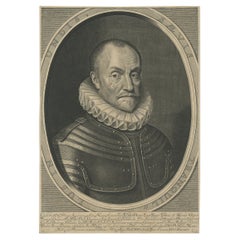
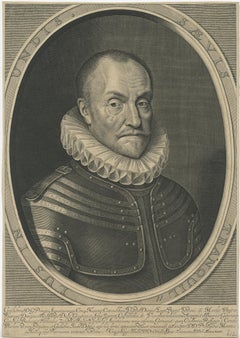
Antique portrait of William of Orange I. With text in oval 'tranquillus in undis saevis'. Latin text below: 'Guihelmus D:G: Princeps Arausionensum; comes Nassavia, Cattimelibocii, Vianda, Dietzia, Linga, Buyra Leerdami; etc. Marchio Vera et Flissinga; dominus et baro Breda, Diest, Grimbergia, Arlay, Noseretti, Castelbellin; etc. vice comes hereditarius Antverpia et Bisancia Gubernator generalis Brabantia Hollandia Zelandia Frisia Ultrajecti Arcdithalassus maris inferioris Germania: quam celeberimi Pr: effigiem a Cornelio Vischero ad visum depictam et Guilismo Jacobi Delphio coelo hac forma expressam dedicat consecratq ipse sculptor DD: principibus Mauritio et Henrico filijs paternarum virtutum heredibus. Cum privilegio illus tr: DD : Ordinum gener. ad annos octo An. Dom'.
William the Silent (24 April 1533 – 10 July 1584), also known as William the Taciturn or, more commonly in the Netherlands, William of Orange, was the main leader of the Dutch Revolt against the Spanish Habsburgs that set off the Eighty Years' War (1568–1648) and resulted in the formal independence of the United Provinces in 1581. Born into the House of Nassau, he became Prince of Orange in 1544 and is thereby the founder of the Orange-Nassau branch and the ancestor of the monarchy of the Netherlands. In the Netherlands, he is also known as Father of the Fatherland (Pater Patriae).
A wealthy nobleman, William originally served the Habsburgs as a member of the court of Margaret of Parma, governor of the Spanish Netherlands. Unhappy with the centralisation of political power away from the local estates and with the Spanish persecution of Dutch Protestants, William joined the Dutch uprising and turned against his former masters. The most influential and politically capable of the rebels, he led the Dutch to several successes in the fight against the Spanish. Declared an outlaw by the Spanish king...
Category
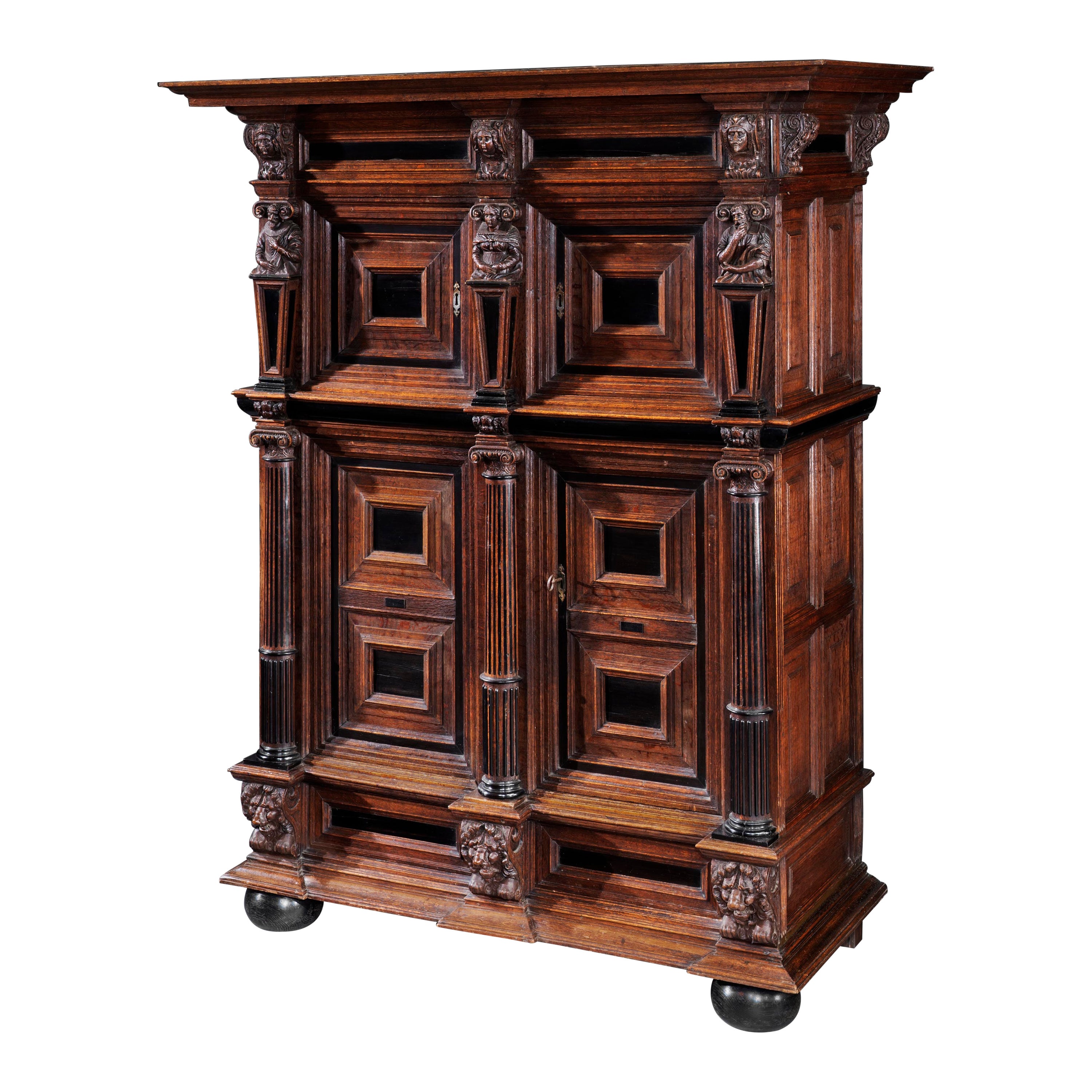
Dutch Antique 1620s Furniture