By Venetian School
Located in Valladolid, ES
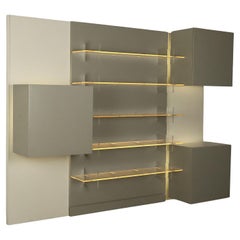
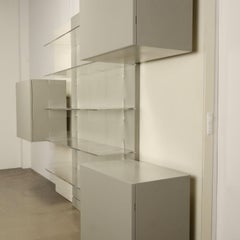
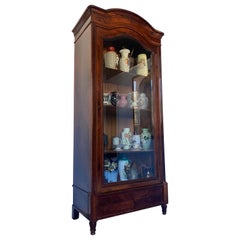
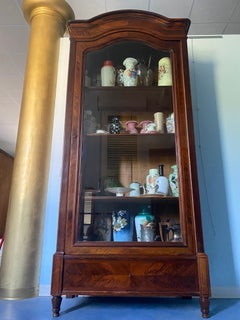
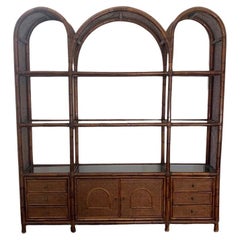
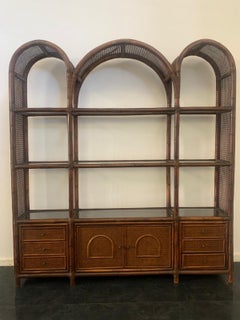
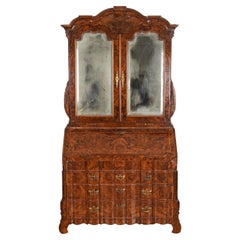
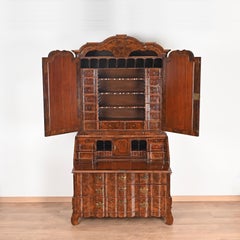
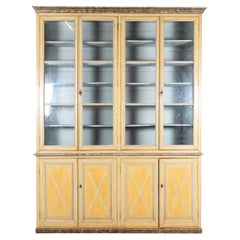
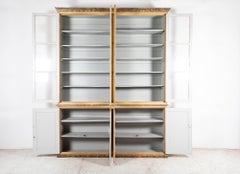
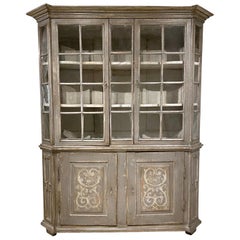
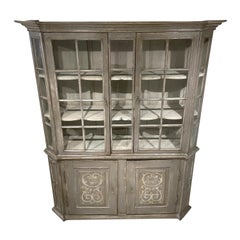
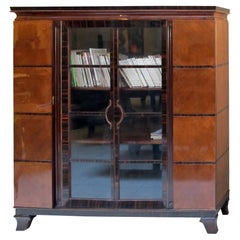
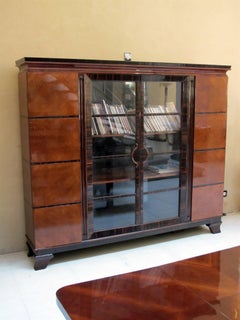
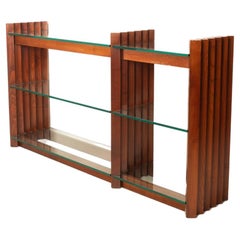
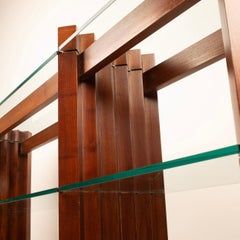
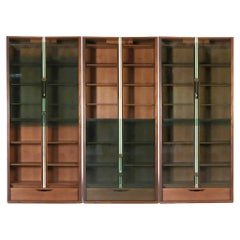
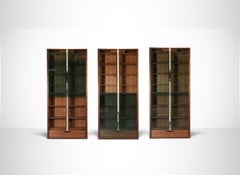
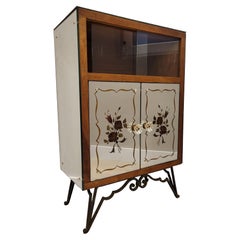
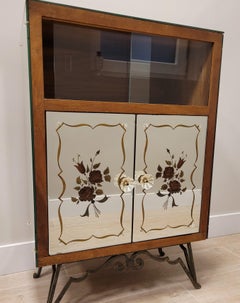
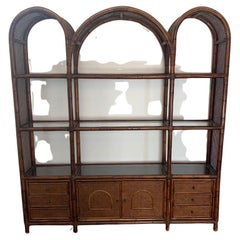
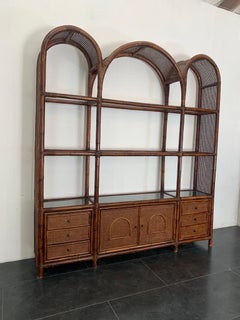
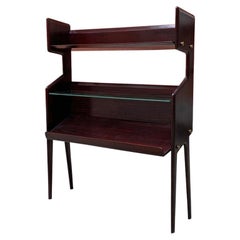
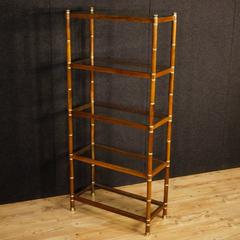
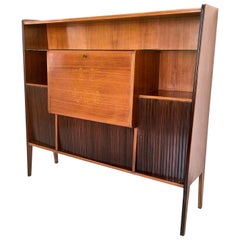
Amazing and gorgeous Venetian auxiliary cabinet (cabinet) from the 40s made of églomisé glass on wood, and framed and decorated on the front by means of precious floral designs. The interior structure has two parts: an upper shelf made up of two departments, and a larger lower one where you can store all kinds of objects. The glass sheets, which are similar to mirrors, cover three of the five visible sides of the cabinet, revealing the wood in some details and, above all, on its back. On the front, the glass is concentrated in the doors that enclose the lower apartment, which also stand out for the delicate flower-shaped glass design of their knobs. Instead, the upper drawers are protected by sliding glass. The furniture stands on stylized wrought iron or iron legs, straight and rigid but decorated with simple scrolls, which elegantly raise the structure from the ground.
Verre églomisé is a term of French origin that refers to the process or technique that consists of applying a design and gilding to the back of the glass, and through which a mirror finish is produced. The name églomisé is attributed to the French decorator and art dealer Jean-Baptiste Glomy, who during the 18th century was responsible for the recovery of the technique.
Glomy's technique was a relatively simple one of applying decorative designs in a combination of solid and gold color, usually to glass frames. However, over time it has come to be used to describe almost any process involving painted and gilded glass, no matter how elaborate.
History
The glass painting technique actually dates back to much earlier times, to the pre-Roman period. One of the key historical periods of this artistic technique developed in Italy between the 13th and 16th centuries. During this time, glass panels with designs formed by etched gilding were applied to reliquaries and portable altars...
Category
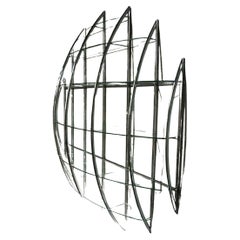
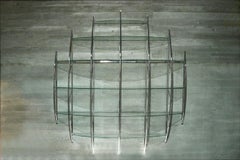
1940s Italian Art Deco Vintage Crystal Bookcases
MaterialsCrystal, Wrought Iron