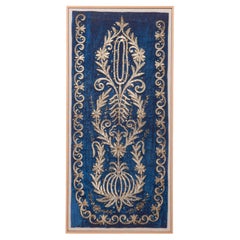
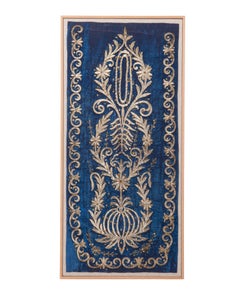
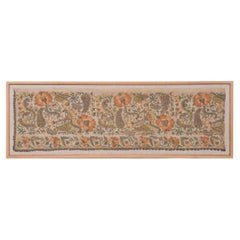
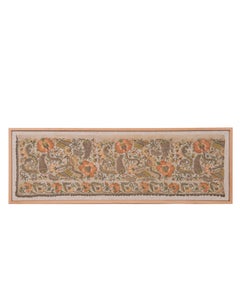
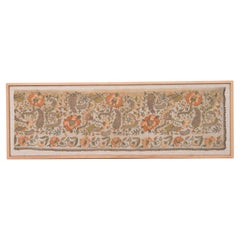
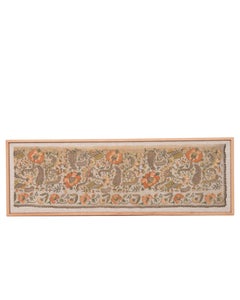
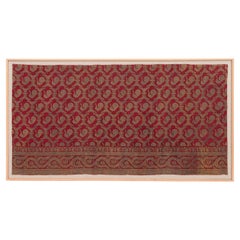
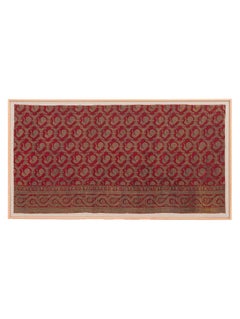
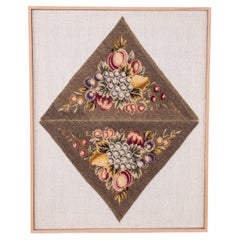
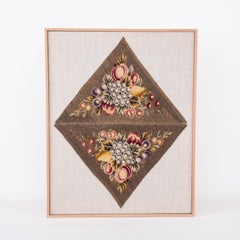
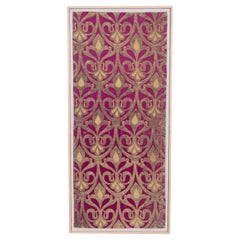
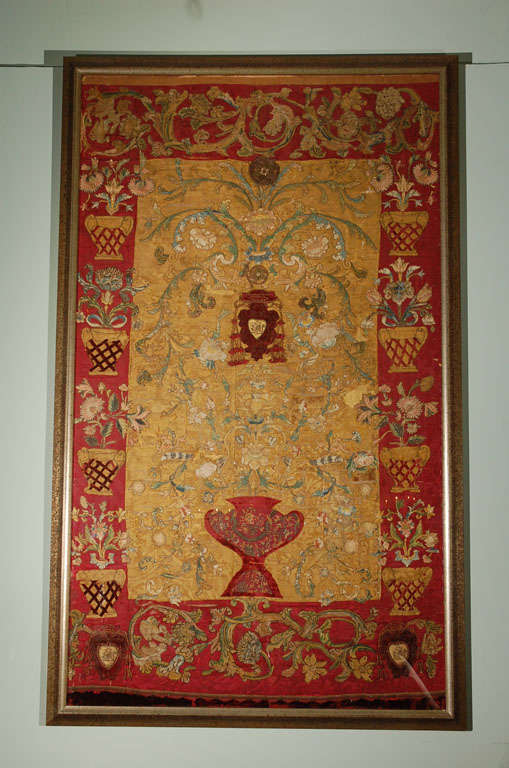
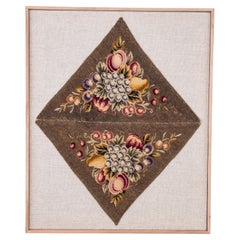
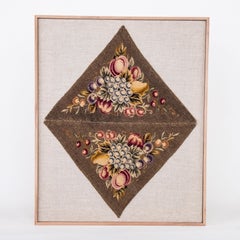
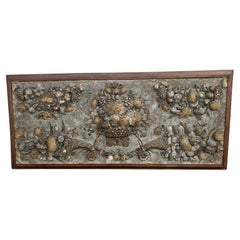
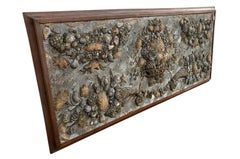
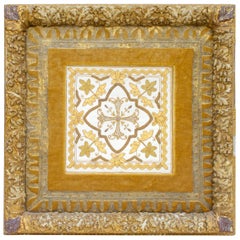
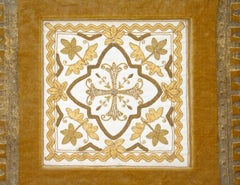
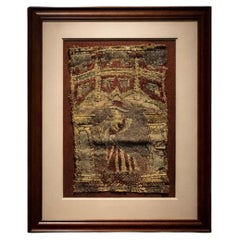
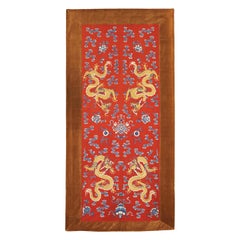
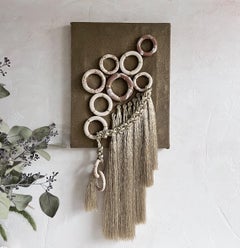
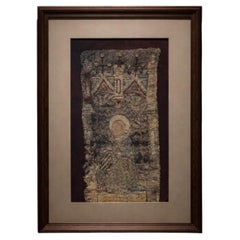
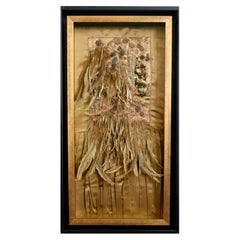
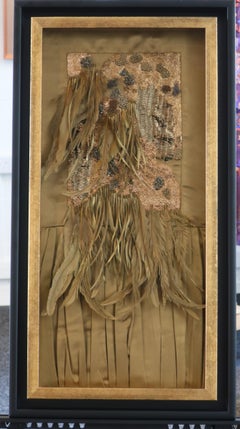
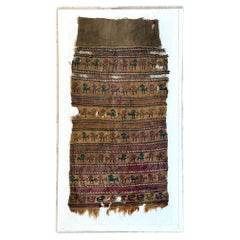
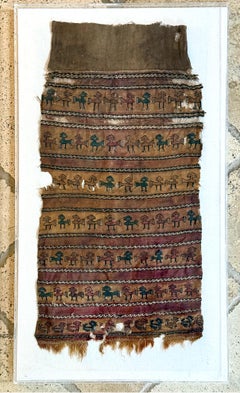
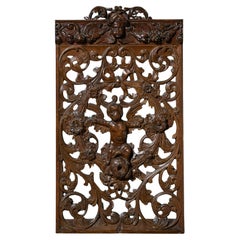
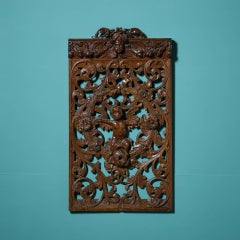
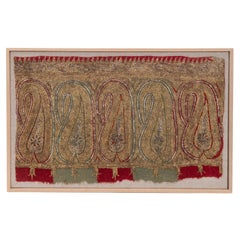
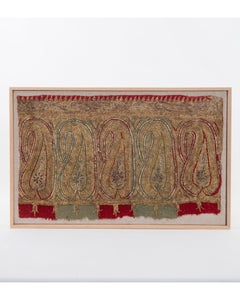
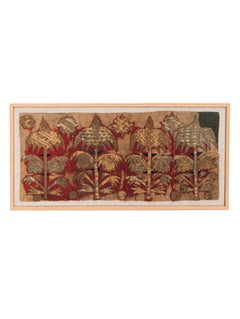
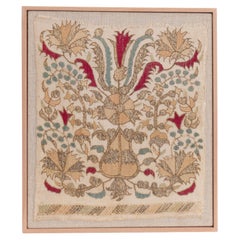
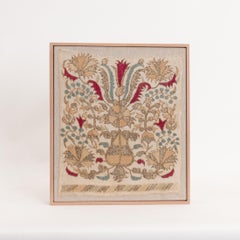
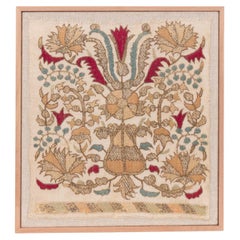
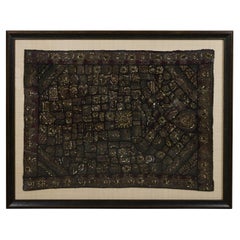
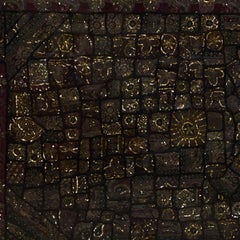
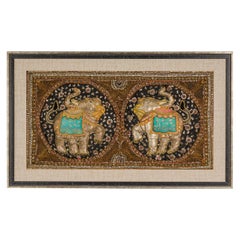
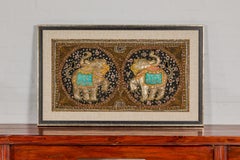
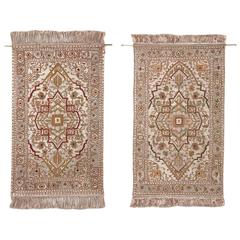
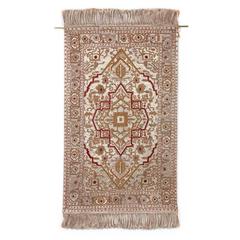
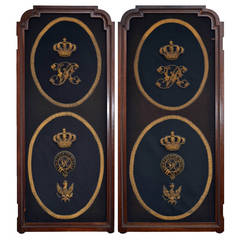
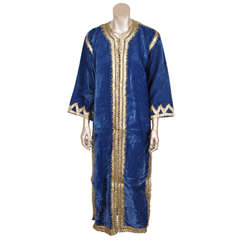
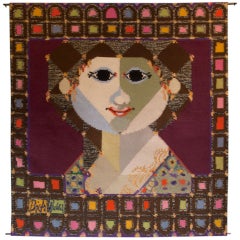
These beautiful antique rugs were crafted in the town of Hereke, in North Western Turkey, near Istanbul. The town has been famous since medieval times for its production of exceptional hand woven wares. Hereke carpets are created using a unique method, which is different from most other techniques across the world. Unlike most other loom work, Hereke rugs are double knotted using a Turkish know, resulting in a more long lasting product. Hereke weaving is so fine that the carpets have over one million knots per square metre. The Hereke method allows the possibility of a second weft, this difference separates the Hereke carpet-making technique from others.
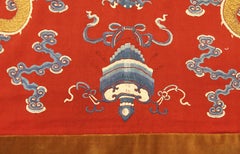
Both of these stunning antique Hereke carpets are of typical rectangular form, featuring tasselled ends and extensive woven decorative patterns in the Moorish style of design.
Moorish design refers to a specific style of Islamic art and architecture. It emerged in the 13th century and flourished until the 16th century in Spain and Northern Africa. The Moorish style more commonly refers to a distinctive architectural style, which is recognized by its ‘keyhole’ arches, domes and intricate, often cut-out geometric patterns. These same features are common to Moorish style furniture...
Category
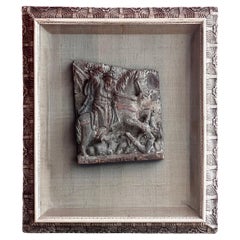
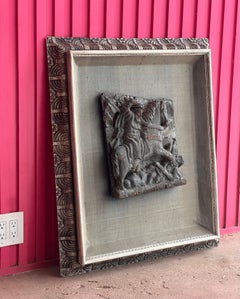
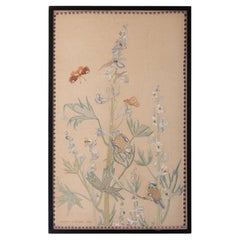
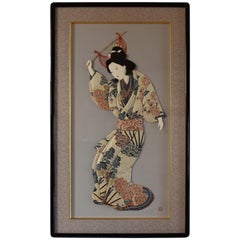
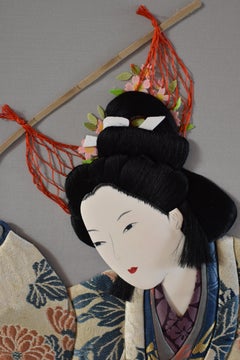
19th Century Turkish Moorish Antique Metallic Thread Decorative Art