75 results for "bargello"

Search for "bargello" in all categories
63
10
2
to
4
43
32
75
68
75
12
10
6
3
2
2
1
1
1
1
14
18
31
12
9
7
3
1
1
4
1
1
2
2
25
23
18
14
12
57
37
7
5
4
12
3
2
2
1
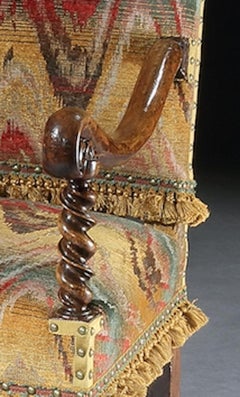
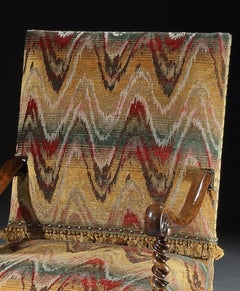
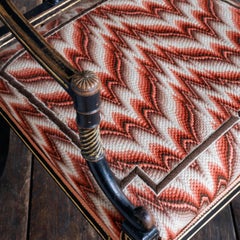
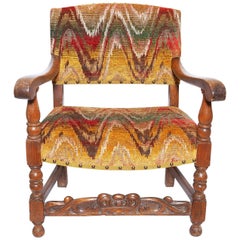
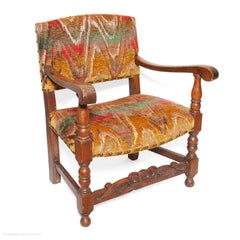
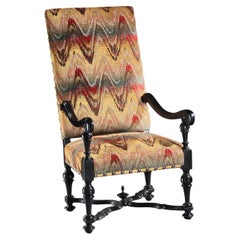
Armchairs, Pair, Flemish, 17th Century, Walnut, Upholstered, Bargello, Scrollarm

Armchairs, Pair, Flemish, 17th Century, Walnut, Upholstered, Bargello, Scrollarm

Located in BUNGAY, SUFFOLK

This pair of open armchairs are characteristic of the Haute Époque employing elegant barley-twist turnings and sweeping, curved, scroll arms. The bargello is a re-creation of a fashi...

Category

Antique 17th Century Dutch Baroque Armchairs

Materials

Walnut

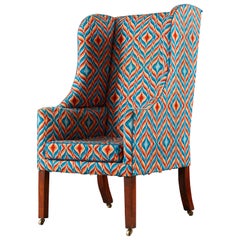
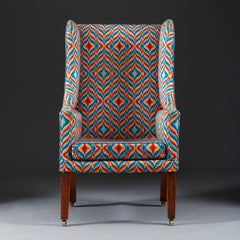
Early 19th Century Wingback Armchair, Later Bargello Flame Stitch Needlework

Early 19th Century Wingback Armchair, Later Bargello Flame Stitch Needlework

Located in London, GB

A fine early 19th century wingback armchair with mahogany legs, with bargello flame stitch needlework. The chair, 19th century. The needlework, mid-20th century.    

Category

Antique Early 19th Century English Wingback Chairs

Materials

Wool, Mahogany

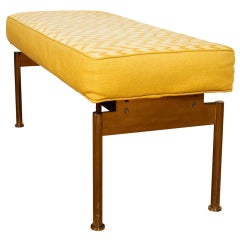
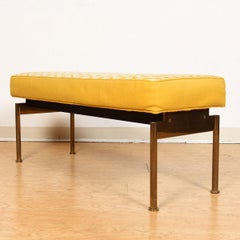
Designer Midcentury Brass Bench Upholstered in a Bargello Handmade Cushion

Designer Midcentury Brass Bench Upholstered in a Bargello Handmade Cushion

Located in Kensington, MD

Designer midcentury Brass Bench Upholstered in a Bargello Handmade Cushion Additional information: Material: Brass, Upholstery The brass frame accents the custom handmade white-...

Category

Mid-20th Century Mid-Century Modern Benches

Materials

Brass

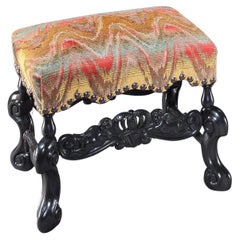
Ebonised Beech Stool Coronet 'S' Scroll Amorini Bargello

Ebonised Beech Stool Coronet 'S' Scroll Amorini Bargello

Located in BUNGAY, SUFFOLK

Antiquarian, Baroque-Revival, Ebonised, Beech Stool With 'S' Scroll legs & Stretcher with Amorini Holding a Coronet, Re-upholstered in Bargello This antiquarian, Baroque-Revival sto...

Category

Antique 1880s Baroque Revival Stools

Materials

Beech

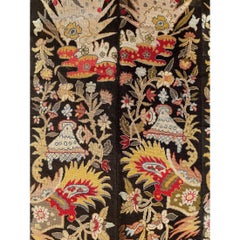
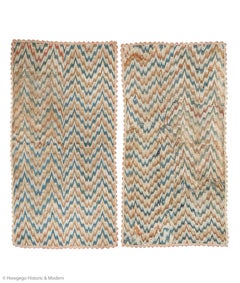
Bargello Flamestitch Silk Embroidery Florence Spetchley Park Bed Curtains Pair

Bargello Flamestitch Silk Embroidery Florence Spetchley Park Bed Curtains Pair

Located in BUNGAY, SUFFOLK

Spetchley park, Bargello, silk, bed curtains adapted into wall hangings in the 19th century • The use of silk, patterning and size suggests that these striking Bargello hangings were almost certainly conceived as bed curtains. In the Green Chamber at Parham House the State Bed is hung with Bargello curtains, pelmets and valences c1620. Like the Parham bed curtains, the Spetchley Park bed curtains have two horizontal pattern repeats in each drop. Needless to say, surviving bed curtains from this period are exceptionally rare as they had value as hangings and for upholstering domestic objects when removed from the bed. • The Spetchley Park bed curtains are really beautiful and luxurious. They were made as elite objects and have not lost their gravitas or their character and charm. • The Spetchley Park bed curtains were adapted into wall hangings in the 19th century. They are versatile and could easily be reinstated as curtains or panels within larger curtains. • Bargello work has a classic timeless quality to it and blends with most decorative schemes whether period or contemporary Each panel is made from two sections of bargello. The step (pattern) comprising two rows of short vertical stitches over two threads of graduating numbers of stitches up and down with two rows of long vertical stiches over six threads of graduating numbers of stitches up and down. Worked in graduating shades of blue, green, brown, red, tan and ivory silks on a hessian ground. The four edges of each hanging are faced with a 19th century, dusky pink fan...

Category

Antique 1620s Italian Baroque Tapestries

Materials

Silk

Armchair Baroque Ebonised Baroque X-Stretcher Mushroom Cup Cover Bargello

Armchair Baroque Ebonised Baroque X-Stretcher Mushroom Cup Cover Bargello

Located in BUNGAY, SUFFOLK

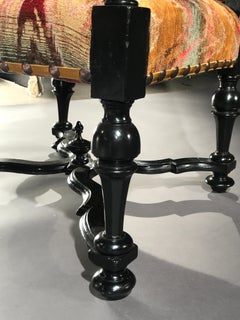
An Unusual, Baroque, Ebonised Beech Armchair With Mushroom and Cup & Cover Turnings, and 'X' Stretcher Re-upholstered in Bargello This armchair has many characteristic Baroque f...

Category

Antique 1680s English Baroque Armchairs

Materials

Ebony

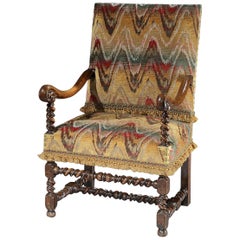
Armchair, Flemish Walnut Upholstered Bargello Scroll Arm Barley twist Baroque

Armchair, Flemish Walnut Upholstered Bargello Scroll Arm Barley twist Baroque

Located in BUNGAY, SUFFOLK

This open armchair is characteristic of the Haute Époque employing elegant barley-twist turnings and sweeping, curved, scroll arms. The bargello is a re-creation of a fashionable uph...

Category

Antique 17th Century Dutch Baroque Armchairs

Materials

Walnut

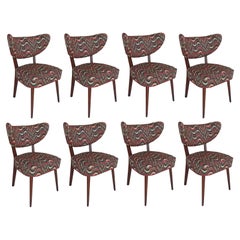
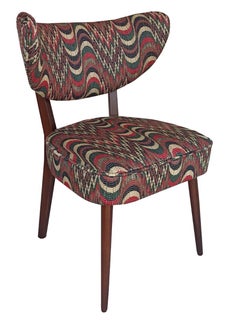
Set of Eight Shell Dining Chairs, Flimflam Jacquard by Dedar, Vintola Studio

Set of Eight Shell Dining Chairs, Flimflam Jacquard by Dedar, Vintola Studio

Located in 05-080 Hornowek, PL

Springy, very comfortable and stabile dining seats. They are contemporary chairs inspired of 1960s style. They can be used as armchairs and dining chairs. Chair was designed by Vi...

Category

2010s Polish Mid-Century Modern Chairs

Materials

Jacquard, Linen, Velvet, Beech

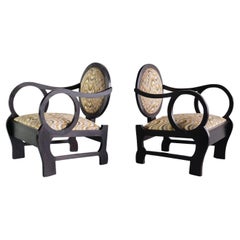
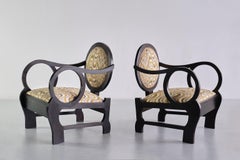
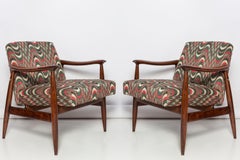
Pair of Lajos Kozma Attributed Armchairs in Oak and Dedar Jacquard, Late 1940s

Pair of Lajos Kozma Attributed Armchairs in Oak and Dedar Jacquard, Late 1940s

By Lajos Kozma

Located in The Hague, NL

This striking pair of armchairs was produced in the late 1940s. The rare design is attributed to the Hungarian designer Lajos Kozma. Kozma was working in the specific Central Europe...

Category

Vintage 1940s Hungarian Art Deco Armchairs

Materials

Fabric, Jacquard, Oak

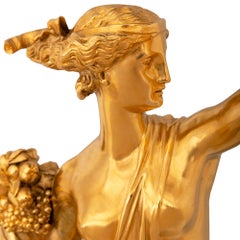
Antique 65cm Bronze "The water carrier" Vincenzo Gemito 19th Century

Antique 65cm Bronze "The water carrier" Vincenzo Gemito 19th Century

By Vincenzo Gemito

Located in London, GB

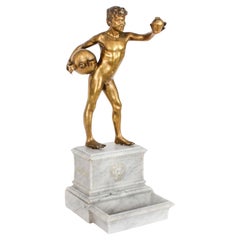
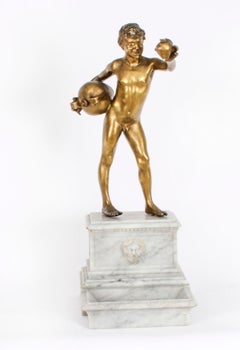
This is a striking large antique gilt bronze figural sculpture titled "The Water Carrier" (L'acquaiolo) by Vincenzo Gemito, (Italian 1852-1929), dating from Circa 1880. The bronze i...

Category

Antique 1880s Italian Figurative Sculptures

Materials

Bronze

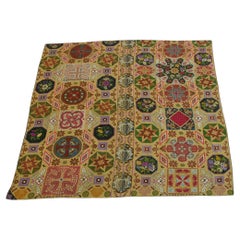
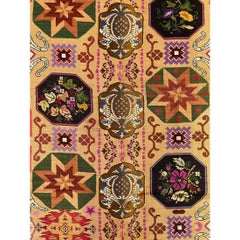
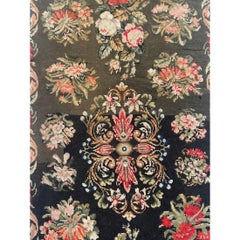
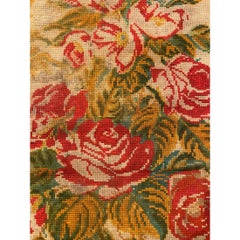
1920s Antique Floral Design Part Silk Needlework Rug

1920s Antique Floral Design Part Silk Needlework Rug

Located in Los Angeles, US

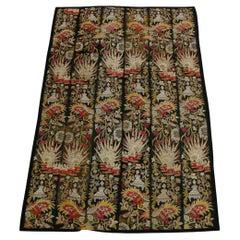
Needlepoint rugs were created using the traditional needlework weaving technique that is used to make everyday items from furniture to carpets and artwork. However, it has a fascinating history both as a hobby and as an industry. When many people think of carpets, they think of pile carpets or flat weave kilims, but needlepoint has also been used to create beautiful carpets. These carpets are durable and an important part of carpet history. Archaeologists and scholars consider the roots of needlepoint to have been around 1500 BC. They consider the first needlepoint to include the fine diagonal stitches that were used to sew tents together by the ancient Egyptians. The art eventually evolved into tapestry weaving. However, a tapestry weaving differs significantly from needlepoint in that it uses a loom and vertical warp. Tapestry weaving is closer to the weaving of kilims and pile rugs than canvas work. However, some still include tapestry weaving in the category of needlepoint because of the fine work that appeared during the late Renaissance. It can have a similar appearance to the untrained eye. Technically, tapestry weaving and needlepoint are not the same, and they do not use the same technique. The first actual needlepoint rugs and needle-points began to appear in the late Renaissance. Needlepoint is worked by creating stitches on a stiff canvas. The canvas is typically made from jute or linen and is quite durable. Pieces from the Renaissance were used to cover footstools, chairs, pillows, bed headboards, and other furnishings. They were also used as table coverings and wall coverings. You could also find them on many small items such as purses, shoes, and various adornments for clothing. During the Renaissance, the craft reached a high level of skill, and the designs became incredibly detailed and realistic. They mimicked many of the subjects and styles of famous paintings of the time. They created florals, still life designs, scenes, and geometric tiled pieces. Some of them mimicked the designs found in Persian Carpets. Needlepoint reached its peak popularity in the 19th century when it was considered a proper occupation for a lady. Needlepoint and embroidery held a similar place in societal status at the time. During this time, the work became finer, with some of the canvas reaching a high level of detail. The level of detail is determined by counting the number of mesh in an inch. During this time petit point by French needlewomen could have a mesh count as high as 45 mesh. This allowed women to create highly intricate designs with incredible levels of detail. It is possible to find many antique pieces of needlepoint besides rugs. Needlepoint rugs were popular in France and Spain, where the technique was adapted to create highly intricate designs that mimicked the designs in architecture and fashion. They were popular because they were durable, and it could be fashioned into a variety of items. The canvases themselves were durable, and the wool that they used was also strong, which means that many of the pieces were able to withstand daily use. We have many artifacts that have survived from this time period. Needlepoint rugs are important collectibles because they are different from the pile rugs and kilims that are typically found on the market. Needlepoint carpets are special because they take many hours to create, especially larger works. Needlepoint pieces of any type became popular throughout Europe during the 19th century. It is still a popular hobby today, but perhaps one of the most interesting stories is that of the Portuguese needlewomen of Arraiolos. The story of these women and their beautiful carpets begins in 1492. Needlepoint was a popular occupation in Spain, which had a large population of Moors and Jews. They were an integral part of Spanish culture. However, in 1492, Queen Isabella of Spain issued a proclamation that gave these ethnic groups the order to pack their bags and board ships headed...

Category

Vintage 1920s Renaissance Revival Russian and Scandinavian Rugs

Materials

Wool, Silk

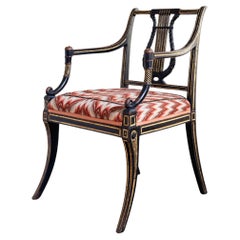
Regency Ebonised and Parcel Gilt Armchair

Regency Ebonised and Parcel Gilt Armchair

Located in London, GB

A Regency ebonised and parcel-gilt armchair, with lyre back and Bargello flame stitch upholstery.

Category

Antique Early 19th Century British Regency Chairs

Materials

Beech

San Giorgio Sculpture

San Giorgio Sculpture

By Raffaello Romanelli

Located in Milan, IT

The sculpture, inspired by one of Donatello's masterpieces, depicts the warrior St. George, watching what is happening, nervous but focused and ready to take action. He represents a ...

Category

2010s Italian Figurative Sculptures

Materials

Plaster

19th Century Georgian Mahogany Bench with Upholstered Top and Legs

19th Century Georgian Mahogany Bench with Upholstered Top and Legs

Located in Queens, NY

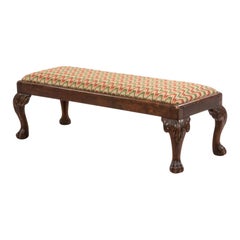
19th Century English Georgian style low mahogany bench with carved cabriole legs and a bargello needlepoint upholstered top.

Category

Antique 19th Century English Georgian Benches

Materials

Upholstery, Mahogany

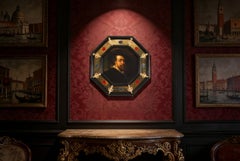
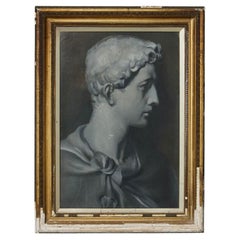
Antique Self Portrait Rubens by F. Flor for Flor & Findel 19th Century

Antique Self Portrait Rubens by F. Flor for Flor & Findel 19th Century

Located in London, GB

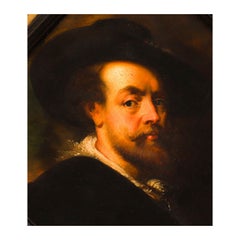
An antique Florentine copy of a self-portrait by Peter Paul Rubens (1577-1640) painted by F. Flor for Flor & Findel, early 19th century. The portrait is framed in the original c...

Category

Antique Early 19th Century Paintings

Materials

Ormolu

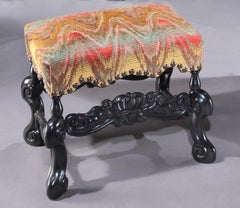
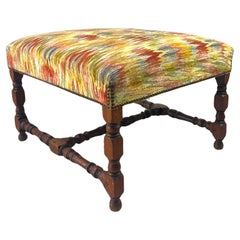
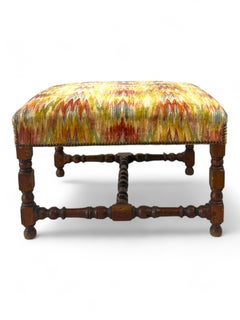
French Pouf / footrest / ottoman / side stool velvet - Louis 13 Period - France

French Pouf / footrest / ottoman / side stool velvet - Louis 13 Period - France

Located in Beuzevillette, FR

Pouf / footrest / ottoman / side stool. Its dimensions also allow it to be used as a side table. The pouf is covered by Bargello Flame Stitch Patterned Fabric: This is a type of nee...

Category

Antique Early 18th Century French Louis XIII Ottomans and Poufs

Materials

Upholstery, Wood

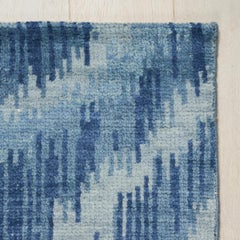
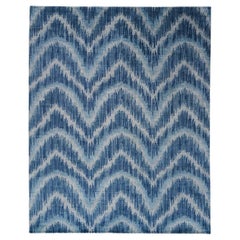
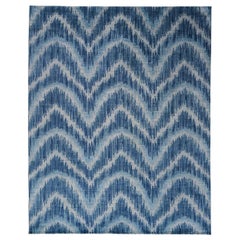
Venetian Flamestitch Rug in Blue, 9x12'

Venetian Flamestitch Rug in Blue, 9x12'

By Schumacher

Located in New York, NY

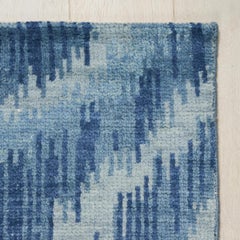
 A tonal, undulating pattern inspired by classic bargello, Venetian Flame Stitch is a timeless rug design that is equally at home in modern and traditional interiors. With its soft s...

Category

2010s American Modern North and South American Rugs

Materials

Wool, Cotton

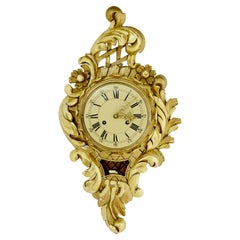
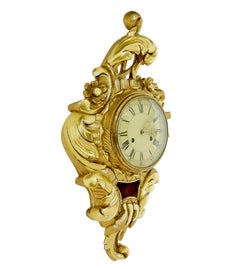
Mid century Swedish carved rococo revival gilt wall clock

Mid century Swedish carved rococo revival gilt wall clock

Located in Debenham, Suffolk

Mid century rococo revival gilt clock by Westerstrand circa 1950. Good quality rococo influenced clock by well known swedish maker westerstrand. Fitted with a twin train 8 day move...

Category

Mid-20th Century Swedish Rococo Wall Clocks

Materials

Giltwood

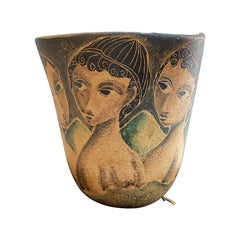
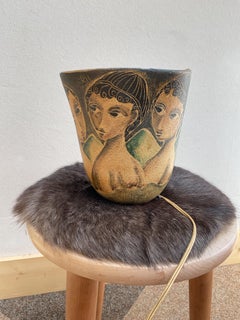
Marcello Fantoni Midcentury Italian Studio Pottery Lamp with Stylized Figures

Marcello Fantoni Midcentury Italian Studio Pottery Lamp with Stylized Figures

By Marcello Fantoni

Located in Northport, MI

A signed studio pottery lamp by iconic Italian ceramicist Marcello Fantoni, crafted in the 1950s. This striking midcentury piece features a flared, tapering form with hand-painted st...

Category

Mid-20th Century Italian Table Lamps

Materials

Ceramic

Antique Collectible Woolen Needlework

Antique Collectible Woolen Needlework

Located in Los Angeles, US

Needlepoint rugs were created using the traditional needlework weaving technique that is used to make everyday items from furniture to carpets and artwork. However, it has a fascinating history both as a hobby and as an industry. When many people think of carpets, they think of pile carpets or flat weave kilims, but needlepoint has also been used to create beautiful carpets. These carpets are durable and an important part of carpet history. Archaeologists and scholars consider the roots of needlepoint to have been around 1500 BC. They consider the first needlepoint to include the fine diagonal stitches that were used to sew tents together by the ancient Egyptians. The art eventually evolved into tapestry weaving. However, a tapestry weaving differs significantly from needlepoint in that it uses a loom and vertical warp. Tapestry weaving is closer to the weaving of kilims and pile rugs than canvas work. However, some still include tapestry weaving in the category of needlepoint because of the fine work that appeared during the late Renaissance. It can have a similar appearance to the untrained eye. Technically, tapestry weaving and needlepoint are not the same, and they do not use the same technique. The first actual needlepoint rugs and needle-points began to appear in the late Renaissance. Needlepoint is worked by creating stitches on a stiff canvas. The canvas is typically made from jute or linen and is quite durable. Pieces from the Renaissance were used to cover footstools, chairs, pillows, bed headboards, and other furnishings. They were also used as table coverings and wall coverings. You could also find them on many small items such as purses, shoes, and various adornments for clothing. During the Renaissance, the craft reached a high level of skill, and the designs became incredibly detailed and realistic. They mimicked many of the subjects and styles of famous paintings of the time. They created florals, still life designs, scenes, and geometric tiled pieces. Some of them mimicked the designs found in Persian Carpets. Needlepoint reached its peak popularity in the 19th century when it was considered a proper occupation for a lady. Needlepoint and embroidery held a similar place in societal status at the time. During this time, the work became finer, with some of the canvas reaching a high level of detail. The level of detail is determined by counting the number of mesh in an inch. During this time petit point by French needlewomen could have a mesh count as high as 45 mesh. This allowed women to create highly intricate designs with incredible levels of detail. It is possible to find many antique pieces of needlepoint besides rugs. Needlepoint rugs were popular in France and Spain, where the technique was adapted to create highly intricate designs that mimicked the designs in architecture and fashion. They were popular because they were durable, and it could be fashioned into a variety of items. The canvases themselves were durable, and the wool that they used was also strong, which means that many of the pieces were able to withstand daily use. We have many artifacts that have survived from this time period. Needlepoint rugs are important collectibles because they are different from the pile rugs and kilims that are typically found on the market. Needlepoint carpets are special because they take many hours to create, especially larger works. Needlepoint pieces of any type became popular throughout Europe during the 19th century. It is still a popular hobby today, but perhaps one of the most interesting stories is that of the Portuguese needlewomen of Arraiolos. The story of these women and their beautiful carpets begins in 1492. Needlepoint was a popular occupation in Spain, which had a large population of Moors and Jews. They were an integral part of Spanish culture. However, in 1492, Queen Isabella of Spain issued a proclamation that gave these ethnic groups the order to pack their bags and board ships headed...

Category

Antique Early 1900s Other Russian and Scandinavian Rugs
Materials

Wool

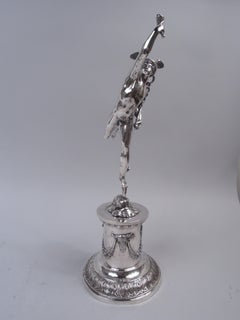
Italian Grand Tour Silver Giambologna Mercury Figure

Italian Grand Tour Silver Giambologna Mercury Figure

By Giambologna

Located in New York, NY

Italian grand tour-era silver figure of Mercury after Giambologna, ca 1820. Mercury holds a herald’s staff in one hand and a torch in the other, and balances on one foot resting on a...

Category

Antique Early 19th Century Italian Figurative Sculptures

Materials

Silver

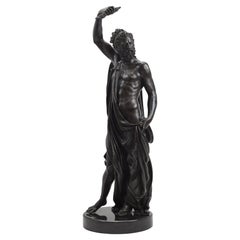
Large Italian Patinated Bronze Jupiter After Cellini, Cast by Marinelli Florence

Large Italian Patinated Bronze Jupiter After Cellini, Cast by Marinelli Florence

By Fonderia Artistica Ferdinando Marinelli, Benvenuto Cellini

Located in New York, NY

An Incredible and Quite Large Italian Patinated Bronze Figure of Jupiter, After Benvenuto Cellini (1500–1571), Cast by Fonderia Ferdinando Marinelli, Florence. This large bronze fig...

Category

Vintage 1910s Italian Neoclassical Figurative Sculptures

Materials

Marble, Bronze

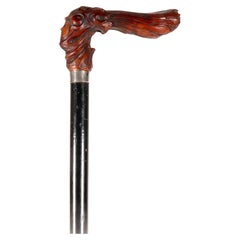
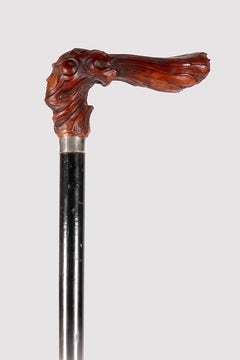
Art Nouveau walking stick, the Goddess Ceres, by Vincenzo Gemito, Italy 1900.

Art Nouveau walking stick, the Goddess Ceres, by Vincenzo Gemito, Italy 1900.

By Vincenzo Gemito

Located in Milan, IT

Art Nouveau walking stick. The knob is made of finely carved boxwood, depicting a representation of Ceres (Demeter for the Greeks), the Roman Goddess of cereals, crops and the fertil...

Category

Early 20th Century Italian Art Nouveau Antiquities

Materials

Silver

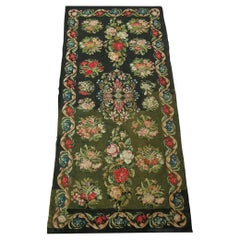
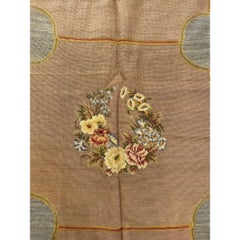
1920s Antique Needlepoint Runner

1920s Antique Needlepoint Runner

Located in Los Angeles, US

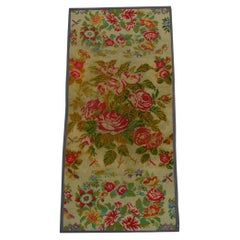
Needlepoint rugs were created using the traditional needlework weaving technique that is used to make everyday items from furniture to carpets and artwork. However, it has a fascinat...

Category

Vintage 1920s Other Russian and Scandinavian Rugs
Materials

Wool, Cotton

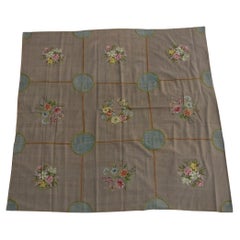
1920s Antique Needlepoint Rug - 6'7'' X 6'5''

1920s Antique Needlepoint Rug - 6'7'' X 6'5''

Located in Los Angeles, US

Needlepoint rugs were created using the traditional needlework weaving technique that is used to make everyday items from furniture to carpets and artwork. However, it has a fascinating history both as a hobby and as an industry. When many people think of carpets, they think of pile carpets or flat weave kilims, but needlepoint has also been used to create beautiful carpets. These carpets are durable and an important part of carpet history. Archaeologists and scholars consider the roots of needlepoint to have been around 1500 BC. They consider the first needlepoint to include the fine diagonal stitches that were used to sew tents together by the ancient Egyptians. The art eventually evolved into tapestry weaving. However, a tapestry weaving differs significantly from needlepoint in that it uses a loom and vertical warp. Tapestry weaving is closer to the weaving of kilims and pile rugs than canvas work. However, some still include tapestry weaving in the category of needlepoint because of the fine work that appeared during the late Renaissance. It can have a similar appearance to the untrained eye. Technically, tapestry weaving and needlepoint are not the same, and they do not use the same technique. The first actual needlepoint rugs and needle-points began to appear in the late Renaissance. Needlepoint is worked by creating stitches on a stiff canvas. The canvas is typically made from jute or linen and is quite durable. Pieces from the Renaissance were used to cover footstools, chairs, pillows, bed headboards, and other furnishings. They were also used as table coverings and wall coverings. You could also find them on many small items such as purses, shoes, and various adornments for clothing. During the Renaissance, the craft reached a high level of skill, and the designs became incredibly detailed and realistic. They mimicked many of the subjects and styles of famous paintings of the time. They created florals, still life designs, scenes, and geometric tiled pieces. Some of them mimicked the designs found in Persian Carpets. Needlepoint reached its peak popularity in the 19th century when it was considered a proper occupation for a lady. Needlepoint and embroidery held a similar place in societal status at the time. During this time, the work became finer, with some of the canvas reaching a high level of detail. The level of detail is determined by counting the number of mesh in an inch. During this time petit point by French needlewomen could have a mesh count as high as 45 mesh. This allowed women to create highly intricate designs with incredible levels of detail. It is possible to find many antique pieces of needlepoint besides rugs. Needlepoint rugs were popular in France and Spain, where the technique was adapted to create highly intricate designs that mimicked the designs in architecture and fashion. They were popular because they were durable, and it could be fashioned into a variety of items. The canvases themselves were durable, and the wool that they used was also strong, which means that many of the pieces were able to withstand daily use. We have many artifacts that have survived from this time period. Needlepoint rugs are important collectibles because they are different from the pile rugs and kilims that are typically found on the market. Needlepoint carpets are special because they take many hours to create, especially larger works. Needlepoint pieces of any type became popular throughout Europe during the 19th century. It is still a popular hobby today, but perhaps one of the most interesting stories is that of the Portuguese needlewomen of Arraiolos. The story of these women and their beautiful carpets begins in 1492. Needlepoint was a popular occupation in Spain, which had a large population of Moors and Jews. They were an integral part of Spanish culture. However, in 1492, Queen Isabella of Spain issued a proclamation that gave these ethnic groups the order to pack their bags and board ships headed...

Category

Vintage 1920s Other Russian and Scandinavian Rugs
Materials

Wool

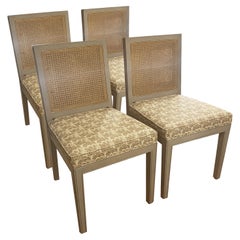
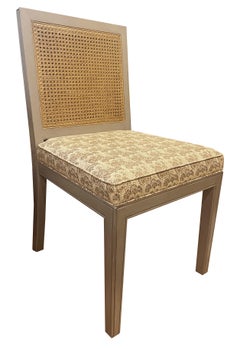
French-Country dining chairs in Peter Fasono linen upholstery and stained caning

French-Country dining chairs in Peter Fasono linen upholstery and stained caning

Located in Scottsdale, AZ

Beautiful set of (4) dining chairs, customized exclusively for THE TASTEMAKER SHOPPE! Seat cushions are upholstered in Peter Fasano's pattern linen called...

Category

21st Century and Contemporary American Dining Room Chairs

Materials

Upholstery, Cane, Wood

true pair of French 19th century Louis XVI st. Bronze, Ormolu and marble statues

true pair of French 19th century Louis XVI st. Bronze, Ormolu and marble statues

By Louis-Guillaume Fulconis

Located in West Palm Beach, FL

A stunning and high quality true pair of French 19th century Louis XVI st. patinated Bronze, Ormolu and Gris St. Anne marble statues of Mercury and Fortuna, after a model by Louis Gu...

Category

Antique 19th Century French Louis XVI Figurative Sculptures

Materials

Marble, Bronze, Ormolu

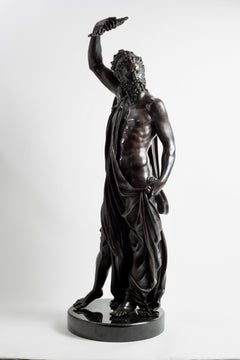
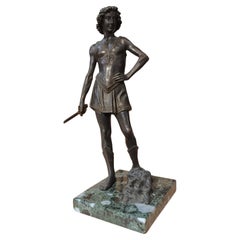
END OF THE 19th CENTURY BRONZE SCULPTURE DAVID AND GOLIATH WITH MARBLE BASE

END OF THE 19th CENTURY BRONZE SCULPTURE DAVID AND GOLIATH WITH MARBLE BASE

Located in Firenze, FI

Beautiful bronze sculpture cast with the lost wax technique, depicting the young David standing with his sword raised, symbol of his victory over the giant Goliath, whose suffering head is represented on the green marble base. With a victorious expression and a proud and elegant bearing, David stands triumphant over the defeated enemy, with a decisive gesture of his right arm and a gaze turned toward the left. His body, inclined slightly to the right, creates a dynamism that involves the viewer from every angle. This small-scale replica...

Category

Antique Late 19th Century Italian Figurative Sculptures

Materials

Marble, Bronze

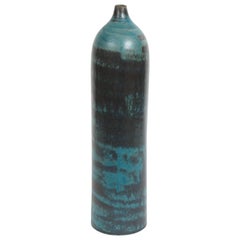
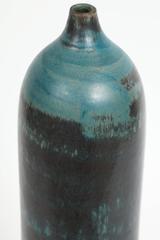
Marcello Fantoni Cylindrical Ceramic Bottle Vase, Glazed Stoneware, circa 1960s

Marcello Fantoni Cylindrical Ceramic Bottle Vase, Glazed Stoneware, circa 1960s

By Marcello Fantoni

Located in New York, NY

Italian artist Marcello Fantoni cylindrical ceramic bottle vase is glazed stoneware made circa 1960s. This piece was acquired directly from the artist by the seller, who was a person...

Category

20th Century Italian Mid-Century Modern Bottles

Materials

Ceramic

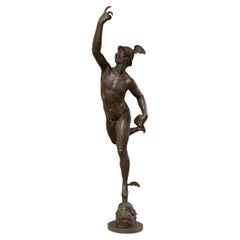
Amazing Mercury Sculpture in Bronze 20th Century

Amazing Mercury Sculpture in Bronze 20th Century

Located in Madrid, ES

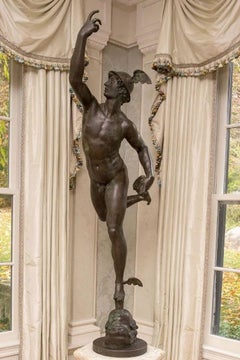
Amazing Mercury sculpture in bronze H: 190cm 20th century Lost wax and patinated bronze reproduction of the Mercury sculpture by Giambologna. The ...

Category

20th Century Italian Modern Figurative Sculptures

Materials

Bronze

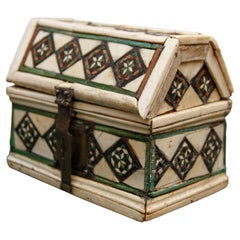
16th century, Bottega degli Embriachi, Venice or Florence, small chamber pot

16th century, Bottega degli Embriachi, Venice or Florence, small chamber pot

Located in Milan, IT

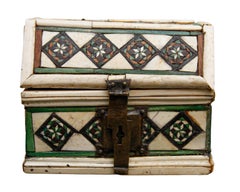
16th century, Bottega degli Embriachi, Venice or Florence Little Toilet Bone and wood, 14 x 12 cm Shellac on the base This box set is a classic example of the work of the renowne...

Category

Antique 16th Century Italian Other Decorative Boxes

Materials

Bone

Monumental 18th Century Italian Walnut Sofa

Monumental 18th Century Italian Walnut Sofa

Located in Gloucestershire, GB

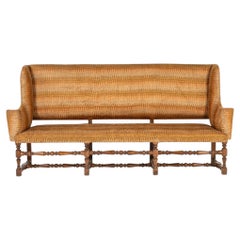
Impressive and extraordinary size 18th Century Italian walnut sofa or settee with original flame stitch upholstery.  This sofa or settee is of huge scale, measuring more than eight ...

Category

Antique 18th Century Italian Sofas

Materials

Walnut

1920s Antique Needlepoint Runner

1920s Antique Needlepoint Runner

Located in Los Angeles, US

The technique for creating needlepoint rugs and other objects made from needlepoint has remained unchanged since its beginnings in the 17th century. It all begins with a canvas with ...

Category

Vintage 1920s Other Russian and Scandinavian Rugs
Materials

Wool

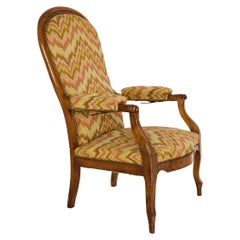
Italian Reclining Upholstered Armchair of Walnut, 19th Century

Italian Reclining Upholstered Armchair of Walnut, 19th Century

Located in Atlanta, GA

A handsome example of a 19th Century Italian fauteuil, this armchair dates to the Louis Philippe period and demonstrates the form at its most characteristic: a tall, arched back with...

Category

Antique Late 19th Century Italian Louis Philippe Armchairs

Materials

Metal

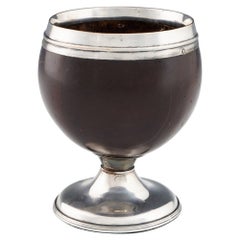
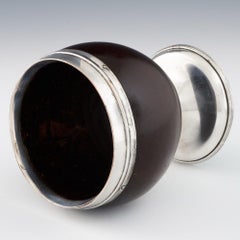
Provincial Silver Mounted Coconut Cup c1790

Provincial Silver Mounted Coconut Cup c1790

Located in Tunbridge Wells, GB

Heading : Silver mounted coconut cup Date : 1770-1800 Period : George III Origin : Probably Scotland Decoration : Silver rim and conical silver foot. S...

Category

Antique 1790s British George III Sterling Silver

Materials

Silver

Marcello Fantoni for Raymor Glazed Ceramic Vase, Signed

Marcello Fantoni for Raymor Glazed Ceramic Vase, Signed

By Marcello Fantoni

Located in Dallas, TX

Marcello Fantoni (1915 - 2011) was born in Florence, Italy. With a vast career in the arts showcasing his talent in sculpture, ceramics, metalwork, multi-media and even designer, Marcello Fantoni's work was exhibited in the MoMA New York; Metropolitan Museum of Art of New York...

Category

20th Century Italian Mid-Century Modern Vases

Materials

Ceramic

French 19th Century Louis XVI St. Ormolu, Patinated Bronze, And Marble Statue

French 19th Century Louis XVI St. Ormolu, Patinated Bronze, And Marble Statue

Located in West Palm Beach, FL

A wonderful French 19th century Louis XVI st. Ormolu, Patinated Bronze, and Black Belgian marble statue of 'La Fortuna'. Fortuna is raised on a mottled black Belgian marble pedestal ...

Category

Antique 19th Century French Louis XVI Figurative Sculptures

Materials

Marble, Bronze, Ormolu

Ceramic Vase by Marcello Fantoni

Ceramic Vase by Marcello Fantoni

By Marcello Fantoni

Located in Asti, Piemonte

Ceramic vase by Marcello Fantoni. Signed and with original label. Biography Marcello Fantoni was born in Florence on October 1, 1915. Growing up, he became passionate about art, and...

Category

Vintage 1960s Italian Modern Vases

Materials

Ceramic

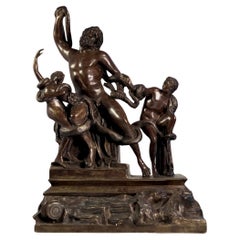
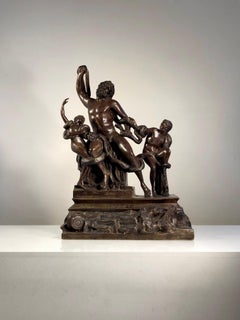
THE LAOCOON GROUP Bronze SCULPTURE by FONDERIA CHIURAZZI, Italy 1880-1890

THE LAOCOON GROUP Bronze SCULPTURE by FONDERIA CHIURAZZI, Italy 1880-1890

By Fonderia Chiurazzi

Located in PARIS, FR

A patinated bronze sculpture reproduction of the Laocoon group by the Napolitan world famous Fonderia Chiurazzi, Italy 1880-1900. Rediscovered in 1506 in Rome The Laocoon Group is believed to be created sometime between 42-20 BCE by three sculptors from Rhodos – Hagesander, Athenodoros and Polydorus, after the work of more ancien Hellenistic sculptors. Recreated and issued (with several sizes and creative variations) by Fonderia Chiurrazzi, this piece is more than just an incredibly precise and expressive reproduction of the iconic antic sculpture...

Category

Antique 1880s Italian Neoclassical Figurative Sculptures

Materials

Bronze

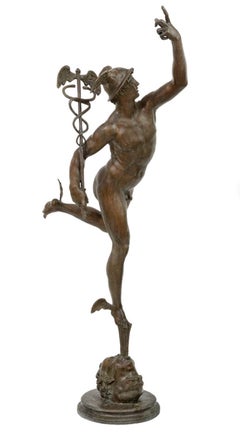
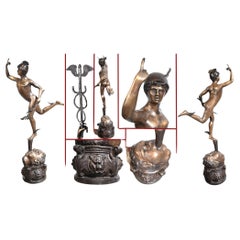
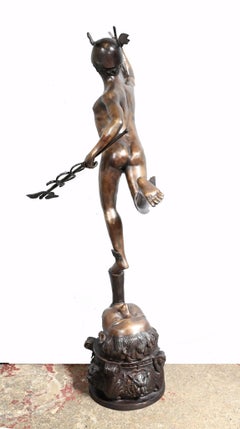
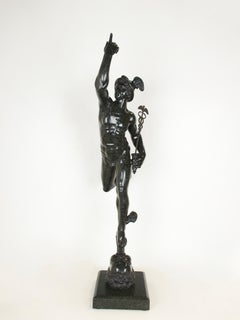
Bronze Mercury Statue - Large Italian Hermes Classic Myth Figurine After Giovann

Bronze Mercury Statue - Large Italian Hermes Classic Myth Figurine After Giovann

Located in Potters Bar, GB

Delightful Italian bronze casting of the Mercury - also referred to as Hermes in the Greek tradition Hermes is the god of transitions and boundaries and the messenger to the gods Love the heralds staff he carries which consists of two snakes wrapped around the winged staff The casting is superb and these pieces stands in at just under five feet tall so large This piece is made in the style of Giovanni Bologne After Giovanni Bologne’s Mercury (fourth/final version) completed in 1580 and now at the Museo Nazionale del Bargello, Florence, Italy Of course being bronze this can live outside with no fear of rusting I\'ve had a number of bronze Mercury statues...

Category

Vintage 1980s Statues

Materials

Bronze

Armchair Child Sample Oak Baroque Jacobean Revival Crown Antiquarian

Armchair Child Sample Oak Baroque Jacobean Revival Crown Antiquarian

Located in BUNGAY, SUFFOLK

- Rare child's armchair or possibly a sample made when large country houses were being remodeled in the Baroque taste towards the end of the 19th and beginning of the 20th century. ...

Category

Antique 1890s English Baroque Revival Armchairs

Materials

Oak

Oil on Canvas Painting of Donatello’s Saint George of England

Oil on Canvas Painting of Donatello’s Saint George of England

Located in Wormelow, Herefordshire

An oil on canvas painting of Donatello’s Saint George of England. A side profile of Donatello’s marble sculpture of Saint George. The sculpture stands amongst fourteen others commis...

Category

Antique 19th Century English Grand Tour Paintings

Materials

Glass, Wood, Paper

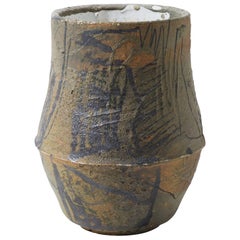
Italian Ceramic Vase by Marcello Fantoni

Italian Ceramic Vase by Marcello Fantoni

By Marcello Fantoni

Located in Asti, Piemonte

A ceramic vase designed and produced by Marcello Fantoni in 1983. Signed. Biography: Marcello Fantoni was born in Florence on October 1, 1915. Growing up, he became passionate about...

Category

Vintage 1980s Italian Modern Vases

Materials

Ceramic

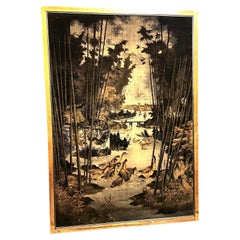
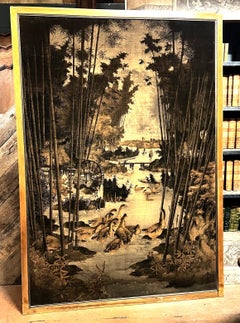
Tapestry on canvas depicting landscape, provenance Japan

Tapestry on canvas depicting landscape, provenance Japan

Located in Cuneo, Italy (CN)

Vintage tapestry on canvas depicting natural landscape with wildlife. Complete with wooden frame, can be used as a decorative panel or sliding door. Great decorative impact. Origin J...

Category

20th Century Japanese Tapestries

Materials

Tapestry

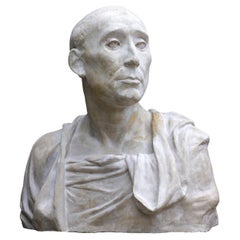
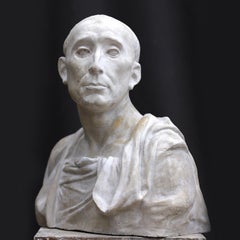
Niccolò da Uzzano Bust

Niccolò da Uzzano Bust

By Raffaello Romanelli

Located in Milan, IT

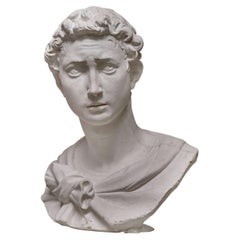
A stupendous reproduction of the Niccolò da Uzzano Bust by Donatello (1432) preserved at the Bargello Museum of Florence, this extraordinary oeuvre is one of the most ancient busts...

Category

2010s Italian Busts

Materials

Plaster

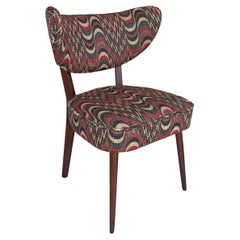
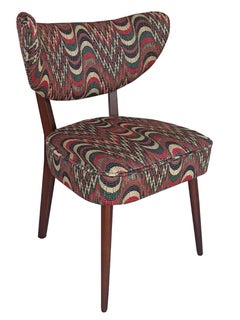
Shell Dining Chair, Flimflam Jacquard by Dedar, Vintola Studio

Shell Dining Chair, Flimflam Jacquard by Dedar, Vintola Studio

Located in 05-080 Hornowek, PL

Springy, very comfortable and stabile dining seats. They are contemporary chairs inspired of 1960s style. They can be used as armchairs and dining chairs. Chair was designed by Vi...

Category

2010s Polish Mid-Century Modern Chairs

Materials

Linen, Velvet, Beech, Jacquard

Flying Mercury in green marble copied from the famous work of Giambologna

Flying Mercury in green marble copied from the famous work of Giambologna

Located in Prato, IT

Green serpentine marble sculpture Late 19th century Height approx. 88 cm. The flying mercury and the bronzes While he was still busy working on the fountain in piazza Maggiore, the papal delegate Cesi asked Giambologna for a statue to be placed in the courtyard of the Archiginnasio, seat of the ancient and prestigious Bolognese university; he should have painted a bronze depicting the god Mercury with his index finger stretched towards the sky, a symbol of the divine origin of knowledge, which would have served as a warning to all students. The project was never completed, but Giambologna elaborated a model preserved at the Civic Museum of Bologna, which is only the first of the numerous bronzes with the same subject made by the artist, defined precisely as flying Mercury. In later versions, the sculptor transformed Mercury into a much more dynamic figure reaching upwards, as if ready to take flight, giving it an unprecedented freedom of movement and lightness. When he returned to Florence, the sculptor certainly proposed it to the Medici, who enthusiastically immediately ordered one to be sent to Emperor Maximilian II of Habsburg, as a diplomatic gift for the ongoing negotiations of the wedding between Francesco and Giovanna, sister of the sovereign. Giambologna replied with the two bronzes preserved in Vienna and Dresden and in 1580 cast the large Mercury now exhibited in the Bargello, originally intended for the loggia of the villa of Cardinal Ferdinando dei Medici to crown a fountain placed in the center of a magnificent decorative complex; the only variant with respect to the previous examples is constituted by the head of Zephyr placed under the foot of the god and from which a breath of wind blows it upwards, accentuating the sense of immateriality. In addition to the successful invention of the flying Mercury, Giambologna acquired immense fame by making numerous other bronzes for the Florentine collectors of the time; his first patron, Bernardo Vecchietti must certainly have owned many, given to him in part by the sculptor in exchange for his protection, but around the 1880s it can be said that there was no collector who did not aspire to own a work by Giambologna, especially those of small format. The development of this trend in Florence is largely due to the artistic passions of the Grand Duke Francesco I, who with the creation of environments such as the Studiolo in Palazzo Vecchio and the Tribuna degli Uffizi, provided new criteria for the exhibition of the works, pushing all collectors to imitate his extraordinary collection. In the Studiolo, in addition to the painted tables that decorated the doors of the cupboards filled with all kinds of things, there were 8 niches containing bronze figures of divinities; Giambologna painted the one depicting Apollo (1573-75), with the characteristic serpentine pose and beautifully finished. The placement of the statuette in the niche was no longer an impediment to the plurality of views as Giambologna endowed it with a sort of mechanism that allowed it to rotate. For the Tribune he instead created the six Labors of Hercules (1576-1589), small silver sculptures...

Category

Antique Late 19th Century Italian Figurative Sculptures

Materials

Marble

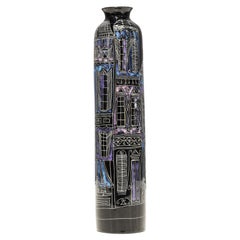
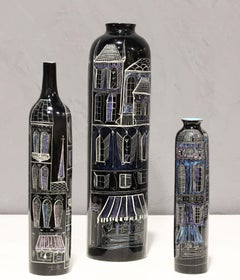
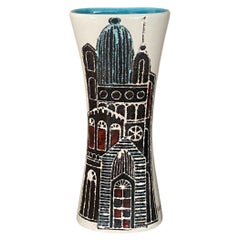
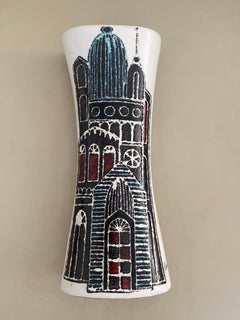
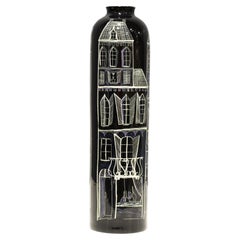
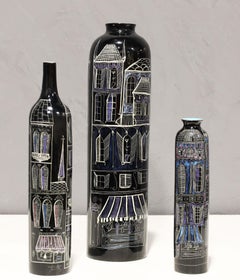
Marcello Fantoni 1960s Ceramic Vase with Cityscape Scene

Marcello Fantoni 1960s Ceramic Vase with Cityscape Scene

By Marcello Fantoni

Located in New York, NY

An exquisite and rare early 1960s Italian ceramic vase by the renowned Florentine master of ceramics, Marcello Fantoni (1915-2011). This highly sculptural and artistic piece features...

Category

Vintage 1960s Italian Mid-Century Modern Vases

Materials

Ceramic

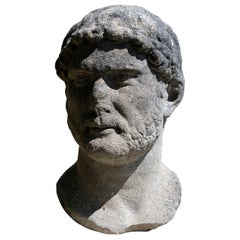
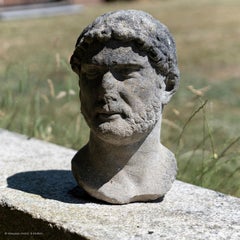
Sculpture Bust Stone Brutus

Sculpture Bust Stone Brutus

Located in BUNGAY, SUFFOLK

After the antique. This bust conveys the character of Brutus his courage, strength, power, nobility, honour and conviction. Measures: height 34cm., 13.5" diameter 20cm., 8" Fashioned after the c1539 statue of Brutus by Michelangelo, Bargello Museum in Florence. Marcus Junius Brutus Caepio (c.85-42): Roman politician, murderer of Gaius Julius Caesar and one of the last defenders of the republic. Marcus Junius Brutus is one of the great names of Roman history. Central to the notorious conspiracy that resulted in the assassination of the dictator Julius Caesar on the Ides of March 44 BC, Brutus gave brief hope to those who longed for the restoration of republican government. Yet by August of the same year he was on his way from Italy to the Greek east; a little over two years later he had committed suicide in the face of defeat at the hands of Mark Antony...

Category

20th Century European Classical Roman Figurative Sculptures

Materials

Cast Stone

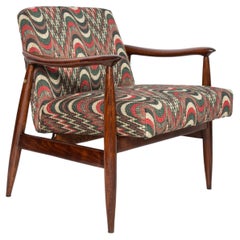
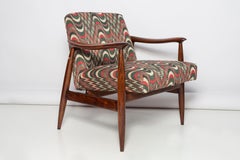
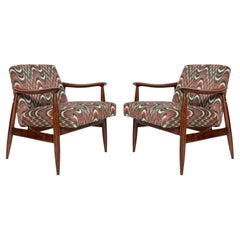
Pair of Mid Century Flimflam Jacquard Armchairs, by J Kedziorek, Europe, 1960s

Pair of Mid Century Flimflam Jacquard Armchairs, by J Kedziorek, Europe, 1960s

Located in 05-080 Hornowek, PL

The GFM armchair is an icon of the Polish design of the PRL period. The famous armchair was designed in 1962 by the Polish interior designer and furnitur...

Category

20th Century Polish Mid-Century Modern Armchairs

Materials

Textile, Beech

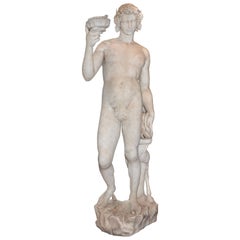
19th Century over Life-Size Marble Statue of Bacchus after Michelangelo

19th Century over Life-Size Marble Statue of Bacchus after Michelangelo

Located in Essex, MA

Mid-19th century over life-size carved marble statue of Michelangelo's "Bacchus". Grand Tour copy through the "Point To Point" method directly from the original keeping its masterful proportions and Fine details in an exact size to Michelangelo's work. We have never seen a 19th century copy of this Renaissance Masterpiece of this size and are quite fortunate to be responsible for its stewardship until purchase by a discerning collector The original "Bacchus" is a marble sculpture by the master, Michelangelo, created circa 1496 when the artist was 21. This statue was originally commissioned by Cardinal Raffaele Riario. However, it was rejected by him and eventually found its way to Jacopo Galli, Cardinal Riario’s banker and a friend of the sculptor, who purchased it in 1506. Some 66 years later it was bought for the Medici and transferred to the royal house in Florence, Italy. Currently it can be viewed at the Museo Nazionale del Bargello in Florence. It is one of just two sculptures surviving Michelangelo’s initial period in Rome, with the other being Pieta. The artwork: This somewhat oversized...

Category

Antique 19th Century Italian Renaissance Statues

Materials

Marble

Venetian Flamestitch Rug in Blue, 10x14'

Venetian Flamestitch Rug in Blue, 10x14'

By Schumacher

Located in New York, NY

 A tonal, undulating pattern inspired by classic bargello, Venetian Flame Stitch is a timeless rug design that is equally at home in modern and traditional interiors. With its soft s...

Category

2010s American Modern North and South American Rugs
Materials

Wool, Cotton

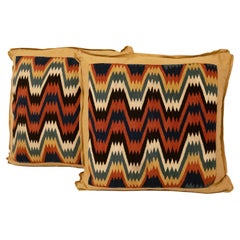
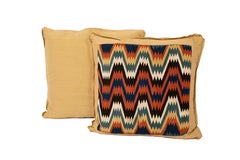
A Pair of Flame-Stitched Tapestry Cushions

A Pair of Flame-Stitched Tapestry Cushions

Located in New York, NY

A pair of cushions made with early-20th Century flame stitched Bargello tapestry. The backs and trim made with a new silk and linen fabric by Rogers & Goffigan.

Category

2010s Pillows and Throws

Materials

Tapestry, Linen

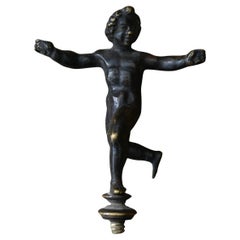
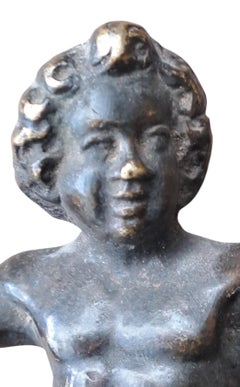
Bronze Figure Of A Winged Putto (probably Eros) Circa 1550–1600

Bronze Figure Of A Winged Putto (probably Eros) Circa 1550–1600

Located in Bilzen, BE

"Bronze Figure Of A Winged Putto (probably Eros) Circa 1550–1600" North Italian Renaissance Bronze Figure of a Winged Putto (Possibly Eros) Attributed to a Paduan or Venetian workshop, ca. 1550–1600 Cast bronze with dark brown patina and signs of verdigris; formerly winged; mounted on a threaded base; both hands drilled for original attributes. Height: 10.6 cm Width (hand to hand): 8.5 cm This finely cast bronze figure represents a dancing or airborne putto, likely an allegorical figure such as Eros or a cherubic spirit, originally intended as a functional decorative element — possibly for a lamp, inkwell, or ceremonial vessel. The figure is modeled with dynamic balance, standing on one leg with both arms extended, and was once fitted with separately cast wings, now missing, as evidenced by deep, symmetrical sockets on the upper back. The facial modeling is serene and idealized, with softly rounded cheeks, almond-shaped eyes, and structured curls in a distinctly Renaissance style, reminiscent of the North Italian tradition of Andrea Riccio...

Category

Antique 16th Century Italian Renaissance Historical Memorabilia

Materials

Bronze

Marcello Fantoni for Raymor Glazed Ceramic Vase, Signed

Marcello Fantoni for Raymor Glazed Ceramic Vase, Signed

By Marcello Fantoni

Located in Dallas, TX

Marcello Fantoni (1915 - 2011) was born in Florence, Italy. With a vast career in the arts showcasing his talent in sculpture, ceramics, metalwork, multi-media and even designer, Marcello Fantoni's work was exhibited in the MoMA New York; Metropolitan Museum of Art of New York...

Category

20th Century Italian Mid-Century Modern Vases

Materials

Ceramic

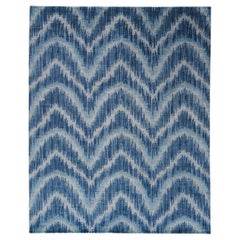
Venetian Flamestitch Rug in Blue, 8x10'

Venetian Flamestitch Rug in Blue, 8x10'

By Schumacher

Located in New York, NY

 A tonal, undulating pattern inspired by classic bargello, Venetian Flame Stitch is a timeless rug design that is equally at home in modern and traditional interiors. With its soft s...

Category

2010s American Modern North and South American Rugs
Materials
Wool, Cotton

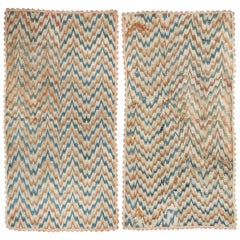
Nazmiyal Collection Flame Stitch Antique Italian Silk Textile 3'10" x 6'

Nazmiyal Collection Flame Stitch Antique Italian Silk Textile 3'10" x 6'

Located in New York, NY

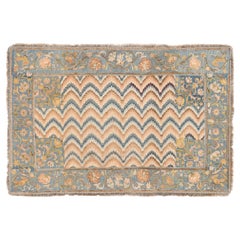
Magnificent Bargello Flame Stitch Antique Italian Silk Textile, Country of Origin: Italy, Circa date: 1900

Category

Early 20th Century Italian Greco Roman Tapestries

Materials

Silk