By Robbie Cornelissen
Located in Montreal, Quebec
“I know not with what weapons World War III will be fought, but World War IV will be fought with sticks and stones.” ― Albert Einstein.
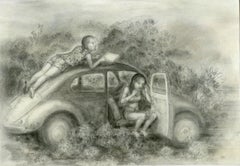
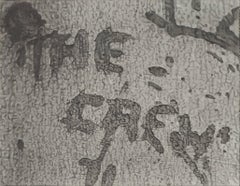
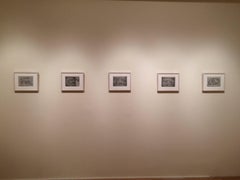
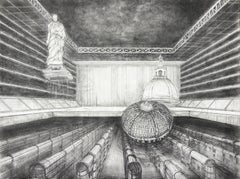
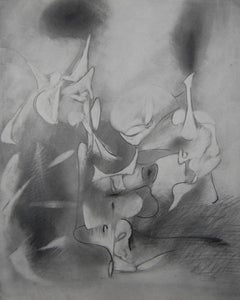
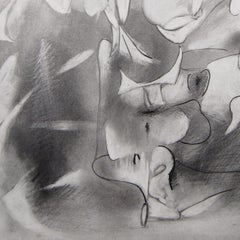
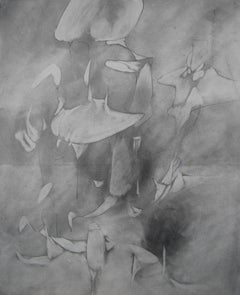
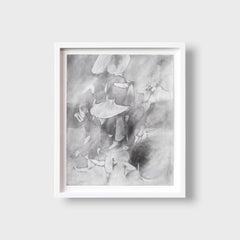
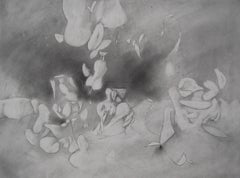
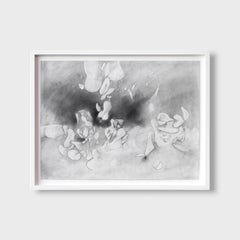
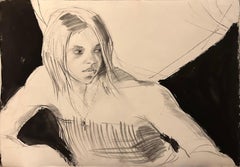
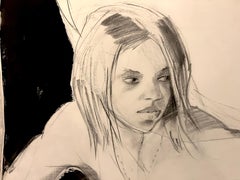
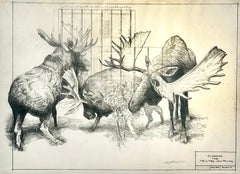
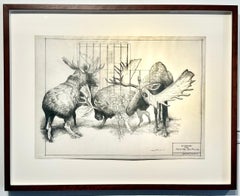
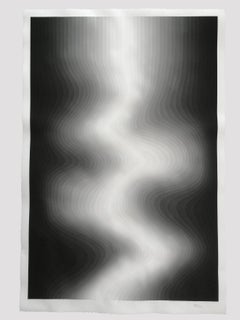
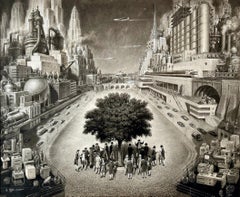
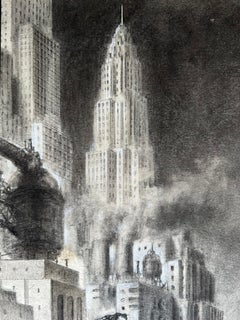
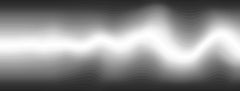
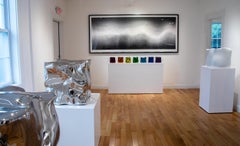
Always working with graphite and charcoal, Robbie Cornelissen’s limited palette emphasises the stark sombre nature of his metaphysical drawings, The Undertow is his sixth solo exhibition at Art Mûr. At the centre of the exhibition hovers Terra Nova, a dark and desolate world parallel to our own. Robbie Cornelissen’s drawings, such as The Space of Absence and Thriller, seem to pull from the stop motion’s frames. Other images, made especially for The Undertow isolate key fragments; the cloud, mounds and timeless dwellings, Cornelissen’s signature technical interest.
In addition to his methodical approach, Cornelissen uses the written word, scrawling and erasing terms repeatedly, in English, French, and German, these fastidious markings and exact translations leave a trace and a glitch on paper and screen. Much of his existing work includes words and phrases like “tribunal,” “myself when I am real” and “the need to disappear.” Do they identify what forms, systems and sentiments that are, or could be present? Or do they warn of what is to come?
Suspended in the atmosphere of a planetary body, Cornelissen’s clouds extend down to the surface, looming over Earth and Terra Nova. But are they harmless clouds, or associated with nuclear explosions? And is that the ash, dust, pollution and detritus of these invented places, the remnants of an unsustainable society, a dream factory? Or the promise of life anew? In weather forecasting, or aeromancy, the presence of clouds can promise darkness and gloom, but they can also bring cleansing.
The ominous aura of the grid, an applied system and structure used by many, including draughtsmen, architects, urban planners, designers and artists to organise and sometimes classify information, is a recurring element in his work. The grid can be observed from a distant bird’s eye view, or close up, allowing Cornelissen’s large format drawings...
Category
2010s Contemporary Art by Medium: Graphite
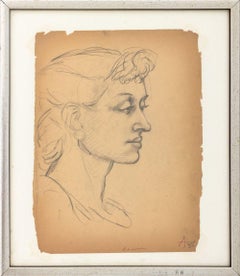
MaterialsArchival Paper, Pencil, Graphite