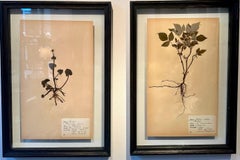
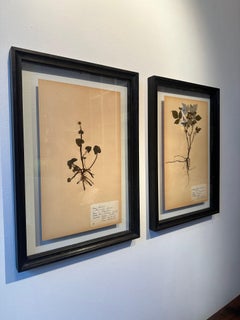
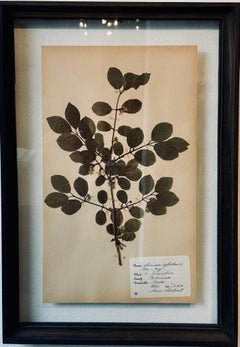
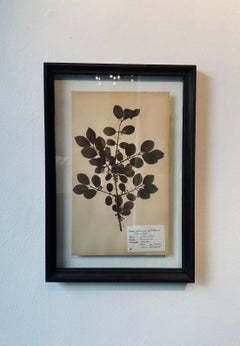
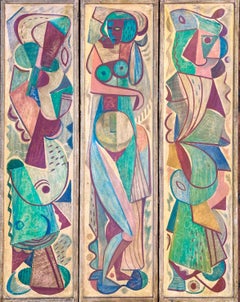
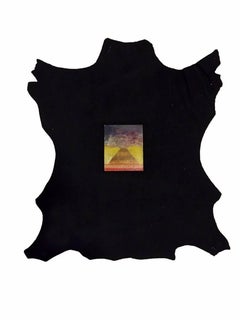
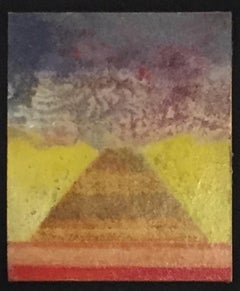
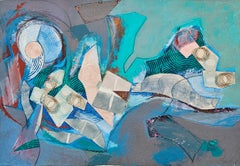
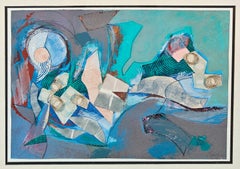
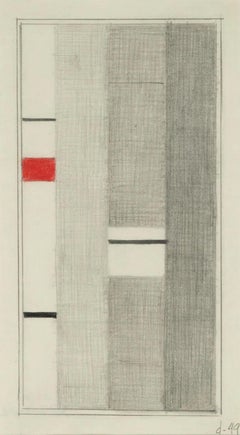
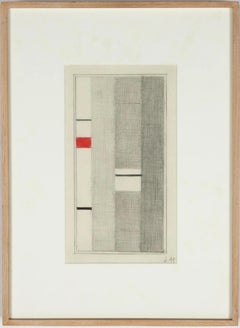
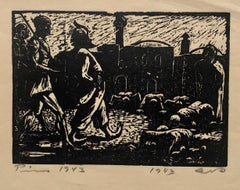
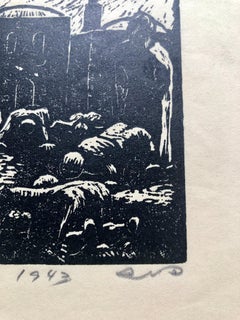
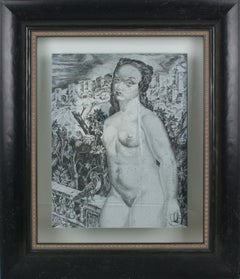
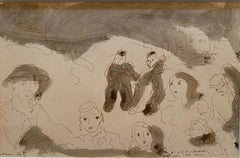
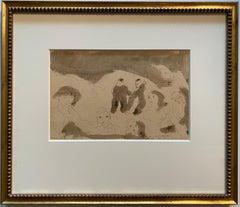
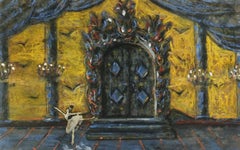
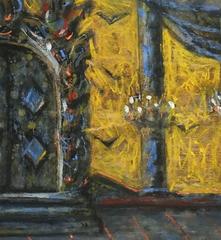
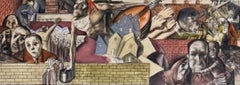
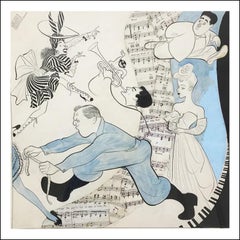
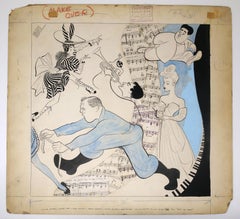
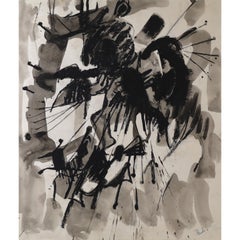
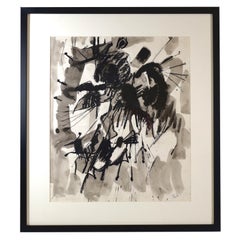
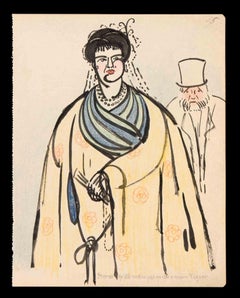
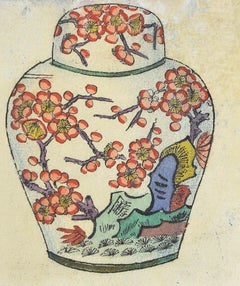
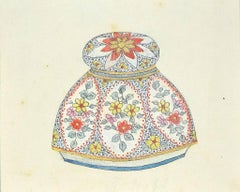
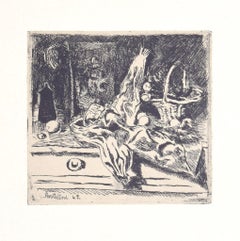
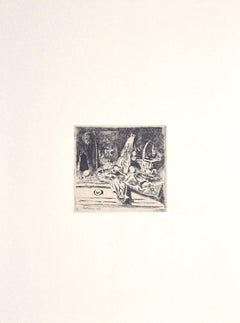
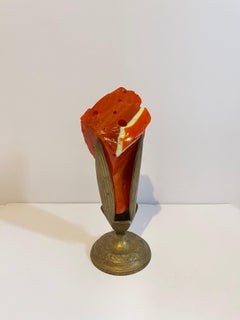
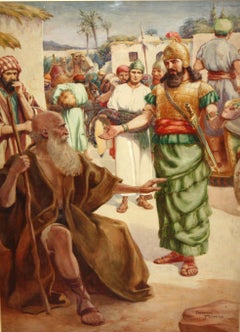
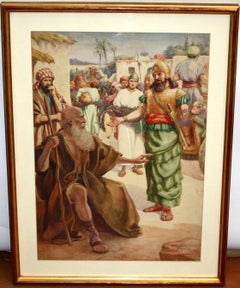
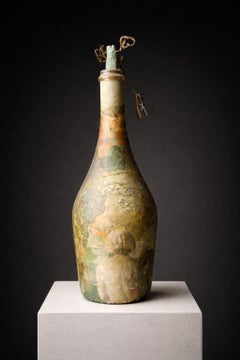
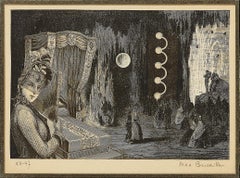
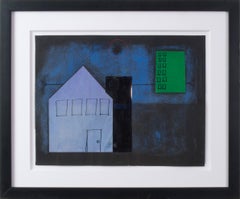
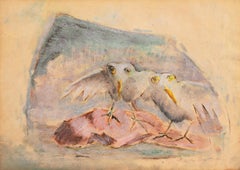
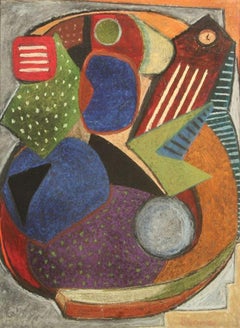
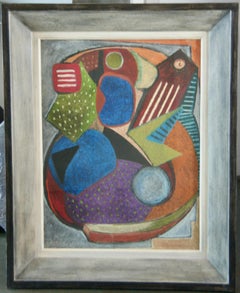
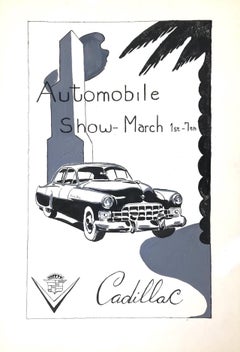
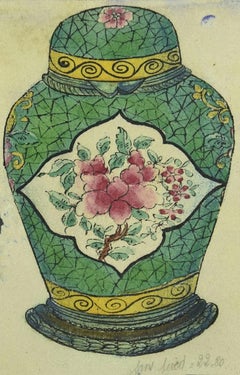
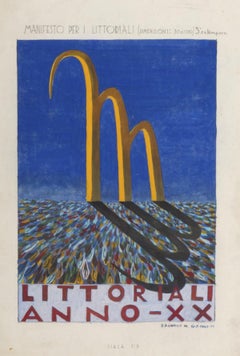
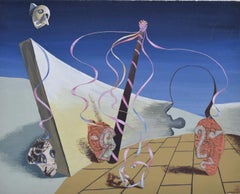
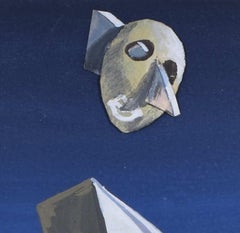
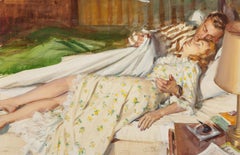
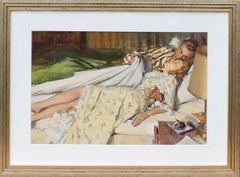
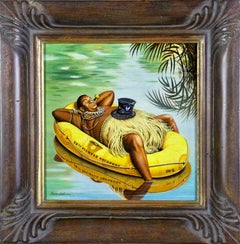
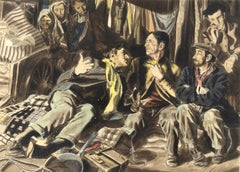
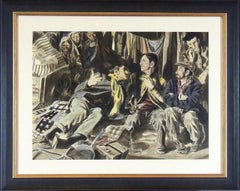
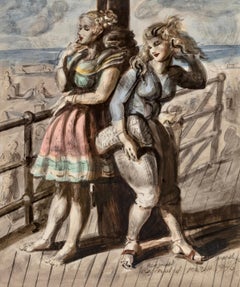
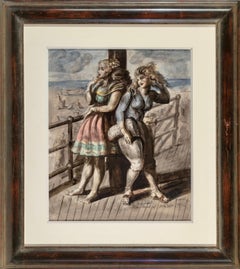
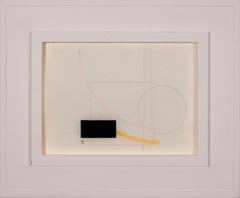
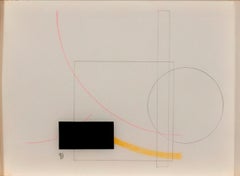
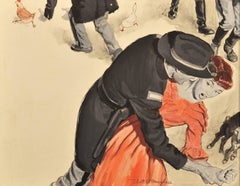
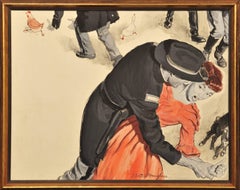
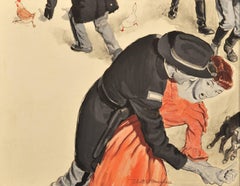
An early abstract expressionist work on paper by American artist Felix Ruvolo.
Mystery revolves around the very beginnings of Felix Ruvolo’s life. Any biographical information to be found only lists a birth year for Felix, but no day or month. We know he was born in New York City in 1912, and was raised by his grandparents in Sicily until the age of 12. Why he was sent back to Italy remains a mystery as well. What we do know is that young Felix showed so much promise as an artist that the family hired a professional artist to work with Felix while he was being raised in Sicily.
In 1924, at the age of 12, Ruvolo was sent back to the United States to rejoin his parents, who were settling in Chicago.
In Chicago, Ruvolo continued his private art lessons, and later enrolled in the Chicago Art Institute.
By the 1930s, the young prodigy was exhibiting his work regularly in Chicago, and was invited to participate in an American Federation of Arts traveling exhibition. This exposure brought more attention to Ruvolo’s work and he was soon invited to exhibit at major American venues, including the Whitney Museum of American Art, the Metropolitan Museum of Art, the Brooklyn Museum, the Corcoran Gallery of Art, the Carnegie Institute, and the Walker Art Center.
In 1945, Ruvolo took a position teaching at the Chicago Art Institute where he had studied just a few years prior.
With extensive exhibitions in the United States, international attention arose and Ruvolo was invited to show at the Sao Paulo Biennial in Brazil, and at the Galerie Creuse in Paris, France.
By this time, Felix’s works were being reproduced in national magazines and in anthologies published by the Museum of Modern Art, the Whitney Museum, and Albright Museum, the Los Angeles County Museum, in the American Encyclopedia, the Dictionaire de la Peinture Abstraite, and Il Giornale D'Italia, and museums and private individuals around the world were acquiring works by Ruvolo for their collections.
By 1950 Ruvolo was invited, by a unanimous vote of the staff, to join the faculty of the art department at University of California, Berkeley, which was a hotbed of modern art at the time. Ruvolo accepted the position at UC Berkeley and settled in Berkeley, CA where his home became a gathering place for many artists and intellectuals.
In 1951, Ruvolo’s work was included in the ground-breaking exhibition ‘Abstract Painting and Sculpture in America’ held at the Museum of Modern Art in New York City.
Ruvolo was so highly regarded and respected by his peers around the country. George McNeil, who had been the director of the Pratt Institute in New York, is known to have said that he accepted an invitation to come to UC Berkeley because Felix was there.
Ruvolo was deeply engrained in the art scene in the San Francisco Bay Area during it’s mercurial rise to a cultural mecca, and was an influence on many young artist in the area including Mark di Suvero, William Brown, Mary Snowden...
Category
Abstract Expressionist 1940s Mixed Media
MaterialsPaper, Mixed Media