Peggie Blizard
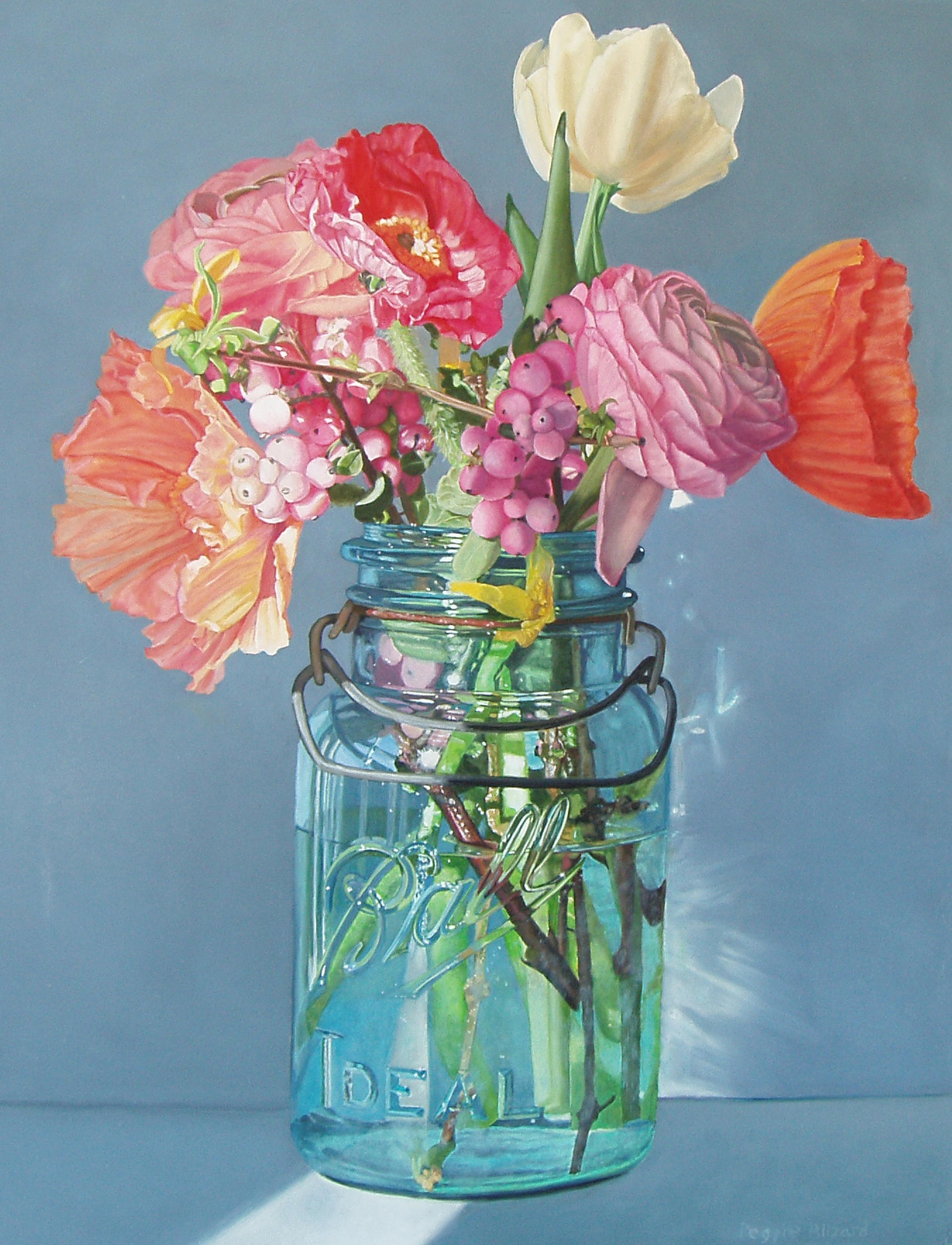
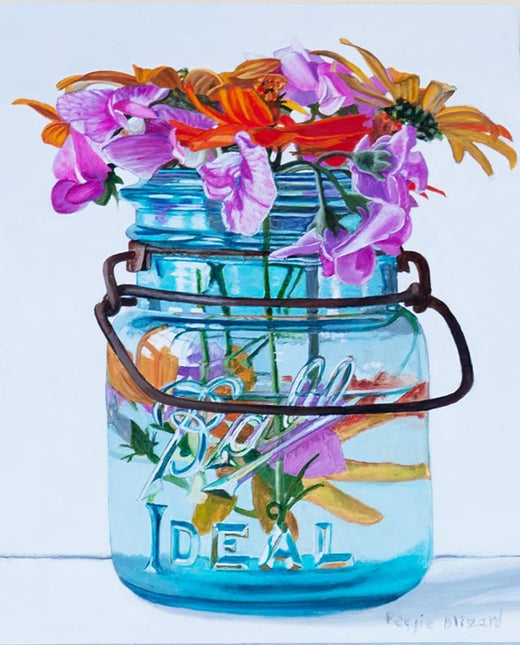
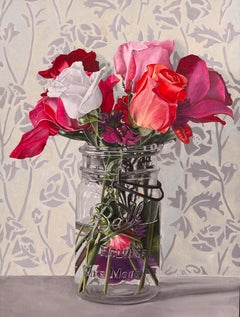
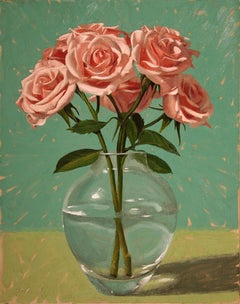
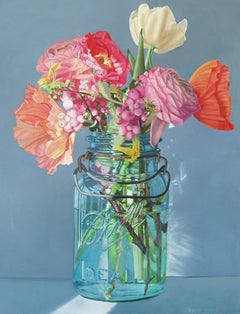
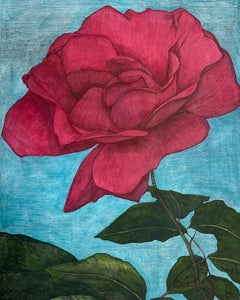
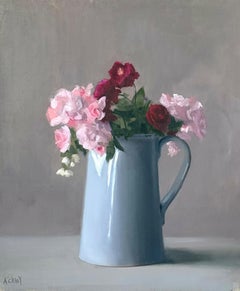
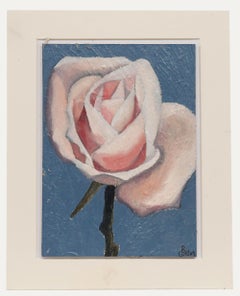
Peggi Blizard is an American artist best known for her meditative realist paintings of interiors and still life's. Drawing on the techniques of Dutch Realism, Blizard captures the emotional significance of everyday objects and spaces. Peggie Blizard was born in Rockingham, North Carolina in 1942. After receiving her BFA from East Carolina University, she moved to New York where she continued her education at the Art Students League and Pratt Graphic Arts Center (now the Pratt Institute), and later received her Master's degree from City College. Blizard's work has been exhibited at the Hammond Museum, North Salem, NY; the Parrish Art Museum Southampton, NY; the Boston Museum of Fine Art; Hopper House, Nyack, NY; the North Carolina Museum of Art, Raleigh; the Norfolk Museum of Fine Arts, VA; and the Virginia Museum of Fine Art, Richmond. Artist statement:
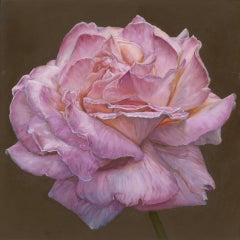
Realism as a style has remained unchanged since the Renaissance. Realism as a technique, however, has been altered and heavily influenced by technology. Most artists have given up “eyeballing” a subject as a drawing technique and have come to rely on photographs instead. Turnaround time for pictures is now virtually instant because of digital cameras and computers. Photoshop can actually “paint” a picture for you. Artists have always used the tools at hand and of their time …. Camera obscura, compass, protractor, calipers, rulers, etc. The challenge has always been and still is the same: How do you make a work of art and not just an artwork? How do you infuse poetry into what you are doing and give the work meaning and beauty? One of the things I try to achieve in my work is the creation of a feeling of three dimensions through the objects I paint, whether they are flowers or boxes or old kitchen appliances. The space between the objects and the viewer is usually somewhat shallow. However, behind and around the objects, there is the illusion of great depth. An artist friend of mine once said that the purpose of painting, whether realistic or abstract, is to make a two-dimensional space appear to be three dimensional. Maybe it’s just that simple.