By Paul Strand, 1890-1976
Located in San Francisco, CA
Artist: Paul Strand – American (1890-1976)
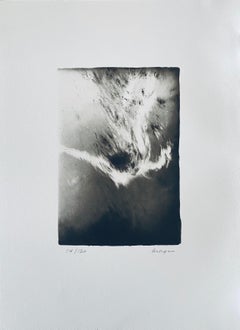
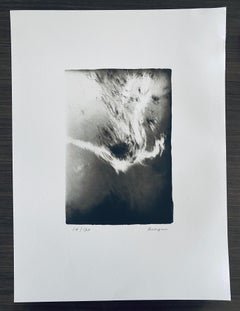
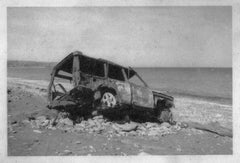
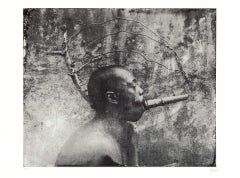
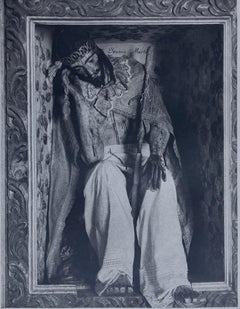
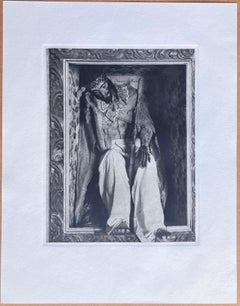
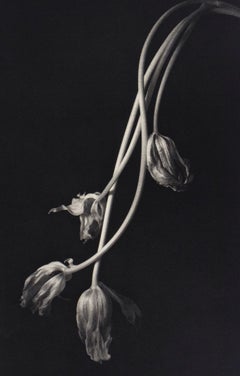
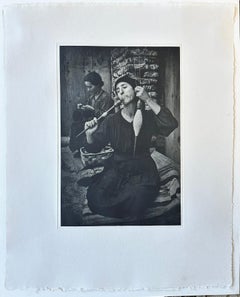
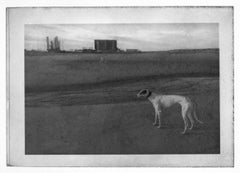
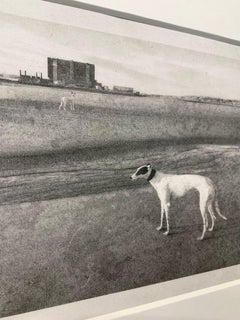
Title: Cristo, Tlacochahuaya, Oaxaca
Year: 1933, printed 1967, Da Capo Press, New York
Medium: Photogravure hand-printed from the original plates on BFK Rives paper
Publisher: Da Capo Press, 1967, New York
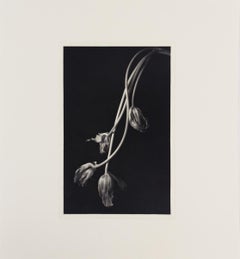
Sight size: 10 ¼ x 7 7/8 in. (260 x 200 mm)
Sheet size: 15 3/4 x 12 3/8 in. (402 x 313 mm)
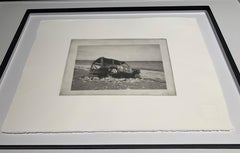
Framed size: 17 x 14 inches
Edition:1000
Condition: Excellent
This hand-pulled photogravure is from Paul Strand’s Mexican Portfolio, first published in 1933. This photogravure is from the 2nd edition, published in 1967. It is in excellent condition. It is enclosed in a simple metal frame and Plexiglas only for protection.
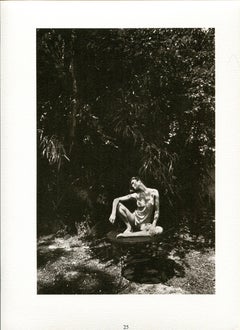
A seminal work by a legendary figure in 20th century American photography, the photographs taken by the author on his travels through Mexico in 1932-33 show architecture, landscape, the indigenous people, and religious folk sculpture. Strand's work first made its appearance as "Photographs of Mexico" in a limited edition of 250 copies in 1940, with the printing of the steel-faced gravure plates by master platemaker Otto Wackernagel being supervised by Strand himself and executed by Charles Furth and the Photogravure and Color Company. The second edition used the original Wackernagel plates, printed by Albert Delong at the Andersen Lamb Company of Brooklyn. Strand was even more pleased with this version, stating "Delong has made these plates sing." The images are a celebration of the subjects' pride, dignity and endurance.
Paul Strand (1890–1976) is considered one of the most significant photographers of the 20th century. His breakthrough work in the 1910s heralded photography’s importance as a modern art form. Early in his career he broke from the soft, impressionistic Pictorialist style to produce among the first abstract images made with a camera. His questioning attitude led him to radically change his work multiple times in his career, always with the highest ambitions for the quality of his photographic prints. In 1932, Carlos Chavez, the director of the fine arts department at the Secretariat of Public Education in Mexico, invited Strand to Mexico. At this time, the Mexican government was concerned with demonstrating a national culture that was reflective of a burgeoning, modern, twentieth-century Mexico. In light of this, Chavez invited Strand to document the new social and physical environment. Over the next two years, Strand travelled around Mexico photographing...
Category
1930s Realist Intaglio Photography
MaterialsPaper, Photogravure





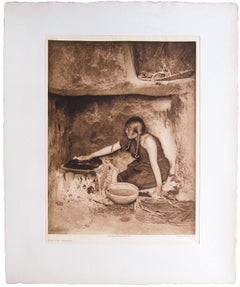
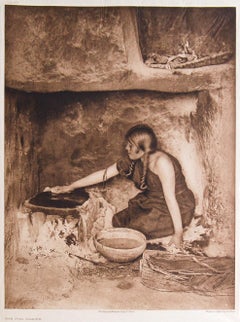
![Aged Pomo Woman [Plate 488]](https://a.1stdibscdn.com/edward-curtis-photography-aged-pomo-woman-plate-488-for-sale/a_9323/1576623013042/Curtis_EDU0001_Aged_Pomo_Woman_Plate_488_artnet_master.jpg?width=240)
![Aged Pomo Woman [Plate 488]](https://a.1stdibscdn.com/edward-curtis-photography-aged-pomo-woman-plate-488-for-sale-picture-2/a_9323/a_54660221646945222708/Curtis_Old_Woman_framed_1200_master.jpg?width=240)