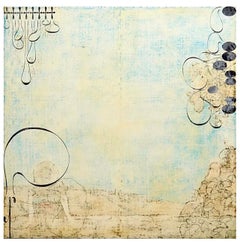
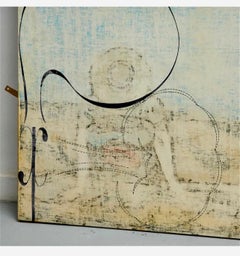
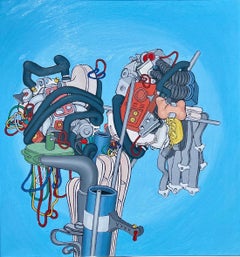
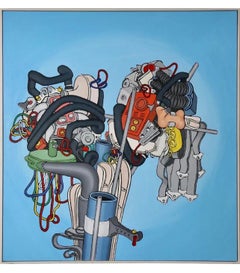
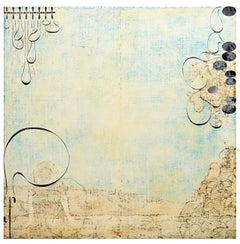
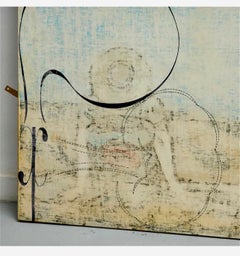
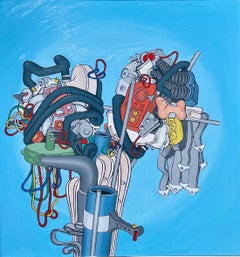
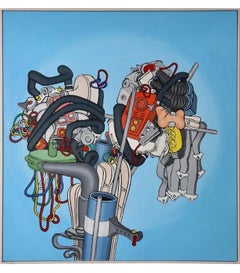
On 1stDibs, you can find the most appropriate andres valencia for your needs in our varied inventory. Find
modern versions now, or shop for
modern creations for a more modern example of these cherished works. If you’re looking for a andres valencia from a specific time period, our collection is diverse and broad-ranging, and you’ll find at least one that dates back to the 18th Century while another version may have been produced as recently as the 21st Century. On 1stDibs, the right andres valencia is waiting for you and the choices span a range of colors that includes
gray,
black,
beige and
white. A andres valencia from
Andres Ferrandis,
Oswaldo Vigas,
Alejandra Icaza,
Manolo Valdes and
Dario Villalba — each of whom created distinctive versions of this kind of work — is worth considering. Artworks like these of any era or style can make for thoughtful decor in any space, but a selection from our variety of those made in
paint,
oil paint and
archival pigment print can add an especially memorable touch.
Perhaps one of the most influential contemporary art movements, Pop art emerged in the 1950s. In stark contrast to traditional artistic practice, its practitioners drew on imagery from popular culture — comic books, advertising, product packaging and other commercial media — to create original Pop art paintings, prints and sculptures that celebrated ordinary life in the most literal way.
ORIGINS OF POP ART
CHARACTERISTICS OF POP ART
- Bold imagery
- Bright, vivid colors
- Straightforward concepts
- Engagement with popular culture
- Incorporation of everyday objects from advertisements, cartoons, comic books and other popular mass media
POP ARTISTS TO KNOW
ORIGINAL POP ART ON 1STDIBS
The Pop art movement started in the United Kingdom as a reaction, both positive and critical, to the period’s consumerism. Its goal was to put popular culture on the same level as so-called high culture.
Richard Hamilton’s 1956 collage Just what is it that makes today’s homes so different, so appealing? is widely believed to have kickstarted this unconventional new style.
Pop art works are distinguished by their bold imagery, bright colors and seemingly commonplace subject matter. Practitioners sought to challenge the status quo, breaking with the perceived elitism of the previously dominant Abstract Expressionism and making statements about current events. Other key characteristics of Pop art include appropriation of imagery and techniques from popular and commercial culture; use of different media and formats; repetition in imagery and iconography; incorporation of mundane objects from advertisements, cartoons and other popular media; hard edges; and ironic and witty treatment of subject matter.
Although British artists launched the movement, they were soon overshadowed by their American counterparts. Pop art is perhaps most closely identified with American Pop artist Andy Warhol, whose clever appropriation of motifs and images helped to transform the artistic style into a lifestyle. Most of the best-known American artists associated with Pop art started in commercial art (Warhol made whimsical drawings as a hobby during his early years as a commercial illustrator), a background that helped them in merging high and popular culture.
Roy Lichtenstein was another prominent Pop artist that was active in the United States. Much like Warhol, Lichtenstein drew his subjects from print media, particularly comic strips, producing paintings and sculptures characterized by primary colors, bold outlines and halftone dots, elements appropriated from commercial printing. Recontextualizing a lowbrow image by importing it into a fine-art context was a trademark of his style. Neo-Pop artists like Jeff Koons and Takashi Murakami further blurred the line between art and popular culture.
Pop art rose to prominence largely through the work of a handful of men creating works that were unemotional and distanced — in other words, stereotypically masculine. However, there were many important female Pop artists, such as Rosalyn Drexler, whose significant contributions to the movement are recognized today. Best known for her work as a playwright and novelist, Drexler also created paintings and collages embodying Pop art themes and stylistic features.
Read more about the history of Pop art and the style’s famous artists, and browse the collection of original Pop art paintings, prints, photography and other works for sale on 1stDibs.
Bring audacious experiments with color and textures to your living room, dining room or home office. Abstract paintings, large or small, will stand out in your space, encouraging conversation and introducing a museum-like atmosphere that’s welcoming and conducive to creating memorable gatherings.
Abstract art has origins in 19th-century Europe, but it came into its own as a significant movement during the 20th century. Early practitioners of abstraction included Wassily Kandinsky, although painters were exploring nonfigurative art prior to the influential Russian artist’s efforts, which were inspired by music and religion. Abstract painters endeavored to create works that didn’t focus on the outside world’s conventional subjects, and even when artists depicted realistic subjects, they worked in an abstract mode to do so.
In 1940s-era New York City, a group of painters working in the abstract mode created radical work that looked to European avant-garde artists as well as to the art of ancient cultures, prioritizing improvisation, immediacy and direct personal expression. While they were never formally affiliated with one another, we know them today as Abstract Expressionists.
The male contingent of the Abstract Expressionists, which includes Jackson Pollock, Willem de Kooning and Robert Motherwell, is frequently cited in discussing leading figures of this internationally influential postwar art movement. However, the women of Abstract Expressionism, such as Helen Frankenthaler, Lee Krasner, Joan Mitchell and others, were equally involved in the art world of the time. Sexism, family obligations and societal pressures contributed to a long history of their being overlooked, but the female Abstract Expressionists experimented vigorously, developed their own style and produced significant bodies of work.
Draw your guests into abstract oil paintings across different eras and countries of origin. On 1stDibs, you’ll find an expansive range of abstract paintings along with a guide on how to arrange your wonderful new wall art.
If you’re working with a small living space, a colorful, oversize work can create depth in a given room, but there isn’t any need to overwhelm your interior with a sprawling pièce de résistance. Colorful abstractions of any size can pop against a white wall in your living room, but if you’re working with a colored backdrop, you may wish to stick to colors that complement the decor that is already in the space. Alternatively, let your painting make a statement on its own, regardless of its surroundings, or group it, gallery-style, with other works.