Located in Sammu-shi, Chiba
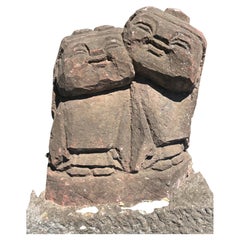
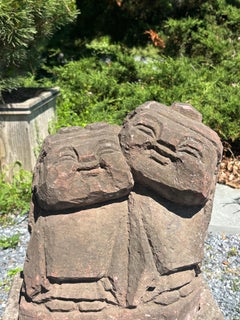
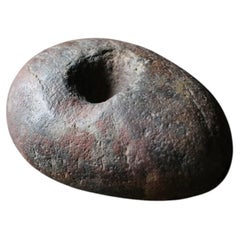
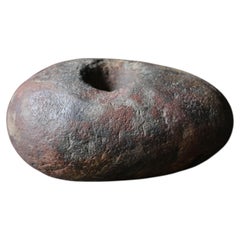
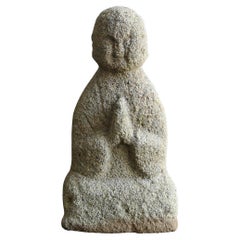
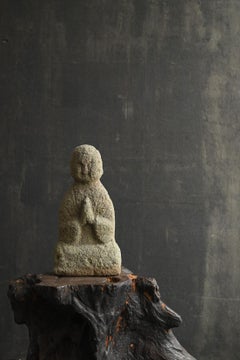
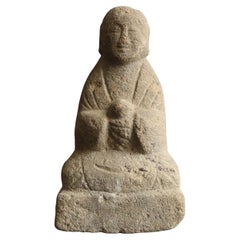
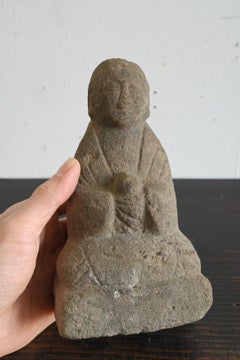
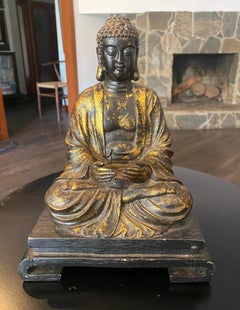
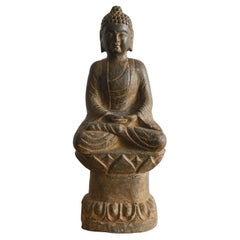
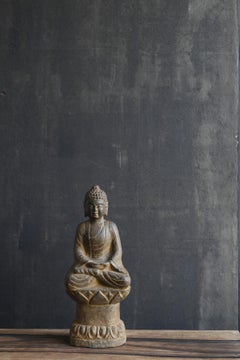
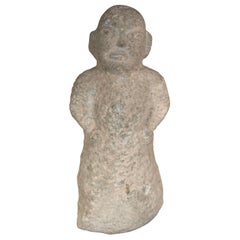
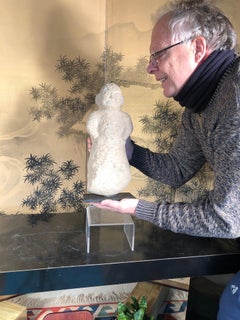
This is a stone statue of Jizo Bodhisattva, believed to have been created on Sado Island in Niigata Prefecture during the Edo period.
On Sado Island, there is a small Jizo hall known as “Nashinoki Jizo,” where numerous stone Buddha statues dedicated by local people since the Edo period are still enshrined today. The sight of these statues, densely covering the ground, conveys the everyday prayers of the people of that time—their heartfelt wishes for children’s growth, recovery from illness, and protection in daily life.
Against this background, Jizo worship on Sado Island is closely connected to the concept of “Migawari Jizo,” or substitute Jizo. This belief holds that Jizo takes upon itself the misfortunes and suffering that would otherwise befall people. It was a common practice for people to dedicate Jizo statues...
Category
18th Century Edo Antique Asian Sculptures and Carvings