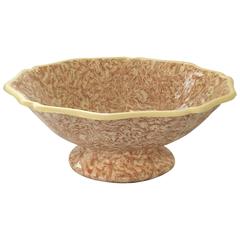
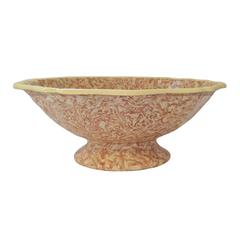
19th Century French Marbleized Centerpiece from Apt
Located in Montecito, CA
Marblelized faience centerpiece with beige and brown pattern on yellow ground; with scalloped
Category
Antique 19th Century French Delft and Faience
Materials
Faience
19th Century French Marbleized Centerpiece from Apt
Located in Montecito, CA
Marblelized faience centerpiece with beige and brown pattern on yellow ground; with scalloped
Faience
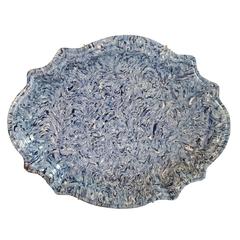
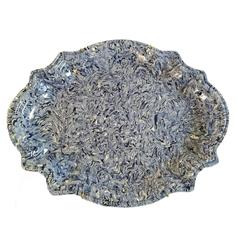
19th Century French Blue Marbelized Platter from Apt
Located in Montecito, CA
19th century French marbleized oval faience platter from Apt. Mixing a varied range of blues to
Faience, Paint
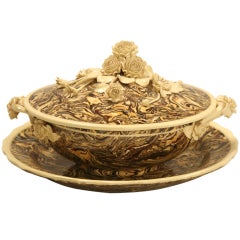
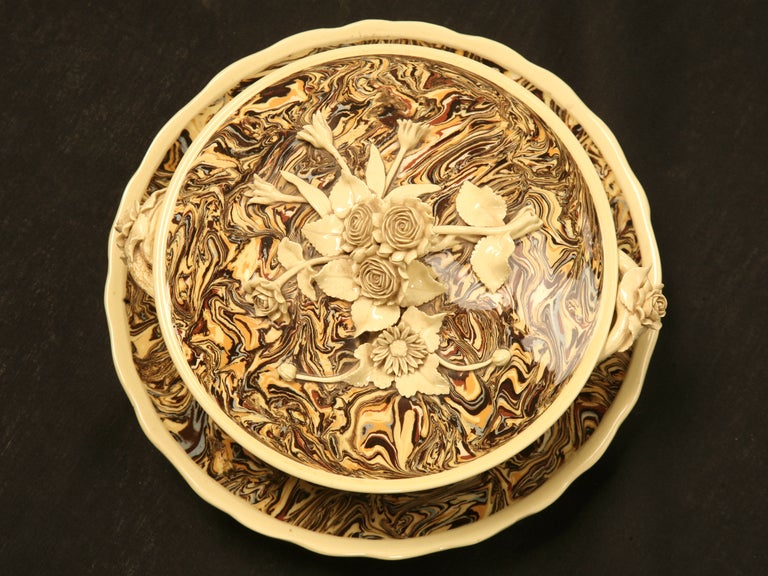
Glamorous Antique French "Apt" Faience Tureen & Under Plate Set-Signed
Located in BENSENVILLE, IL
faience working within the acclaimed Apt region of France. Immediately recognized upon sight, this
Clay
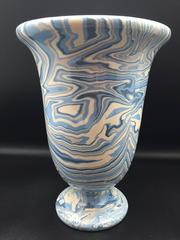
Marbleized Blue Apt Style Faience Medicis Vase by Sylvie Saint-André Perrin
By Sylvie Saint-André Perrin
Located in New York, NY
century aptware faience ceramics from the South of France, the various colored clays are combined in a
Ceramic
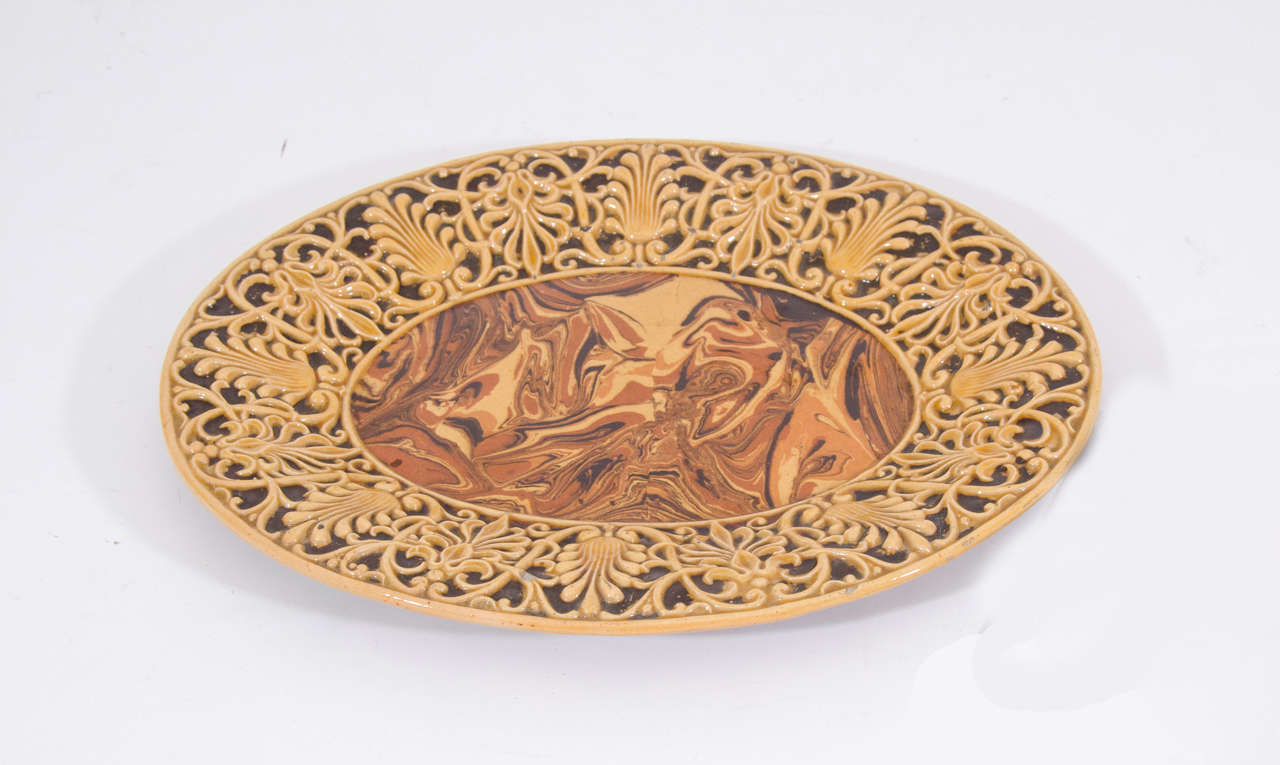
Early 20th C. Terre d'Apt Platter
Located in New York, NY
Early 20th Century Terre d'Apt Strie Marbelized Glazed Faience Platter from the South of France
Earthenware
The unique graceful design and classic style of antique Delft pottery and faience make these pieces an exceptional addition to any dining room.
The popularity of the blue-and-white porcelain developed in 14th-century China inspired Delft and faience pottery in Europe. The global expansion of trade through the Dutch East India Company led to the import of numerous examples of Chinese porcelain, resulting in the creation of Dutch Delftware, which is the term generally used to describe the tin-glazed earthenware that Dutch potters used. There were other imitations of Chinese porcelain produced by ceramicists throughout Europe, but Delftware was the most successful. This iconic tradition — the subject of a 2020 exhibition at the Kunstmuseum den Haag — resembled Chinese porcelain but was more affordable.
True blue Delftware originates only from a single location: Delft in the Netherlands. These precious pieces pair well with French faience. Unlike Delft plates, Delft vases and other pieces of Delftware, French faience utilizes a lead-and-tin glaze. This earthenware has roots in late-16th-century France. French Provincial Delft and faience tend to feature snow-white lacquered surfaces with colorful painted images or floral designs.
In terms of elegance and versatility, Baroque Delft and faience always impress. The most extravagant and boldly hued pieces are Rococo Delft and faience. Plates, tureens and other objects made in this style are frequently ornate and intricately decorated, making them ideal for display. Modern Dutch design masters often incorporate vintage decor into their contemporary designs, and Delftware items are a popular choice.
Browse antique Delft pottery and faience now on 1stDibs.
Simple or sophisticated, equipped with console, cart or custom cabinetry, these stylish bar areas deserve a toast.
After synthetic dyes changed fashion, home goods and printed matter, it was only a matter of time till glass caught up.
Faye Toogood and John Pawson are among the list of plate designers.
Top interior designers show — and tell — us how to create delectable spaces for hosting dinner parties.
Perhaps best known as a Revolutionary War hero, Revere was also an accomplished silversmith, and this pot is now available on 1stDibs.
Clever objects like these make feasting even more festive.
Get to know the innovators behind the pottery countercultural revolution.
Glass slippers might be the stuff of fairytales, but glass handbags? Artist Joshua Raiffe has made them a reality, and they're far less delicate than you might imagine, but just as dreamy.