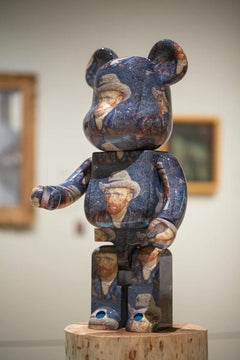
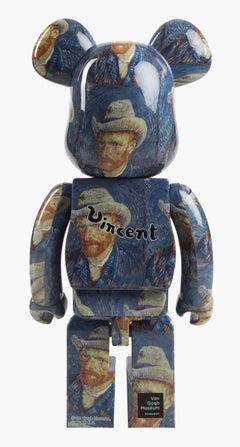
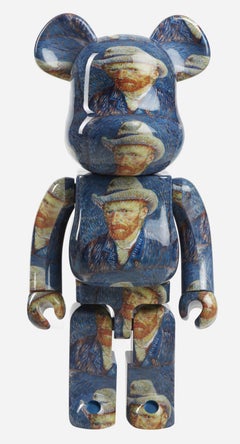
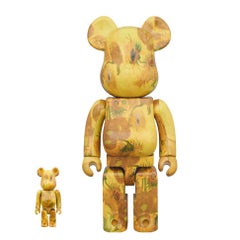
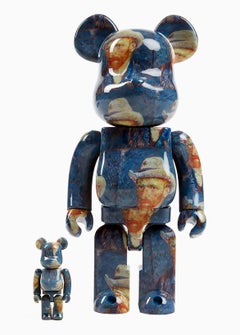
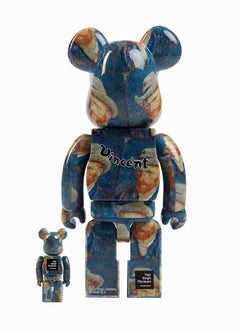
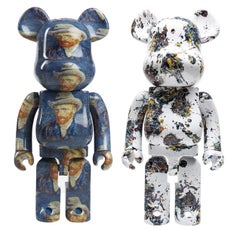
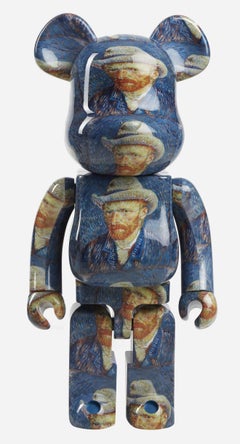
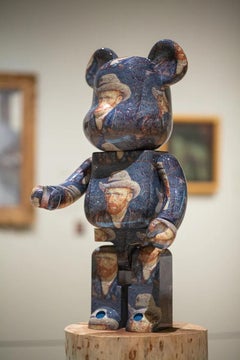
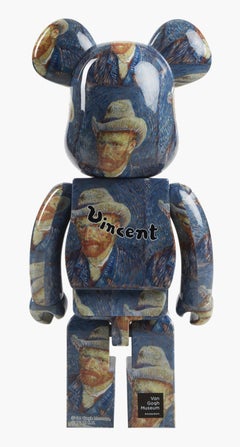
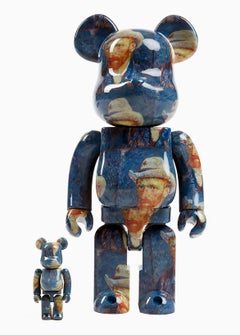
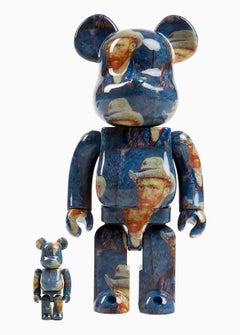
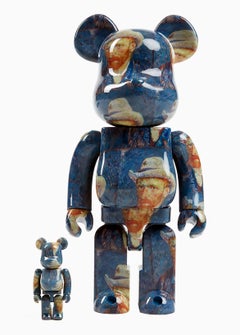
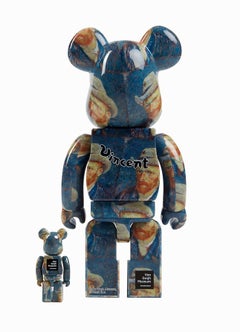
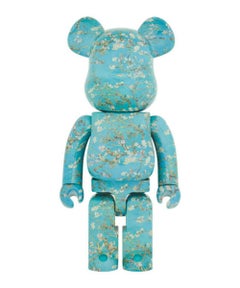
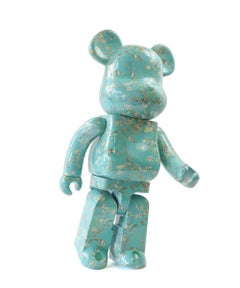
Vincent van Gogh
(1853–1890) was a Dutch Post-Impressionist painter, now recognized as one of the most influential figures in Western art history. Despite producing over 2,000 artworks—including The Starry Night and Sunflowers—he was largely unsuccessful during his lifetime, battling severe mental illness and poverty before dying by suicide at age 37.
Key Aspects of Van Gogh's Life
Early Life & Career: Born in the Netherlands, he was a serious and thoughtful child. Before committing to art at age 27, he worked as an art dealer, teacher, and missionary.
Artistic Development: His early work (1881–1885) featured dark, somber tones, focusing on peasant life, such as The Potato Eaters. After moving to Paris in 1886, he met avant-garde artists, leading to a brighter, more vibrant palette.
Most Productive Years: He moved to Arles in the South of France in 1888, where he painted masterpieces like Sunflowers.
Mental Health Struggle: Following a breakdown, he famously cut off his left earlobe and was hospitalized. He later spent time in a sanitarium, where he painted The Starry Night.
Death & Legacy: Van Gogh shot himself in the chest on July 27, 1890, in Auvers-sur-Oise, dying two days later. His career was supported by his brother, Theo, with whom he shared a famous, close correspondence.
Figurative sculptures mix reality and imagination, with the most common muse being the human body. Animals are also inspirations for these sculptures, along with forms found in nature.
While figurative sculpture dates back over 35,000 years, the term came into popularity in the 20th century to distinguish it from abstract art. It was aligned with the Expressionist movement in that many of its artists portrayed reality but in a nonnaturalistic and emotional way. In the 1940s, Alberto Giacometti — a Swiss-born artist who was interested in African art, Cubism and Surrealism — created now-iconic representational sculptures of the human figure, and after World War II, figurative sculpture as a movement continued to flourish in Europe.
Lucian Freud and Francis Bacon were some of the leading figurative artists during this period. Artists like Jeff Koons and Maurizio Cattelan propelled the evolution of figurative sculpture into the 21st century.
Figurative sculptures can be whimsical, uncanny and beautiful. Their materials range from stone and wood to metal and delicate ceramics. Even in smaller sizes, the sculptures make bold statements. A bronze sculpture by Salvador Dalí enhances a room; a statuesque bull by Jacques Owczarek depicts strength with its broad chest while its thin legs speak of fragility. Figurative sculptures allow viewers to see what is possible when life is reimagined.
Browse 1stDibs for an extensive collection of figurative sculptures and find the next addition to your collection.