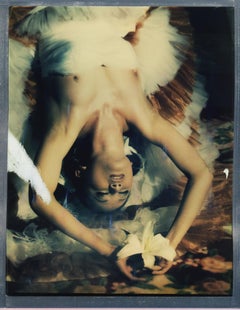
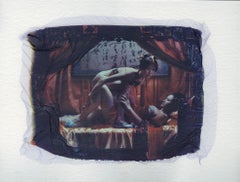
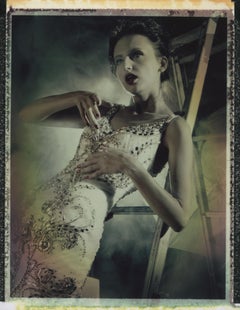
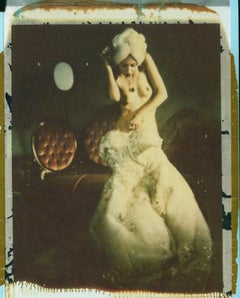
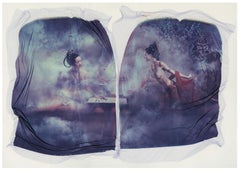
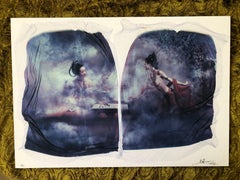
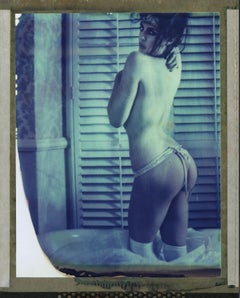
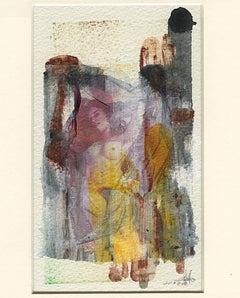
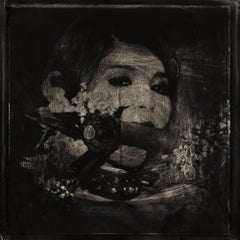
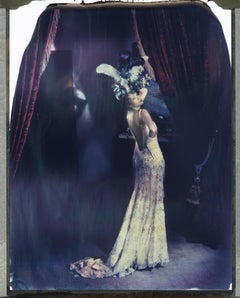
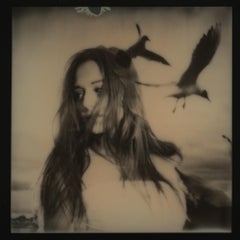
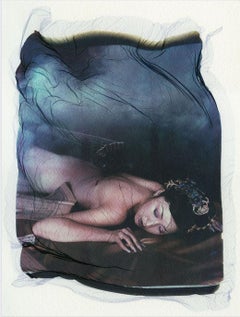
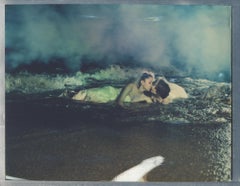
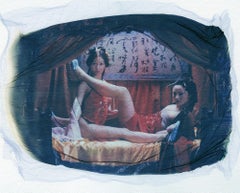
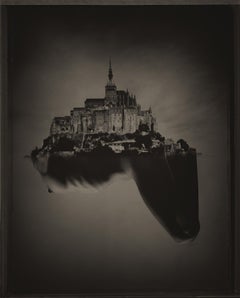
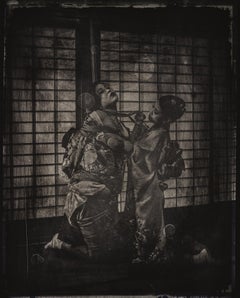
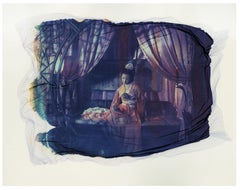
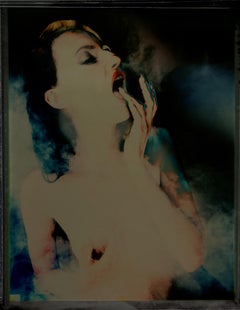
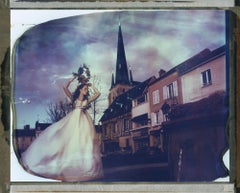
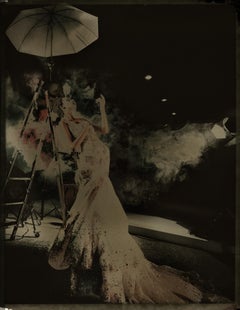
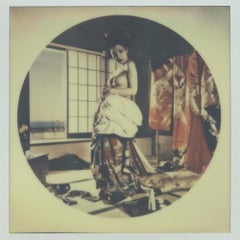
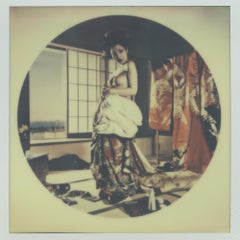
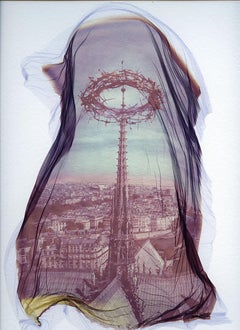
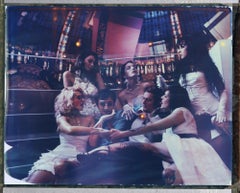
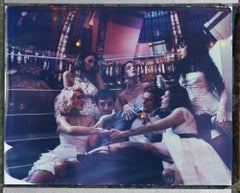
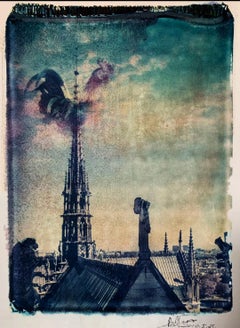
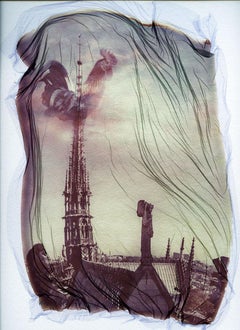
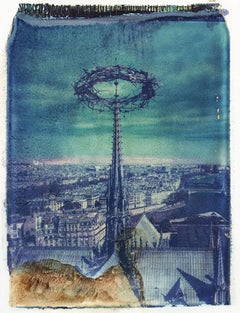
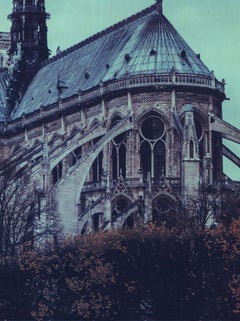
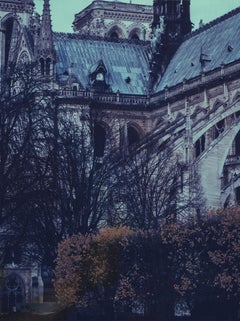
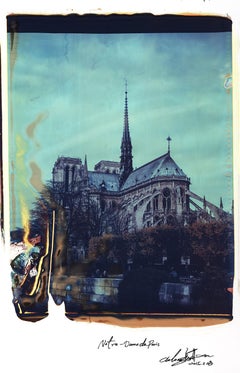
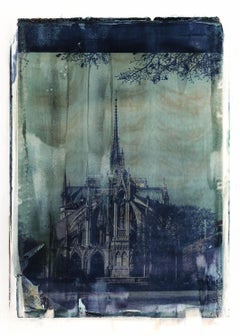
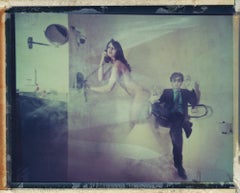
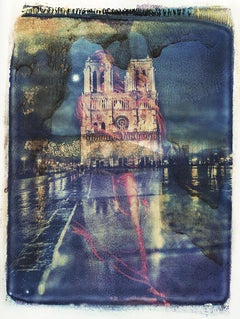
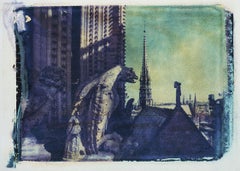
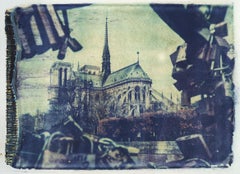
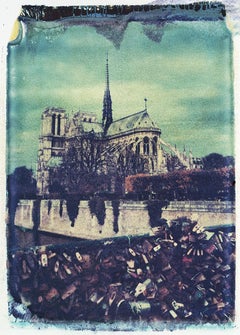
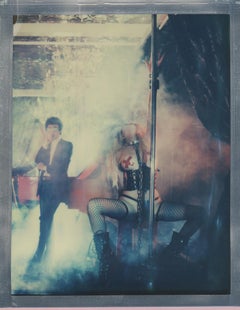
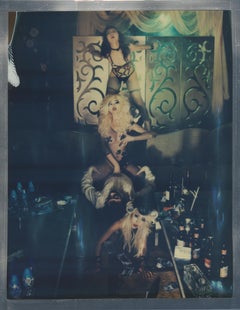
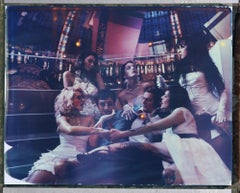
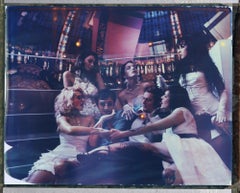
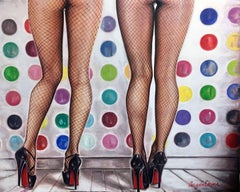
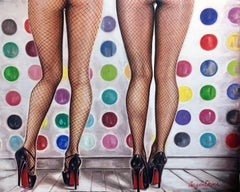
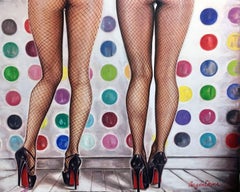
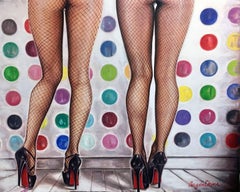
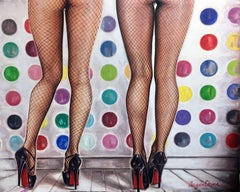
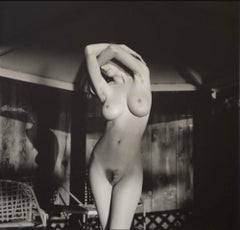
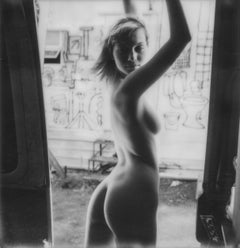
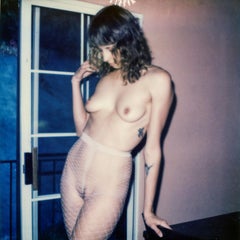
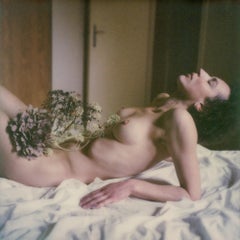
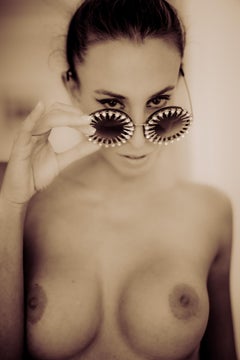
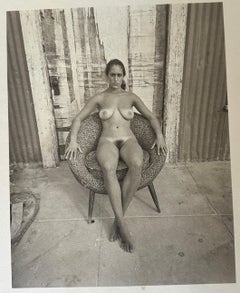
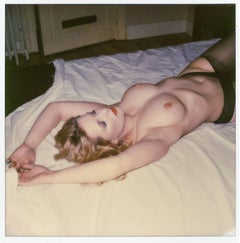
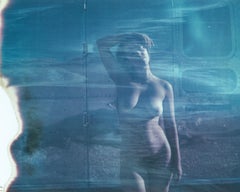
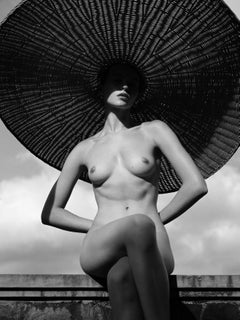
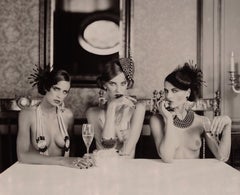
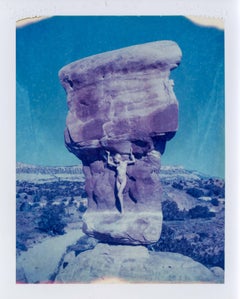
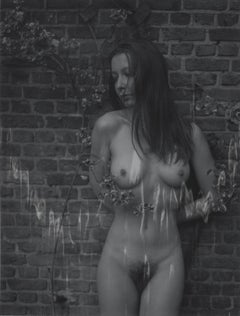
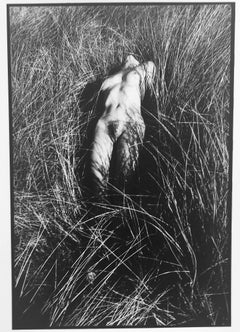
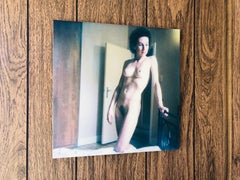
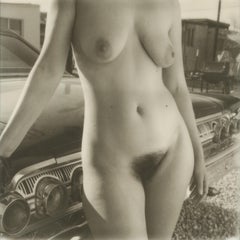
On 1stDibs, you can find the most appropriate piece of chinese nude photography for your needs in our varied inventory. Find
modern versions now, or shop for
modern creations for a more modern example of these cherished works. If you’re looking for an item from our selection of chinese nude photography from a specific time period, our collection is diverse and broad-ranging, and you’ll find at least one that dates back to the 20th Century while another version may have been produced as recently as the 21st Century. On 1stDibs, the right choice in our collection of chinese nude photography is waiting for you and the choices span a range of colors that includes
gray,
black,
beige and
brown. Finding an appealing object in our assortment of chinese nude photography — no matter the origin — is easy, but
xulong zhang,
Emma Summerton,
Nicole Furman,
Eric Ceccarini and
Sergey Melnitchenko each produced popular versions that are worth a look. Artworks like these — often created in
paper,
polaroid and
c print — can elevate any room of your home. If space is limited, you can find a small option in this array of chinese nude photography measuring 3.35 high and 3.35 wide, while our inventory also includes works up to 65 across to better suit those in the market for a large piece of chinese nude photography.
In 1967, artist Sol LeWitt wrote that in “Conceptual art the idea or concept is the most important aspect of the work.” He was giving a name to an art movement that had emerged in the 1960s in which artists were less focused on their medium being something traditionally “artistic” and instead engaged in using any object, movement, form, action or place to express an idea.
LeWitt’s work was featured alongside an assemblage of notes, drawings and outlines by other artists in “Working Drawings and Other Visible Things on Paper Not Necessarily Meant to Be Viewed as Art,” a groundbreaking show at New York City’s School of Visual Arts curated by Mel Bochner, another leading exponent of Conceptualism. Building on radical 20th-century statements, like Fountain (1917) by French artist Marcel Duchamp, Conceptual artists around Europe and North and South America were not interested in the commercial art scene and rather directly challenged its systems and values.
Stretching into the 1970s, this movement has also been called Post-Object art and Dematerialized art. Conceptual art reflected a larger era of social and political upheaval. Pieces associated with the style range from Roelof Louw’s Soul City (Pyramid of Oranges) (1967) — a work of installation art that sees fresh oranges stacked into a pyramid from which visitors are allowed to take one orange away — to On Kawara’s “Today” series, which saw the Japanese artist carefully painting a date in white acrylic on canvases consisting of a single color from 1966 to his death in 2014. Artists such as Ed Ruscha, who created the Twentysix Gasoline Stations book — a collection of photos of gas stations that is widely said to be the first modern artists’ book — made photography a major platform for Conceptual art, as did Bruce Nauman, who burned one of Ruscha's books and then photographed it for his own.
Conceptual art’s legacy of questioning artistic authorship, ownership and how to work with complex ideas of space and time had a significant influence on the decades of culture that followed, and it continues to inform art today.
The collection of Conceptual photography, paintings and sculptures on 1stDibs includes artworks by John Baldessari, Jenny Holzer, Lawrence Weiner, Joseph Kosuth and others.
Color photography evokes emotion that can bring a viewer into the scene. It can transport one to faraway places or back into the past.
The first color photograph, taken in 1861, was more of an exercise in science than art. Photographer Thomas Sutton and physicist James Clerk Maxwell used three separate exposures of a tartan ribbon — filtered through red, green and blue — and composited them into a single image, resulting in the first multicolor representation of an object.
Before this innovation, photographs were often tinted by hand. By the 1890s, color photography processes were introduced based on that 1860s experiment. In the early 20th century, autochromes brought color photography to a commercial audience.
Now color photography is widely available, with these historic photographs documenting moments and scenes that are still vivid generations later. Photographers in the 20th and 21st centuries have offered new perspectives in the evolving field of modern color photography with gripping portraiture, snow-capped landscapes, stunning architecture and lots more.
In the voluminous collection of photography on 1stDibs, find vibrant full-color images by Slim Aarons, Helen Levitt, Gordon Parks, Stefanie Schneider, Steve McCurry and other artists. Bring visual interest to any corner of your home with color photography — introduce a salon-style gallery hang or another arrangement that best fits your space.