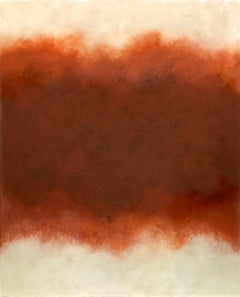
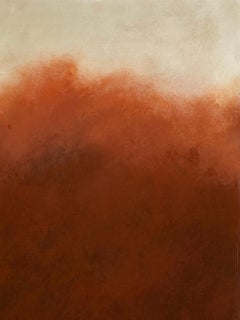
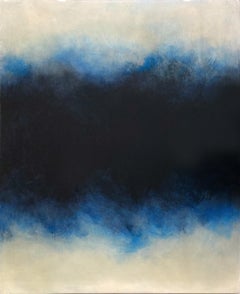
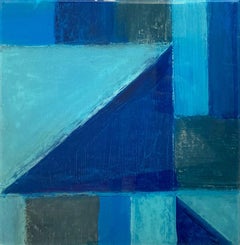
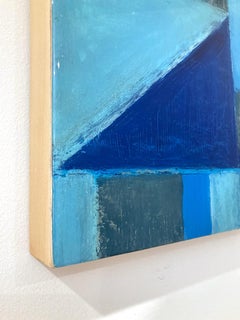
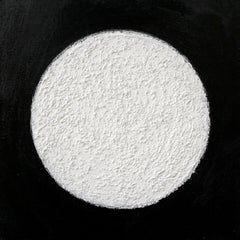
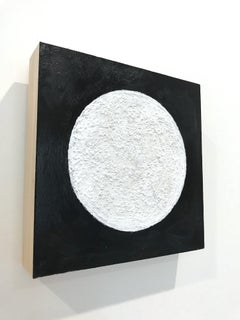
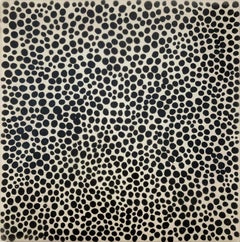
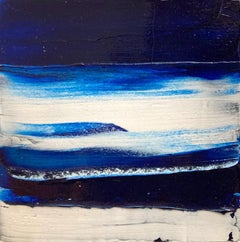
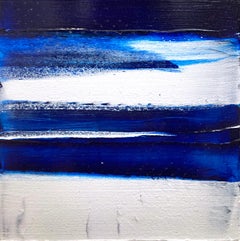
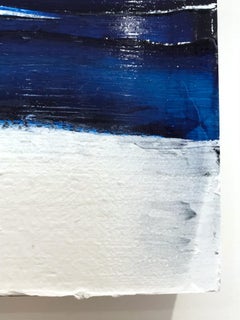
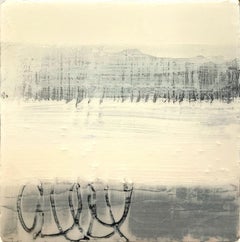
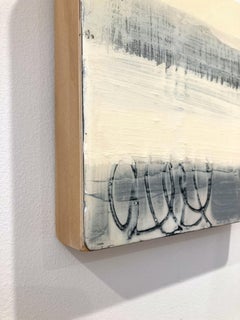
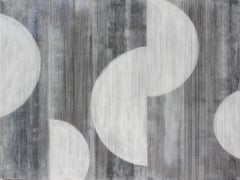
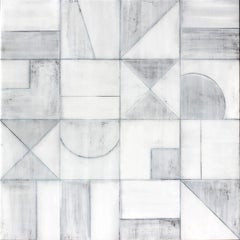
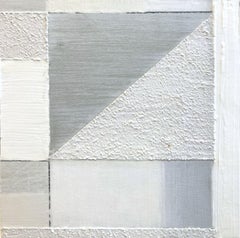
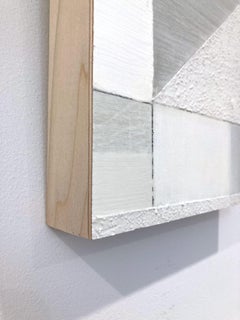
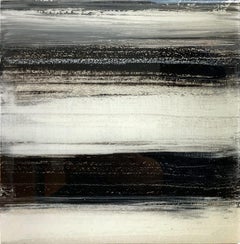
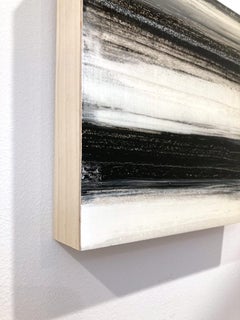
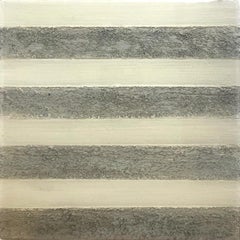
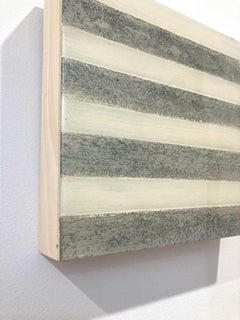
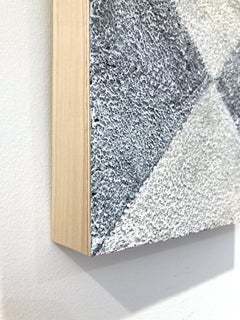
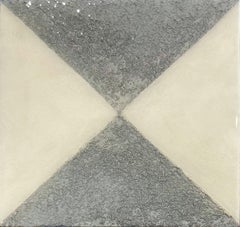
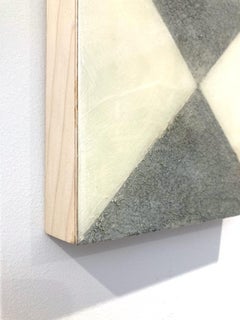
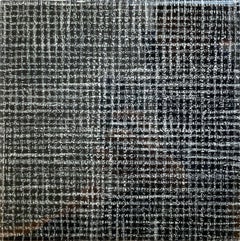
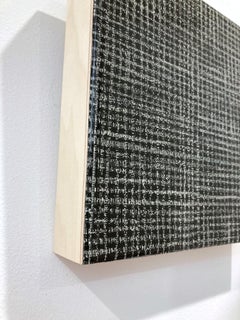
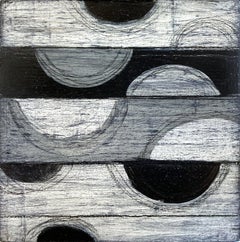
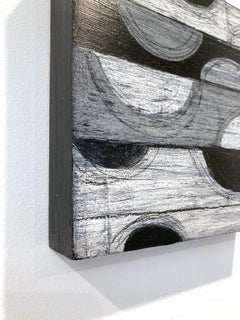
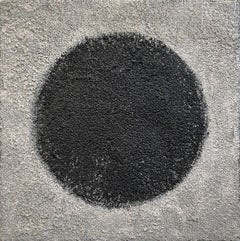
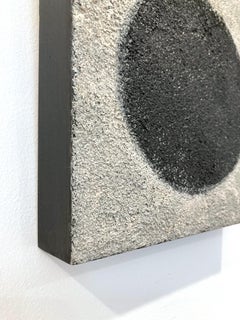
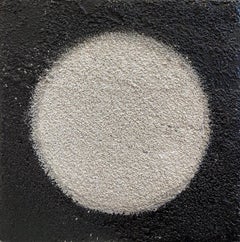
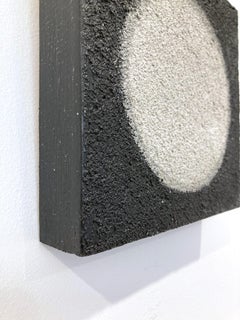
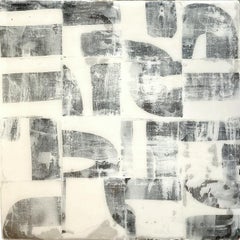
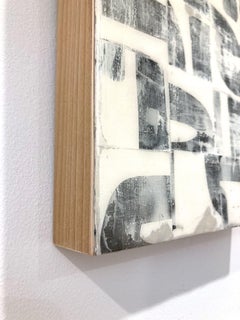
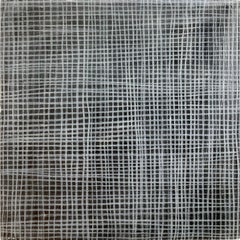
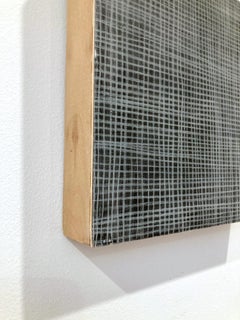
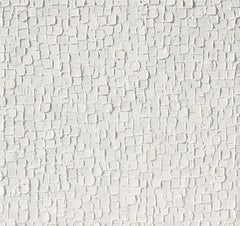
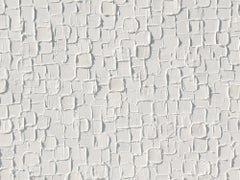
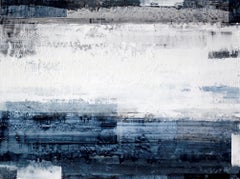
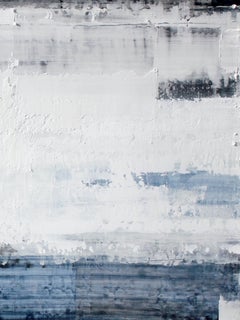
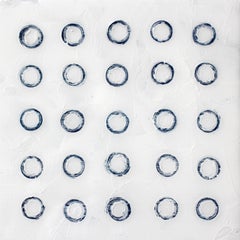
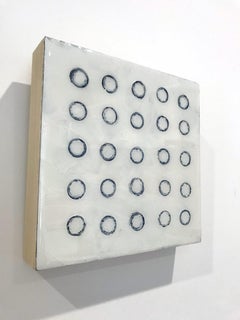
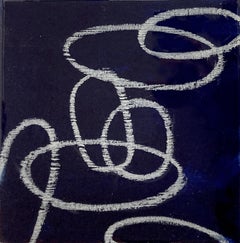
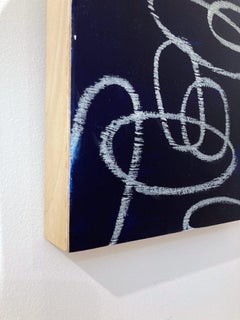
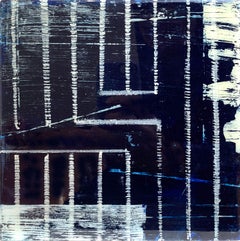
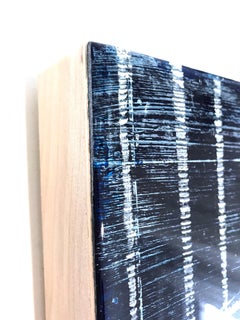
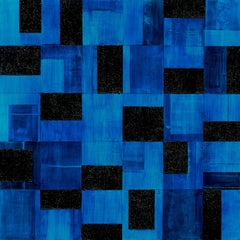
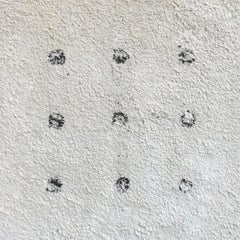
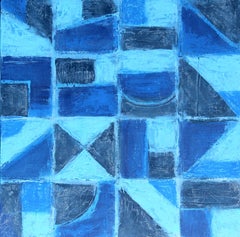
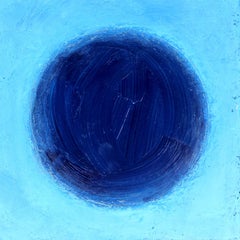
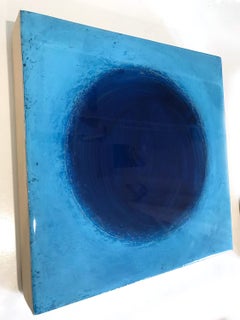
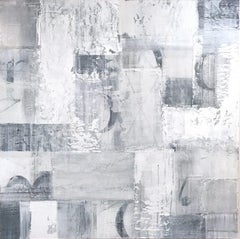
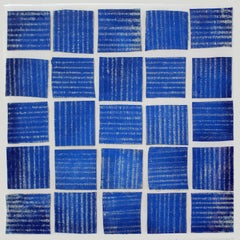
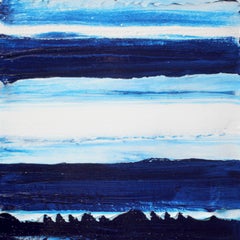
On 1stDibs, you can find the most appropriate christie owen for your needs in our varied inventory. When looking for the right christie owen for your space, you can search on 1stDibs by color — popular works were created in bold and neutral palettes with elements of
gray,
black,
blue and
purple. These artworks were handmade with extraordinary care, with artists most often working in
acrylic paint,
paint and
synthetic resin paint. A large christie owen can prove too dominant for some spaces — a smaller christie owen, measuring 8 high and 8 wide, may better suit your needs.
A christie owen can differ in price owing to various characteristics — the average selling price for items in our inventory is $400, while the lowest priced sells for $320 and the highest can go for as much as $4,200.
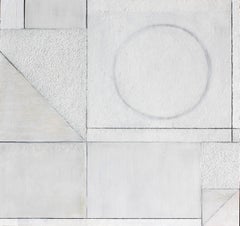
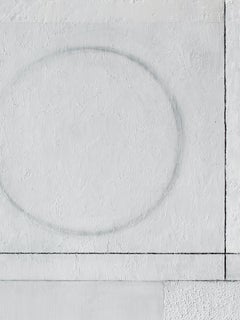
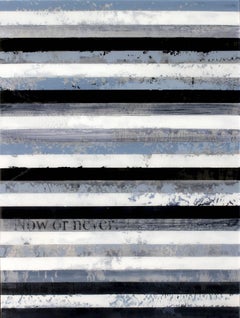
A native New Yorker, Christie Owen has lived in Oklahoma since 1997. Her 2D and 3D works are included in local and national museums, galleries, public venues, private collections, and retail locations. Her paintings are featured on both the TV series, “Better Call Saul,” and the film, “Hosea.” Her work is represented by Lilac Gallery in Manhattan and Objets Trouvés in Oklahoma. She continuously exhibits her work around the world and is also a highly sought after commission artist. Currently, her art will be on display at ArtBox Projects in Zurich, Switzerland this summer. She also is the co-founder and curator of Verbode Urban Core Artists quarterly art exhibits. Christie earned her Bachelor of Fine Arts in Communication Design from State University of New York College at Buffalo.
Bring audacious experiments with color and textures to your living room, dining room or home office. Abstract paintings, large or small, will stand out in your space, encouraging conversation and introducing a museum-like atmosphere that’s welcoming and conducive to creating memorable gatherings.
Abstract art has origins in 19th-century Europe, but it came into its own as a significant movement during the 20th century. Early practitioners of abstraction included Wassily Kandinsky, although painters were exploring nonfigurative art prior to the influential Russian artist’s efforts, which were inspired by music and religion. Abstract painters endeavored to create works that didn’t focus on the outside world’s conventional subjects, and even when artists depicted realistic subjects, they worked in an abstract mode to do so.
In 1940s-era New York City, a group of painters working in the abstract mode created radical work that looked to European avant-garde artists as well as to the art of ancient cultures, prioritizing improvisation, immediacy and direct personal expression. While they were never formally affiliated with one another, we know them today as Abstract Expressionists.
The male contingent of the Abstract Expressionists, which includes Jackson Pollock, Willem de Kooning and Robert Motherwell, is frequently cited in discussing leading figures of this internationally influential postwar art movement. However, the women of Abstract Expressionism, such as Helen Frankenthaler, Lee Krasner, Joan Mitchell and others, were equally involved in the art world of the time. Sexism, family obligations and societal pressures contributed to a long history of their being overlooked, but the female Abstract Expressionists experimented vigorously, developed their own style and produced significant bodies of work.
Draw your guests into abstract oil paintings across different eras and countries of origin. On 1stDibs, you’ll find an expansive range of abstract paintings along with a guide on how to arrange your wonderful new wall art.
If you’re working with a small living space, a colorful, oversize work can create depth in a given room, but there isn’t any need to overwhelm your interior with a sprawling pièce de résistance. Colorful abstractions of any size can pop against a white wall in your living room, but if you’re working with a colored backdrop, you may wish to stick to colors that complement the decor that is already in the space. Alternatively, let your painting make a statement on its own, regardless of its surroundings, or group it, gallery-style, with other works.