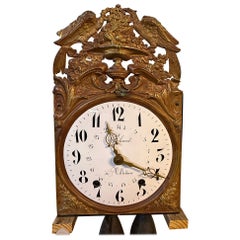
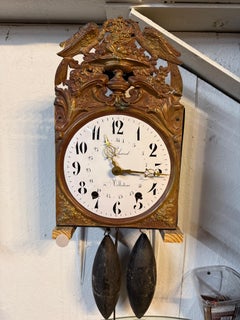
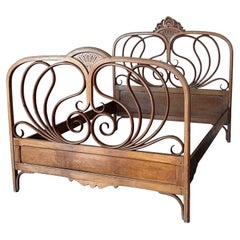
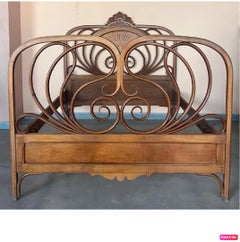
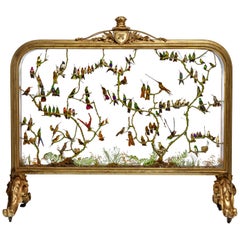
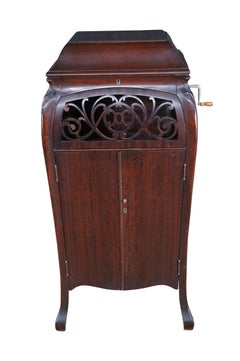
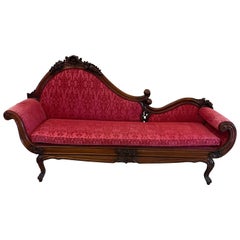
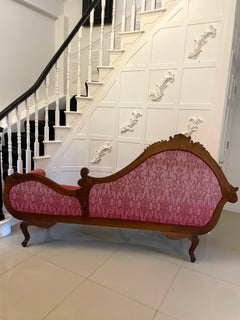
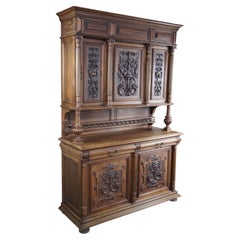
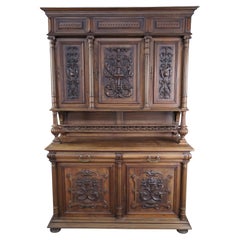
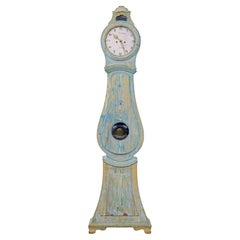
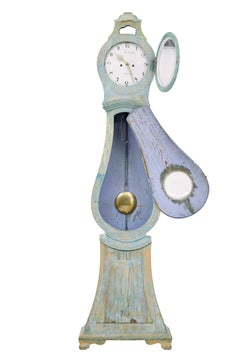
Removed from the fashions of the court, French Provincial style developed in the provinces of the country, such as Provence, Normandy, the Loire Valley and Bordeaux. Dating to the 17th and 18th centuries, French Provincial furniture was not as ostentatious as the designs being produced for the royal palaces, but elegant S-shape cabriole legs and ornate carvings elevated the sturdy chairs, sofas, tables and bedroom furniture intended for everyday use.
Although it varies by region, antique French Provincial furniture is unified by solid construction and an artisanal attention to design. While this furniture often followed the metropolitan trends — including the Rococo or neoclassical aesthetics of Louis XIV, Louis XV and Louis XVI — since it was produced in the French countryside it was more subdued with nods to its rustic settings.
Local materials like fruitwoods, oak, beech and walnut were used to construct large French Provincial armoires for storage and comfortable armchairs with rush-woven seats. Wrought-iron elements and carvings like floral details and scallop patterns were common as ornamentation. Furniture was frequently painted white or other muted colors that coordinated with gilt and would acquire a patina of age over time. Other wood was just stained with vibrant fabric such as toile de Jouy, which sometimes depicted pastoral scenes, adding color as upholstery.
The style arrived in the United States after World War I, with soldiers returning home wanting furniture like what they had seen in the rural homes and castles of France. In Grand Rapids, Michigan, designer John Widdicomb split from his family business, the Widdicomb Furniture Company, and had been focusing on Louis XV– and French Provincial–style furnishings since the early 1900s. Other American manufacturers such as Baker, Drexel, Henredon and Thomasville also responded to demand. Today antique French Provincial pieces and reproductions continue to be popular.
Find a collection of antique French Provincial dining tables, seating, decorative objects and other furniture on 1stDibs.
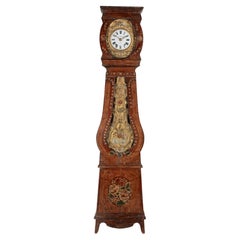
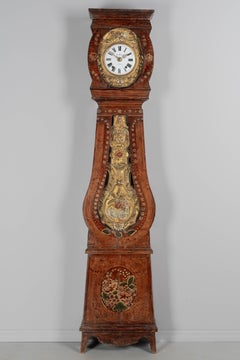
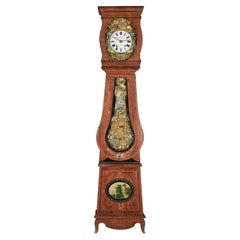
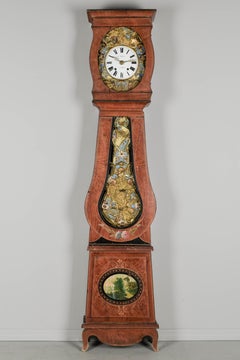
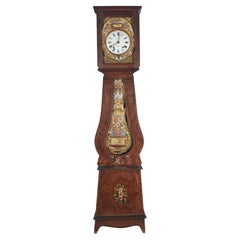
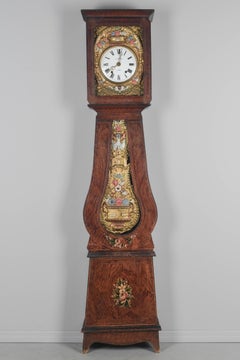
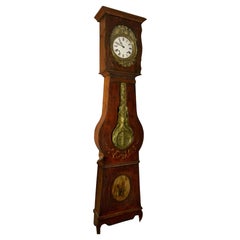
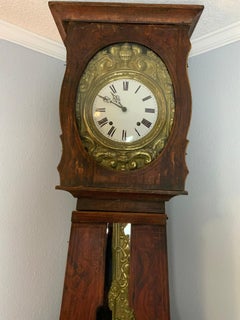
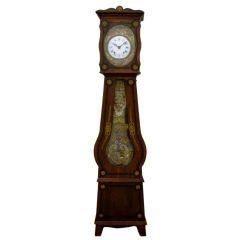
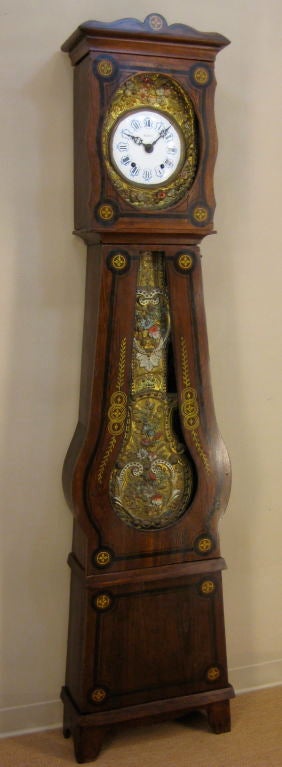
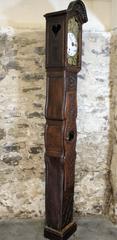
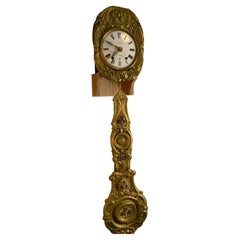
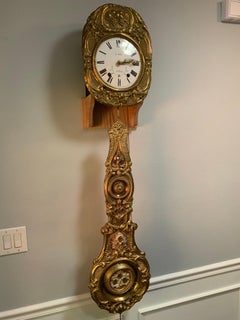
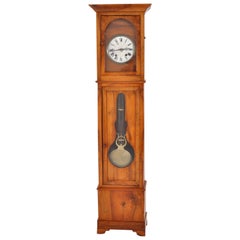
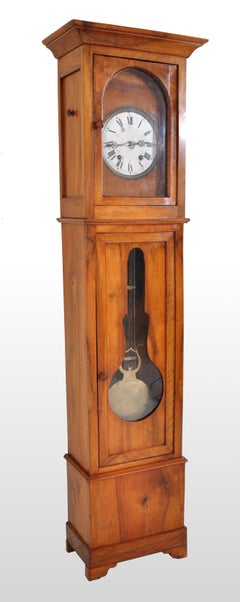
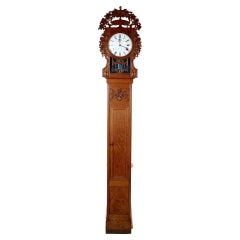
Antique grandfather clocks and longcase clocks are staples of old-world design sensibilities, and, along with their storied history, these statuesque timepieces can bring a feeling of warmth to living rooms, dining rooms and other areas of your home.
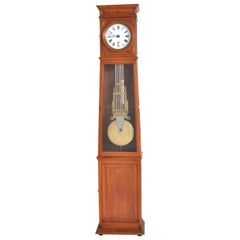
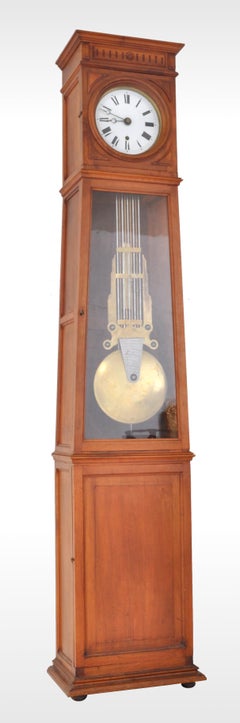
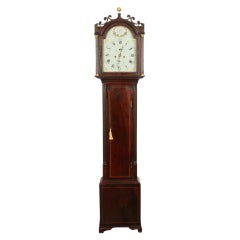
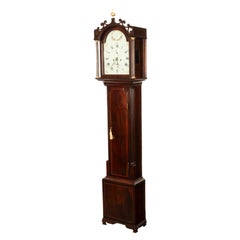
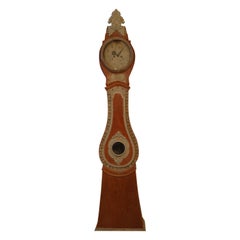
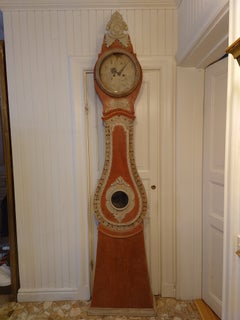
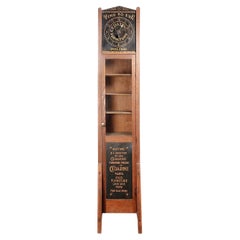
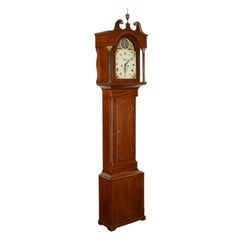
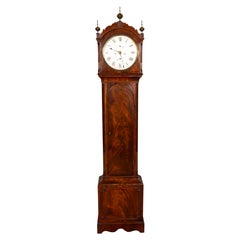
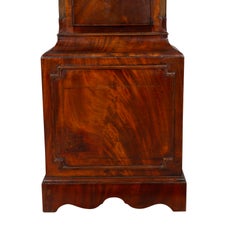
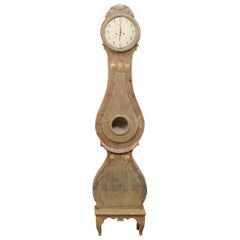
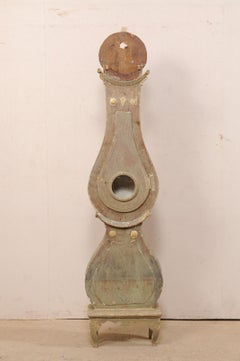
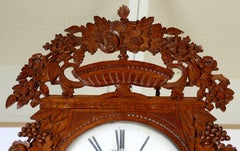
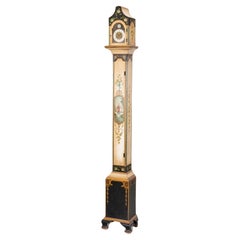
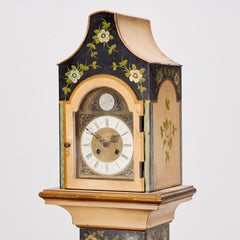
Longcase clocks, which originated in England and were manufactured in the United States beginning in the 1700s, refer to tall clocks with a face and clock works positioned high in the housing while a large swinging pendulum movement is tucked inside the case, which is supported by a carved base called a plinth.
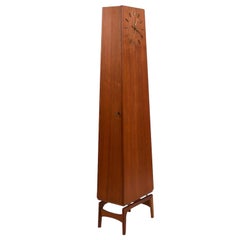
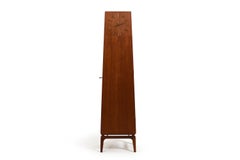
While guests making their way through your foyer (another ideal location for such a furnishing) might typically refer to your longcase clock as a “grandfather clock,” there are actually three varieties of these stylish floor clocks, which include granddaughter clocks (the shortest, generally not one solid piece of wood and around three to five feet tall), grandmother clocks (the slimmer middle ground, between five feet and six feet tall) and grandfather clocks, which are typically between six and seven feet tall.
Sculptural and statement-making, antique grandfather clocks created by the likes of the Seth Thomas Clock Company, the Howard Miller Clock Company, Hermle or other clockmakers are an alluring choice in filling up space in a room, while the shorter longcase clocks are just as useful if you need an element that is comparatively muted or you’re working with limited space.
Each generation of artisan clockmakers, working in various furniture styles over time, contributed its own flourishes to the design of longcase clocks. Antique grandfather clocks in the Georgian style share commonalities with neoclassical design. They were often made in dark woods such as mahogany and feature intricate carving. Mahogany is also common for Victorian-era grandfather clocks, although examples of this style can be found in oak and walnut too. Designers of contemporary grandfather clocks are using a range of materials.
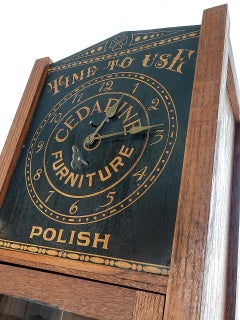
It’s easy to get confused when determining the origins or value of an antique grandfather clock or other vintage longcase clock. While an antique appraiser will be able to tell quickly, searching for a manufacturer’s name engraved on the face and dial of the clock may be an easy way to learn about the history of your clock.
Find a distinctive variety of antique grandfather clocks and longcase clocks on 1stDibs, and browse our collection of unusually beautiful clocks, wall clocks, desk clocks and other vintage clocks too.