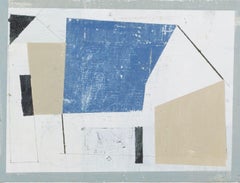
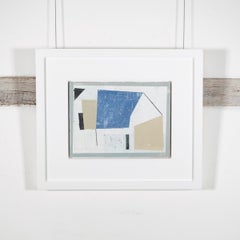
Blue House Painting by Daisy Cook, 2023
By Daisy Cook
Located in Kingsclere, GB
Daisy Cook is a British painter of landscape and still life.
Category
21st Century and Contemporary Abstract Paintings
Materials
Board
Blue House Painting by Daisy Cook, 2023
By Daisy Cook
Located in Kingsclere, GB
Daisy Cook is a British painter of landscape and still life.
Board
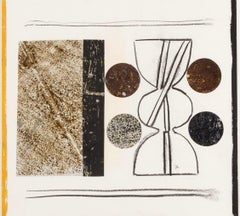
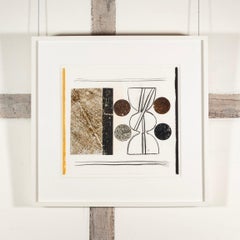
Canopy Vase with Abstracts Painting by Daisy Cook
By Daisy Cook
Located in Kingsclere, GB
Canopy Vase with Abstracts Painting by Daisy Cook B. 1965 Additional information: Medium: Mixed media Dimensions: 30 x 32 cm 11 3/4 x 12 5/8 in Daisy Cook is a British painter of l...
Mixed Media
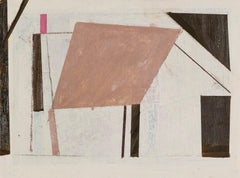
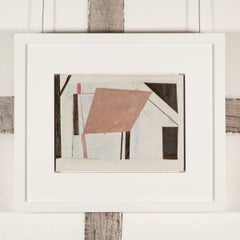
Abstract House (Pink) Oil on Board Painting by Daisy Cook, 2024
By Daisy Cook
Located in Kingsclere, GB
Abstract House (Pink) Painting by Daisy Cook B. 1965, 2024 Additional information: Medium: Oil on panel Dimensions: 18 x 24 cm 7 1/8 x 9 1/2 in Daisy Cook is a British painter of l...
Panel, Oil
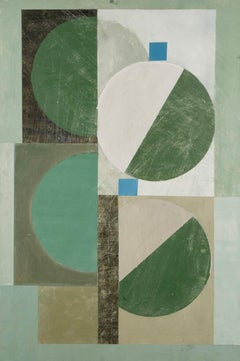
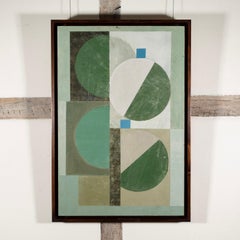
Untitled - Contemporary Green + White Geometric Abstract Oil Painting
By Daisy Cook
Located in Kingsclere, GB
Daisy Cook British, b. 1965 Untitled, 2025 oil on board 60 x 40 cm 23 5/8 x 15 3/4 in Daisy Cook is a British painter of landscape and still life.
Oil, Board
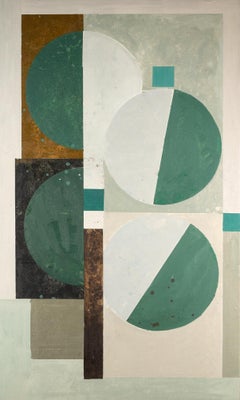
Abstract Tree Veridian - Green + White Geometric Abstract Oil Painting
By Daisy Cook
Located in Kingsclere, GB
Daisy Cook British, b. 1965 Abstract Tree Veridian, 2025 oil on canvas 100.5 x 60 cm 39 5/8 x 23 5/8 in Daisy Cook is a British painter of landscape and still life.
Canvas, Oil
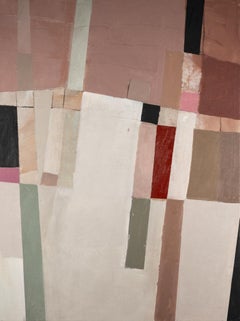
Autumn Walk - Contemporary Neutral Coloured Abstract Oil Painting with White
By Daisy Cook
Located in Kingsclere, GB
Daisy Cook British, b. 1965 Autumn Walk, 2025 oil on canvas 101.5 x 76.5 cm 40 x 30 1/8 in signed, dated and titled verso Daisy Cook is a British painter of landscape and still life...
Canvas, Oil
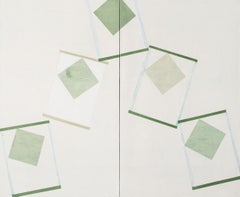
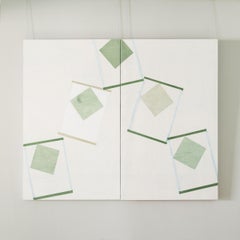
Temple - Large White and Green Contemporary Abstract Diptych Oil Painting
By Daisy Cook
Located in Kingsclere, GB
Daisy Cook b. 1965 Temple, 2022 diptych, oil on canvas 152 x 185 cm 59 7/8 x 72 7/8 in signed, titled and dated Daisy Cook is a British painter of landscape and still life.
Canvas, Oil
$19,540
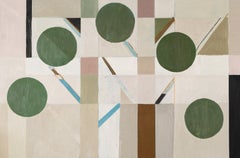
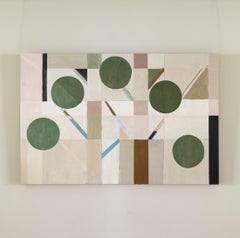
Treeline - Contemporary Large Abstract Oil Painting, White, Grey, Green + Pink
By Daisy Cook
Located in Kingsclere, GB
Daisy Cook b. 1965 Treeline, 2021-2025 oil on canvas 120.5 x 183 cm 47 1/2 x 72 in signed, dated and titled verso Daisy Cook is a British painter of landscape and still life.
Canvas, Oil
$1,684
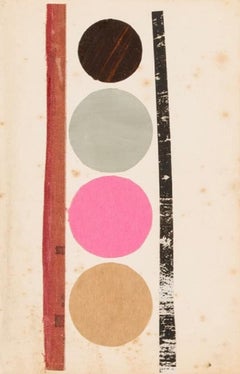
Collage with Pink Circle, Geometric Abstract Collage and Mixed Media Work, 2024
By Daisy Cook
Located in Kingsclere, GB
Collage with Pink Circle, Collage Painting by Daisy Cook B. 1965, 2024 Additional information: Medium: Collage 16 x 10 cm 6 1/4 x 4 in Daisy Cook is a British painter of landscape...
Paper, Mixed Media
Beneath the Tree II, 2024 - Light White, Grey + Green Abstract Oil Painting
By Daisy Cook
Located in Kingsclere, GB
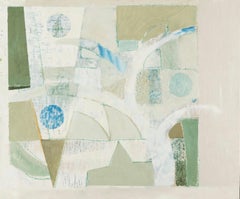
Daisy Cook is a British painter of landscape and still life.
Oil
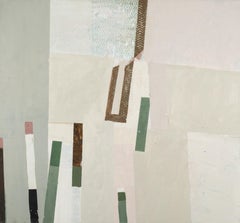
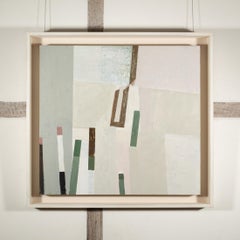
$7,411
Saplings I, 2022-2024 - Contemporary Minimalist Abstract Oil Painting in Grey
By Daisy Cook
Located in Kingsclere, GB
Daisy Cook is a British painter of landscape and still life.
Canvas, Oil
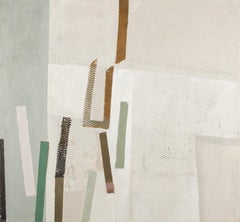
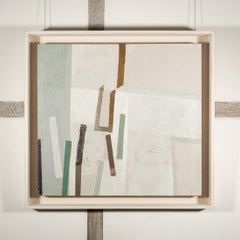
Saplings II, 2022-2024 -
By Daisy Cook
Located in Kingsclere, GB
Daisy Cook is a British painter of landscape and still life.
Canvas, Oil
$22,235
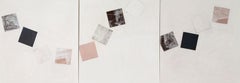
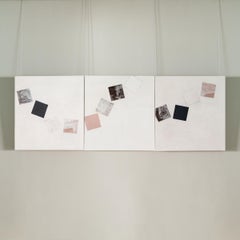
Tilting Squares, 2020-2021 - Minimalist Abstract Geometric Triptych in White
By Daisy Cook
Located in Kingsclere, GB
Tilting Squares, 2020-2021 triptych, oil on three canvases 98 x 276 cm 38 5/8 x 108 5/8 in signed, dated and titled on the overlap Daisy Cook is a British painter of landscape and s...
Canvas, Oil
Unavailable
H 48.04 in W 52.37 in
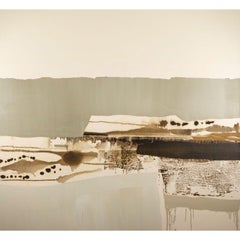
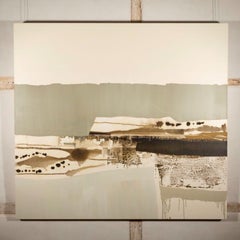
Untitled (Landscape) - large abstract painting with brown, neutral tones, oil
By Daisy Cook
Located in Kingsclere, Hampshire
Untitled (Landscape), by Daisy Cook Oil on Canvas Dimensions: 122 x 133 cm 48 1/8 x 52 3/8 in
Canvas, Oil
Unavailable
H 23.63 in W 15.75 in
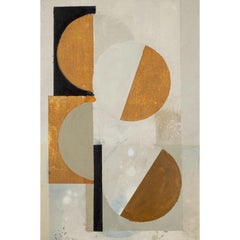
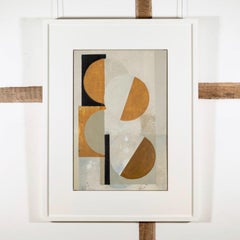
Tree with Raw Sienna - abstract landscape painting with orange, geometric, oil
By Daisy Cook
Located in Kingsclere, Hampshire
Tree with Raw Sienna, by Daisy Cook Oil on board Dimensions: 60 x 40 cm 23 5/8 x 15 3/4 in
Board, Oil
Unavailable
H 36.23 in W 38.59 in
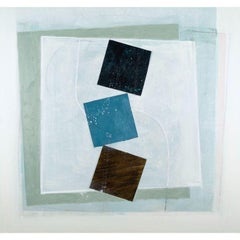
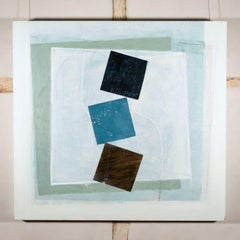
Tilting Squares - large abstract painting with blue and white, oil on canvas,
By Daisy Cook
Located in Kingsclere, Hampshire
Tilting Squares, by Daisy Cook Signed and Titled Verso Oil on Canvas Dimensions: 92 x 98 cm 36 1/4 x 38 5/8 in
Canvas, Oil
Unavailable
H 59.06 in W 70.87 in
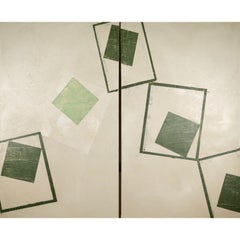
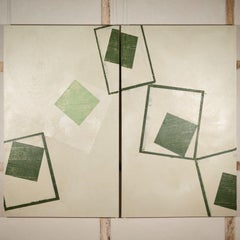
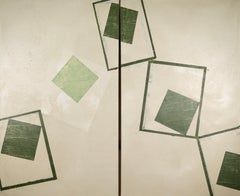
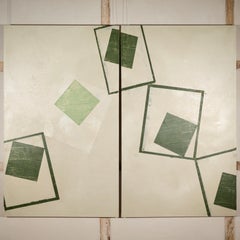
Temple Floor - oil on two canvases, large abstract diptych painting with green
By Daisy Cook
Located in Kingsclere, Hampshire
Temple Floor, by Daisy Cook, 2019 Signed, Dated and Titled on Overlap each Oil on Two Canvases Dimensions: 150 x 90 cm 59 1/8 x 35 3/8 in
Canvas, Oil
Unavailable
H 59.06 in W 70.87 in
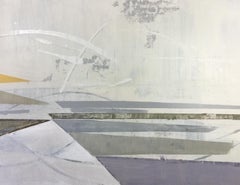
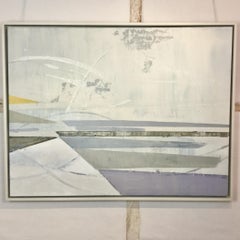
Temple Floor - large abstract landscape oil painting diptych, green and white
By Daisy Cook
Located in Kingsclere, Hampshire
Daisy Cook makes paintings which deal with abstract imaginings.
Canvas, Oil
Unavailable
H 36.23 in W 47.25 in
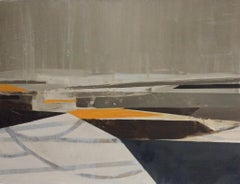
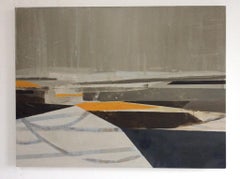
Steppings - large abstract landscape oil painting with grey and blue
By Daisy Cook
Located in Kingsclere, Hampshire
Daisy Cook makes paintings which deal with abstract imaginings.
Canvas, Oil
Unavailable
H 36.23 in W 47.25 in
Overlay - large abstract landscape oil painting with grey and orange, minimalist
By Daisy Cook
Located in Kingsclere, Hampshire
Daisy Cook makes paintings which deal with abstract imaginings.
Canvas, Oil
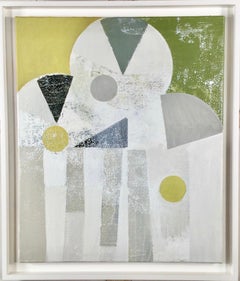
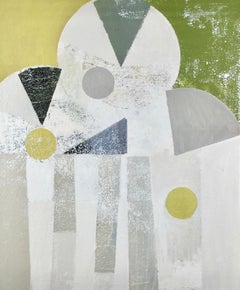
Unavailable
H 25.99 in W 22.05 in
Autumn Tree - abstract oil painting with white, yellow, green, geometric
By Daisy Cook
Located in Kingsclere, Hampshire
Daisy Cook makes paintings which deal with abstract imaginings.
Cotton Canvas, Oil
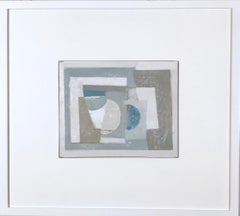
Unavailable
H 21.26 in W 23.63 in
The Shape of Space III - abstract oil painting with grey, and blue, geometric
By Daisy Cook
Located in Kingsclere, Hampshire
Daisy Cook makes paintings which deal with abstract imaginings.
Oil, Board
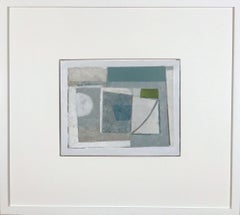
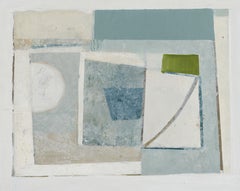
Unavailable
H 21.26 in W 23.63 in
The Shape of Space I - abstract oil painting with grey, and blue, geometric
By Daisy Cook
Located in Kingsclere, Hampshire
Daisy Cook makes paintings which deal with abstract imaginings.
Oil, Board
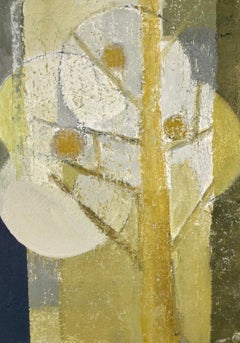

Unavailable
H 7.09 in W 5.12 in
Tree with Windsor Yellow II - bold, light, bright abstract oil paint
By Daisy Cook
Located in Kingsclere, Hampshire
Daisy Cook makes paintings which deal with abstract imaginings.
Oil, Board
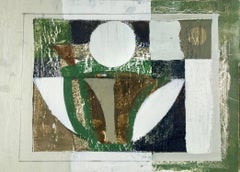

Unavailable
H 5.12 in W 7.09 in
Bowl and Jug - still life, green, geometric, abstract oil painting
By Daisy Cook
Located in Kingsclere, Hampshire
Daisy Cook makes paintings which deal with abstract imaginings.
Oil, Board
Unavailable
H 5.12 in W 7.09 in
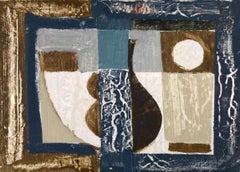
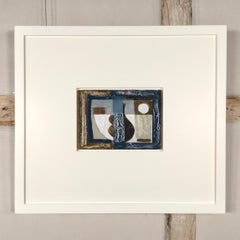
Bottle Still life with Raw Umber - abstract, geometry, blue, brown
By Daisy Cook
Located in Kingsclere, Hampshire
Daisy Cook makes paintings which deal with abstract imaginings.
Oil, Board
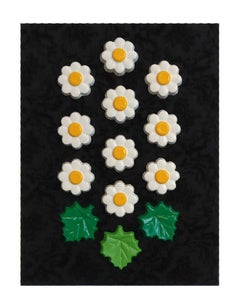

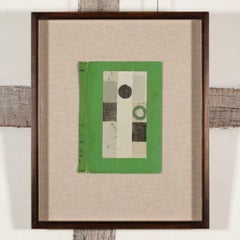
Daisies
By Dustin Cook
Located in Detroit, MI
Daisies, 2019
Canvas, Plastic, Acrylic
Sold
H 7.125 in W 5.375 in
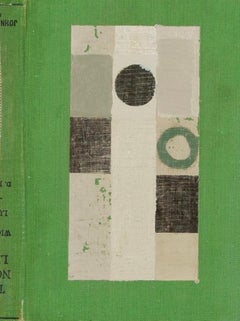
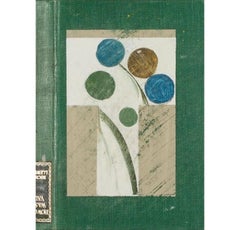
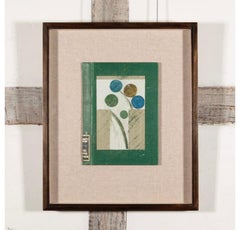
Green Circles, from Book Covers Painting by Daisy Cook, 2024
By Daisy Cook
Located in Kingsclere, GB
Green Circles, from Book Covers Painting by Daisy Cook B. 1965, 2024 Additional information: Medium: Oil and pencil on found book cover Dimensions: 18 x 13.6 cm 7 1/8 x 5 3/8 in Da...
Pencil
Sold
H 7.5 in W 5.5 in
Book Cover with Abstract Green Flower Painting by Daisy Cook, 2023
By Daisy Cook
Located in Kingsclere, GB
Book Cover with Abstract Green Flower Painting by Daisy Cook B. 1965, 2023 Additional information: Medium: Oil and pencil on found book cover Dimensions: 19 x 14 cm 7 1/2 x 5 1/2 in...
Pencil
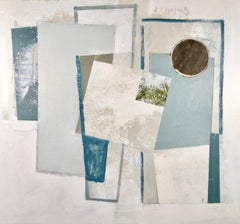

Daisy Cook Tilt abstract oil painting
By Daisy Cook
Located in Kingsclere, Hampshire
Daisy Cook makes paintings which deal with abstract imaginings.
Canvas, Oil
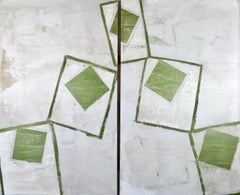

Sold
H 59.06 in W 70.87 in
Daisy Cook, Interval, large oil painting. Abstract, Geometric, Diptych
By Daisy Cook
Located in Kingsclere, Hampshire
Daisy Cook makes paintings which deal with abstract imaginings.
Canvas, Oil
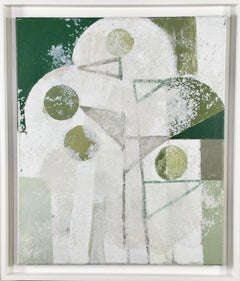

Sold
H 25.99 in W 22.05 in
Daisy Cook, Tree Shape with Greens I, abstract oil painting
By Daisy Cook
Located in Kingsclere, Hampshire
Daisy Cook makes paintings which deal with abstract imaginings.
Canvas, Oil
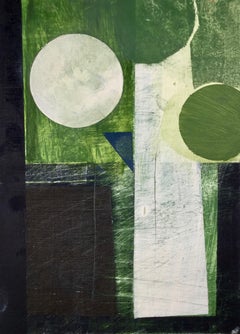

Sold
H 7.09 in W 5.12 in
Daisy Cook, Tree with Sap Green I. Abstract, geometric, bold, oil painting
By Daisy Cook
Located in Kingsclere, Hampshire
Daisy Cook makes paintings which deal with abstract imaginings.
Oil, Board
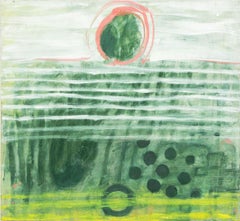
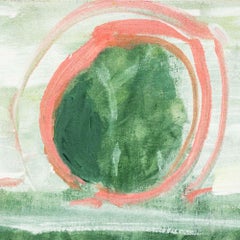
$1,200
H 21.75 in W 23.75 in D 1 in
Abstract Green Composition, Oil on Canvas, Late 20th Century
By Elfi Schuselka
Located in Astoria, NY
Elfi Schuselka (Austrian, b. 1940), Abstract Composition in Green, Oil on Canvas, mounted on board, stamped "Studio Elfi Schuselka" to verso, unframed. 21.75" H x 23.75" W. Provenanc...
Oil

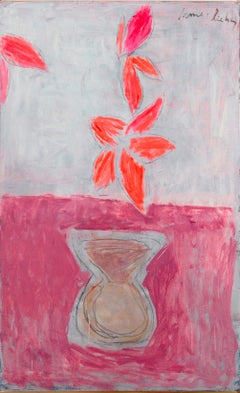
"Pink Vase with Flowers"
By James Lechay
Located in Lambertville, NJ
Jim’s of Lambertville is proud to offer this artwork by: James Lechay (1907 – 2001) Born in the Bronx in 1907, James Lechay spent most of his childhood in Brooklyn before moving to...
Canvas, Oil
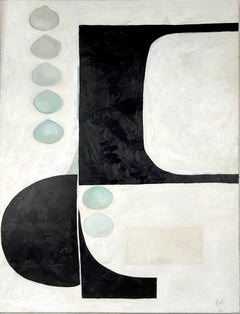
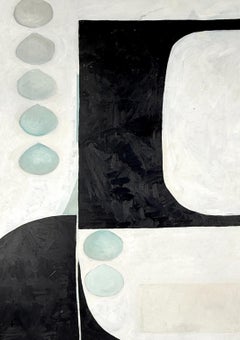
Geometric Abstract Original Oil on Canvas 1980s
Located in Soquel, CA
Geometric Abstract Original Oil on Canvas 1980s This unknown artist expertly explores the tension between bold physical presence and quiet, open space. Dominated by deep, matte black...
Canvas, Oil
$495
H 16 in W 20 in D 0.75 in
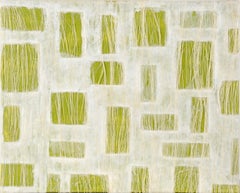
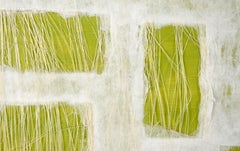
Abstract Geometric Composition with Paper, Fibers, and Acrylic on Canvas (Green)
Located in Soquel, CA
Abstract Geometric Composition with Handmade Paper, Fibers and Acrylic on Canvas Whimsical abstract composition by an unknown artist (20th Century). Lime green acrylic paint makes u...
Jute, Acrylic, Washi Paper
$3,000
H 30 in W 24 in D 1.5 in
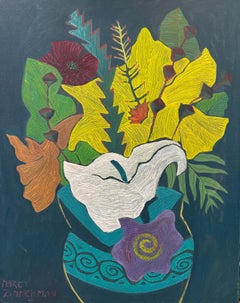
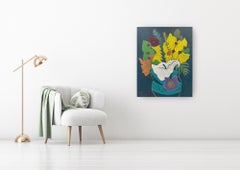
Vase With Flowers - Floral Painting By Marc Zimmerman
By Marc Zimmerman
Located in Carmel, CA
Floral - Abstract Painting - Oil On Canvas By Marc Zimmerman Marc Zimmerman creates playful paintings, whether deep mysterious jungle or delightfully whimsical florals. His color ...
Canvas, Oil
$1,260Sale Price|30% Off
H 48 in W 32 in D 1 in
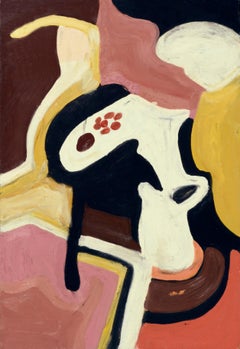
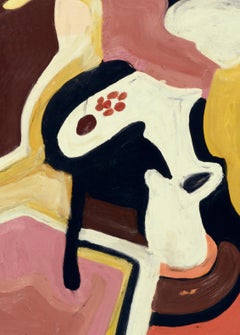
1970s Pink & Yellow Abstract Oil Painting on Masonite, Unsigned
By Les Anderson
Located in Soquel, CA
Bold abstract painting with pink, yellow, black, brown and white forms by Les (Leslie Luverne) Anderson (American, 1928-2009). From the estate of Les Anderson in Monterey, California...
Masonite, Oil
$975
H 11.5 in W 9.75 in
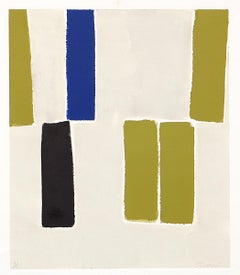
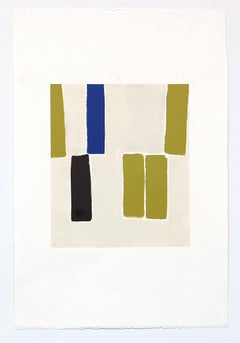
Wilma Fiori Abstract Geometric Monotype, Signed Denver Modernist Color Print
By Wilma Fiori
Located in Denver, CO
A vibrant and highly collectible original monotype by Wilma Fiori, this signed and dated work exemplifies the artist’s mature abstract language and her importance within Denver’s lat...
Monotype
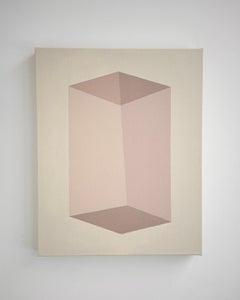
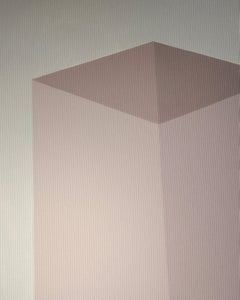
$1,719
H 19.69 in W 15.75 in D 1.58 in
ABSTRACT Geometry Pink Painting by Contemporary German Artist Carolin Kreutzer
By Carolin Kreutzer
Located in Barcelona, Barcelona
At Escat Gallery we are committed to maintaining the highest standards of trust and professionalism for our collectors. Every artwork in our collection comes with a Certificate of Au...
Cotton Canvas, Acrylic
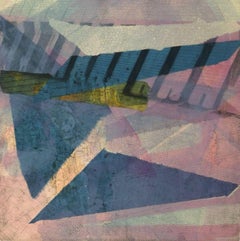
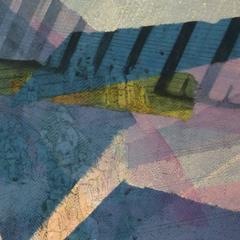
American Modern Art - Blue
By Kismine Varner
Located in Houston, TX
Stupendous mixed media painting in a kaleidoscope of colors and a paper collage technique by American artist Kismine Varner, circa 1990. Unsigned. Original one-of-a-kind work of a...
Acrylic, Paper
$5,390
H 42 in W 54 in D 2 in
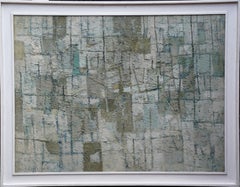
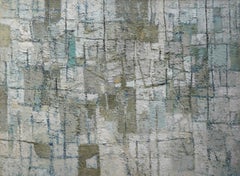
Green and White 1959 Abstract - British abstract art oil painting
Located in Hagley, England
This staggering British abstract oil painting is by noted British Birmingham artist Patrick Venton. He exhibited rarely during his lifetime, preferring instead to develop in the priv...
Oil
$425Sale Price|20% Off
H 8 in W 5 in D 0.1 in
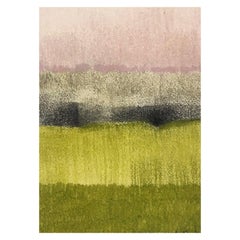
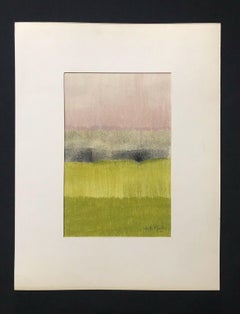
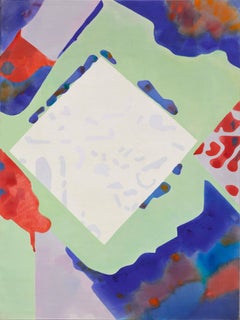
Arlette Martin Superb French Geometric Abstract Painting, Green Shades
Located in Cirencester, Gloucestershire
"Abstract Design" by Arlette Martin (French, b.1924) signed and dated lower right hand-side, Small painting mounted on card, unframed Painting: 8 x 5 inches Stunning original paint...
Acrylic
$3,900Sale Price|40% Off
H 72 in W 52 in D 1.5 in
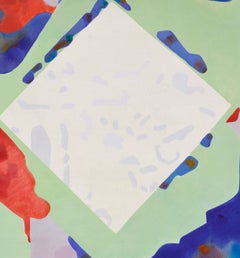
Large Scale Geometric Abstract Landscape with White & Pistachio Green
By Erle Loran
Located in Soquel, CA
Large Scale Geometric Abstract Landscape with White & Pistachio Green Wonderful large scale abstract with pistachio, cobalt blue and red tones by Erle Loran (American, 1905-1999). E...
Canvas, Acrylic
$1,800
H 12 in W 12 in D 1.25 in
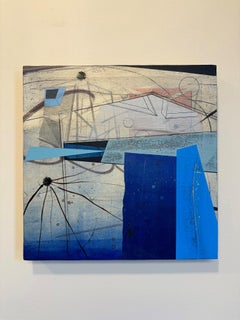
Scaffold Two - Geometric Abstract Light Blue Navy Ivory Beige Lines Shapes, 2021
By David Collins
Located in Kent, CT
Geometric shapes in shades of blue from cobalt to pale periwinkle, and delicate angular lines in black and dark gray are dynamic against a soft background fading from dark navy at th...
Paper, Oil, Acrylic, Panel
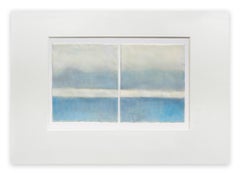
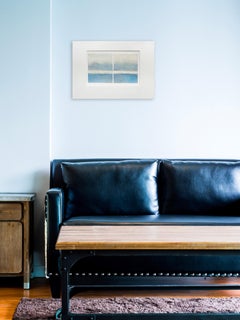
Blue On Blue (Abstract Painting)
By Janise Yntema
Located in London, GB
Blue On Blue (Abstract Painting) Beeswax, resin and pigment on archival paper mounted on archival board matted - Unframed. This work is from a series of works on paper exhibited in...
Resin, Board, Archival Paper, Pigment
$700
H 12 in W 9 in D 2 in
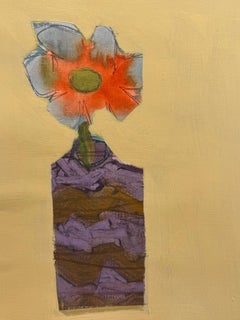
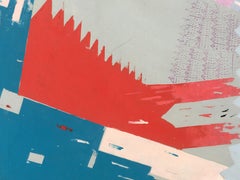
Vessel and Imagined Flower Stem by Ellen Rolli, Contemporary Acrylic on Paper
By Ellen Rolli
Located in Atlanta, GA
The artist has signed on the back. Ellen earned her degree in Art Education with a minor in Painting at the Massachusetts College of Art in Boston. In 2009 she completed a residenc...
Paper, Acrylic
$3,428
H 39.38 in W 59.06 in
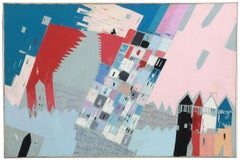
SINCRONIA ROSA - Angelo Palazzini Abstract Oil on Canvas Painting
By Angelo Palazzini
Located in Napoli, IT
Sincronia Rosa - Abstract Oil on Canvas Paintng , Angelom Palazzini, Italy Angelo Palazzini was born in Lodi in 1953 where he still resides and has his own studio. His encounter wit...
Canvas, Oil
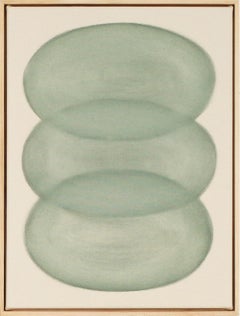
Ovals in Blue Grey
By Ryan Snow
Located in Napa, CA
Ryan Snow is an environmental artist creating visual meditations through abstract painting, analog photography and digital media. His field process explores the tranquility of mind a...
Canvas, Watercolor, Pigment
Bring audacious experiments with color and textures to your living room, dining room or home office. Abstract paintings, large or small, will stand out in your space, encouraging conversation and introducing a museum-like atmosphere that’s welcoming and conducive to creating memorable gatherings.
Abstract art has origins in 19th-century Europe, but it came into its own as a significant movement during the 20th century. Early practitioners of abstraction included Wassily Kandinsky, although painters were exploring nonfigurative art prior to the influential Russian artist’s efforts, which were inspired by music and religion. Abstract painters endeavored to create works that didn’t focus on the outside world’s conventional subjects, and even when artists depicted realistic subjects, they worked in an abstract mode to do so.
In 1940s-era New York City, a group of painters working in the abstract mode created radical work that looked to European avant-garde artists as well as to the art of ancient cultures, prioritizing improvisation, immediacy and direct personal expression. While they were never formally affiliated with one another, we know them today as Abstract Expressionists.
The male contingent of the Abstract Expressionists, which includes Jackson Pollock, Willem de Kooning and Robert Motherwell, is frequently cited in discussing leading figures of this internationally influential postwar art movement. However, the women of Abstract Expressionism, such as Helen Frankenthaler, Lee Krasner, Joan Mitchell and others, were equally involved in the art world of the time. Sexism, family obligations and societal pressures contributed to a long history of their being overlooked, but the female Abstract Expressionists experimented vigorously, developed their own style and produced significant bodies of work.
Draw your guests into abstract oil paintings across different eras and countries of origin. On 1stDibs, you’ll find an expansive range of abstract paintings along with a guide on how to arrange your wonderful new wall art.
If you’re working with a small living space, a colorful, oversize work can create depth in a given room, but there isn’t any need to overwhelm your interior with a sprawling pièce de résistance. Colorful abstractions of any size can pop against a white wall in your living room, but if you’re working with a colored backdrop, you may wish to stick to colors that complement the decor that is already in the space. Alternatively, let your painting make a statement on its own, regardless of its surroundings, or group it, gallery-style, with other works.