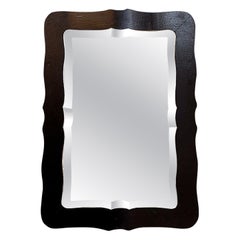
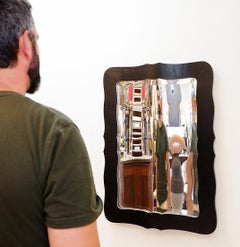
Vintage convex and concave distorting mirror - 20th
Located in Linkebeek, BE
This is a classic distorting mirror, often called a fairground mirror or deceptive mirror.
Category
20th Century Wall Mirrors
Materials
Mirror
Vintage convex and concave distorting mirror - 20th
Located in Linkebeek, BE
This is a classic distorting mirror, often called a fairground mirror or deceptive mirror.
Mirror

USA. New York City. 42nd Street Self-portrait. Eve ARNOLD in a distorting mirror
By Eve Arnold
Located in Toronto, ON
Archival Pigment Print on Cotton Rag Paper Including COA Printed by Eve Arnold's own bespoke printer Danny Pope
Archival Pigment
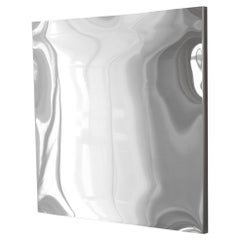
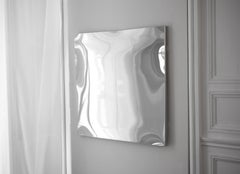
Distorting Square Wall Mirror in Polished Stainless Steel by Julien Vidame
Located in Geneve, CH
Distorting Square Wall Mirror in Polished Stainless Steel by Julien Vidame.
Stainless Steel
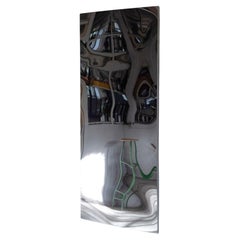
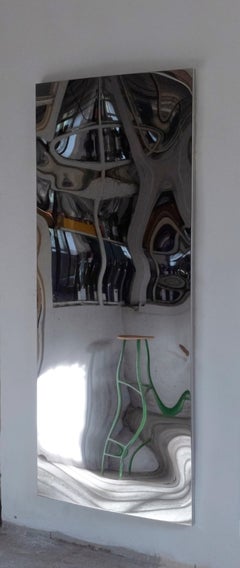
Distorting 200 cm Vertical Mirror in Polished Stainless Steel by Julien Vidame
Located in Geneve, CH
Distorting 200 cm Vertical Mirror in Polished Stainless Steel by Julien Vidame.
Stainless Steel
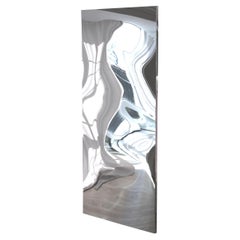
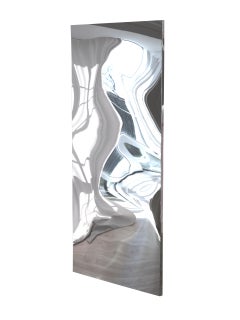
Distorting 250 cm Vertical Mirror in Polished Stainless Steel by Julien Vidame
Located in Geneve, CH
Distorting 250 cm Vertical Mirror in Polished Stainless Steel by Julien Vidame.
Stainless Steel
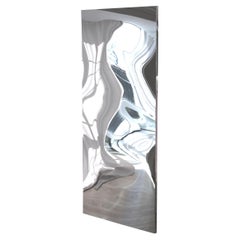
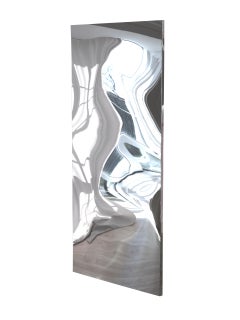
Distorting 300 cm Vertical Mirror in Polished Stainless Steel by Julien Vidame
Located in Geneve, CH
Distorting 300 cm Vertical Mirror in Polished Stainless Steel by Julien Vidame.
Stainless Steel
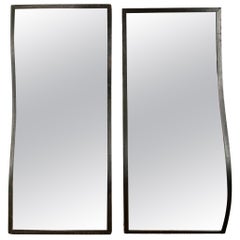
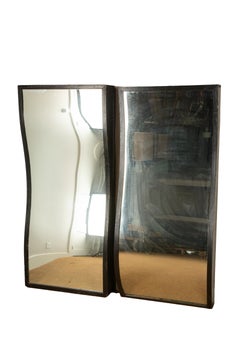
Coney Island’s Wacky Reflections: Vintage Funhouse Mirrors
Located in New York, NY
Slight heating allowed for the formation of exaggerated curves, though this process was risky due to the fragility of the glass. The distorted mirror sheets were then mounted onto ro...
Wood, Mirror
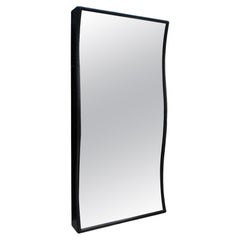
$3,061Sale Price / set|20% Off
Early 20th century English distorted glass fairground mirror
Located in London, GB
Early 20th century English distorted glass fairground mirror Dimensions in inches: H 72” x W 36” x D 7” Age: 1920 - 1940 Origin: United Kingdom Condition: Good Overview A large ex...
Mirror
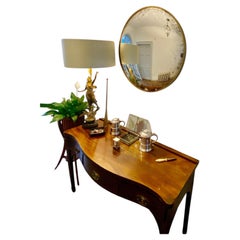
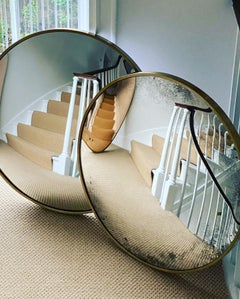
The Convex Mirror Company -Ferrara Convex Wall Mirror 59"/150cms
Located in Farnham, GB
Its generous convex curve, with an 8 cm projection, creates those wonderfully bright, gently distorted reflections that make convex mirrors so endlessly captivating.
Mirror
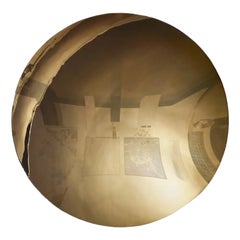
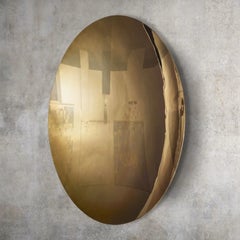
Contemporary Golden Metal Concave Parabolic Wall Mirror
Located in Saint-Ouen, FR
Its curved metal and mirror surface distorts reflections into a series of rippling waves, creating movement and depth across the reflected surroundings.
Metal
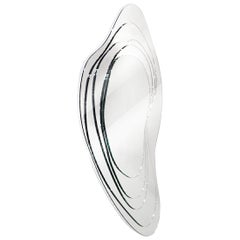
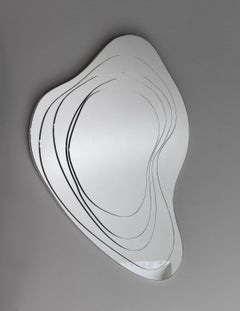
Wall or Console Decorative Mirror Curved Design Contemporary Design Italy
By Barberini & Gunnell
Located in Ancona, Marche
We borrowed these levels and gave life to a three dimensional mirror which is able to create a distorted reality.
Mirror
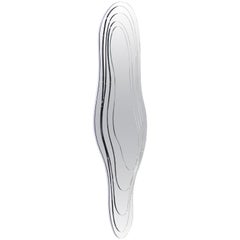
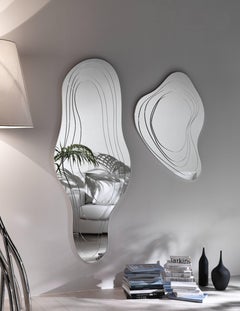
Wall Full-Length Mirror Organic Shape Limited Edition Contemporary Design
By Barberini & Gunnell
Located in Ancona, Marche
We borrowed these levels and gave life to a three dimensional mirror which is able to create a distorted reality.
Mirror
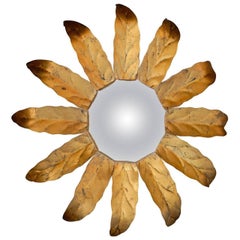
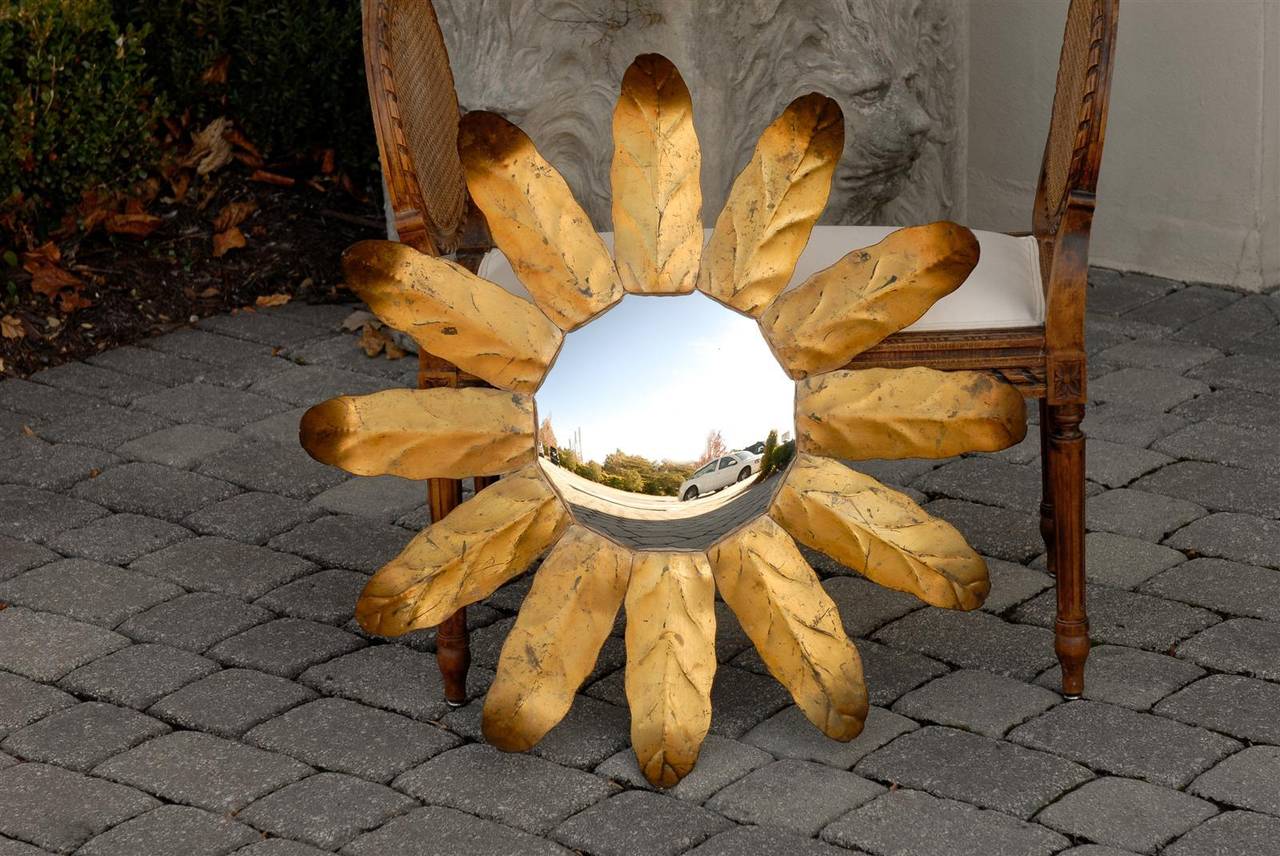
1940s Spanish Sunburst Mirror with Gilt Curving Metal Leaves and Convex Glass
Located in Atlanta, GA
At the heart of this stunning frame lies a convex mirror, which, although not original to the piece, adds a unique element by distorting the reflection.
Metal
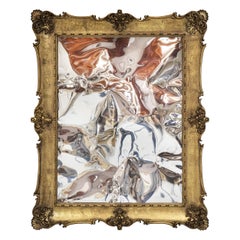
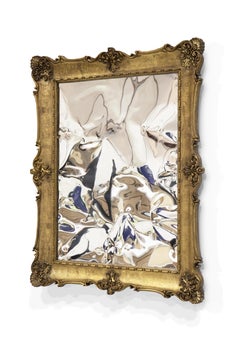
$13,496Sale Price / item|20% Off
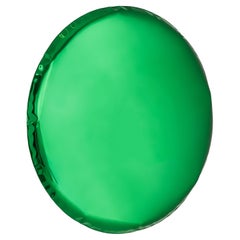
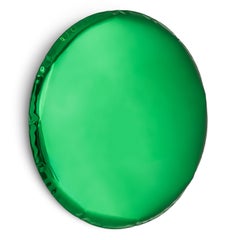
D. Dinis Mirror - Hand-Crafted Detail Stainless Steel & Brass - Boca do Lobo
Located in Rio Tinto, PT
A distorting clear mirror bursts for unexpected juxtaposition.
Metal, Brass, Stainless Steel
$13,967 / item
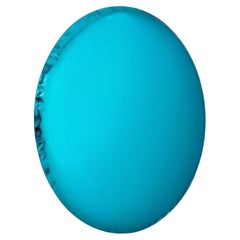
Emerald Oko 150 Sculptural Wall Mirror by Zieta
By Zieta
Located in Geneve, CH
It will fit interiors arranged in a generously classical style. The distorted edges of the mirror are the effect of the manufacturing method Zieta Studio applies in their collection...
Stainless Steel
$2,493 / item
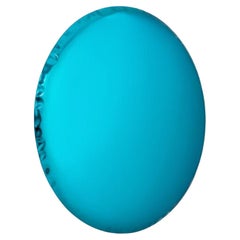
Sapphire Oko 36 Sculptural Wall Mirror by Zieta
By Zieta
Located in Geneve, CH
It will fit interiors arranged in a generously classical style. The distorted edges of the mirror are the effect of the manufacturing method Zieta Studio applies in their collection...
Stainless Steel
$3,740 / item
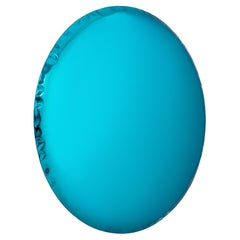
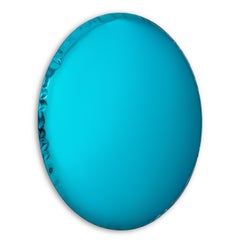
Sapphire Oko 62 Sculptural Wall Mirror by Zieta
By Zieta
Located in Geneve, CH
It will fit interiors arranged in a generously classical style. The distorted edges of the mirror are the effect of the manufacturing method Zieta Studio applies in their collection...
Stainless Steel
$13,967 / item
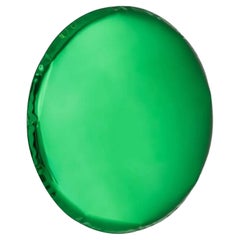
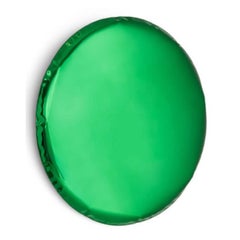
Sapphire Oko 150 Sculptural Wall Mirror by Zieta
By Zieta
Located in Geneve, CH
It will fit interiors arranged in a generously classical style. The distorted edges of the mirror are the effect of the manufacturing method Zieta Studio applies in their collection...
Stainless Steel
$5,033 / item
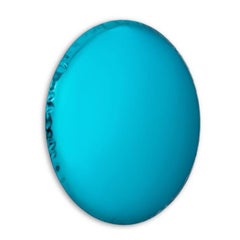
Emerald Oko 75 Sculptural Wall Mirror by Zieta
By Zieta
Located in Geneve, CH
It will fit interiors arranged in a generously classical style. The distorted edges of the mirror are the effect of the manufacturing method Zieta Studio applies in their collection...
Stainless Steel
$7,550 / item
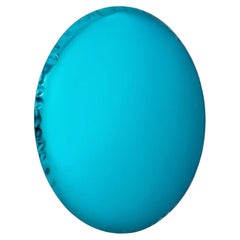
Sapphire Oko 120 Sculptural Wall Mirror by Zieta
By Zieta
Located in Geneve, CH
It will fit interiors arranged in a generously classical style. The distorted edges of the mirror are the effect of the manufacturing method Zieta Studio applies in their collection...
Stainless Steel
$7,550 / item
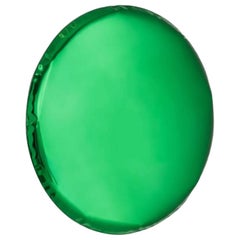
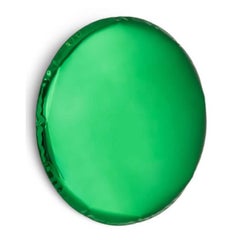
Emerald Oko 120 Sculptural Wall Mirror by Zieta
By Zieta
Located in Geneve, CH
It will fit interiors arranged in a generously classical style. The distorted edges of the mirror are the effect of the manufacturing method Zieta Studio applies in their collection...
Stainless Steel
$5,033 / item
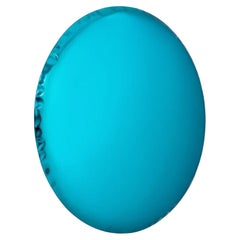
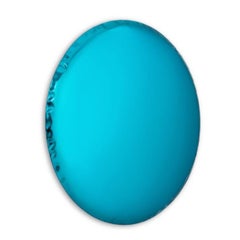
Sapphire Oko 75 Sculptural Wall Mirror by Zieta
By Zieta
Located in Geneve, CH
It will fit interiors arranged in a generously classical style. The distorted edges of the mirror are the effect of the manufacturing method Zieta Studio applies in their collection...
Stainless Steel
$6,417 / item
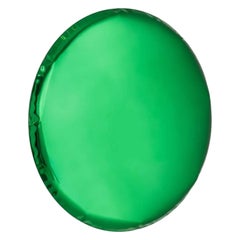
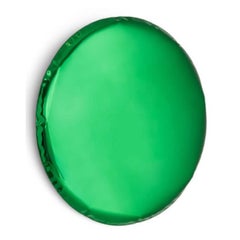
Emerald Oko 95 Sculptural Wall Mirror by Zieta
By Zieta
Located in Geneve, CH
It will fit interiors arranged in a generously classical style. The distorted edges of the mirror are the effect of the manufacturing method Zieta Studio applies in their collection...
Stainless Steel
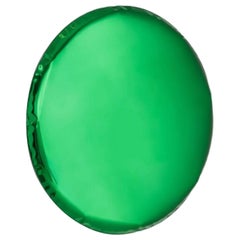
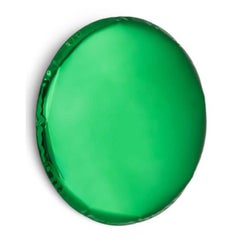
$2,493 / item
Emerald Oko 36 Sculptural Wall Mirror by Zieta
By Zieta
Located in Geneve, CH
It will fit interiors arranged in a generously classical style. The distorted edges of the mirror are the effect of the manufacturing method Zieta Studio applies in their collection...
Stainless Steel
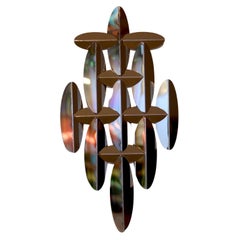
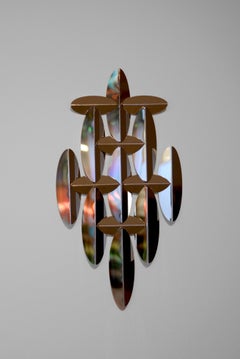
INO Medium Wall Mirror in Polished Aluminum by Martens & Visser
Located in Geneve, CH
Ino is constructed out of oval shaped and bended mirrors, creating a distorted reflection of what we would suspect.
Aluminum
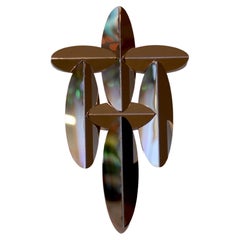
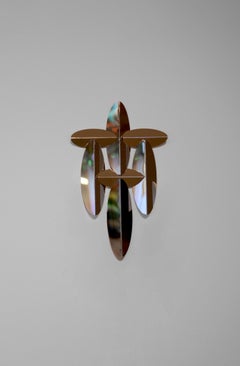
INO Small Wall Mirror in Polished Aluminum by Martens & Visser
Located in Geneve, CH
Ino is constructed out of oval shaped and bended mirrors, creating a distorted reflection of what we would suspect.
Aluminum
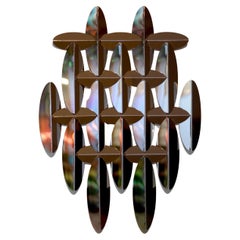
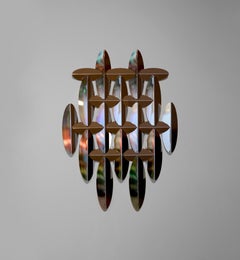
INO Large Wall Mirror in Polished Aluminum by Martens & Visser
Located in Geneve, CH
Ino is constructed out of oval shaped and bended mirrors, creating a distorted reflection of what we would suspect.
Aluminum
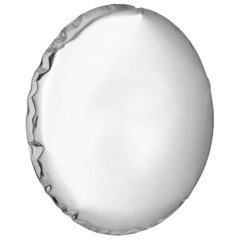
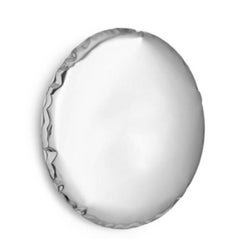
Stainless Steel Oko 95 Sculptural Wall Mirror by Zieta
By Zieta
Located in Geneve, CH
It will fit interiors arranged in a generously classical style. The distorted edges of the mirror are the effect of the manufacturing method Zieta Studio applies in their collection...
Stainless Steel
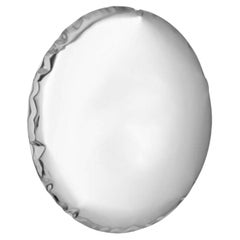
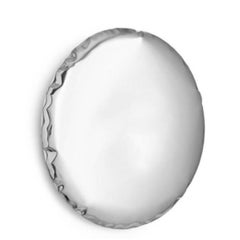
Stainless Steel Oko 75 Sculptural Wall Mirror by Zieta
By Zieta
Located in Geneve, CH
It will fit interiors arranged in a generously classical style. The distorted edges of the mirror are the effect of the manufacturing method Zieta Studio applies in their collecti...
Stainless Steel
$8,829 / item
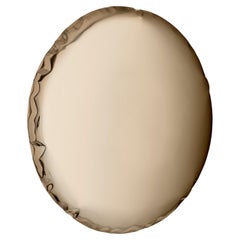
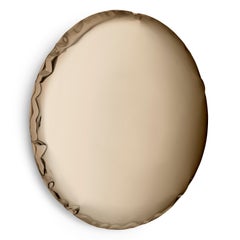
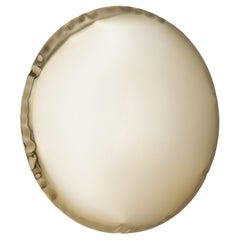
Classic Gold Oko 150 Sculptural Wall Mirror by Zieta
By Zieta
Located in Geneve, CH
It will fit interiors arranged in a generously classical style. The distorted edges of the mirror are the effect of the manufacturing method Zieta Studio applies in their collection...
Stainless Steel
$8,808 / item
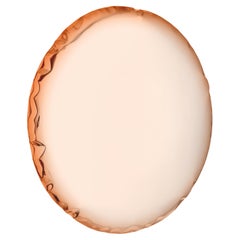
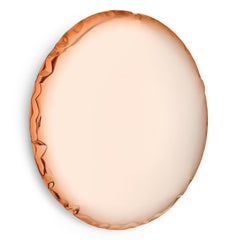
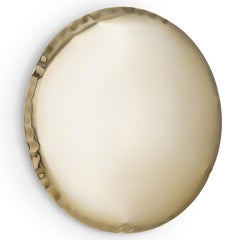
Rose Gold Oko 150 Sculptural Wall Mirror by Zieta
By Zieta
Located in Geneve, CH
It will fit interiors arranged in a generously classical style. The distorted edges of the mirror are the effect of the manufacturing method Zieta Studio applies in their collection...
Stainless Steel
$8,829 / item
Light Gold Oko 150 Sculptural Wall Mirror by Zieta
By Zieta
Located in Geneve, CH
It will fit interiors arranged in a generously classical style. The distorted edges of the mirror are the effect of the manufacturing method Zieta Studio applies in their collection...
Stainless Steel
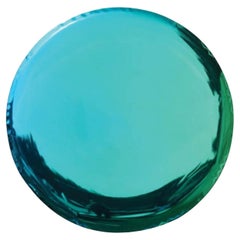
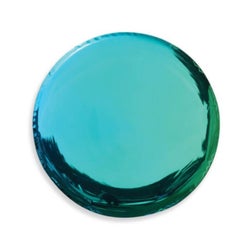
Emerald Sapphire Oko 62 Sculptural Wall Mirror by Zieta
By Zieta
Located in Geneve, CH
It will fit interiors arranged in a generously classical style. The distorted edges of the mirror are the effect of the manufacturing method Zieta Studio applies in their collection...
Stainless Steel
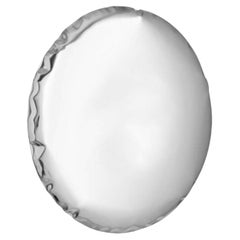
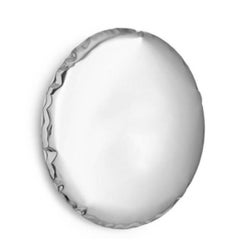
Stainless Steel Oko 62 Sculptural Wall Mirror by Zieta
By Zieta
Located in Geneve, CH
It will fit interiors arranged in a generously classical style. The distorted edges of the mirror are the effect of the manufacturing method Zieta Studio applies in their collection...
Stainless Steel
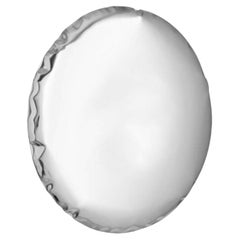
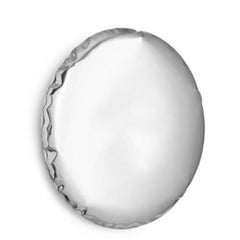
Stainless Steel Oko 120 Sculptural Wall Mirror by Zieta
By Zieta
Located in Geneve, CH
It will fit interiors arranged in a generously classical style. The distorted edges of the mirror are the effect of the manufacturing method Zieta Studio applies in their collection...
Stainless Steel
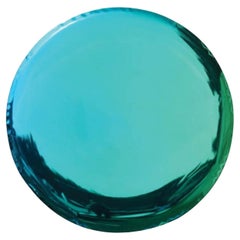
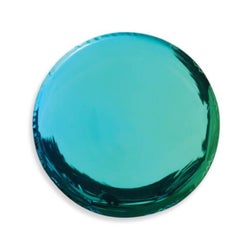
Emerald Sapphire Oko 75 Sculptural Wall Mirror by Zieta
By Zieta
Located in Geneve, CH
It will fit interiors arranged in a generously classical style. The distorted edges of the mirror are the effect of the manufacturing method Zieta Studio applies in their collection...
Stainless Steel
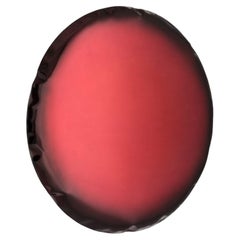
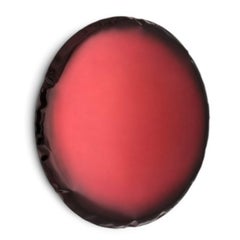
$5,845 / item
Red Rubin Oko 62 Sculptural Wall Mirror by Zieta
By Zieta
Located in Geneve, CH
It will fit interiors arranged in a generously classical style. The distorted edges of the mirror are the effect of the manufacturing method Zieta Studio applies in their collection...
Stainless Steel
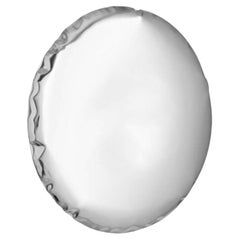
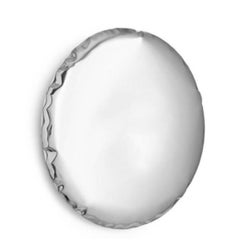
Stainless Steel Oko 36 Sculptural Wall Mirror by Zieta
By Zieta
Located in Geneve, CH
It will fit interiors arranged in a generously classical style. The distorted edges of the mirror are the effect of the manufacturing method Zieta Studio applies in their collection...
Stainless Steel
$3,248 / item
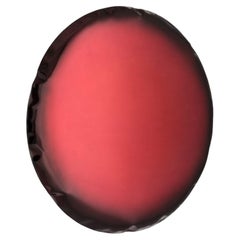
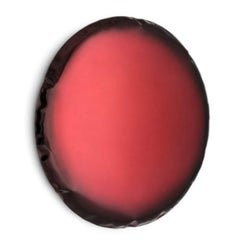
Red Rubin Oko 36 Sculptural Wall Mirror by Zieta
By Zieta
Located in Geneve, CH
It will fit interiors arranged in a generously classical style. The distorted edges of the mirror are the effect of the manufacturing method Zieta Studio applies in their collection...
Stainless Steel
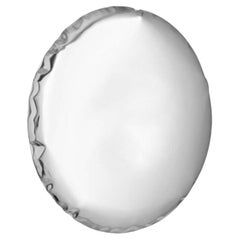
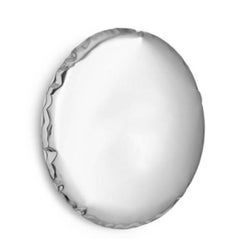
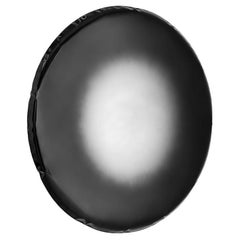
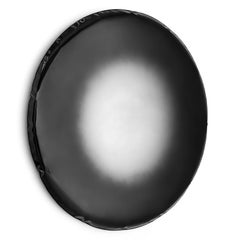
Stainless Steel Oko 120 Sculptural Wall Mirror by Zieta
By Zieta
Located in Geneve, CH
It will fit interiors arranged in a generously classical style. The distorted edges of the mirror are the effect of the manufacturing method Zieta Studio applies in their collection...
Stainless Steel
$21,392 / item
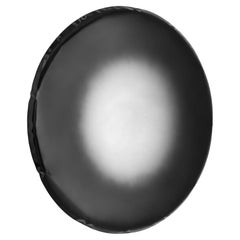
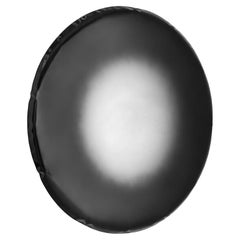
Dark Matter Oko 150 Sculptural Wall Mirror by Zieta
By Zieta
Located in Geneve, CH
It will fit interiors arranged in a generously classical style. The distorted edges of the mirror are the effect of the manufacturing method Zieta Studio applies in their collection...
Stainless Steel

$5,845 / item
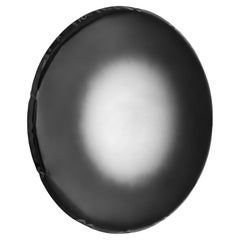
Dark Matter Oko 62 Sculptural Wall Mirror by Zieta
By Zieta
Located in Geneve, CH
It will fit interiors arranged in a generously classical style. The distorted edges of the mirror are the effect of the manufacturing method Zieta Studio applies in their collection...
Stainless Steel

$10,513 / item
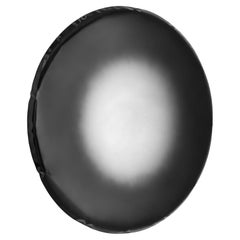
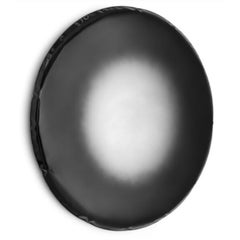
Dark Matter Oko 95 Sculptural Wall Mirror by Zieta
By Zieta
Located in Geneve, CH
It will fit interiors arranged in a generously classical style. The distorted edges of the mirror are the effect of the manufacturing method Zieta Studio applies in their collection...
Stainless Steel
$3,248 / item
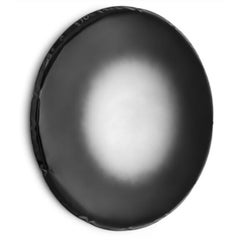
Dark Matter Oko 36 Sculptural Wall Mirror by Zieta
By Zieta
Located in Geneve, CH
It will fit interiors arranged in a generously classical style. The distorted edges of the mirror are the effect of the manufacturing method Zieta Studio applies in their collection...
Stainless Steel
$12,148 / item
Dark Matter Oko 120 Sculptural Wall Mirror by Zieta
By Zieta
Located in Geneve, CH
It will fit interiors arranged in a generously classical style. The distorted edges of the mirror are the effect of the manufacturing method Zieta Studio applies in their collection...
Stainless Steel
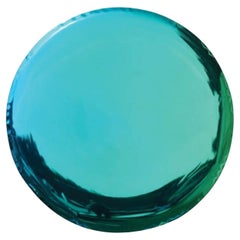

Emerald Sapphire Oko 95 Sculptural Wall Mirror by Zieta
By Zieta
Located in Geneve, CH
It will fit interiors arranged in a generously classical style. The distorted edges of the mirror are the effect of the manufacturing method Zieta Studio applies in their collection...
Stainless Steel

$10,513 / item
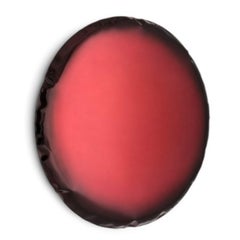
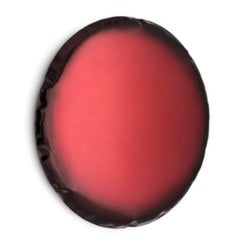
Red Rubin Oko 95 Sculptural Wall Mirror by Zieta
By Zieta
Located in Geneve, CH
It will fit interiors arranged in a generously classical style. The distorted edges of the mirror are the effect of the manufacturing method Zieta Studio applies in their collection...
Stainless Steel
$8,556 / item
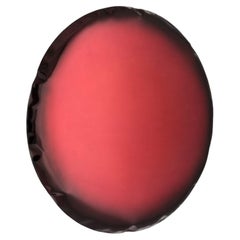
Red Rubin Oko 75 Sculptural Wall Mirror by Zieta
By Zieta
Located in Geneve, CH
It will fit interiors arranged in a generously classical style. The distorted edges of the mirror are the effect of the manufacturing method Zieta Studio applies in their collection...
Stainless Steel
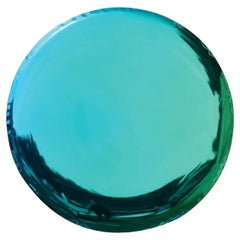
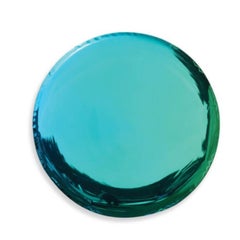
Emerald Sapphire Oko 36 Sculptural Wall Mirror by Zieta
By Zieta
Located in Geneve, CH
It will fit interiors arranged in a generously classical style. The distorted edges of the mirror are the effect of the manufacturing method Zieta Studio applies in their collection...
Stainless Steel
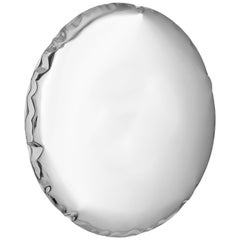
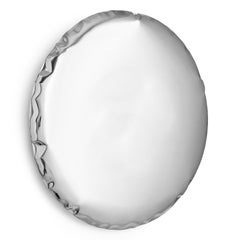
Stainless Steel Oko 150 Sculptural Wall Mirror by Zieta
By Zieta
Located in Geneve, CH
It will fit interiors arranged in a generously classical style. The distorted edges of the mirror are the effect of the manufacturing method Zieta Studio applies in their collection...
Stainless Steel
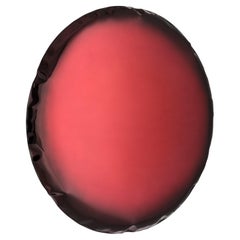

$21,392 / item
Red Rubin Oko 150 Sculptural Wall Mirror by Zieta
By Zieta
Located in Geneve, CH
It will fit interiors arranged in a generously classical style. The distorted edges of the mirror are the effect of the manufacturing method Zieta Studio applies in their collection...
Stainless Steel
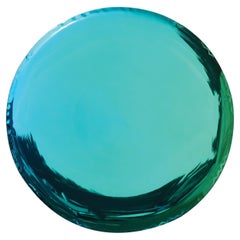
$14,848 / item
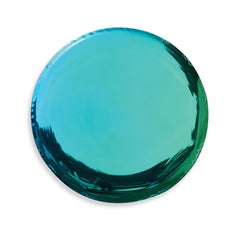
Sapphire Emerald Oko 150 Sculptural Wall Mirror by Zieta
By Zieta
Located in Geneve, CH
It will fit interiors arranged in a generously classical style. The distorted edges of the mirror are the effect of the manufacturing method Zieta Studio applies in their collection...
Stainless Steel
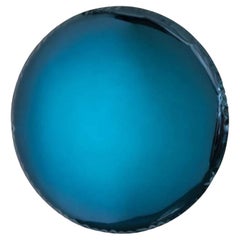
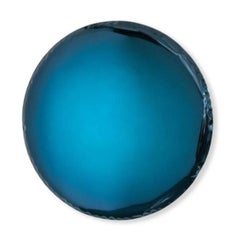
Deep Space Blue Oko 120 Sculptural Wall Mirror by Zieta
By Zieta
Located in Geneve, CH
It will fit interiors arranged in a generously classical style. The distorted edges of the mirror are the effect of the manufacturing method Zieta Studio applies in their collection...
Stainless Steel
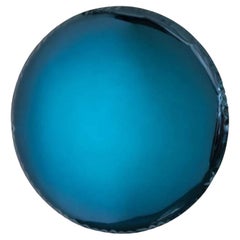
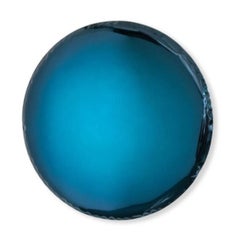
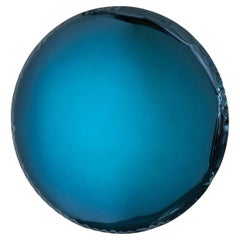
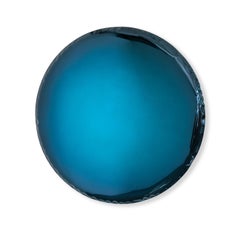
Deep Space Blue Oko 62 Sculptural Wall Mirror by Zieta
By Zieta
Located in Geneve, CH
It will fit interiors arranged in a generously classical style. The distorted edges of the mirror are the effect of the manufacturing method Zieta Studio applies in their collection...
Stainless Steel
$18,246 / item
Deep Space Blue Oko 150 Sculptural Wall Mirror by Zieta
By Zieta
Located in Geneve, CH
It will fit interiors arranged in a generously classical style. The distorted edges of the mirror are the effect of the manufacturing method Zieta Studio applies in their collection...
Stainless Steel
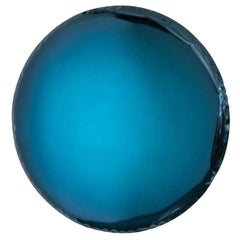
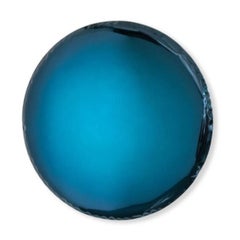
Deep Space Blue Oko 36 Sculptural Wall Mirror by Zieta
By Zieta
Located in Geneve, CH
It will fit interiors arranged in a generously classical style. The distorted edges of the mirror are the effect of the manufacturing method Zieta Studio applies in their collection...
Stainless Steel
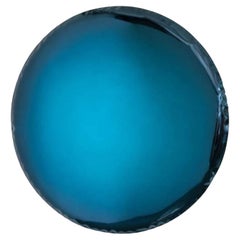
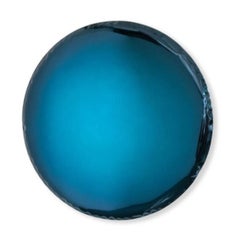
Deep Space Blue Oko 75 Sculptural Wall Mirror by Zieta
By Zieta
Located in Geneve, CH
It will fit interiors arranged in a generously classical style. The distorted edges of the mirror are the effect of the manufacturing method Zieta Studio applies in their collection...
Stainless Steel
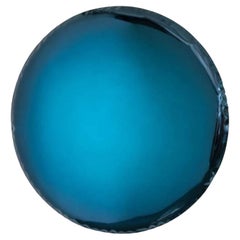
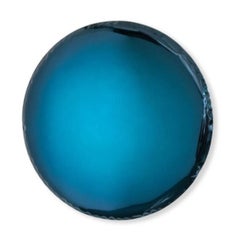
Deep Space Blue Oko 95 Sculptural Wall Mirror by Zieta
By Zieta
Located in Geneve, CH
It will fit interiors arranged in a generously classical style. The distorted edges of the mirror are the effect of the manufacturing method Zieta Studio applies in their collection...
Stainless Steel
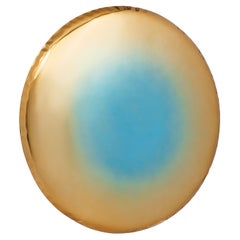
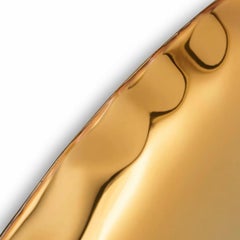
Helix Nebula Sapphire Topaz Oko 75 Sculptural Wall Mirror by Zieta
By Zieta
Located in Geneve, CH
It will fit interiors arranged in a generously classical style. The distorted edges of the mirror are the effect of the manufacturing method Zieta Studio applies in their collection...
Stainless Steel
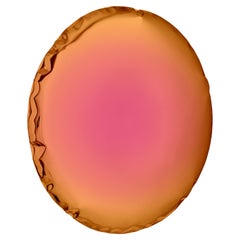
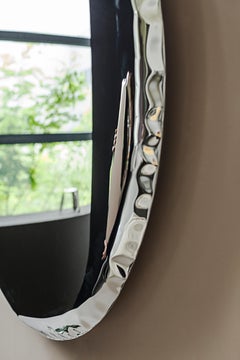
Helix Nebula Rhodonite Topaz Oko 75 Sculptural Wall Mirror by Zieta
By Zieta
Located in Geneve, CH
It will fit interiors arranged in a generously classical style. The distorted edges of the mirror are the effect of the manufacturing method Zieta Studio applies in their collection...
Stainless Steel
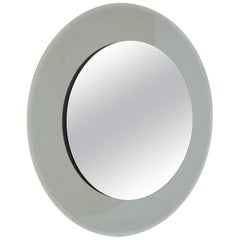
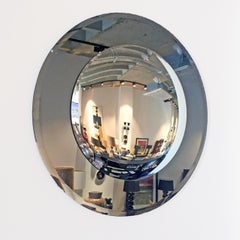
Convex Mirror
Located in London, GB
Designed by Charles Bateson, this grey convex mirror gives a distorted view of the image it mirrors adding another dimensions to its surroundings.
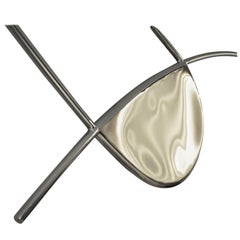
Kinetic
By Pol Quadens
Located in Brussels, BE
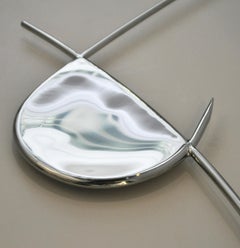
Wall sculpture made in improvisation, the central part is a distorting mirror that causes reflections, the crossing of two lines like a signature brings lightness and dynamism to thi...
Stained Glass
Pendant Lantern "Last Laugh" Curved, Antique Mirror, Made in Italy
By Craig Jenkins
Located in Brooklyn, NY
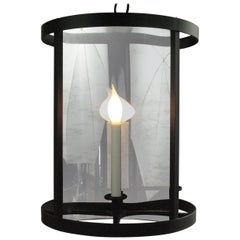
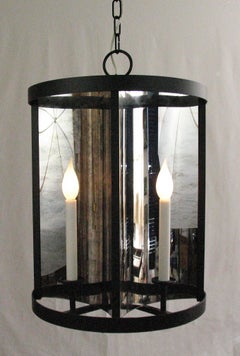
A pendant, lantern made of four curved, antiqued, silvered mirror glass that distort the candles reflections - like the funhouse, circus mirrors.
Steel
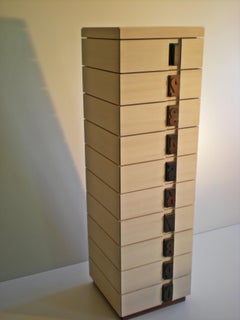
Drawer Tower "Excel" Solid Wood
By Eckehard Weimann
Located in Dietmannsried, Bavaria
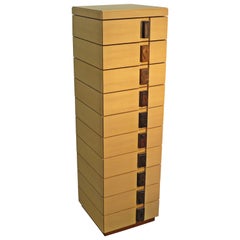
Handmade drawer tower made in Germany by Eckehard Weimann 10 drawers form the tower here Wood species finest narrow-fir wood Special features here are the handles: antique pamphl...
Wood
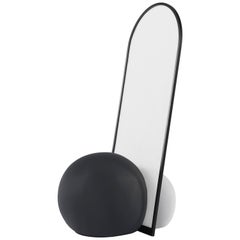

Unavailable
H 63 in W 25.2 in D 35.44 in
21st Century Rexalt Armchair in Sustainable Techno-Fabric by Alessandro Zambelli
By JCP UNIVERSE, Alessandro Zambelli
Located in Cantù, Lombardia
Two spheres meet each other on this surface, perceiving themselves through it, like an alternative reality distorted by a mirror. A wonder-object imbued with metaphysical concepts th...
Metal
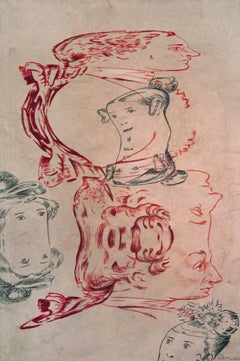
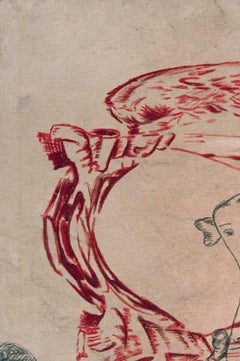
Encyclopedic Series No.8
By Brian Fekete
Located in Stowe, VT
Using an elegant palette of crimson reds and grays on textured, handmade paper, the artist has meticulously drawn a distorted, stretched mirror image of a man in profile wearing the ...
Handmade Paper, Color Pencil, Graphite


Encyclopedic Series No. 7
By Brian Fekete
Located in Stowe, VT
Using an elegant palette of crimson reds and grays on textured, handmade paper, the artist has meticulously drawn a distorted, stretched mirror image of a woman in profile with an el...
Handmade Paper, Color Pencil, Graphite


Encyclopedic Series No. 2
By Brian Fekete
Located in Stowe, VT
Using an elegant palette of crimson reds and grays on textured, handmade paper, the artist has meticulously drawn a distorted, stretched mirror image of a woman’s neck and elaborate ...
Handmade Paper, Color Pencil, Graphite
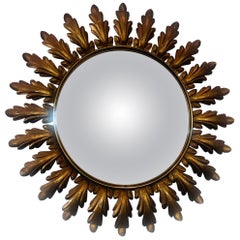

Midcentury French Oak Leaf Carved Mirror
Located in Daylesford, Victoria
Midcentury French oak leaf curved “Sorciere” mirror, referring to the distorted reflection, or “Magical” mirror.
Mirror
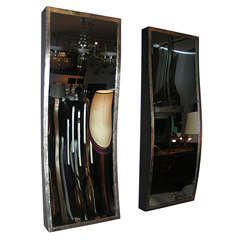
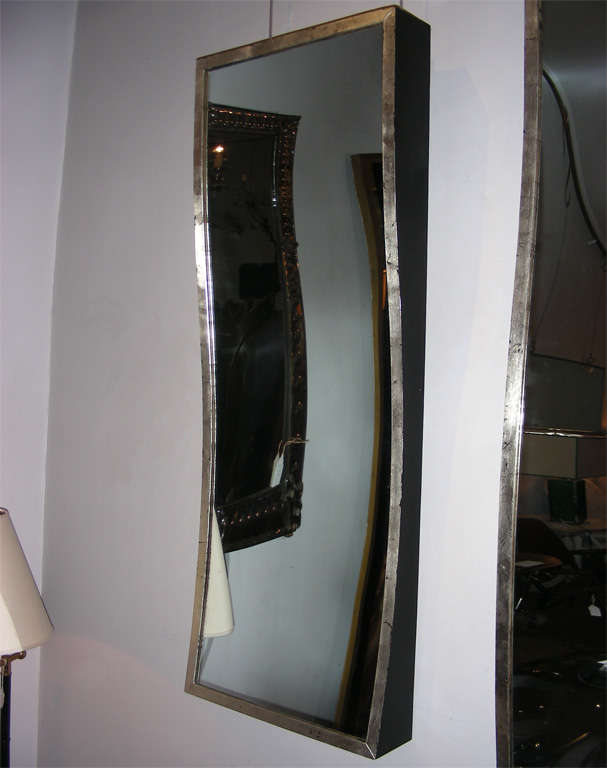
Two 1970s fun house Mirrors from a Fair
Located in Paris, FR
Two distorting mirrors from a fair, in painted black wood gilded with white gilding leaf.
Mirror, Wood
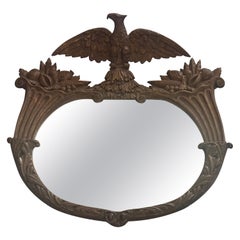
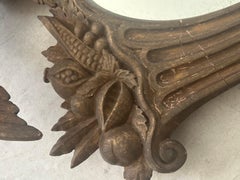
19th C. Federal Style Gilt Wood Mirror w/ Eagle & Cornucopias
Located in Farmingdale, NJ
Classic design element of the federal period (much like the convex mirror but without the distorted mirror)
Plaster
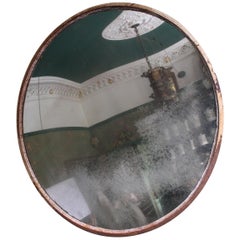

Large Scale Mid-20th Century Foxed Industrial Convex Railway Mirror
Located in Lowestoft, GB
heavy wear to the bottom third of the mirror giving it a ghostly distorted appearance The mirror plate has some minor pitting to the top two thirds approximate 125cm in diameter c...
Steel
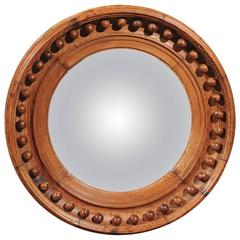
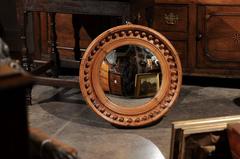
Sold
H 23.5 in W 23.5 in D 3.25 in
English Pine Girandole Convex Wall Mirror of Circular Shape from the Early 1800s
Located in Atlanta, GA
This early 19th century mirror features a particularly trendy convex mirror, slightly distorting the reflection of the person or objects placed in front of it.
Mirror, Pine
Romantic 19th Century Italian Framed Mirror
Located in Chicago, IL
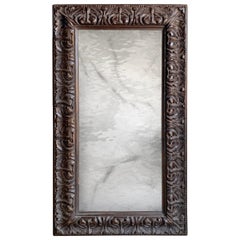
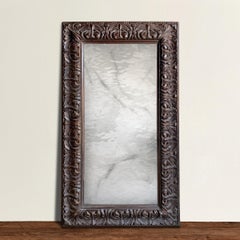
An outstanding and romantic 19th century Italian hand carved wood frame with a classical acanthus leaf motif and with a custom antiqued wavy glass mirror. From a distance, anything i...
Wood
Early 20th Century English Fairground Mirror
Located in London, GB
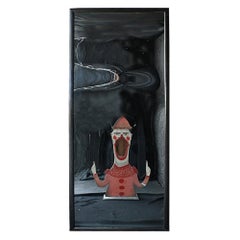
Early 20th Century English Fairground Mirror We love these early 20th century pine framed distorted English fairground mirrors.
Glass
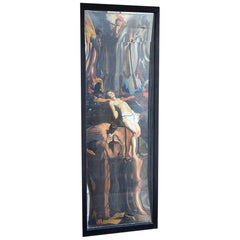
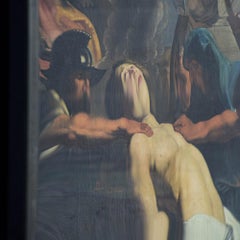
Early 20th Century English Glass Fairground Mirror
Located in London, GB
Early 20th century glass fairground mirror We are proud to offer an original early 20th century English fairground distortion mirror. single panel wooden back section, heavy glass d...
Blown Glass, Pine
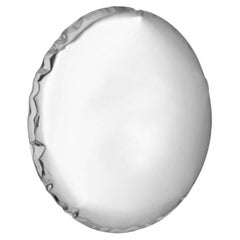
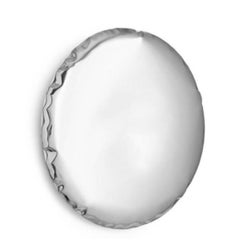
Stainless Steel Oko 95 Sculptural Wall Mirror by Zieta
By Zieta
Located in Geneve, CH
It will fit interiors arranged in a generously classical style. The distorted edges of the mirror are the effect of the manufacturing method Zieta Studio applies in their collection...
Stainless Steel
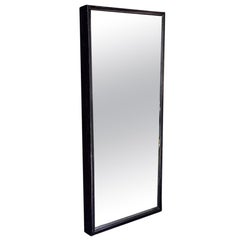
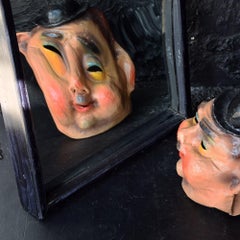
Early 20th Century English Glass Fairground Distortion Mirror
Located in London, GB
A wax finished ebonised frame. single panel wooden back section, heavy glass distorted wobbly reflection mirror original to the early 1920-1930, light sparkle and colour fading acros...
Glass
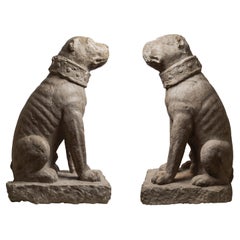
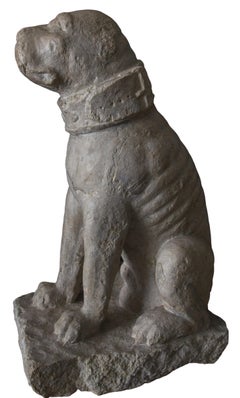
Rare Pair of Venetian Sitting Mastiffs Dogs
By Venetian School
Located in Bruxelles, BE
This Other, offers man his own reflection. Sometimes a distorting mirror, sometimes an exemplary representation, the animal world is subject to the same hierarchy that characterizes ...
Stone
Sold
H 22 in W 22 in D 1.25 in
Vintage Italian Midcentury Gilt Composition Sunburst Mirror with Convex Mirror
Located in Atlanta, GA
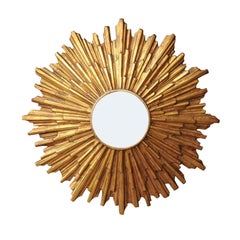
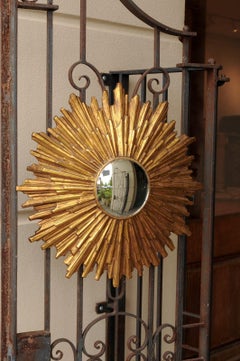
Born in the third quarter of the 20th century, this Italian sunburst mirror features a central convex mirror that distorts images beautifully.
Composition
Sold
H 21.75 in W 21.75 in D 3 in
English Regency Convex Giltwood Mirror with Ebonized Reeding, 19th Century
Located in Atlanta, GA
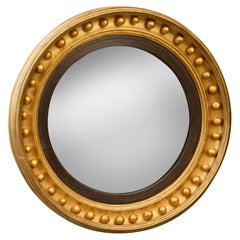
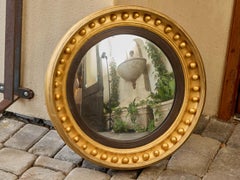
The inner border is encircled with ebonized reeded detailing, creating a bold contrast that draws the eye inward. The convex mirror surface subtly distorts reflections, offering a wi...
Mirror, Giltwood
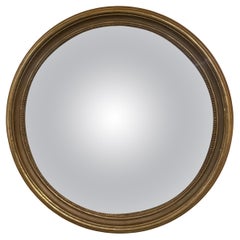

Large Round Called Witch Mirror From The 19th Century
Located in Brussels, Brussels
a very nice mirror called witch mirror with distorting glass from the end of the 19th century Very beautiful carved wooden mirror in superb condition with a beautiful patina
Glass
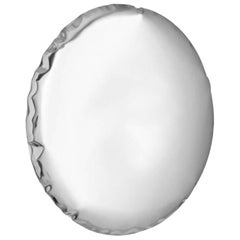

Stainless Steel Oko 95 Sculptural Wall Mirror by Zieta
By Zieta
Located in Geneve, CH
It will fit interiors arranged in a generously classical style. The distorted edges of the mirror are the effect of the manufacturing method Zieta Studio applies in their collection...
Stainless Steel


Stainless Steel Oko 95 Sculptural Wall Mirror by Zieta
By Zieta
Located in Geneve, CH
It will fit interiors arranged in a generously classical style. The distorted edges of the mirror are the effect of the manufacturing method Zieta Studio applies in their collecti...
Stainless Steel


Stainless Steel Oko 95 Sculptural Wall Mirror by Zieta
By Zieta
Located in Geneve, CH
It will fit interiors arranged in a generously classical style. The distorted edges of the mirror are the effect of the manufacturing method Zieta Studio applies in their collecti...
Stainless Steel
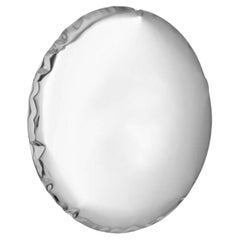

Stainless Steel Oko 75 Sculptural Wall Mirror by Zieta
By Zieta
Located in Geneve, CH
It will fit interiors arranged in a generously classical style. The distorted edges of the mirror are the effect of the manufacturing method Zieta Studio applies in their collection...
Stainless Steel
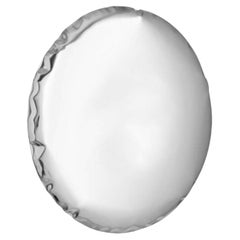

Stainless Steel Oko 120 Sculptural Wall Mirror by Zieta
By Zieta
Located in Geneve, CH
It will fit interiors arranged in a generously classical style. The distorted edges of the mirror are the effect of the manufacturing method Zieta Studio applies in their collecti...
Steel, Stainless Steel


Deep Space Blue Oko 120 Sculptural Wall Mirror by Zieta
By Zieta
Located in Geneve, CH
It will fit interiors arranged in a generously classical style. The distorted edges of the mirror are the effect of the manufacturing method Zieta Studio applies in their collection...
Stainless Steel
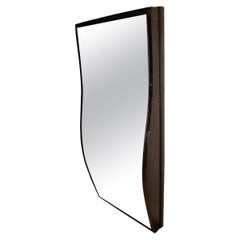

Carnival Mirror from Coney Island
Located in New York, NY
Measuring 32 inches in width, 9 inches in depth, and standing 71 inches tall, it is a uniquely shaped mirror that distorts and twists reflections in a playful and entertaining way.
Wood
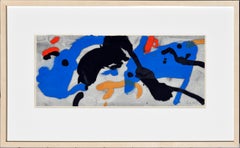

Outside 2
By Jim Bird
Located in Soquel, CA
The problem is that it never is quite true and the image we see is distorted, but, before dismissing one mirror for another, judgment should be suspended, as mostly the unconscious r...
Acrylic, Rag Paper
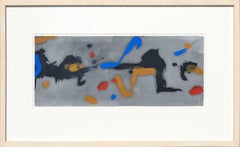
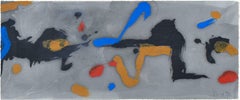
Outside 3 Abstract
By Jim Bird
Located in Soquel, CA
The problem is that it never is quite true and the image we see is distorted, but, before dismissing one mirror for another, judgment should be suspended, as mostly the unconscious r...
Acrylic, Rag Paper
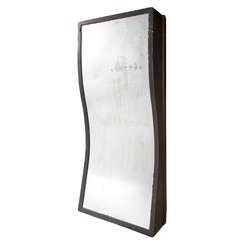
Fun House Mirror
Located in San Francisco, CA
Ebonized wood frame with distorted mirror looking plate. All Sales Final - No Additional Discount
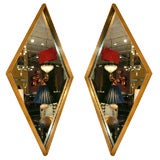

Pair of Diamond Shaped Mirrors
Located in New York, NY
Glamorous pair of diamond shaped mirrors in gold leaf frames. Note: the photo shows the mirrors slightly distorted-they actually have a perfect form.
Gold Leaf
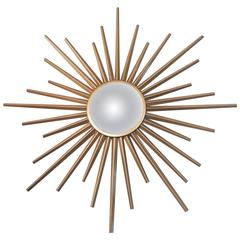

French Mid-Century Convex Chaty Vallauris Sunburst Mirror
By Chaty Vallauris
Located in Daylesford, Victoria
Being a curved mirror, images are distorted, hence the French name of “Sorceries’ Mirror”.

The Vessel II
By Kai Samuels-Davis
Located in San Francisco, CA
It is therefore unsurprising that he refers to his paintings as distorted mirrors, for although they don’t serve as self-portraits, they are deeply influenced by and reflective of hi...
Wood Panel, Oil

The Search, Beginning
By Kai Samuels-Davis
Located in San Francisco, CA
It is therefore unsurprising that he refers to his paintings as distorted mirrors, for although they don’t serve as self-portraits, they are deeply influenced by and reflective of hi...
Wood Panel, Oil

Static Gaze
By Kai Samuels-Davis
Located in San Francisco, CA
It is therefore unsurprising that he refers to his paintings as distorted mirrors, for although they don’t serve as self-portraits, they are deeply influenced by and reflective of hi...
Wood Panel, Oil

On Darkened Stages
By Kai Samuels-Davis
Located in San Francisco, CA
It is therefore unsurprising that he refers to his paintings as distorted mirrors, for although they don’t serve as self-portraits, they are deeply influenced by and reflective of hi...
Wood Panel, Oil
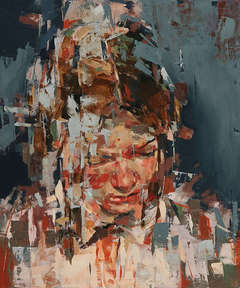
The Collapse
By Kai Samuels-Davis
Located in San Francisco, CA
It is therefore unsurprising that he refers to his paintings as distorted mirrors, for although they don’t serve as self-portraits, they are deeply influenced by and reflective of hi...
Wood Panel, Oil
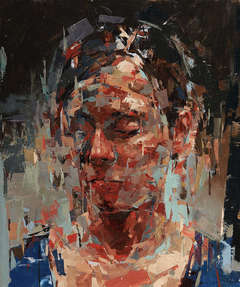
A Drift
By Kai Samuels-Davis
Located in San Francisco, CA
It is therefore unsurprising that he refers to his paintings as distorted mirrors, for although they don’t serve as self-portraits, they are deeply influenced by and reflective of hi...
Wood Panel, Oil
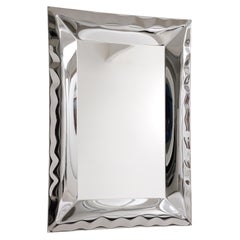
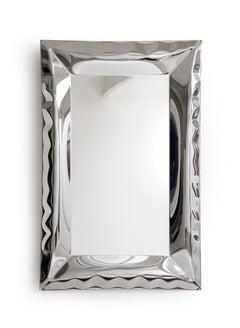
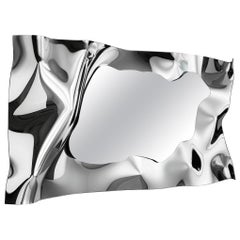
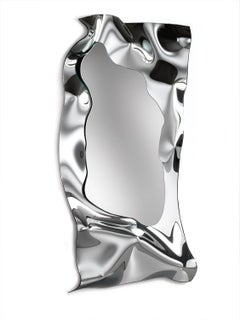
'Ghost' inflated metal medium mirror, stainless steel
By Stephen Newby
Located in Newcastle Upon Tyne, GB
Inflated metal wall mirror, made from an uninterrupted sheet of highly mirror polished stainless steel. The flat central area forms a clear reflective mirror when up close, as you m...
Metal, Steel, Stainless Steel
$6,594 / item
H 39.38 in W 76.78 in D 9.06 in
Fiam Italia Christine Mirror by Helidon Xhixha & Dante O. Benini Luca
By Helidon Xhixha & Dante O. Benini - Luca Gonzo, FIAM
Located in New York, NY
Wall mirror in 6 mm high temperature melted glass, back-silvered. 5 mm flat mirror. Rear frame in painted metal. It can be hung in various positions. “The mirror”: it has always be...
Metal
Antique English Convex Mirror
Located in Nashville, TN
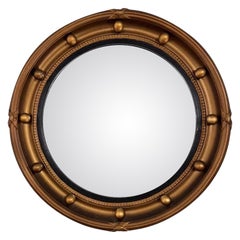
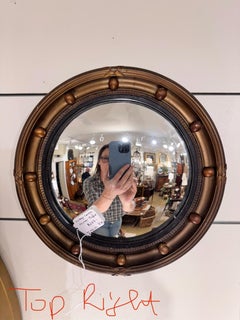
This all original English Regency mirror would be right at home in the interior design styles of today. Fitted with hand-carved spherical knobs in the gold giltwood frame, the mirror...
Mirror
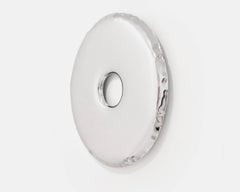
$4,440 / item
H 2.37 in Dm 59.06 in
Contemporary Mirror 'Rondo 150' in Polished Stainless Steel by Zieta
By Zieta, Oskar Zieta
Located in Paris, IDF
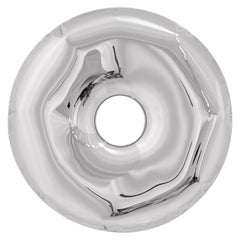
"Rondo" contemporary mirror by Zieta Original Zieta mirror, delivered with certificate. Stainless steel Measures: 150 cm diameter, 6 cm depth Zieta is best known for his collecti...
Stainless Steel
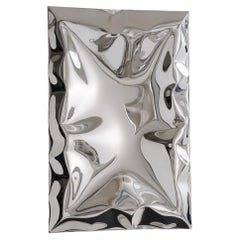
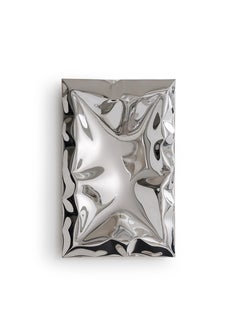
'Crush' inflated metal wall piece medium, stainless steel
By Stephen Newby
Located in Newcastle Upon Tyne, GB
Inflated metal wall artwork, made from highly mirror polished stainless steel. The inflating metal is restricted in areas during forming to create a unique ‘crushed’ aesthetic. As yo...
Metal, Steel, Stainless Steel
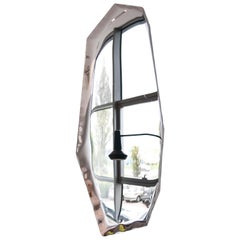
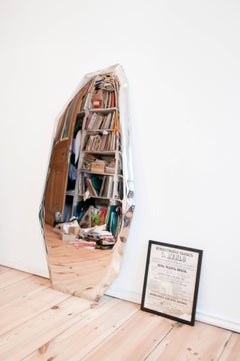
Mirror 'Tafla C4' in Polished Stainless Steel by Zieta
By Zieta
Located in Paris, IDF
"Tafla C4" contemporary mirror by Zieta Original Zieta mirror, delivered with certificate. Stainless steel Measures: 100x50x6cm Zieta is best known for his collection of stools “...
Stainless Steel
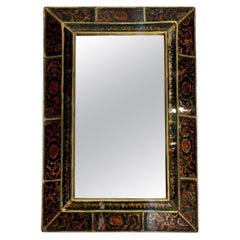
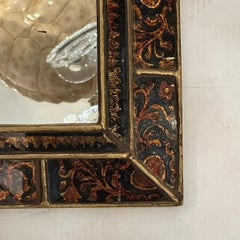
Vintage Venetian Mirror
Located in New York, NY
A circa 1950's Italian mirror with reverse painted decoration. Measurements: Height: 24" Width: 16" Depth: 2"
Mirror
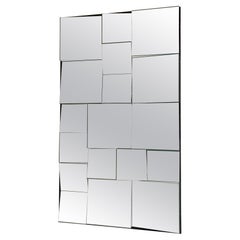
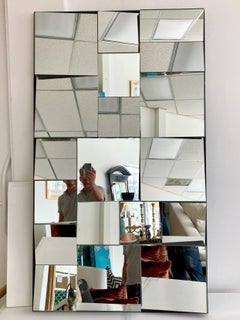
Neal Small Mirrored Art Sculpture - Wall Mounted
By Neal Small
Located in Los Angeles, CA
Neal Small mirrored art sculpture with wall mount bracket. Unusual rectangular shape and can be installed horizontal or vertical. Add some serious modern style to your home.
Glass, Mirror

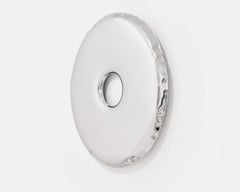
$1,730 / item
H 29.53 in W 29.53 in D 2.37 in
Contemporary Mirror 'Rondo 75' in Polished Stainless Steel by Zieta, In Stock
By Zieta
Located in Paris, IDF
"Rondo 75" contemporary mirror by Zieta Original Zieta mirror, delivered with certificate. Stainless steel 75 cm diameter, 6 cm depth .... Zieta is best known for his collection o...
Stainless Steel
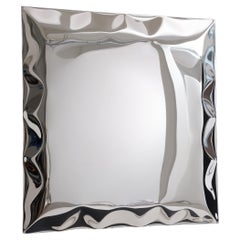
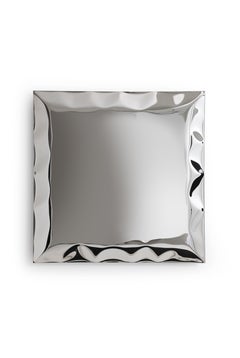
'Big Wave' inflated metal square mirror, stainless steel
By Stephen Newby
Located in Newcastle Upon Tyne, GB
Inflated metal wall mirror, made from an uninterrupted sheet of highly mirror polished stainless steel. The flat central area forms a clear, reflective mirror that remains optically ...
Metal, Steel, Stainless Steel
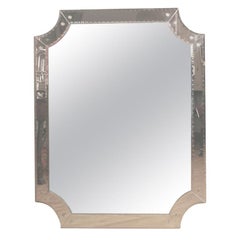
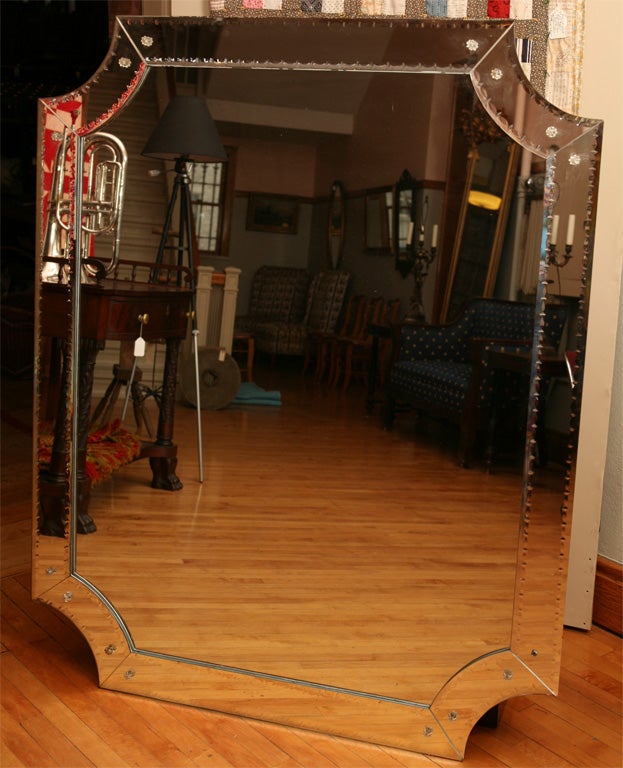
Mid Century Italian Mirror
Located in Hudson, NY
This very dramatic large modern mirror has circle cut corners and excellent but restained engraving to the mirror border frame. The engraving is in the form of an elongated oval with...
Mirror
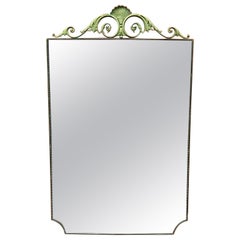
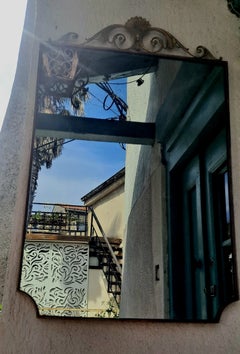
Italian Wall Mirror
Located in Los Angeles, CA
Italian brass mirror it is Neoclassical style from the 1950s.
Brass
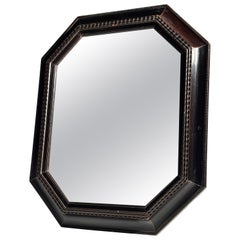
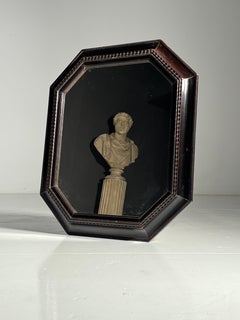
Vintage Ripple Frame mirror
Located in MILL, NL
Vintage Ripple-framed mirror. Octagonal shape, dark brown/black in colour. Only slight signs of wear, as expected for its age. Dimensions: 63H x 54W x 6D cm
Mirror, Wood
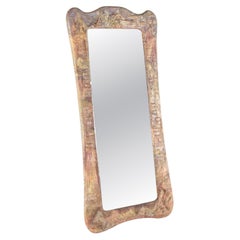

Large leather mirror
Located in Isle Sur Sorgue, FR
Large vintage leather mirror. Landscapes and colours make this mirror very unique. Beveled mirror. Great condition, very decorative.
Leather
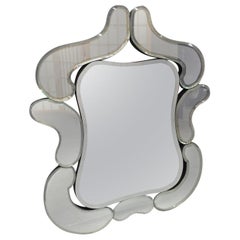
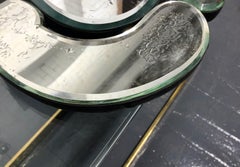
Italian Venetian Style Mirror
Located in New York, NY
Italian Venetian style mirror. Mirror is beveled.
Mirror
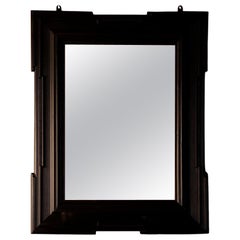
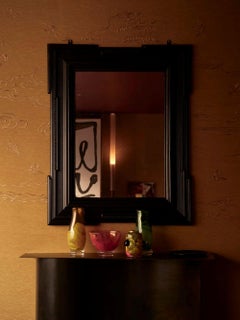
Antique Mirror I
Located in London, GB
This antique wall mirror exemplifies the refined craftsmanship and architectural presence associated with late 19th to early 20th century decorative arts. The frame is constructed fr...
Wood
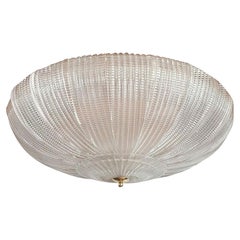
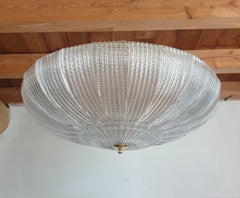
Murano glass Mid Century Modern Flush Mount
By Mazzega
Located in Dallas, TX
Mid Century Modern large flush mount chandelier, by Mazzega Murano, Italy 1980s. The large vintage flush mount is made of clear Murano glass, with a geometrical pattern, making the g...
Brass
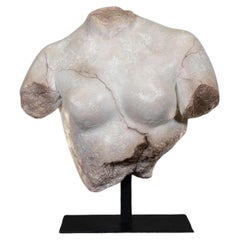
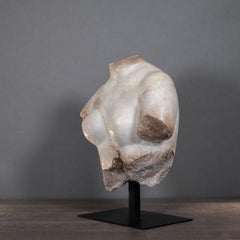
Sculpture, Hellenistic Female Bust.
Located in Saint-Ouen, FR
Sculpture, Hellenistic female bust. A magnificent reproduction of a fragment of a female bust, delicately evoking the ideal of classical beauty. The unfinished, deliberately rough a...
Resin
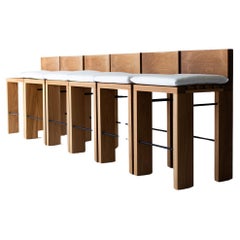
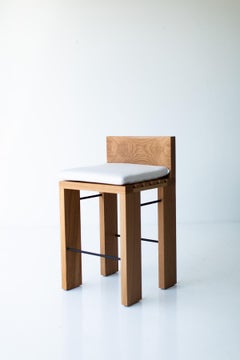
Bertu Counter Stools, White Oak Counter Stool, Chile Stool
By Bertu Furniture
Located in Oak Harbor, OH
Bertu Counter Stools, White Oak Counter Stool, Chile Stool This White Oak Chile Counter Stool is beautifully constructed from solid wood in Ohio, USA. The stool is chunky and modern...
Wood, Oak
$4,873
H 16.74 in W 11.03 in D 6.3 in
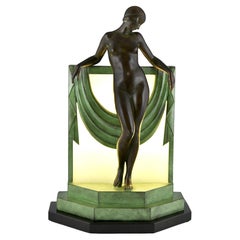
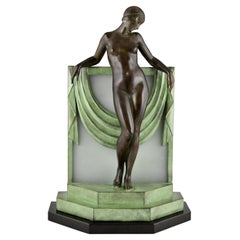
Art Deco Style Lamp Nude with Scarf by Fayral for Max Le Verrier Séréntité
By Pierre Le Faguays, Max Le Verrier
Located in Antwerp, BE
Art Deco style lamp sculpture nude with scarf SERENITE signed Fayral, pseudonym of Pierre Le Faguays. Patinated metal on marble base, frosted glass. Design ca. 1930. Posthumous cont...
Marble, Metal


$2,866
H 16.54 in W 11.82 in D 0.08 in
Sophie - Signed limited edition nude print, Black white, Naked woman, Portrait
By Ian Sanderson
Located in Sant Cugat del Vallès, Barcelona
Sophie - Signed limited edition archival pigment print, 1995 - Edition of 10 A classical approach, sensual not sexual This image was captured on film. This print that is bein...
Archival Paper, Archival Pigment, Black and White, Photographic Film, Pi...
$1,100 / item
H 9 in W 48 in D 40 in
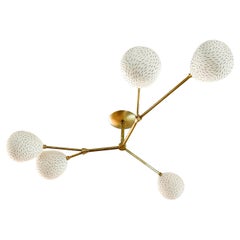
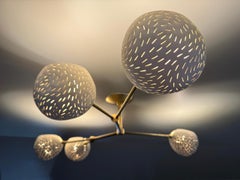
Vine Five: Semi-Flush Mount Chandelier, Sculptural Lighting, Brass, Ceramic
By lightexture
Located in Troy, NY
The Vine Chandelier is perfect for low-ceiling spaces. Handcrafted ceramic shades branch beautifully from a central brushed brass frame to create a vine-like silhouette and provide s...
Brass
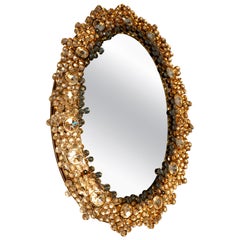
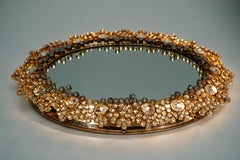
Outstanding Oval Illuminated Palwa Crystal Glass Mirror
By Palwa
Located in Antwerp, BE
1970s illuminated oval mirror surrounded by a gold gilded frame that has numerous cut crystals. Eight E14 bulbs. Amazing oval gilt brass metal crystal glass backlit wall mirror made...
Crystal, Brass
$5,045
H 27.96 in W 46.07 in D 20.48 in
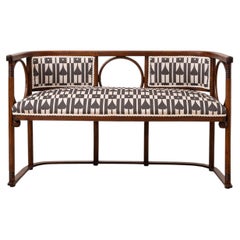
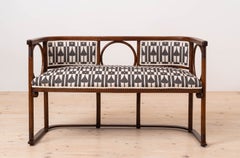
Josef Hoffmann Attributed Vienna Secession Bentwood Bench or Settee, circa 1910
By Thonet-Mundus, Josef Hoffmann
Located in Wrocław, Poland
This exceptional bentwood bench settee was made in early 20th century and is attributed to Josef Hoffmann designed for Thonet - Mundus. This model appeared in the catalog in 1907, an...
Beech, Bentwood
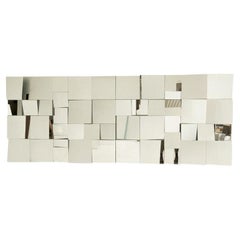
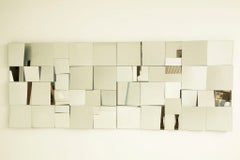
Neal Smalls "Slopes" Mirror Wall
By Converso, Neal Small
Located in Chicago, IL
Neal Small Slopes Mirror Wall, faceted wall sculpture, Classic design. These are "The Original" authorized edition This version can be displayed horizontal (image one) or vertically ...
Mirror, Wood
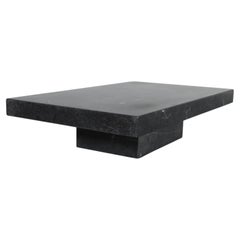
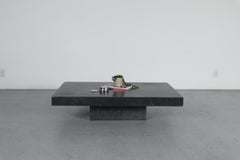
1980s Extra-Large Granite Coffee Table with Pedestal Base
Located in Los Angeles, CA
Monumental coffee table produced in the Netherlands during the 1980s demonstrates the period's embrace of raw, elemental materials. The design relies on pure geometric forms: a thick...
Stone, Granite
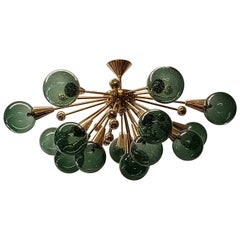
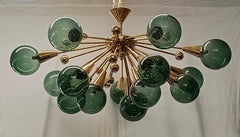
Murano Sputnik Spherical Green Glass and Brass Chandelier
Located in Roma, Lazio
A fantastic emerald green sputnik, with a surprising design and for its very low height, which allows it to fit in both high and low ceilings. Very elegant, it will furnish and decor...
Brass
$6,749 / set
H 32.29 in W 21.66 in D 19.69 in
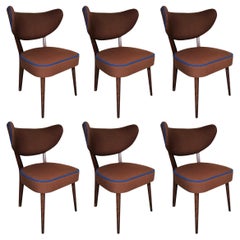
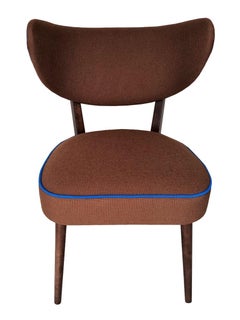
Set of Six Shell Dining Chairs, Brown FR Fabric, by Vintola Studio, Europe
Located in 05-080 Hornowek, PL
Springy, very comfortable and stabile club seats. They are contemporary chairs inspired of 1960s style. They can be used as armchairs and dining chairs. Chair was designed by Vint...
Velvet, Beech
$2,850
H 75 in W 35.25 in D 13.25 in
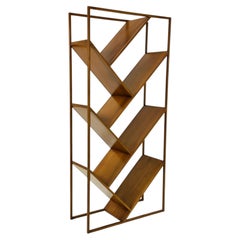
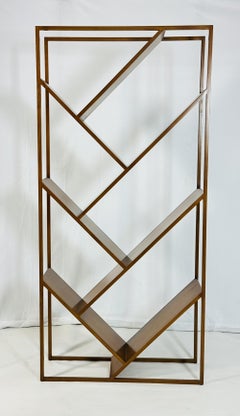
Danish Modern Geometric Wood Étagère Open Display Bookcase, Mid-Century Style
By Mostly Danish Furniture
Located in Los Angeles, CA
Geometric étagère and open display bookcase, distinguished by its architectural silhouette, sculptural framework, and dramatic intersecting diagonal shelves. The warm wood finish and...
Wood

$2,745
H 29.14 in W 18.51 in D 18.12 in
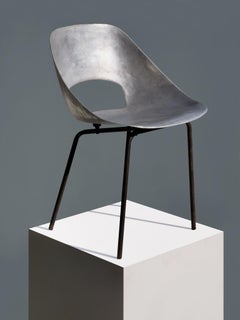
A MID-CENTURY-MODERN "Tonneau" CHAIR by PIERRE GUARICHE, STEINER, France 1950
By Steiner, Pierre Guariche
Located in PARIS, FR
A single and real iconic chair : the Modernist, Free Form, Mid-Century-Modern, Reconstruction, "Tonneau" chair in its finest aluminium version : 4 legs in black lacquered tubular met...
Metal, Aluminum
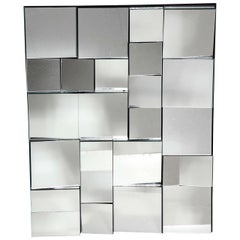
$5,000
H 29 in W 22.5 in D 2 in
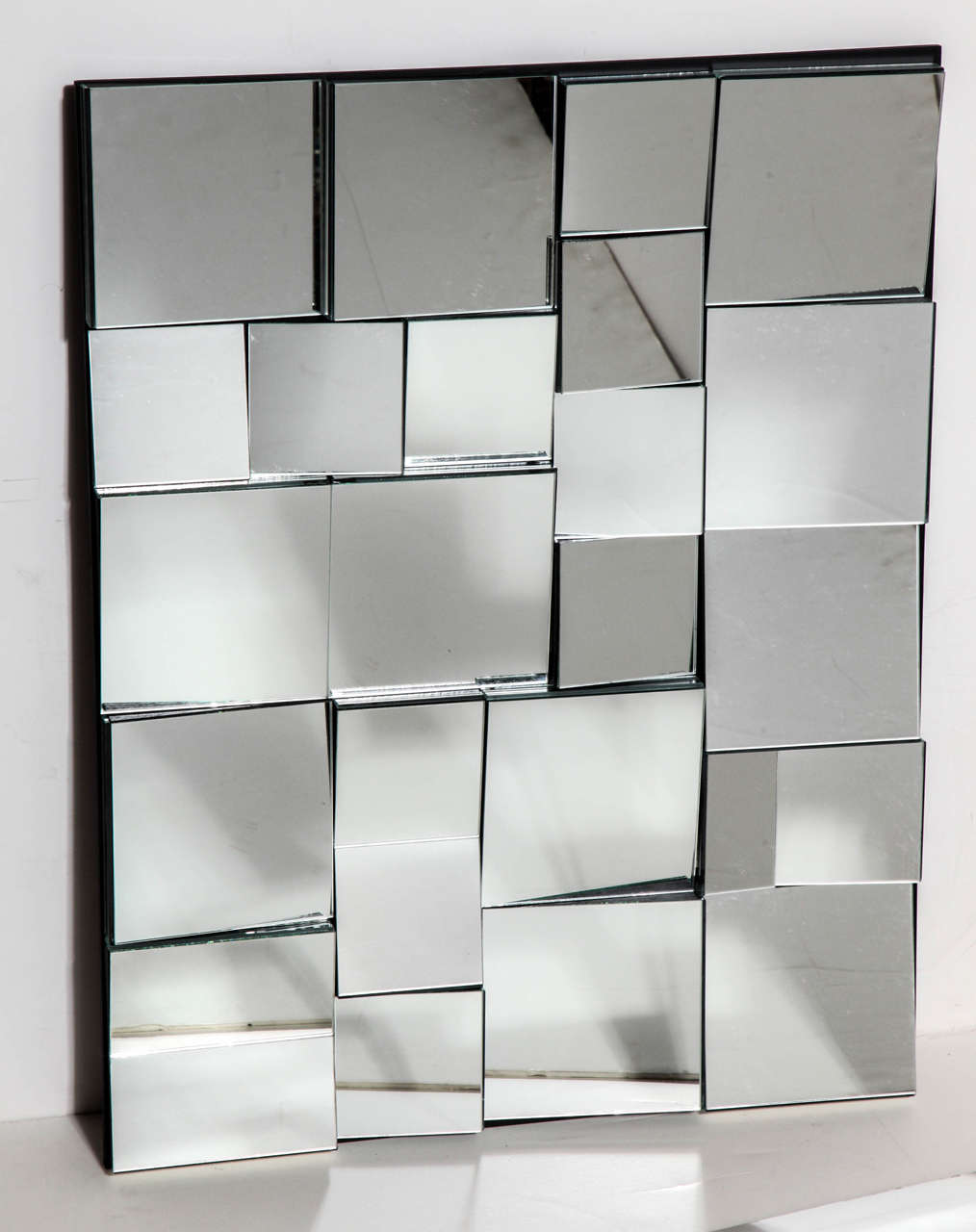
Limited Edition Neal Small Smaller Faceted "Slopes" Mirror, Circa 2000
By Neal Small
Located in Bainbridge, NY
Neal Small faceted Smaller Slopes Mirror from 2000 Limited Edition Series of 35. Features multiple Mirror shapes on Black lacquered Wood frame. Number 25 in the series of 35. Hang ho...
Mirror, Wood
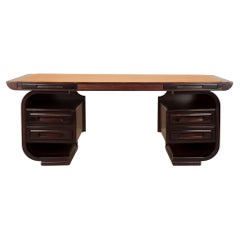
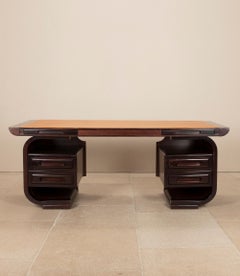
20th Century Italian Art Deco Desk
Located in Gloucestershire, GB
Stunning 20th Century Italian Art Deco Desk in palisander wood.
Palisander
In "Object Permanence 4," on view at the 1stdibs Gallery, Emma Holland Denvir and Leah Ring have brought together pieces that range from polished to playful.
A new generation of creative minds is reinventing the use of clay through sculptural forms and bold ideas.
Leading talents tell us what goes into their mirrored creations and where to put them on a wall.
These are the fairest of them all.