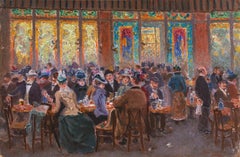
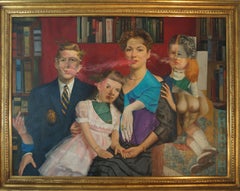
On 1stDibs, you can find the most appropriate donna marecak for your needs in our varied inventory. You can easily find an example made in the
modern style, while we also have 8
modern versions to choose from as well. Finding the perfect donna marecak may mean sifting through those created during different time periods — you can find an early version that dates to the 20th Century and a newer variation that were made as recently as the 20th Century. Adding a donna marecak to a room that is mostly decorated in warm neutral tones can yield a welcome change — find a piece on 1stDibs that incorporates elements of
black,
brown,
gray,
pink and more. Frequently made by artists working in
paint,
oil paint and
fabric, these artworks are unique and have attracted attention over the years.
A donna marecak can differ in price owing to various characteristics — the average selling price for items in our inventory is $4,200, while the lowest priced sells for $1,650 and the highest can go for as much as $12,750.
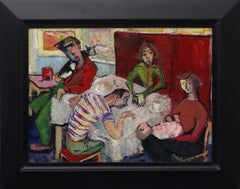
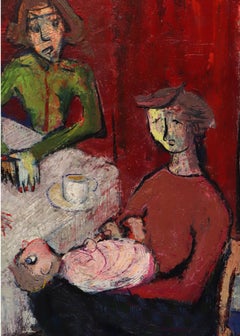
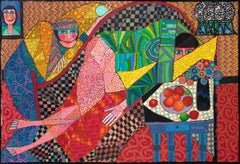
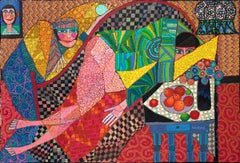
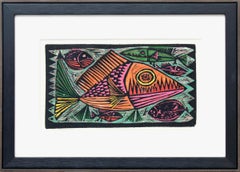
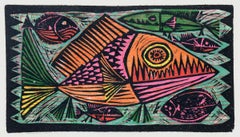
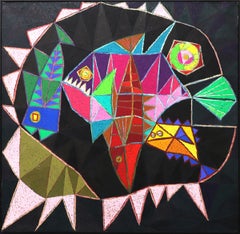
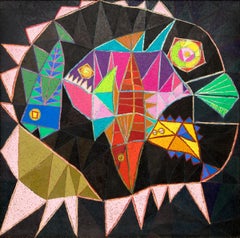
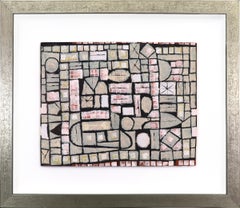
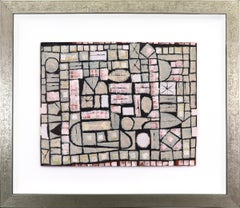
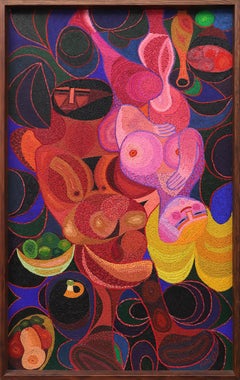
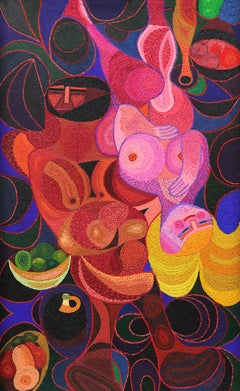
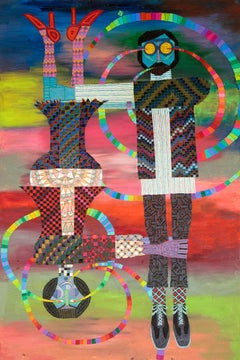
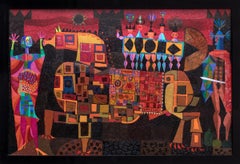
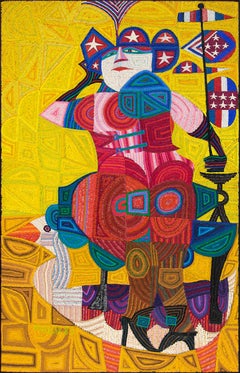
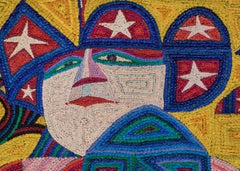
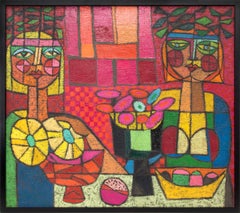
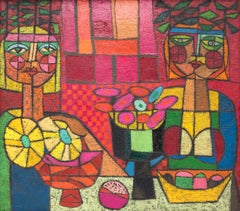
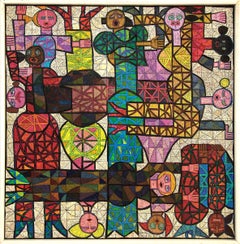
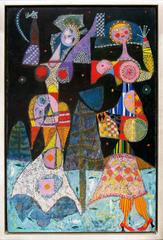
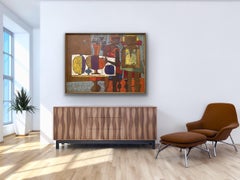
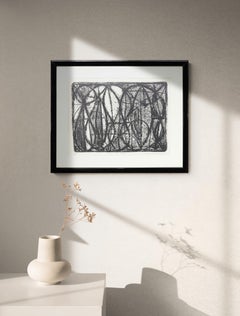
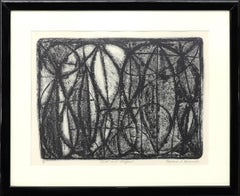
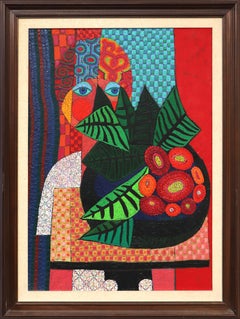
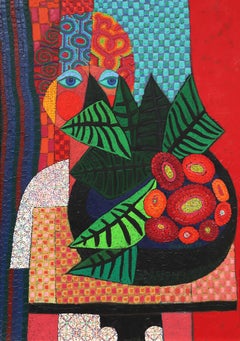
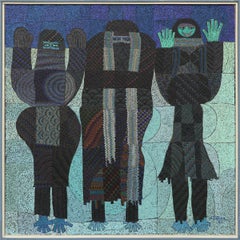
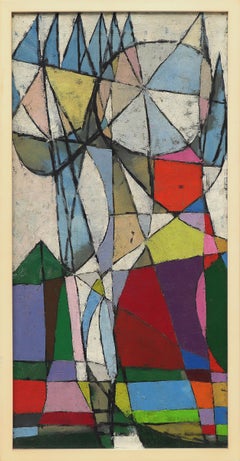
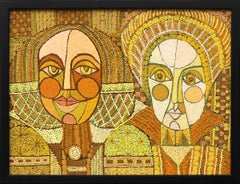
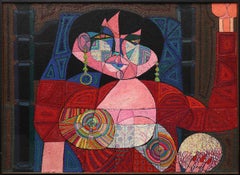
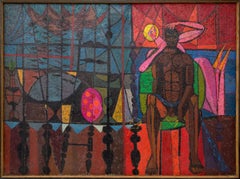
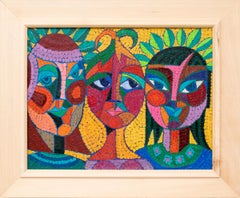
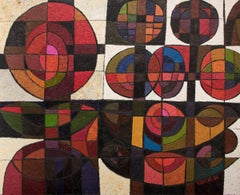
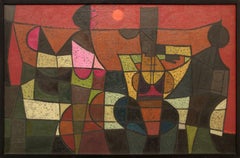
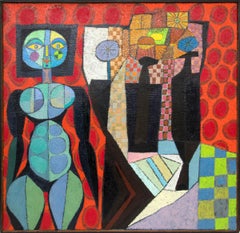
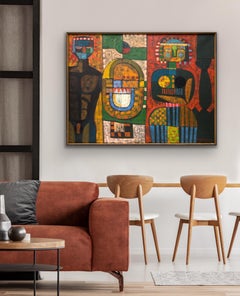
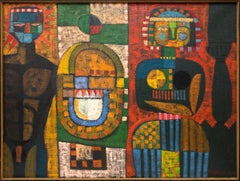
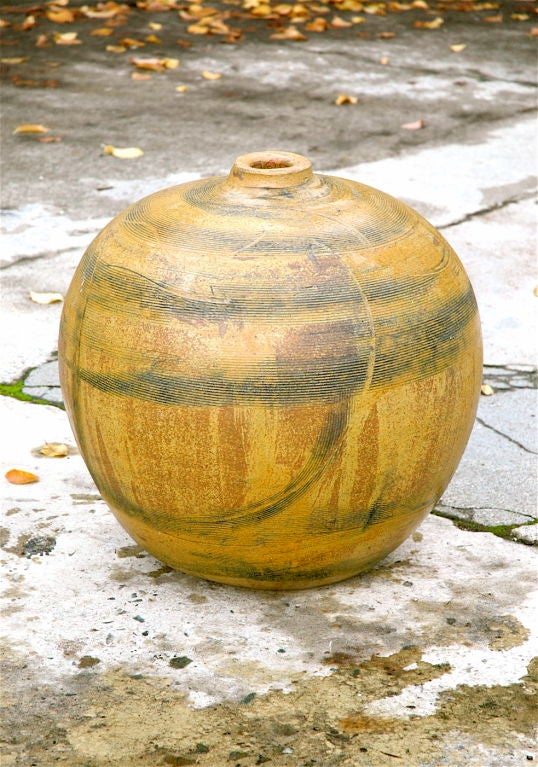
Edward Marecak was an American painter who was born in 1919. Growing up in the farming community of Brunswick, Ohio, he showed early artistic promise, hired by the National Youth Administration to document historic barns. In 1946, Marecak came to the Colorado Springs Fine Arts Center for a year and after a semester interlude at Cranbrook returned to study lithography with Lawrence Barrett. There he also met his future wife and sometime collaborator, ceramicist Theresa Madonna Fortin. Given the opportunity to teach a summer course at the University of Colorado, he decided to obtain a teaching certificate at the University of Denver and subsequently embarked on his 25-year career in the Denver Public School system. Rather than pursue fame, Edward Marecak directed his zeal toward fostering younger generations in the principles of art as well as his simple philosophies. Moreover, his teaching salary allowed him to ply his prodigious talent at whatever he pleased, instead of bending to the dictates of trends and sales. Having inherited his faith in education from his Slovakian immigrant parents, Marecak could add the shaping of lives to his mastery of art forms, including lithographs, monoprints, drawings, hooked rugs, ceramics, paintings, wood sculptures, stained-glass windows and jewelry. While exhibiting in his lifetime, he was, in his wife’s words, “his own greatest collector”, but shows and his popularity at the Kirkland Museum have positioned Marecak posthumously among Colorado’s pre-eminent modernists. As a child, Marecak was enthralled by the Carpathian tales of magic and supernatural beings told by his grandmother. As with other artists with roots in Eastern Europe, his artistic turn to folk tradition would free him from learned practices of perspective and modeling in favor of flat patterns within patterns and brilliant, throbbing color. While others ventured further into abstraction, Marecak stylized figurative elements into crowded compositions that appeared like a mosaic or stained glass. As he matured, he could declare, “I am still very much a Byzantine designer and my joy with what color can do grows all the time”. The traceries of strong outlines and bold shapes provide compartments for vibrant colors, contrasts and rough textures that can scarcely be contained. The Kirkland Museum staged a retrospective of Edward and Donna Marecak in 2007.
Painting is an art form that has spanned innumerable cultures, with artists using the medium to tell stories, explore and communicate ideas and express themselves. To bring abstract paintings, landscape paintings, still-life paintings and other original paintings into your home is to celebrate and share in the long tradition of this discipline.
When we look at paintings, particularly those that originated in the past, we learn about history, other cultures and countries of the world. Like every other work of art, paintings — whether they are contemporary creations or works that were made during the 19th century — can often help us clearly see and understand the world around us in a meaningful and interesting way.
Cave walls were the canvases for what were arguably the world’s first landscape paintings, which depict natural scenery through art. Portrait paintings and drawings, which, along with sculpture, were how someone’s appearance was recorded prior to the advent of photography, are at least as old as Ancient Egypt. In the Netherlands, landscapes were a major theme for painters as early as the 1500s. Later, artists in Greece, Rome and elsewhere created vast wall paintings to decorate stately homes, churches and tombs.
Today, creating a wall of art is a wonderful way to enhance your space, showcase beautiful pieces and tie an interior design together.
No matter your preference, whether you favor Post-Impressionist paintings, animal paintings, Surrealism, Pop art or another movement or specific period, arranging art on a blank wall allows you to evoke emotions in a room while also showing off your tastes and interests. A symmetrical wall arrangement may comprise a grid of four to six pieces or, for an odd number of works, a horizontal row. Asymmetrical arrangements, which may be small clusters of art or large, salon-style gallery walls, have a more collected and eclectic feel.
Download the 1stDibs app, which includes a handy “View on Wall” feature that allows you to see how a particular artwork will look on a particular wall, and read about how to arrange wall art. And if you’re searching for the perfect palette for your interior design project, what better place to turn than to the art world’s masters of color?
On 1stDibs, you’ll find an expansive collection of paintings and other fine art for your home or office. Browse abstract paintings, portrait paintings, paintings by emerging artists and more today.