Items Similar to Talavera Mural Azulejo Tile Folk Contemporary Mexican Ceramic Blue White Mosaic
Want more images or videos?
Request additional images or videos from the seller
1 of 6
Talavera Mural Azulejo Tile Folk Contemporary Mexican Ceramic Blue White Mosaic
About the Item
This contemporary azulejo tile forms a mosaic perfect for kitchen decorations or any exterior space. Made with the Talavera technique. Artist, Cesar Torres portraits the colonial art of Mexico, but this time with a contemporary touch. This wall decoration can be arranged to fit specific spaces or simply hanged as a painting on the wall.
The Talavera is not just a simple painted ceramic: its exquisite decoration is the product of a delicate process of alchemy that translates into fine enamels. In Puebla, Mexico few people still produce using Talavera with the ancestral techniques.
One of those few is Cesar Torres, Don Cesar learned his art in the workshop of the Uriarte family, an excellent workshop where his grandfather worked. In his creations he uses the black and white mud that is obtained from the nearby hills of Loreto and Guadalupe, and colors of mineral origin that he creates in his workshop with recipes from his grandfather.
All the pieces are modeled in a traditional way and go through a production process that usually takes from one to two months, between drying, burning, and painting.
Being surrounded by a living tradition, Cesar Torres Jr., learned from his father since childhood. Architect by profession, Cesar Jr. has come to revolutionize and modernize with new designs and ideas of the current world, nevertheless always respecting the tradition of the processes and materials that make Talavera a Creole art.
To this day, father and son together join forces to unite their ideas and leave both tradition and contemporary ideas in an ancestral art.
This piece has been crafted with natural clays and enamels, always conserving the traditional, method dating back to the 19th century. Handmade by master artisan Cesar Torres in Puebla, Mexico
Talavera's history:
Originates in Baghdad in the 9th century. The Arabs with the desire to imitate the Chinese ceramic that came to that area, discover this ingenious technique. They transported to Spain during the invasion of the moors and subsequently set roots in Mexico with the Spanish conquest in the 16th century.
- Creator:Cesar (Artist)
- Dimensions:Height: 3.94 in (10 cm)Width: 3.94 in (10 cm)Depth: 1.19 in (3 cm)
- Style:Spanish Colonial (In the Style Of)
- Materials and Techniques:
- Place of Origin:
- Period:
- Date of Manufacture:circa 2010
- Production Type:New & Custom(Current Production)
- Estimated Production Time:4-5 weeks
- Condition:
- Seller Location:Queretaro, MX
- Reference Number:1stDibs: LU3057332691362
The price is per tile
About the Seller
5.0
Vetted Seller
These experienced sellers undergo a comprehensive evaluation by our team of in-house experts.
Established in 2017
1stDibs seller since 2017
96 sales on 1stDibs
Typical response time: 21 hours
- ShippingRetrieving quote...Ships From: Puebla , Mexico
- Return PolicyA return for this item may be initiated within 14 days of delivery.
More From This SellerView All
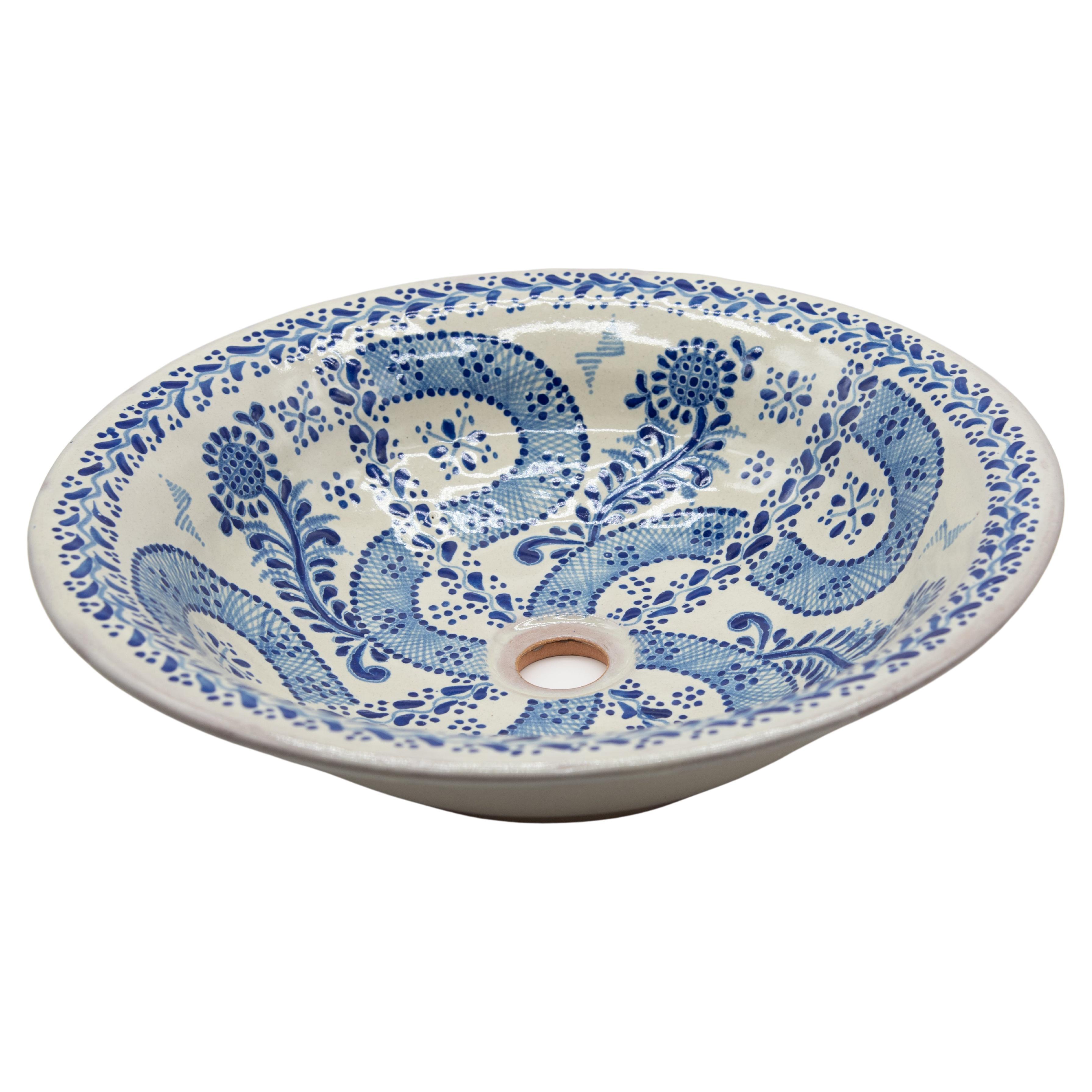
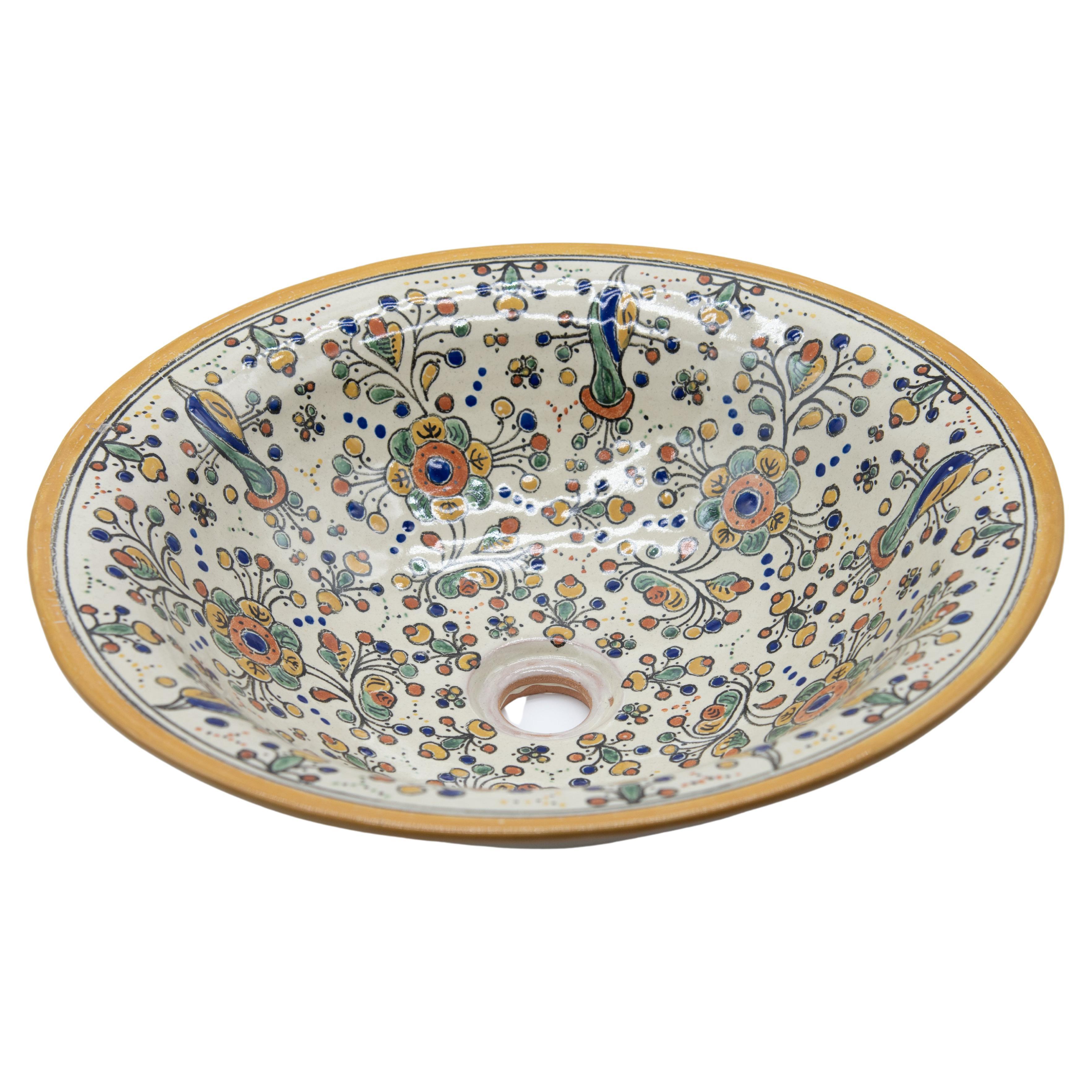
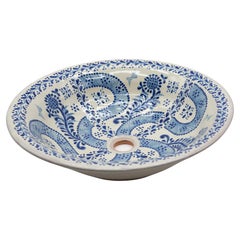
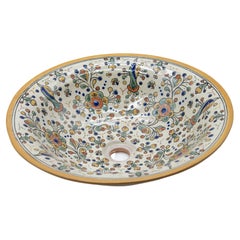
- Talavera Decorative Lavabo Sink Folk Art Mexican Ceramic Blue WhiteBy CesarLocated in Queretaro, QueretaroElegant white and blue sink lavabo made with the Talavera technique. Artist, Cesar Torres portraits the colonial art of Mexico. The Talavera is not just a simple painted ceramic:...Category
21st Century and Contemporary Mexican Spanish Colonial Ceramics
MaterialsCeramic, Clay, Majolica
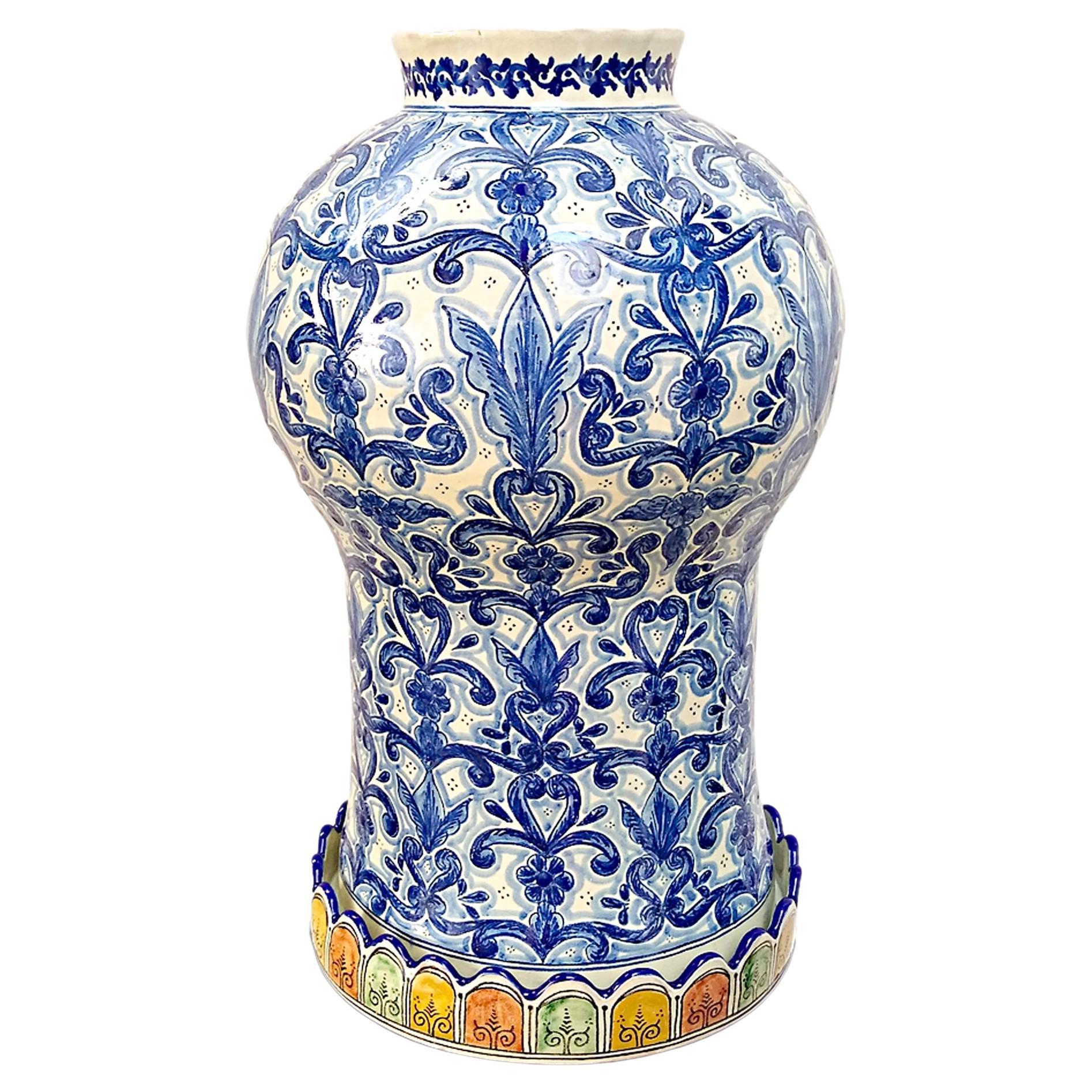
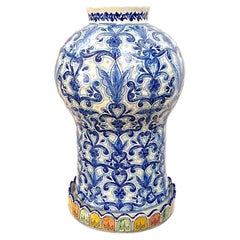
- Talavera Jar Decorative Vase Folk Art Vessel Mexican Ceramic Blue WhiteBy CesarLocated in Queretaro, QueretaroElegant white and blue jar made with the authentic Talavera technique. Master artisan, Cesar Torres portraits the colonial art of Mexico. The Talavera is not just a simple painted ...Category
21st Century and Contemporary Mexican Spanish Colonial Ceramics
MaterialsCeramic, Clay, Majolica
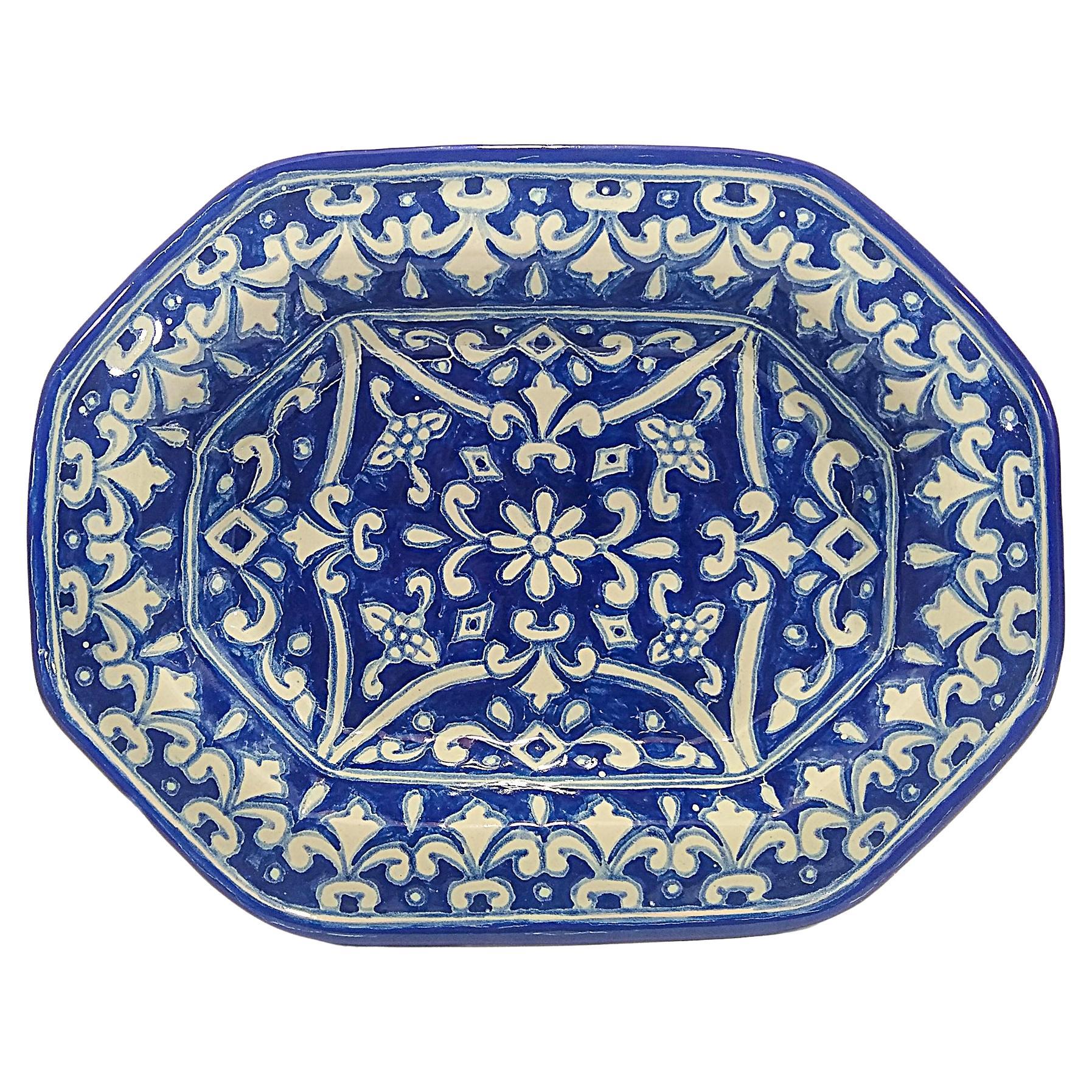
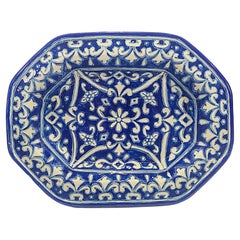
- Authentic Talavera Decorative Plate Folk Art Vessel Mexican Ceramic Blue WhiteBy CesarLocated in Queretaro, QueretaroElegant white and blue plate made with the Talavera technique. Artist, Cesar Torres portraits the colonial art of Mexico. The Talavera is not just a simple painted ceramic: its exquisite decoration is the product of a delicate process of alchemy that translates into fine enamels. In Puebla, Mexico few people still produce using Talavera with the ancestral techniques. One of those few is Cesar Torres, Don Cesar learned his art in the workshop of the Uriarte family, an excellent workshop where his grandfather worked. In his creations he uses the black and white mud that is obtained from the nearby hills of Loreto and Guadalupe, and colors of mineral origin that he creates in his workshop with recipes from his grandfather. All the pieces are modeled in a traditional way and go through a production process that usually takes from one to two months, between drying, burning, and painting. Being surrounded by a living tradition, Cesar Torres Jr., learned from his father since childhood. Architect by profession, Cesar Jr. has come to revolutionize and modernize with new designs and ideas of the current world, nevertheless always respecting the tradition of the processes and materials that make Talavera a Creole art...Category
21st Century and Contemporary Mexican Spanish Colonial Ceramics
MaterialsCeramic, Majolica, Clay
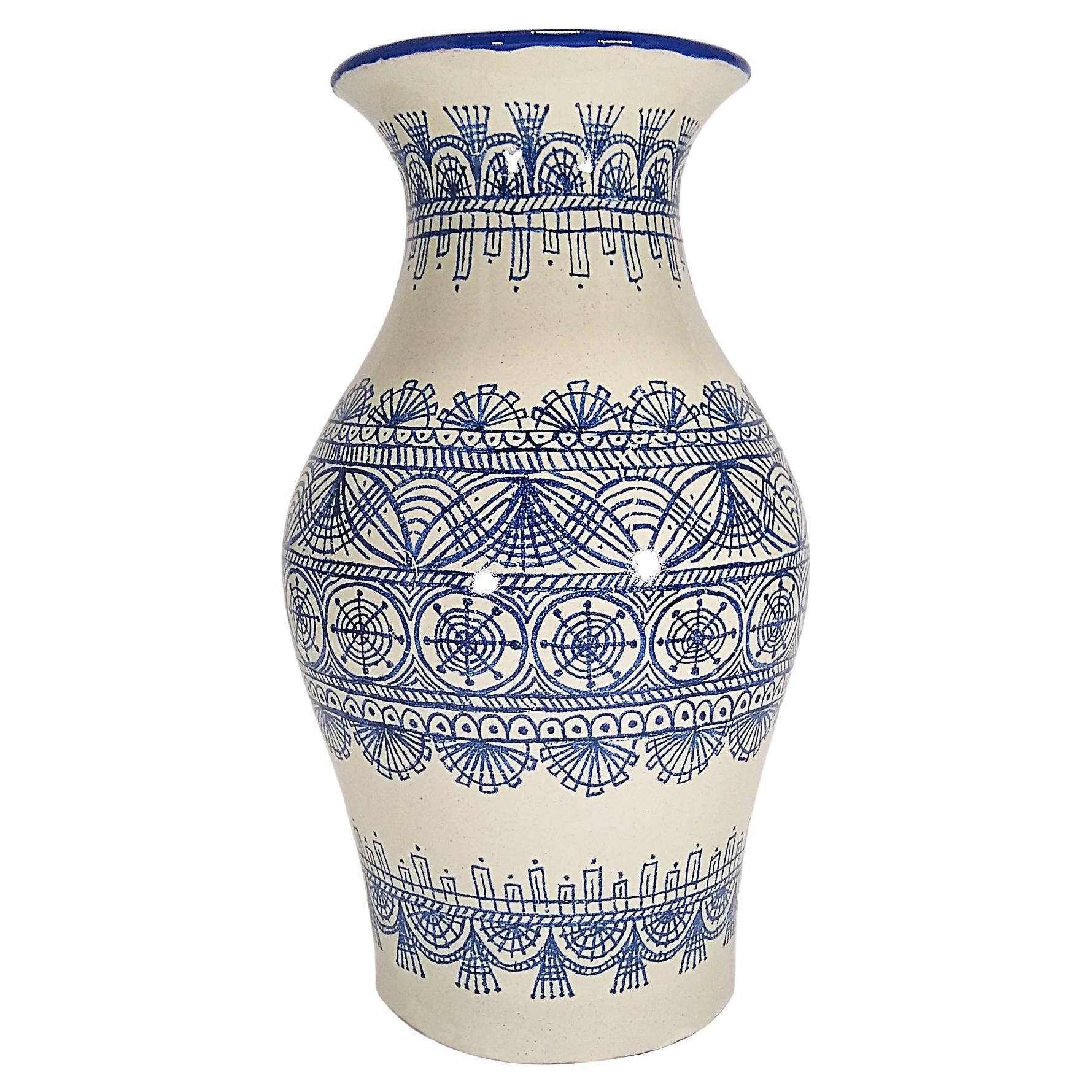
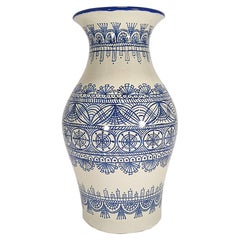
- Authentic Talavera Decorative Vase Folk Art Vessel Mexican Ceramic Blue WhiteBy CesarLocated in Queretaro, QueretaroElegant white and blue vase made with the Talavera technique. Artist, Cesar Torres portraits the colonial art of Mexico. The Talavera is not just a simple painted ceramic: its exquisite decoration is the product of a delicate process of alchemy that translates into fine enamels. In Puebla, Mexico few people still produce using Talavera with the ancestral techniques. One of those few is Cesar Torres, Don Cesar learned his art in the workshop of the Uriarte family, an excellent workshop where his grandfather worked. In his creations he uses the black and white mud that is obtained from the nearby hills of Loreto and Guadalupe, and colors of mineral origin that he creates in his workshop with recipes from his grandfather. All the pieces are modeled in a traditional way and go through a production process that usually takes from one to two months, between drying, burning, and painting. Being surrounded by a living tradition, Cesar Torres Jr., learned from his father since childhood. Architect by profession, Cesar Jr. has come to revolutionize and modernize with new designs and ideas of the current world, nevertheless always respecting the tradition of the processes and materials that make Talavera a Creole art...Category
21st Century and Contemporary Mexican Spanish Colonial Ceramics
MaterialsCeramic, Clay, Majolica
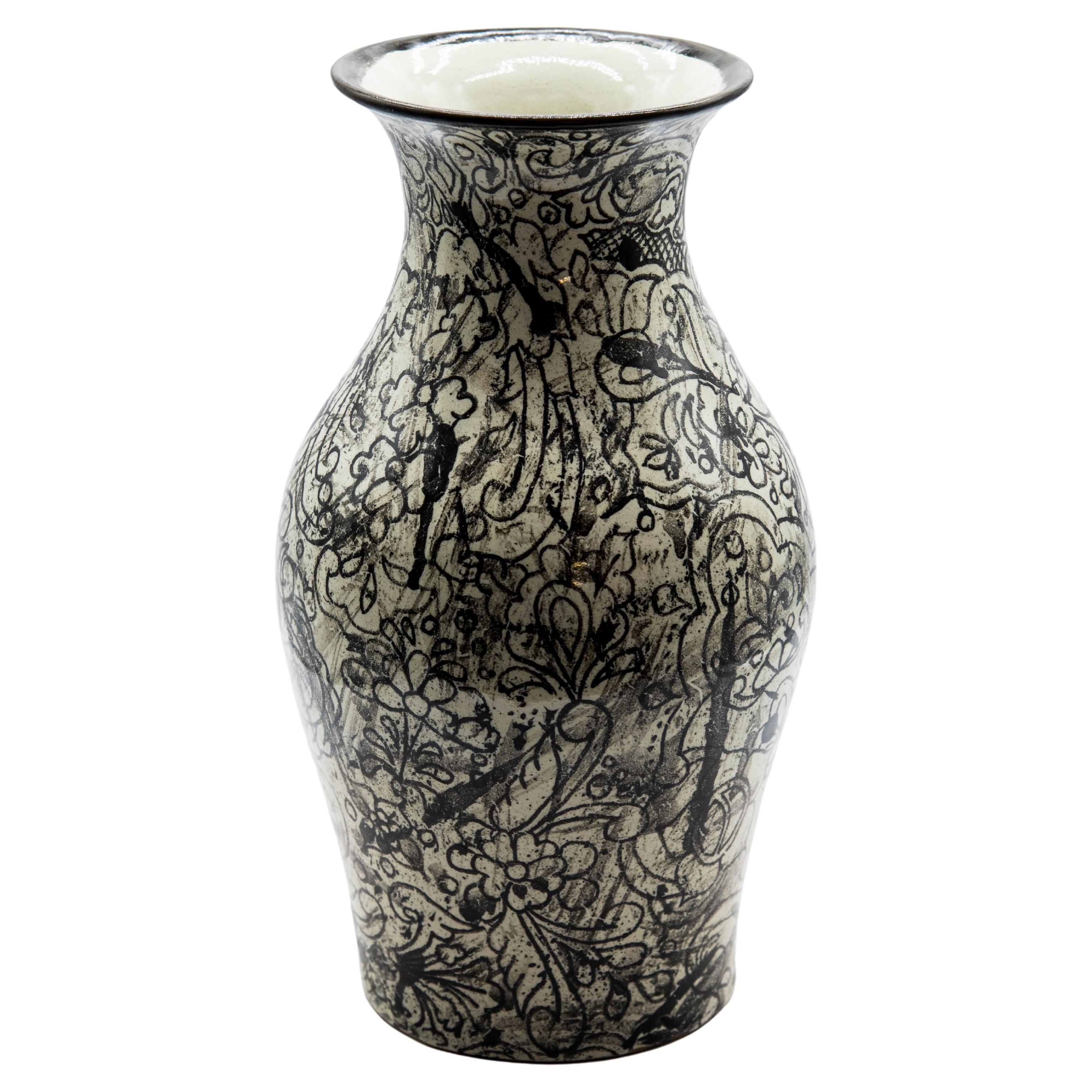
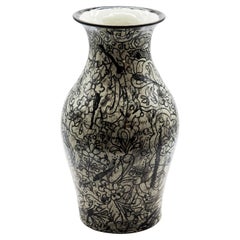
- Talavera Jar Decorative Vase Folk Art Vessel Mexican Ceramic Black White ModernBy CesarLocated in Queretaro, QueretaroElegant black and white jar made with the authentic Talavera technique. Master artisan, Cesar Torres portraits the colonial art of Mexico while cre...Category
21st Century and Contemporary Mexican Spanish Colonial Ceramics
MaterialsCeramic, Clay, Majolica
- Talavera Decorative Lavabo Sink Folk Art Mexican Ceramic Spanish ColonialBy CesarLocated in Queretaro, QueretaroElegant surrealist sink lavabo made with the Talavera technique. Artist, Cesar Torres portraits the colonial art of Mexico. The Spanish colonial style sink is a perfect piece to brin...Category
21st Century and Contemporary Mexican Spanish Colonial Ceramics
MaterialsCeramic, Clay, Majolica
You May Also Like
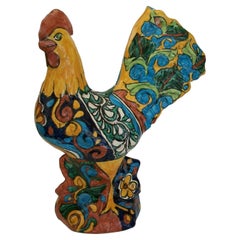
- Vintage Talavera Hand Painted Ceramic Rooster, Unsigned, Mexico, C. 1980'sLocated in Chatham, ONLarge vintage Talavera hand painted studio ceramic Rooster - featuring a typical brightly colored multi pattern design - unsigned - Mexico - circa 1980's. Excellent/mint vintage c...Category
Late 20th Century Mexican Spanish Colonial Ceramics
MaterialsTerracotta
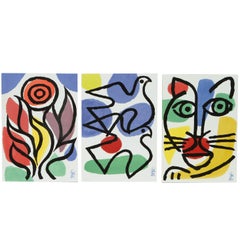
- Post Modern Celestino Piatti Ceramic Art Tiles in Picasso StyleLocated in North Hollywood, CASet of three, fire, wind, earth, original post modern ceramic tiles by Celestino Piatti. Celestino Piatti (1922-2007) was a Swiss graphic artist designer, painter and book illustrato...Category
Late 20th Century Swiss Post-Modern Contemporary Art
MaterialsCeramic
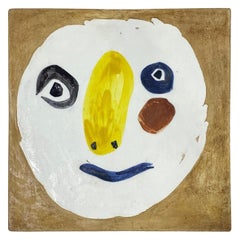
- Pablo Picasso Signed Madoura Ceramic Tile Plaque 'Tête Polychrome' Ramié 455By Pablo PicassoLocated in Studio City, CAA wonderful, original hand painted ceramic tile plaque by famed artist Pablo Picasso titled "Tete Polychrome". The work features an abstract face w...Category
Vintage 1960s French Mid-Century Modern Ceramics
MaterialsCeramic, Earthenware, Pottery
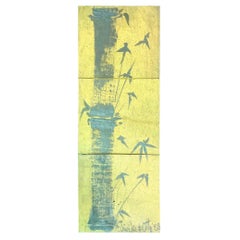
- Otto and Vivika Heino Monumental Ceramic Stoneware Pottery Tile Wall Plaque 1988By Otto and Vivika HeinoLocated in Studio City, CAA wonderfully designed and exceptionally rare hand painted, earthenware three tile/panel plaque/ wall hanging by ceramics masters husband and wife artists Vivika and Otto Heino. Quite heavy and substantial in size. The couple was best known for their inspired designs and distinctive glazes. This massive 3 tile plaque, which shows clear signs of Asian influence, is attached to a board for hanging. Again exceptionally rare in both scale and design. We have never seen another like this by the couple. The work is signed and dated (1988). Would be the crown jewel in any Heino collection and sure to stand out in any setting, modern or otherwise. Very unique. Very rare. Dimensions: 47.5" high, 18" wide, 1.5" deep. The piece is quite substantial and weighs 44 pounds. The couple are winners of the following awards: Gold Medal from the sixth Biennale internationale de céramique d'art, in Vallauris, France, (1978). Silver medal from the International Ceramics Exhibitions in Ostend, Belgium, (1959). Their work can be found in the following collections: American Craft Museum, New York City, NY County Art Museum and Craft Folk Art Museum, Los Angeles, CA De Young Museum, San Francisco, CA Museum of Fine Arts, Boston, MA Picasso Museum in Vallauris, France Smithsonian Institution, Washington, DC Craft & Folk Art Museum, Los Angeles Mingei Museum, San Diego Ventura County...Category
Vintage 1980s American Modern Ceramics
MaterialsStoneware
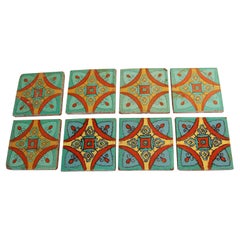
- Talavera Handcrafted Spanish Wall Tiles Set of 8By Talavera de la ReynaLocated in North Hollywood, CAVintage Spanish Talavera ceramic hand painted tiles, handcrafted and kiln fired set of eight tiles. Hand made Spanish Talavera wall tiles. Size each: 6" x6" Materials: Talavera, ceramic, clay hand-painted, clay, Spanish Mexican...Category
Mid-20th Century Spanish Spanish Colonial Architectural Elements
MaterialsCeramic, Clay
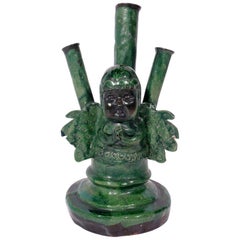
- Large Scale Mexican Folk Art Ceramic Angel VesselLocated in Atlanta, GALarge scale Mexican Folk Art ceramic or stoneware angel vessel, Mexican, circa 1950s. We purchased the estate of an Atlanta Coca Cola executiv...Category
Vintage 1950s Mexican Folk Art Ceramics
MaterialsStoneware