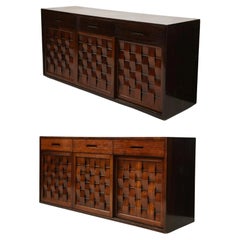
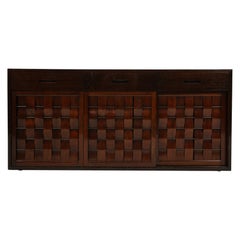
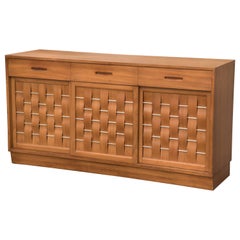
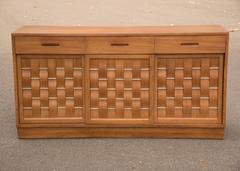
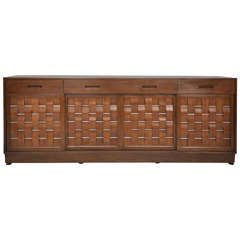
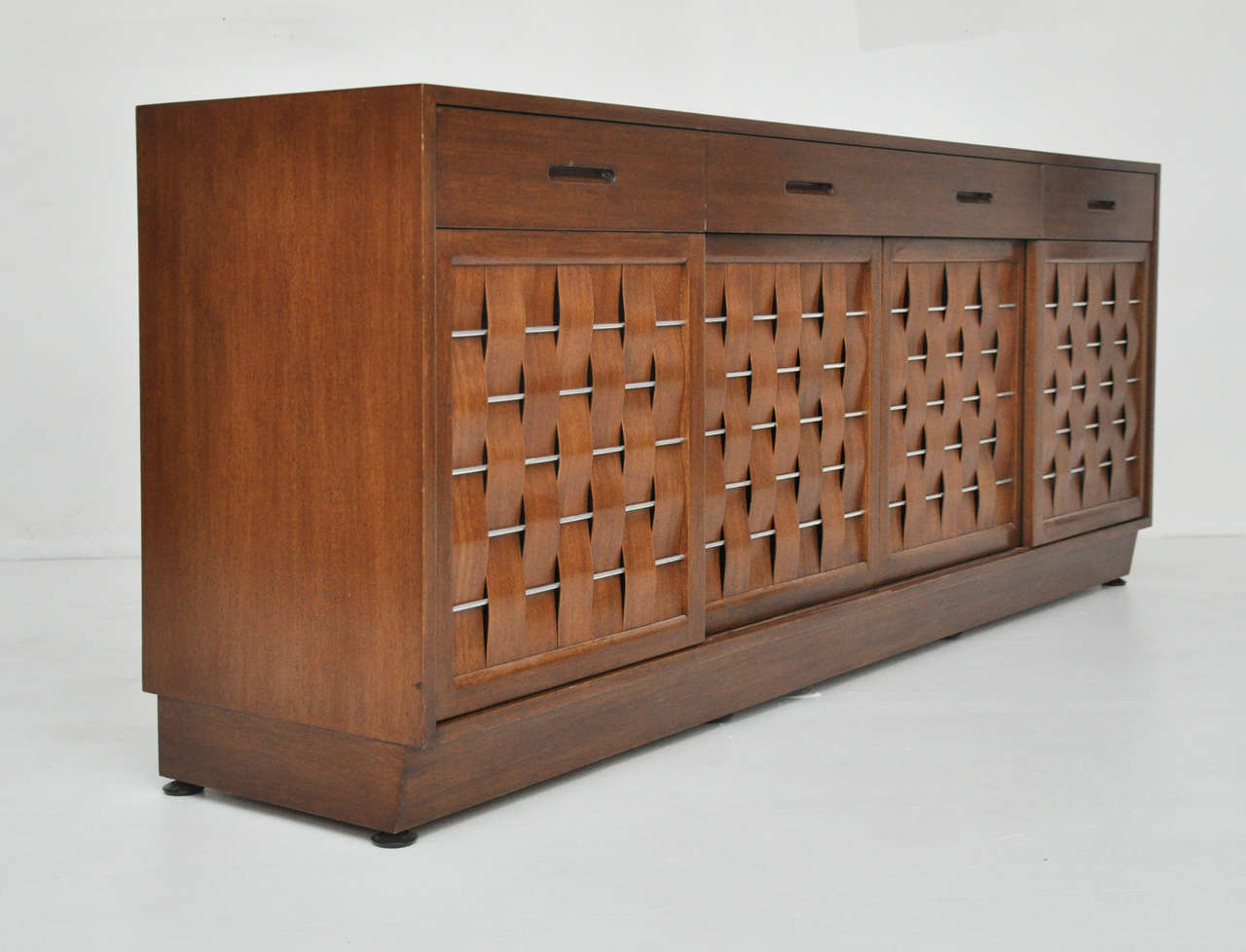
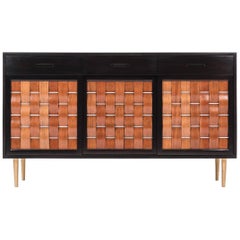
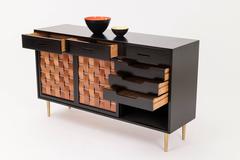
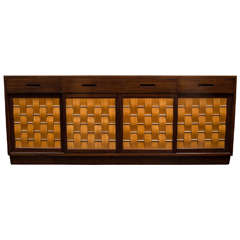
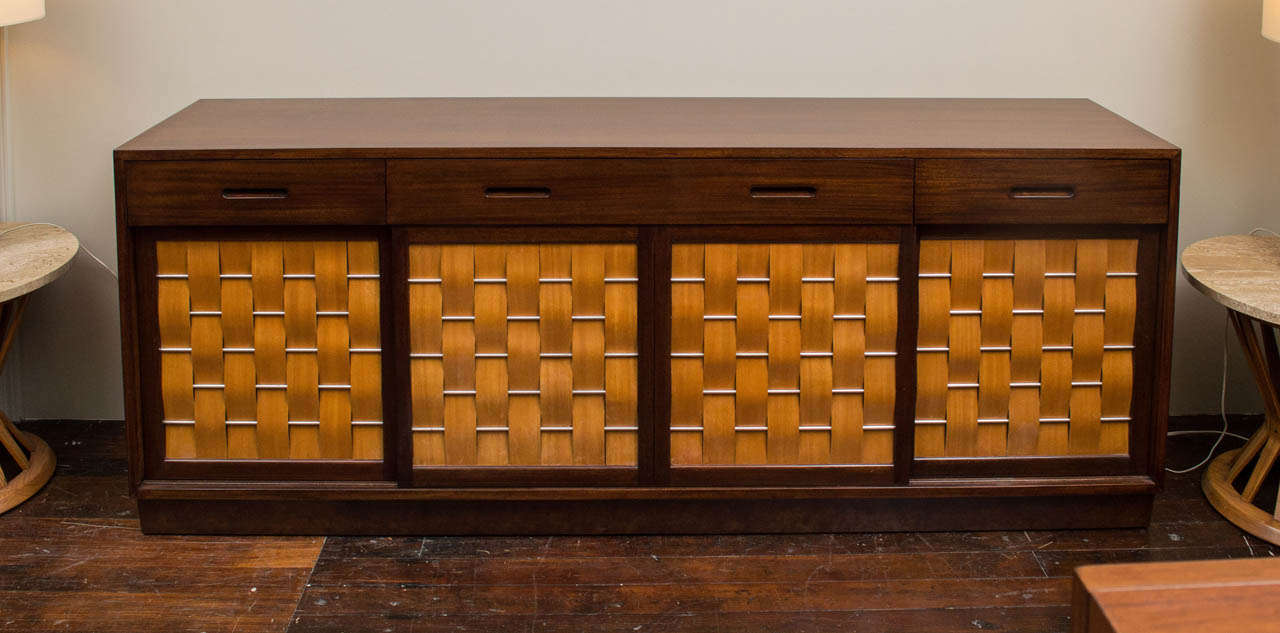
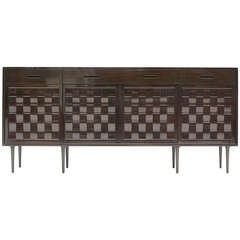
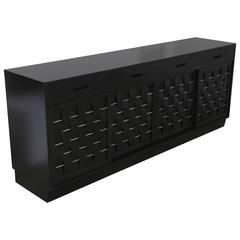
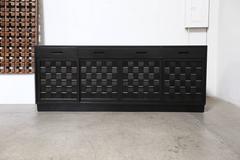
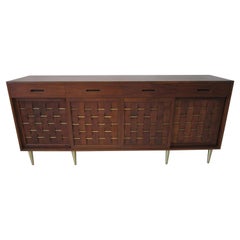
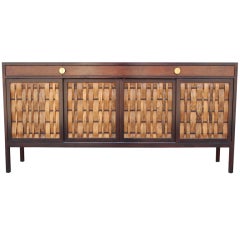
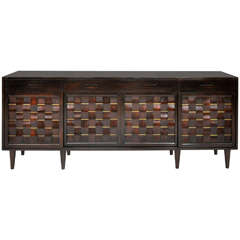
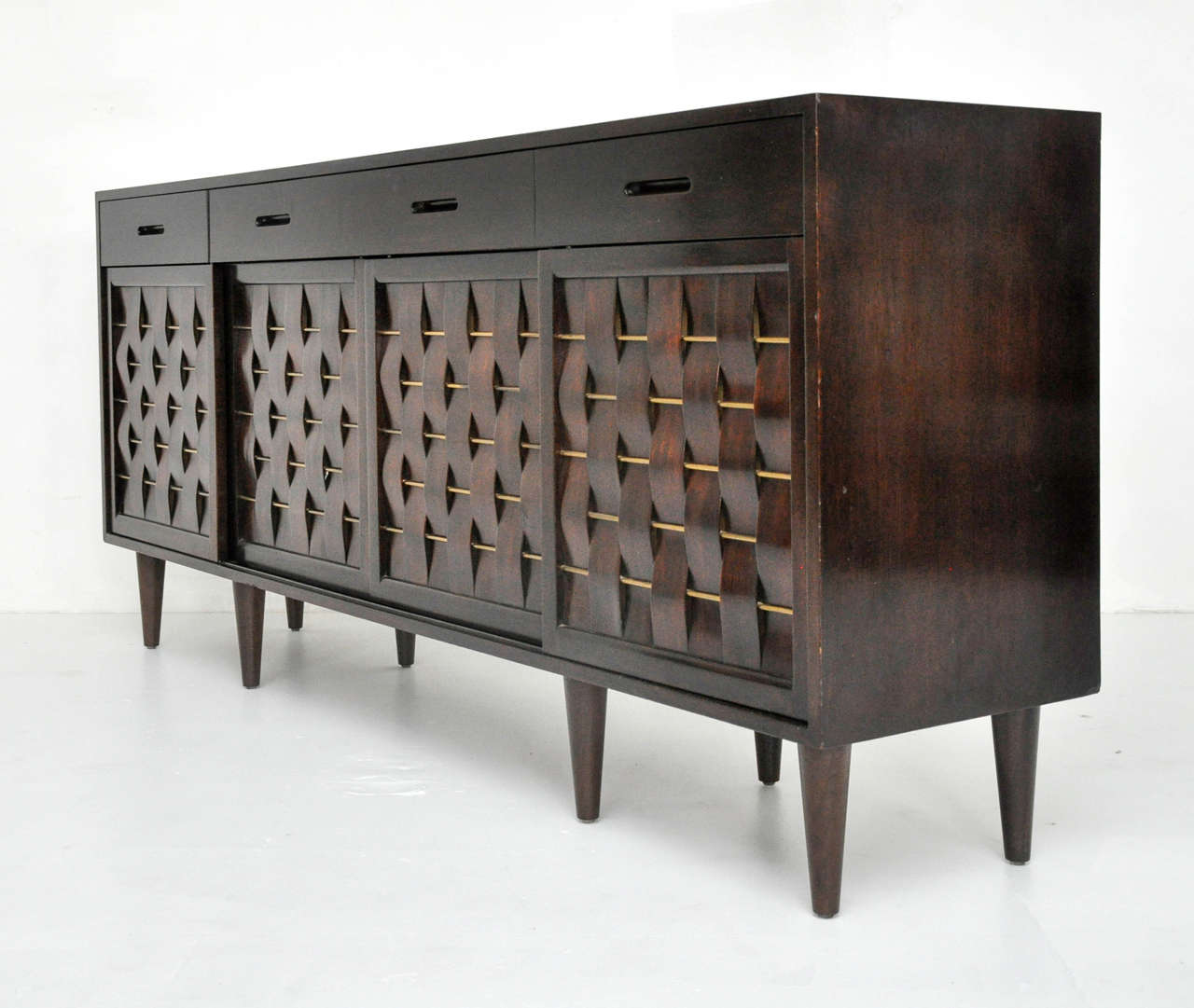
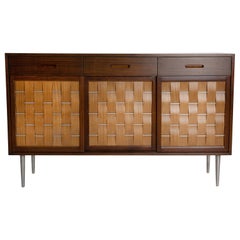
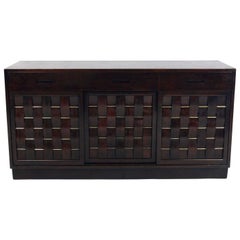
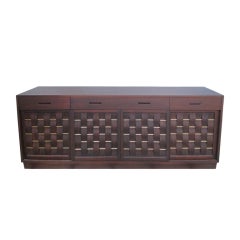
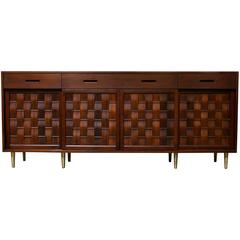
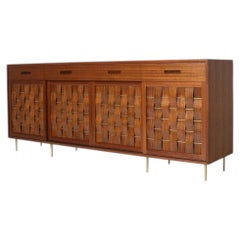
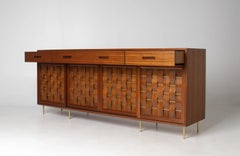
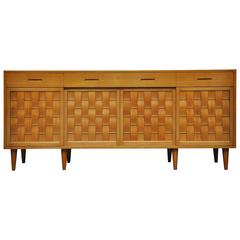
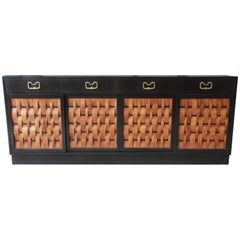
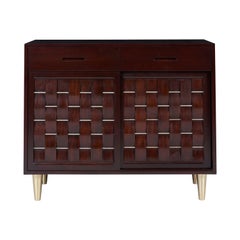
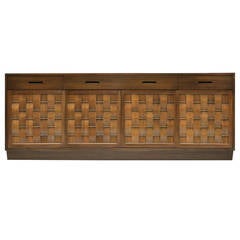
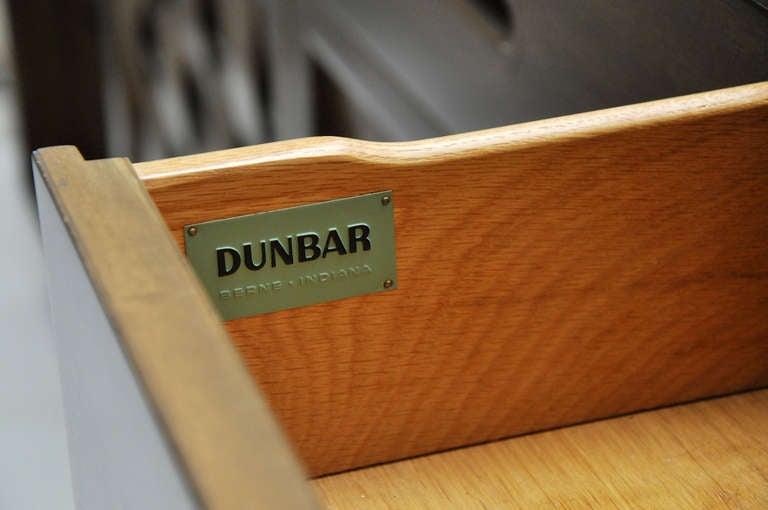
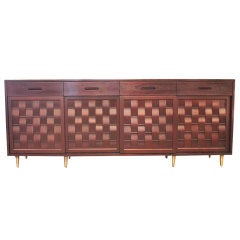
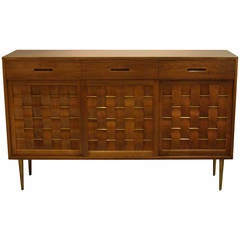
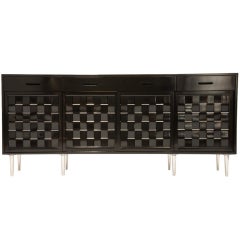
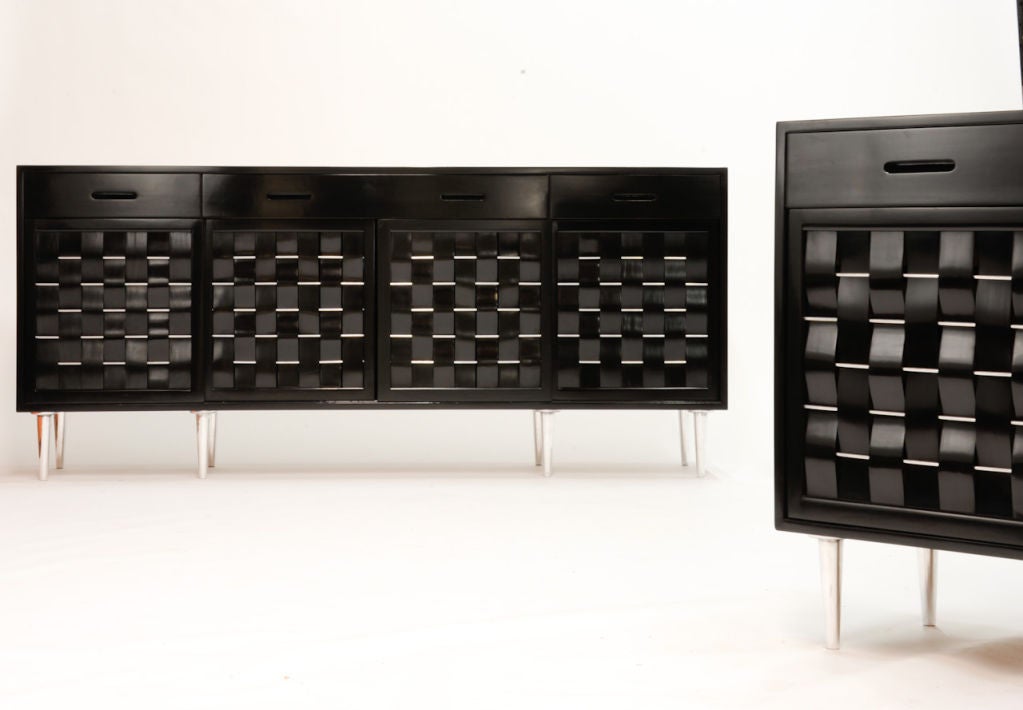
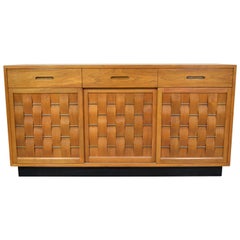
With a vast inventory of beautiful furniture at 1stDibs, we’ve got just the dunbar woven credenza you’re looking for. A dunbar woven credenza — often made from
wood,
metal and
brass — can elevate any home. Whether you’re looking for an older or newer dunbar woven credenza, there are earlier versions available from the 20th Century and newer variations made as recently as the 20th Century. When you’re browsing for the right dunbar woven credenza, those designed in
Mid-Century Modern styles are of considerable interest.
Dunbar and
Edward Wormley each produced at least one beautiful dunbar woven credenza that is worth considering.
A dunbar woven credenza can differ in price owing to various characteristics — the average selling price 1stDibs is $9,748, while the lowest priced sells for $3,400 and the highest can go for as much as $18,000.
As the longtime director of design for the Dunbar furniture company, Edward Wormley was, along with such peers as George Nelson at Herman Miller Inc., and Florence Knoll of Knoll Inc., one of the leading forces in bringing modern design into American homes in the mid-20th century. Not an axiomatic modernist, Wormley deeply appreciated traditional design, and consequently his vintage seating, storage cabinets, bar carts and other work has an understated warmth and a timeless quality that sets it apart from other furnishings of the era.
Wormley was born in rural Illinois and as a teenager took correspondence courses from the New York School of Interior Design. He later attended the Art Institute of Chicago but ran out of money for tuition before he could graduate. Marshall Field hired Wormley in 1930 to design a line of reproduction 18th-century English furniture; the following year he was hired by the Indiana-based Dunbar, where he quickly distinguished himself. It was a good match.
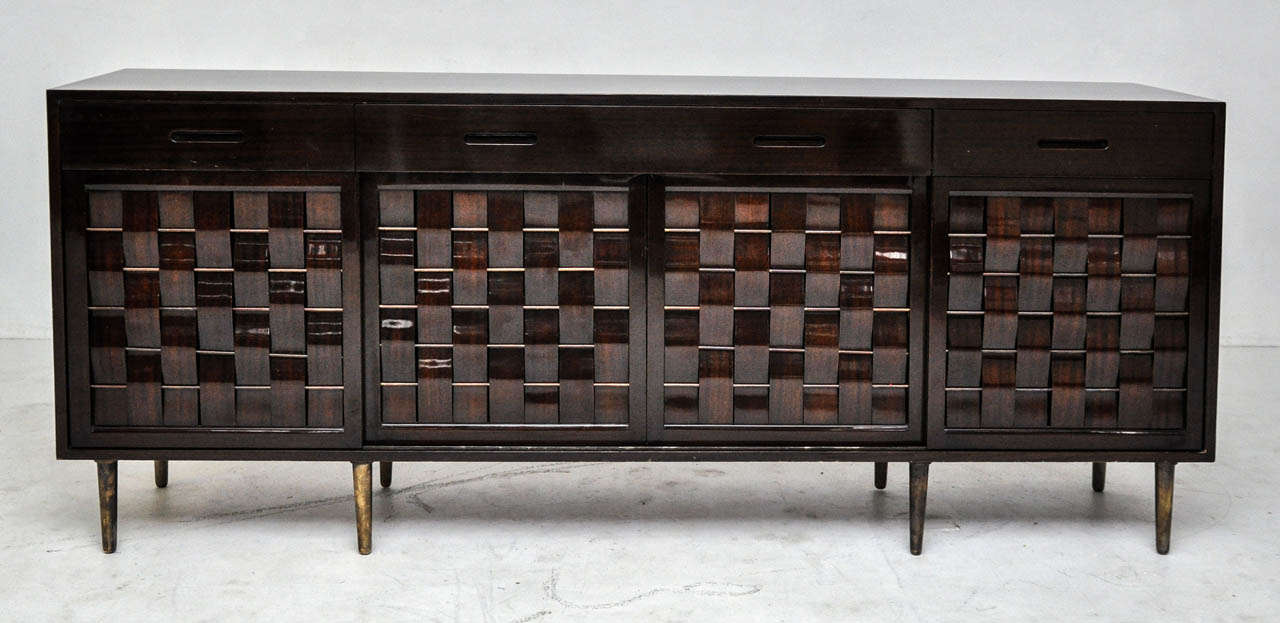
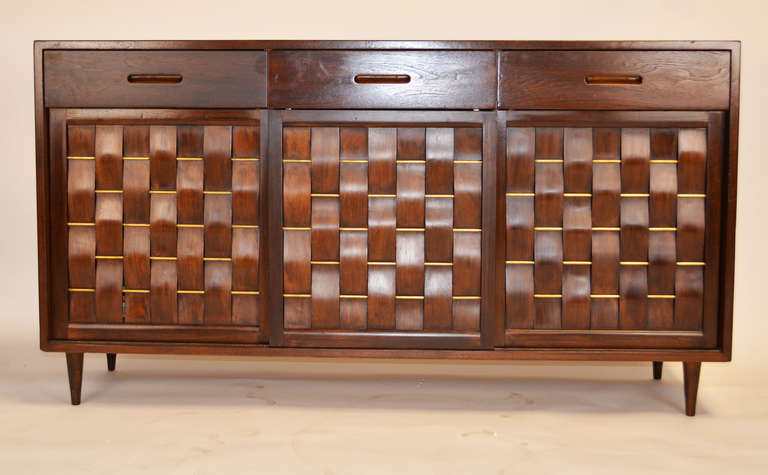
Dunbar was an unusual firm: it did not use automated production systems; its pieces were mostly hand-constructed. For his part, Wormley did not use metal as a major component of furniture; he liked craft elements such as caned seatbacks, tambour drawers, or the woven-wood cabinet fronts seen on his Model 5666 sideboard of 1956. He designed two lines for Dunbar each year — one traditional, one modern — until 1944, by which time the contemporary pieces had become the clear best sellers.
Many of Wormley’s signature pieces — chairs, sofas, tables and more — are modern interpretations of traditional forms. His 1946 Riemerschmid Chair — an example is in the collection of the Museum of Modern Art — recapitulates a late 19th-century German design. The long, slender finials of his Model 5580 dining chairs are based on those of Louis XVI chairs; his Listen-to-Me Chaise (1948) has a gentle Rococo curve; the “Precedent” line that Wormley designed for Drexel Furniture in 1947 is a simplified, pared-down take on muscular Georgian furniture. But he could invent new forms, as his Magazine table of 1953, with its bent wood pockets, and his tiered Magazine Tree (1947), both show. And Wormley kept his eye on design currents, creating a series of tables with tops that incorporate tiles and roundels by the great modern ceramicists Otto and Gertrud Natzler.
As the vintage items on 1stDibs demonstrate, Edward Wormley conceived of a subdued sort of modernism, designing furniture that fits into any decorating scheme and does not shout for attention.
Mid-century modern credenzas descend from the Renaissance-era sideboard, once used to serve and store food and dishware. The clean-lined, low-profile version prized today emerged from Italian and Scandinavian design in the mid-20th century, defined by tapered legs and warm walnut or teak veneers.
Styles to Know
Mid-century modern credenzas are one of the most searched storage silhouettes on 1stDibs. Sliding-door and open-shelf configurations serve different needs: books and displayed objects suit open shelving, while electronics and linens are better behind doors. A matching mid-century modern dresser extends the look to the bedroom, or an apothecary cabinet offers more drawer storage in a smaller footprint.
How to Choose the Right Vintage Credenza
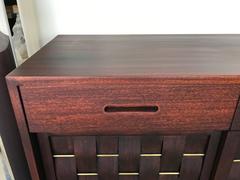
Hardware and veneer condition vary considerably from piece to piece, so listing photographs deserve a close look; our guide to case pieces covers what else to look for in construction. Every credenza comes from a vetted 1stDibs seller, with era, designer and condition on record, and the 1stDibs Promise stands behind every purchase.