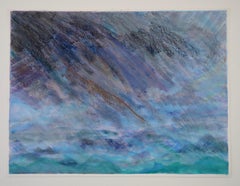
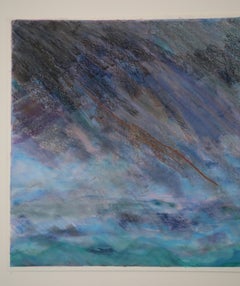
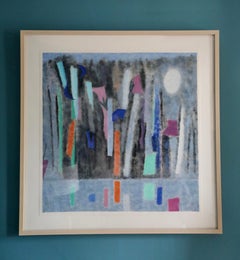
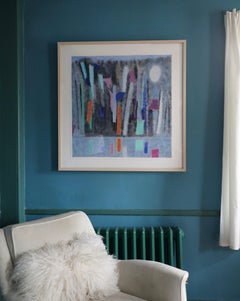
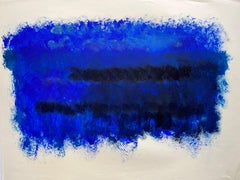
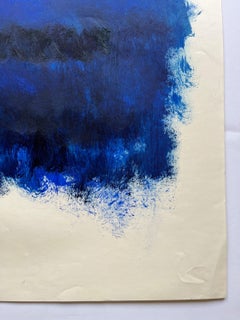
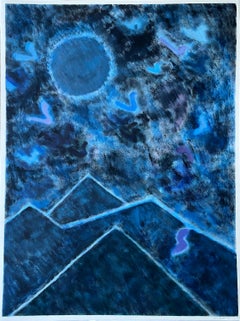
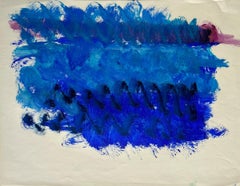
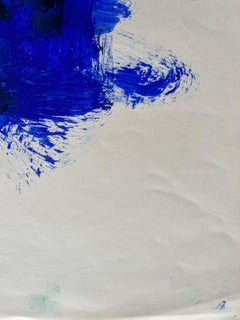
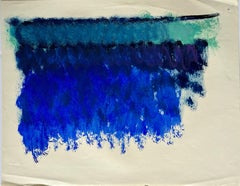
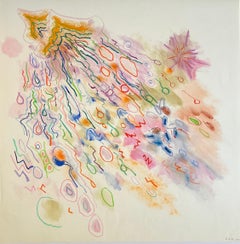
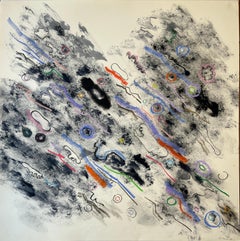
Surely you’ll find the exact elaine kaufman feiner you’re seeking on 1stDibs — we’ve got a vast assortment for sale. You’re likely to find the perfect elaine kaufman feiner among the distinctive items we have available, which includes versions made as long ago as the 20th Century as well as those made as recently as the 21st Century. Adding a elaine kaufman feiner to a room that is mostly decorated in warm neutral tones can yield a welcome change — find a piece on 1stDibs that incorporates elements of
gray,
blue,
brown,
black and more. Artworks like these of any era or style can make for thoughtful decor in any space, but a selection from our variety of those made in
oil paint,
paint and
canvas can add an especially memorable touch. A large elaine kaufman feiner can be an attractive addition to some spaces, while smaller examples are available — approximately spanning 16 high and 20 wide — and may be better suited to a more modest living area.
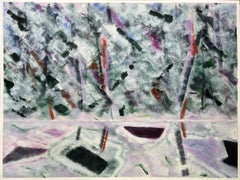
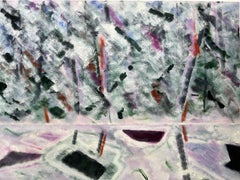
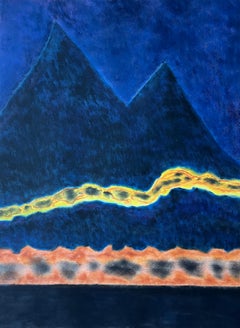
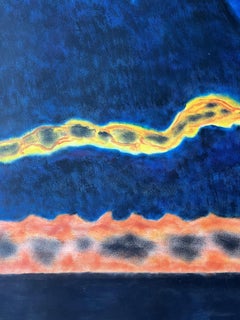
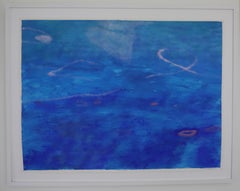
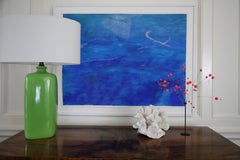
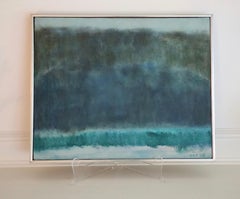
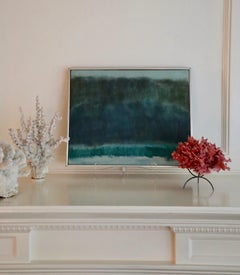
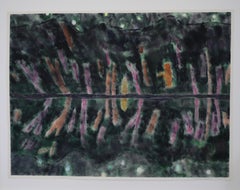
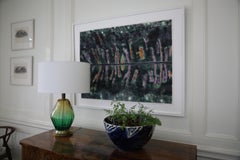
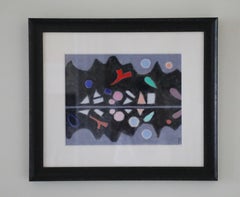
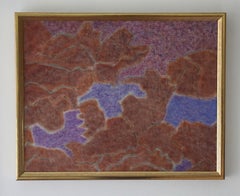
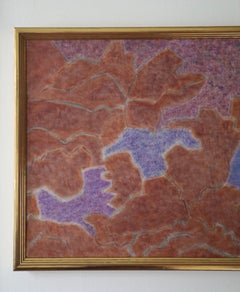
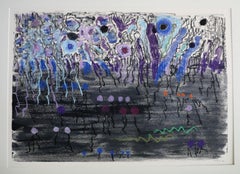
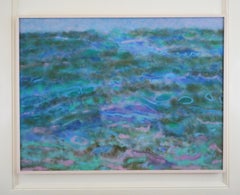
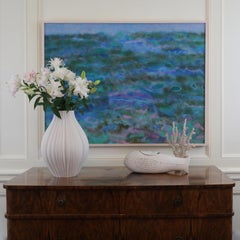
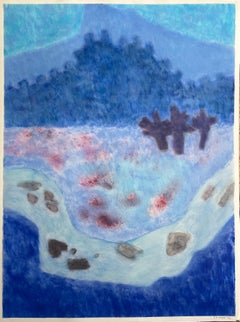
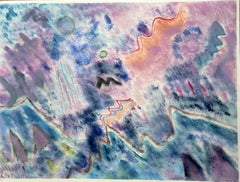
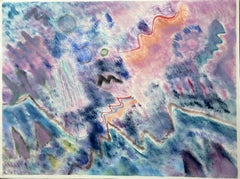
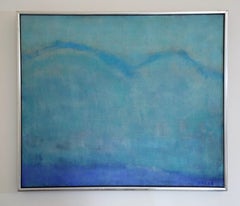
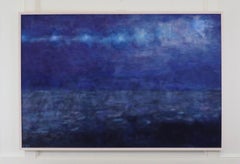
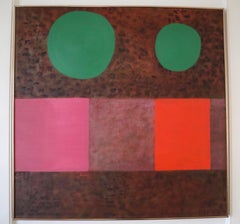
Elaine Kaufman Feiner was born in 1922 in New York City and studied at the New York University’s Institute of Fine Arts and Washington University's School of Fine Arts. After her move to Connecticut with her husband and two children, she became active in the Silvermine Guild of Artists in New Canaan and a regular contributor to the local and regional art scene. Feiner became known for her use of color and the renowned Hungarian-American painter Gabor Peterdi was a mentor. He wrote that "one can learn to paint well, but colorists are born. To be a real colorist is an elusive gift that defies rational analysis. Elaine Kaufman Feiner has this gift. She is a real painter in the best sense of the word." Feiner was quite prolific in the 60s. Morton May, of the May Department stores family, collected her work and donated a painting (Pale Scintillate, 1968) to the Weatherspoon Art Museum at the University of North Carolina at Greensboro. Feiner participated in numerous other group exhibits throughout the second half of the last century, including those at the George Walter Vincent Smith Museum, New Britain Museum of American Art, Lever House in New York, New England Pavilion at the World's Fair of 1965, the Museum of Art, Science and Industry in Bridgeport, and numerous galleries in New York, Washington and Florida. She had one-woman shows at the Silvermine Guild, as well as galleries in Connecticut, St. Louis and Pittsburgh. Beginning in the 70s, she began spending half of the year in the Florida Keys, where the sea became a major source of inspiration for her work. In 1995, she returned year-round to her home on the banks of the Saugatuck River. Nature was always a source of inspiration for Feiner. She wrote in her artist's statement that "nature is my theme and I am concerned mainly with color and light. The luminous quality of light falling on Sea, Land, Sky, Rock and Flower. It's an aesthetic experience and also an adventure that may sometimes result in Joy." Gabor Peterdi also noted the role of nature in her work. "She has a deep religious affinity with nature that she expresses in her silent glowing canvases. Her involvement with the landscape goes beyond the recording of specific vistas... She can make the color sing, shimmer, pulsate, and thus, with a minimal reference to the objective world, she can invest her paintings with the heightened reality of poetry,” said Gabor.
Beginning in the early 20th century, abstract art became a leading style of modernism. Rather than portray the world in a way that represented reality, as had been the dominating style of Western art in the previous centuries, abstract paintings, prints and sculptures are marked by a shift to geometric forms, gestural shapes and experimentation with color to express ideas, subject matter and scenes.
Although abstract art flourished in the early 1900s, propelled by movements like Fauvism and Cubism, it was rooted in the 19th century. In the 1840s, J.M.W. Turner emphasized light and motion for atmospheric paintings in which concrete details were blurred, and Paul Cézanne challenged traditional expectations of perspective in the 1890s.
Some of the earliest abstract artists — Wassily Kandinsky and Hilma af Klint — expanded on these breakthroughs while using vivid colors and forms to channel spiritual concepts. Painter Piet Mondrian, a Dutch pioneer of the art movement, explored geometric abstraction partly owing to his belief in Theosophy, which is grounded in a search for higher spiritual truths and embraces philosophers of the Renaissance period and medieval mystics. Black Square, a daringly simple 1913 work by Russian artist Kazimir Malevich, was a watershed statement on creating art that was free “from the dead weight of the real world,” as he later wrote.
Surrealism in the 1920s, led by artists such as Salvador Dalí, Meret Oppenheim and others, saw painters creating abstract pieces in order to connect to the subconscious. When Abstract Expressionism emerged in New York during the mid-20th century, it similarly centered on the process of creation, in which Helen Frankenthaler’s expressive “soak-stain” technique, Jackson Pollock’s drips of paint, and Mark Rothko’s planes of color were a radical new type of abstraction.
Conceptual art, Pop art, Hard-Edge painting and many other movements offered fresh approaches to abstraction that continued into the 21st century, with major contemporary artists now exploring it, including Anish Kapoor, Mark Bradford, El Anatsui and Julie Mehretu.
Find original abstract paintings, sculptures, prints and other art on 1stDibs.