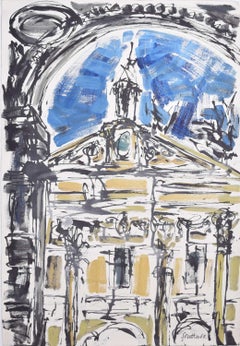
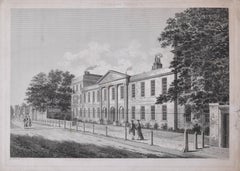
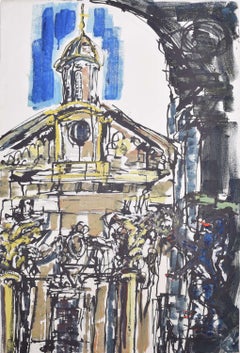
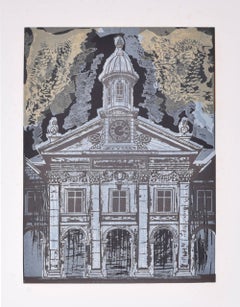
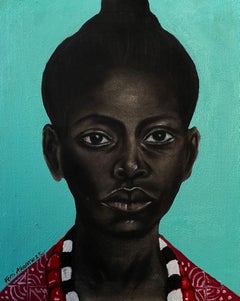
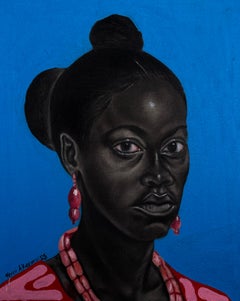
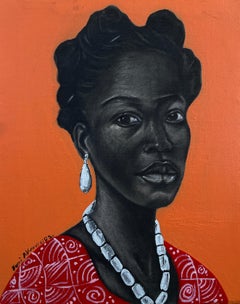
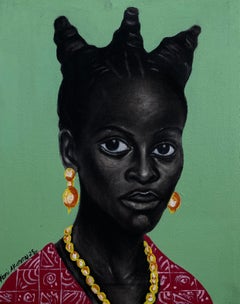
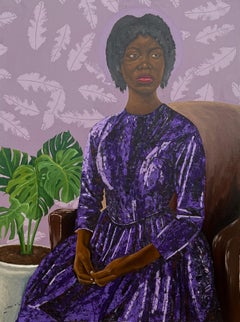
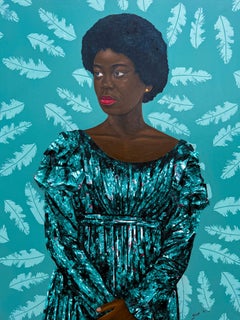
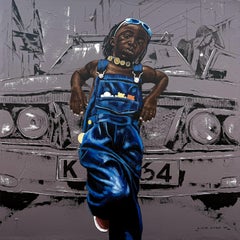
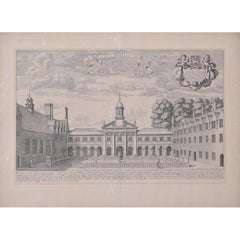
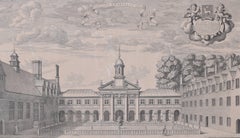
Surely you’ll find the exact emmanuel college you’re seeking on 1stDibs — we’ve got a vast assortment for sale. Find
abstract versions now, or shop for
abstract creations for a more modern example of these cherished works. Making the right choice when shopping for a emmanuel college may mean carefully reviewing examples of this item dating from different eras — you can find an early iteration of this piece from the 19th Century and a newer version made as recently as the 21st Century. Adding a emmanuel college to a room that is mostly decorated in warm neutral tones can yield a welcome change — find a piece on 1stDibs that incorporates elements of
gray,
brown,
blue,
beige and more. Finding an appealing emmanuel college — no matter the origin — is easy, but
Kelly Birkenruth,
Elwood Howell,
Julian Trevelyan,
Maryse Ducaire Roque and
Albert Richardson each produced popular versions that are worth a look. These artworks were handmade with extraordinary care, with artists most often working in
paint,
oil paint and
fabric. A large emmanuel college can prove too dominant for some spaces — a smaller emmanuel college, measuring 4 high and 1.97 wide, may better suit your needs.
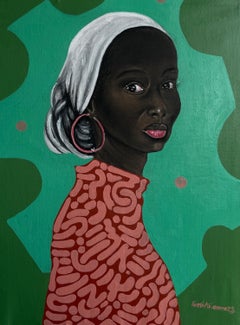
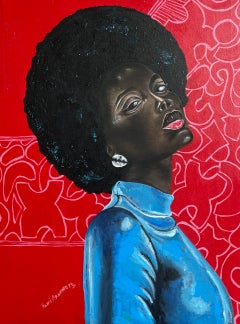
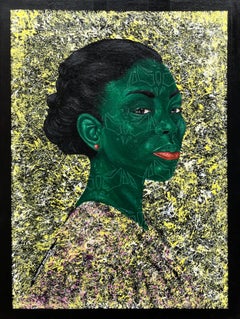
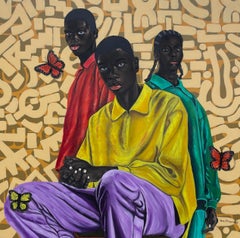
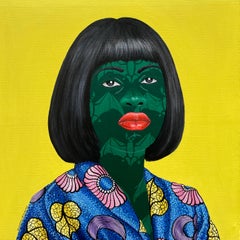
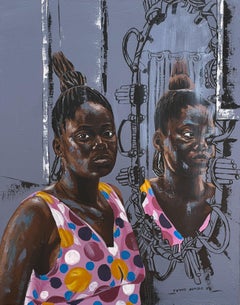
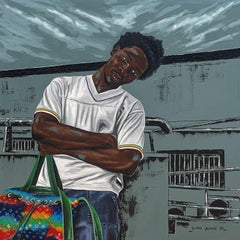
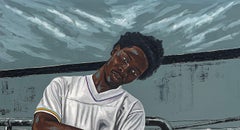
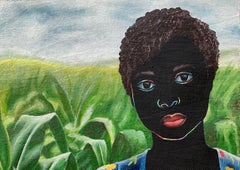
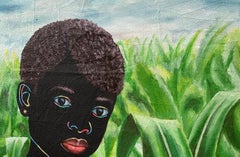
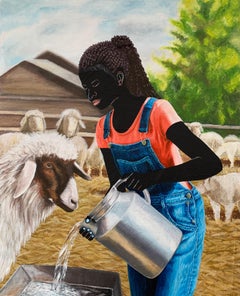
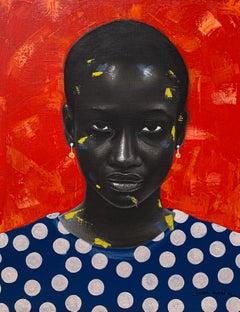
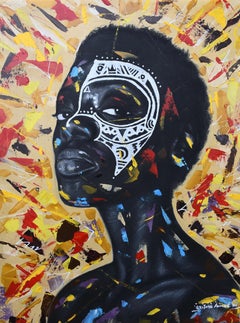
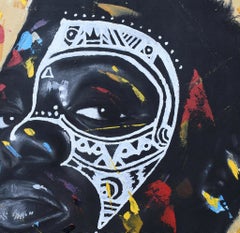
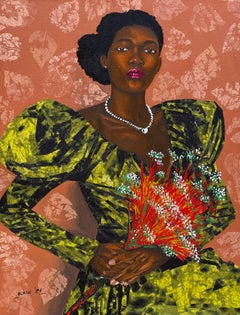
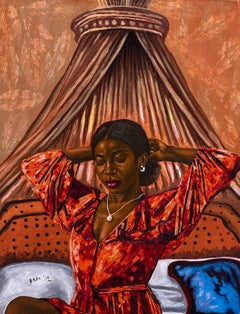
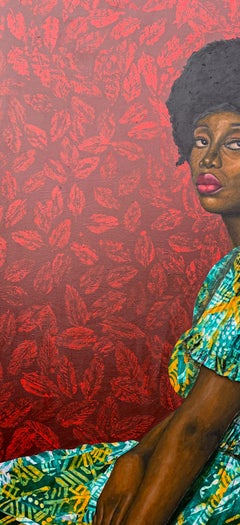
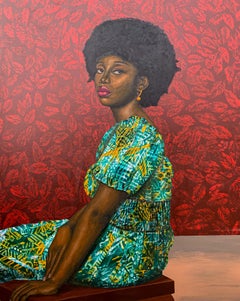
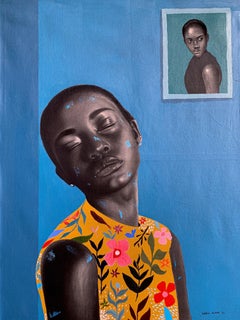
Figurative art, as opposed to abstract art, retains features from the observable world in its representational depictions of subject matter. Most commonly, figurative paintings reference and explore the human body, but they can also include landscapes, architecture, plants and animals — all portrayed with realism.
While the oldest figurative art dates back tens of thousands of years to cave wall paintings, figurative works made from observation became especially prominent in the early Renaissance. Artists like Michelangelo, Leonardo da Vinci and other Renaissance masters created naturalistic representations of their subjects.
Pablo Picasso is lauded for laying the foundation for modern figurative art in the 1920s. Although abstracted, this work held a strong connection to representing people and other subjects. Other famous figurative artists include Francis Bacon and Lucian Freud. Figurative art in the 20th century would span such diverse genres as Expressionism, Pop art and Surrealism.
Today, a number of figural artists — such as Sedrick Huckaby, Daisy Patton and Eileen Cooper — are making art that uses the human body as its subject.
Because figurative art represents subjects from the real world, natural colors are common in these paintings. A piece of figurative art can be an exciting starting point for setting a tone and creating a color palette in a room.
Browse an extensive collection of figurative paintings on 1stDibs.