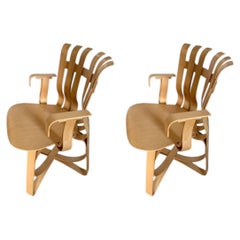
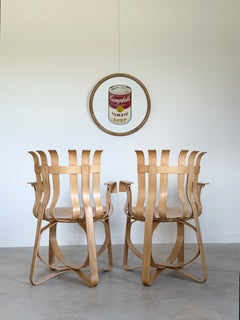
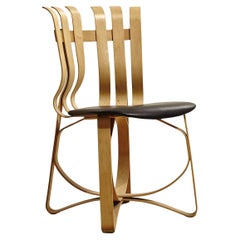
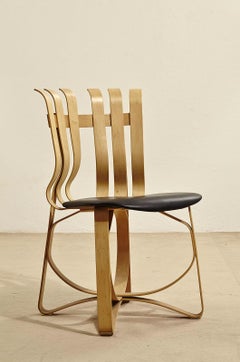
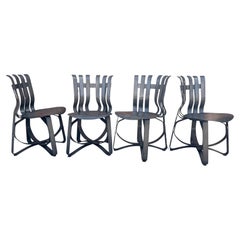
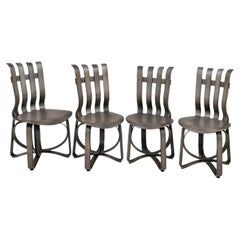
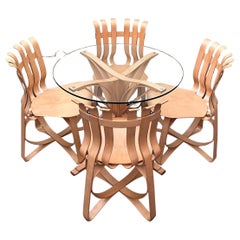
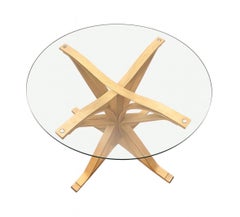
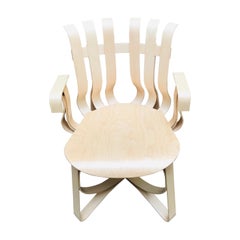
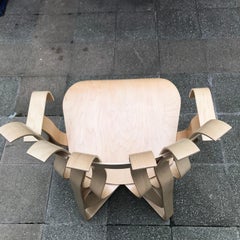
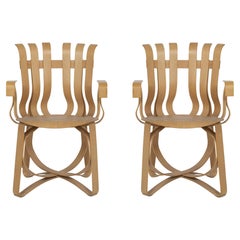
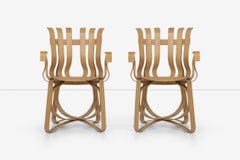
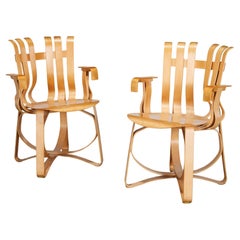
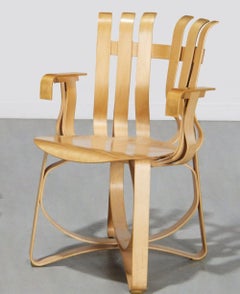
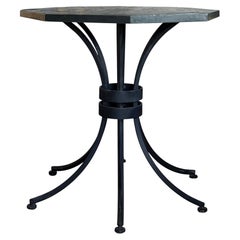
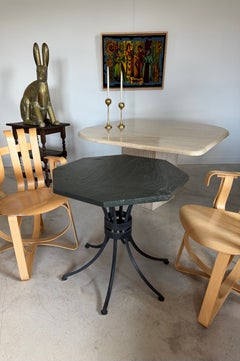
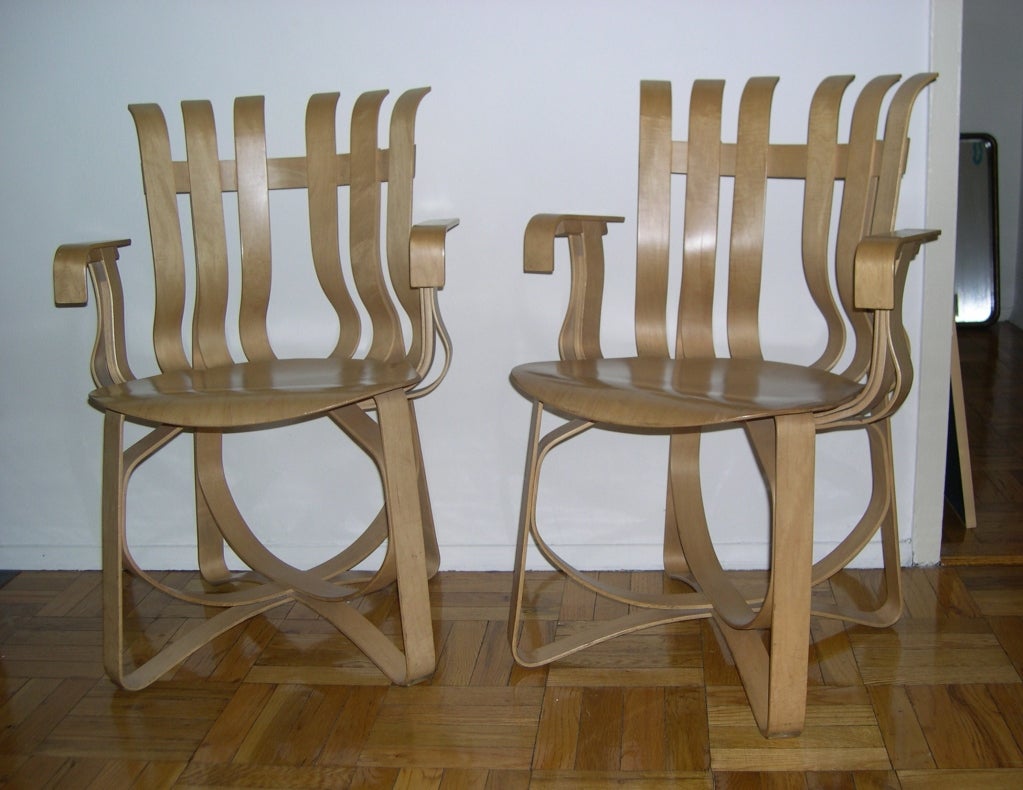
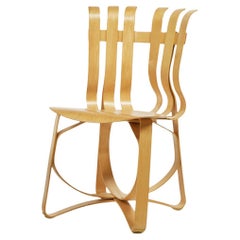
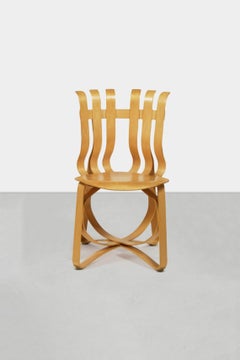
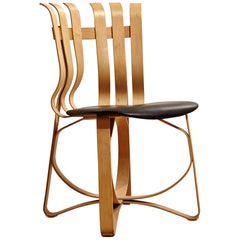
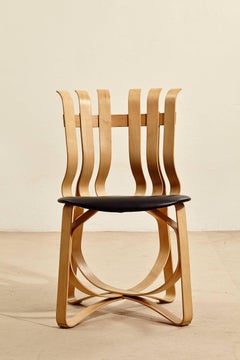
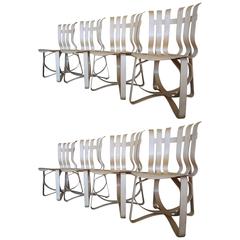
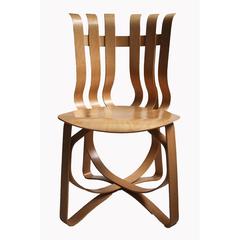
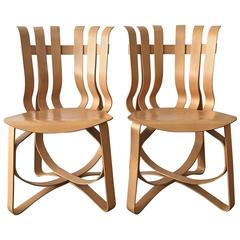
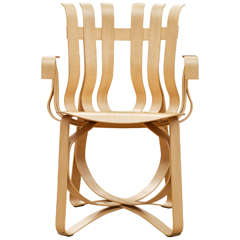
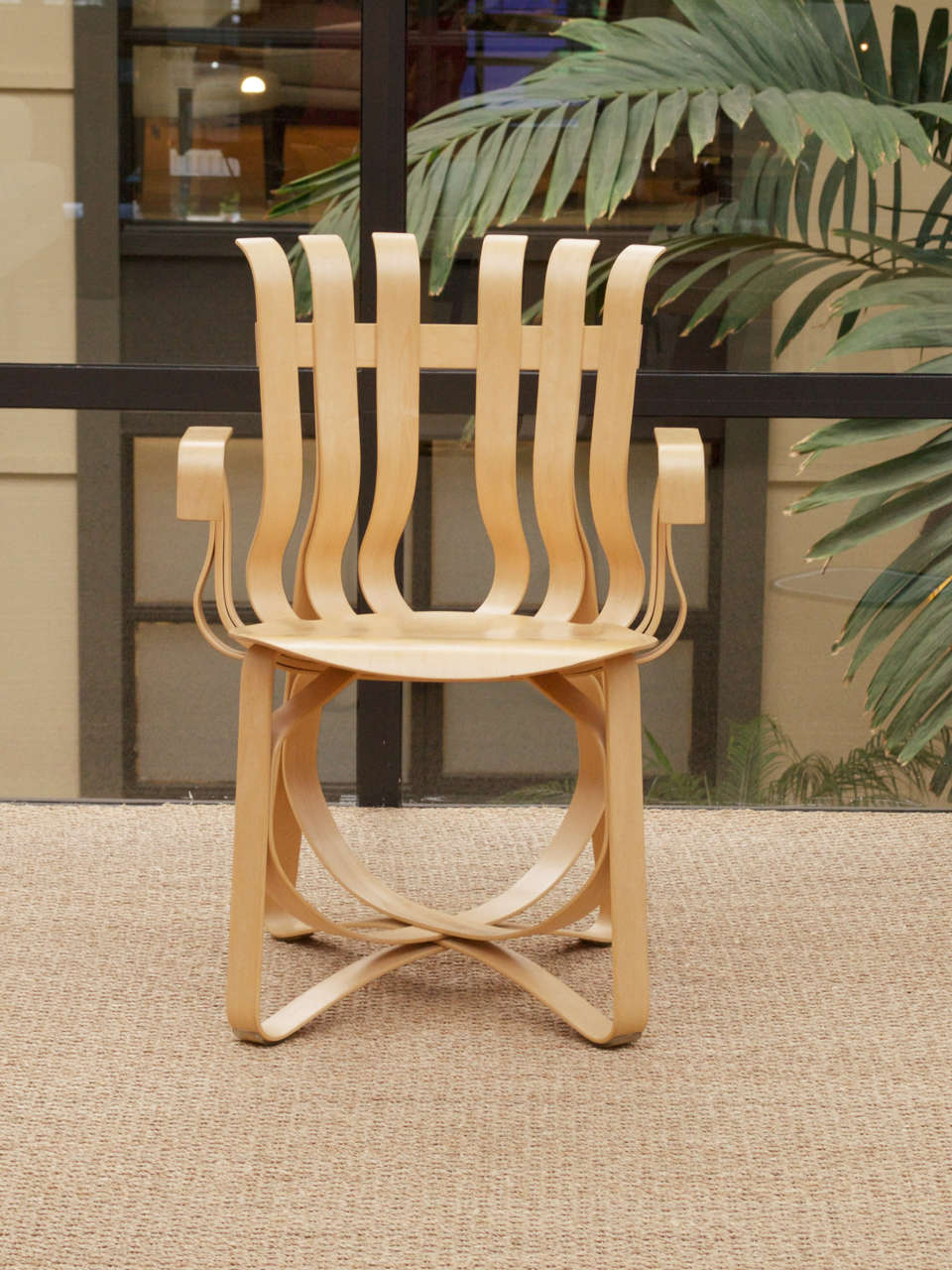
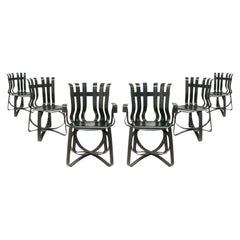
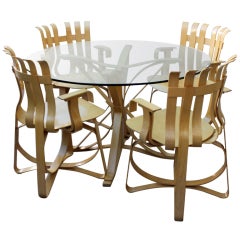
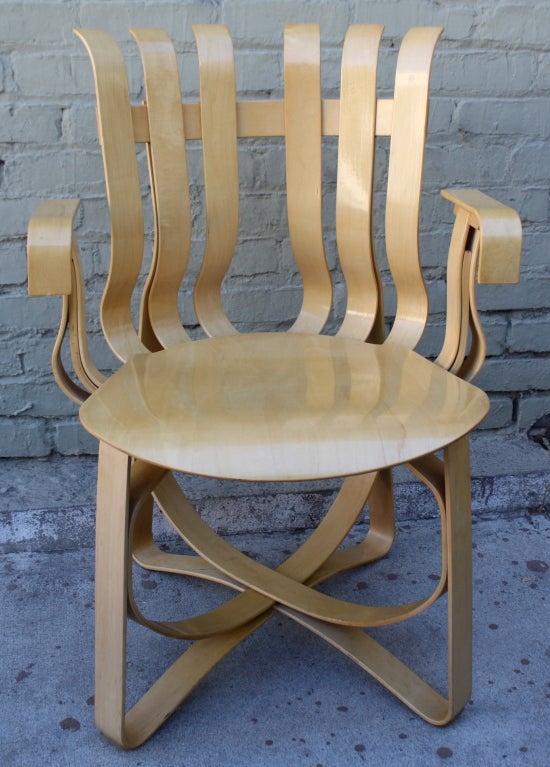
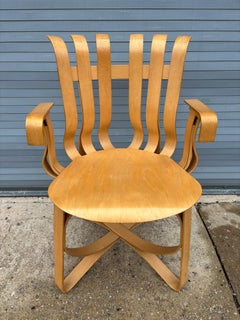
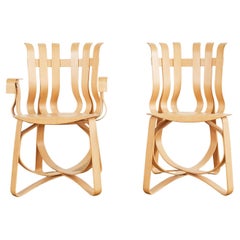
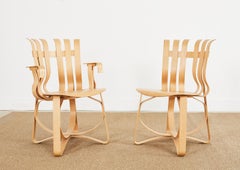
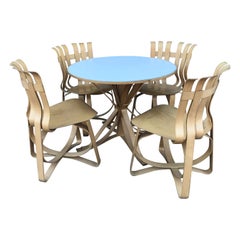
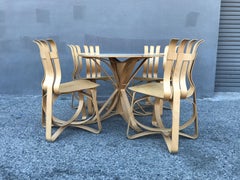
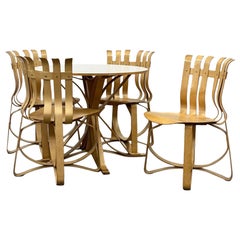
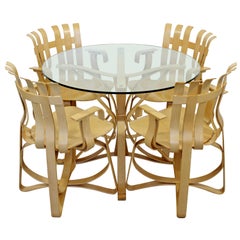
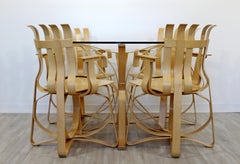
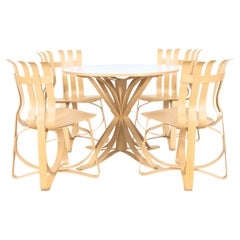
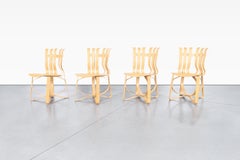
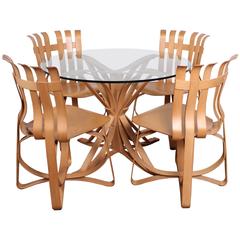
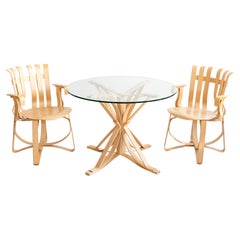
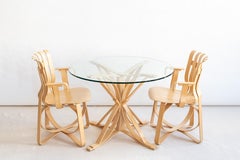
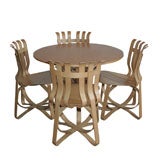
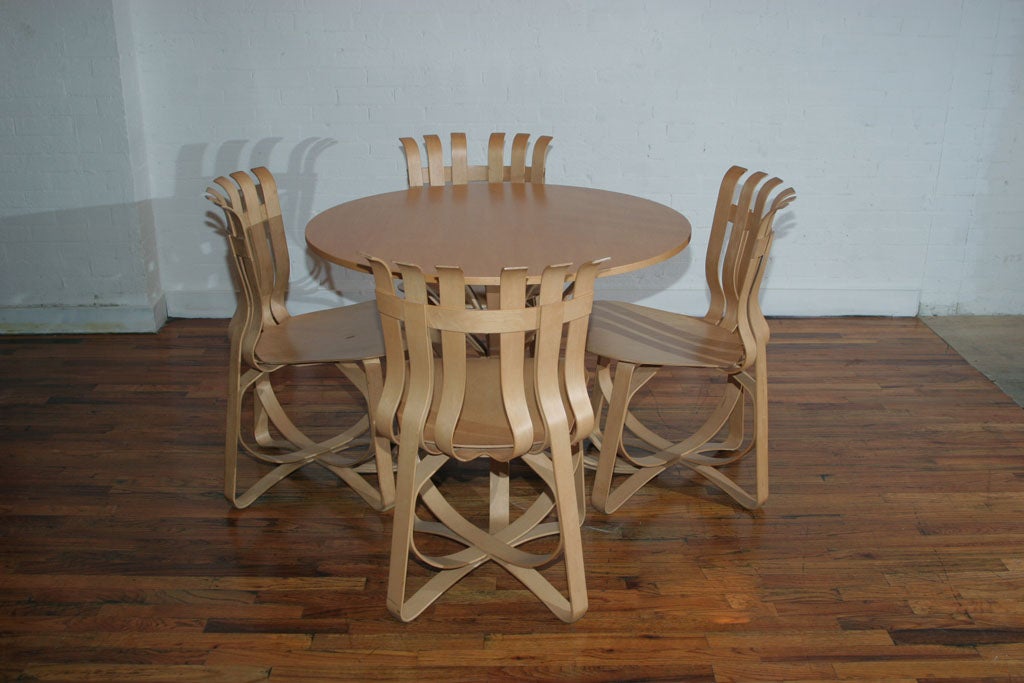
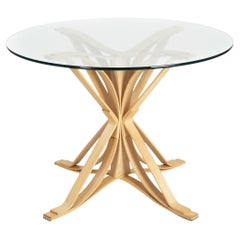
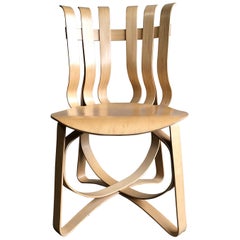
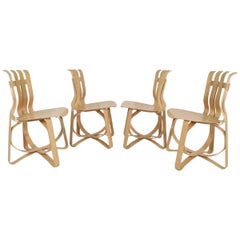
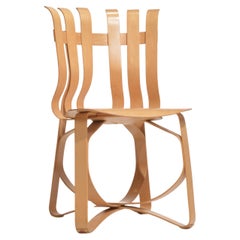
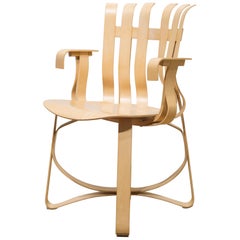
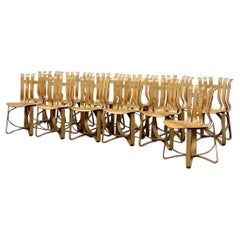
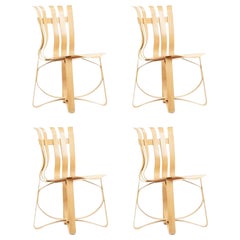
At 1stDibs, there are many versions of the ideal frank gehry hat trick chair for your home. A frank gehry hat trick chair — often made from
wood,
maple and
bentwood — can elevate any home. Your living room may not be complete without a frank gehry hat trick chair — find older editions for sale from the 19th Century and newer versions made as recently as the 21st Century. A frank gehry hat trick chair made by
Mid-Century Modern designers — as well as those associated with
Modern — is very popular.
Frank Gehry and
Knoll each produced at least one beautiful frank gehry hat trick chair that is worth considering.
Prices for a frank gehry hat trick chair can differ depending upon size, time period and other attributes — at 1stDibs, they begin at $1,290 and can go as high as $12,500, while the average can fetch as much as $4,400.
With magnificent buildings such as the Guggenheim Bilbao, Disney Concert Hall in Los Angeles and the new Foundation Louis Vuitton in Paris, Frank Gehry changed the nature and spirit of contemporary architecture. The architect has also enjoyed a prolific career as a designer of artful and functional objects, ranging from furniture to jewelry, that even at smaller scale are as lively and captivating as his architectural designs.
Gehry was born in Toronto and moved with his family to Los Angeles in 1947. He received a degree in architecture from the University of Southern California in 1954 and — after several years of casting about that included a stint in the U.S. Army and studies at Harvard — Gehry opened his architectural practice in L.A. in 1962.
Idiosyncratic renovations to his small, traditional house in Santa Monica — such as cladding portions of the exterior in chain-link fencing and corrugated metal — drew attention to Gehry in architectural circles. Corporate and institutional commissions added to his reputation, culminating in the global acclaim that greeted the opening of the Guggenheim Bilbao in 1997. But the combination of visual dynamism and structural integrity expressed by that building had been evident for decades in Gehry’s designs. In 1972 he introduced a much-admired line of furniture he called Easy Edges. The curves and flowing lines of the pieces, which include the Wiggle chair, seem antithetical to the material are made from: cardboard — a presumably flimsy material that, when stacked, laminated and folded, is actually extraordinarily sturdy.
Many of Gehry’s designs feature an abstracted fish motif. For the architect, it was a symbol of vitality, strength and flexibility. The fish appears in a group of 1982 plastic lamps created for Formica (and exhibited by the Jewish Museum in New York in 2010). Gehry used the motif in crystal goblets for Swid Powell (1990), his Pito kettle for Alessi (1992) and as earrings for a 2006 jewelry collection for Tiffany that also includes torqued rings, necklaces and bangles.
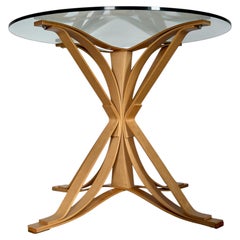
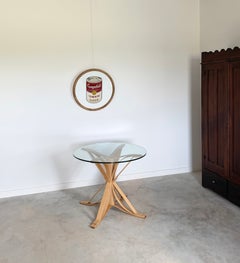
Gehry returned to furniture design in 1992 with a remarkably energetic line of furniture for Knoll with frames and seating made of bent, lightweight wooden strops. (The pieces' names, such as Power Play and Cross Check, derive from ice hockey.) In 2004, Heller released a group of twisted, faceted furnishings in molded polyethylene meant to evoke Gehry’s architecture. But — whether its tableware, jewelry or furniture — all Gehry’s designs do that--sharing an animated aesthetic built on a solid foundational core. To possess a piece of Gehry design is to own one of his buildings, in miniature.
Find vintage Frank Gehry chairs, tables and other furniture on 1stDibs.