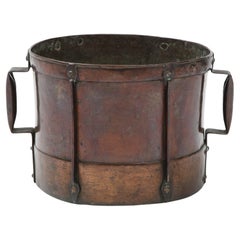
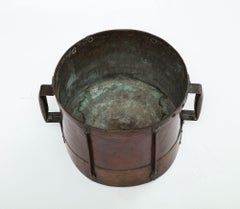
French Arts and Crafts Copper Measure
Located in Greenwich, CT
Good French Arts and Crafts era mixed metal dry measure with unusual strap work decoration, the
Category
Antique Late 19th Century Arts and Crafts Decorative Bowls
Materials
Copper
French Arts and Crafts Copper Measure
Located in Greenwich, CT
Good French Arts and Crafts era mixed metal dry measure with unusual strap work decoration, the
Copper
$1,519Sale Price / set|20% Off
H 25 in W 12.5 in D 11 in
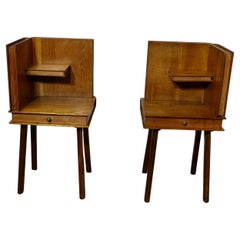
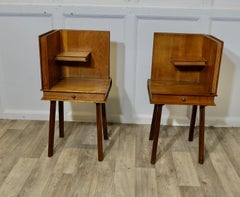
A Pair of French Arts and Crafts Outré Bedside Tables
Located in Godshill, Isle of Wight
A Pair of French Arts and Crafts Outré Bedside Tables A very attractive pair of cabinets designed
Oak
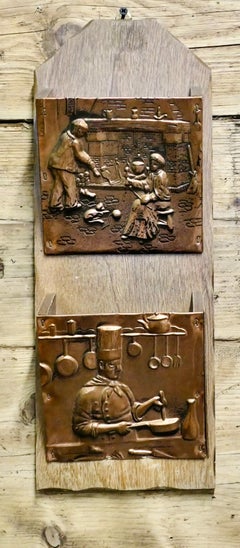
French Arts and Crafts, Copper Wall Hanging Letter Rack
Located in Godshill, Isle of Wight
French Arts and Crafts, Copper Wall Hanging Letter Rack 2 Hand Beaten Copper wall pocket letter
Copper
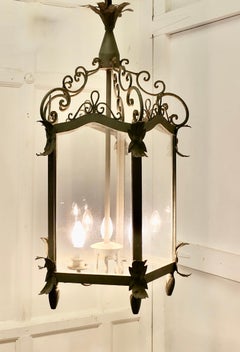
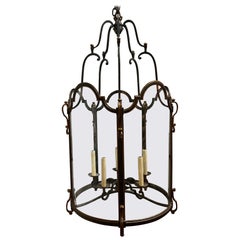
Large Wrought Iron French Arts and Crafts Hall Lantern
Located in Godshill, Isle of Wight
Large Wrought Iron French Arts and Crafts Hall Lantern This is a very large Hallway or Porch
Iron
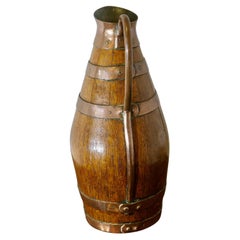
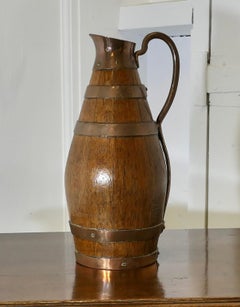
French Arts and Crafts Golden Oak Cider Jug with Copper Bands
Located in Godshill, Isle of Wight
French Arts and Crafts Golden Oak Cider Jug with Copper Bands A beautiful looking piece and all
Oak
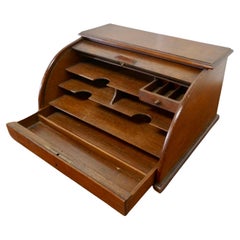
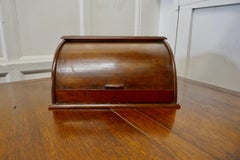
French Arts and Crafts Oak Stationary Box with Tambour
Located in Godshill, Isle of Wight
French Arts and Crafts oak stationary box with Tambour This very attractive French Box is made
Oak
$3,364Sale Price / set|20% Off
H 47 in W 23 in D 25 in
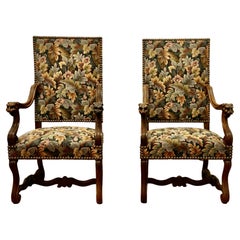
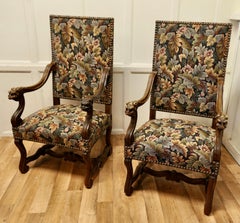
Pair of French Arts and Crafts Gothic Walnut Library Chairs
Located in Godshill, Isle of Wight
A Pair of French arts and crafts gothic walnut library chairs These beautiful chairs date from
Walnut
Very Large French Arts and Crafts Embossed Brass Stick Stand
Located in Godshill, Isle of Wight
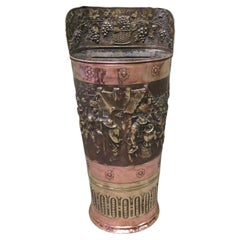
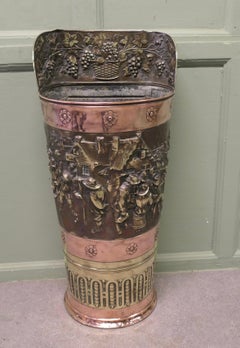
Very Large French Arts and Crafts Embossed Brass Stick Stand This is an impressive piece it is
Brass
$835Sale Price|20% Off
H 12 in Dm 14 in
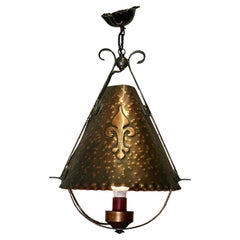
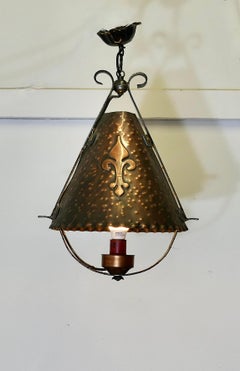
French Arts and Crafts Gothic Copper Lantern A very unusual light
Located in Godshill, Isle of Wight
French Arts and Crafts Gothic Copper Lantern A very unusual light, the light is a Conical shape
Copper
$1,085Sale Price / item|20% Off
H 8 in W 171 in D 14 in
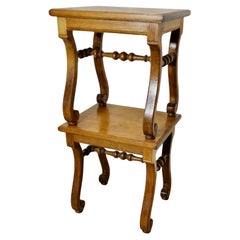
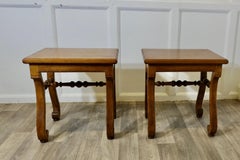
A Pair of French Arts and Crafts Oak Stools, Occasional Tables
Located in Godshill, Isle of Wight
A Pair of French Arts and Crafts Oak Stools, Occasional Tables These are a delightful Pair of
Oak
$705Sale Price / set|20% Off
H 9 in W 5 in D 10 in
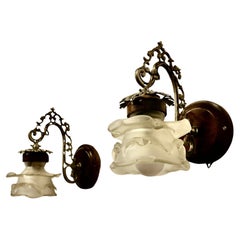
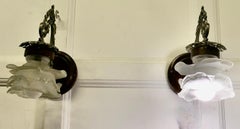
A Pair of French Arts and Crafts Wall Lights with Flower Shades
Located in Godshill, Isle of Wight
A Pair of French Arts and Crafts Wall Lights with Flower Shades The Lights have very decorative
Glass
$618Sale Price|20% Off
H 9 in W 19 in D 5 in
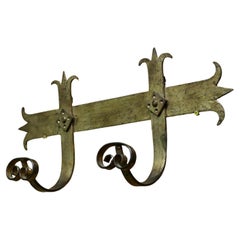
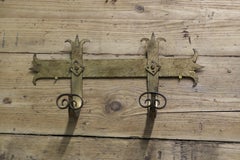
French Arts and Crafts Gothic Style Coat Hooks Hand Made in Iron
Located in Godshill, Isle of Wight
French Arts and Crafts Gothic Style Coat Hooks Hand Made in Iron with a gilt finish, the Coat Rack
Iron
$5,210Sale Price|20% Off
H 28 in W 15 in D 15 in
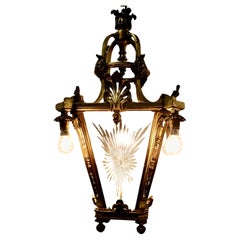
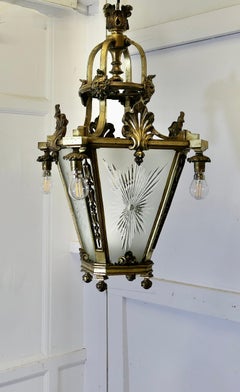
French Arts and Crafts Gothic Hall Lantern Ceiling Light
Located in Godshill, Isle of Wight
Large French Arts and Crafts Gothic Hall Lantern Ceiling Light This is a very Large and Heavy Hall
Brass
$1,302
H 32 in W 32 in D 16 in
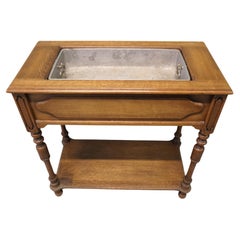
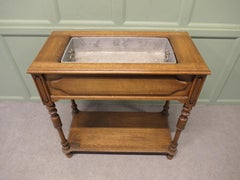
French Arts and Crafts Golden Oak, Lined Jardinière The planter is made in Oak
Located in Godshill, Isle of Wight
French Arts and Crafts Golden Oak, Lined Jardinière The planter is made in Oak it has turned legs
Oak
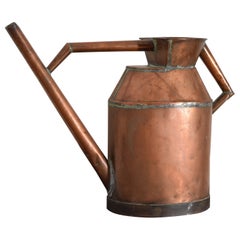
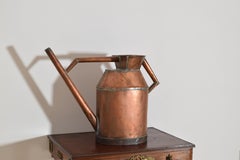
French Arts and Crafts Copper Watering Pitcher, ca. 1900
Located in Atlanta, GA
boldly designed with angled water passages and spout, the body upwardly tapered
Copper
$846Sale Price|20% Off
H 21 in W 9 in D 9 in
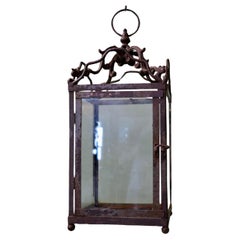
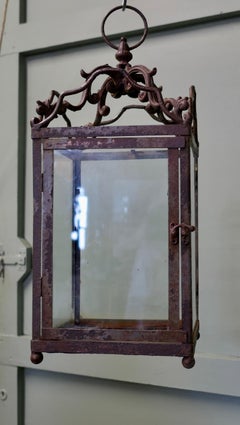
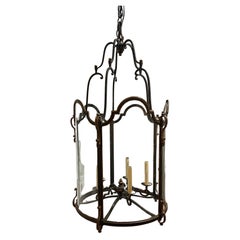
Wrought Iron French Arts and Crafts Hall Lantern This is a good large size
Located in Godshill, Isle of Wight
Wrought Iron French Arts and Crafts Hall Lantern This is a good large size for a Hallway or Porch
Iron
$7,200Sale Price|20% Off
H 30 in W 84.5 in D 33 in
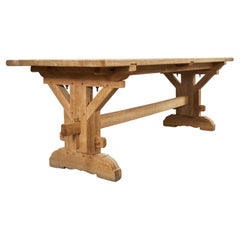
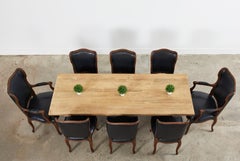
French Arts and Crafts Bleached Oak Farmhouse Dining Table
Located in Rio Vista, CA
Distinctive mid 20th century French decorative arts and crafts farmhouse trestle dining table
Iron
$1,301Sale Price|40% Off
H 45.28 in W 29.14 in D 25.6 in
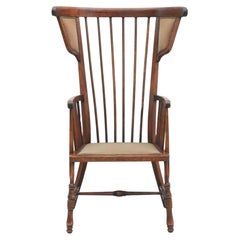
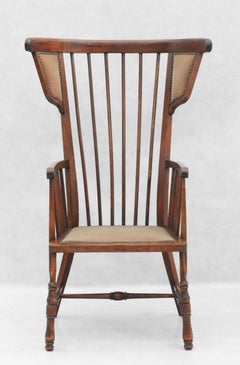
Rare French Arts and Crafts High Back Spindle Wood Winged Upholstered Armchair
Located in Trensacq, FR
Beautifully crafted spindle wood wing back armchair C1900 France. The unusual chair features an
Beech
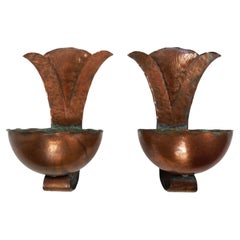
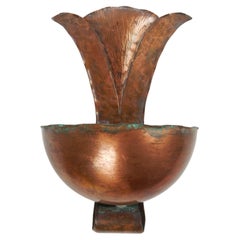
Mission Arts & Crafts era French Hammered Copper Holy Water Fonts
By Mission Arts & Crafts
Located in Las Vegas, NV
Offering a pair of hand crafted holy water fonts in copper. circa 1920-30's. European/French
Copper
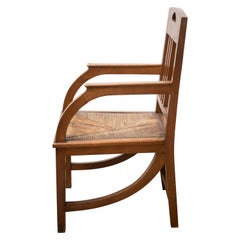
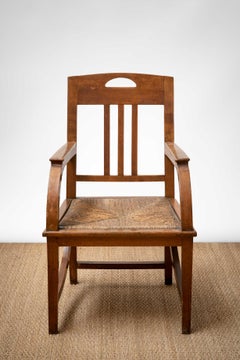
French Arts + Crafts Armchair
Located in West Hollywood, CA
French Arts + Crafts walnut frame armchair with new rush seat, France, early 20th century.
Wood, Walnut, Rush
$1,085Sale Price|20% Off
H 11 in W 36 in D 10 in
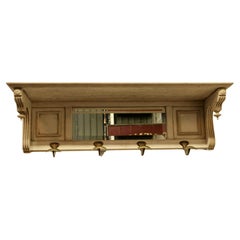
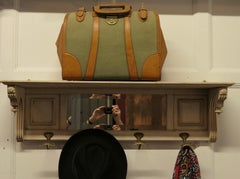
Arts and Crafts French Painted Wall Mirror with Shelf and Coat Hooks
Located in Godshill, Isle of Wight
Arts and Crafts French Painted Wall Mirror with Shelf and Coat Hooks This is a very attractive
Pine
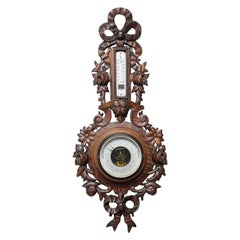
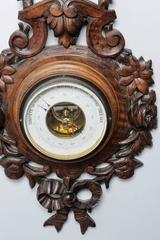
Old French Barometer, Hand-Carved Wood, Arts and Crafts Style, 1915
Located in Alessandria, Piemonte
Old French barometer with love knot, suitable in your kitchen or study room or.....everywhere. It
Wood
$583
H 4.73 in W 9.06 in D 5.91 in
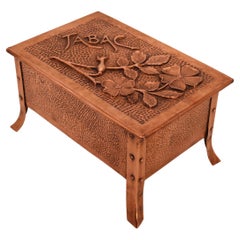
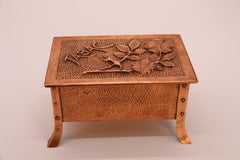
Arts and Crafts period copper cigar or tabac box, French circa 1900
Located in Central England, GB
traditional arts and crafts metal working skills from cut and beaten copper riveted together to form this
Copper
$3,956Sale Price|25% Off
H 78.75 in W 36.23 in D 11.42 in
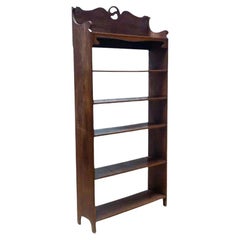
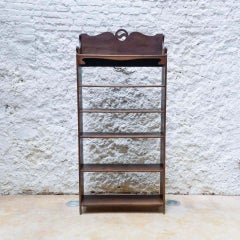
Early 20th Century Walnut Arts and Crafts Shelves, France, 200 cm
Located in Barcelona, ES
Shelf by unknown manufacturer from France, circa early 20th century. In original condition, with
Walnut
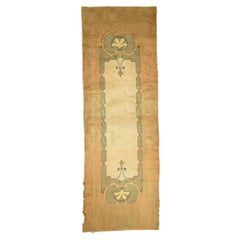
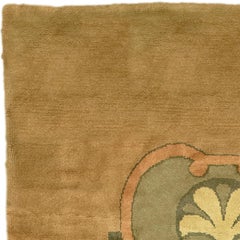
Vintage Arts & Crafts Rug
Located in New York, NY
Vintage Arts & Crafts runner circa 1910 France.
Wool
$865Sale Price|20% Off
H 18.5 in W 41 in D 1 in
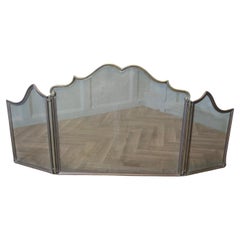
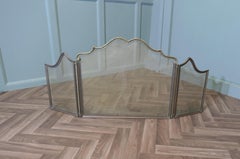
Three-Fold French Brass Fire Guard, Arts and Crafts Style, 1900
Located in Godshill, Isle of Wight
Unusual 3 Fold French Brass Fire Guard This is a folding Fireguard, the guard is all made in
Brass
$1,934
H 41 in Dm 12 in
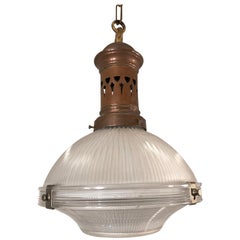
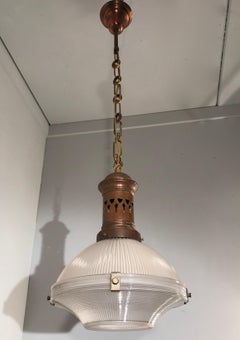
Early 1900 French Arts & Crafts Holophane Copper and Glass Pendant Light, Marked
By Holophane
Located in Lisse, NL
prismatic glass shades and brass holder are fully marked. Both on and off, this Arts & Crafts era light
Brass
$432Sale Price|20% Off
H 15 in Dm 13 in
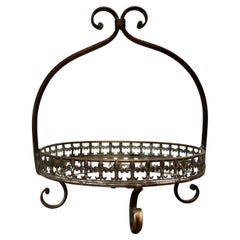
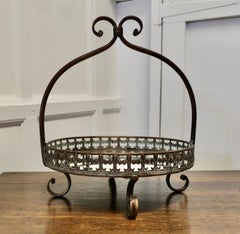
French Copper Cake Stand with Mirrored Base, 1950s Arts and Crafts
Located in Godshill, Isle of Wight
French Copper and Mirrored Bottomed Cake Stand A pretty Cake stand with an arched handle, the
Mirror
$304Sale Price|20% Off
H 0.99 in W 8.67 in D 8.27 in
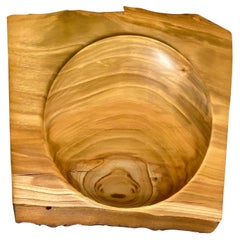
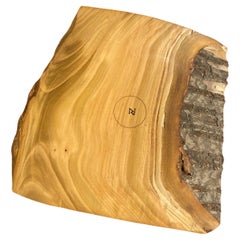
Ralph Ribour Cherry Wood Vide-Poche, Arts and Crafts Style, France
Located in PARIS, FR
Ralph Ribour is a French wood scupltor who creates decorative objects, and he is known for his
Cherry
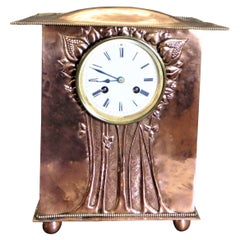
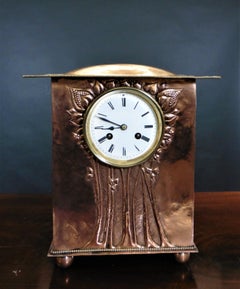
Copper Arts & Crafts French Mantel Clock
Located in Norwich, GB
Copper arts and crafts mantel clock Arts and Crafts mantel clock housed in a copper case with domed
Copper
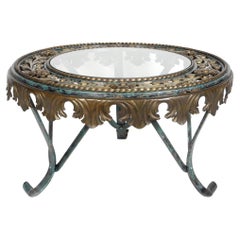
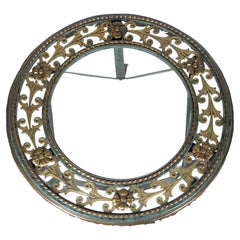
1930's French Arts & Crafts era Bronze and Wrought Iron Coffee Table
By Paul Kiss
Located in Las Vegas, NV
Exquisite 1930's French Arts & Crafts era coffee table formed of cast bronze and wrought iron
Bronze, Wrought Iron
$1,500 / set
H 17.75 in W 14 in D 14 in
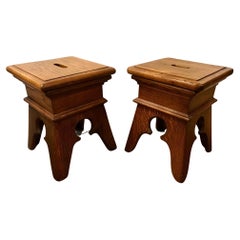
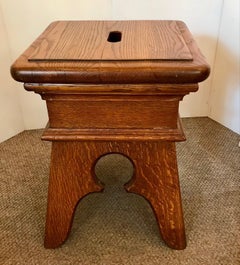
Antique Hand-Crafted French Canadian Oak Stools, Arts and Crafts, 1900
Located in Montreal, QC
"The Early Furniture of French Canada". lists the original (plate 246). His, he describes as a Flemish
Oak
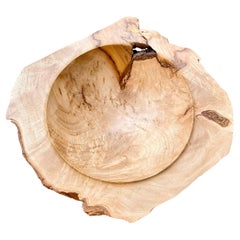
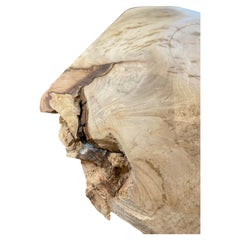
$375Sale Price|20% Off
H 2.56 in W 10.63 in D 11.42 in
Beech Wood Vide-Poche by Ralph Ribour, Arts and Crafts Style, France
Located in PARIS, FR
Ralph Ribour is a French wood scupltor who creates decorative objects, and he is known for his
Beech
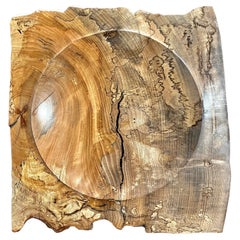
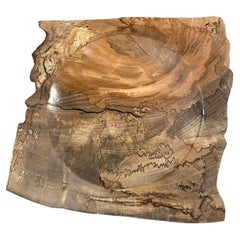
$373Sale Price|20% Off
H 1.38 in W 12.21 in D 12.6 in
Beech Wood Vide-Poche by Ralph Ribour, Arts and Crafts Style, France
Located in PARIS, FR
Ralph Ribour is a French wood scupltor who creates decorative objects, and he is known for his
Beech
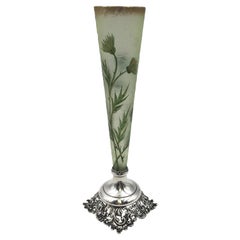
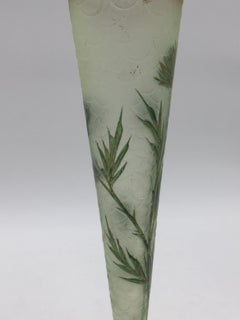
$780
H 11.5 in W 3.5 in D 3.5 in
Late 19th Century Lebkuecher Sterling Silver and French Glass Vase Arts & Crafts
By Lebkuecher & Co.
Located in New York, NY
beaded junction between the glass and the base, all in exquisite Arts & Crafts Style. It measures 11 1/2
Silver, Sterling Silver
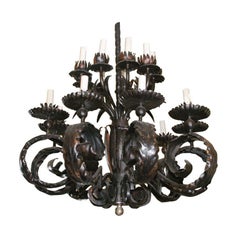
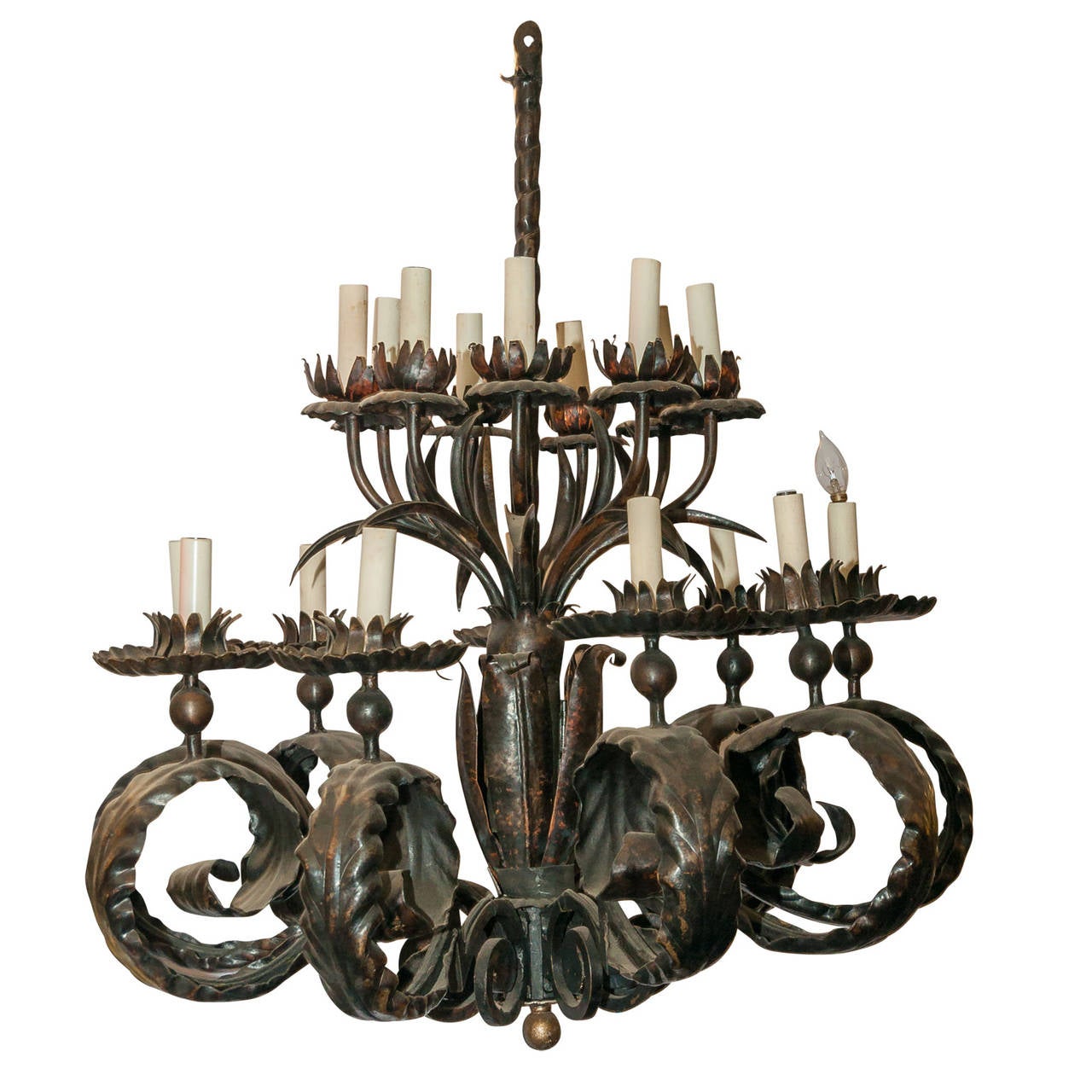
Large Arts and Crafts Style Patinated Bronze 18-Light Chandelier
Located in New York, NY
Large and unique 18-light patinated bronze chandelier in the Art and Crafts style with acanthus
Bronze
$1,324
H 16.54 in W 7.88 in D 7.88 in
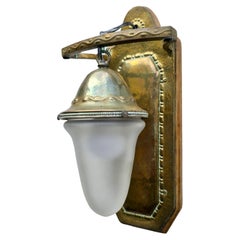
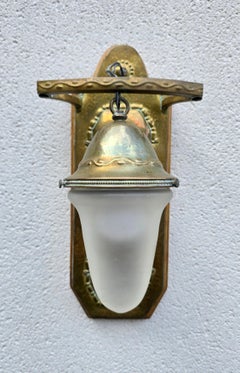
Arts & Crafts Hammered Brass and Frosted Glass Wall Sconce, England/France
Located in Antwerp, BE
A finely handcrafted Arts & Crafts wall sconce in hammered brass with a frosted glass shade, circa
Brass
$1,517 / set
H 14.97 in W 12.21 in D 5.91 in
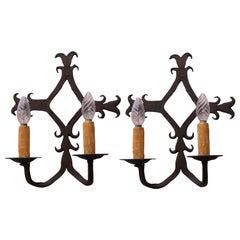
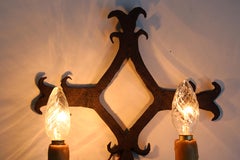
Antique French Wrought Iron Wall Lights / Sconces Spanish Style 1900 Arts Crafts
Located in Ijzendijke, NL
Lovely pair of hand-crafted wrought iron wall lights from France 1900. Spanish style or Arts
Wrought Iron
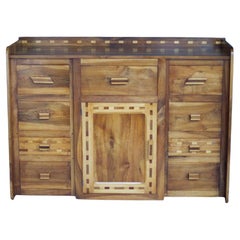
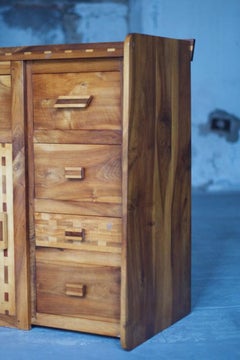
Arts & Crafts Buffet from Bois Massif, France, 1950s
By Thonet
Located in Andrézieux-Bouthéon, FR
Arts & Crafts Buffet from Solid Wood, France, 1950s Vintage Design Solid wood, used with
Wood
$683Sale Price|20% Off
H 17 in W 27 in D 9 in
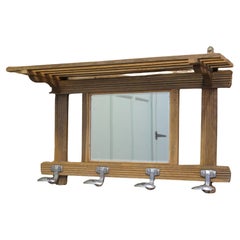
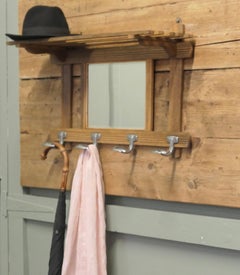
Arts and Crafts French Pine Wall Mirror with Shelf and Coat Hooks
Located in Godshill, Isle of Wight
Arts and Crafts French Pine Wall Mirror with Shelf and Coat Hooks This is a very attractive piece
Pine
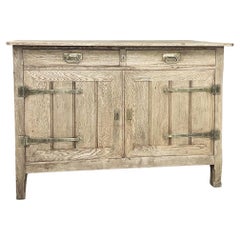
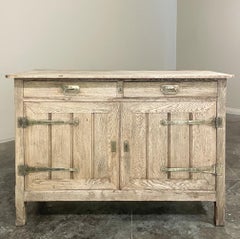
Antique Rustic Arts & Crafts Period Low Buffet ~ Credenza
Located in Dallas, TX
Antique Rustic Arts & Crafts Period Low Buffet ~ Credenza is a wonderful example of the period
Brass
$1,356 / item
H 33 in W 22.5 in D 16 in
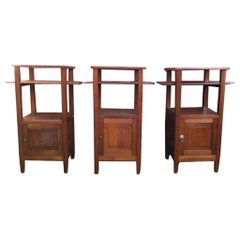
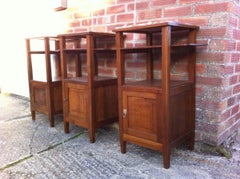
Three Arts & Crafts Oak Bedside Cabinets with Marble Tops and Extending Shelves.
Located in London, GB
A near set of three Arts & Crafts oak bedside cabinets with extending shelves to each side. With
Marble
$7,170
H 52 in W 46.5 in D 4.5 in
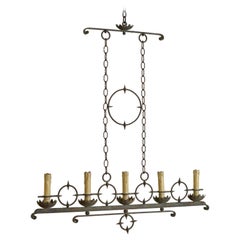
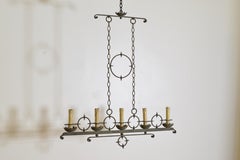
French Arts & Crafts Wrought Iron & Painted Iron 5-Light Chandelier, Early 20thc
Located in Atlanta, GA
overall having a faded green painted patina and hanging from vertical chains on a horizontal bar, a circular medallion centered between the chains, the medallion representing the poi...
Wrought Iron
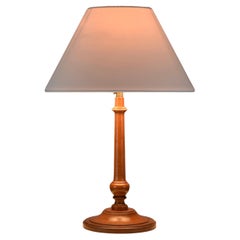
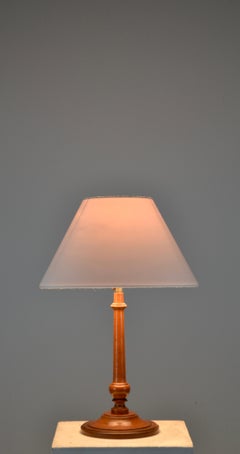
Arts and Crafts Turned Boxwood Table Lamp – Early 20th Century, France
Located in SOTTEVILLE-LÈS-ROUEN, FR
An elegant French table lamp in the Arts and Crafts style, dating from the early 20th century. The
Boxwood
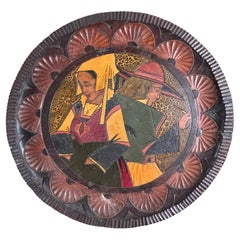
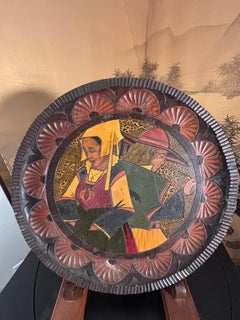
France Antique Paul Fouillen Arts Crafts Pyrography Platter Signed
Located in South Burlington, VT
From an old New England collection of fine Arts & Crafts furnishings. A handsome original deeply
Wood, Pine
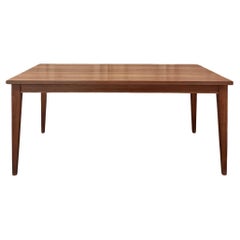
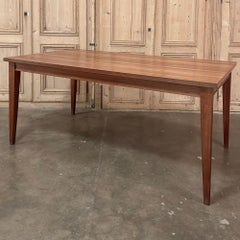
Mid-Century French Walnut Arts & Crafts Style Dining Table
Located in Dallas, TX
Mid-Century French Walnut Arts & Crafts Style Dining Table reflects the tailored architecture of
Walnut
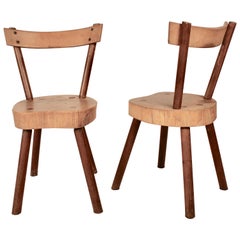
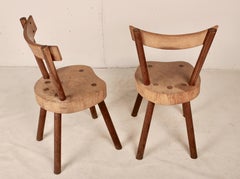
Arts & Crafts chairs from Aveyron
By Jean Touret
Located in Santa Gertrudis, Baleares
Chairs in massif wood made by anonymous carpenter from the French countryside Aveyron, 1960.
Wood
$2,856Sale Price|20% Off
H 96 in W 54 in D 21 in
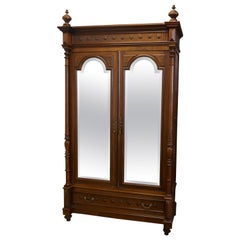
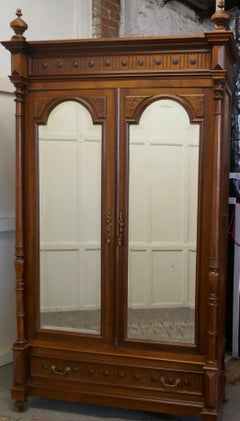
French Arts & Crafts Walnut Mirror Double Door Armoire
Located in Godshill, Isle of Wight
French Arts & Crafts walnut mirror double door armoire This is a good quality tall piece not
Walnut

$1,874
H 16.93 in W 27.96 in D 0.4 in
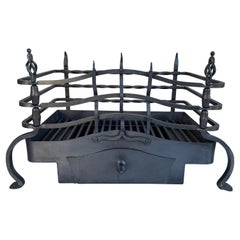
Very Special Arts and Craft Movement Antique Fireplace Grate or Basket
Located in Oostvoorne, NL
This wrought iron antique fireplace grate or basket is a real showpiece. The dimensions and craftsmanship are visible from every angle. The Basket comes with a removable ash drawer.
Wrought Iron
$3,328
H 41 in Dm 28 in
Top Quality and Design Wrought Iron Arts and Crafts Chandelier with Glass Shades
By Edgar Brandt
Located in Lisse, NL
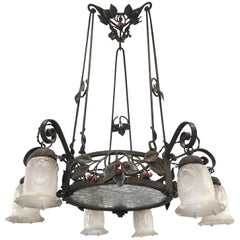
Great early 20th century craftmanship in the manner of Edgar Brandt. Any blacksmith who is capable of creating such an elegant, stylish and even romantic work of lighting art out of...
Wrought Iron
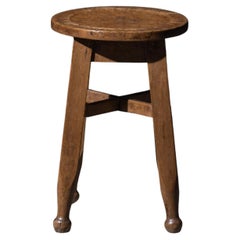
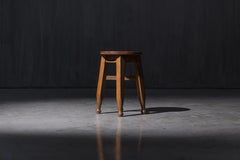
Artisan Arts & Crafts Stool, France, Early 20th Century
Located in Antwerp, BE
An early 20th-century wooden stool crafted in the English Arts & Crafts tradition, showcasing
Wood
$746
H 8.67 in W 4.73 in D 0.91 in
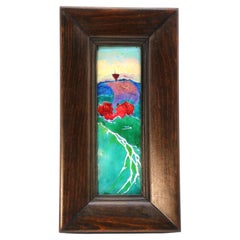
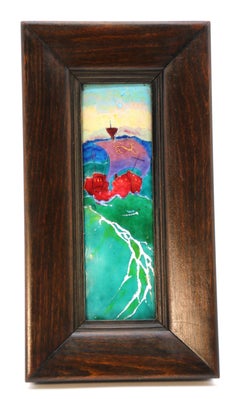
Antique French Limoges enamelled on copper Arts and Crafts framed plaque, C1910
Located in Central England, GB
. French, circa 1910 Size including the fame; Height 22.5cm x width 12cm x depth 2.3cm Thank you for
Copper, Enamel
$609Sale Price|20% Off
H 13 in Dm 15.36 in
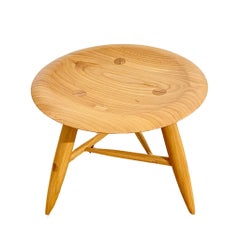
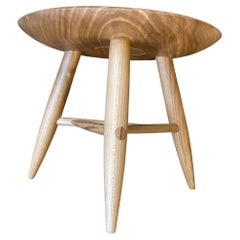
Elm Stool by Ralph Ribour, Arts and Crafts Style, Handmade in France
Located in PARIS, FR
Gorgeous stool in elm by the French designer and sculptor Ralph Ribour. This stool reflects a high
Elm
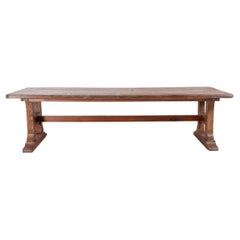
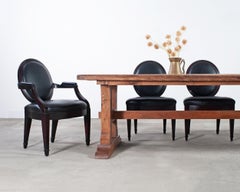
Monumental French Arts Crafts Oak Farmhouse Dining Table 9.5 Ft
Located in Rio Vista, CA
across styles of French Provincial, Rustic, European Farmhouse, Wabi-Sabi, and Country Arts and Crafts
Oak
$2,240Sale Price / set|21% Off
H 29.5 in W 30 in D 1 in
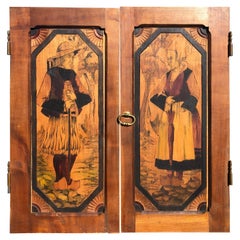
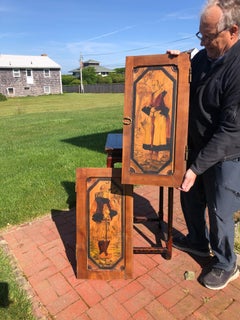
France Antique "Brittany" Paul Fouillen Arts Crafts Pyrography Panels
Located in South Burlington, VT
From an old New England collection of fine Arts & Crafts furnishings. Two large all original
Brass
$2,170Sale Price|20% Off
H 70 in W 65 in D 20 in
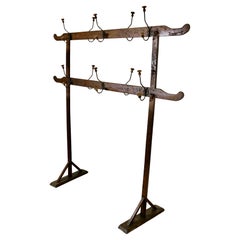
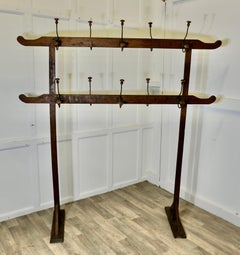
French Double Sided Arts & Crafts Golden Pine Hanging Rail
Located in Godshill, Isle of Wight
French Double Sided Arts & Crafts Golden Pine Hanging Rail The Cloakroom Rail is a well designed
Pine
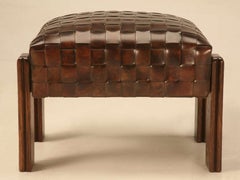
$3,800
H 17 in W 22 in D 19 in
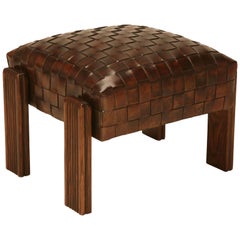
Unique French Handwoven Leather Ottoman Arts & Craft Style Made in Chicago
Located in BENSENVILLE, IL
Woven Leather Ottoman in the Style of Arts & Craft or possible early Art Deco that was custom
Leather, Oak
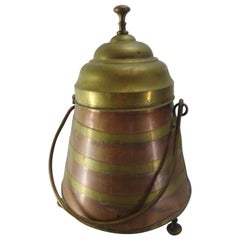
French Copper and Brass Arts & Crafts Footed Vessel with Lid
Located in Cookeville, TN
Bands of copper and brass form this Arts & Crafts tapered vessel. It sits on three feet and has a
Brass, Copper
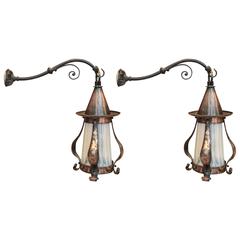
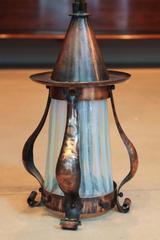
Arts and Crafts Hammered Sconces, Pair
Located in Vancouver, BC
Pair of hammered sconces in the arts and crafts style with scrolling arms and milk glass inserts
Bronze
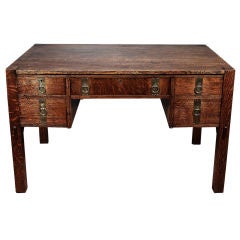
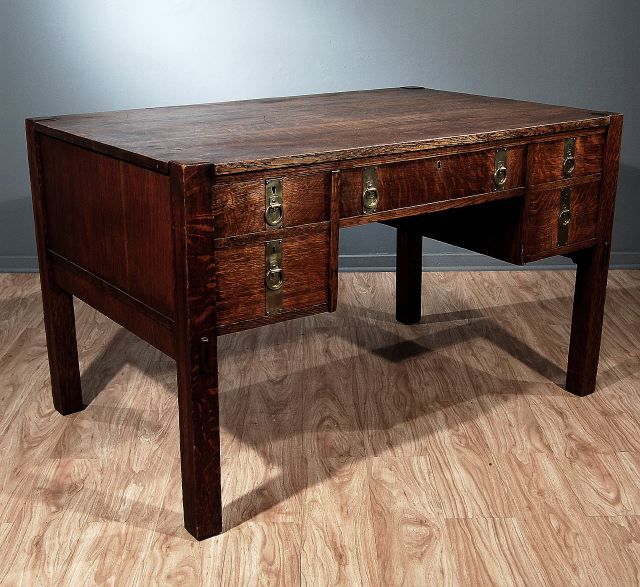
Arts and Crafts Oak Desk
Located in New York, NY
An Arts & Crafts Oak Desk
Oak
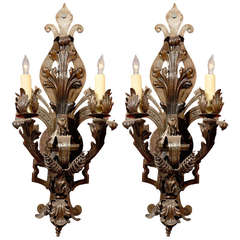
Unavailable
H 25 in W 10 in D 8 in
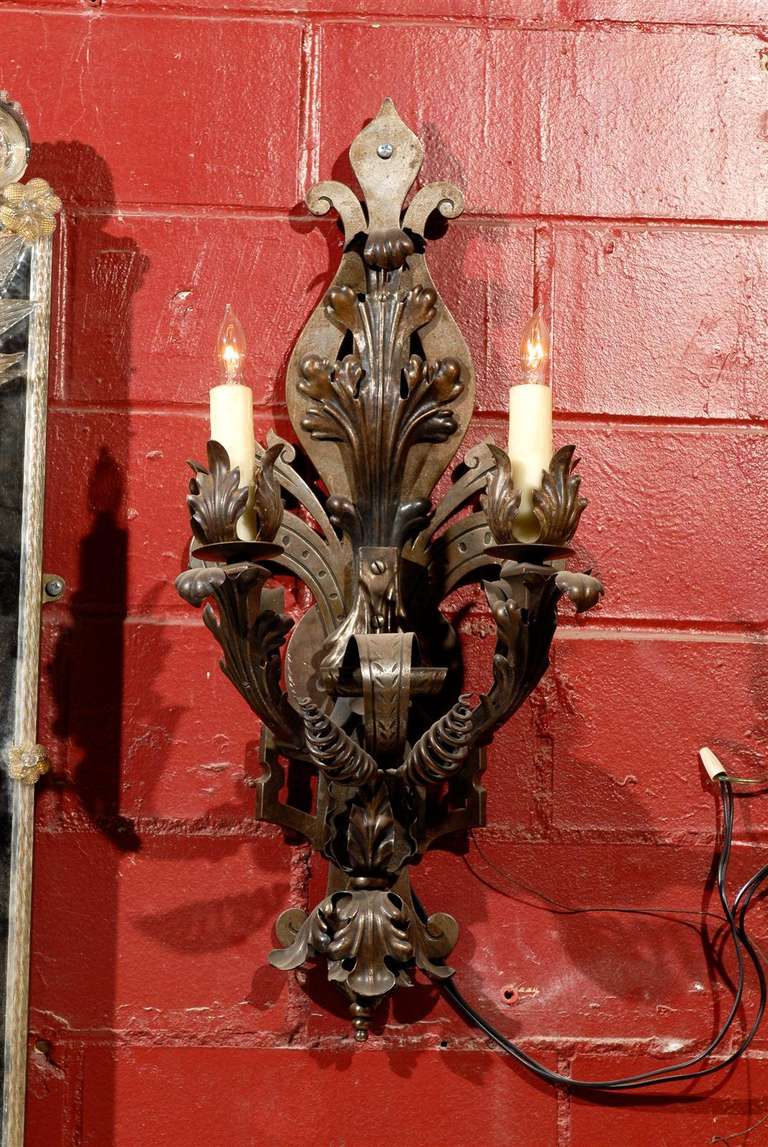
Pair of 19th Century French Wrought Iron Arts and Crafts Style Appliques
Located in Atlanta, GA
Pair of exceptional 19th century French wrought iron Arts & Crafts style double candle sconces
Wrought Iron
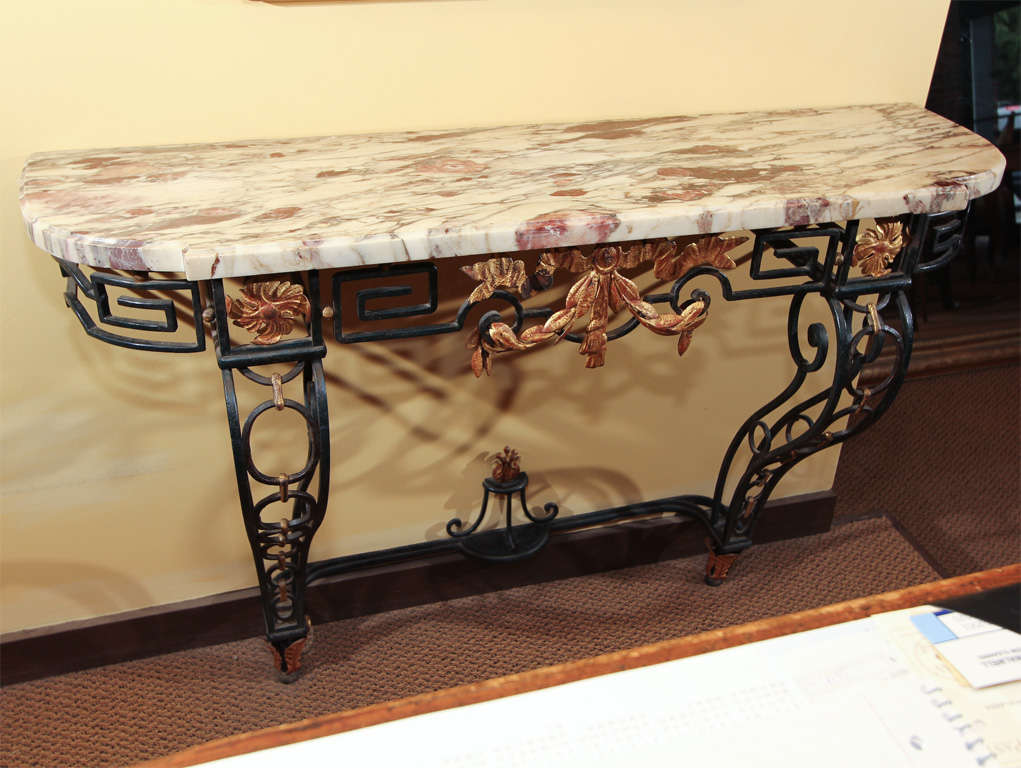
French Arts & Crafts Iron Console Table
Located in Kirkland, WA
French Arts & Crafts Iron Console Table This French iron wall-mounted console table is all
Marble, Iron
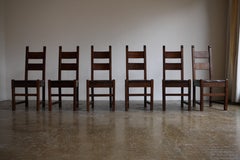
Set of 6 Elm Arts and Crafts Dining Chairs
Located in London, GB
Early 20th century French elm dining chairs with an arts and crafts feel. The chairs have a tall
Elm
Unavailable
H 54 in Dm 35 in
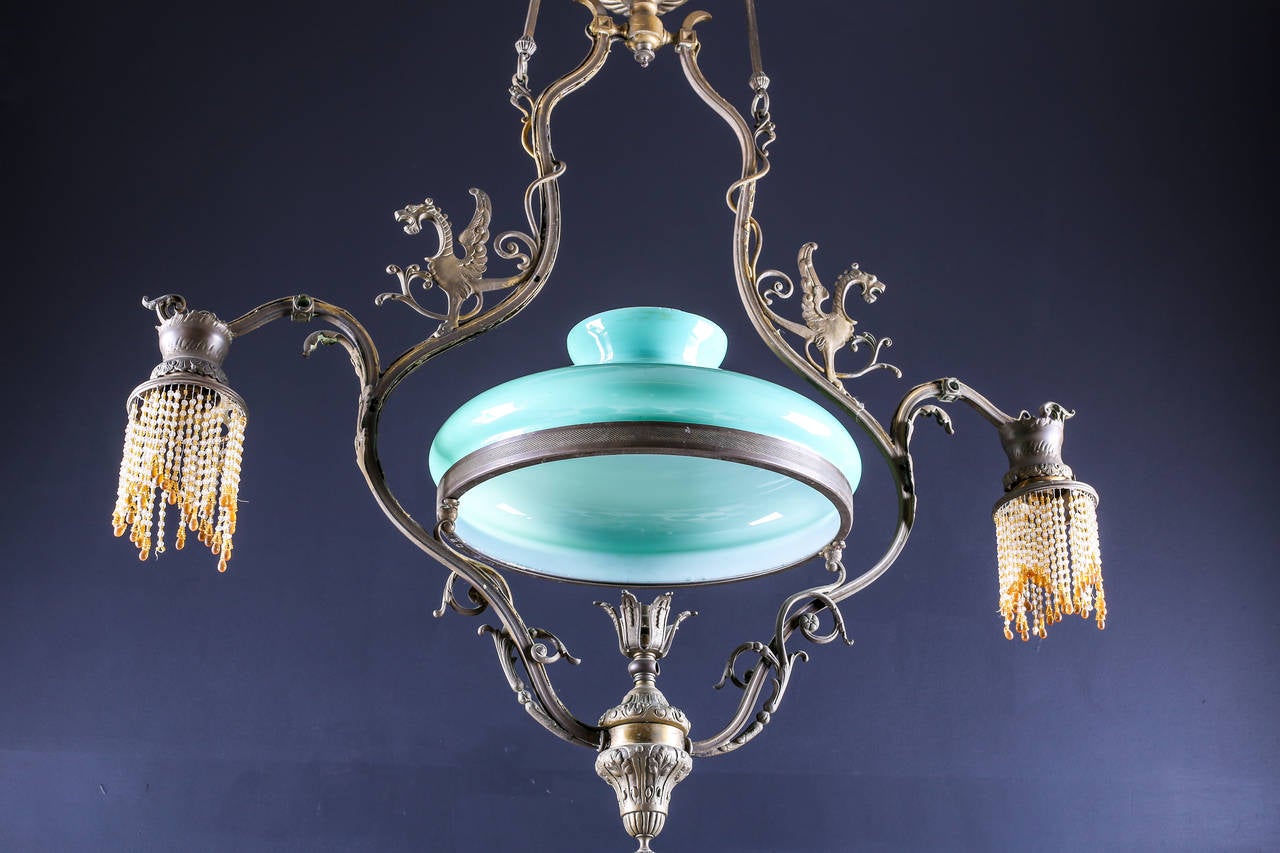
Impressive and Large Arts and Crafts Bronze and Glass Chandelier, 19th Century
Located in London, GB
Impressive and Large Arts & Crafts Bronze & Glass French 19th Century Total Height: 54” – 137 cm
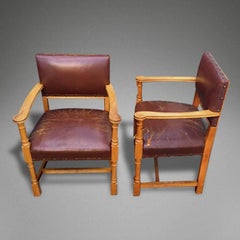
Set of 12 Oak Arts and Crafts Dining Chairs
Located in London, GB
Two sets of 12 available, can also be sold as a full set of 24 for $28000.
Leather, Oak
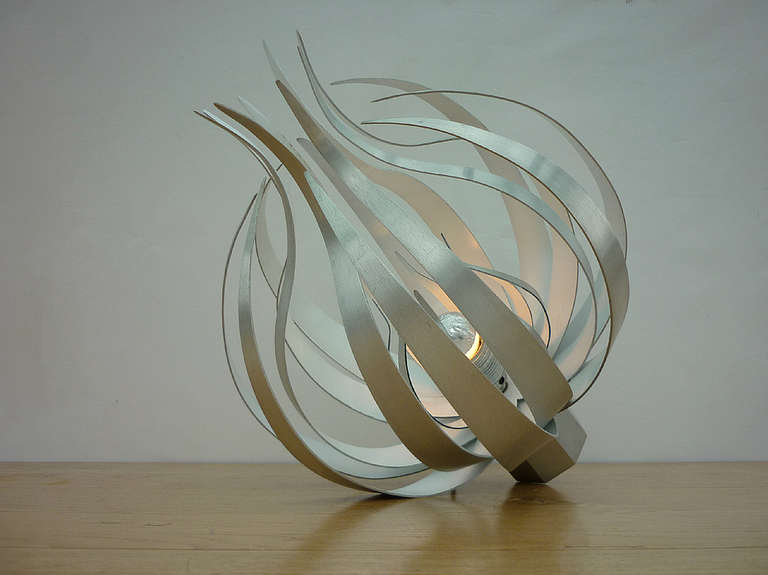
Unique arts&craft "Onion" table lamp
Located in Den Bommel, NL
Nothing like this "master piece"! Coming from the smaller lamp studio's in France. Never seen
Unavailable
H 48 in W 79 in D 32.5 in
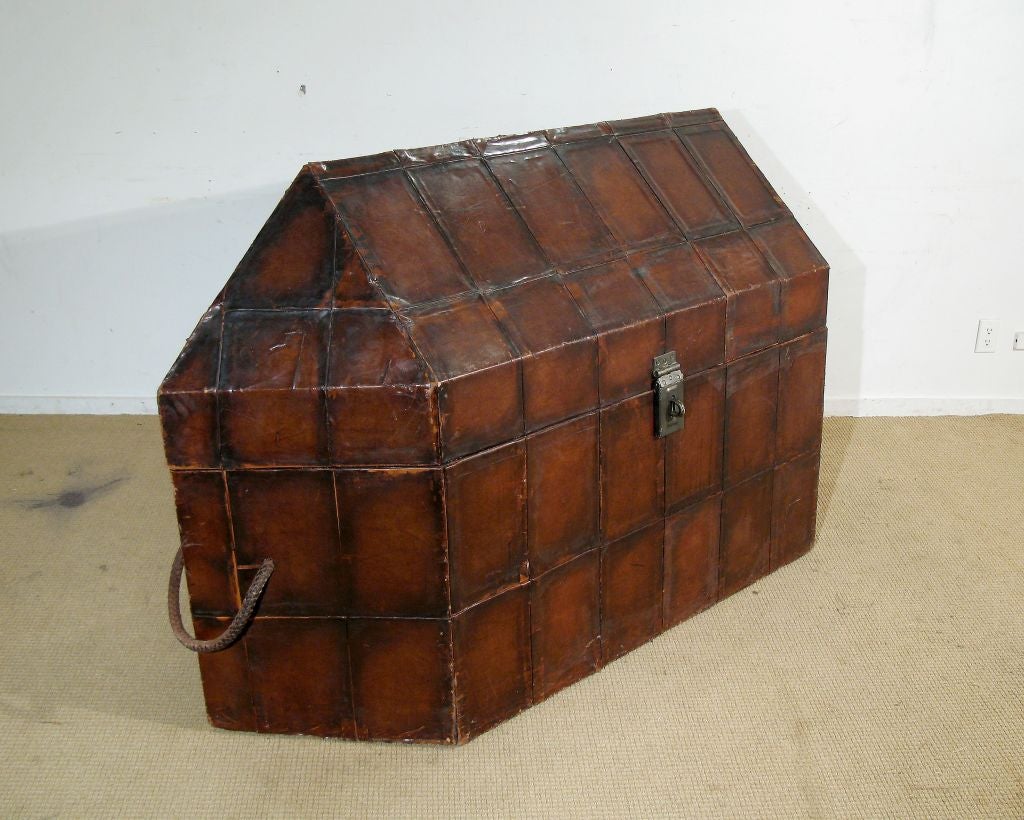
An Early 20th Cent Arts & Crafts Leather Trunk with Rope Handles
Located in New York, NY
An Early 20th Century Arts and Crafts Leather Trunk with Rope Handles
Leather, Wood, Rope
Unavailable
H 0.2 in W 1.78 in D 1.78 in
French Multicoloured Enamel and Silver Buckle, Paris, France, circa 1880
Located in London, GB
an Arts & Crafts flavour on French silver.
Silver, Enamel
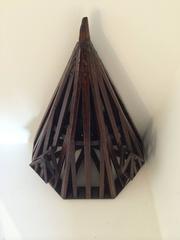
French Compagnon Masterpiece
Located in Paris, FR
The Compagnons du Tour de France is a French organization of craftsmen and artisans dating from the
Walnut
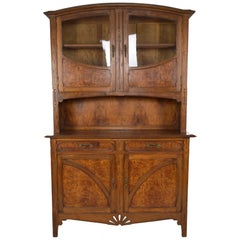
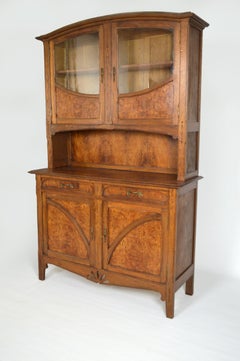
Unavailable
H 86.62 in W 55.12 in D 19.69 in
Art Nouveau Buffet/Cabinet, Oak and Elm Burl, "Quince", France, circa 1910
Located in L'Etang, FR
Buffet/cabinet in carved oak and elm burl. Art Nouveau / Arts & Crafts, France, circa 1910. In
Bronze
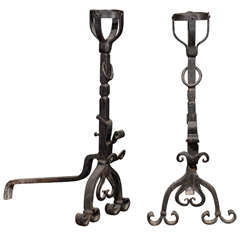
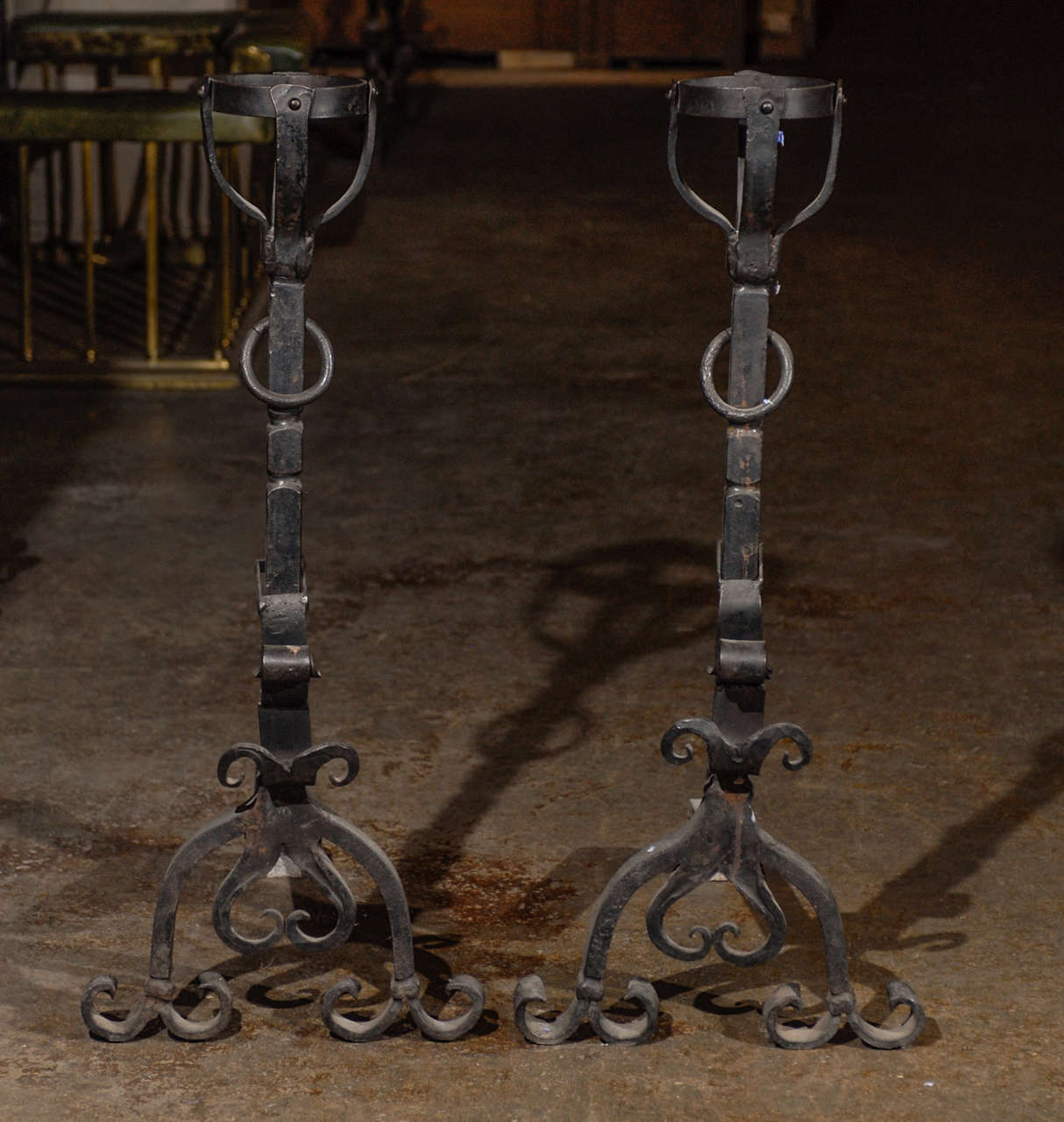
19th C. Pr. Large French Wrought Iron Firedogs
Located in Atlanta, GA
19th Century pair of large French Wrought Iron Landiers that echo the bold arts & craft style
Wrought Iron
French Art Nouveau Pottery Pink Green Vase Denert Denbac Ceramic Pot
Located in Great Britain, Northern Ireland
French Art Nouveau pottery pink green vase denert ceramic pot An attractive small French art
Ceramic
Unavailable
H 31.5 in W 15.75 in D 7.88 in
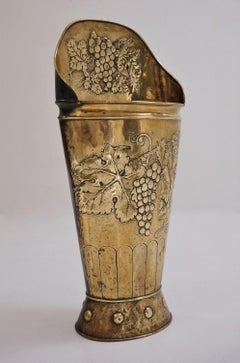
Antique Brass Umbrella Stand 'Antique Brass Grape Hod', circa 1890, French
Located in London, GB
Antique brass umbrella stand (antique brass grape hod) from the Arts & Crafts period of circa 1890
Brass
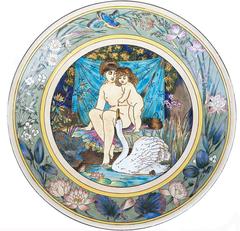
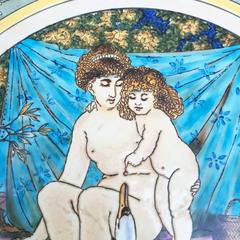
French German Ceramic Etched Charger Attributed to Mettlach, circa 1900
By Villeroy & Boch
Located in Brooklyn, NY
French-German Porcelainous-Glazed Ceramic charger, etched and enameled in bright colors with a
Ceramic
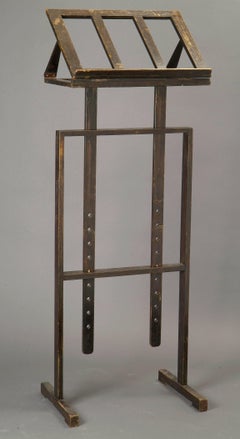
Unavailable
H 160 in W 50 in D 32 in
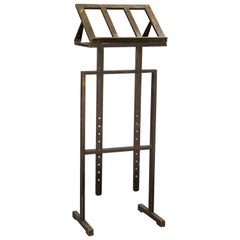
Very Rare Folding Music Stands in Brown Wood, France, 19th Century
Located in Paris, FR
Very rare folding lectern / music stands in brown wood - France, 19th century Dimensions: w.50 X
Wood
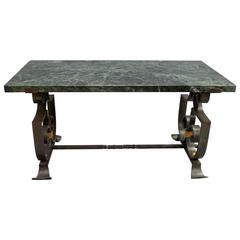
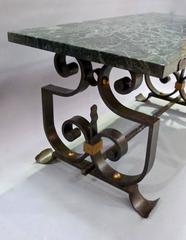
Wrought Iron and Marble Coffee Table
By Marcel Bergue
Located in Froxfield, Wiltshire
A very good quality wrought iron and marble low coffee table attributed to Marcel Bergue.
Marble, Wrought Iron
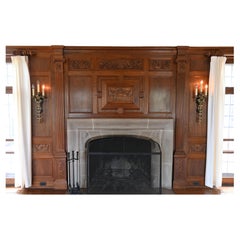
Unavailable
H 41.34 in W 94.49 in D 131.11 in
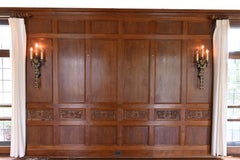
Walnut 1929 Paneled Complete Great Room Carved with Mantle & 4 French Doors
Located in Minneapolis, MN
View French Double Doors & Transoms, Four Original Arts & Crafts Sconces, Limestone Fireplace. Room
Limestone

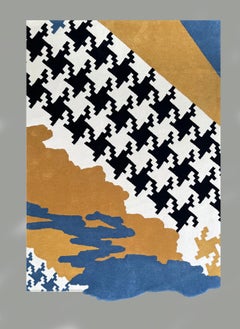
Handmade Carpet French Riviera Made of New Zealand Wool
By Kristina Gaidamaka,
Located in Port Orchard, WA
Release of new handmade art rug made of New Zealand wool. It is in tune with the Urban Ethno trend. The rug is created by the original design of the famous Ukrainian artist Kristina ...
Wool
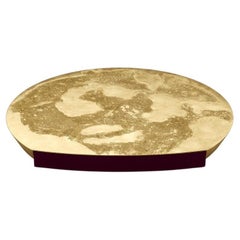
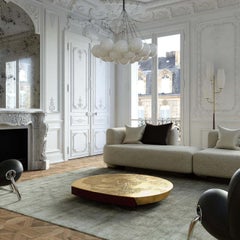
Mélos Brass Coffee Table by French Design Studio Monogram
By Monogram
Located in Bordeaux, FR
Mélos brass coffee table. Dimensions: W 105 x D 120 x H 20 cm. Materials: Aluminium, Lacquered MDF. Numbered limited edition. As a tribute to the 70s, the Melos table is meant ...
Brass
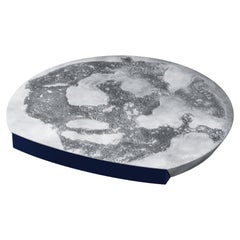

Mélos Aluminum Coffee Table by French Design Studio Monogram
By Monogram
Located in Bordeaux, FR
Mélos aluminum coffee table Dimensions: W 105 x D 120 x H 20 cm Materials: Aluminum, Lacquered MDF Numbered limited edition As a tribute to the 70s, the Melos table is meant to...
Aluminum
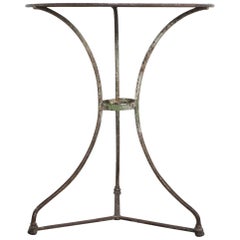
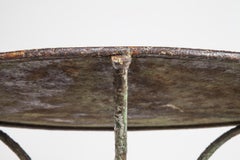
French Production, 'Bistro' Table, 1920s
Located in Monaco, Monaco
Outdoor iron French bistro table with amazing patina.
Iron

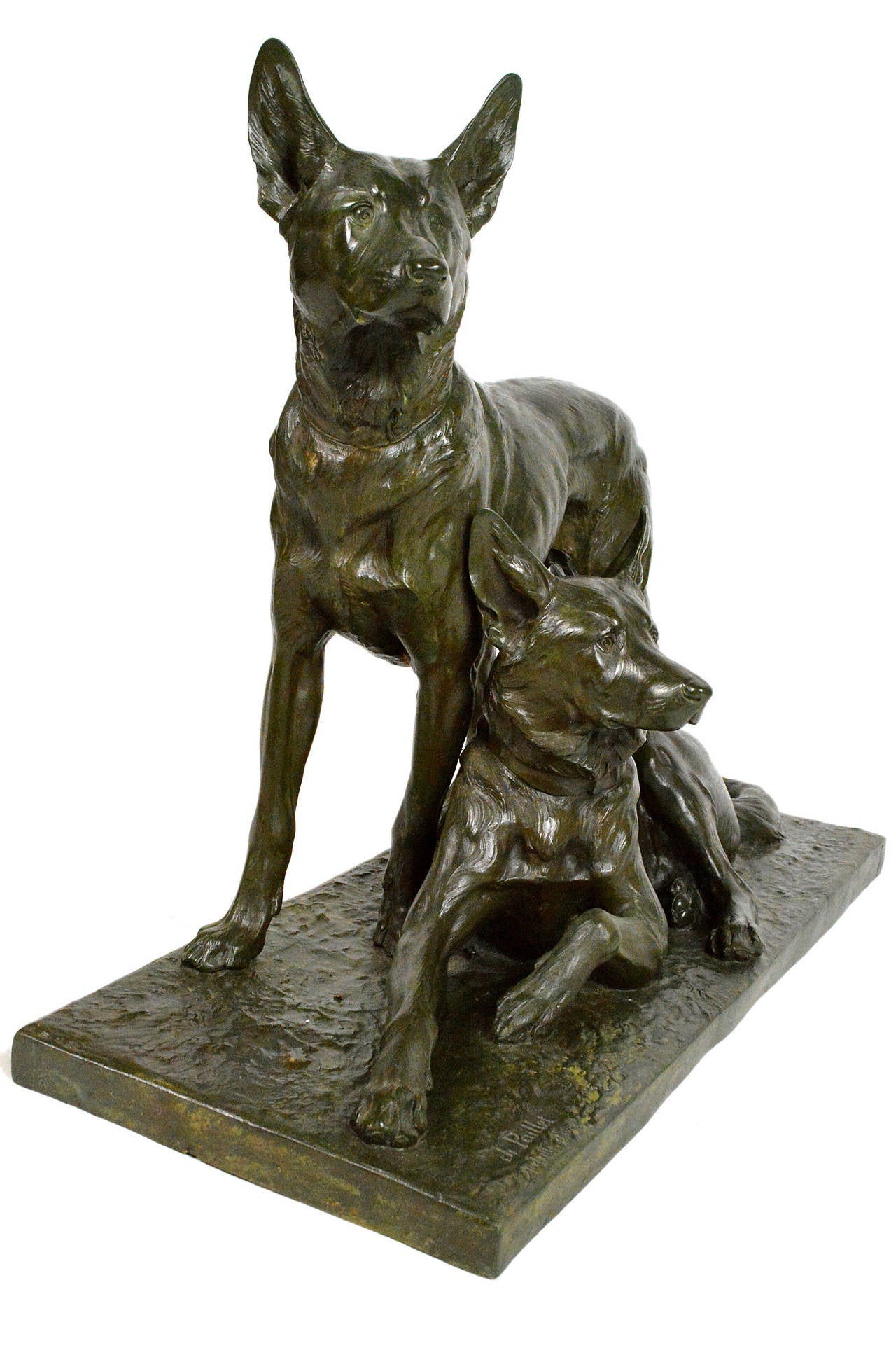
Bronze German Shepherds Grouping by Charles Paillet
By Charles Paillet
Located in Atlanta, GA
Charles Paillet (1871-1937, France) monumental patinated bronze grouping with a pair of German
Bronze
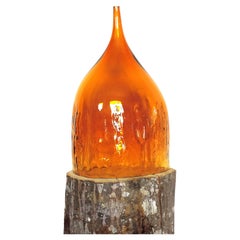
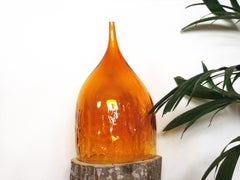
Blown glass dôme
By Fabien Barrero Carsenat
Located in LIEU-DIT BARAN, FR
Magnificent glass dome. Blown glass technic by a local small manufacture. This dome has been blown into a piece of holen chestnut beam, fallen after a summer storm. Unique piece, des...
Blown Glass
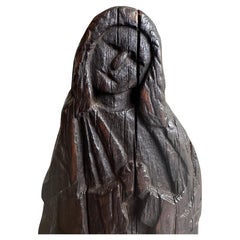
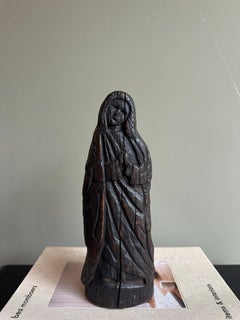
Very old Maria house altar France
Located in UTRECHT, NL
Very old hanf carved Maria from an house altar in France. Beautiful made, with al lot of
Fruitwood
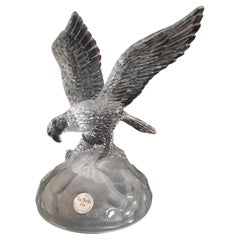
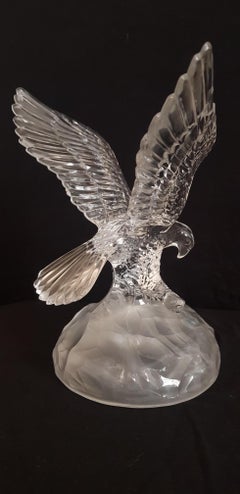
Vitange France Crystal Eagle Sculpture
By Stefano Della Bella
Located in Grantham, GB
Beautiful vitange France crystal eagle sculpture beautiful home decor brilliant condition.
Crystal
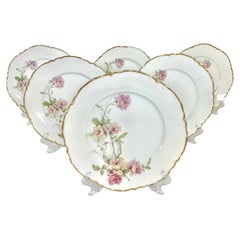
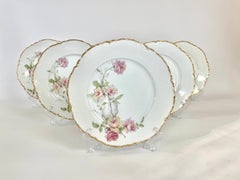
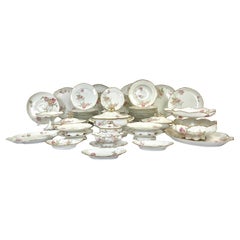
Set of 6 Haviland Limoges "Baltimore Rose" Dinner Plates
By Charles Fields Haviland
Located in LA FERTÉ-SOUS-JOUARRE, FR
French craftsmanship. Details: Quantity: 6 dinner plates Diameter: 24.5 cm (9.6 inches) Pattern
Porcelain
Unavailable
H 9.45 in Dm 9.45 in
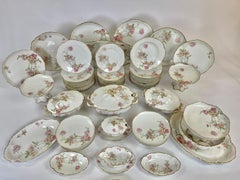
Exquisite Haviland Limoges "Baltimore Rose" Porcelain Dinner Service – 61 Pieces
By Charles Fields Haviland
Located in LA FERTÉ-SOUS-JOUARRE, FR
accents, epitomizing the finest in French tableware craftsmanship. Service Composition: 12 Dinner Plates
Porcelain
Antique French Painted Bench, circa 1890
Located in Houston, TX
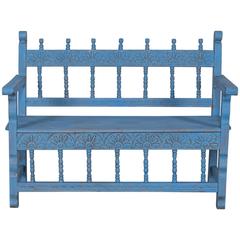
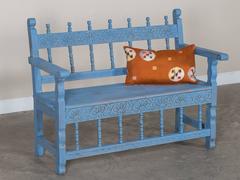
and see them first! The cheerful color and design of this antique French bench circa 1890 makes it
Oak
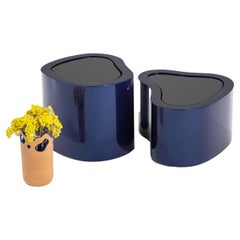
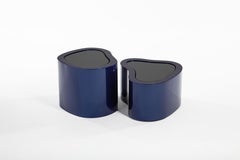
Osso table, lacquered bentwood by 13 Desserts
By Thomas Defour
Located in HYÈRES, FR
made in France. Each piece is produced on demand and customizable: size, shape and color.
Glass, Bentwood
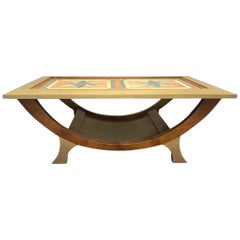
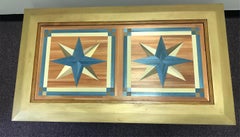
1960s Danish Modern Style Inlay Coffee Table
Located in Livingston, NJ
A very unique handmade inlay top coffee table from the Brittany region of France. The star design
Wood
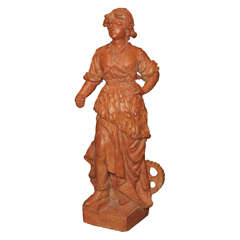
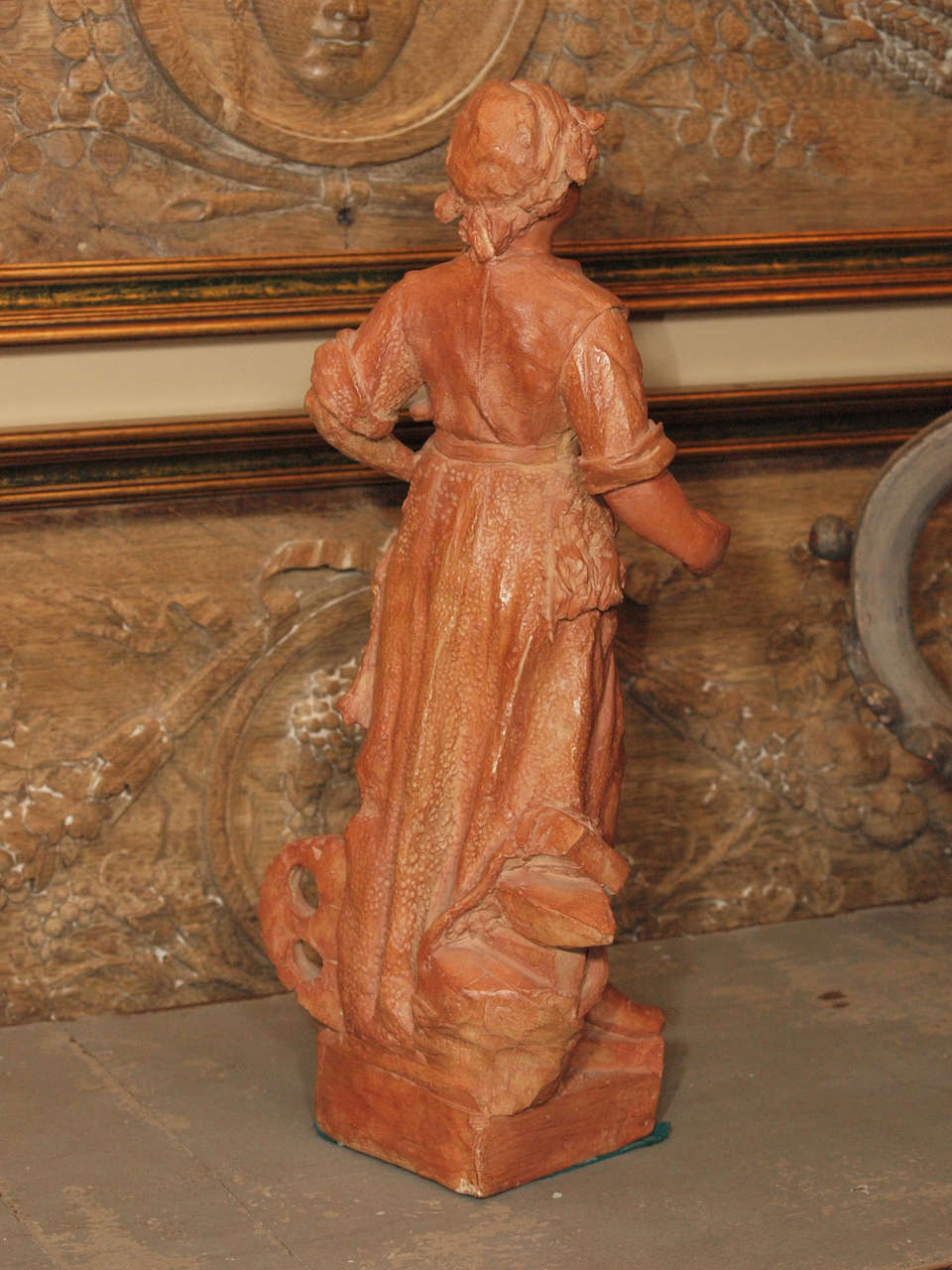
French Terra Cotta Female Statue, inscription INDUSTRIA
Located in New Orleans, LA
A 19th century terra Cotta female statue bearing the name of "Industria". The statue is in perfect condition, costume is extremely well detailed and her right foot is planted on a ...
Terracotta
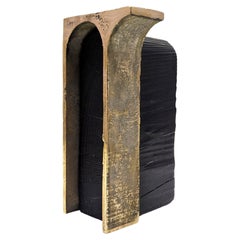
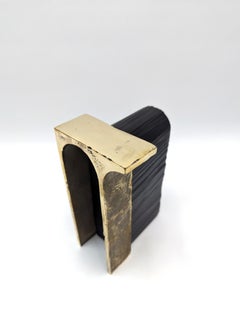
Bronze Arche bookend
By Fabien Barrero Carsenat
Located in LIEU-DIT BARAN, FR
are handle by the designer himself in South-West France, Périgord Noir country side.
Bronze


Fine Glass Engraved, Middle of 19th Century
Located in Paris, FR
Engraved "by the wheel" White glass, dated 1855 Birds, crown of flowers, "A R", 1855, sheets are delicately engraved all around the glass. Wedding present.
Glass
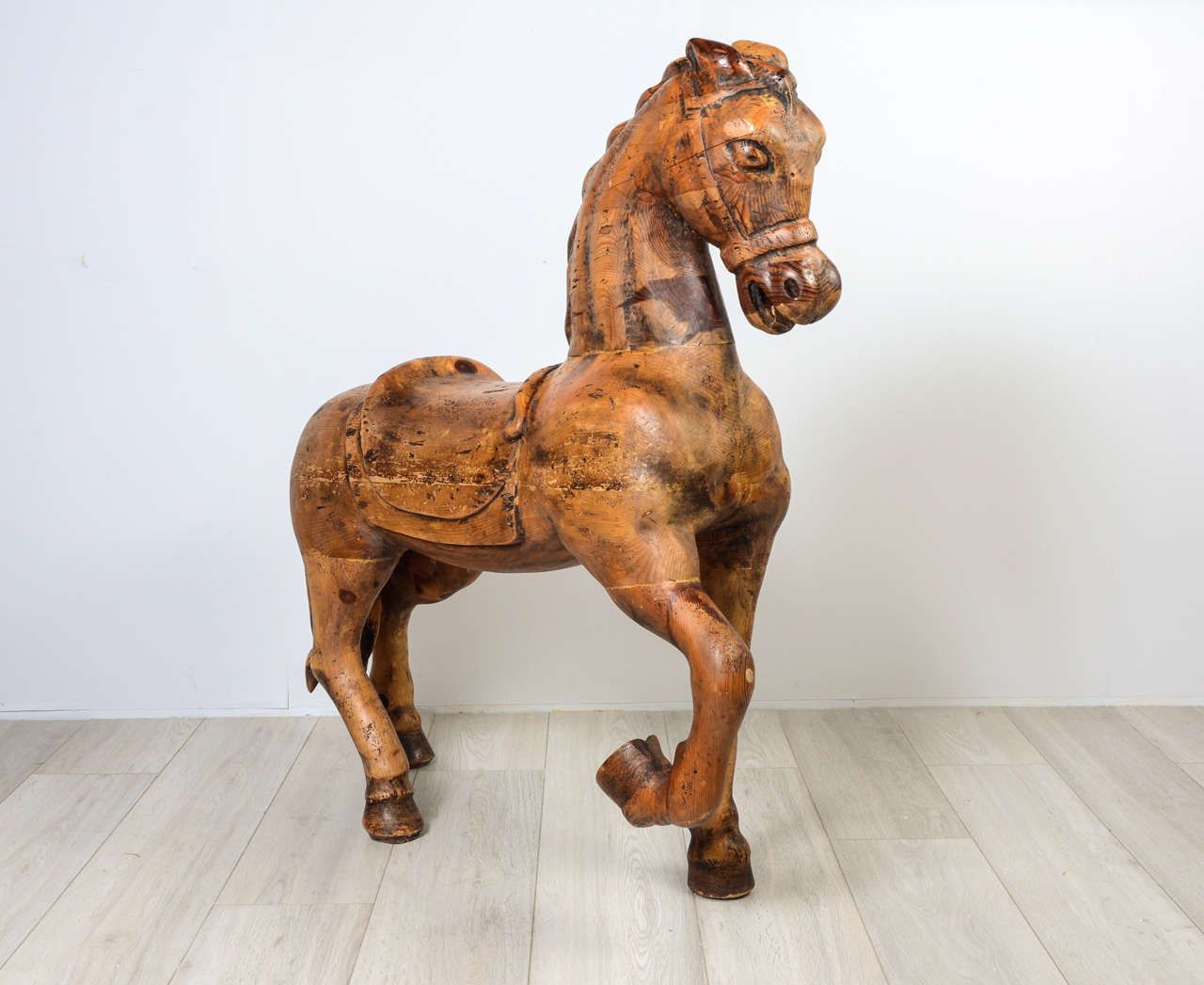
Old Wood Carousel Horse Sculpture
Located in deauville, FR
Old solid walnut wood carousel horse sculpture in very good condition. Highly decorative. Very heavy solid walnut.
Wood
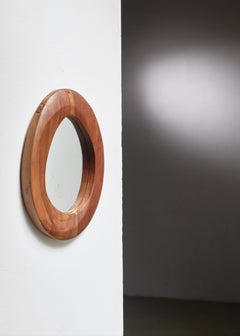
Free-Form Wooden Mirror, France, 1950s
Located in Maastricht, NL
A free-form wood mirror from France. The oval frame shows the skill and style of French woodworkers
Mirror, Wood
Unavailable
H 81 in Dm 110 in
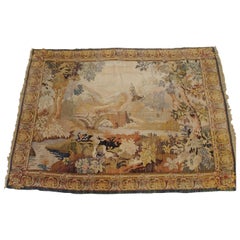
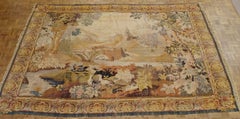
Antique French Loomed Tapestry, Forest Scene, Neutral Color, Wool, 7x9, 1920
Located in Williamsburg, VA
This is an exquisite French loomed tapestry. These tapestries were hand loomed in the early 20th
Wool
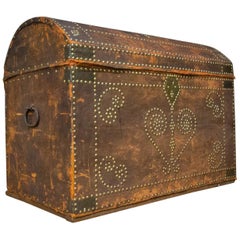

Antique Brown Leather Bridal Box from France, Early 1800
Located in Nijmegen, Gelderland
What a beauty! When we came across this authentic leather wedding box, he had to come along. The case is approximately 200 years old, it is made of leather to keep it watertight. Thi...
Leather
Unavailable
H 20.08 in W 28.75 in D 34.26 in
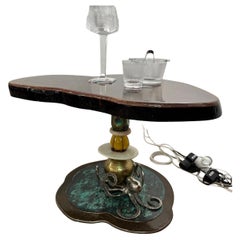
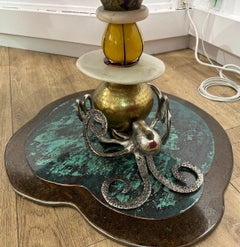
Table de salon "La Précieuse" - Plateau tournant - Pièce unique
By P. Fargette
Located in CANNES, FR
La Précieuse se veut belle, sculpturale, harmonieuse. Pousse à la rêverie, au voyage radieux dans le monde enchanteur de l'élégance. Bénitier tranché par la liane devient monnaie Océ...
Brass, Copper, Steel
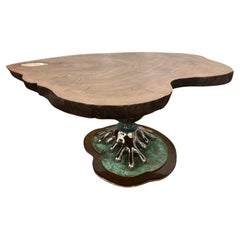
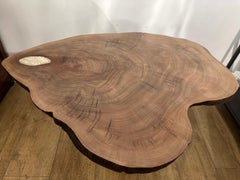
Table de salon "Récif" - Plateau tournant - Pièce unique
By P. Fargette
Located in CANNES, FR
Cette table est une retranscription de ma vision du récif corallien... Une harmonie tant architecturale que picturale où les proportions, les formes, les couleurs forment une symbios...
Silver, Copper, Steel

Unavailable
H 90.56 in W 23.23 in D 23.23 in
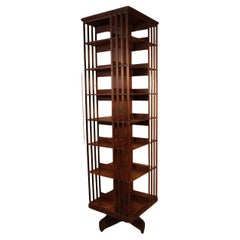
Large Mahogany Revolving Bookcase Signed De Terquem A Paris
By EM. Terquem
Located in charmes, FR
large mahogany bookcase signed by Maison Terquem in Paris overall in good condition, traces of wear and use (scratches and stains) rare model of this size
Wood
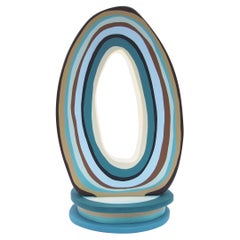
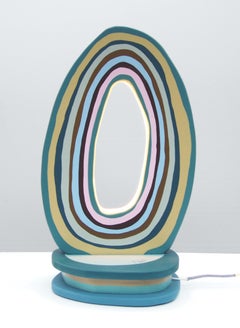
Wood Lamp by French Designer Margaux De Penfentenyo
By Margaux de Penfentenyo
Located in Bordeaux, FR
nature that surrounds us. Imagined by French artist and designer Margaux de Penfentenyo the Landscape
Cotton, Wood, Paint

Unavailable
H 37.8 in W 24.81 in D 21.66 in
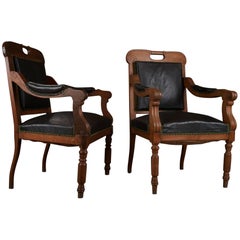
Pair of Seats from an Office of Notary, France, 19th Century
Located in Paris, FR
hold for handling - France XIXth century - dimensions: l.63 X p.55 X h.96 cm
Oak
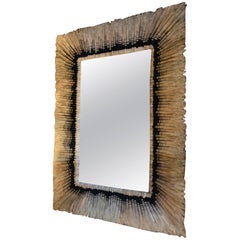

Very Atypical Straw Mirror, France, Contemporary Work
Located in Paris, FR
. France, contemporary work. Dimensions: 5 X 79 X 101 cm Mirror dimensions: 42 X 67 cm
Straw, Raffia
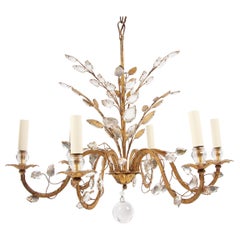

Maison Baguès Chandelier
By Maison Baguès
Located in London, GB
. Since the 1860s, the renowned French luxury lighting atelier Maison Baguès has been producing pieces
Crystal, Metal
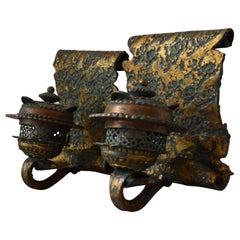
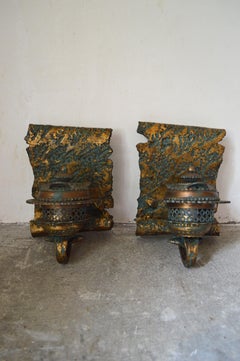
Unavailable
H 11.82 in W 9.06 in D 9.45 in
Pair of Wrought Iron Lanterns Sconces with Bronze Patina, 1970s
Located in L'Etang, FR
objects, unique, in the spirit of Arts & Crafts / Mission movements. France, 1970s. Excellent
Wrought Iron
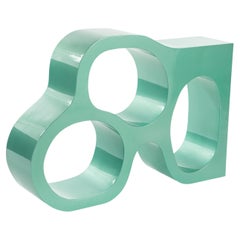

Unavailable
H 35.44 in W 49.22 in D 13.78 in
Crotto n°2 bookshelf, lacquered bentwood shelf/bookshelf by 13 Desserts
By Thomas Defour
Located in HYÈRES, FR
. All the parts are entirely made in France. Each piece is produced on demand and customizable: size
Bentwood
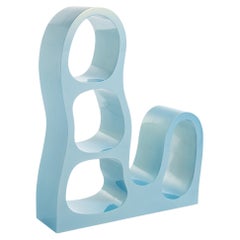

Unavailable
H 56.3 in W 45.28 in D 13 in
Crotto n°3 bookshelf, lacquered bentwood shelf/bookshelf by 13 Desserts
By Thomas Defour
Located in HYÈRES, FR
. All the parts are entirely made in France. Each piece is produced on demand and customizable: size
Bentwood
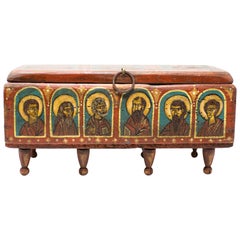
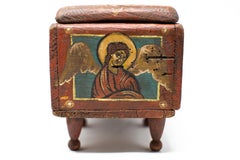
Wooden Religious Hand Painted Box
Located in Cookeville, TN
Offering this stunning wooden religious hand painted box with saints. There are eight legs on the bottom that are turned with a little ball foot. It rises to the main body of the box...
Wood
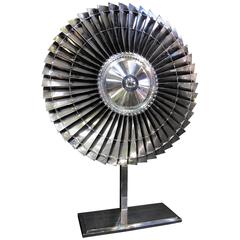

Unavailable
H 127.96 in Dm 94.49 in
Aviation Sculpture Fan Blade Boeing 747 JT9 by Jean-Pierre Carpentier
By Jean-Pierre Carpentier
Located in Saint-Ouen, FR
Mobilier Aeronautique, aircraft, aero-design This impressive sculptural piece is an authentic, hand-polished fan blade from a Boeing 747 aircraft, circa 1970. The Pratt & Whitne...
Stainless Steel
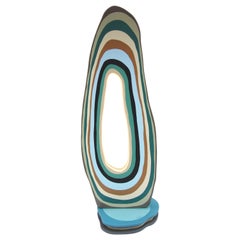
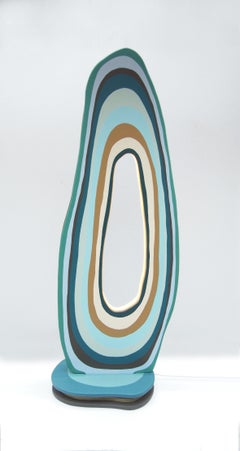
Unavailable
H 49.22 in W 15.75 in D 11.82 in
Contemporary Floor Lamp by French designer Margaux De Penfentenyo
By Margaux de Penfentenyo
Located in Bordeaux, FR
nature that surrounds us. Imagined by French artist and designer Margaux de Penfentenyo the Landscape
Cotton, Wood, Paint
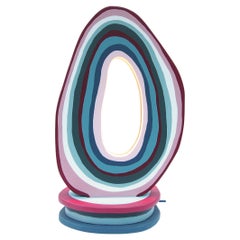
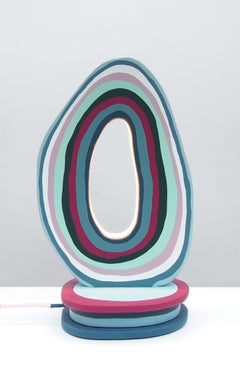
Unavailable
H 19.69 in W 9.85 in D 9.85 in
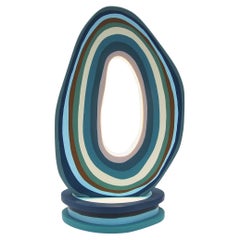
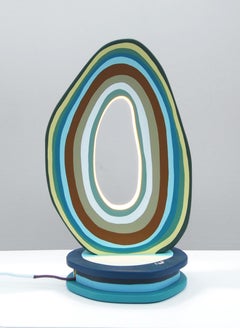
Landscape Table Lamp by French Designer Margaux De Penfentenyo
By Margaux de Penfentenyo
Located in Bordeaux, FR
that surrounds us. Imagined by French artist and designer Margaux de Penfentenyo the Landscape Lamp
Cotton, Wood, Paint
Unavailable
H 19.69 in W 9.85 in D 9.85 in
Landscape Table Lamp by French Designer Margaux De Penfentenyo
By Margaux de Penfentenyo
Located in Bordeaux, FR
that surrounds us. Imagined by French artist and designer Margaux de Penfentenyo the Landscape Lamp
Cotton, Wood, Paint
Unavailable
H 11.82 in W 9.06 in D 9.45 in
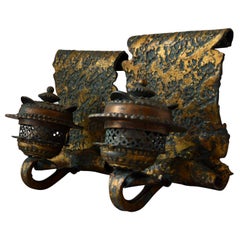
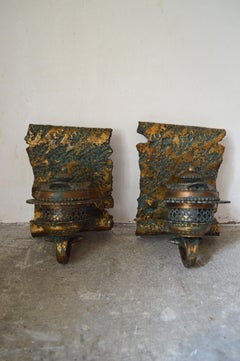
Pair of Wrought Iron Lanterns Sconces with Bronze Patina, 1970s
Located in L'Etang, FR
objects, unique, in the spirit of Arts & Crafts / Mission movements. France, 1970s. Excellent
Wrought Iron
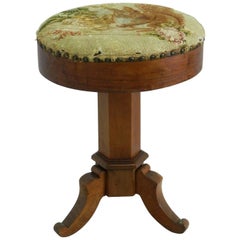
Unavailable
H 20.08 in Dm 15.75 in
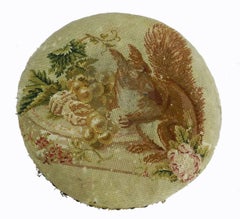
Piano Stool Adjustable French Revolving Tapestry Music Dressing Stool circa 1910
Located in France, FR
Provincial Arts & Crafts Oak Screw system adjustable height in good working Base in very good vintage
Upholstery, Wood, Oak
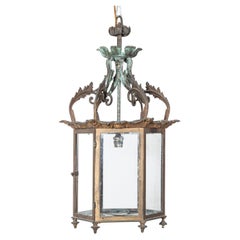
English Georgian Hexagonal Glazed Verdigris Lantern
Located in Staffordshire, GB
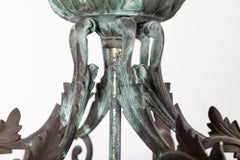
Circa 1800 English Georgian Hexagonal Glazed Brass/Bronze Verdigris Lantern Exceptional quality, rewired with original chain & hanging hook Measures: W33 x D33 x H57 cm.
Brass, Bronze
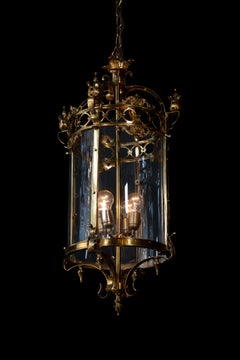
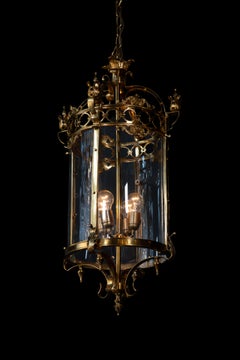
$1,897Sale Price / item|46% Off
H 27.56 in Dm 14.18 in
Cylindrical Lantern in Louis XVI Style Brass Glass Pendant Lighting
Located in Berlin, DE
Elegant Louis XVI Style Brass Lantern: Illuminate in Style Discover our exquisite collection of large cylindrical lanterns in the timeless Louis XVI style, a harmonious fusion of br...
Brass
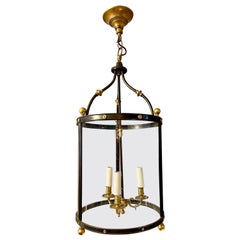
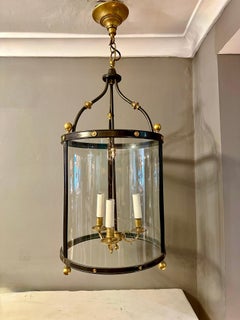
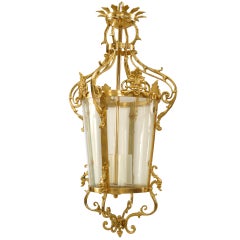
An Antique French Empire Style Gilt Brass And Patinated Bronze Lantern
Located in London, GB
A large Empire style lantern in patinated bronze with gilt brass accents. Four curved glass panels, decorative scrolled inner branch arms. Gilt brass ceiling rose. Re wired. Late 19t...
Brass, Bronze
$5,950
H 44 in Dm 22 in
Wonderful French Regency Wrought Iron Gold Gilt Large Glass Lantern Chandelier
Located in Roslyn, NY
A Wonderful French Regency Style Wrought Iron With Gold Gilt Trim Large Curved Glass Lantern Chandelier With 5 Internal Candelabra Lights Accompanied By Chain And Canopy
Wrought Iron
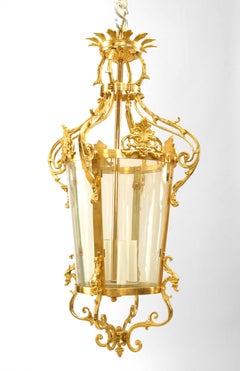
French Louis XVI Style Gilt Bronze Hanging Lantern
Located in Queens, NY
French Louis XVI style (20th Century) gilt bronze lantern with a 3 light center within 4 bent glass panels having scroll forms above and below with an acorn finial bottom.
Bronze
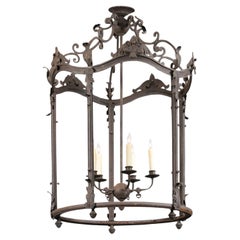

French Large Wrought Iron Lantern 5 Lites, Foliage and Fleur Delis Detail
Located in Atlanta, GA
French Large Wrought Iron Lantern 5 Lites, Foliage and Fleur Delis Detail, 20th Century
Wrought Iron
Emerging in reaction to industrialization and mass production, the Arts and Crafts movement celebrated handcrafted design as a part of daily life. The history of Arts and Crafts furniture has roots in 1860s England with an emphasis on natural motifs and simple flourishes like mosaics and carvings. This work is characterized by plain construction that showcases the hand of the artisan.
The earliest American Arts and Crafts furniture dates back to the start of the 20th century. Designers working in this style in the United States initially looked to ideas put forth by The Craftsman, a magazine published by Wisconsin native Gustav Stickley, a furniture maker and founder of the Craftsman style. Stickley’s furniture was practical and largely free of ornament. His Craftsman style drew on French Art Nouveau as well as the work he encountered on his travels in England. There, the leading designers of the Arts and Crafts movement included William Morris, who revived historical techniques such as embroidery and printed fabrics in his furnishings, and Charles Voysey, whose minimal approach was in contrast to the ornamentation favored in the Victorian era.
American Arts and Crafts work would come to involve a range of influences unified by an elevation of traditional craftsmanship. The furniture was often built from sturdy woods like oak and mahogany while featuring details such as inlaid metal, tooled leather and ceramic tiles. The style in the United States was led by Stickley, whose clean-lined chairs and benches showcased the grain of the wood, and furniture maker Charles Rohlfs, who was informed by international influences like East Asian and French Art Nouveau design.
Hubs in America included several utopian communities such as Rose Valley in Pennsylvania and the Byrdcliffe Arts and Crafts Colony in New York, where craftspeople made furniture that prioritized function over any decoration. Their work would influence designers and architects including Frank Lloyd Wright, who built some of the most elegant and iconic structures in the United States and likewise embraced a thoughtful use of materials in his furniture.
Find antique Arts and Crafts chairs, tables, cabinets and other authentic period furniture on 1stDibs.