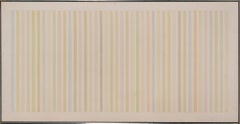
Gene Davis Artist For Sale on 1stDibs
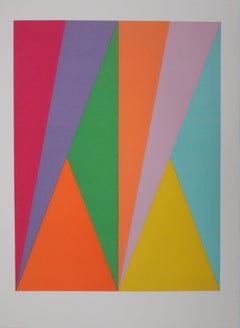
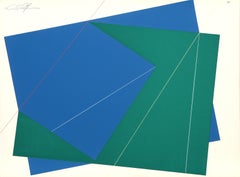
On 1stDibs, you can find the most appropriate gene davis artist for your needs in our varied inventory. You can easily find an example made in the
minimalist style, while we also have 15
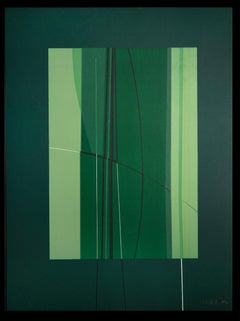
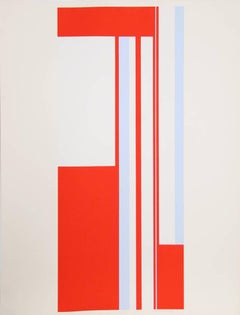
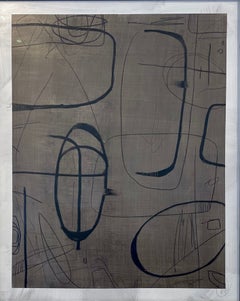
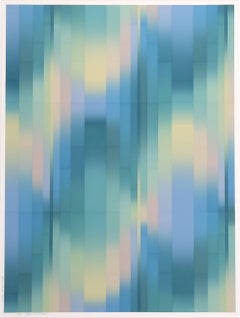
minimalist versions to choose from as well. If you’re looking for a gene davis artist from a specific time period, our collection is diverse and broad-ranging, and you’ll find at least one that dates back to the 20th Century while another version may have been produced as recently as the 21st Century. If you’re looking to add a gene davis artist to create new energy in an otherwise neutral space in your home, you can find a work on 1stDibs that features elements of
gray,
beige,
brown,
blue and more. A gene davis artist from
Gene Davis,
Anthony Reans,
Les Levine,
William Finlayson and
Cynthia Bickley — each of whom created distinctive versions of this kind of work — is worth considering. These artworks were handmade with extraordinary care, with artists most often working in
lithograph,
paint and
screen print.
How Much is a Gene Davis Artist?
The average selling price for a gene davis artist we offer is $2,800, while they’re typically $460 on the low end and $56,000 for the highest priced.
Gene Davis for sale on 1stDibs
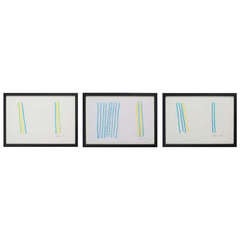
Davis was born in Washington D.C. in 1920 and spent nearly all his life there. Before he began to paint in 1949, he worked as a sportswriter, covering the Washington Football Team and other local teams. Working as a journalist in the late 1940s, he covered the Roosevelt and Truman presidential administrations, and was often President Truman's partner for poker games. His first art studio was in his apartment on Scott Circle; later he worked out of a studio on Pennsylvania Avenue.
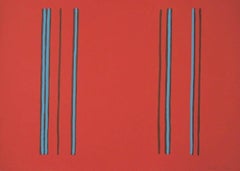
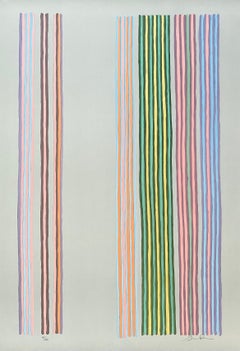
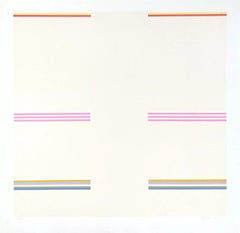
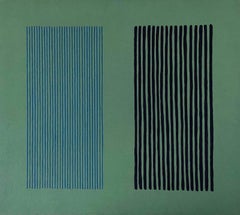
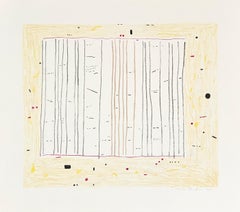
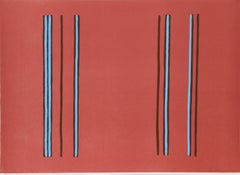
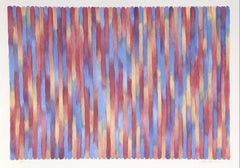
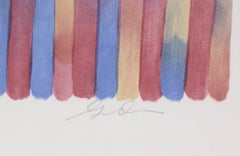
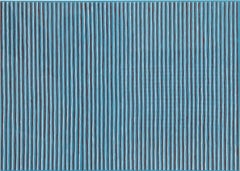
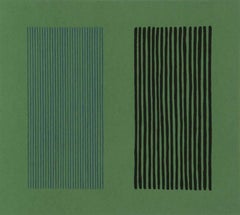
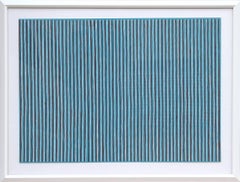
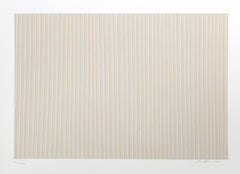
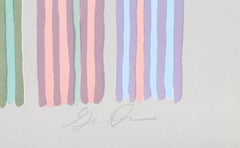
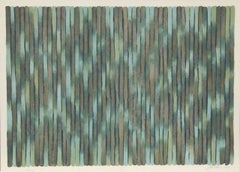
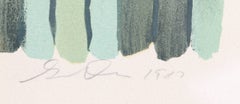
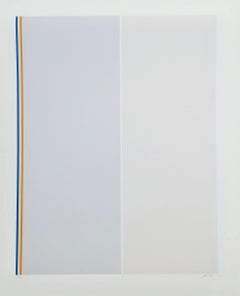
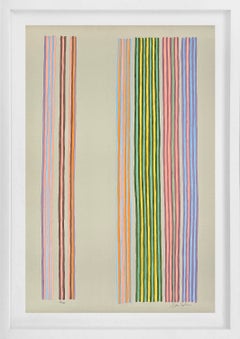
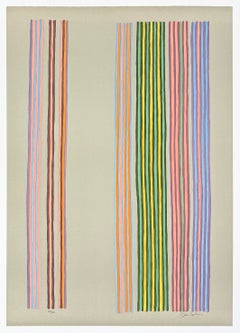
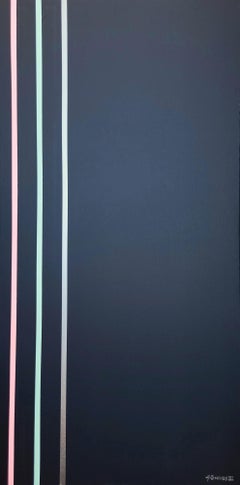
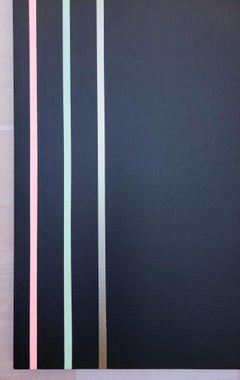
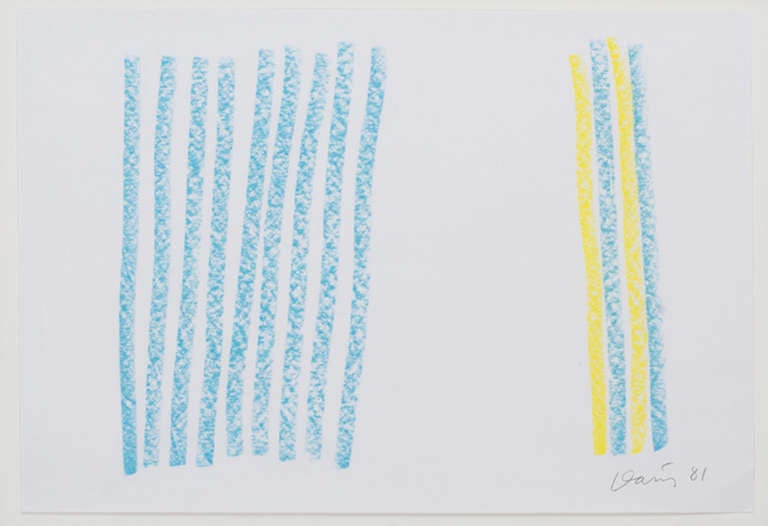
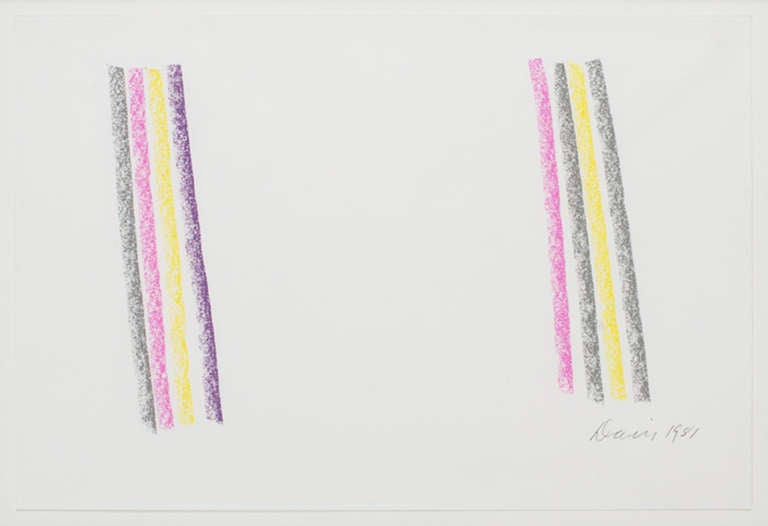
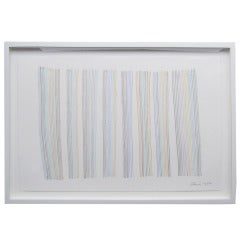
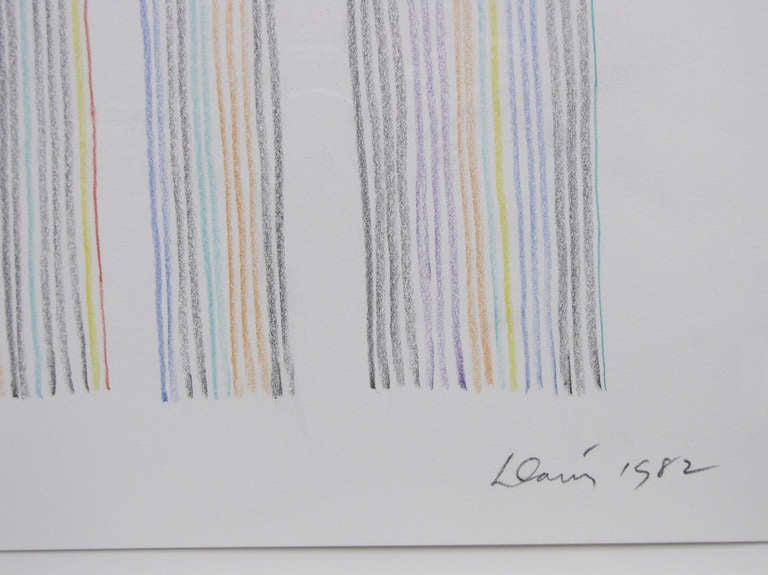
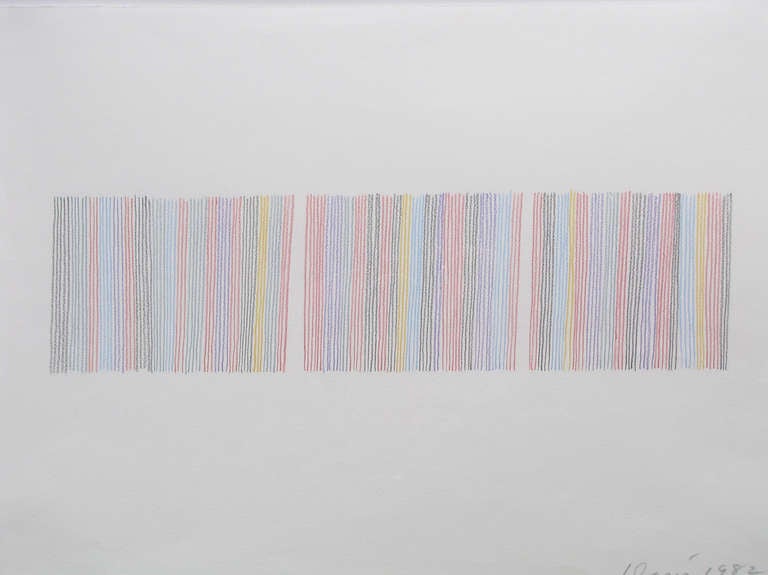
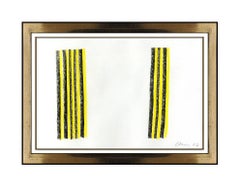
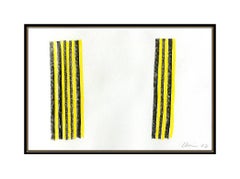
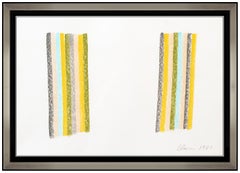
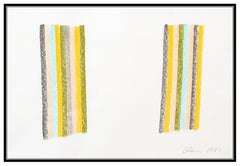
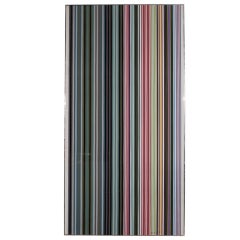
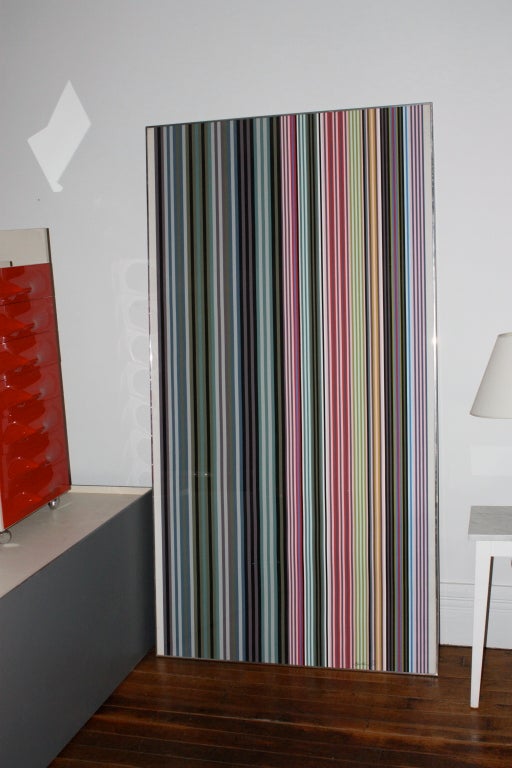
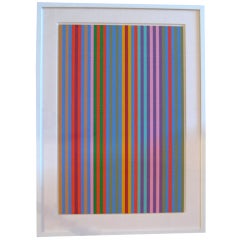
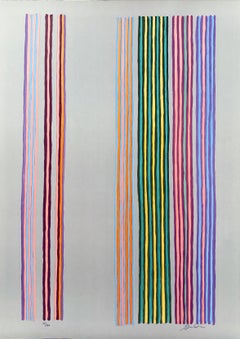
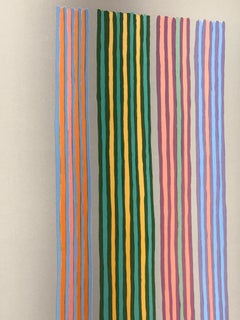
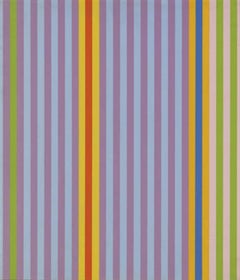
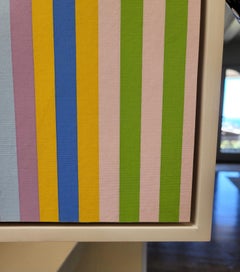
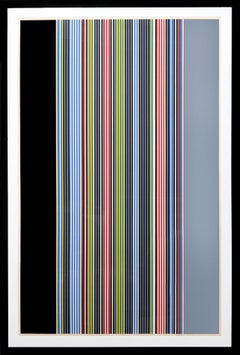
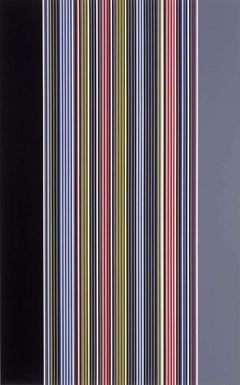
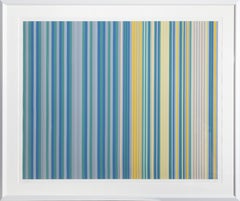
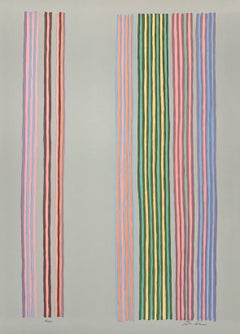
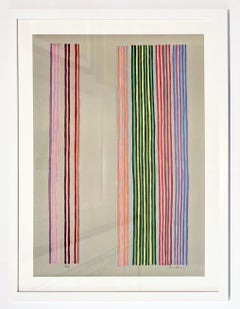
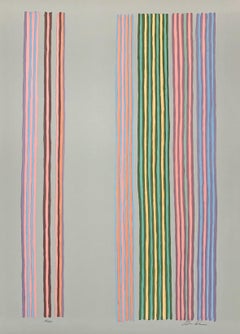
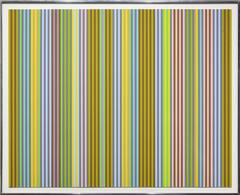
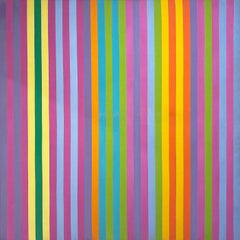
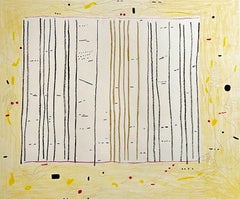
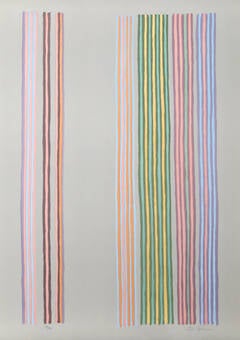
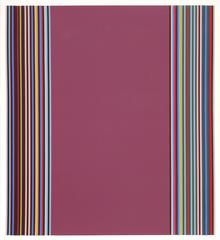
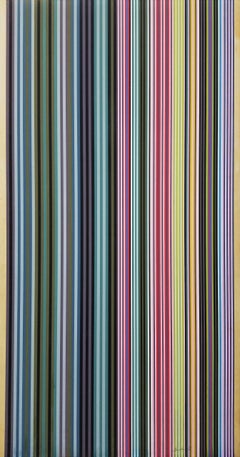
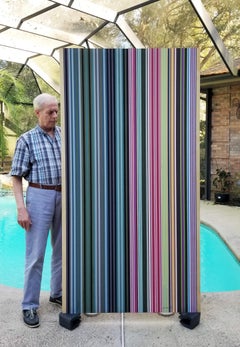
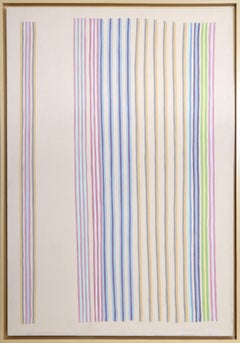
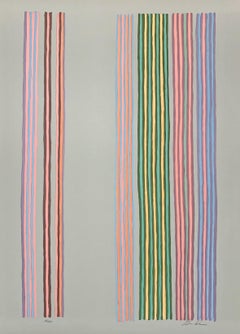
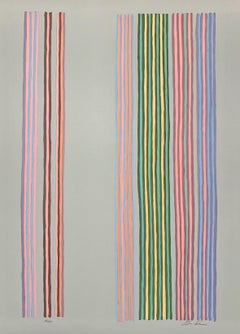
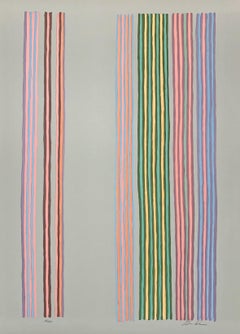
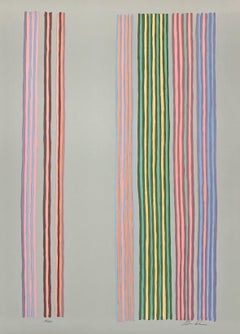
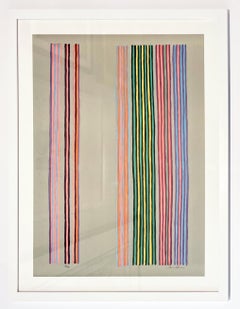
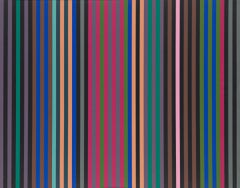
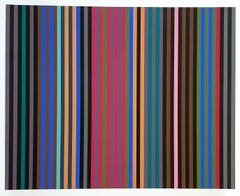
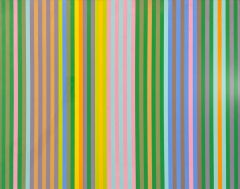
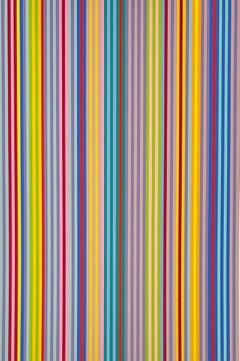
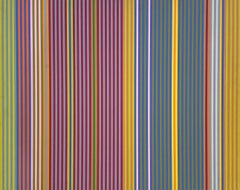
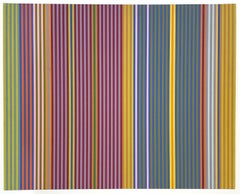
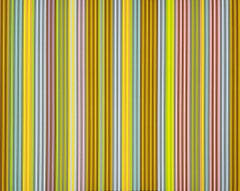
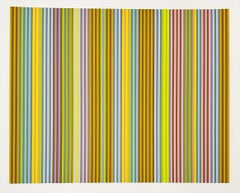
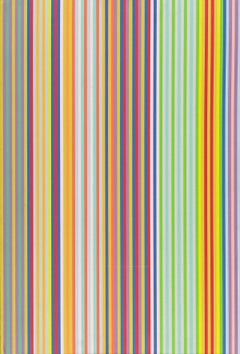
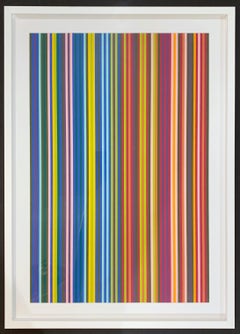
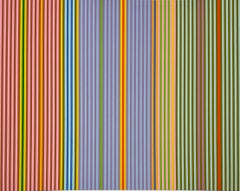
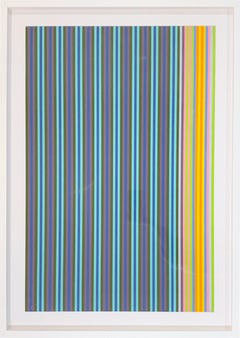
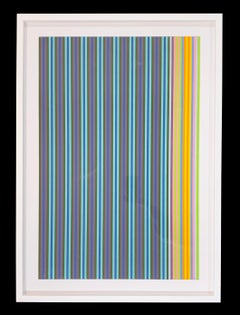
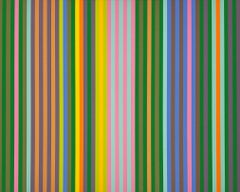
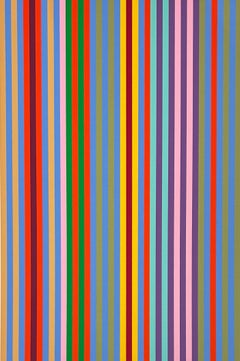
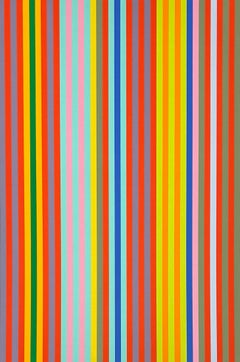
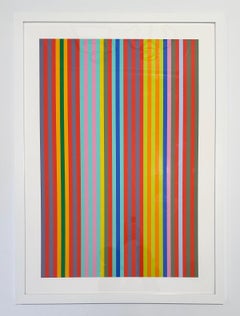
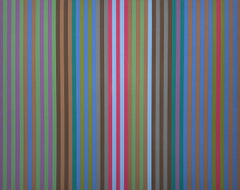
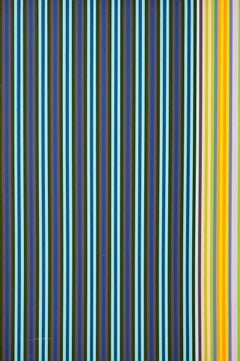
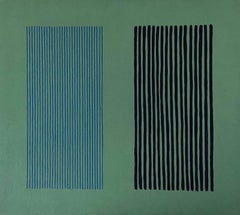
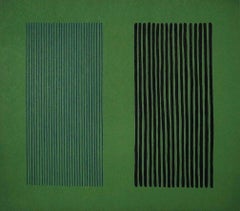
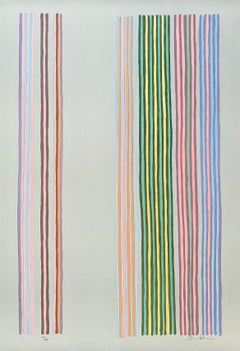
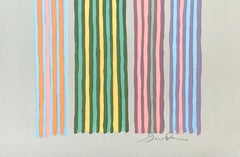
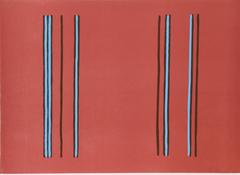
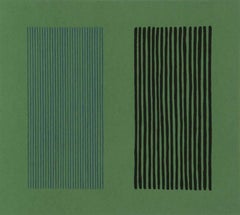
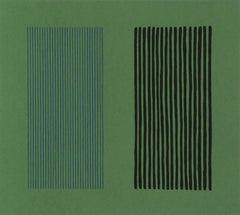
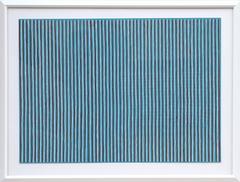
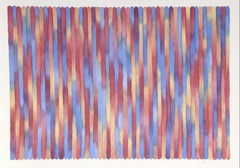
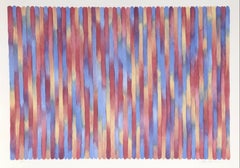
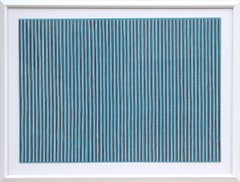
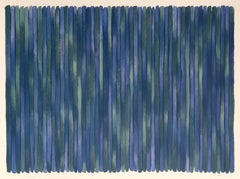
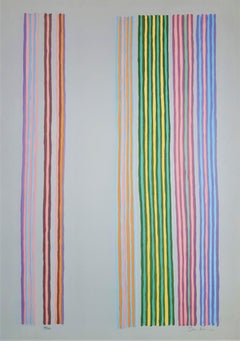
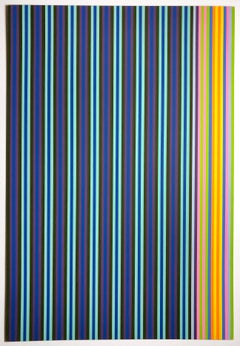
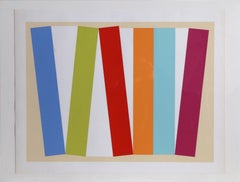
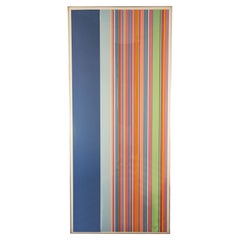
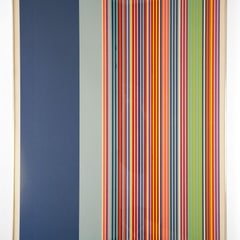
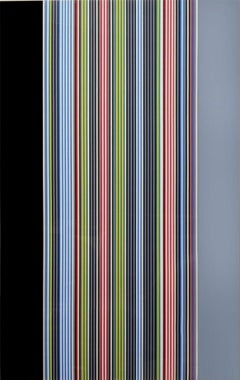
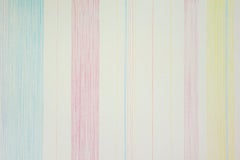
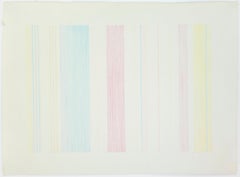
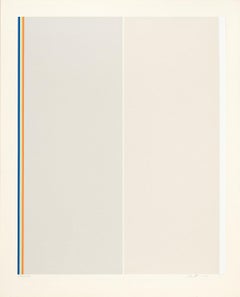
Davis's first solo exhibition of drawings was at the Dupont Theater Gallery in 1952, and his first exhibition of paintings was at Catholic University in 1953. A decade later he participated in the "Washington Color Painters" exhibit at the Washington Gallery of Modern Art in Washington, DC, which traveled to other venues around the US, and launched the recognition of the Washington Color School as a regional movement in which Davis was a central figure. The Washington painters were among the most prominent of the mid-century color field painters. Though, he worked in a variety of media and styles, including ink, oil, acrylic, video, and collage, Davis is best known by far for his acrylic paintings (mostly on canvas) of colorful vertical stripes, which he began to paint in 1958. The paintings typically repeat particular colors to create a sense of rhythm and repetition with variations. One of the best-known of his paintings, "Black Grey Beat" (1964), owned by the Smithsonian American Art Museum reinforces these musical comparisons in its title. The pairs of alternating black and grey stripes are repeated across the canvas, and recognizable even as other colors are substituted for black and grey, and returned to even as the repetition of dark and light pairs is here and there broken by sharply contrasting colors.
In 1972 Davis created Franklin's Footpath, which was at the time the world's largest artwork, by painting colorful stripes on the street in front of the Philadelphia Museum of Art, and the world's largest painting, Niagara (43,680 square feet), in a parking lot in Lewiston, NY. His "micro-paintings", at the other extreme, were as small as 3/8 of an inch square.
For a public work in a different medium altogether, he designed the color patterns of the "Solar Wall," a set of tubes filled with dyed water and backlit by fluorescent lights, at the Muscarelle Museum of Art at the College of William and Mary in Williamsburg, Virginia.
Davis began teaching in 1966 at the Corcoran School of Art, where he became a permanent member of the faculty. His works are in the collections of, among others, the Corcoran Gallery of Art, the Solomon R. Guggenheim Museum, The Phillips Collection in Washington, DC, the Walker Art Center in Minneapolis, MN, The Governor Nelson A. Rockefeller Empire State Plaza Art Collection in Albany, NY, and the Smithsonian American Art Museum.
He died on April 6, 1985 in Washington, DC.