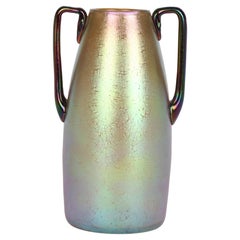
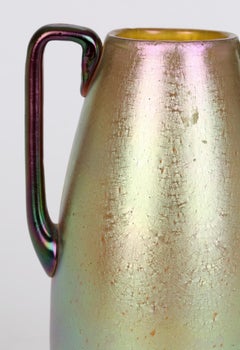
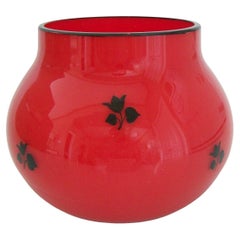
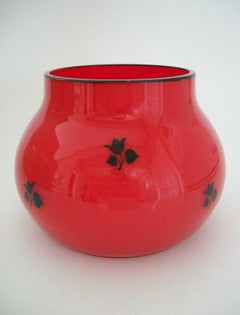
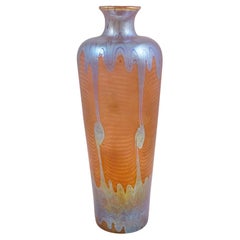
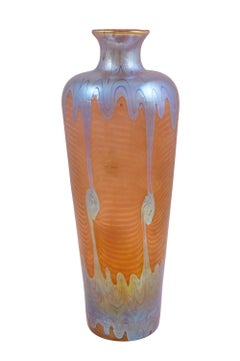
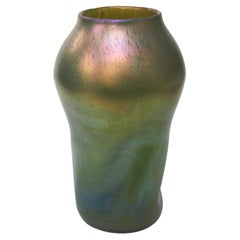
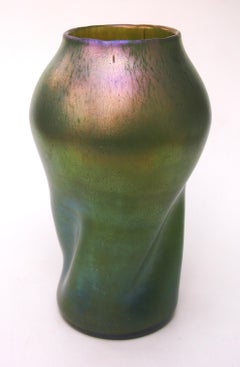
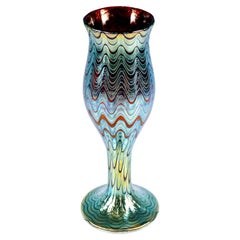
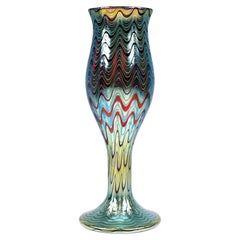
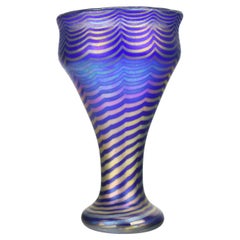
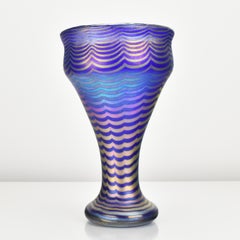
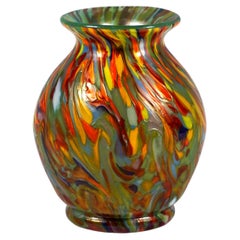
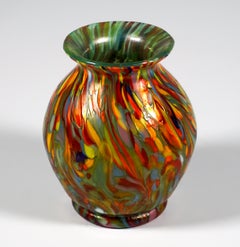
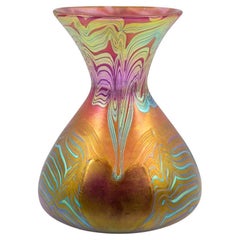
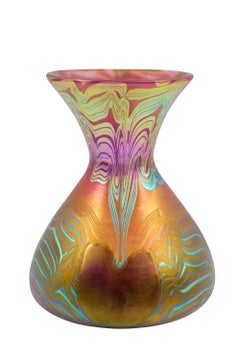
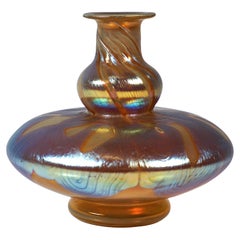
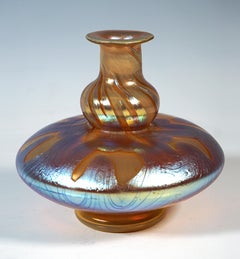
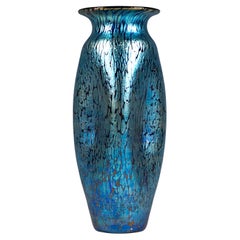
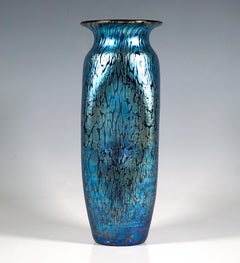
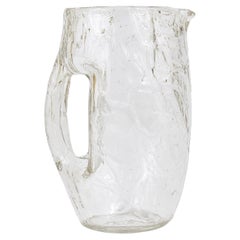
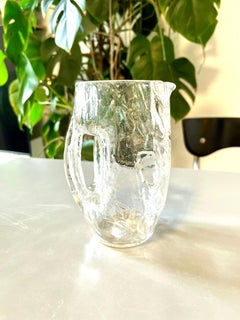
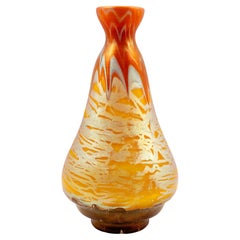
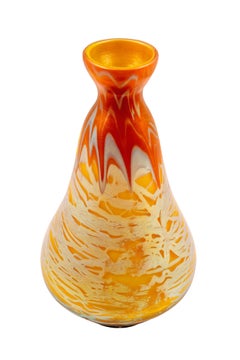
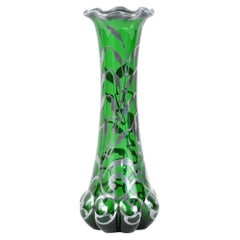
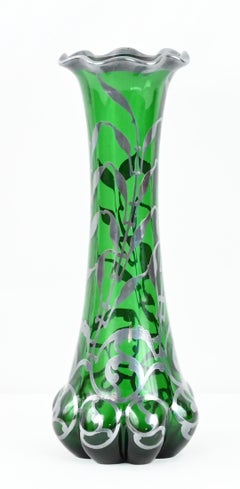
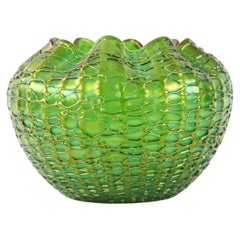
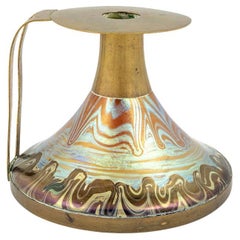
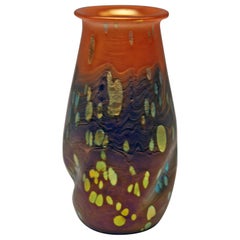
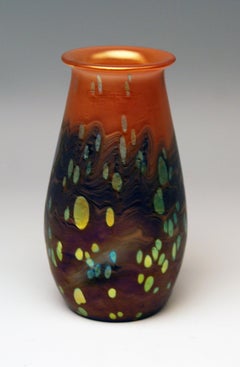
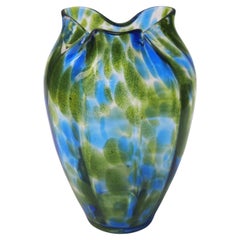
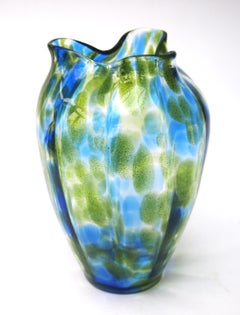
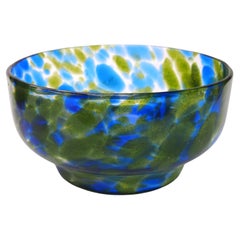
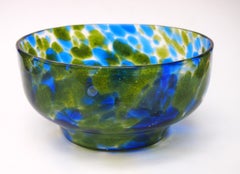
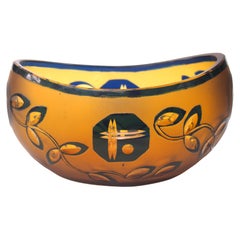
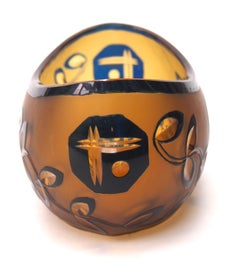
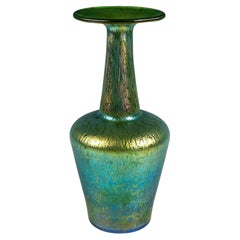
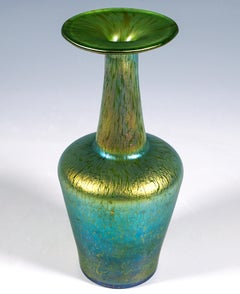
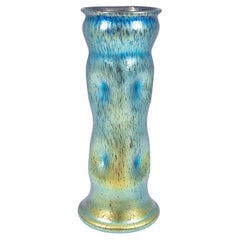
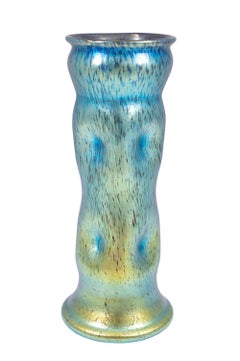
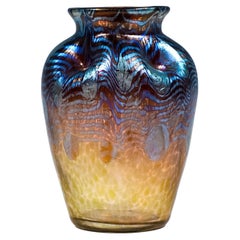
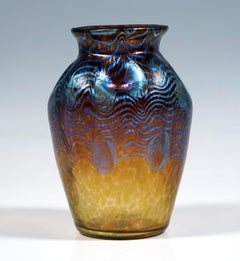
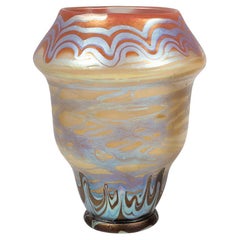
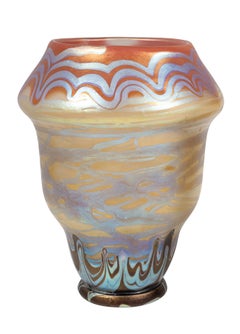
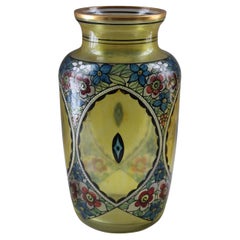
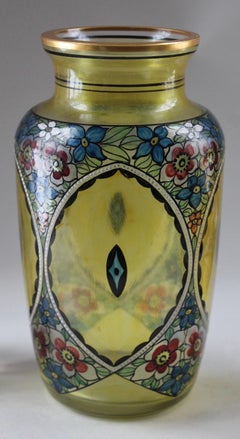
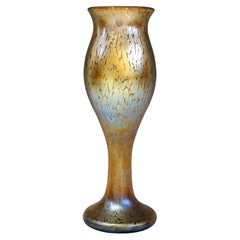
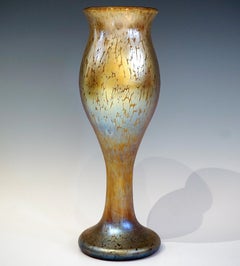
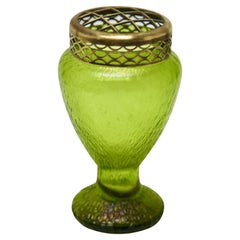
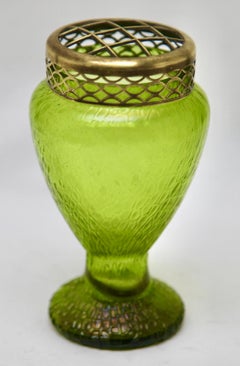
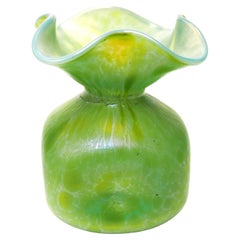
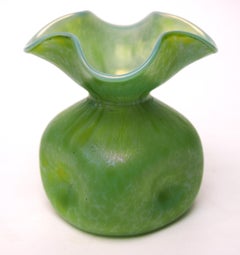
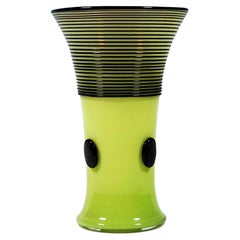
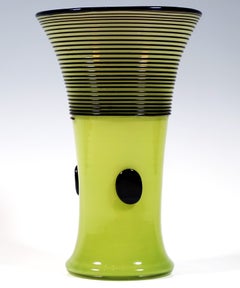
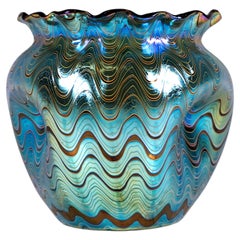
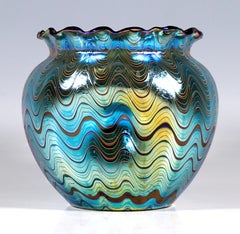
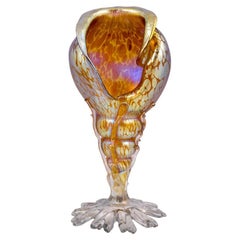
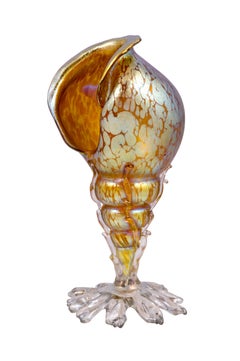
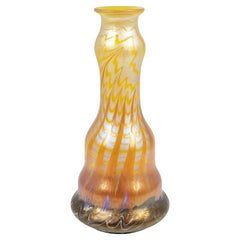
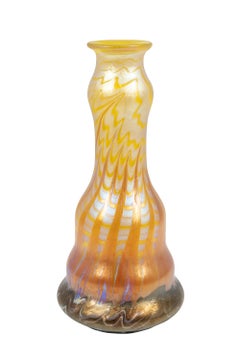
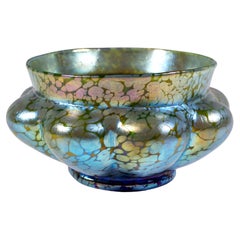
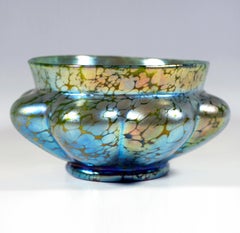
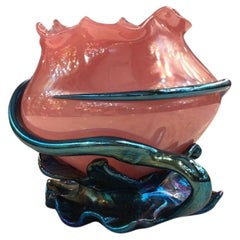
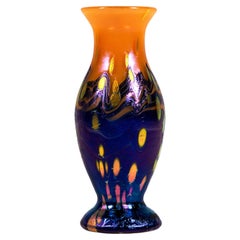
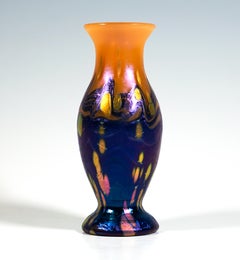
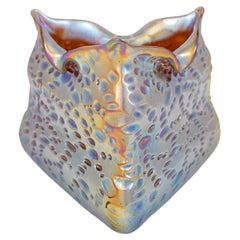
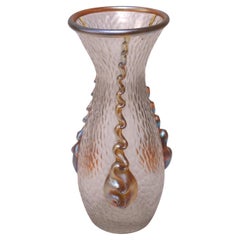
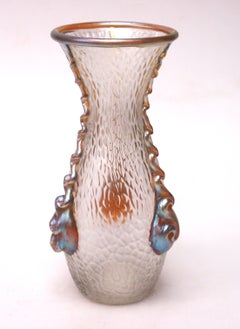
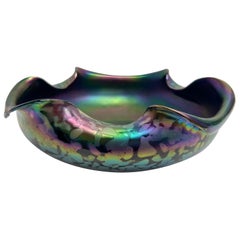
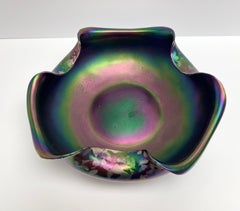
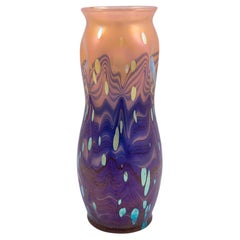
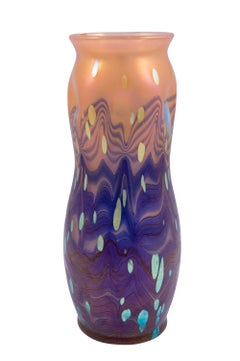
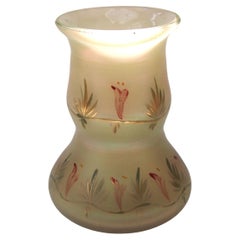
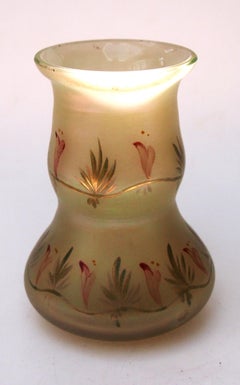
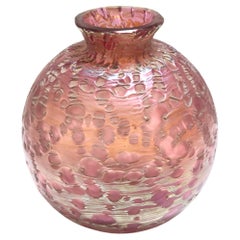
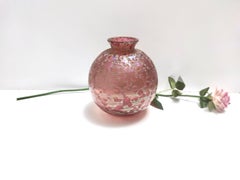
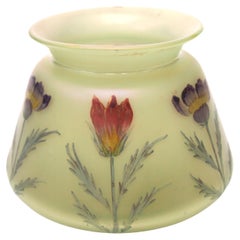
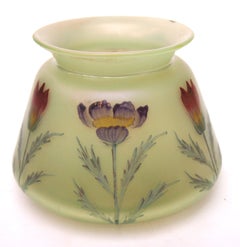
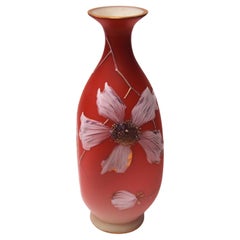
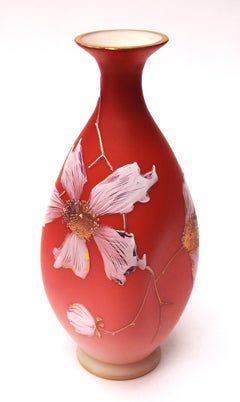
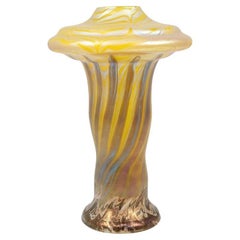
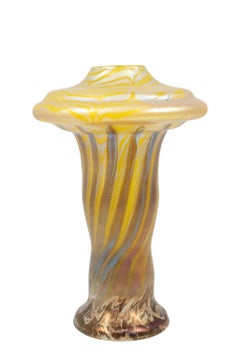
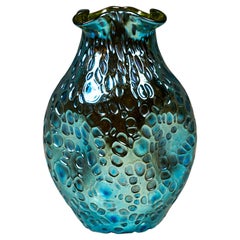
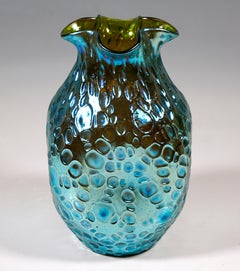
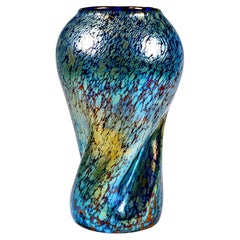
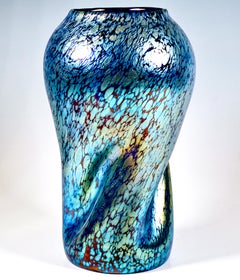
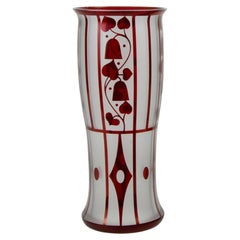
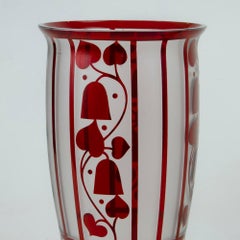
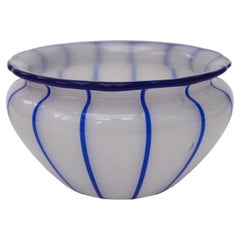
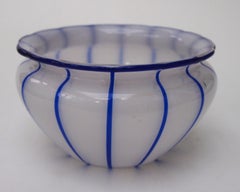
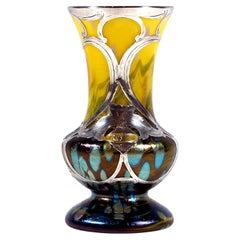
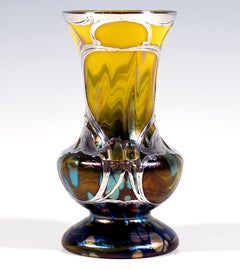
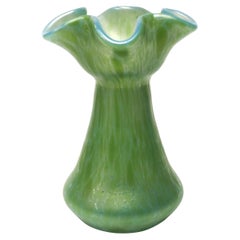
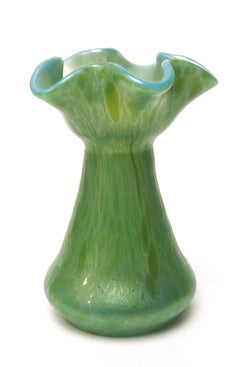
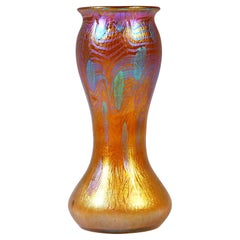
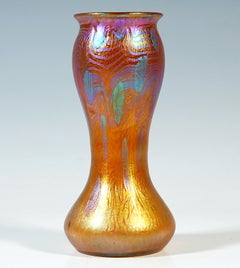
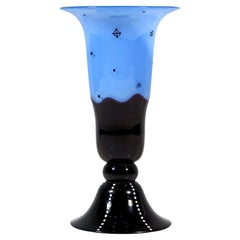
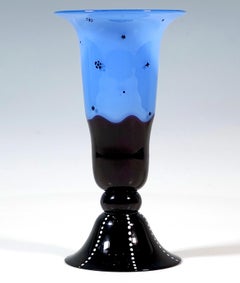
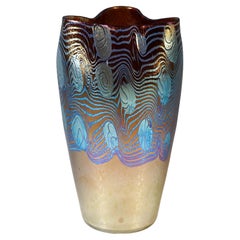
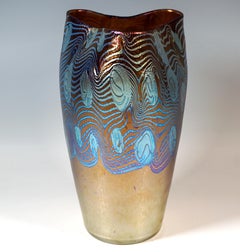
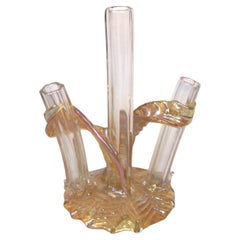
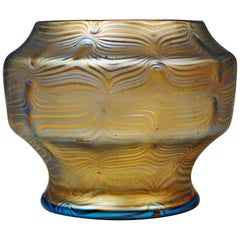
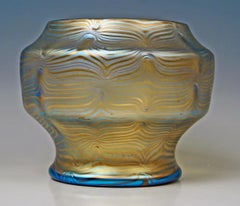
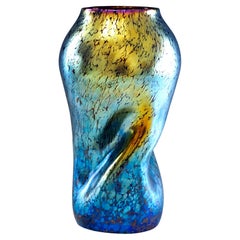
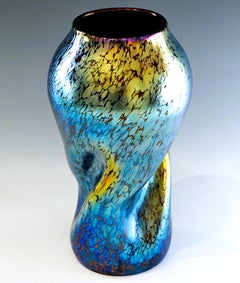
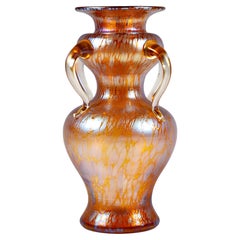
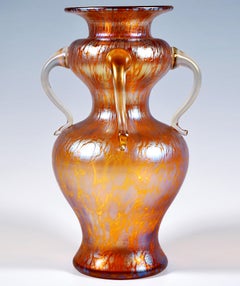
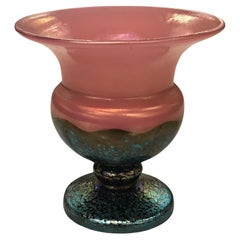
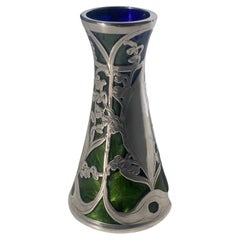
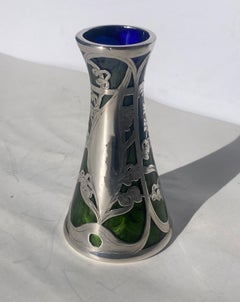
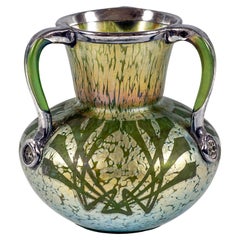
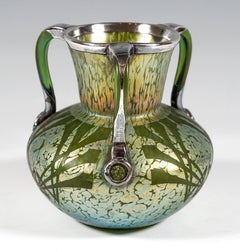
Best known to collectors for their magnificent Marmoriertes and Phänomen glass creations, the Loetz Glass company was a leading Art Nouveau producer of fine glass vases, bowls and other decorative objects through the mid-19th and early 20th centuries.
Shortly before his death in 1855, attorney Frank Gerstner transferred sole ownership of his glassworks company to his wife Susanne. The company, which was founded in what is now the Czech Republic in 1836 by Johann Eisner, was renamed Johann Loetz Witwe by Susanne Gerstner as a tribute to her late husband who preceded Gerstner, a glassmaker named Johann Loetz (Loetz was also known as Johann Lötz).
For 20 years, Gerstner led the company, expanding its manufacturing and distribution capacity. It proved profitable, but the glassworks' popularity didn't start gaining significant momentum until after Gerstner transferred sole ownership to her grandson Maximilian von Spaun in 1879.
Von Spaun and designer Eduard Prochaska developed innovative techniques and solutions for reproducing historical styles of decorative glass objects, such as the very popular marbled Marmoriertes glass — a technique that lends glass an appearance that is similar to semi-precious stones such as onyx or malachite. Under von Spaun’s leadership, the firm’s works garnered them success in Brussels, Vienna and Munich, and Johann Loetz Witwe won awards at the Paris World Exposition in 1889. In 1897 von Spaun first saw Favrile glass in Bohemia and Vienna.
The work in Favrile glass, a type of iridescent art glass that had recently been developed and patented by Louis Comfort Tiffany, founder of iconic American multimedia decorative-arts manufactory Tiffany Studios, inspired von Spaun to explore the era’s burgeoning Art Nouveau style — or, as the firm was established in a German-speaking region, the Jugendstil style.
The company partnered with designers Hans Bolek, Franz Hofstötter and Marie Kirschner and thrived until von Spaun passed it down to his son, Maximilian Robert.
With the Art Deco style taking shape around the world, the company was unable or unwilling to adapt to change. Loetz Glass collaborated with influential names in architecture and design, including the likes of Josef Hoffmann, a central figure in the evolution of modern design and a founder of the Vienna Secession. Unfortunately, the glassworks’ partnerships did them little good, and the company’s mounting financial problems proved difficult to navigate. Two World Wars and several major fires at the glassworks took their toll on the firm, and in 1947 the Loetz Glass Company closed its doors for good.
Today the exquisite glass produced by Loetz Glass Company remains prized by collectors and enthusiasts alike.
On 1stDibs, find antique Loetz Glass Company glassware, decorative objects and lighting.