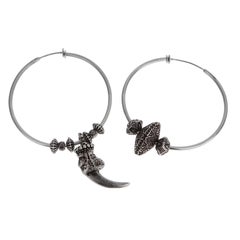
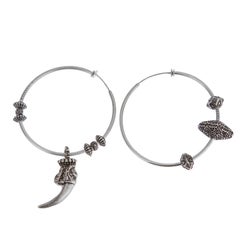
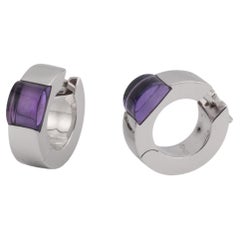
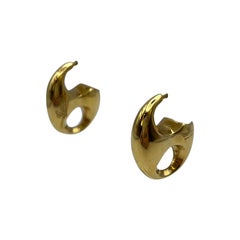
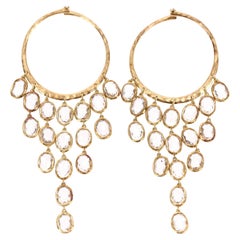
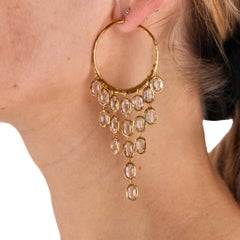
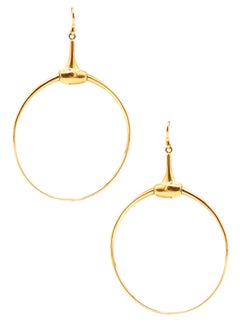
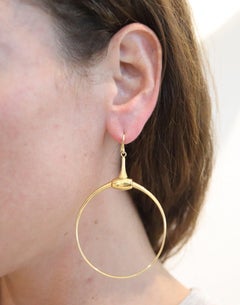
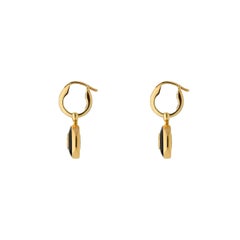
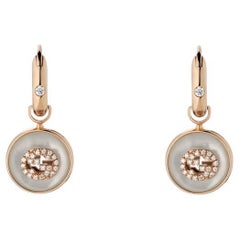
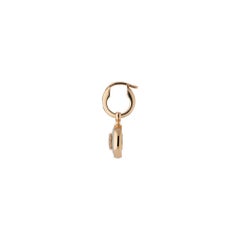
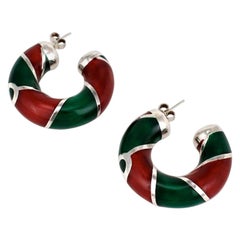
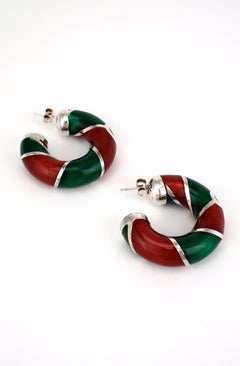
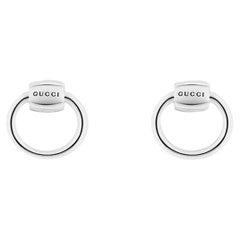
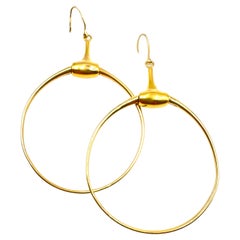
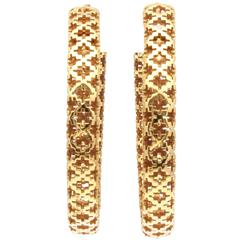
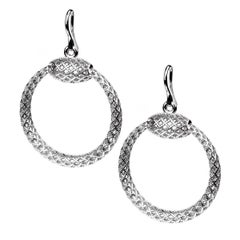
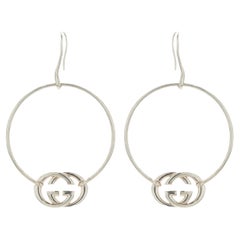
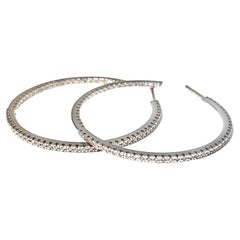
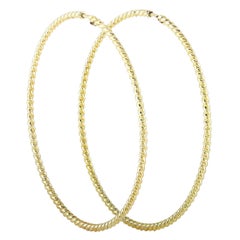
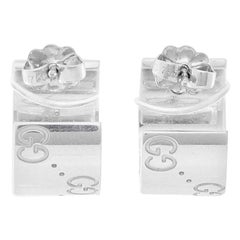
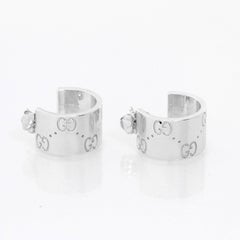
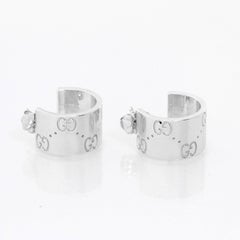
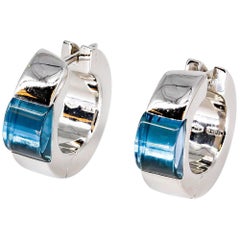
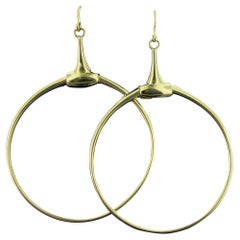
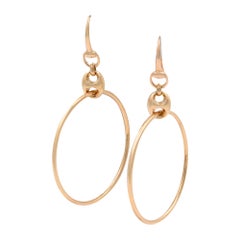
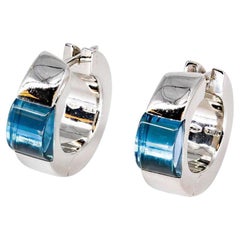
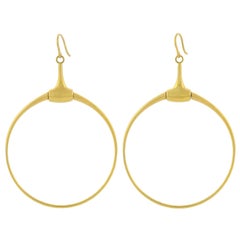
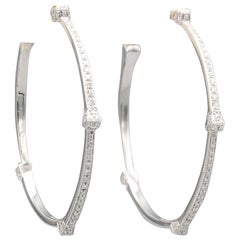
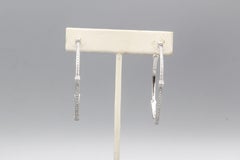
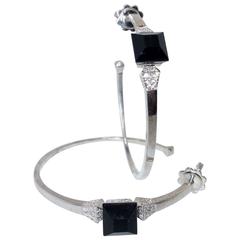
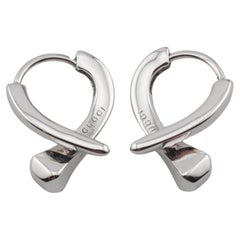
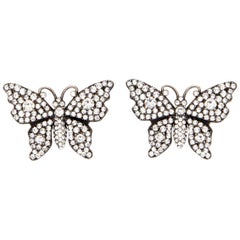
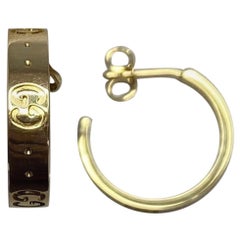
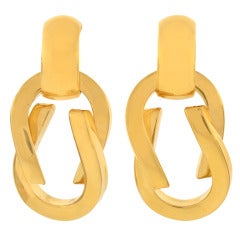
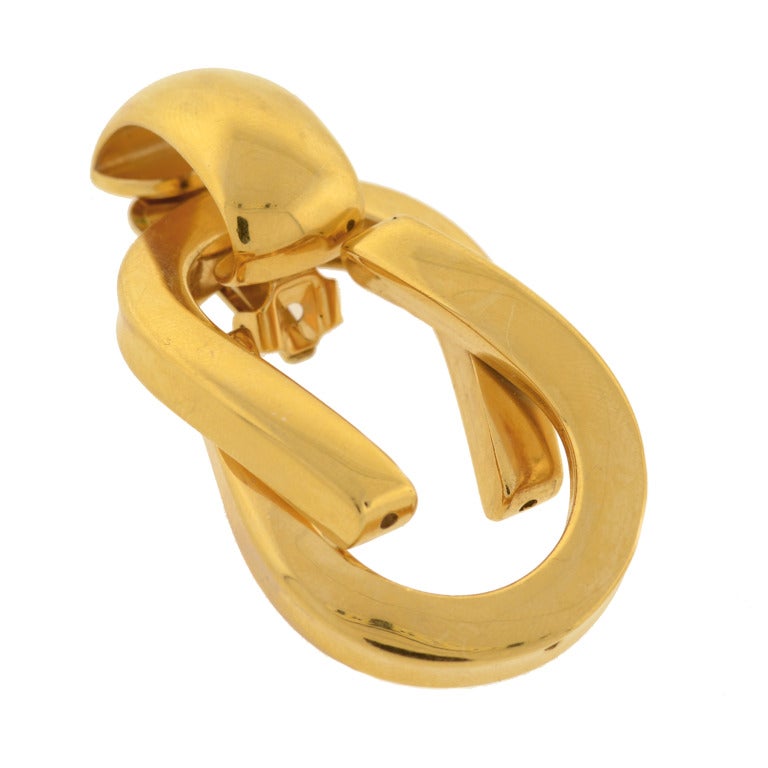
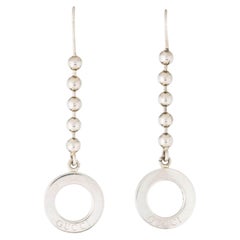
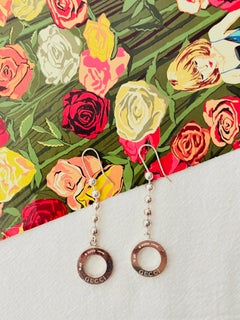
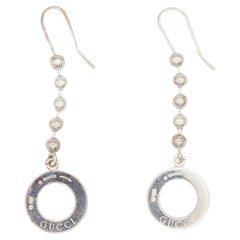
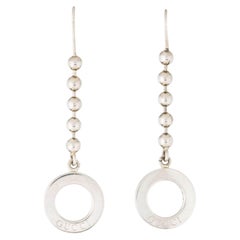
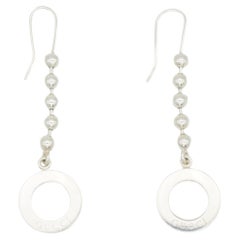
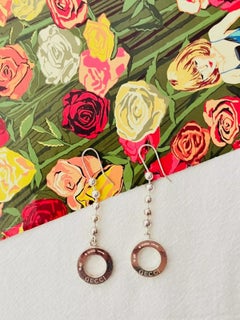
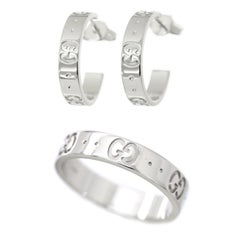
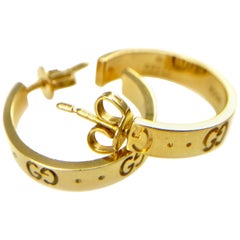
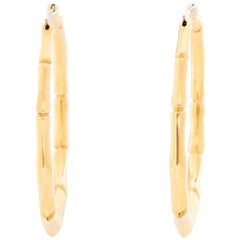
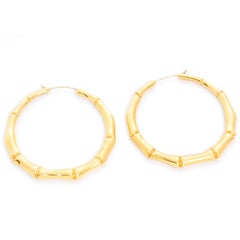
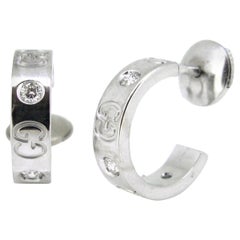
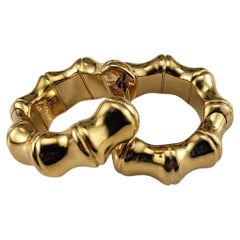
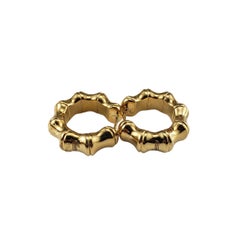
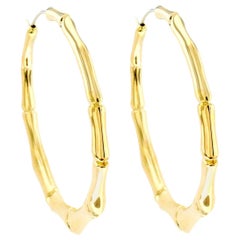
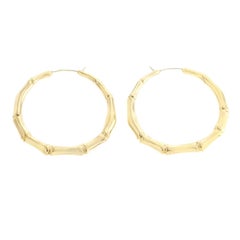
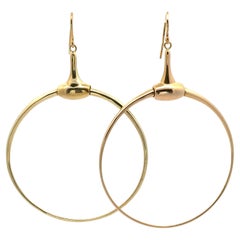
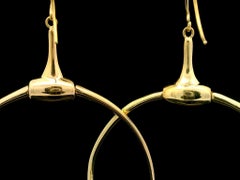
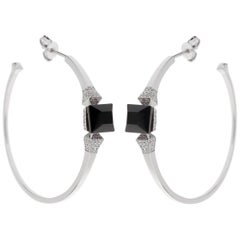
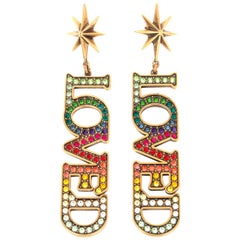
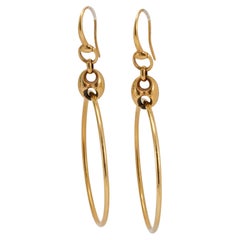
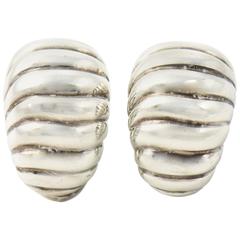
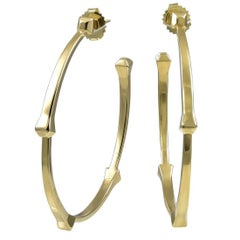
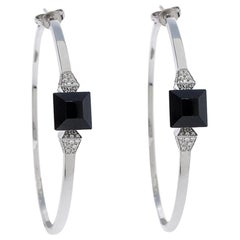
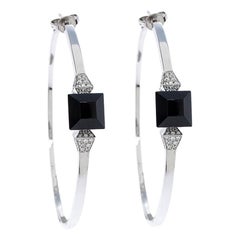
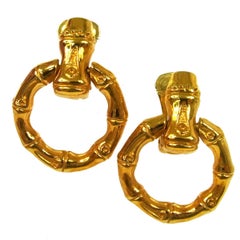
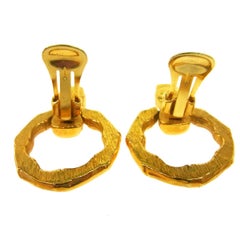
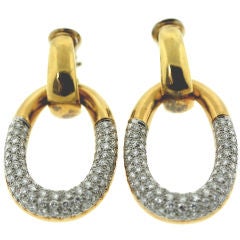
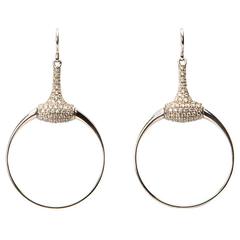
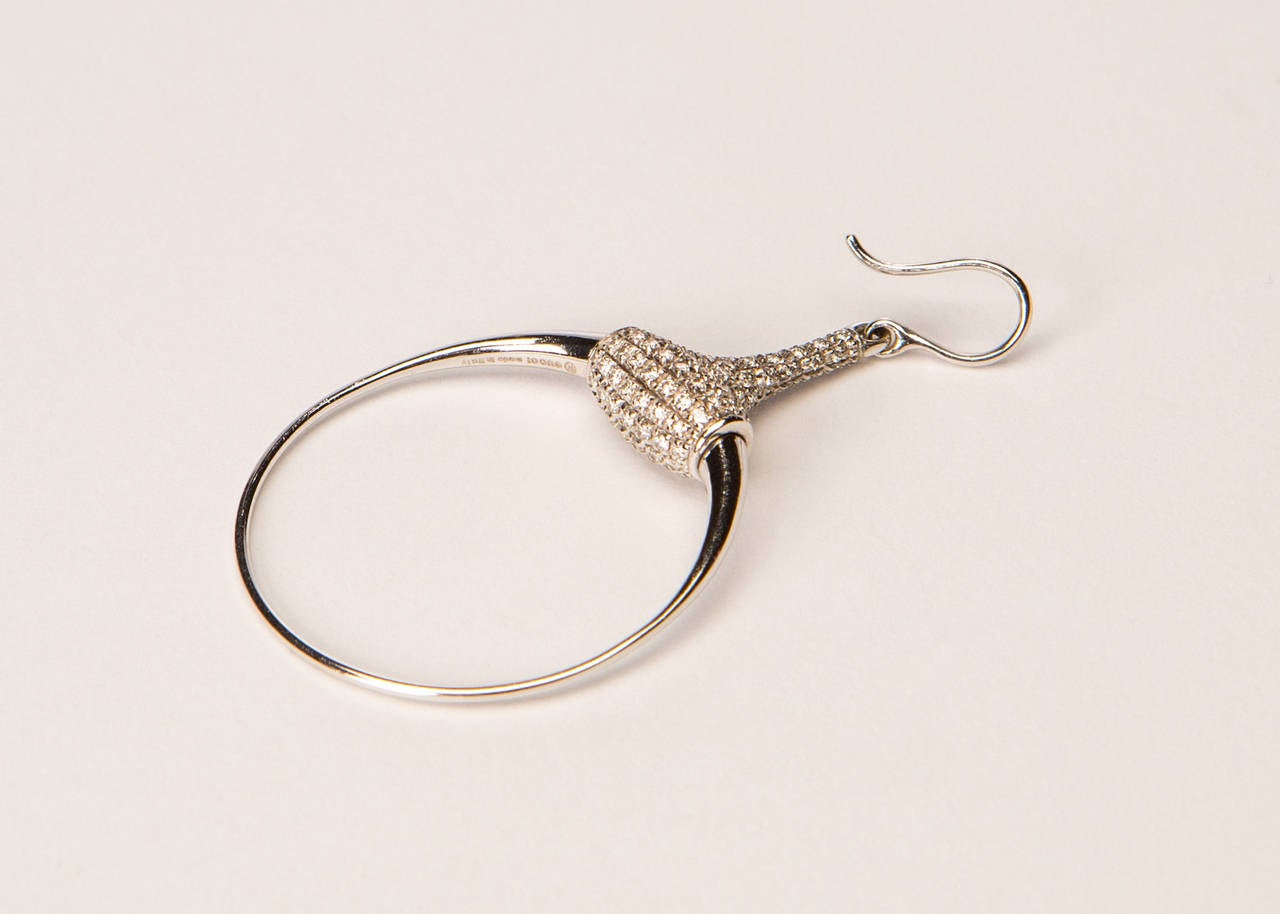
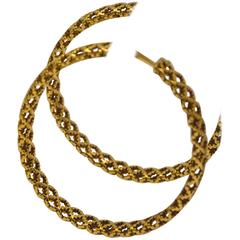
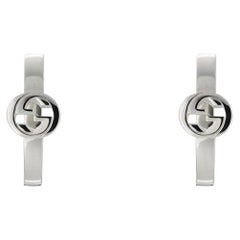
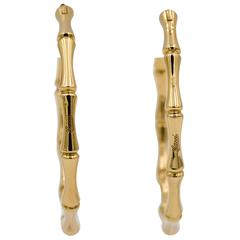
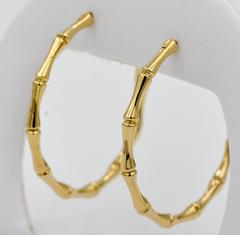
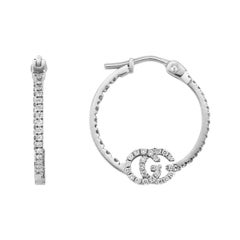
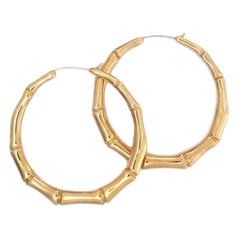
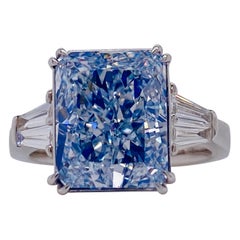
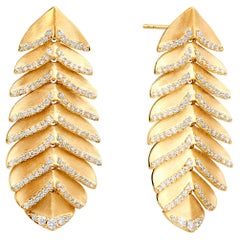
Browse a vast assortment of gucci hoop earrings for sale on 1stDibs. These distinct designs — crafted with great care and often made from
Gold,
18k Gold and
Yellow Gold — can elevate any look. Our collection of these items for sale includes 14 vintage editions and 28 modern creations to choose from as well. Our inventory is broad and distinctive, with accessories on offer that were made as long ago as the 20th Century to those produced as recently as the 21st Century. Our collection of gucci hoop earrings includes designs that are universally popular, but
Contemporary and
Modern styles, specifically, are sought with frequency. Many pieces in our collection are stylish for most occasions, but
Diamond versions, from our inventory of 8, can add a particularly distinctive touch to your look, day or night. A selection of
round cut and
uncut can be found today on these pages. When shopping our range of gucci hoop earrings, you’ll find that there are less available pieces for
men today than there are for
women.
Prices for gucci hoop earrings can differ depending upon size, time period and other attributes — at 1stDibs, these accessories begin at $490 and can go as high as $6,500, while gucci hoop earrings, on average, fetch $1,670.
Long before trend-bucking creative director Alessandro Michele brought his hallucinatory “Utopian Fantasy” campaign to Gucci, it was a modest Italian leather shop. Today, it’s an internationally renowned luxury house with an iconic logo, and vintage Gucci clothing, handbags and shoes are among high fashion's most covetable goods.
Guccio Gucci (1881–1953) admired the stylish suitcases he saw wealthy guests arrive with at the Savoy Hotel in London, where he worked as a bellhop. So, in 1921, after a stint at Franzi, a luggage company in his hometown of Florence, he opened a leather goods shop of his own.
At first, Gucci’s Florence business specialized in equestrian accessories. But as its reputation flourished, particularly among the English aristocracy, so too did its footprint. In 1938, he brought three of his sons — Aldo, Vasco and Rodolfo — into the business and expanded it to Rome and later Milan. In the mid-1930s, a League of Nations embargo against Italy pushed Gucci to experiment with alternatives to imported leather. Its woven hemp fabric from Naples, adorned with the brand’s signature diamond print, was a hit, especially among A-list celebrities. The material was first used on suitcases before finding enduring popularity on handbags. (No list of revered designer purses would be complete without Gucci.)
In the 1950s, Elizabeth Taylor carried one of Gucci’s bamboo-handled tote bags, another adaptation to material rationing. After Jackie Kennedy was seen sporting a slouchy Gucci tote in 1961, it was renamed for the First Lady. Then Grace Kelly, on a visit to the boutique in Milan, inspired Rodolfo Gucci to work with Italian illustrator and Gucci textile designer Vittorio Accornero on the Flora print in 1966. Taking cues from Sandro Botticelli’s Primavera, with its pattern of flora and insects, it was painted entirely by hand and featured no fewer than 37 colors.
In 1953, just 15 days after opening his first store on New York’s 5th Avenue, Guccio passed away at 72. The early 1970s saw store openings in Tokyo and Hong Kong, but by the late 1980s, Gucci was floundering. Rodolfo Gucci took charge in 1982, but family drama and lawsuits ensued. In 1993, Rodolfo’s son, Maurizio, transferred his shares in the company to Investcorp, ending the family’s involvement in Gucci. Dawn Mello, then-president of Bergdorf Goodman, joined as creative director in 1989. But it was Tom Ford, who took over as creative director in 1994, who ultimately revived the brand.
Ford’s racy ads, shot by photographers such as Mario Testino, stirred controversy. And his potent vision of sexed-up femininity — with “jewel-toned satin shirts unbuttoned to there,” as Vogue described his breakthrough 1995 runway show — was wildly successful. The new millennium brought new ownership — Pinault Printemps Redoute in 2004 — and a more toned-down vision from Frida Giannini, who became sole creative director in 2006. Alessandro Michele was named creative director in 2015, and the storied brand took a giant leap forward.
Find vintage Gucci clothing and accessories on 1stDibs.
It is almost impossible to overstate how popular hoop earrings are today. They are routinely seen adorning the ears of high-profile women, ranging from Michelle Obama and Alexandria Ocasio-Cortez to Jennifer Lopez and Cardi B.
The roots of the hoop-earring phenomenon literally stretch back to the dawn of civilization. On view in the Metropolitan Museum of Art’s Ancient Near Eastern Art gallery is a pair of simple gold hoops from Mesopotamia dating to 2,600–2,500 B.C. that experts agree is among the oldest known examples. Hoop earrings can also be found in the Met’s Egyptian art gallery as well as in the museum’s displays of Greek and Roman art.
What inspired the original hoop design and why it was adopted by so many jewelers in the ancient world are unknown. It doesn’t have an origin story, feeling rather like the jewelry equivalent of the wheel. There just seems to be a logic to a circle that goes from the front to the back of the lobe.
“Hoops have been worn for millennia because they are unfathomably chic,” says Annabel Davidson, the editor of Vanity Fair UK’s special jewelry edition. “The way they accentuate the jawline, elongate the face and add a touch of flamboyance to a look is clearly a timeless expression of confidence, femininity and sartorial savvy.”
Throughout the ages, there have been countless decorative variations of hoop earrings. While the style can be found in just about every era, it was far more popular in some periods than others. Certain looks from yesteryear reflect cultural interests, while others are purely glamourous.
On 1stDibs, shop vintage diamond hoop earrings, gold hoop earrings, contemporary hoops and many more varieties of this wildly popular accessory.