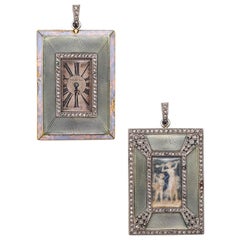
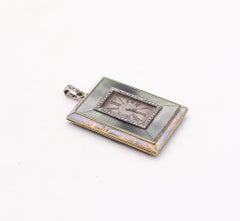
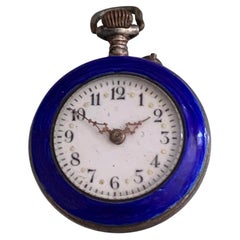
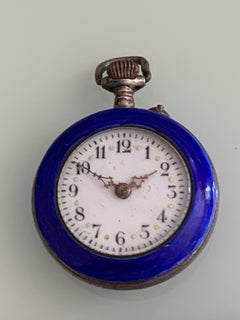
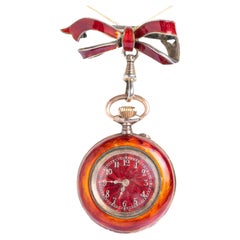
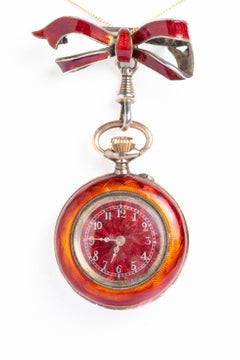
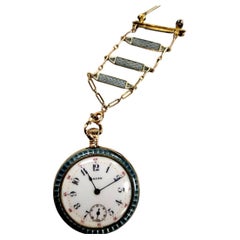
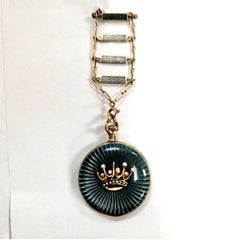
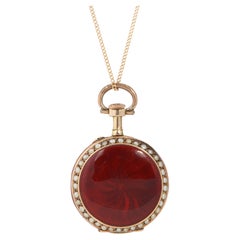
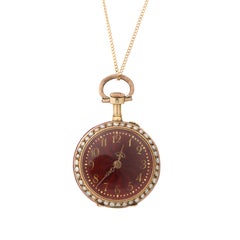
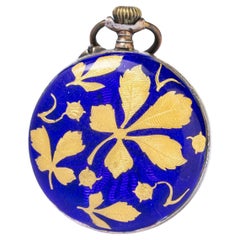
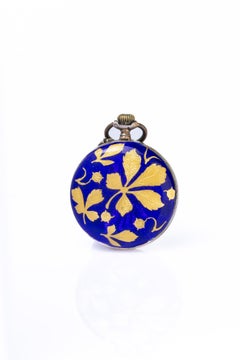
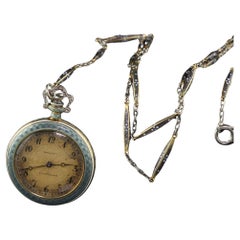
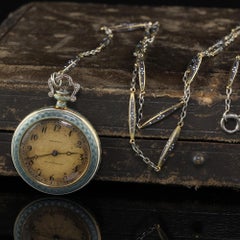
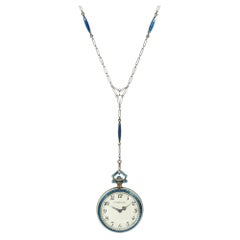
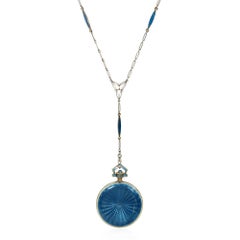
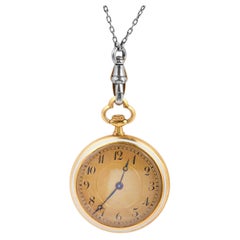
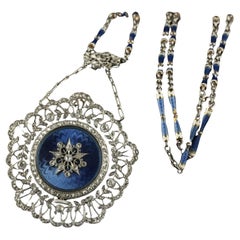
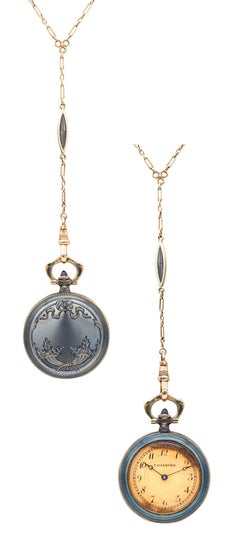
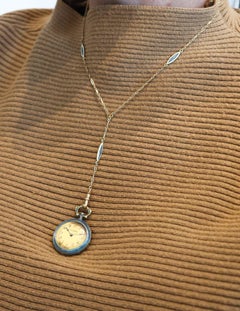
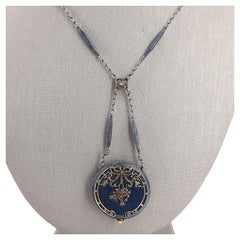
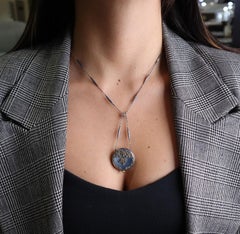
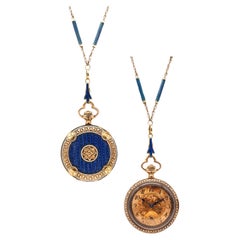
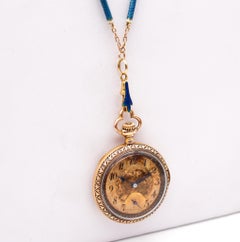
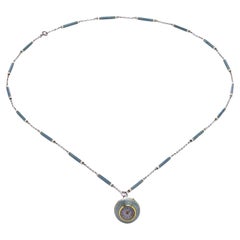
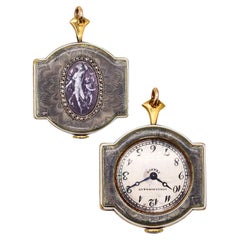
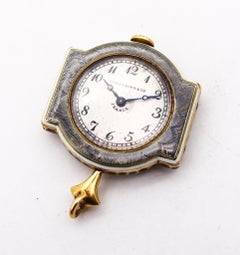
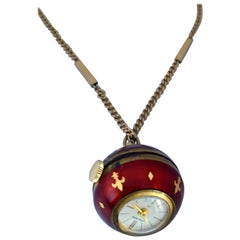
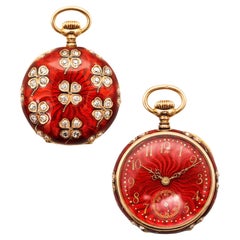
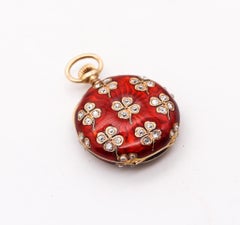
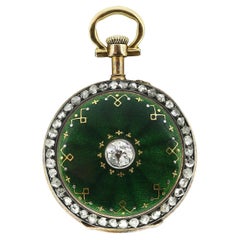
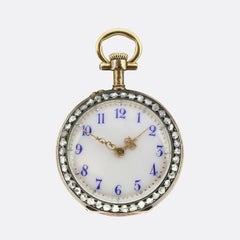
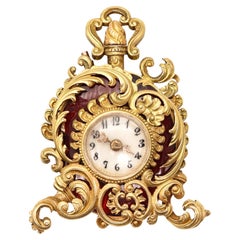
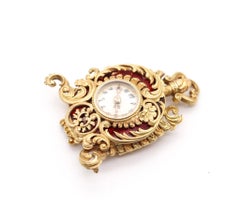
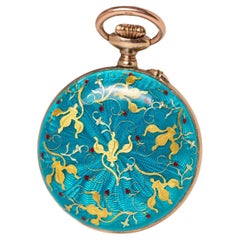
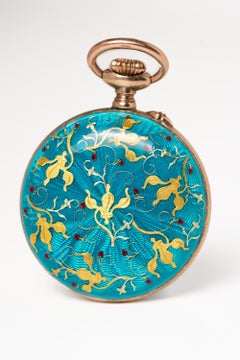
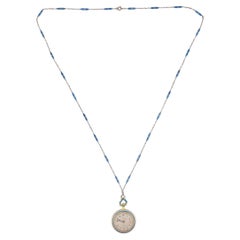
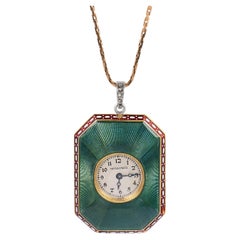
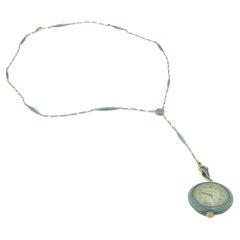
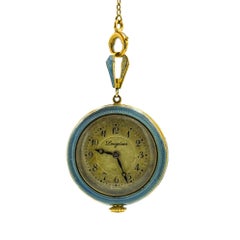
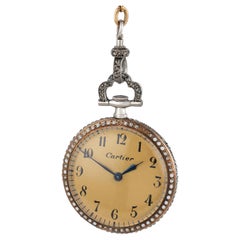
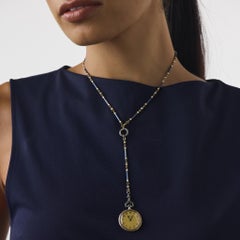
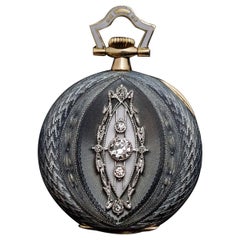
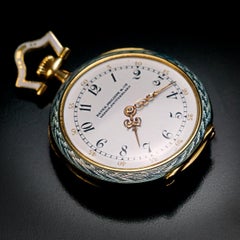
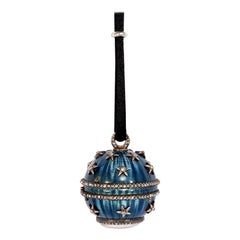
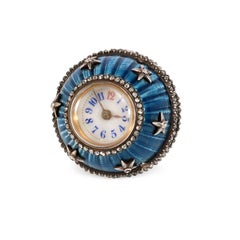
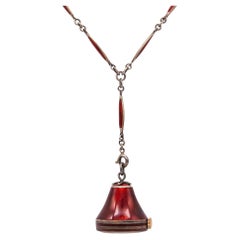
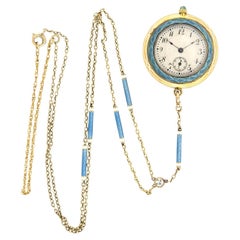
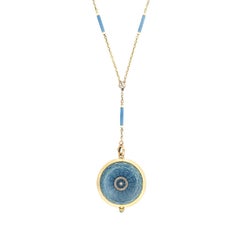
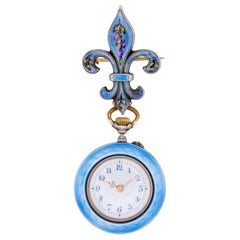
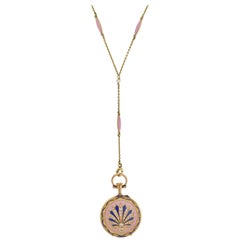
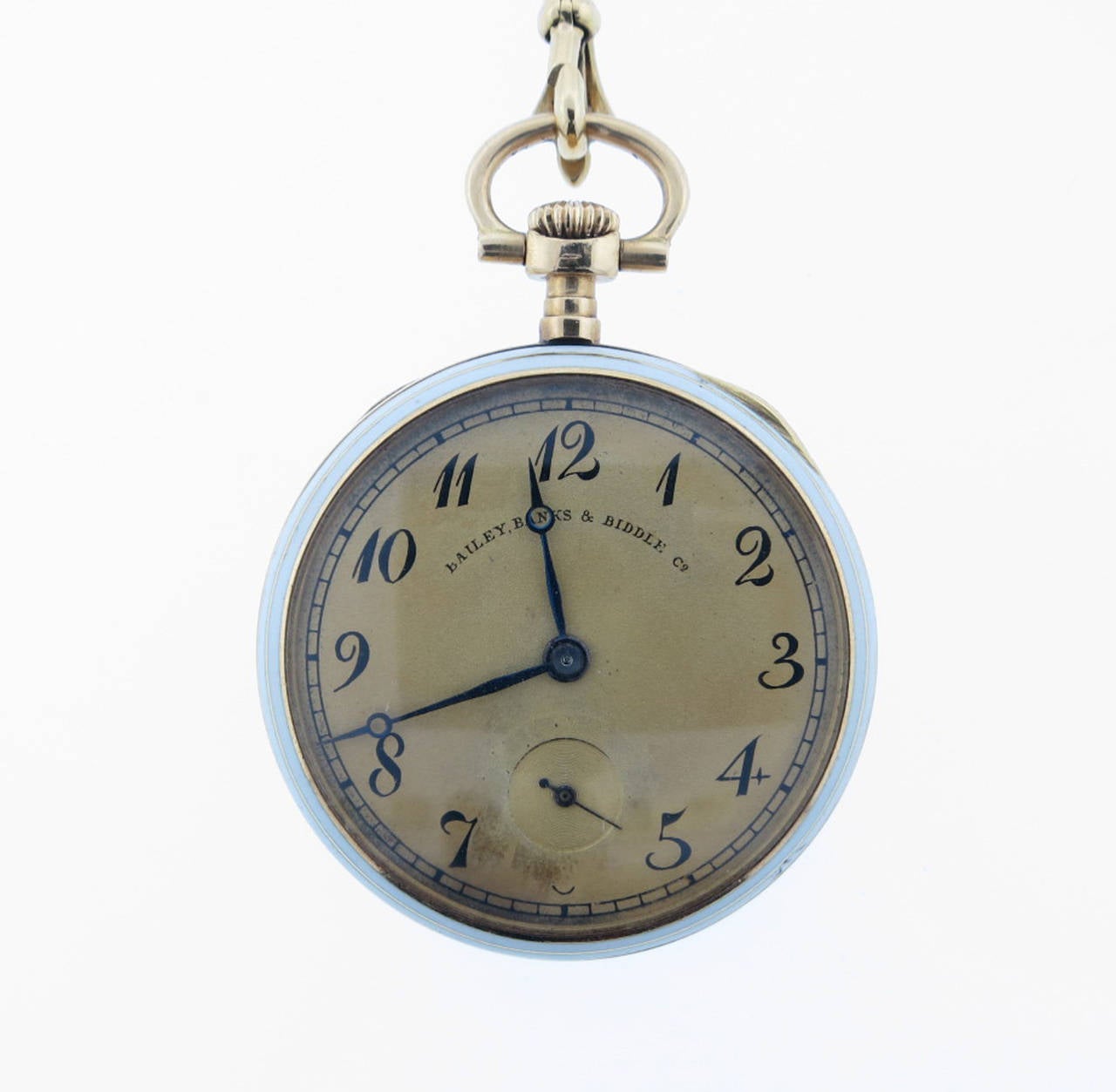
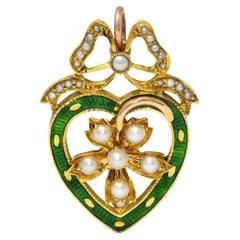
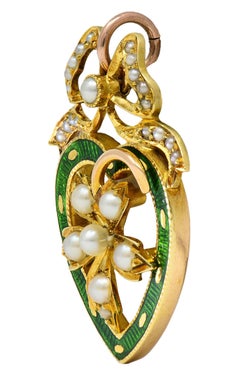
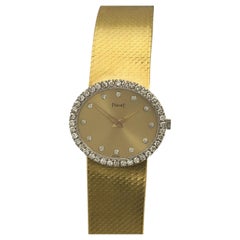
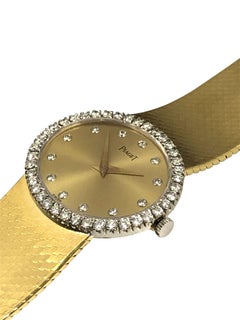
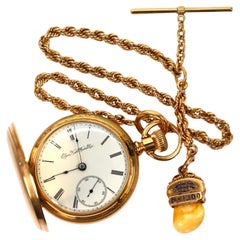
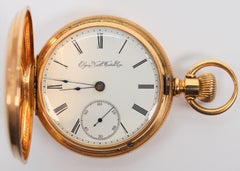
On 1stDibs, you can find the most appropriate guilloche pendant watch for your needs in our varied inventory. Frequently made of
Gold,
Enamel and
Yellow Gold, this item was constructed with great care. You can easily find a 17 antique edition and 74 modern creations to choose from as well. If you’re looking for a guilloche pendant watch from a specific time period, our collection is diverse and broad-ranging, and you’ll find at least one that dates back to the 19th Century while another version may have been produced as recently as the 21st Century. Finding an appealing guilloche pendant watch — no matter the origin — is easy, but
Fabergé,
Victor Mayer and
Cartier each produced a popular version that is worth a look. Take a look at a guilloche pendant watch featuring
Diamond from our inventory today to add the perfect touch to your look. See these pages for a
round cut iteration of this accessory, while there are also
brilliant cut cut and
old mine cut cut versions available here, too. Most of our guilloche pendant watch for sale are for
women, but there are 19 pieces available to browse for
men.
From vibrant to subtle, elegant to cheeky, vintage and antique enamel jewelry and watches encompass a wide range of colors and styles, and there are almost as many techniques for creating these distinctive pieces.
Enameling is one of the oldest forms of surface decoration, used to add color to jewelry without having to rely on gemstones. Evidence of enameling goes back to ancient Greece. Throughout history, far-flung cultures favored different techniques. For example, cloisonné enamel was popular during the Byzantine Empire, while artisans living in France and Germany in the Middle Ages preferred champlevé. And Art Nouveau jewelry designers favored plique à jour.
At its core, enamel is the fusion of powdered glass to metal, and artists like enameling because it allows them to add a painterly or illustrative quality to their work.
Cloisonné (“cell” in French) is a technique in the creation of enamel jewelry that sees the use of thin wires of fine silver or gold to outline a design, which is then filled with enamel. The piece is subsequently placed in a kiln where the enamel is melted. Cloisonné is distinct because the individual wires remain visible, forming an outline of the motif.
Champlevé (“level field” in French) enamel is almost the opposite of cloisonné. In this technique, depressions in the metal are made by etching, engraving or chiseling, and then layers of enamel are built up until they rise slightly above the surface of the metal. The enamel is then fired and polished.
Guilloché is a technique in which translucent enamel is applied to a piece of metal that has had designs cut into it using a lathe. After the firing, the patterns on the metal become visible. Guilloché was made famous by Peter Carl Fabergé, whose jewelry house used the technique on many of its objets d’art as well as jewelry.
Find antique and vintage enamel rings, bracelets, necklaces and other accessories on 1stDibs.