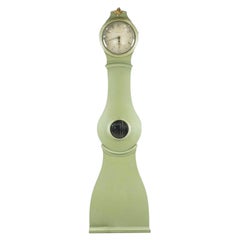
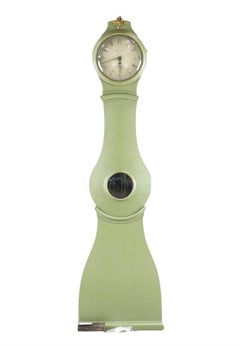
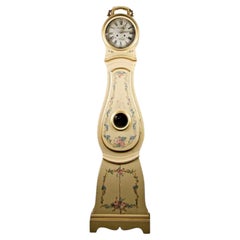
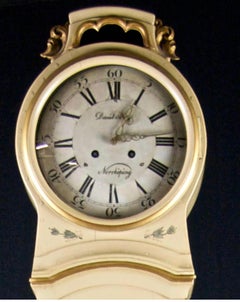
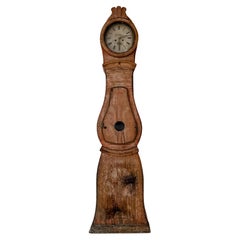
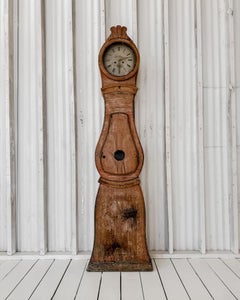
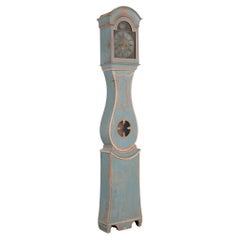
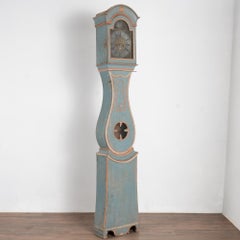
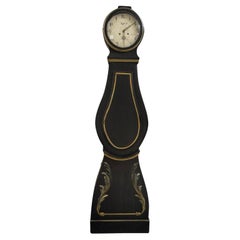
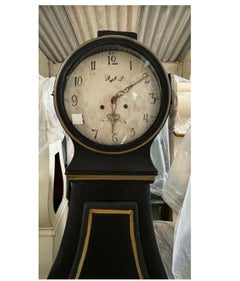
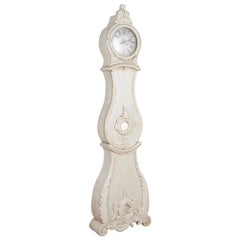
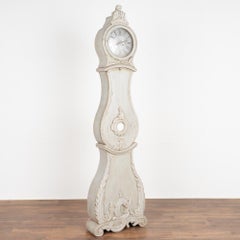
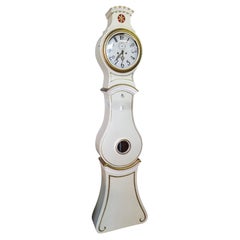
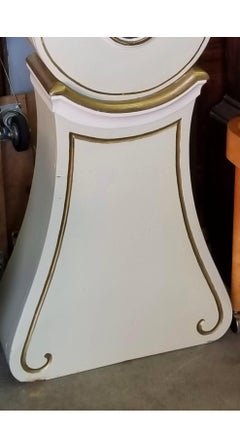
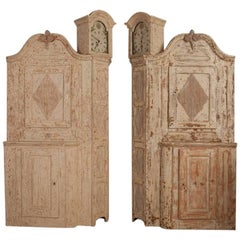
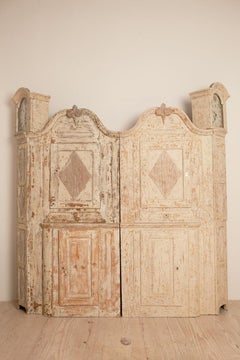
At 1stDibs, there are many versions of the ideal gustavian mora clock for your home. Each gustavian mora clock for sale was constructed with extraordinary care, often using
wood,
pine and
softwood. You’ve searched high and low for the perfect gustavian mora clock — we have versions that date back to the 18th Century alongside those produced as recently as the 19th Century are available. Each gustavian mora clock bearing
Victorian hallmarks is very popular. Many designers have produced at least one well-made gustavian mora clock over the years, but those crafted by
Mora Clocks are often thought to be among the most beautiful.
With clean lines and muted colors, antique Gustavian furniture is understated and elegant. It represents a more restrained version of the transition from Rococo to neoclassicism that was happening in France under Louis XVI. The style developed under Swedish King Gustav III, who reigned from 1771 until his assassination in 1792, and his son Gustav IV, who ruled until 1809. Although Gustavian furniture is mostly used to refer to pale painted cabinets, commodes, armchairs and other items, it involved a range of influences.
Gustavian-style furniture was inspired by discoveries at Pompeii and Herculaneum as well as the grandeur of European palaces like Versailles, with local softwoods such as pine and birch. There was also an emphasis on natural light; crystal chandeliers and large mirrors played a role in radiating the fleeting daylight of winter, giving it a distinctive aesthetic.
Where earlier furniture was curvy and florid, this new era was more architectural, with tapered and fluted legs and rectangular and oval shapes. Luminous gilt contrasted with the palette of soft blues on upholstery and painted surfaces. Leading furniture builders included Gottlieb Iwersson, Louis Masreliez and Erik Öhrmark. The latter, a French-born Swedish decorator, designed the Sulla chair, a seat that was demonstrative of technical skill and precise craftsmanship and drew on Greek klismos chairs. Masreliez’s Sulla chair was made by Öhrmark and featured decorative ornamentation produced by Jean-Baptiste Masreliez, Louis’s younger brother.
While the wealthy had furniture carved with neoclassical details like scallops and rosettes, more affordable options were adorned with faux finishes that mimicked marble and stenciled patterns. The simple elegance of Gustavian furniture would have a long impact on Swedish design, informing the 20th-century appreciation for function and form. In the 1950s, IKEA mass-produced copies of a Gustavian commode designed by cabinetmaker Georg Haupt, who created pieces for the Royal Palace, making the furniture a fixture of everyday Swedish life.
Find a collection of antique Gustavian seating, tables, decorative objects and other furniture on 1stDibs.
Antique grandfather clocks and longcase clocks are staples of old-world design sensibilities, and, along with their storied history, these statuesque timepieces can bring a feeling of warmth to living rooms, dining rooms and other areas of your home.
Longcase clocks, which originated in England and were manufactured in the United States beginning in the 1700s, refer to tall clocks with a face and clock works positioned high in the housing while a large swinging pendulum movement is tucked inside the case, which is supported by a carved base called a plinth.
While guests making their way through your foyer (another ideal location for such a furnishing) might typically refer to your longcase clock as a “grandfather clock,” there are actually three varieties of these stylish floor clocks, which include granddaughter clocks (the shortest, generally not one solid piece of wood and around three to five feet tall), grandmother clocks (the slimmer middle ground, between five feet and six feet tall) and grandfather clocks, which are typically between six and seven feet tall.
Sculptural and statement-making, antique grandfather clocks created by the likes of the Seth Thomas Clock Company, the Howard Miller Clock Company, Hermle or other clockmakers are an alluring choice in filling up space in a room, while the shorter longcase clocks are just as useful if you need an element that is comparatively muted or you’re working with limited space.
Each generation of artisan clockmakers, working in various furniture styles over time, contributed its own flourishes to the design of longcase clocks. Antique grandfather clocks in the Georgian style share commonalities with neoclassical design. They were often made in dark woods such as mahogany and feature intricate carving. Mahogany is also common for Victorian-era grandfather clocks, although examples of this style can be found in oak and walnut too. Designers of contemporary grandfather clocks are using a range of materials.
It’s easy to get confused when determining the origins or value of an antique grandfather clock or other vintage longcase clock. While an antique appraiser will be able to tell quickly, searching for a manufacturer’s name engraved on the face and dial of the clock may be an easy way to learn about the history of your clock.
Find a distinctive variety of antique grandfather clocks and longcase clocks on 1stDibs, and browse our collection of unusually beautiful clocks, wall clocks, desk clocks and other vintage clocks too.