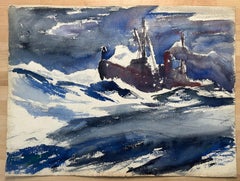
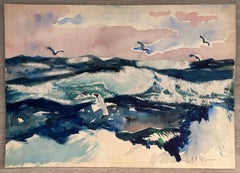
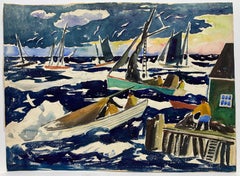
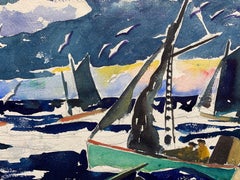
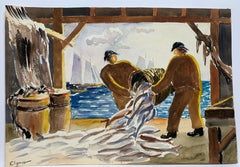
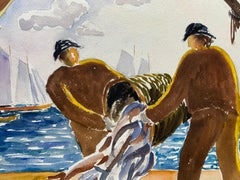
On 1stDibs, you can find the most appropriate helen sawyer for your needs in our varied inventory. There are many
contemporary,
abstract and
Pop Art versions of these works for sale. If you’re looking for a helen sawyer from a specific time period, our collection is diverse and broad-ranging, and you’ll find at least one that dates back to the 19th Century while another version may have been produced as recently as the 21st Century. Adding a helen sawyer to a room that is mostly decorated in warm neutral tones can yield a welcome change — find a piece on 1stDibs that incorporates elements of
gray,
blue,
brown,
purple and more. Finding an appealing helen sawyer — no matter the origin — is easy, but
Willard Dixon,
James Floyd Clymer,
Robert Burkert,
Rainer Gross and
Courtenay Hunt each produced popular versions that are worth a look. Frequently made by artists working in
paint,
oil paint and
canvas, these artworks are unique and have attracted attention over the years.
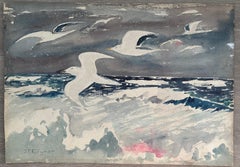
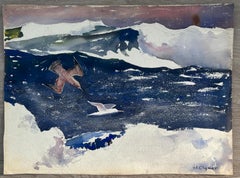
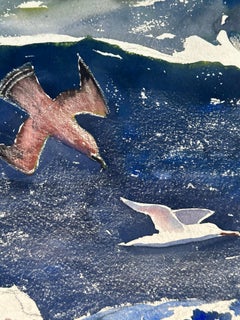
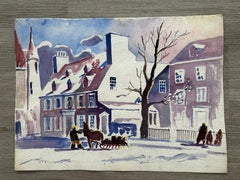
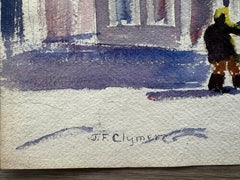
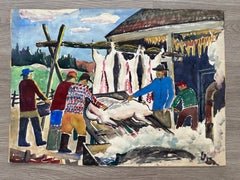
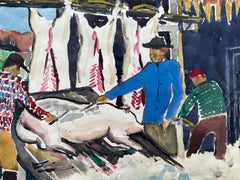
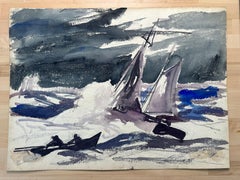
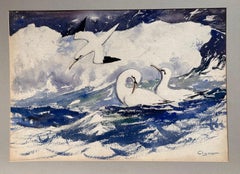
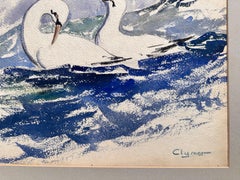
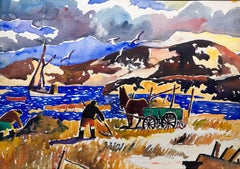
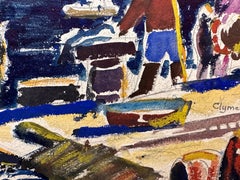
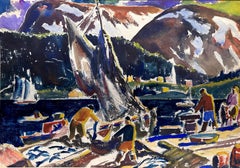
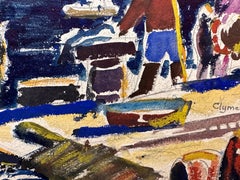
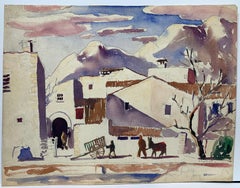
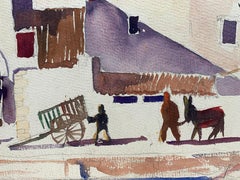
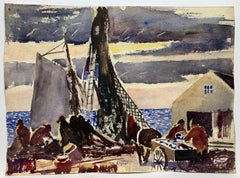
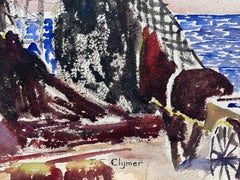
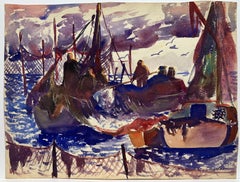
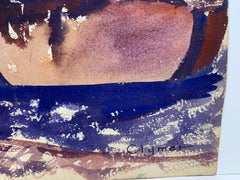
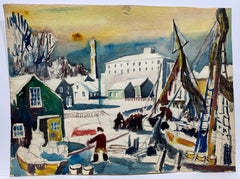
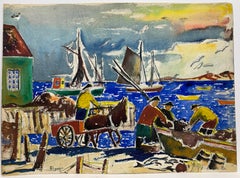
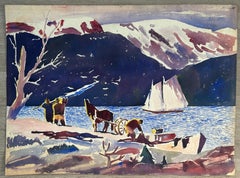
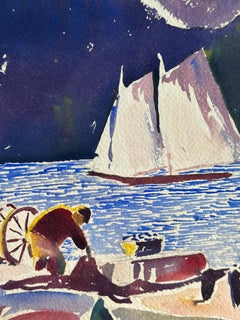
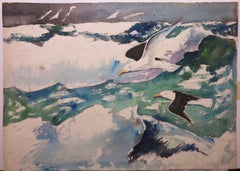
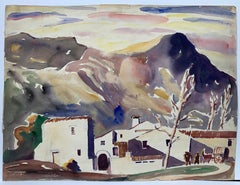
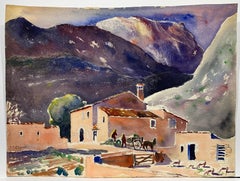
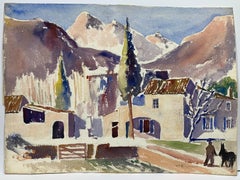
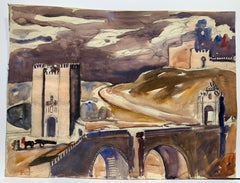
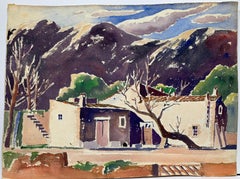
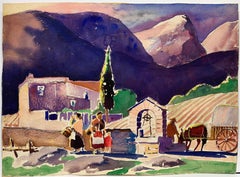
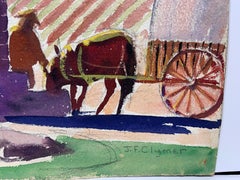
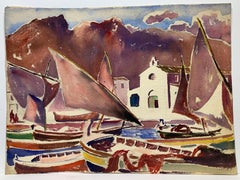
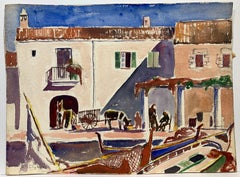
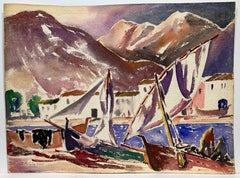
James Floyd Clymer known for his regionalist style of land, sea and cityscapes, created paintings with an emphasis on color and form. His works possess a clear and simple style, easily understood by the masses. Born in Perkasie Pennsylvania, 20 miles north of Philadelphia, Clymer was the youngest of seven children. Losing his mother during childbirth, he was raised by his eldest sister. He attended Drexel University in Philadelphia, studying Art and Architecture and worked as an Architect in the years following World War I. During this time, Clymer met the artist Gwenyth Waugh, daughter of the renowned marine painter, Frederick Judd Waugh. Clymer thrust then changed from Architect to Artist. Together, the couple traveled to destinations such as Spain and Newfoundland, where they gave birth to their only daughter. In the early 1920s, Clymer and family settled in Provincetown, Massachusetts and quickly became associated with notable artists such as Helen Sawyer, Edwin Dickinson and the Waughs. About 1940, Clymer moved to New York City, and in 1946, he and his family settled in a home on Schunnemunk Mountain in New York (close to Newburgh, New York, in the Hudson River Valley). He lived there until circa 1978 when he moved to his granddaughter's house near Schenectady, New York, where he later died. Clymer worked with ease in the mediums of watercolor and oil painting, much like James Fitzgerald and Marsden Hartley. Parallels exist in the work of the three artists, such as their affinity to the New England coast for their subject matter. Further, these artists pursued highly personal styles, making it difficult to link them to anyone's art movement. All three artists were adept at blending naturalism and abstraction while maintaining a respect for and a keen observation of nature. Clymer tended to depict permanence and impermanence in nature, painting simple, colorful forms to create vistas in sea and sky or mass in mountains and buildings. He then would present figures in motion, such as humans, birds and boats to complete his artistic theme. Like Hartley and Fitzgerald, Clymer's economy of detail states so much with so little, allowing the work to possess a powerful and expressive quality. Clymer was a member of the Provincetown Beachcombers Club, a select group devoted to the arts, as well as a member of the Provincetown Art Association, where he exhibited 65 works between 1922–40. His works were also featured in exhibits at the Pennsylvania Academy of Fine Arts, the Art Institute of Chicago, the Corcoran Gallery and various galleries in NYC during the 20s, 30s and 40s. Clymer is listed in Who Was Who in American Art.
Bring audacious experiments with color and textures to your living room, dining room or home office. Abstract paintings, large or small, will stand out in your space, encouraging conversation and introducing a museum-like atmosphere that’s welcoming and conducive to creating memorable gatherings.
Abstract art has origins in 19th-century Europe, but it came into its own as a significant movement during the 20th century. Early practitioners of abstraction included Wassily Kandinsky, although painters were exploring nonfigurative art prior to the influential Russian artist’s efforts, which were inspired by music and religion. Abstract painters endeavored to create works that didn’t focus on the outside world’s conventional subjects, and even when artists depicted realistic subjects, they worked in an abstract mode to do so.
In 1940s-era New York City, a group of painters working in the abstract mode created radical work that looked to European avant-garde artists as well as to the art of ancient cultures, prioritizing improvisation, immediacy and direct personal expression. While they were never formally affiliated with one another, we know them today as Abstract Expressionists.
The male contingent of the Abstract Expressionists, which includes Jackson Pollock, Willem de Kooning and Robert Motherwell, is frequently cited in discussing leading figures of this internationally influential postwar art movement. However, the women of Abstract Expressionism, such as Helen Frankenthaler, Lee Krasner, Joan Mitchell and others, were equally involved in the art world of the time. Sexism, family obligations and societal pressures contributed to a long history of their being overlooked, but the female Abstract Expressionists experimented vigorously, developed their own style and produced significant bodies of work.
Draw your guests into abstract oil paintings across different eras and countries of origin. On 1stDibs, you’ll find an expansive range of abstract paintings along with a guide on how to arrange your wonderful new wall art.
If you’re working with a small living space, a colorful, oversize work can create depth in a given room, but there isn’t any need to overwhelm your interior with a sprawling pièce de résistance. Colorful abstractions of any size can pop against a white wall in your living room, but if you’re working with a colored backdrop, you may wish to stick to colors that complement the decor that is already in the space. Alternatively, let your painting make a statement on its own, regardless of its surroundings, or group it, gallery-style, with other works.