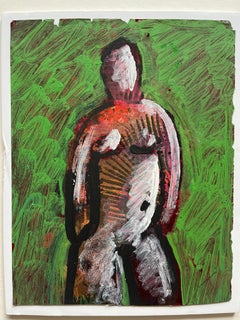
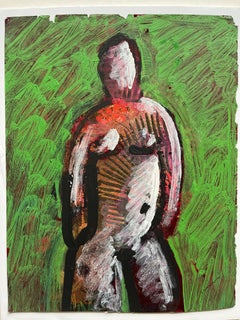
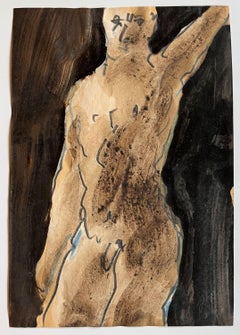
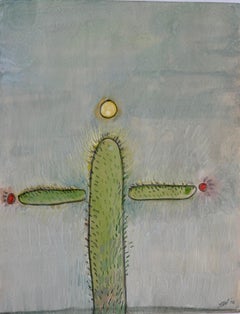
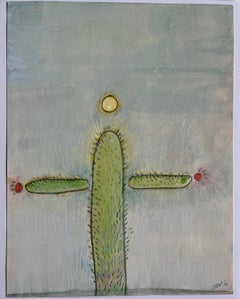
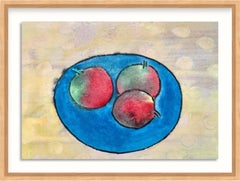
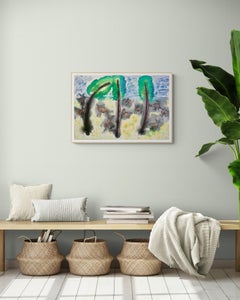
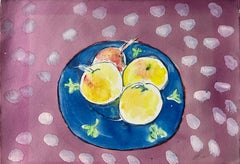
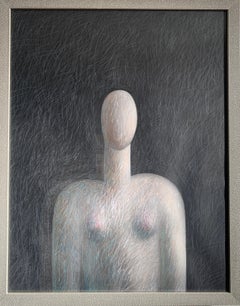
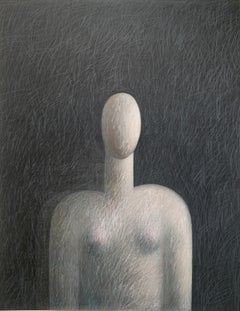
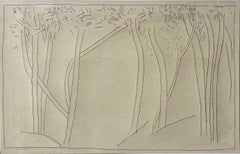
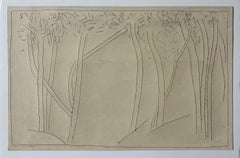
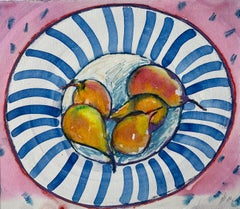
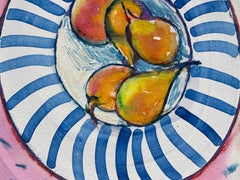
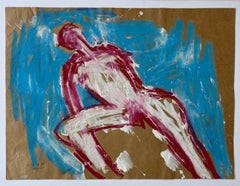
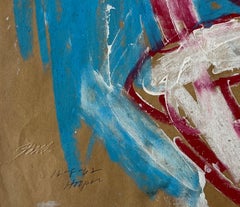
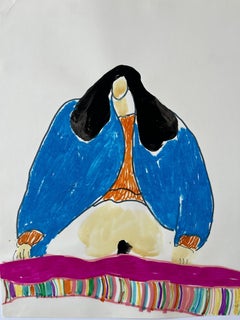
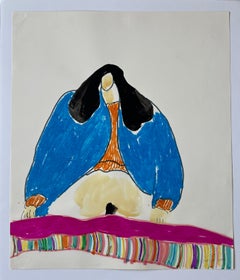
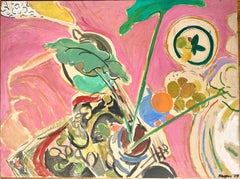
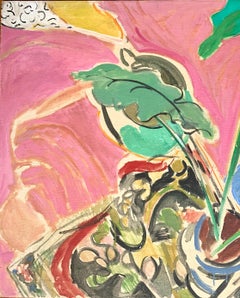
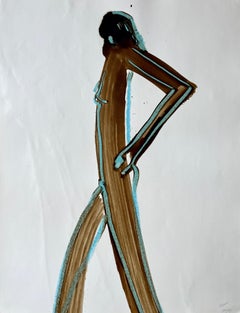
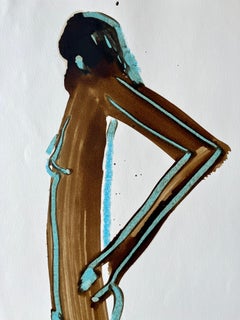
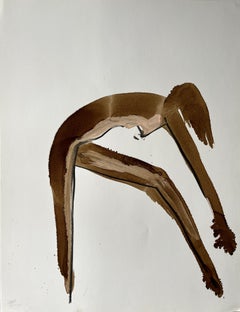
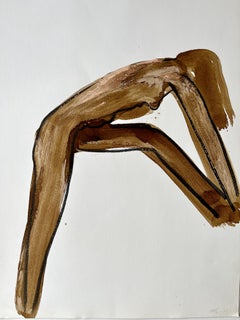
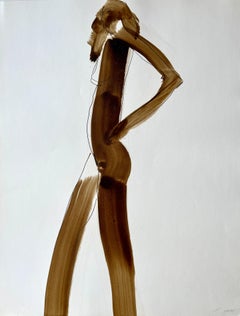
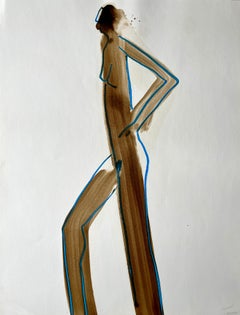
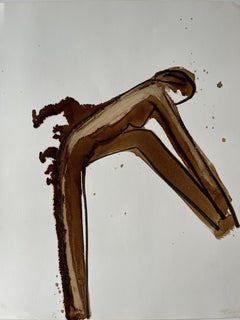
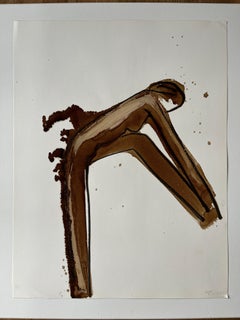
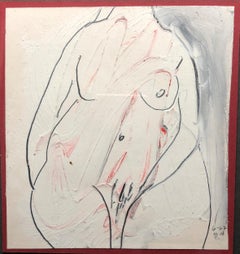
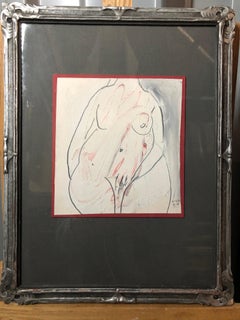
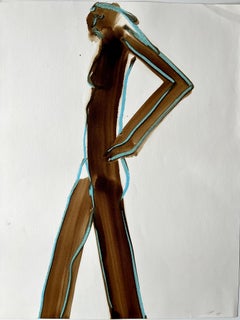
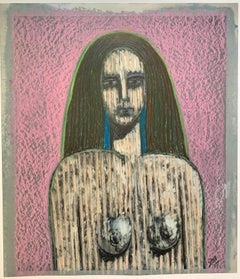
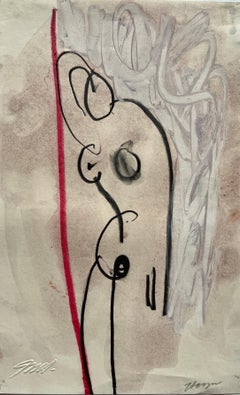
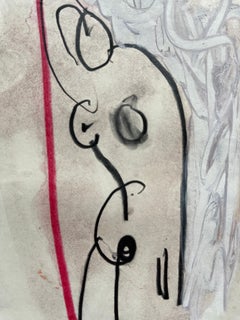
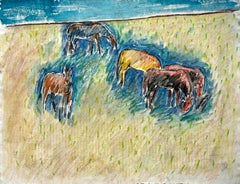
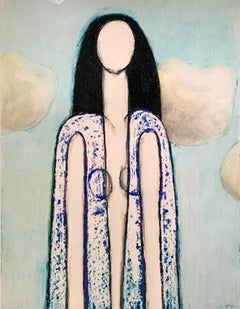
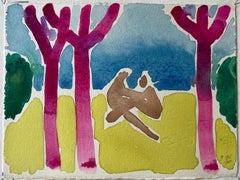
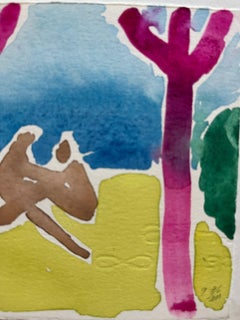
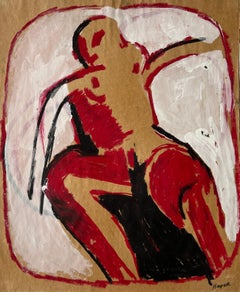
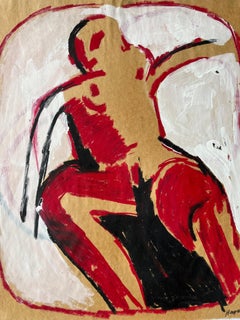
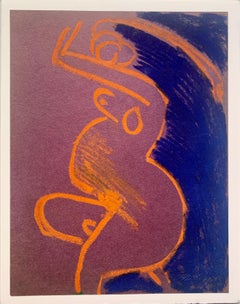
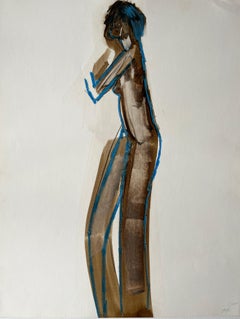
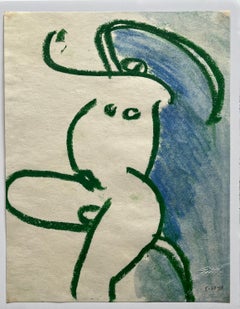
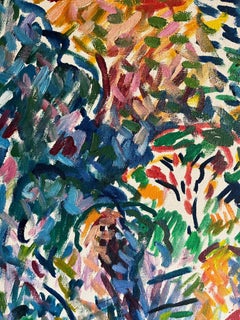
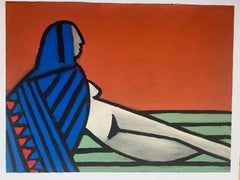
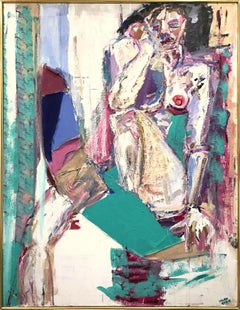
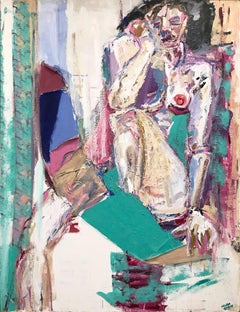
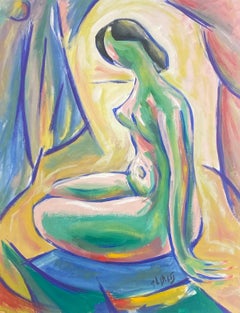
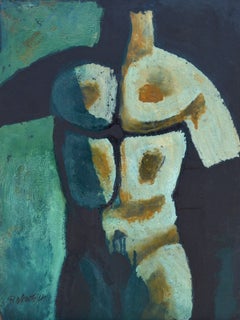
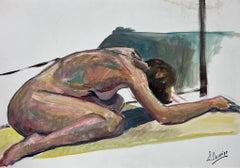
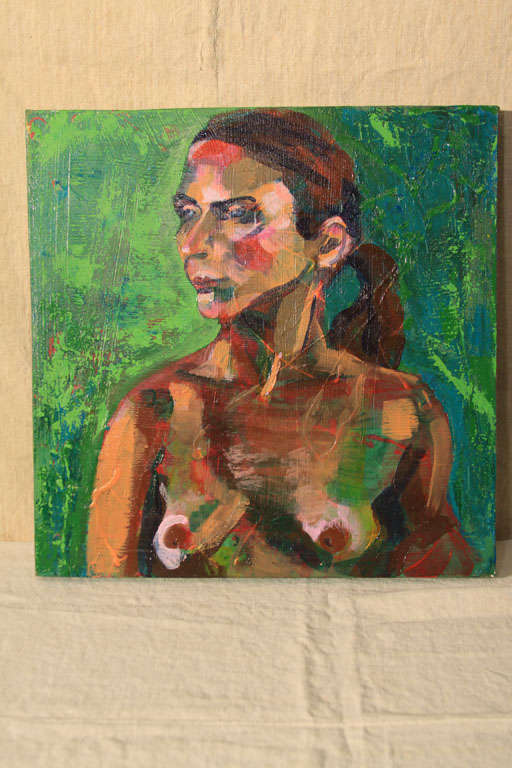
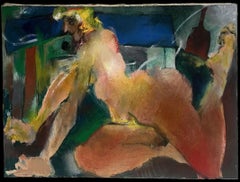
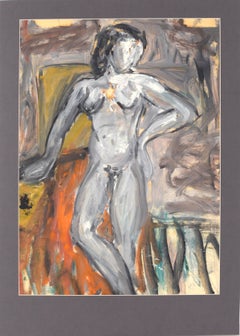
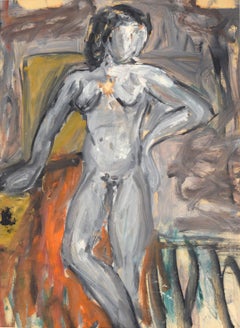
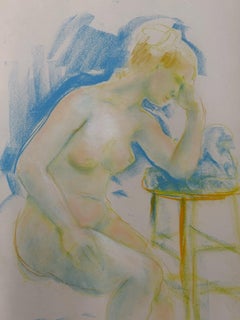
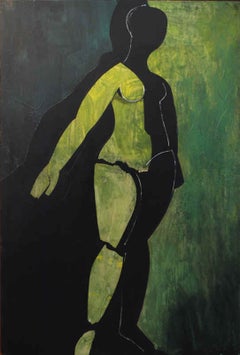
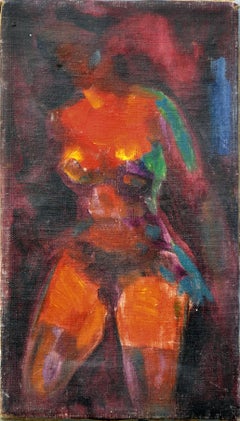
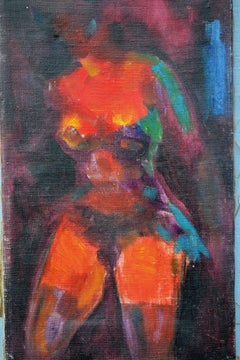
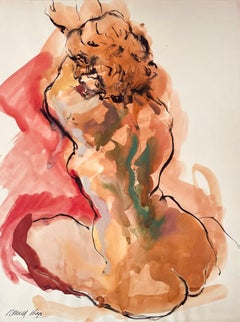
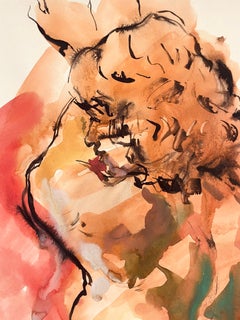
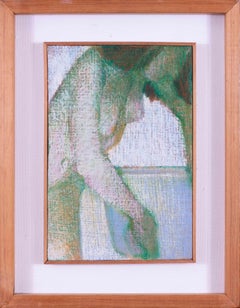
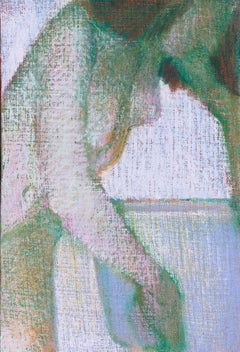
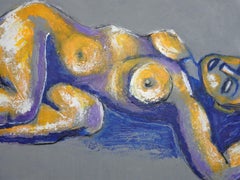
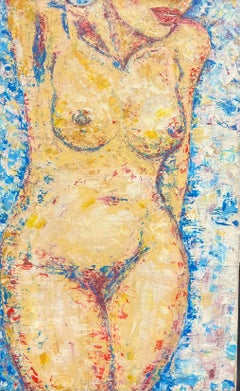
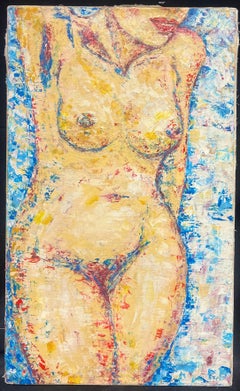
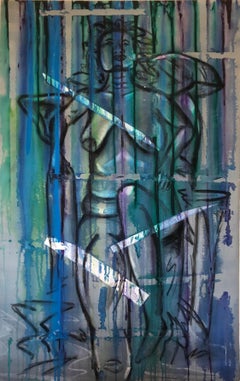
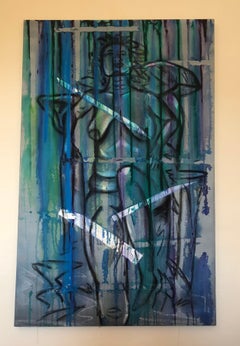
Find the exact jack hooper you’re shopping for in the variety available on 1stDibs. You can easily find an example made in the
Abstract style, while we also have 1
Abstract versions to choose from as well. If you’re looking to add a jack hooper to create new energy in an otherwise neutral space in your home, you can find a work on 1stDibs that features elements of
beige,
brown,
gray,
blue and more. Frequently made by artists working in
paint,
paper and
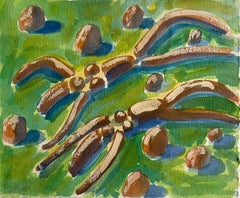
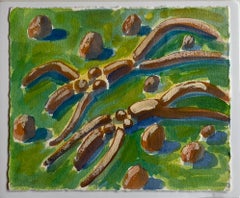
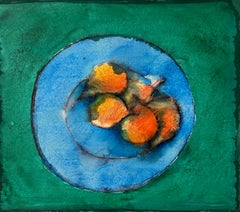
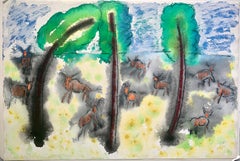
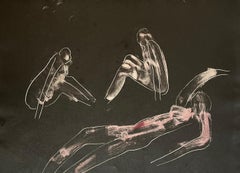
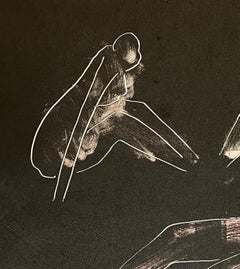
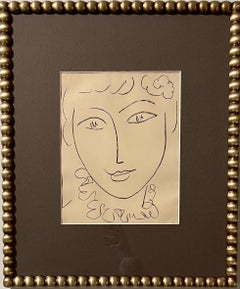
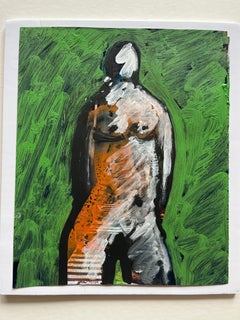
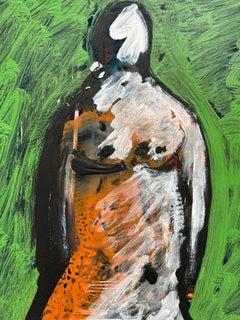
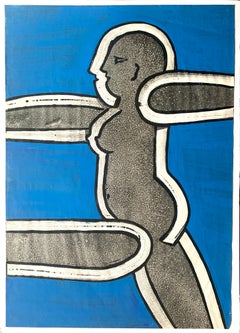
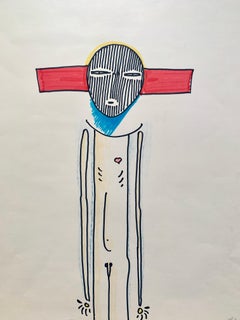
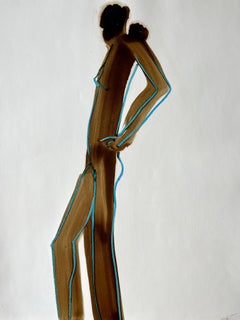
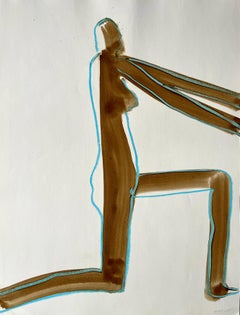
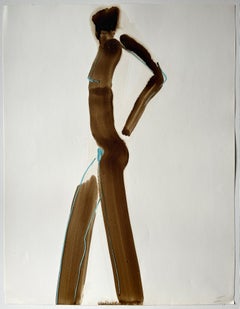
acrylic paint, these artworks are unique and have attracted attention over the years. A large jack hooper can prove too dominant for some spaces — a smaller jack hooper, measuring 13.5 high and 10.5 wide, may better suit your needs.
Jack Meredith Hooper (August 26, 1928 - January 24, 2014) was an American painter, muralist, sculptor, printmaker and art educator. Hooper was a major figure on the Southern California art scene, belonging to that generation of Los Angeles painters who matured during the late 1950’s and the 1960’s, painters such as John Altoon, Sam Amato, Robert Irwin, Lee Mullican, William Brice and Billy Al Bengston. Recognized as gifted in art by family, he began art training in a Work Projects Administration (WPA) school at the age of twelve. Hooper served in the United States Army Air Corps at the end of WW II. Education 1951 AA Los Angeles City College 1952 B.A., Painting, magna cum laude, Mexico City College 1952-53 Académie Julian, Académie de la Grande Chaumière 1956 graduate study in at University of California, Los Angeles (UCLA) 1958 M.A., Painting West Coast Modernist School Hooper knew many of the artists of the period, including Frida Kahlo who would become the subject of many of his portraits and studies over the coming decades. Teaching/ Appointments 1956 teaching assistant; UCLA 1957 Associate in Art, Drawing & Painting; UCLA 1960 & 1962 Summer Visiting Professor of Art; University of Colorado, Boulder 1961 Assistant Professor of Art, UCLA 1962-1969 Assistant Professor of Art, Chairman of the Art Department, Director of Galleries; Mount St Mary’s College Los Angeles 1975-77 Visiting Professor of Art; University of California Santa Cruz, CA Shows (partial list) 1965 "Three California Painters," Long Beach Museum of Art, CA 1963 Oakland Museum of Art, CA 1965 "Three California Painters," Long Beach Museum of Art, CA 1963 Oakland Museum of Art, CA 1962 "Fifty California Artists" Organized by the San Francisco Museum of Art with the Collaboration of the Los Angeles County Museum, Whitney Museum of American Art, New York. 1961 "Arts of Southern California - VIII: Drawing," Long Beach Museum of Art, CA. Traveled to: Everhart Museum of Art, Scranton, PA; Columbia Museum of Art, SC; Georgia Museum of Art, Athens, GA; Columbus Museum of Art & Crafts, GA; Eastern Illinois State College, Charleston, IL.; La Jolla Art Center, CA; Texas State College for Women, Denton, TX: University of Nebraska, Lincoln, NE 1961 Santa Monica Municipal Art Gallery, CA 1960 San Francisco Museum of Art, CA 1960 Seattle Art Museum, WA Co-founded Aesthetic Research Center (A.R.C.) with architect, Frank Gehry