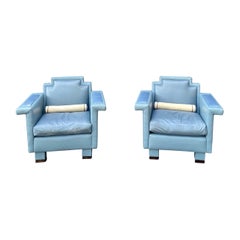
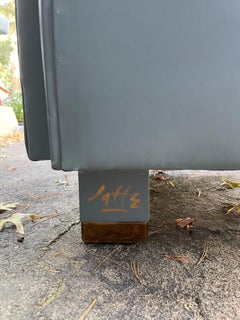
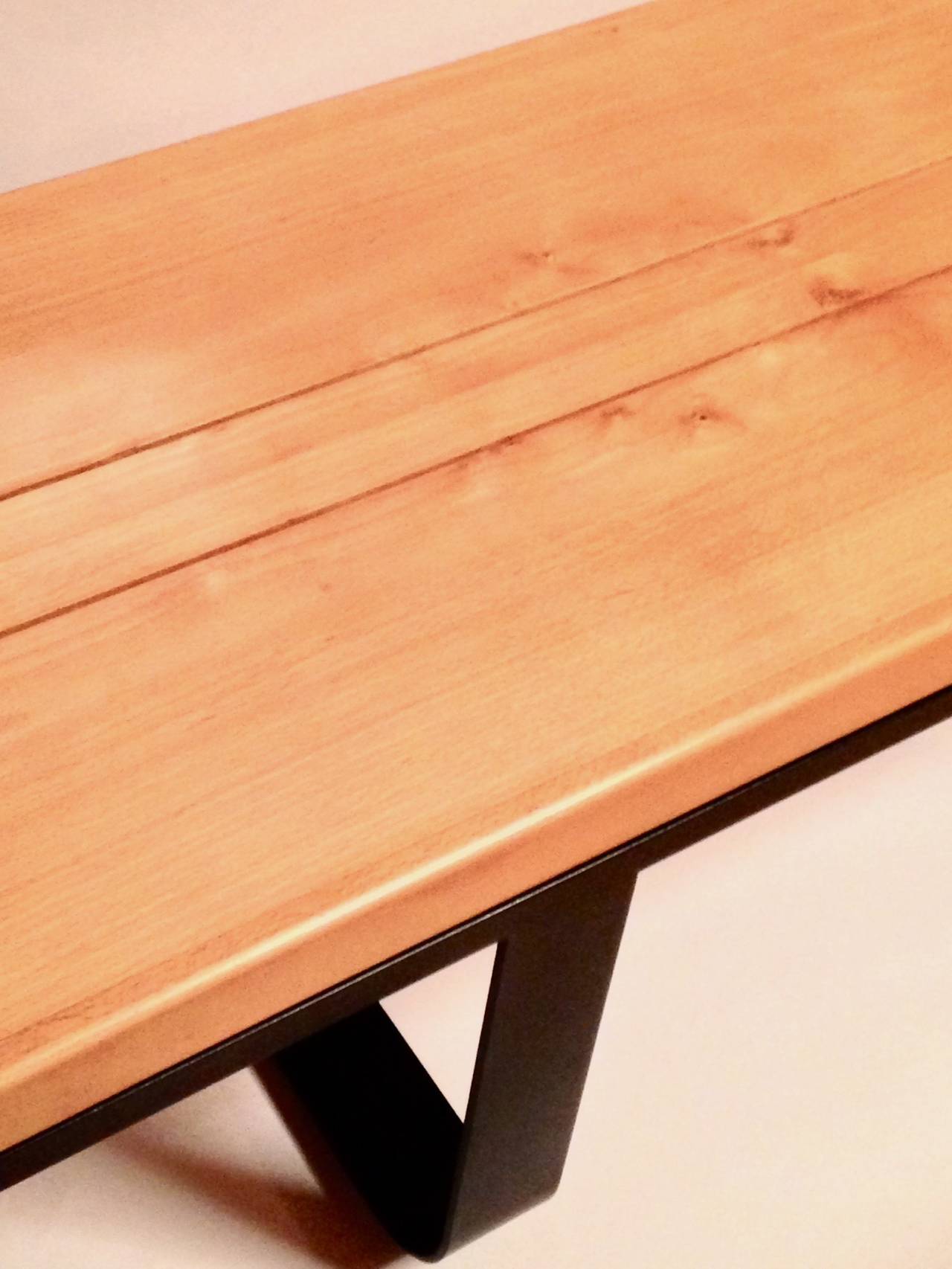
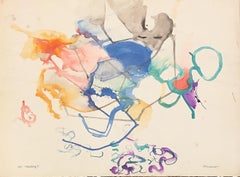
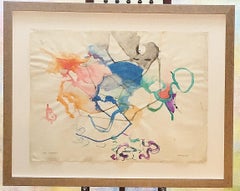
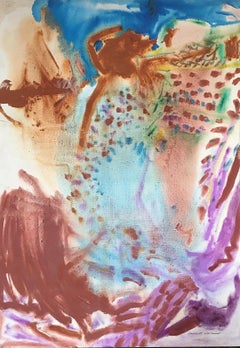
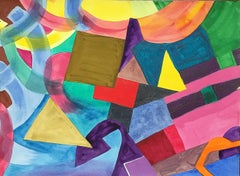
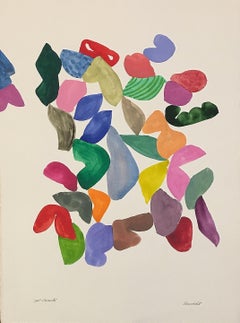
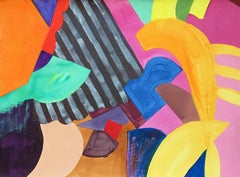
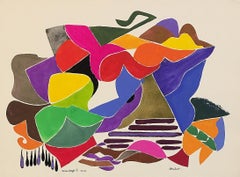
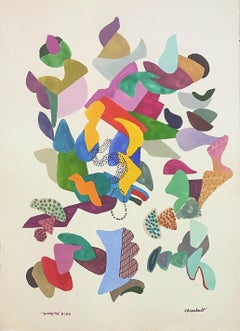
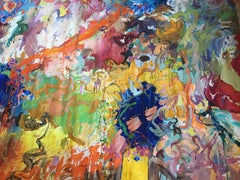
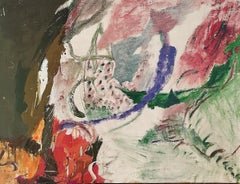
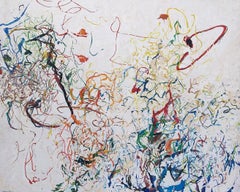
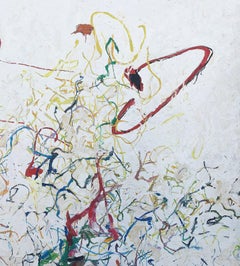
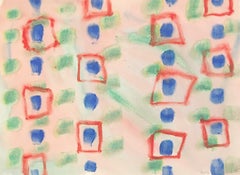
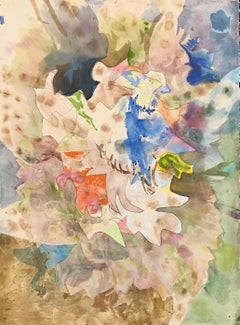
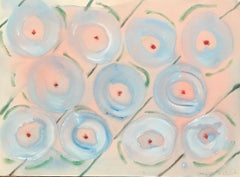
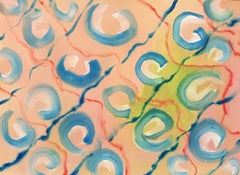
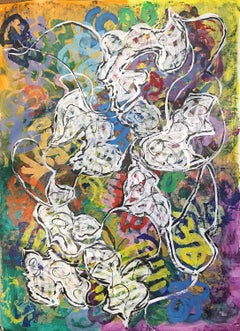
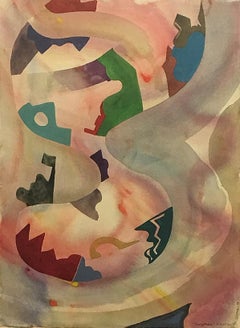
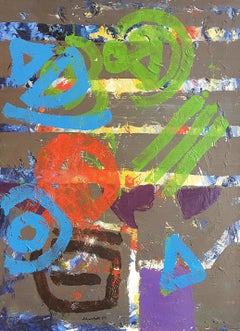
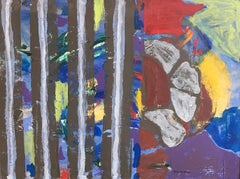
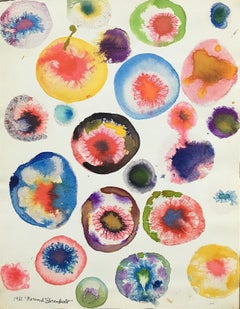
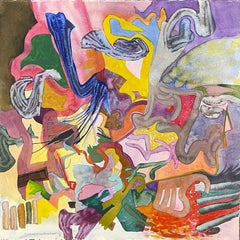
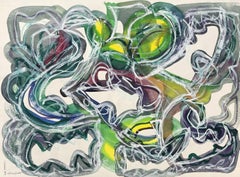
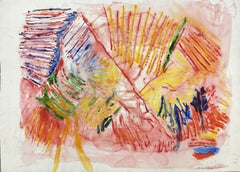
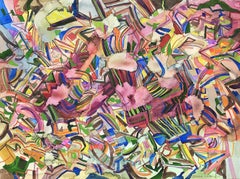
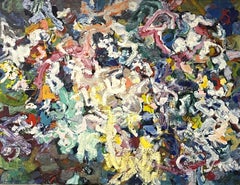
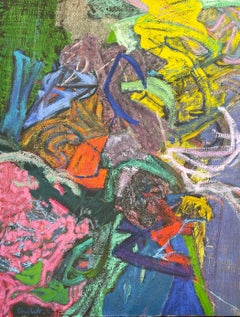
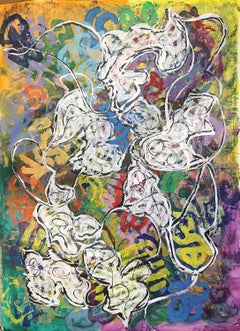
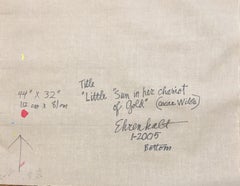
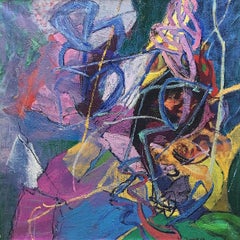
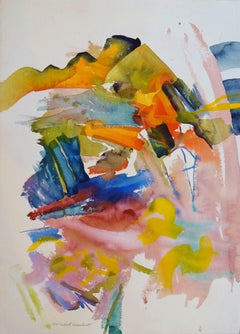
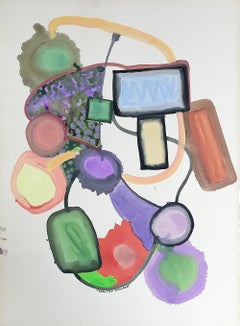
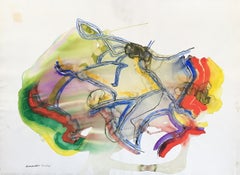
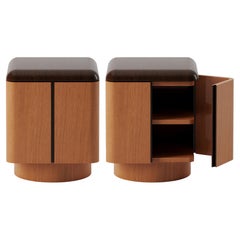
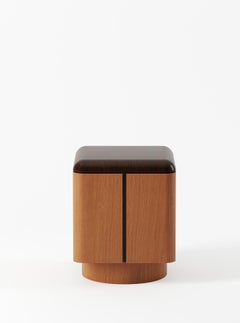
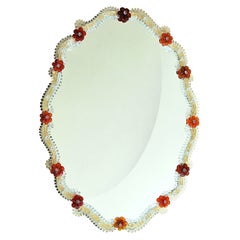
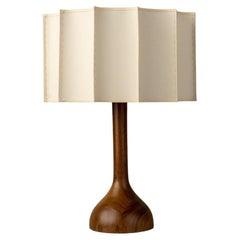
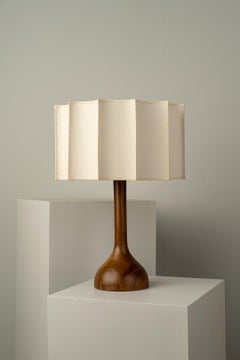
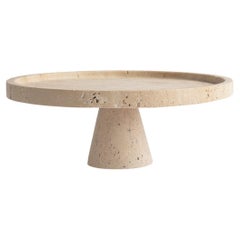
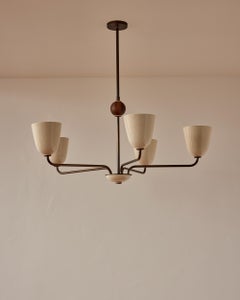
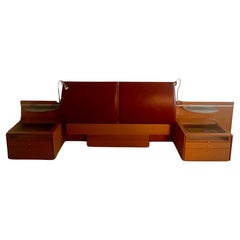
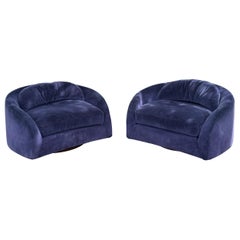
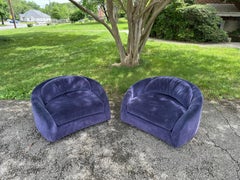
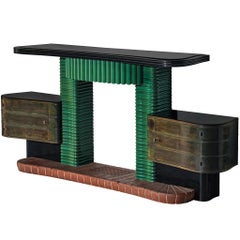
Surely you’ll find the exact norman jaffe you’re seeking on 1stDibs — we’ve got a vast assortment for sale. You’re likely to find the perfect norman jaffe among the distinctive items we have available, which includes versions made as long ago as the 20th Century as well as those made as recently as the 21st Century. On 1stDibs, the right norman jaffe is waiting for you and the choices span a range of colors that includes
brown,
gray,
beige and
blue. A norman jaffe from
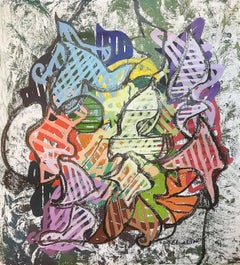
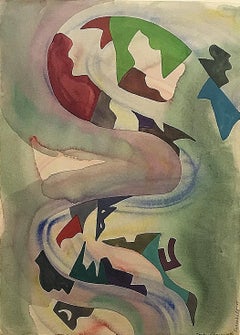
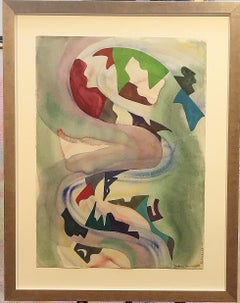
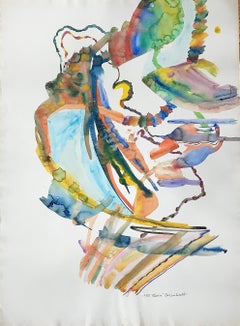
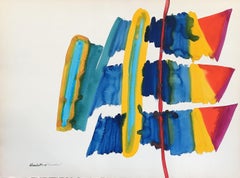
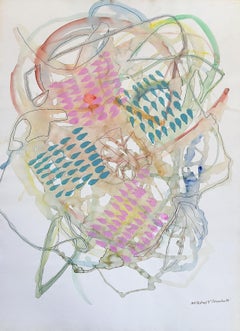
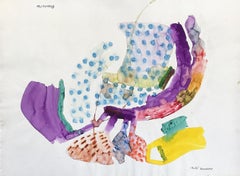
Amaranth Ehrenhalt — each of whom created distinctive versions of this kind of work — is worth considering. These artworks were handmade with extraordinary care, with artists most often working in
paint,
oil paint and
gouache.
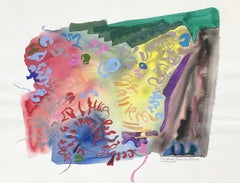
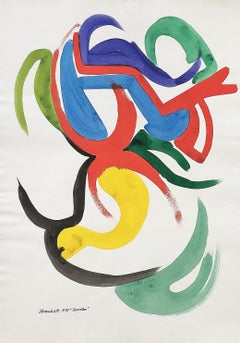
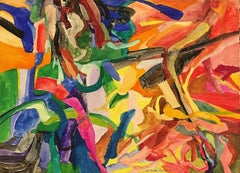
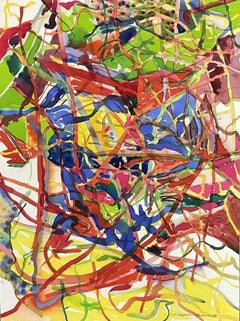
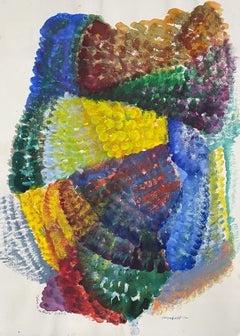
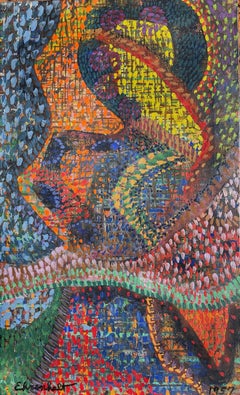
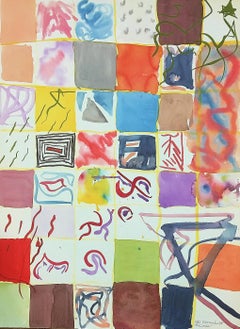
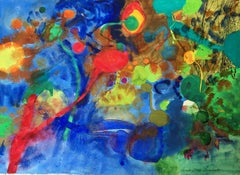
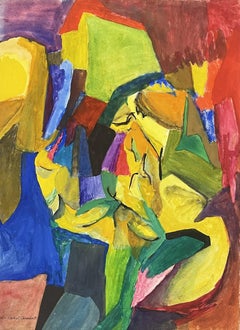
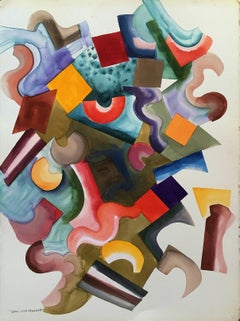
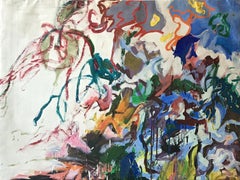
When multidisciplinary Abstract Expressionist artist Amaranth Ehrenhalt first moved from Philadelphia to New York City in the 1950s she unintentionally lived out the “starving artist” lifestyle. She made her paintings on the floor, but not in order to replicate the technique attributed to American painter Jackson Pollock. Owing to her modest financial situation, she simply didn't own a table.
Ehrenhalt graduated from the University of Pennsylvania in 1951 and attended a weekly course at the Barnes Foundation. There, she basked in the owner's large Parisian art collection and became deeply enamored with French artwork. It should come as no surprise that when a friend offered to trade a round trip to Paris for a portrait, Ehrenhalt jumped at the opportunity. Dutch-American painter Willem de Kooning — a fellow New Yorker at the time — invited her to have dinner upon her return, but after experiencing the Parisian art scene, she canceled her return trip and the two never shared that dinner. Ehrenhalt forged connections with Joan Mitchell, Alberto Giacometti and Yves Klein in the French capital, and remained in the country for over 40 years.
In her later years, Ehrenhalt returned to New York. She often traveled with her son, enraging the security guards at many of the world’s finest museums. From the Louvre in Paris to the Metropolitan Museum of Art in New York, her son, Caradoc remembers guards running and shouting at the sight of Ehrenhalt leaning a nose-length away from the art, her pointer finger hovering closer to the work explaining techniques and details behind the piece. Many of these trips were not just proof of how well-educated and experienced she was, but also lessons in friendship as she knew many of the artists personally.
Ehrenhalt’s work appeared in group exhibitions and solo exhibitions in Paris, California, Italy and New York. Five of her paintings from the mid-20th century were featured in “Encore: Five Abstract Expressionists,” which opened at Baruch College’s Sidney Mishkin Gallery in 2006.
Find original Amaranth Ehrenhalt paintings, prints and other art on 1stDibs.
Beginning in the early 20th century, abstract art became a leading style of modernism. Rather than portray the world in a way that represented reality, as had been the dominating style of Western art in the previous centuries, abstract paintings, prints and sculptures are marked by a shift to geometric forms, gestural shapes and experimentation with color to express ideas, subject matter and scenes.
Although abstract art flourished in the early 1900s, propelled by movements like Fauvism and Cubism, it was rooted in the 19th century. In the 1840s, J.M.W. Turner emphasized light and motion for atmospheric paintings in which concrete details were blurred, and Paul Cézanne challenged traditional expectations of perspective in the 1890s.
Some of the earliest abstract artists — Wassily Kandinsky and Hilma af Klint — expanded on these breakthroughs while using vivid colors and forms to channel spiritual concepts. Painter Piet Mondrian, a Dutch pioneer of the art movement, explored geometric abstraction partly owing to his belief in Theosophy, which is grounded in a search for higher spiritual truths and embraces philosophers of the Renaissance period and medieval mystics. Black Square, a daringly simple 1913 work by Russian artist Kazimir Malevich, was a watershed statement on creating art that was free “from the dead weight of the real world,” as he later wrote.
Surrealism in the 1920s, led by artists such as Salvador Dalí, Meret Oppenheim and others, saw painters creating abstract pieces in order to connect to the subconscious. When Abstract Expressionism emerged in New York during the mid-20th century, it similarly centered on the process of creation, in which Helen Frankenthaler’s expressive “soak-stain” technique, Jackson Pollock’s drips of paint, and Mark Rothko’s planes of color were a radical new type of abstraction.
Conceptual art, Pop art, Hard-Edge painting and many other movements offered fresh approaches to abstraction that continued into the 21st century, with major contemporary artists now exploring it, including Anish Kapoor, Mark Bradford, El Anatsui and Julie Mehretu.
Find original abstract paintings, sculptures, prints and other art on 1stDibs.