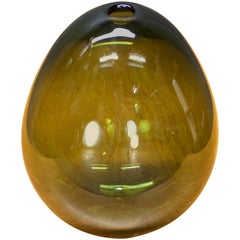
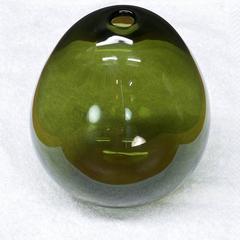
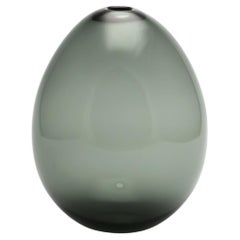
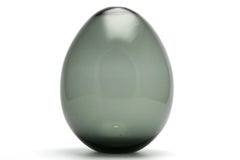
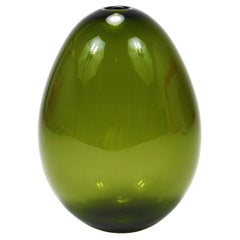
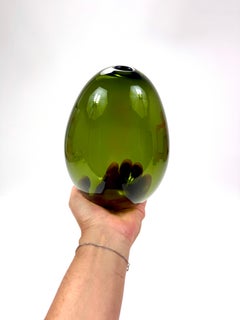
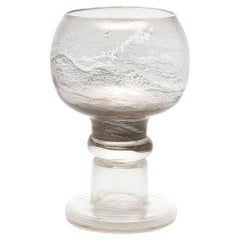
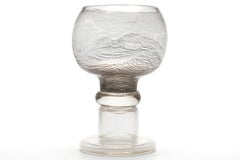
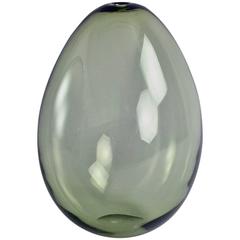
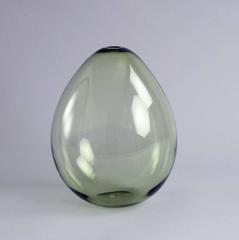
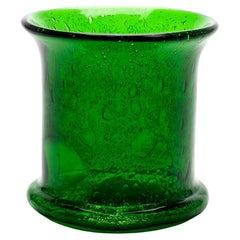
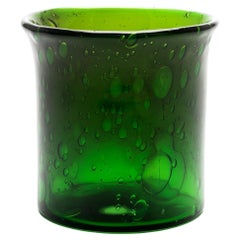
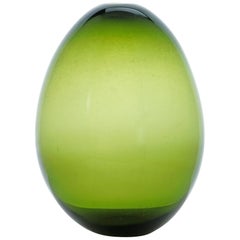
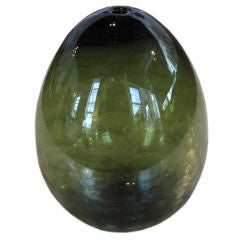
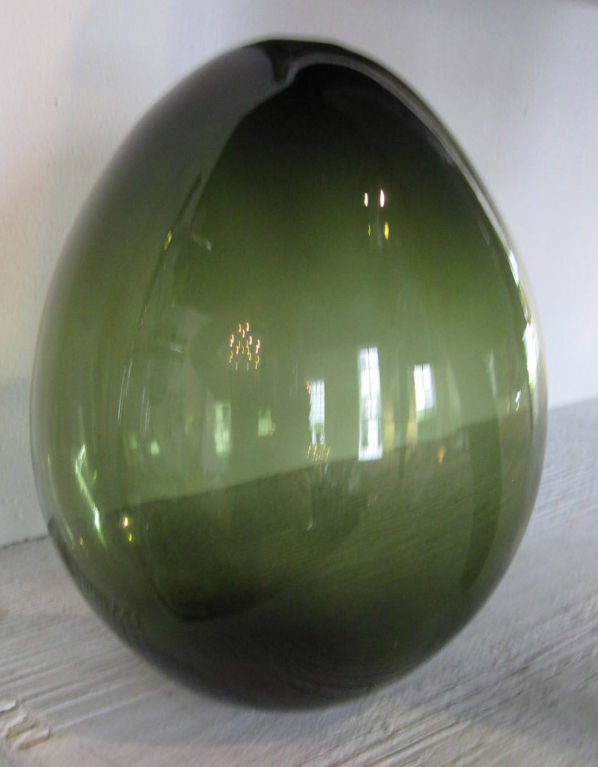
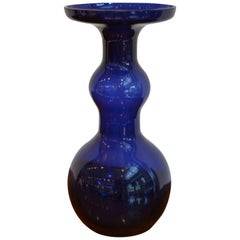
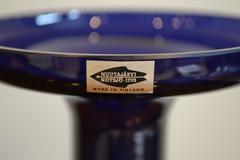
Find many varieties of an authentic kaj franck bubble available at 1stDibs. Frequently made of
glass,
blown glass and
crystal, every kaj franck bubble was constructed with great care. You’ve searched high and low for the perfect kaj franck bubble — we have versions that date back to the 20th Century alongside those produced as recently as the 20th Century are available. Each kaj franck bubble bearing
Scandinavian Modern hallmarks is very popular. Many designers have produced at least one well-made kaj franck bubble over the years, but those crafted by
Erik Höglund,
Iittala and
Tapio Wirkkala are often thought to be among the most beautiful.
A kaj franck bubble can differ in price owing to various characteristics — the average selling price 1stDibs is $775, while the lowest priced sells for $135 and the highest can go for as much as $1,892.
Kaj Gabriel Franck was a leading figure in 20th-century Finnish design, specializing in ceramics and glass. As the creative director of Arabia Ceramics, now part of Iittala, he, along with fellow Finns Timo Sarpaneva and Tapio Wirkkala, helped popularize the bright, warm and curvy aesthetic of Scandinavian modernism. Design Forum Finland’s Kaj Franck Design Prize, established in 1992 and awarded each year around his birthday, is among the country’s most prestigious honors for designers.
Franck was born in 1911 in the city of Vyborg, which now belongs to Russia, but was then part of the Grand Duchy of Finland. He studied furniture design at the Central School of Industrial Design in Helsinki, and after graduating in 1932, worked as a catalogue illustrator for the Riihimäki glassworks, exploring interior and textile design on the side.
Having served in the Finnish armed forces during World War II, Franck joined Arabia in 1945 as their head of design. He remained with the company for many years, steering its line of tableware in a dynamic new direction. Franck professed an aversion to superfluous ornament. His ceramic designs were nevertheless complex and eye-catching, animated with playful, geometric forms. One of his most famous creations for Arabia was the Origami dish from the early 1960s, a glossy all-white serving piece resembling a subtly folded piece of paper with four shallow sections for holding food.
Although his Arabia ceramics became household staples for consumers in Scandinavia and beyond, Franck is better known among collectors for his glass designs, particularly those he created for Iittala starting in the late 1940s. In a 1947 Iittala-sponsored glass competition, Franck shared the top prize with Tapio Wirkkala. In 1950, he designed the company’s iconic Kartio series of pressed-glass pitchers and glasses, which came in different colors that consumers could “mix and match” rather than having to buy a homogeneous set. In 1977, Franck redesigned the series, renamed Teemaa.
Franck’s designs for Iittala embodied the Finnish concept of pelkistetty, which literally means “reduced” and in the design world refers to the pared-down, minimal qualities of modernism. This principle, evidenced in objects like his elegant, unfussy sets of jewel-toned drinking glasses from the 1960s, informed Franck’s view of the manufacturing process as well. Critical of mass production and consumerism, he was one of the country’s first professionals in his field to advocate recycling. He became known as the “conscience of Finnish design,” a role he embraced as a professor and later artistic director at the University of Art and Design in Helsinki.
In honor of Franck’s 100th birthday, in 2011, Iittala reissued Kartio glasses, Teema tableware and Purnukka jars, among other of his designs that retain their contemporary feel decades after their creation.
Find vintage Kaj Franck glass, vases and other furniture and decor on 1stDibs.
Whether it’s a Chinese Han dynasty glazed ceramic wine vessel, a work of Murano glass or a hand-painted Scandinavian modern stoneware piece, a fine vase brings a piece of history into your space as much as it adds a sophisticated dynamic.
Like sculptures or paintings, antique and vintage vases are considered works of fine art. Once offered as tributes to ancient rulers, vases continue to be gifted to heads of state today. Over time, decorative porcelain vases have become family heirlooms to be displayed prominently in our homes — loved pieces treasured from generation to generation.
The functional value of vases is well known. They were traditionally utilized as vessels for carrying dry goods or liquids, so some have handles and feature an opening at the top (where they flare back out). While artists have explored wildly sculptural alternatives over time, the most conventional vase shape is characterized by a bulbous base and a body with shoulders where the form curves inward.
Owing to their intrinsic functionality, vases are quite possibly versatile in ways few other art forms can match. They’re typically taller than they are wide. Some have a neck that offers height and is ideal for the stems of cut flowers. To pair with your mid-century modern decor, the right vase will be an elegant receptacle for leafy snake plants on your teak dining table, or, in the case of welcoming guests on your doorstep, a large ceramic floor vase for long tree branches or sticks — perhaps one crafted in the Art Nouveau style — works wonders.
Interior designers include vases of every type, size and style in their projects — be the canvas indoors or outdoors — often introducing a splash of color and a range of textures to an entryway or merely calling attention to nature’s asymmetries by bringing more organically shaped decorative objects into a home.
On 1stDibs, you can browse our collection of vases by material, including ceramic, glass, porcelain and more. Sizes range from tiny bud vases to massive statement pieces and every size in between.