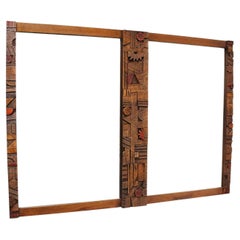
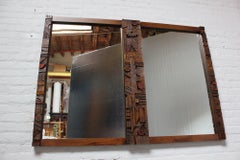
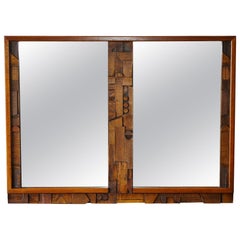
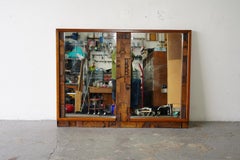
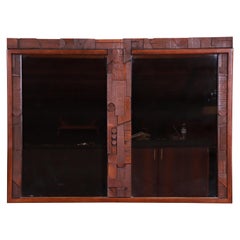
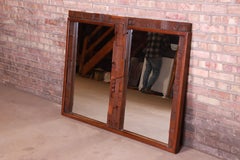
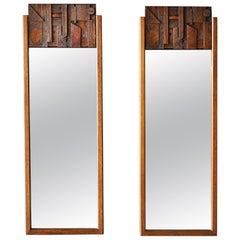
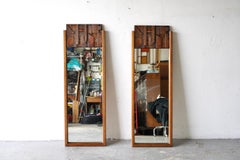
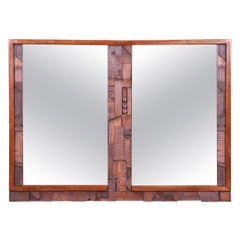
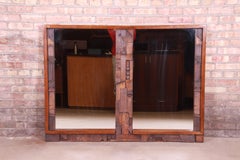
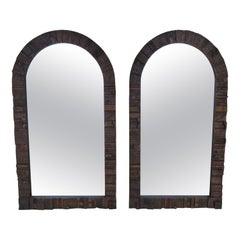
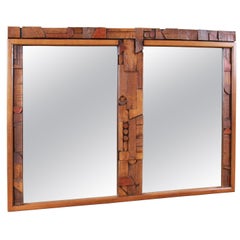
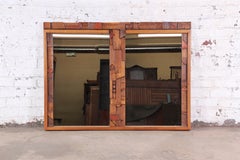
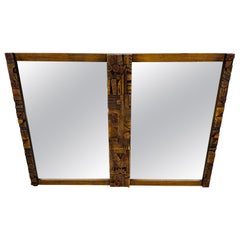
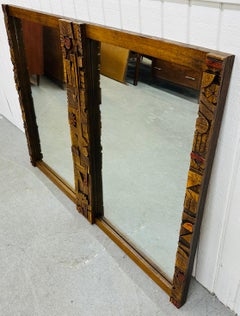
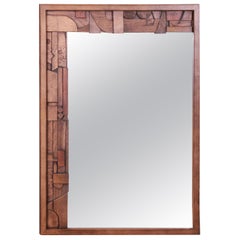
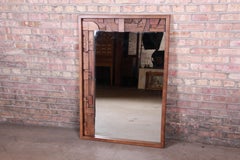
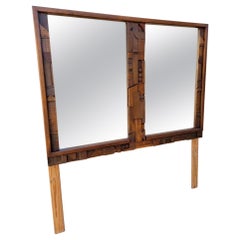
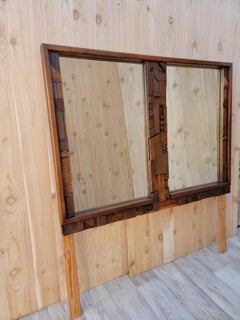
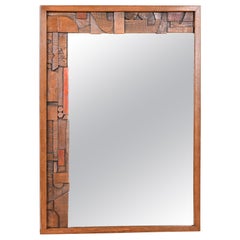
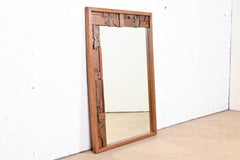
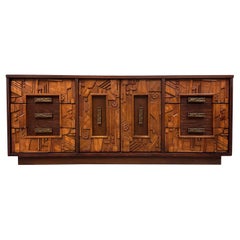
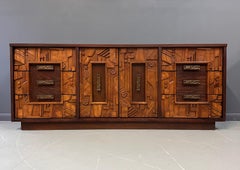
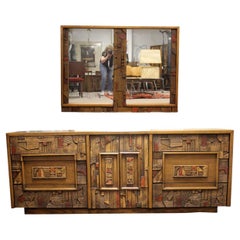
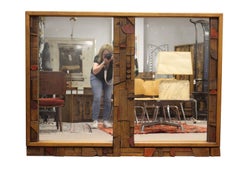
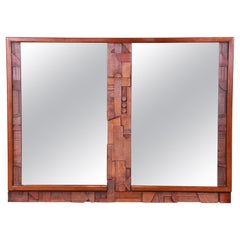
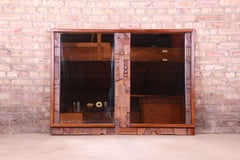
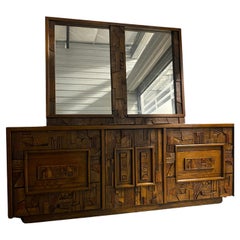
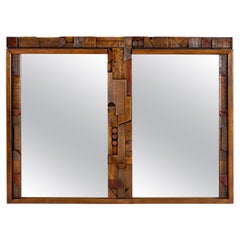
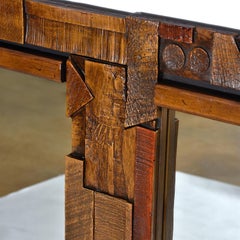
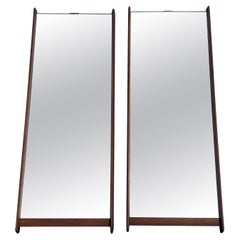
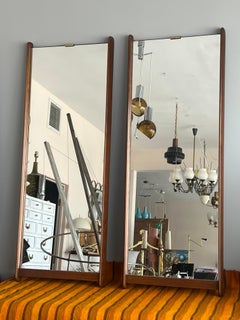
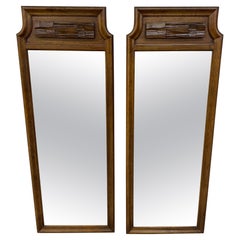
At 1stDibs, there are many versions of the ideal lane brutalist pueblo mirror for your home. Frequently made of
wood,
oak and
glass, every lane brutalist pueblo mirror was constructed with great care. Your living room may not be complete without a lane brutalist pueblo mirror — find older editions for sale from the 20th Century and newer versions made as recently as the 20th Century. A lane brutalist pueblo mirror is a generally popular piece of furniture, but those created in
Mid-Century Modern styles are sought with frequency.
Lane Furniture and
Lane Acclaim each produced at least one beautiful lane brutalist pueblo mirror that is worth considering.
Prices for a lane brutalist pueblo mirror can differ depending upon size, time period and other attributes — at 1stDibs, they begin at $395 and can go as high as $3,200, while the average can fetch as much as $695.
When the first iteration of the Lane Furniture company began to produce its now-famous Lane cedar chests in the early 20th century, the family behind the brand was unsure of how successful they’d be, so they initially didn’t bother adding their name to the offerings.
The manufacturer was off to a modest start but the family was industrious: The Lanes were made up of farmers and contractors who’d built more than 30 miles of the Virginian railroad. They owned a cotton mill and purchased thousands of acres of land in Campbell County, Virginia, where the Virginian railroad was intended to cross the main line of the Southern Railway.
The Lanes hoped to start a town in this region of the state, and by 1912, streets for the town of Altavista had been laid out and utility lines were installed. In the spring of that year, John Lane purchased a defunct box factory at a bankruptcy auction. His son, Edward Hudson Lane, was tasked with the manufacturing of the cedar “hope” chests for which the Lane family would become known, even though the company was initially incorporated as the Standard Red Cedar Chest Company.
The Standard Red Cedar Chest Company struggled in its early days but introduced an assembly system at its small factory after securing a contract with the federal government to produce ammunition boxes made of pine during World War I. The company prospered and applied mass-production methods to its cedar-chest manufacturing after the war, and, in 1922, rebranding as the Lane Company, it implemented a national advertising campaign to market its products.
Ads tied the company’s strong cedar hope chests to romance. Anchored by copy that read “The gift that starts the home,” the campaign rendered a Lane cedar chest a necessary purchase for young women to store linens, clothing and keepsakes as they prepared to marry.
Wartime production during World War II had Lane producing aircraft parts. In the 1950s, the family-owned company began to branch out into manufacturing tables, bedroom pieces and other various furnishings for the entire home. Today, the brand’s vintage mid-century furniture — which includes the Perception, Tuxedo and Acclaim collections — is highly sought after.
Designed by Andre Bus, Lane’s Acclaim furniture collection of coffee tables, end tables, dressers and more has been compared to Drexel’s wildly popular Declaration series for its blend of traditional craftsmanship and the impeccably clean contours that are frequently associated with the best of mid-century modern design.
Ads for the Acclaim line suggested that it included “probably the best-selling table in the world.” Before its offerings expanded to include items for the bedroom and dining room, Lane was primarily known for its tables and case pieces — there are side tables, coffee tables and more created by Bus in the Acclaim collection, each sporting graceful tapered legs and dovetail inlays.
Later, during the 1960s, Lane offered handsome modular wall units created by the likes of Paul McCobb, an award-winning Massachusetts-born designer best known for his work at Directional.
The company was acquired by United Furniture Industries in 2017 and became particularly well-known among contemporary consumers for its upholstered furniture. In 2022 United abruptly closed and ceased operations at Lane.
Vintage Lane furniture is generally characterized by relatively neutral styles, which are versatile in different kinds of interiors, as well as good quality woods and careful manufacturing. All of these attributes have made Lane one of the most recognizable names in American furniture.
Browse storage cabinets, side tables and other vintage Lane furniture on 1stDibs.
Vintage and antique wall mirrors add depth and openness to a space — they can help create the illusion that a narrow hallway isn’t so narrow. But you don’t need hundreds of enormous arched French or Italian mirrors framed in gilded bronze to dress up your home (maybe just a few).
A few well-placed large wall mirrors and other types of mirrors can amplify lighting and help showcase the decorative and architectural features of your home. For the Palace of Versailles during the 17th century, French King Louis XIV ordered the construction of the Hall of Mirrors after spending millions of dollars importing expensive Venetian mirrors from the revered glass-blowing factories on the island of Murano. A mirror-manufacturing rivalry between Paris and Venice took shape, and soon, across from 17 large windows that open out over the adjacent Palace Gardens on one side of the Hall, more than 350 mirrors — large mirrors made of groupings of small panes — were installed, effectively bringing the radiant colors of the outdoors into the opulent corridor.
Wall mirrors for your living room can work miracles — pull your landscaping’s colors and textures indoors, Louis XIV–style, by covering the length of an interior wall across from your living-room windows with wall mirrors.
For a similar effect, surrounding your mid-century modern wall mirror with leafy air plants and fern floor plants can amplify the sense of serenity that greenery offers in your home. Choose wall mirror frame styles to match your home’s decor, or shop for a frameless, organically shaped mirror that’s cut or beveled for a clean yet distinctive showpiece. For a free-spirited Bohemian feel, create a cluster of mismatched antique wall mirrors — an arrangement of circular Art Deco wall mirrors, Rococo-style silver leaf mirrors and decorative oval Victorian mirrors could add spice to an otherwise unadorned dining-room wall.
Elsewhere, there’s nothing vain about buying a full-length mirror for your bedroom, bathroom or walk-in closet to help you perfect your look for the day. Another may be needed in your entryway for a last-minute ensemble inspection. In fact, a shimmering 18th-century hall of mirrors awaits visitors behind the steel door of Stephen Cavallo’s atelier in Manhattan.
“We like to see the look on people’s faces when they walk in,” says Cavallo.
Decorating your home and office with wall mirrors is an art form in and of itself — get started today with the variety of antique and vintage wall mirrors on 1stDibs.