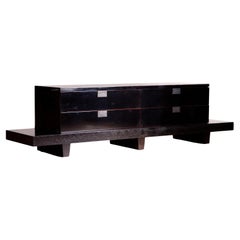
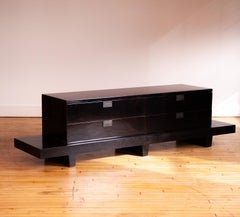
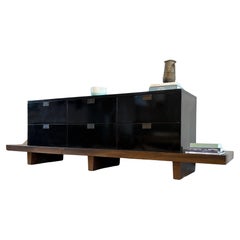
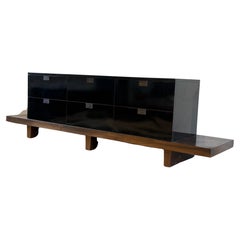
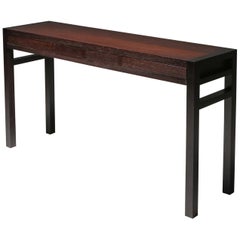
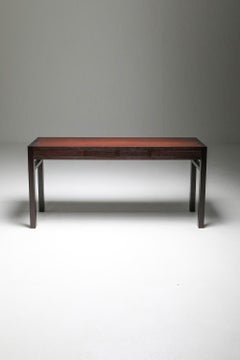
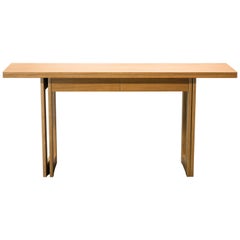
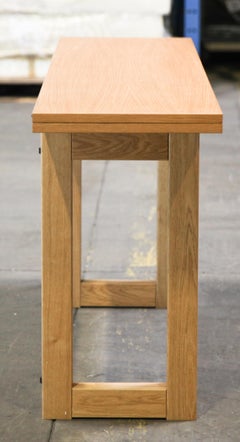
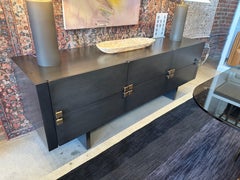
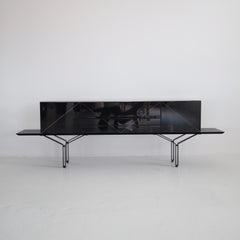
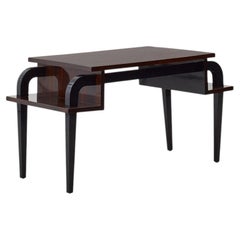
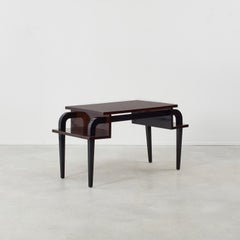
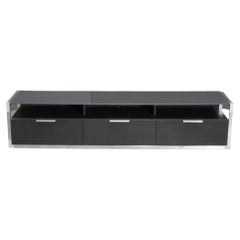
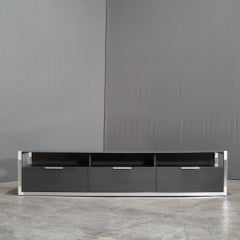
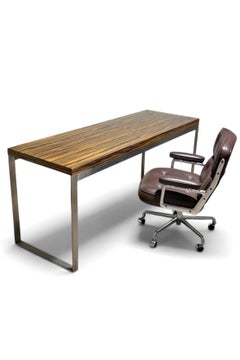
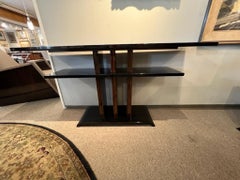
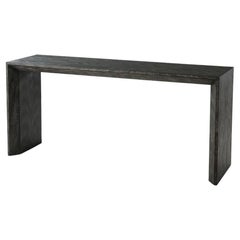
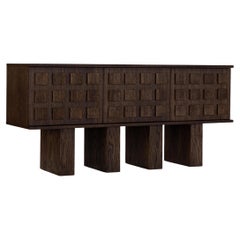
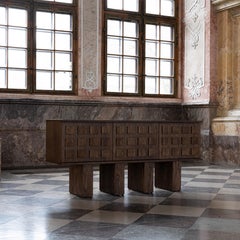
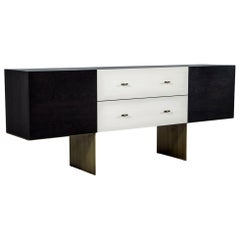
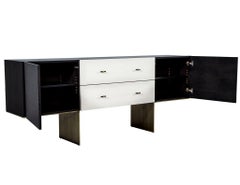
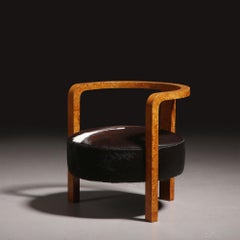
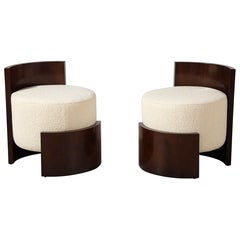
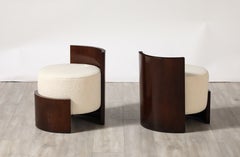
In his illustrious career, the French designer Christian Liaigre created furniture and private interiors with a minimalist and restrained sensibility that would become his trademark, but never at the cost of luxury. When he began designing furniture in the 1980s, Liaigre’s clean lines and no-frills approach caused a stir and was considered unusual for the era. But what Liaigre knew best was creating elegant, exquisite designs that would stand the test of time.
Liaigre studied at the École des Beaux-Arts and the École Nationale Supérieure des Arts Décoratifs in Paris. He initially began as a furniture designer, opening his studio in 1985 before he would move toward interiors. His bold, timeless pieces were made in France using luxurious materials such as marble and cashmere in a soothing palette of neutral tones that look fresh to this day. Later, Liaigre began to design private interiors — from homes of influential figures like Calvin Klein and Karl Lagerfeld to holiday homes, offices and the cabins of private yachts. He designed the interiors of the Art Deco–era Hotel Montalembert in Paris and became known in the United States for his design of the Mercer Hotel in New York City, which opened in 1997. Soon afterward, he found himself working for hotelier Ian Schrager.
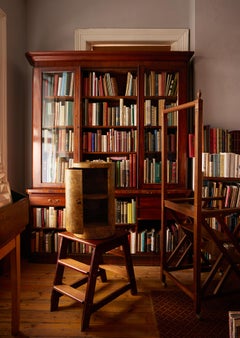
To each of his interior design projects Liaigre brought his minimalist touch, which was born from his ability to distill a broad range of inspirations — from Brancusi sculptures and African art to Art Deco furniture — into simple, balanced forms. The modest beauty of his popular Nagato stool, a small and sculptural piece of seating designed in oak in 1986, represents this vision clearly and points to some more of Liaigre’s influences: the stillness found in Donald Judd’s minimalist art and many aspects of Japanese culture.
Liaigre, who earned comparisons to celebrated French designers Jean-Michel Frank and Jean Royère, was also known for his visionary use of natural and unconventional materials and is considered to be one of the first to use wenge, an African hardwood, in combination with traditional timber such as oak in his furnishings. Liaigre’s creative foresight has ensured that today he is one of the most influential and widely imitated designers of the 20th century.
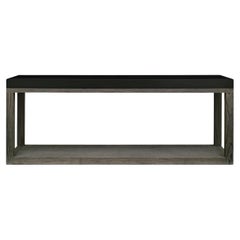
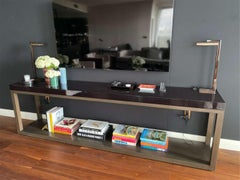
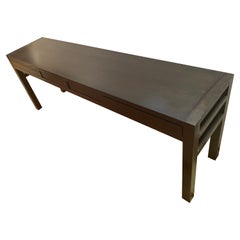
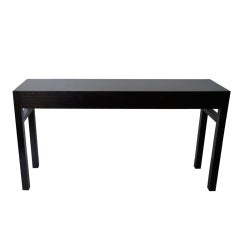
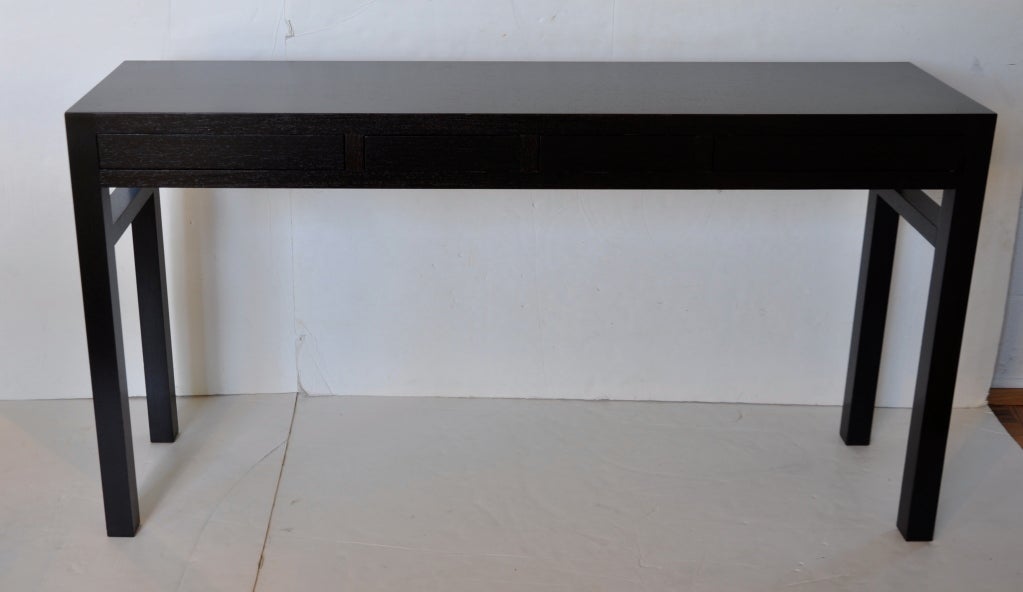
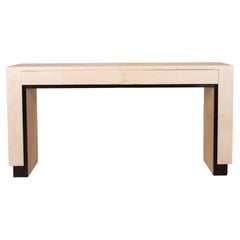
Find a range of Christian Liaigre seating, tables and other furniture on 1stDibs.
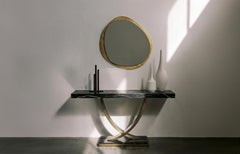
Few pieces of furniture are celebrated for their functionality as much as their decorative attributes in the way that console tables are. While these furnishings are not as common in today’s interiors as their coffee-table and side-table counterparts, console tables are stylish home accents and have become more prevalent over the years.
The popularity of wood console tables took shape during the 17th and 18th centuries in French and Italian culture, and were exclusively featured in the palatial homes of the upper class. The era’s outwardly sculptural examples of these small structures were paired with mirrors or matching stools and had tabletops of marble. They were most often half-moon-shaped and stood on two scrolled giltwood legs, and because they weren’t wholly supported on their two legs rather than the traditional four, their flat-backed supports were intended to hug the wall behind them and were commonly joined by an ornate stretcher. The legs were affixed or bolted to the wall with architectural brackets called console brackets — hence, the name we know them by today — which gave the impression that they were freestanding furnishings. While console tables introduced a dose of drama in the foyer of any given aristocrat — an embodiment of Rococo-style furniture — the table actually occupied minimal floor space (an attractive feature in home furniture). As demand grew and console tables made their way to other countries, they gained recognition as versatile additions to any home.
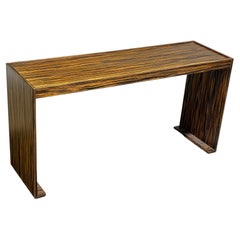
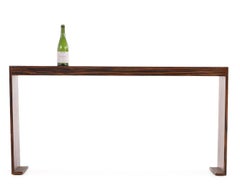
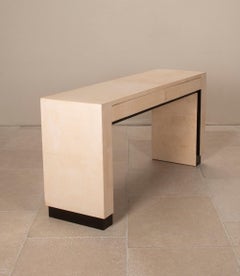
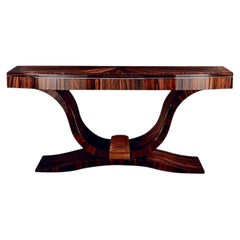
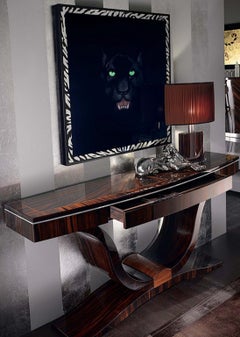
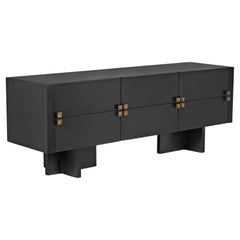
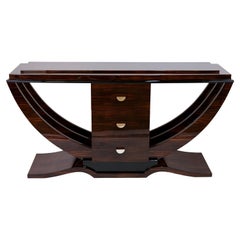
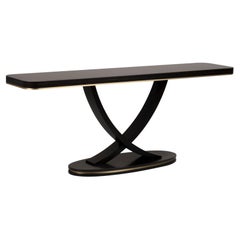
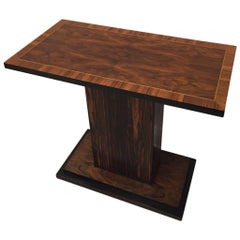
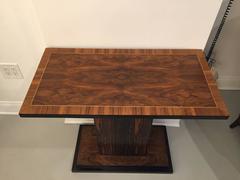
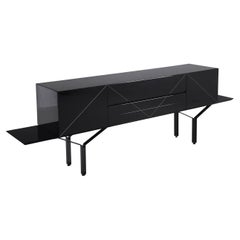
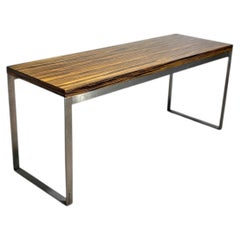
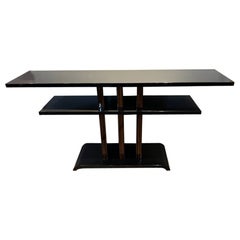
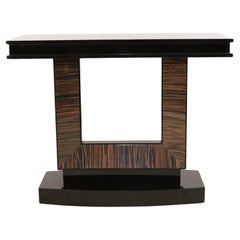
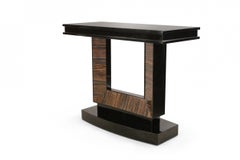
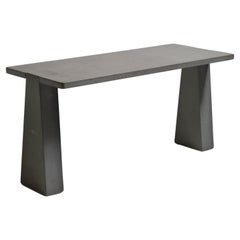
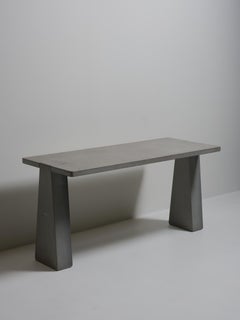
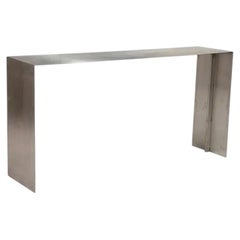
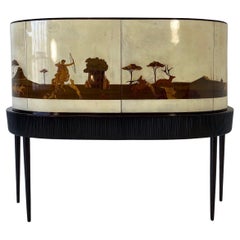
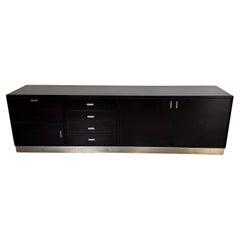
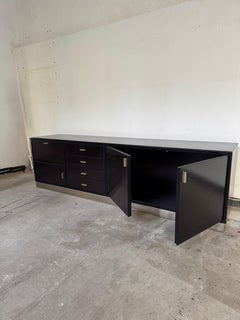
Contemporary console tables comprise many different materials and are characterized today by varying shapes and design styles. It is typical to find them made of marble, walnut or oak and metal. While modern console tables commonly feature four legs, you can still find the two-legged variety, which is ideal for nestling behind the sofa. A narrow console table is a practical option if you need to save space — having outgrown their origins as purely ornamental, today’s console tables are home to treasured decorative objects, help fill empty foyers and, outfitted with drawers or a shelf, can provide a modest amount of storage as needed.
The rich collection of antique, new and vintage console tables on 1stDibs includes everything from 19th-century gems designed in the Empire style to unique rattan pieces and more.