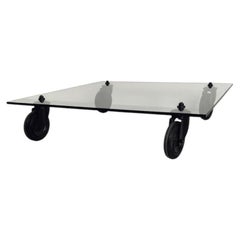
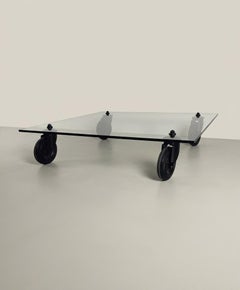
At 1stDibs, there are many versions of the ideal locus solus for your home. A locus solus — often made from
metal,
steel and
fabric — can elevate any home. There are 27 variations of the antique or vintage locus solus you’re looking for, while we also have 38 modern editions of this piece to choose from as well. Whether you’re looking for an older or newer locus solus, there are earlier versions available from the 20th Century and newer variations made as recently as the 21st Century. A locus solus made by
Mid-Century Modern designers — as well as those associated with
Modern — is very popular. A well-made locus solus has long been a part of the offerings for many furniture designers and manufacturers, but those produced by
Gae Aulenti,
Exteta and
Poltronova are consistently popular.
The Italian architect and designer Gae Aulenti will forever be best remembered for her work with museums, in particular her 1980–86 renovation of a Beaux Arts Paris train station to create the galleries of the Musée d’Orsay. Aulenti — whose first name, short for Gaetana, is pronounced “guy” — should also be recalled for her tough intellectual spirit and for working steadily when few women found successful architectural careers in postwar Italy.
After she graduated from the Milan Polytechic in 1954, Aulenti opened an architectural office. She also joined the staff of the progressive architectural magazine Casabella, whose editorial line was that the establishment, orthodox modernism of Le Corbusier and the Bauhaus, had outlived it usefulness. When their movement for fresh approaches to architecture and design received a sympathetic hearing, Aulenti found patrons — most prominently Gianni Agnelli, of Fiat, who later employed her to renovate the Palazzo Grassi in Venice for use as an arts exhibition space.
Commissions for showrooms and other corporate spaces brought Aulenti to furniture design. She felt that furniture should never dominate a room. Her chairs and sofas — low-slung, with rounded enameled metal frames and ample seats — and tables, particularly her 1972 marble Jumbo coffee table for Knoll, project solidity and sturdiness. In lighting design, however, Aulenti is bravura.
Each work has a marvelous sculptural presence. Pieces such as her Pipistrello table lamp and Quadrifoglio pendant are a perfect marriage of organically shaped glass and high-tech fixtures. Others have a futuristic elegance — and some even have a touch of personality. Aulenti’s Pileino and La Ruspa table lamps each look almost like little robots. Her lighting pieces are an artful grace note in the career of a woman who believed in strength.
Find vintage Gae Aulenti armchairs, coffee tables and other furniture on 1stDibs.