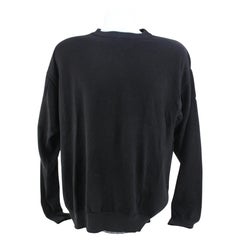
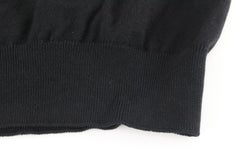
You are likely to find exactly the vintage or contemporary louis vuitton clothing label you’re looking for on 1stDibs, as there is a broad range for sale. Many people prefer
black, but fashion is all about individuality — you can find
gray,
blue and more options on these pages. You’re likely to find the perfect louis vuitton clothing label among the distinctive accessories we have available, which includes versions made as long ago as the 20th Century as well as those produced as recently as the 21st Century. Making an accessory such as this has likely been a part of the legacy of many fashion designers, but those produced by
Louis Vuitton and
Isabel Canovas are consistently popular. When shopping for these accessories, you’ll find that there are less available pieces for
men or unisex today than there are for
women.
The story behind iconic luxury brand Louis Vuitton — best known for its esteemed handbags, crossbody bags, leather goods, ready-to-wear clothing and more — is one of craft and innovation in the worlds of fashion, jewelry and furniture.
The company’s modest origins can be traced back to when its founder, Louis Vuitton (1821–92), wishing to free himself from the conventional lifestyle in his provincial French city of Anchay as well as a difficult stepmother, left in the early 1830s to make a new life in Paris. The young Vuitton was 13 at the time and would need to travel on foot to get to the capital, which was hundreds of miles away. With stops along the way to make money so that he could forge ahead, the journey took a couple of years, but reward was close at hand.
When he arrived in Paris, Vuitton made a living with his hands. He toiled as a box maker and packer for more than a decade and built relationships with royals and members of the upper class while working for the empress of France, Eugenie de Montijo. In 1854, Vuitton launched his namesake company. The craftsman opened a humble workshop on rue Neuve des Capucines and advertised his services with a small poster that read: “Securely packs the most fragile objects. Specializing in packing fashions.”
Long before his brand would become known globally for its exemplary top-handle bags and stylish totes, Vuitton produced stackable and rectangular trunks. The most common trunks of the era were round, which weren’t ideal for toting and storing. In 1858, Vuitton debuted his lightweight, handcrafted canvas trunks, which were sturdy, rugged and equipped with convenient compartments. Travel’s popularity broadened in the late 19th century, and Vuitton’s trunks could easily be packed into train cars and ships — upright trunks meant hanging wardrobe storage that would allow his clients to transport their sophisticated garments without worry. Demand increased and the company grew. When Louis Vuitton died in 1892, control of the luxury house was passed onto his only son, Georges Vuitton.
In 1914, a Louis Vuitton store opened at 70 Champs-Élysées. The largest travel-goods store in the world at the time, it became the company’s flagship.
The Louis Vuitton brand embodies all the attributes of luxury, from the craftsmanship, exclusivity and relevance to heritage. It’s only appropriate that it boasts one of the most recognizable insignias — the imaginative interlocking of letters and fleurettes — in the fashion world. The famous LV monogram was first used in 1896 as part of an initiative by Georges to prevent counterfeiting of his coveted new line of travel trunks. It’s one of the earliest examples of fashion branding.
The LV monogram would soon appear on everything from bags and various fashion accessories to alligator-skin champagne cases, from stylish apparel and earrings to teddy bears and airplane models.
On 1stDibs, the unmistakable insignia can be found on both modern and vintage Louis Vuitton shoulder bags, suitcases, original 19th-century trunks, jackets and more.
The vintage sweaters in your dresser may have humble origins, but they can’t be beaten for year-round fashion.
In the 15th century, sweaters originated as jersey tunics and other knitted shirts designed to keep sailors and fishermen warm. Later, during the 1880s in America, these knitted or crocheted vests or pullovers — in Britain, “jumpers” — were thought to substantially help athletes shed pounds as needed. Sweaters were an ideal garment for sports and outdoor events in the late 19th century. The knit fabric permitted movement but the material also protected against the cold. It wasn’t until the 1920s, however, that sweaters were introduced to the world of high fashion, thanks to pioneering designers such as Elsa Schiaparelli, Coco Chanel and Jeanne Lanvin.
A versatile garment, sweaters go well with most looks — from a casual gathering over drinks with friends to complementing a professional ensemble for the office to a night out at the theater. Simply pair a timeless cardigan with slacks or a skirt and your nicest dress shoes for any occasion, in any season, to tie an outfit together.
Once they were considered en vogue, sweaters were no longer strictly made with natural fibers like wool. Over time, fashion designers introduced the use of softer, synthetic materials. Today, traditional sweaters, such as those made with merino wool, are just as popular as more modern creations, such as the sweater dress. Similar to sweatshirts, sweaters come in all kinds of materials, from light synthetic blends perfect for spring to heavier fabrics, like cable-knit wool, to stay cozy and warm in winter and embrace the Danish concept of hygge.
A crucial factor that goes into selecting the perfect sweater is the material. High-quality wool, such as merino wool, which is soft and breathable, will feel luxurious and keep you warm on even the chilliest of evenings. Alpaca fleece, the fibers of which are native to Peru, offers the same warmth as wool, but an alpaca sweater is going to feel even softer than a merino wool sweater, similar to cashmere. Who doesn’t want a slouchy, oversize sweater made of a mix of mohair, nylon and wool on those subzero East Coast nights?
It’s important to note that wool can be a finicky material, easy to stain or distort and stretch. Synthetic materials are not only lightweight, but a nylon or polyester sweater will also be easier to wash and care for. If you opt for wool, take care of your sweater — fabric shavers, fabric combs and the local dry cleaner are your friends.
Sweaters come in various styles like V-neck, turtleneck and crewneck, which is the most popular style. For those extra cold days, a turtleneck offers added warmth without sacrificing style. Those looking for a casual touch that still emphasizes elegance can opt for a long tunic or scoop-neck pullover.
Maybe Versace or Gucci sweaters catch your eye, or ’90s fashion is your thing and a color-blocked sweater dress or John Galliano cardigan of the era is already a closet staple for you. Perhaps you’d rather opt for a 1970s long-sleeve knit top from Yves Saint Laurent. Either way, you’ll find exactly the black, beige or red vintage sweater you’re looking for in men, women or unisex styles today on 1stDibs.