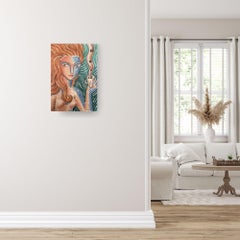
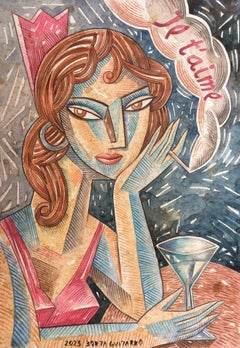
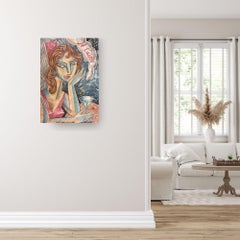
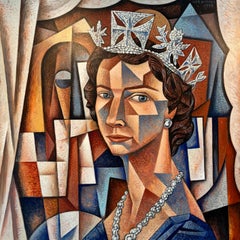
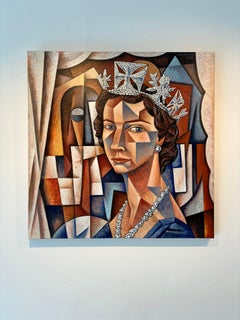
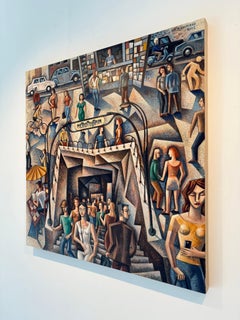
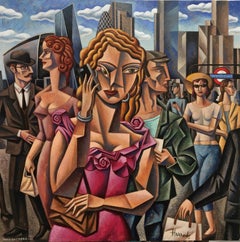
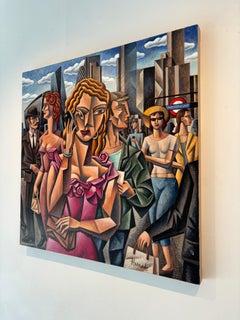
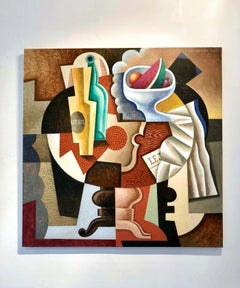
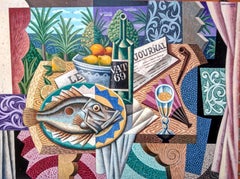
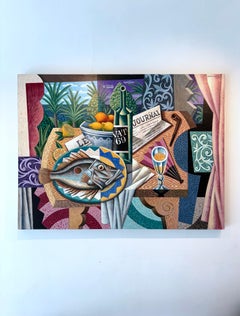
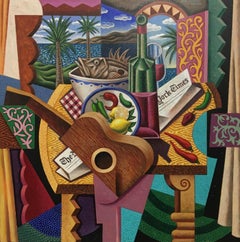
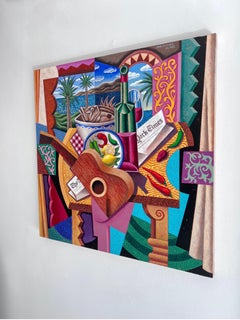
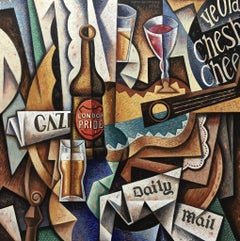
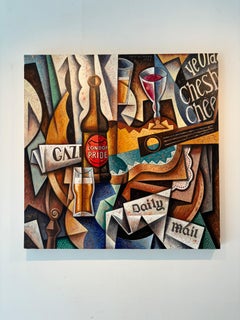
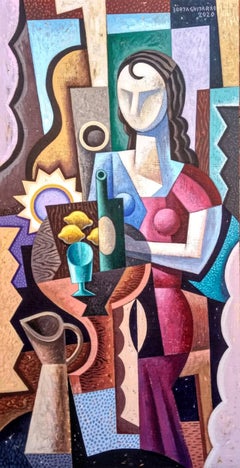
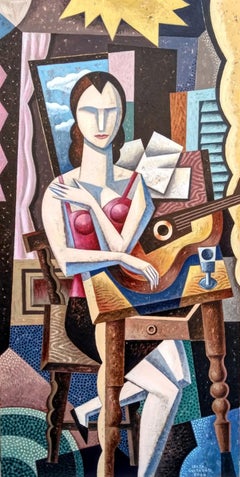
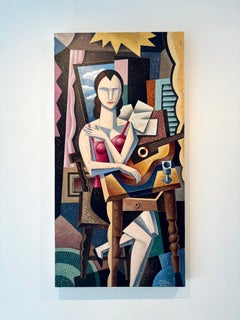
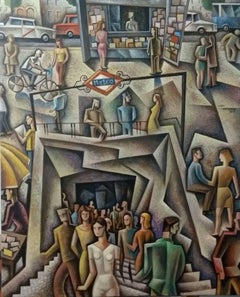
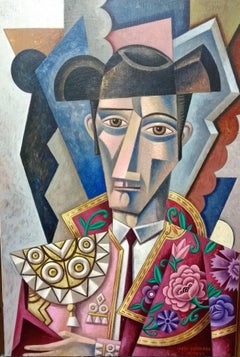
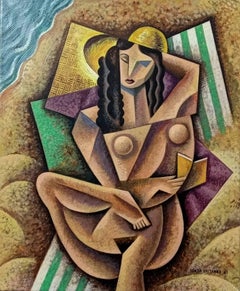
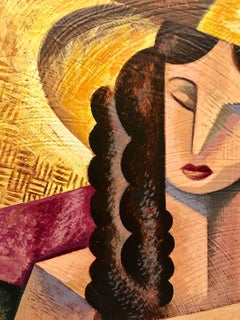
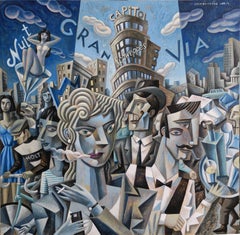
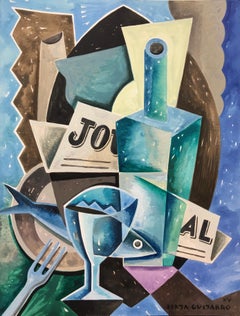
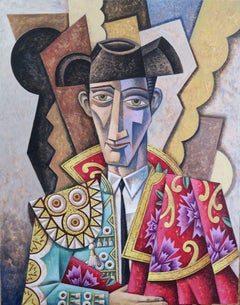
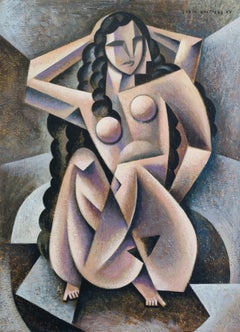
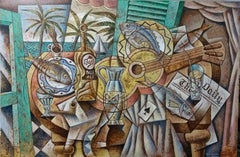
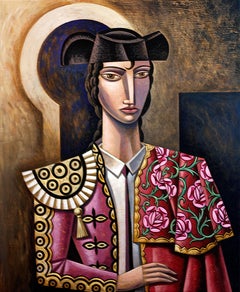
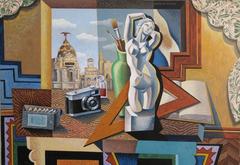
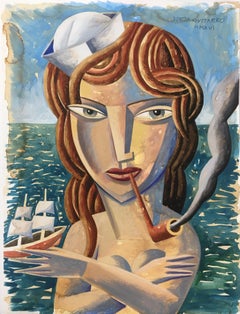
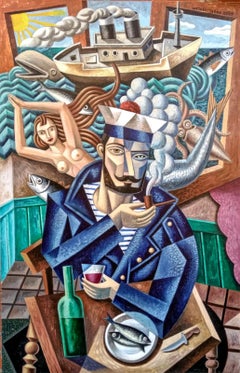
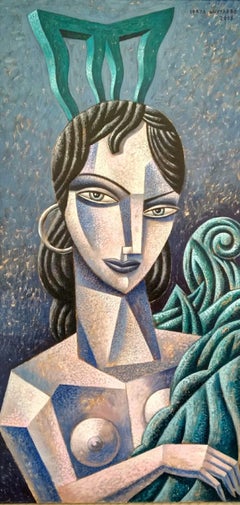
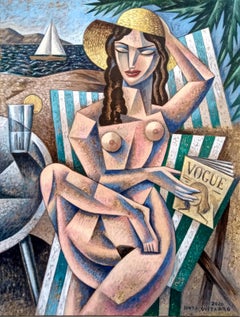
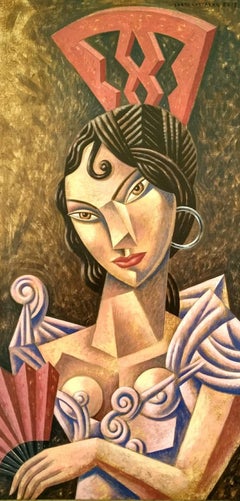
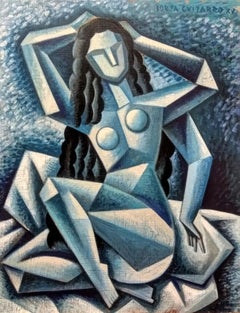
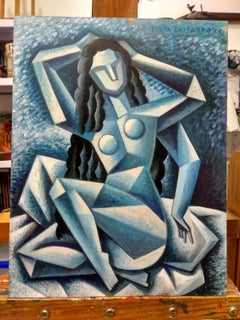
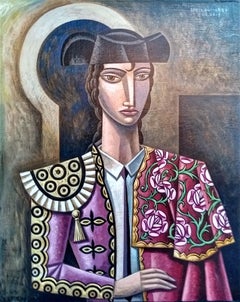
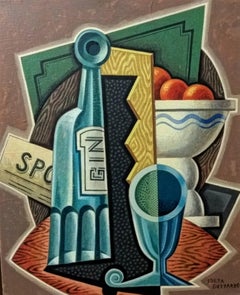
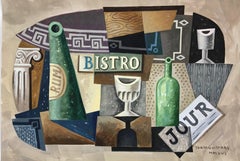
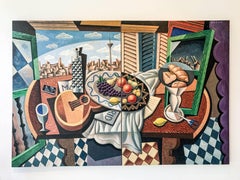
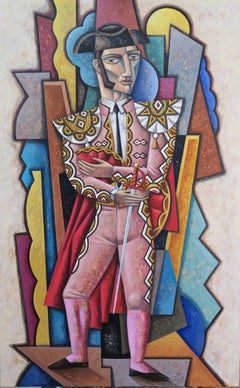
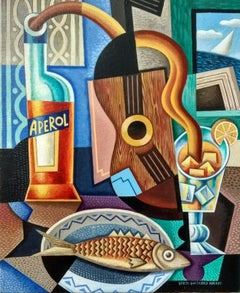
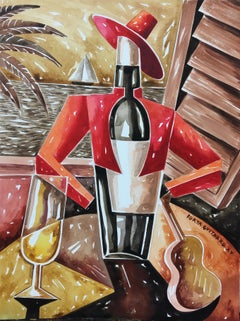
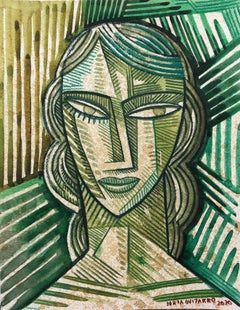
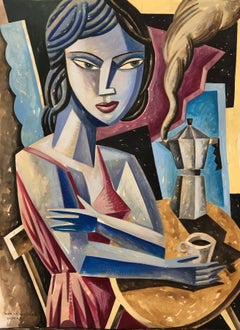
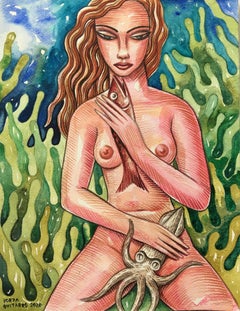
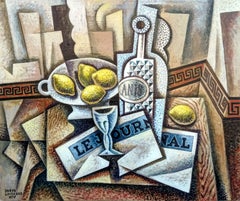
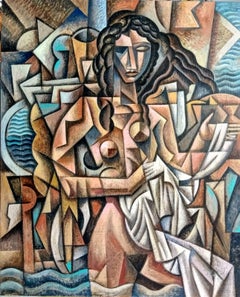
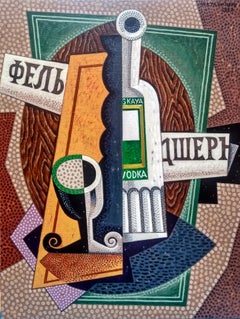
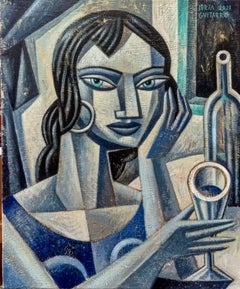
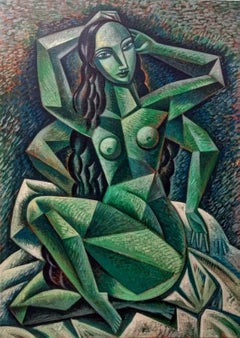
You are likely to find exactly the madrid poster you’re looking for on 1stDibs, as there is a broad range for sale. There are many
abstract,
contemporary and
street art versions of these works for sale. Finding the perfect madrid poster may mean sifting through those created during different time periods — you can find an early version that dates to the 20th Century and a newer variation that were made as recently as the 21st Century. On 1stDibs, the right madrid poster is waiting for you and the choices span a range of colors that includes
gray,
brown,
black and
blue. There have been many interesting madrid poster examples over the years, but those made by
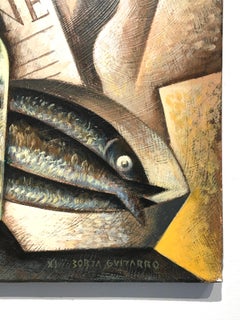
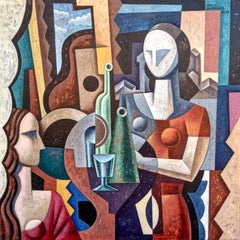
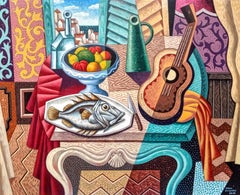
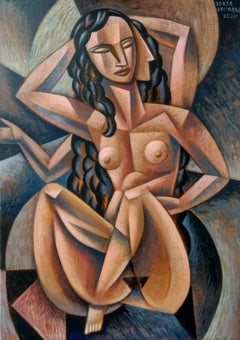
Borja Guijarro,
Bill Phelps,
Emilio Grau Sala,
Peter Halley and
(after) Sonia Delaunay are often thought to be among the most thought-provoking. Artworks like these of any era or style can make for thoughtful decor in any space, but a selection from our variety of those made in
paint,
acrylic paint and
fabric can add an especially memorable touch. If space is limited, you can find a small madrid poster measuring 8.27 high and 6.5 wide, while our inventory also includes works up to 67.33 across to better suit those in the market for a large madrid poster.
The price for an artwork of this kind can differ depending upon size, time period and other attributes — a madrid poster in our inventory may begin at $60 and can go as high as $200,476, while the average can fetch as much as $1,388.
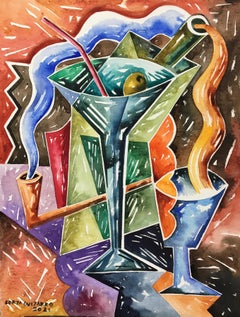
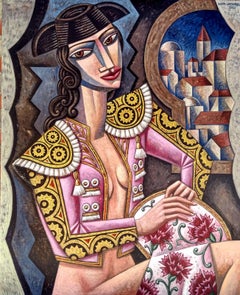
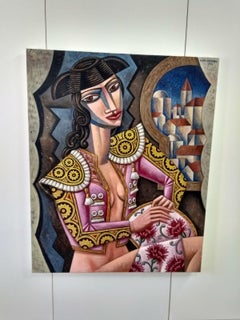
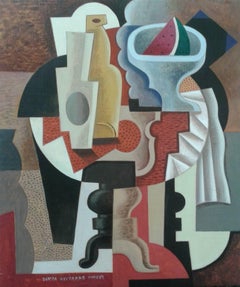
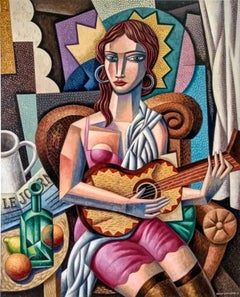
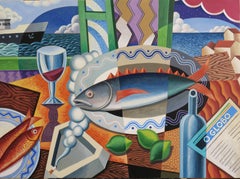
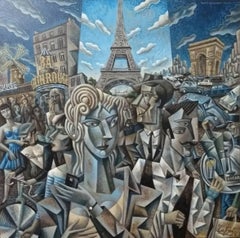
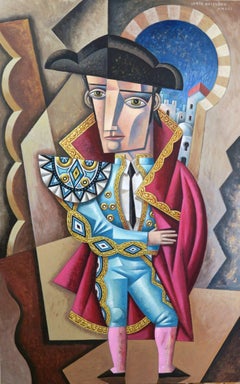
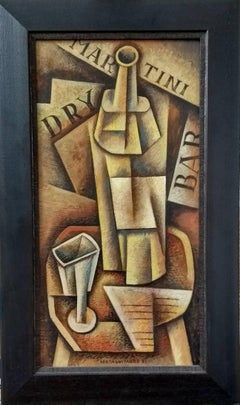
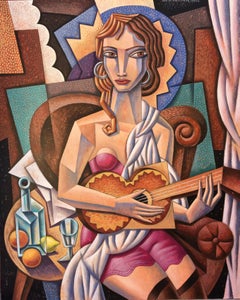
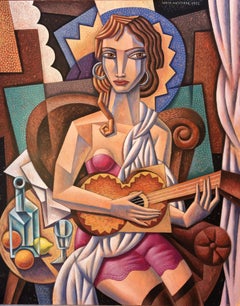
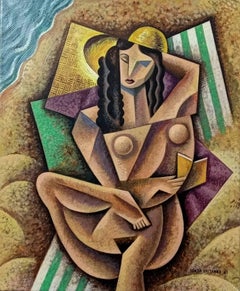
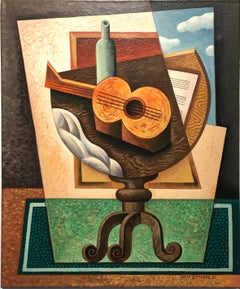
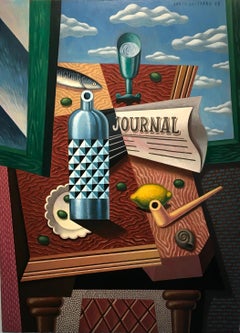
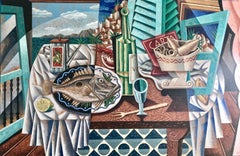
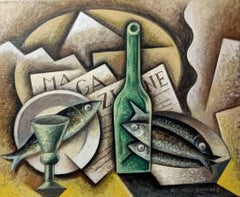
Borja Guijarro is well known in the world of illustration, where he evolves into a more artistic world of Fine Art. Artist mostly focuses on his new interpretation of Cubism, including the Pop Art and figurative subject matter with the hint of personal traits. Guijarro combines all these trends making his work eclectic and varied. His artistic techniques include oil painting, graphic, engraving, lithography, serigraphy, murals and sculpture.
Bring audacious experiments with color and textures to your living room, dining room or home office. Abstract paintings, large or small, will stand out in your space, encouraging conversation and introducing a museum-like atmosphere that’s welcoming and conducive to creating memorable gatherings.
Abstract art has origins in 19th-century Europe, but it came into its own as a significant movement during the 20th century. Early practitioners of abstraction included Wassily Kandinsky, although painters were exploring nonfigurative art prior to the influential Russian artist’s efforts, which were inspired by music and religion. Abstract painters endeavored to create works that didn’t focus on the outside world’s conventional subjects, and even when artists depicted realistic subjects, they worked in an abstract mode to do so.
In 1940s-era New York City, a group of painters working in the abstract mode created radical work that looked to European avant-garde artists as well as to the art of ancient cultures, prioritizing improvisation, immediacy and direct personal expression. While they were never formally affiliated with one another, we know them today as Abstract Expressionists.
The male contingent of the Abstract Expressionists, which includes Jackson Pollock, Willem de Kooning and Robert Motherwell, is frequently cited in discussing leading figures of this internationally influential postwar art movement. However, the women of Abstract Expressionism, such as Helen Frankenthaler, Lee Krasner, Joan Mitchell and others, were equally involved in the art world of the time. Sexism, family obligations and societal pressures contributed to a long history of their being overlooked, but the female Abstract Expressionists experimented vigorously, developed their own style and produced significant bodies of work.
Draw your guests into abstract oil paintings across different eras and countries of origin. On 1stDibs, you’ll find an expansive range of abstract paintings along with a guide on how to arrange your wonderful new wall art.
If you’re working with a small living space, a colorful, oversize work can create depth in a given room, but there isn’t any need to overwhelm your interior with a sprawling pièce de résistance. Colorful abstractions of any size can pop against a white wall in your living room, but if you’re working with a colored backdrop, you may wish to stick to colors that complement the decor that is already in the space. Alternatively, let your painting make a statement on its own, regardless of its surroundings, or group it, gallery-style, with other works.