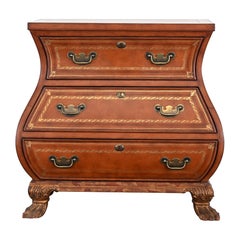
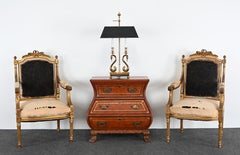
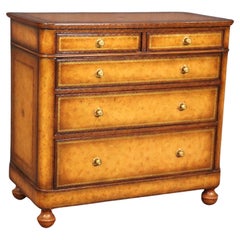
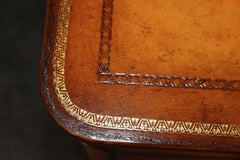
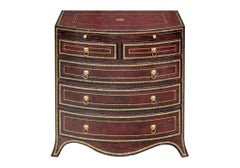
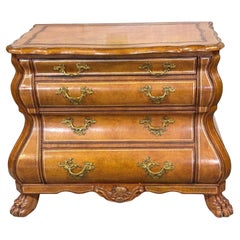
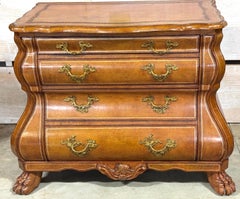
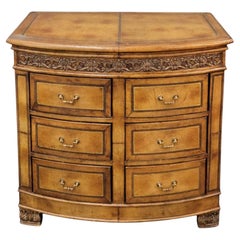
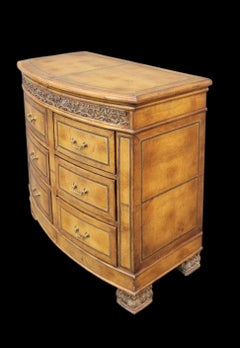
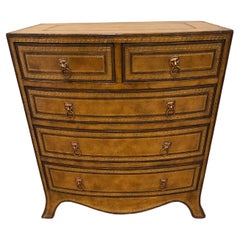
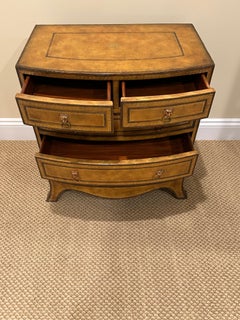
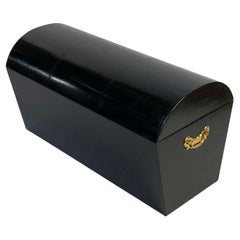
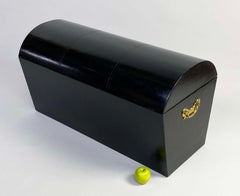
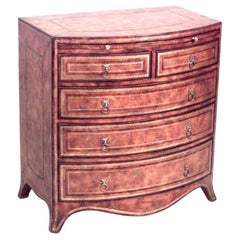
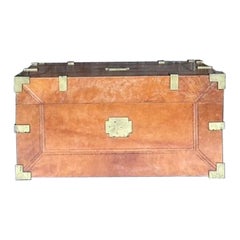
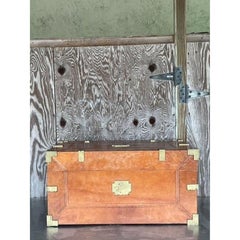
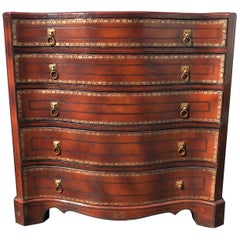
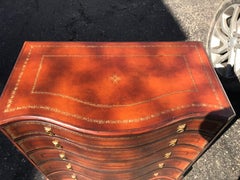
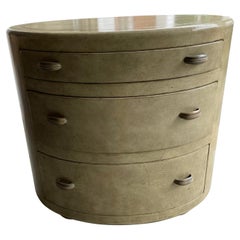
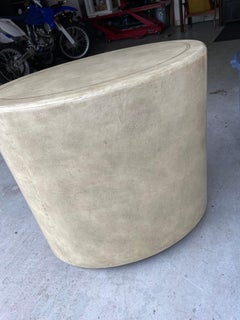
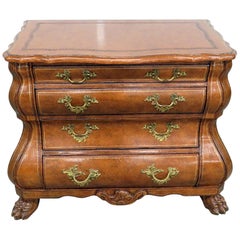
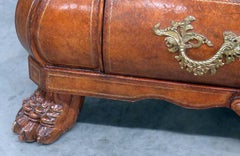
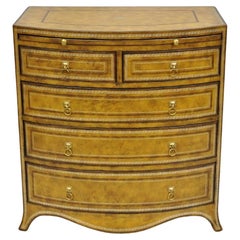
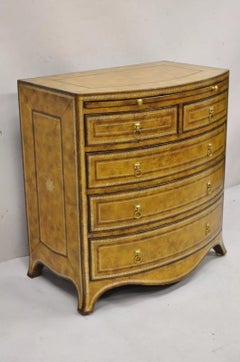
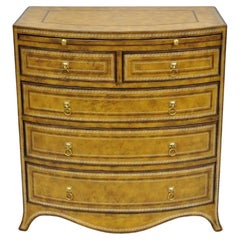
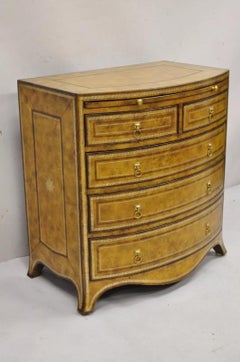
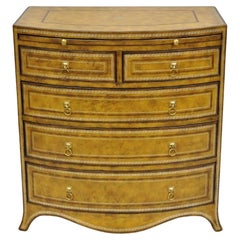
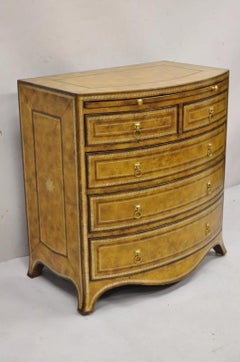
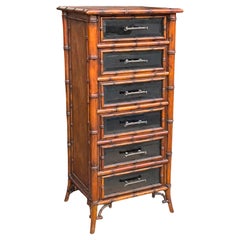
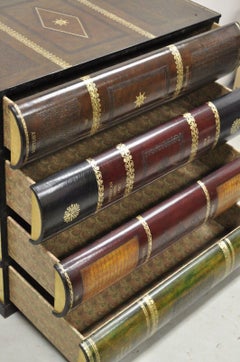
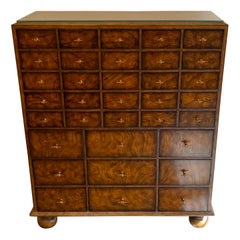
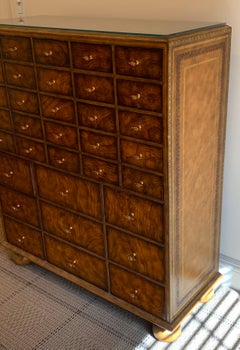
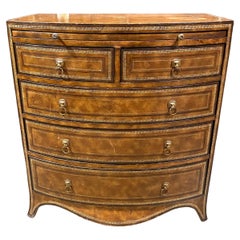
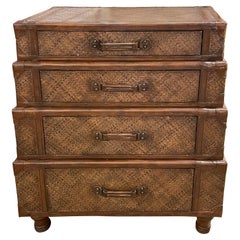
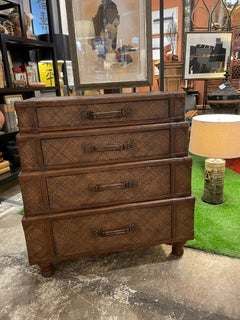
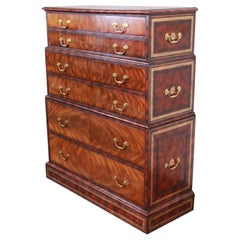
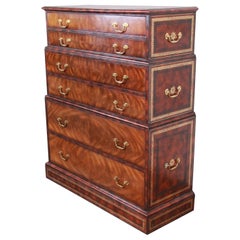
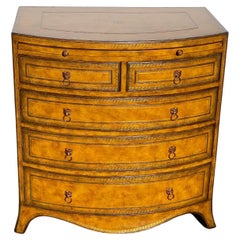
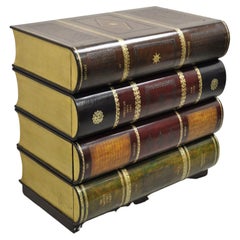
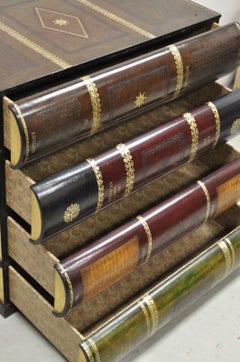
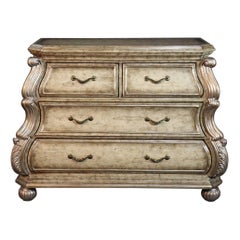
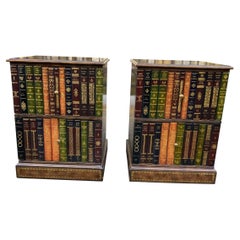
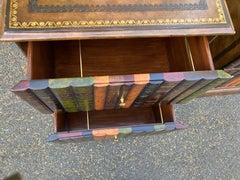
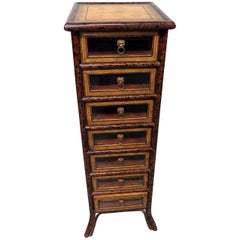
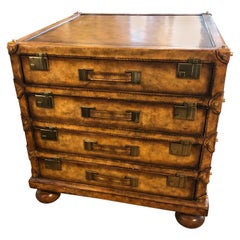
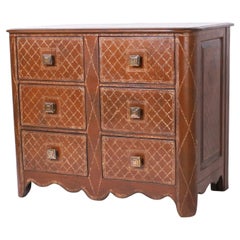
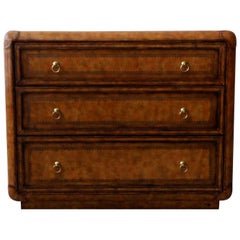
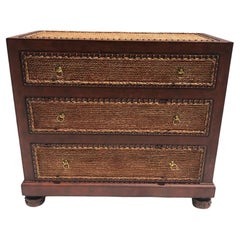
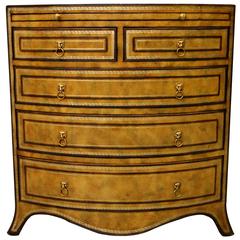
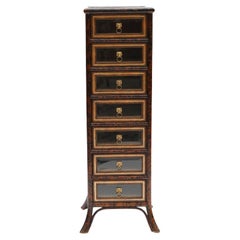
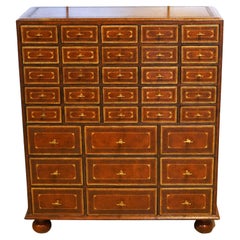
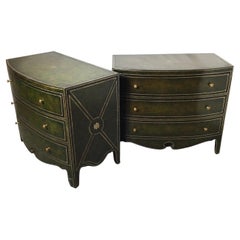
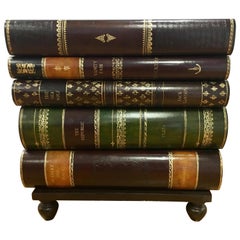
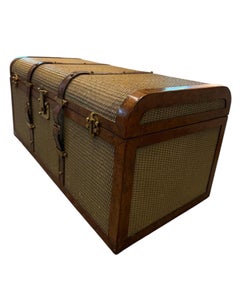
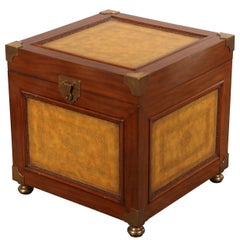
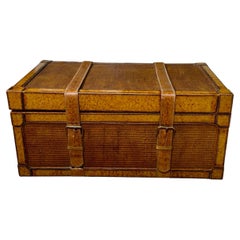
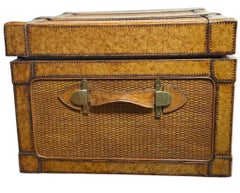
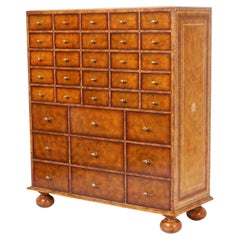
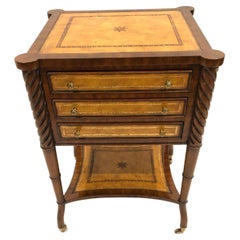
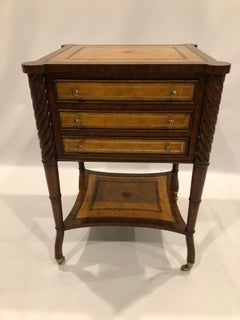
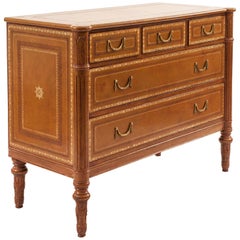
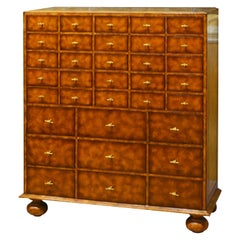
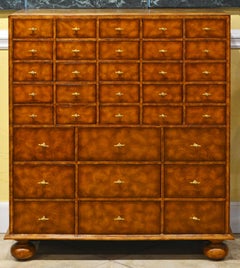
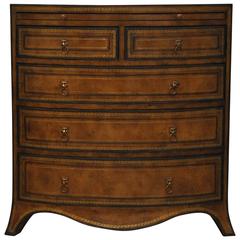
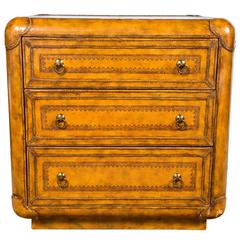
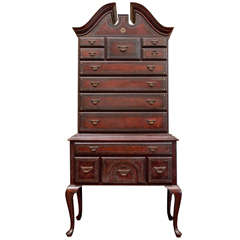
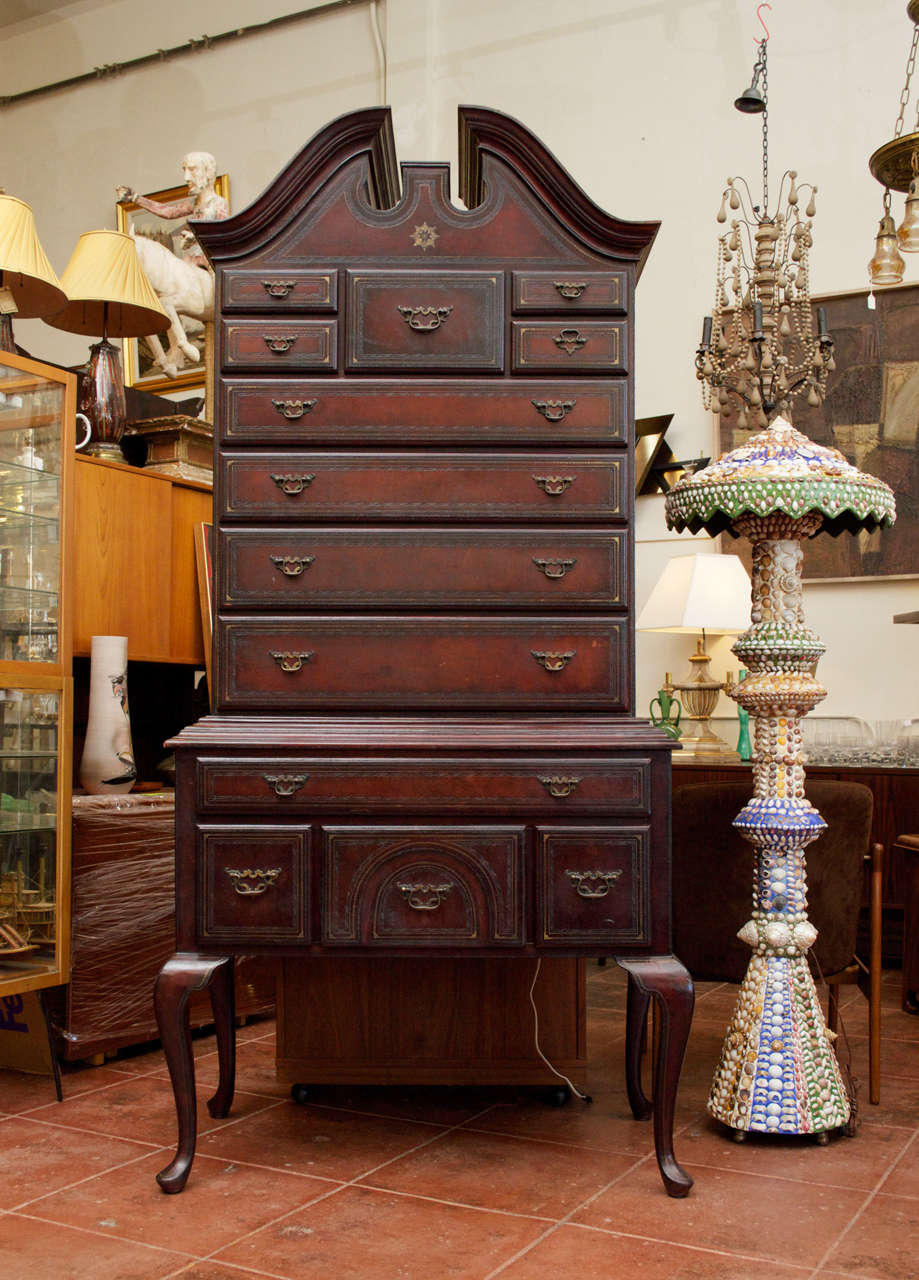
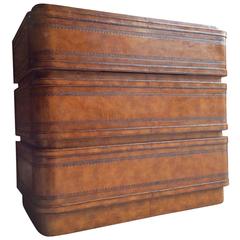
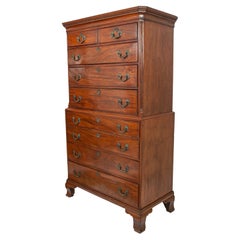
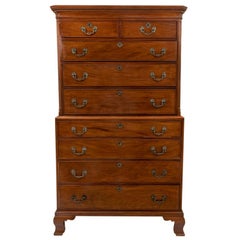
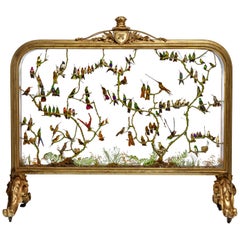
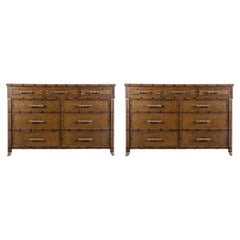
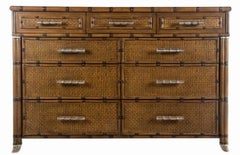
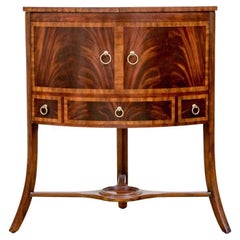
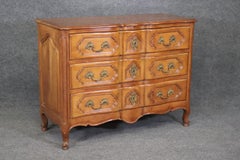
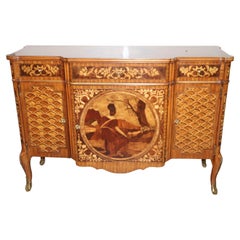
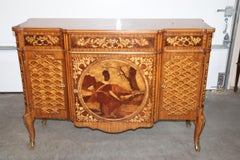
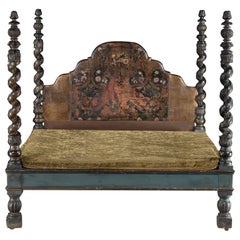
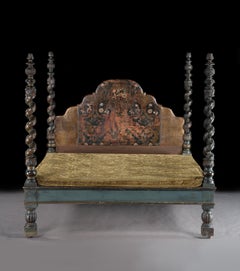
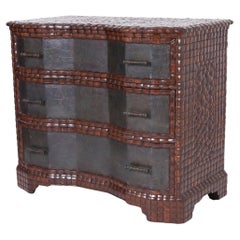
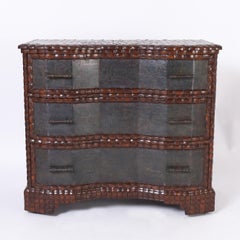
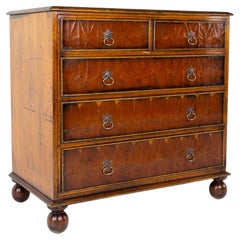
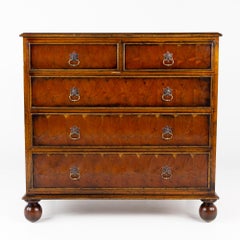
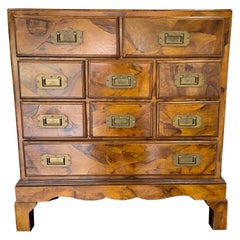
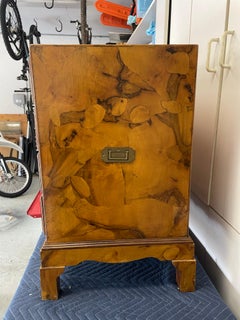
Choose from an assortment of styles, material and more with respect to the maitland smith leather chest you’re looking for at 1stDibs. Frequently made of
animal skin,
leather and
wood, every maitland smith leather chest was constructed with great care. There are many kinds of the maitland smith leather chest you’re looking for, from those produced as long ago as the 20th Century to those made as recently as the 20th Century. Each maitland smith leather chest bearing
Regency,
Neoclassical or
Art Deco hallmarks is very popular. A well-made maitland smith leather chest has long been a part of the offerings for many furniture designers and manufacturers, but those produced by
Maitland Smith are consistently popular.
The eclectic furnishings of Maitland-Smith celebrate artisan skills in an age of machines. Hand-carved woodwork, inlaid marquetry, painted detailing, gilding and lost wax casting lend the company’s decorative accents an artistic flair. Focused on pieces that add a dynamic flourish to an interior by incorporating tactile materials like leather, seashell inlays and crushed eggshell, the manufacturer draws inspiration across centuries, from the curvy forms of the Louis XV period to the geometric angles of mid-century modernism.
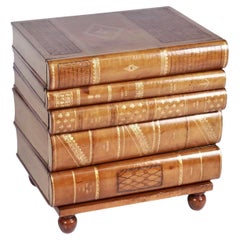
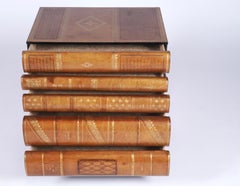
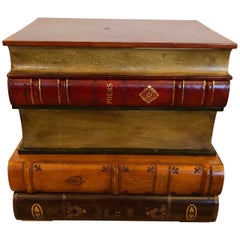
Paul Maitland-Smith established the company in Hong Kong in 1979, after getting his start in London in the 1950s as an antique dealer who also sold reproduction furniture, something that would become a Maitland-Smith specialty. The manufacturer’s early reproductions of 17th- and 18th-century furniture included Chippendale dining chairs, and soon afterward, Maitland-Smith expanded into a range of decorative designs that often exuded a whimsical spirit, whether a coffee table shaped like a stack of books or a pair of decorative obelisks. Maitland-Smith’s signature sculptural table lamps in particular show off this playful sensibility, with one balancing a pen-shell shade on a monkey’s tail and another taking on the form of a miniature hot-air balloon.
Since its founding, Maitland-Smith’s sourcing has been based in Asia, and although Paul Maitland-Smith later sold the company that still bears his name and is now headquartered in North Carolina, the brand’s furnishings are still largely made in Cebu, Philippines.
Today, Maitland-Smith continues to innovate on its finely crafted offerings by collaborating with contemporary designers and studios such as Tony Duquette Studios (founded by set and costume designer Tony Duquette in 1941), Celerie Kemble and painter and textile designer Susan Hable Smith.
Find a wide range of Maitland-Smith furniture for sale on 1stDibs.
Shopping for a commode or a chest of drawers?
Commode is the French term for a low chest of drawers, but it is also sometimes used to denote any case piece with a particularly intricate design. The commode dates to circa 1700 France, where it was used as an alternative to a taller cabinet piece so as to not obscure paneled, mirrored or tapestried walls. Coffers, or chests, which were large wooden boxes with hinged lids and sometimes stood on ball feet, preceded chests of drawers, a fashionable cabinet furnishing that garnered acclaim for its obvious storage potential and versatility. The term commode was also used to refer to a piece of bedroom furniture — a washstand or nightstand that contained a chamber pot.
As time passed, French and British furniture makers led the way in the production of chests of drawers, and features like the integration of bronze and ornamental pulls became commonplace. Antique French commodes in the Louis XV style were sometimes crafted in mahogany or walnut, while an Italian marble top added a sophisticated decorative flourish. This specific type of case piece grew in popularity in the years that followed.
So, what makes a chest of drawers different from a common dresser? Dressers are short, and chests of drawers are overall taller pieces of furniture that typically do not have room on the top for a mirror as most dressers do. Tallboys and highboys are variations of the dresser form. Some chests of drawers have one column of four to six long drawers or three long drawers in their bottom section that are topped by a cluster of small side-by-side drawers on the top. To further complicate things, we sometimes refer to particularly short chests of drawers as nightstands.
Even though chests of drawers are commonly thought of as bedroom furniture to store clothing, these are adaptable pieces. A chest of drawers can house important documents — think of your walnut Art Deco commode as an upgrade to your filing cabinet. Nestle your chest near your home’s front door to store coats and other outerwear, while the top can be a place to drop your handbag. Add some flair to your kitchen, where this lovable case piece can hold pots, pans and even cookbooks.
When shopping for the right chest of drawers for your home, there are a few key things to consider: What will you be storing in it? How big a chest will you need?
Speaking of size, don’t dream too big. If your space is on the smaller side, a more streamlined vintage mid-century modern chest of drawers, perhaps one designed by Paul McCobb or T.H. Robsjohn-Gibbings, may best suit your needs.
At 1stDibs, we make it easy to add style and storage to your home. Browse our collection of antique and vintage commodes and chests of drawers today.