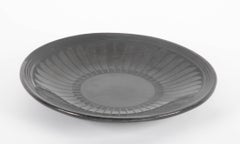
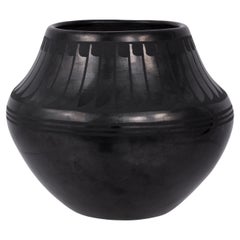
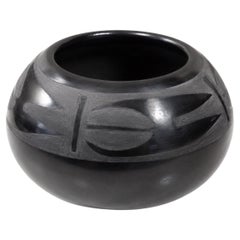
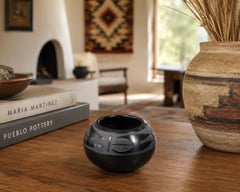
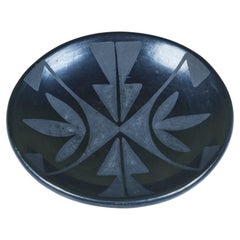
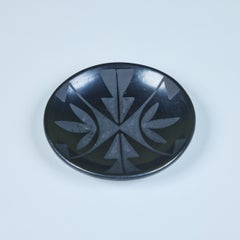
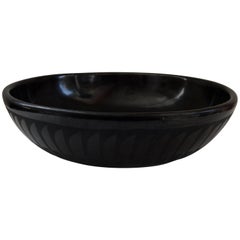
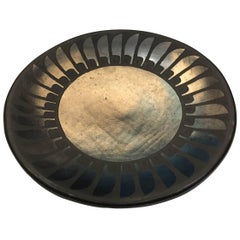
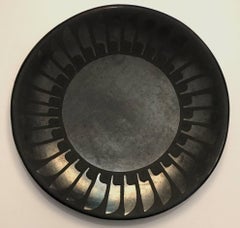
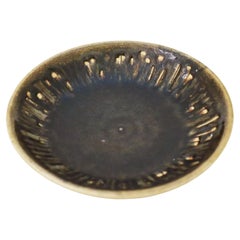
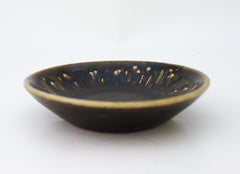
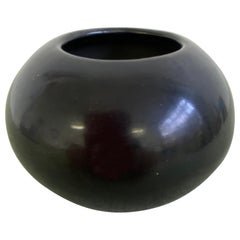
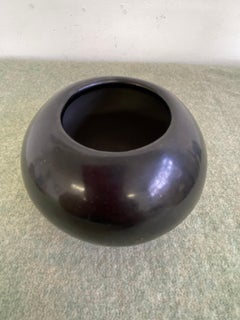
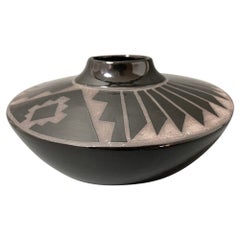
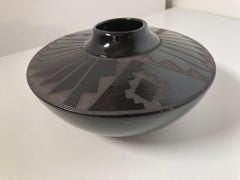
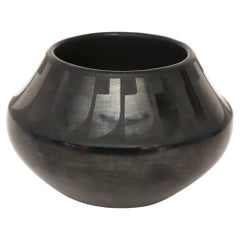
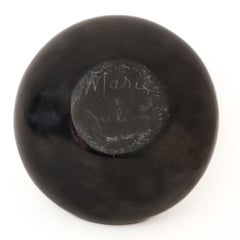
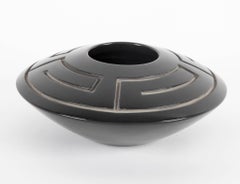
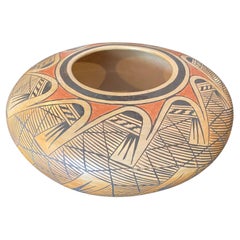
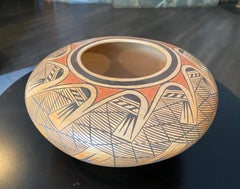
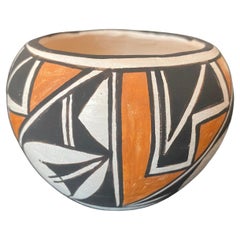
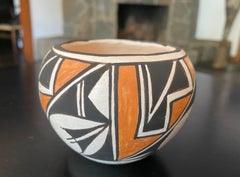
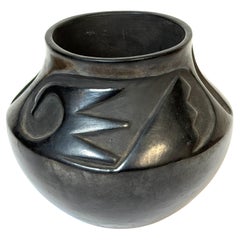
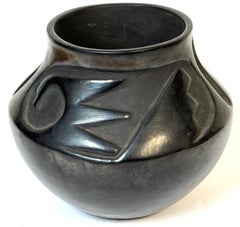
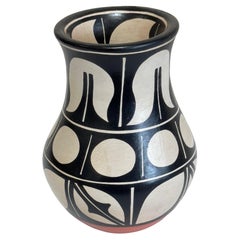
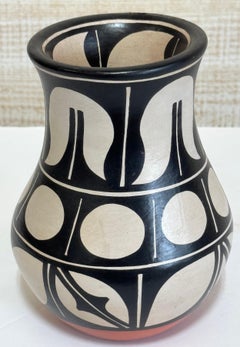
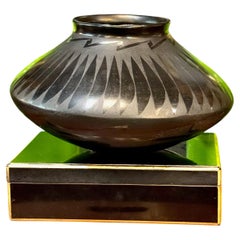
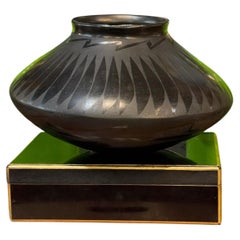
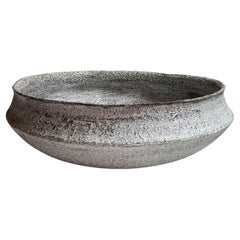
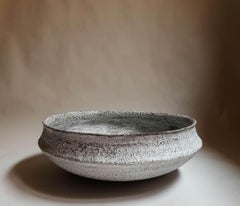
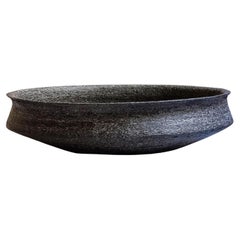
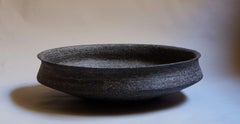
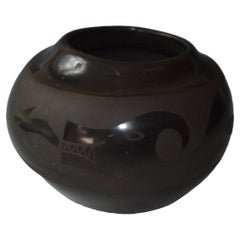
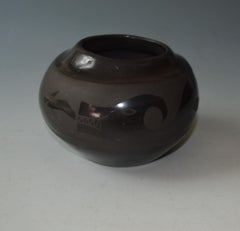
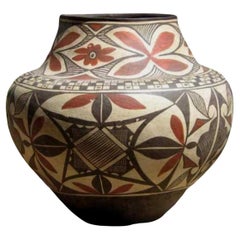
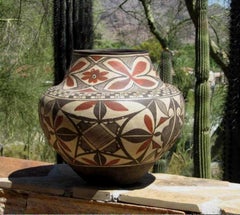
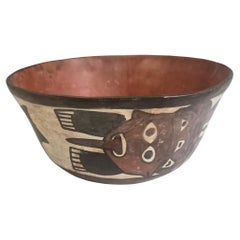
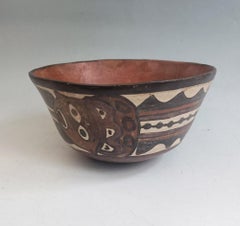
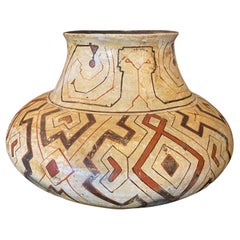
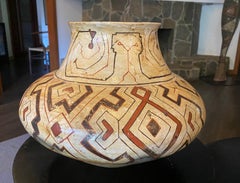
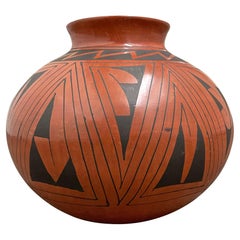
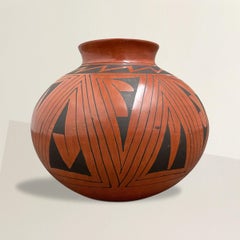
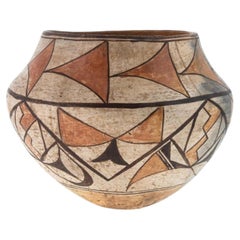
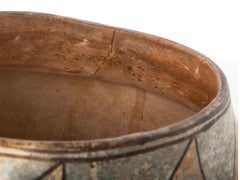
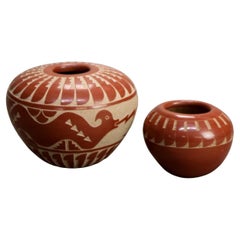
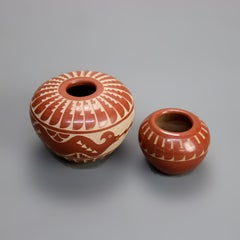
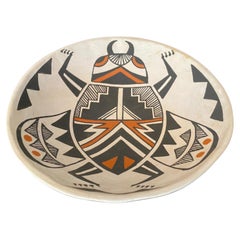
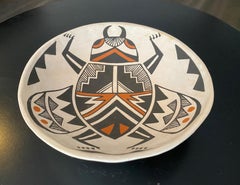
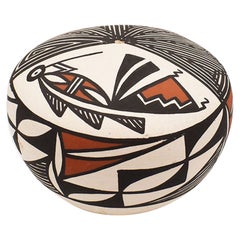
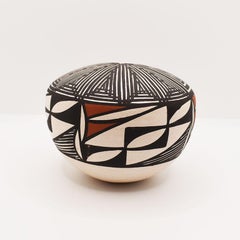
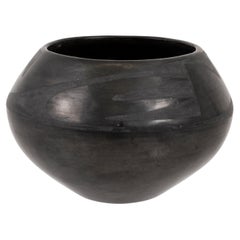
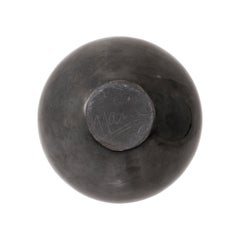
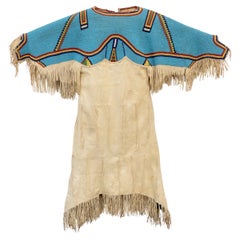
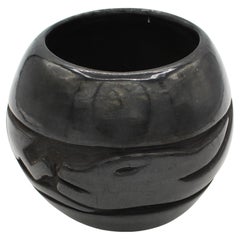
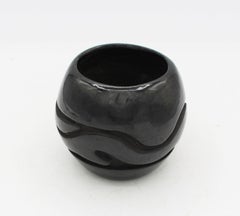
With a vast inventory of beautiful furniture at 1stDibs, we’ve got just the maria and santana martinez you’re looking for. A maria and santana martinez — often made from
ceramic and
clay — can elevate any home. There are many kinds of the maria and santana martinez you’re looking for, from those produced as long ago as the 20th Century to those made as recently as the 20th Century.
Prices for a maria and santana martinez can differ depending upon size, time period and other attributes — at 1stDibs, they begin at $2,700 and can go as high as $9,500, while the average can fetch as much as $3,400.
Maria Montoya Martinez was a Native American artist who created internationally known pottery. Martinez (born Maria Poveka Montoya), her husband Julian, and other family members examined traditional Pueblo pottery styles and techniques to create pieces that reflect the Pueblo people’s legacy of fine artwork and crafts. Martinez was from the San Ildefonso Pueblo, a community located 20 miles northwest of Santa Fe, New Mexico. At an early age, she learned pottery skills from her aunt recalls this learning by seeing starting at age eleven, as she watched her aunt, grandmother, and father's cousin work on their pottery during the 1890s. During this time, Spanish tinware and Anglo enamelware had become readily available in the Southwest, making the creation of traditional cooking and serving pots less necessary Traditional pottery-making techniques were being lost, but Martinez and her family experimented with different techniques and helped preserve the cultural art.
Native American broadly describes any Indigenous people in North America and encompasses hundreds of tribes and groups, all with distinct cultures. Native American–style furniture and decor likewise varies widely, from pieces created by Indigenous people to those appropriated by non-native designers.
Indigenous furniture’s rich heritage includes the bentwood boxes of the Northwest Coast carved from cedar for storing household or ceremonial objects. Generations of Native American people have made baskets for holding household items, with those in the Northeast using sweetgrass and those in the Southeast using pine needles and wicker. Artisans in the Plateau region wove watertight pieces like cradles from plant materials. Although these objects were intricately made, they were usually utilitarian rather than decorative.
The colonization of North America and the removal of Indigenous people from their lands led to the suppression of these practices. Many styles that used Native American motifs — such as Southwestern style, which was heavily influenced by the geometric patterns of Navajo textiles — have historically not involved Indigenous creators and, instead, have taken their traditions without their tribal context.
When decorating a home with Native American–style furniture, it is important to do so respectfully, by understanding the origins of motifs and objects and examining who profits from their sale. There are now Indigenous-led companies, such as Cherokee designer Cray Bauxmont-Flynn’s Amatoya and Totem House Design, promoting Indigenous work in furniture and home decor. Supporting Indigenous artists and artisans is essential to confronting the still pervasive issue of cultural appropriation in design.
Find a collection of Native American living room furniture, folk art, rugs and carpets, decorative objects and other items on 1stDibs.