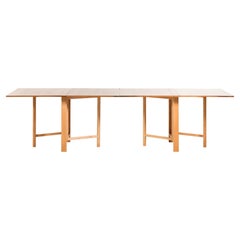
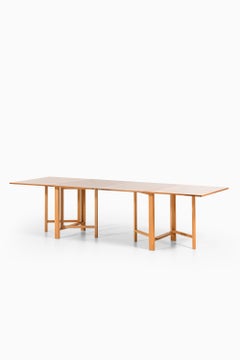
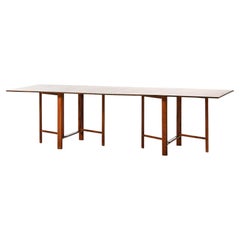
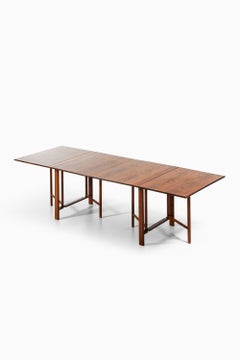
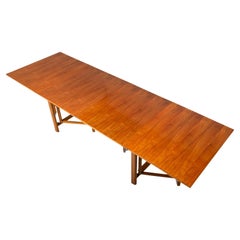
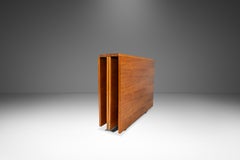
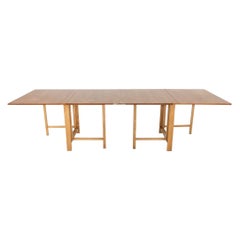
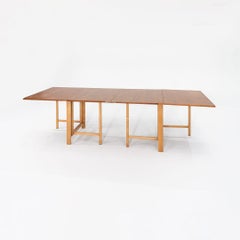
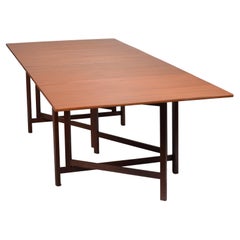
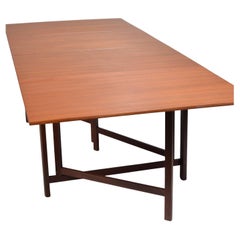
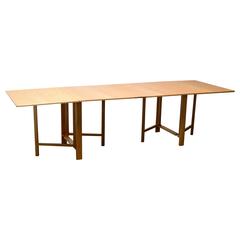
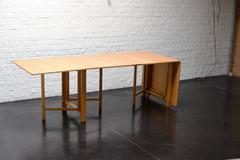
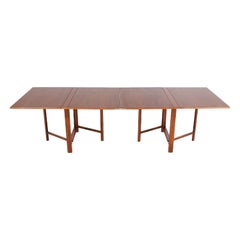
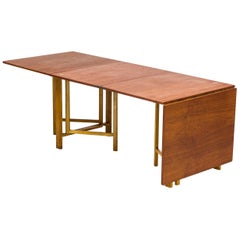
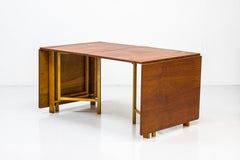
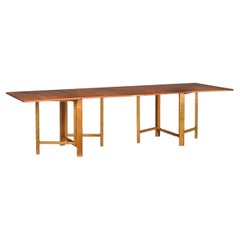
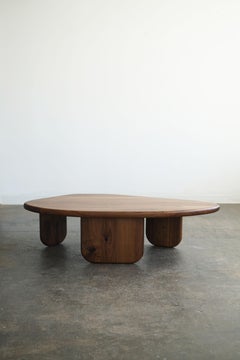
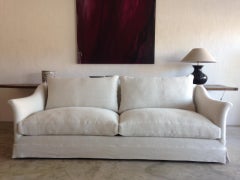
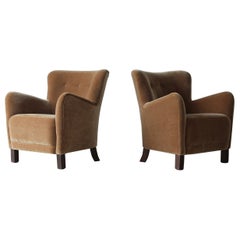
With a vast inventory of beautiful furniture at 1stDibs, we’ve got just the maria flap you’re looking for. Each maria flap for sale was constructed with extraordinary care, often using
wood,
hardwood and
beech. There are many kinds of the maria flap you’re looking for, from those produced as long ago as the 20th Century to those made as recently as the 20th Century. A maria flap made by
Scandinavian Modern designers — as well as those associated with
Mid-Century Modern — is very popular. Many designers have produced at least one well-made maria flap over the years, but those crafted by
Bruno Mathsson,
Firma Karl Mathsson and
Mathsson International are often thought to be among the most beautiful.
As the descendant of four generations of Swedish master cabinetmakers, Bruno Mathsson was born to design furniture. Mathsson was known as a methodical perfectionist who made usefulness the fundamental attribute of his iconic lounge chairs, tables, armchairs and other works, yet he was also a ceaseless experimenter, who constantly searched for improvements in form, materials and methods of design.
Like the Finnish designer Alvar Aalto, Mathsson was one of the first Scandinavians to embrace undulating, biomorphic forms in furniture. His early pieces such as the Eva and Pernilla series of chairs incorporate dramatically flowing bent beechwood frames, making them some of the most instantly recognizable works of 20th-century design.
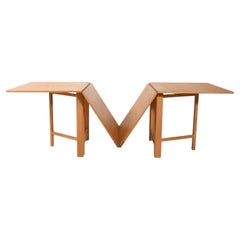
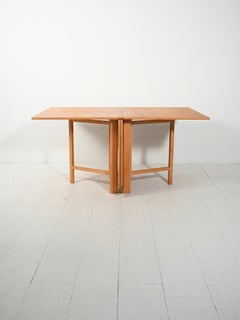
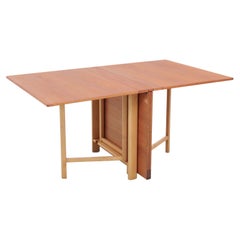
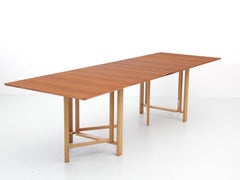
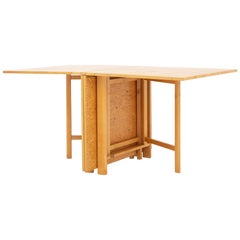
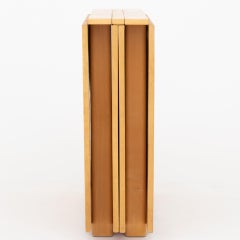
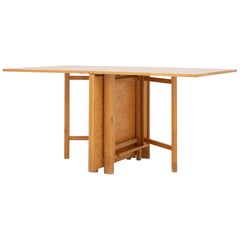
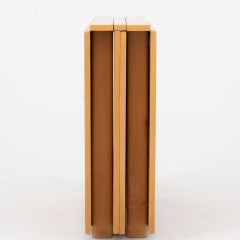
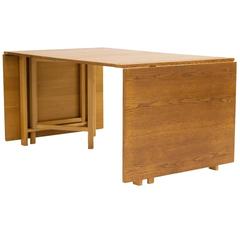
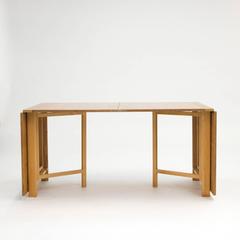
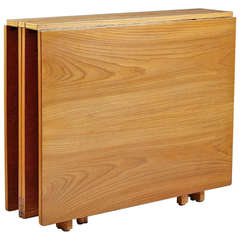
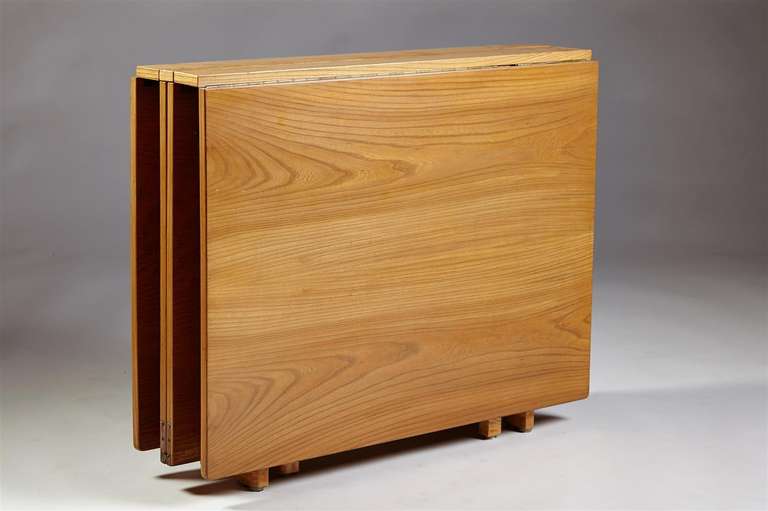
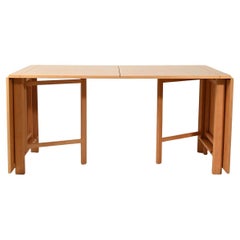
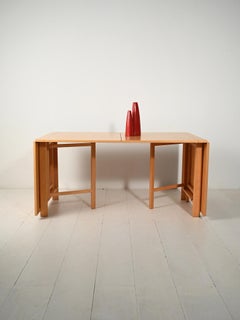
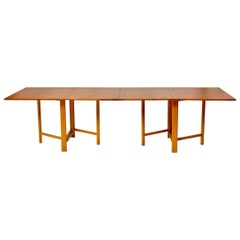
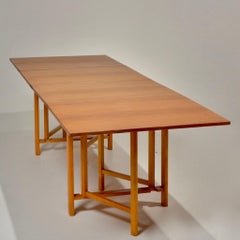
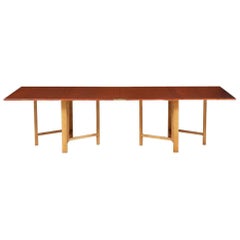
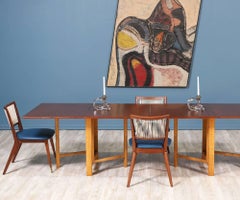
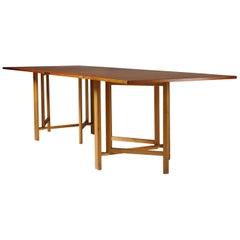
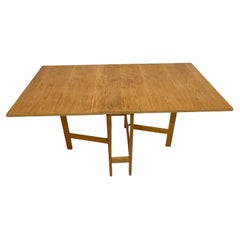
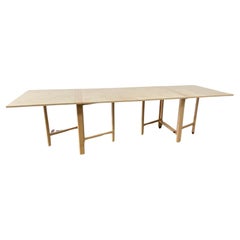
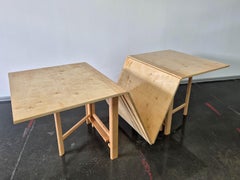
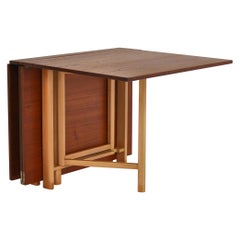
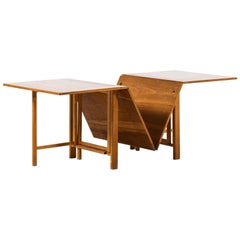
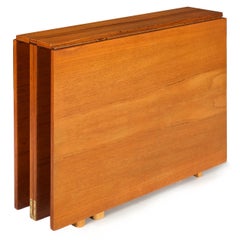
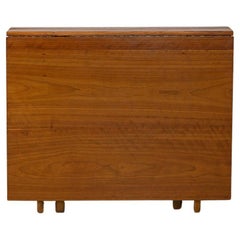
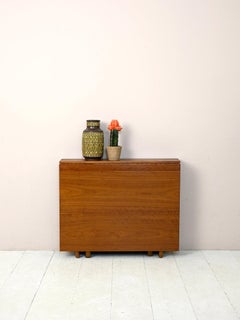
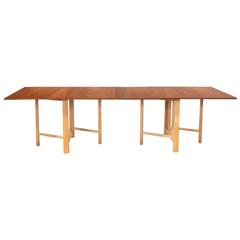
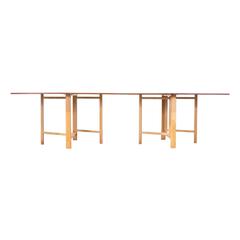
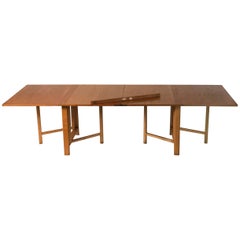
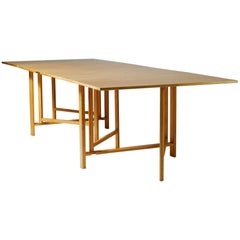
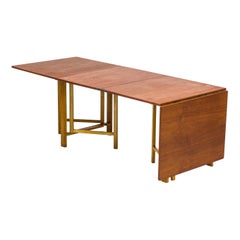
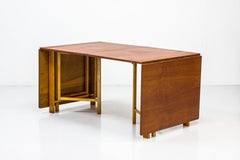
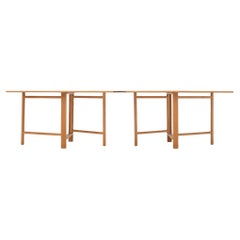
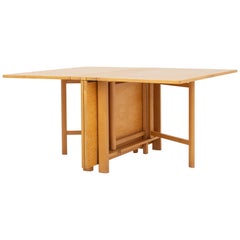
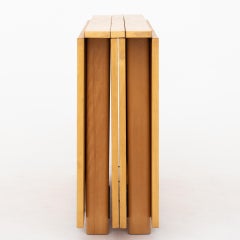
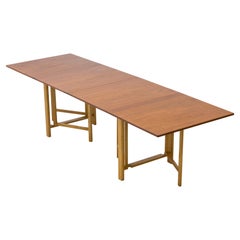
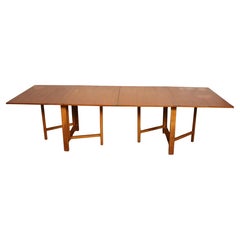
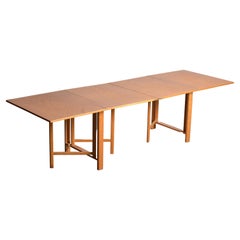
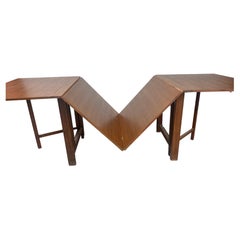
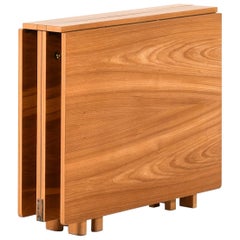
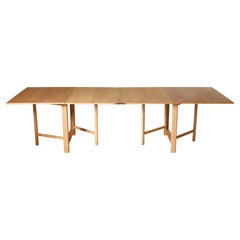
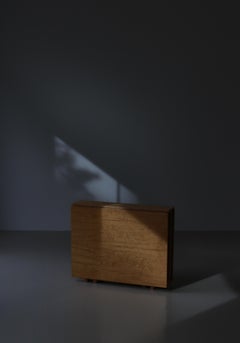
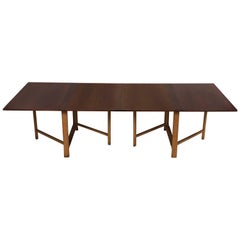
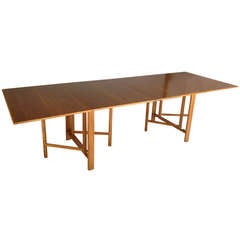
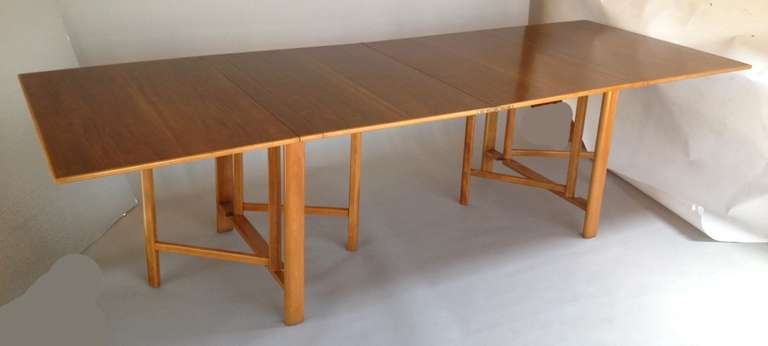
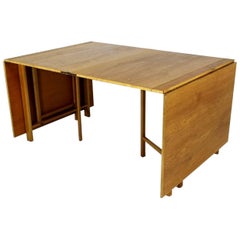
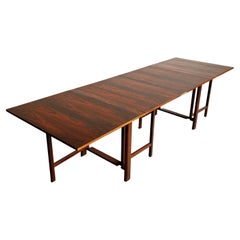
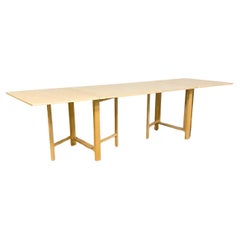
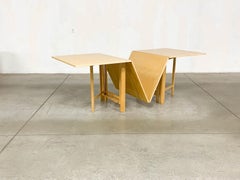
Mathsson was also a pioneer of ergonomics — he is said to have based the contours of his chairs on the impression his body made when he sat in a snow bank — and used supple, accommodating woven webbing for seats. His concern for practicality is shown by pieces such as the Maria table. An elegant design with gate legs and hinged leaves, the table measures more than nine feet long when fully extended, but folds down to just nine inches in thickness.
From the mid-1940s through the 1950s, Mathsson focused on architecture, designing and building houses with insulated, triple-glazed window walls and heated floors — construction that flew in the face of traditional wood-clad Swedish residential design, and consequently met with some skepticism. He returned to furniture in the 1960s, employing an entirely new suite of materials: Stainless-steel framing and mesh seats feature in pieces like the Jetson chair; with the mathematician Piet Hein, Mathsson designed the Super-Elliptical table, which has a laminate top and four-part tubular steel legs that sprout like flower stems from a single base.
Bruno Mathsson’s stylistic flexibility as a designer made him a creator whose pieces meet all tastes and needs.
Find vintage Bruno Mathsson dining tables, seating and other furniture on 1stDibs.
No matter your furniture style of choice, a shared meal is one of life’s true rewards. Why not treat your family and friends to a luxurious dining experience? Browse our top picks to find the perfect antique, new or vintage dining room table for this important occasion.
Modern furniture design borrows significantly from the trends of yore, and this is especially apparent in dining tables. Ancient Egyptians made practical use of the earliest four-legged tables of wood and rock — their models bear striking similarity to the dining tables of today — while common large medieval dining room tables in England were made of oak or elm. Romans and Greeks, renowned for big banquets that involved entertainment as well as good food, used early dining room tables made of marble or wood and metals such as bronze for meals.
On 1stDibs, find a range of dining room tables that offers no shortage of options to accommodate modest interiors, midsize family homes and even lavish banquets (entertainment not included).
Beginning in the mid-19th century, more American homes featured dining rooms, where families could gather specifically for a meal together. In the States, upper-class families were the first to enjoy dining room tables, which were the centerpiece of the dining room.
Dining room tables of the Victorian era were created in a range of revivalist styles inspired by neoclassical, Renaissance, Gothic and other traditions. Furnishings of the period were made of various woods, including oak, rosewood and mahogany, and referenced a variety of decorative arts and architectural motifs. Some dining room tables finished in the Rococo style feature gorgeous inlaid marble tabletops or other ornamental flourishes handcrafted by Parisian furniture makers of the 18th century.
In many modern spaces, there often isn’t a dining room separate from the kitchen — instead, they frequently share real estate in a single area. Mid-century modern dining room tables, specifically those created by designers such as Osvaldo Borsani, Edward Wormley and Alvar Aalto, are typically clean and uncomplicated designs for a dining area that’s adjacent to where the cooking is done. Furniture of this era hasn’t lost its allure for those who opt for a casual and contemporary aesthetic.
If you’re of the modern mindset that making and sharing meals should be one in the same — and perhaps large antique dining tables don’t mesh well with your style — consider a popular alternative. Working with a tighter space may mean that a round or oval dining room table, a design that references the festive meals of the medieval era, may be a better fit. Round dining room tables, particularly those that originated in the Art Deco period, still endure as a popular contemporary substitute for traditional rectangular dining tables. Giovanni Offredi’s Paracarro table for Saporiti Italia is a striking round table option that showcases the magnificent Italian industrial design of the 1970s.
Find a collection of antique, new and vintage dining tables on 1stDibs.