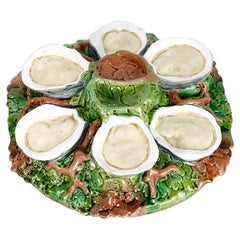
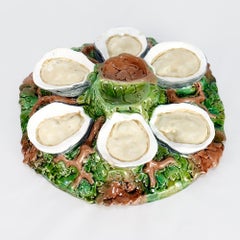
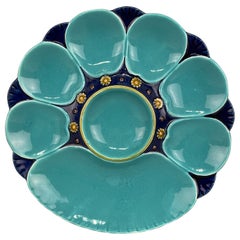
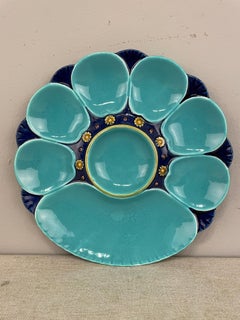
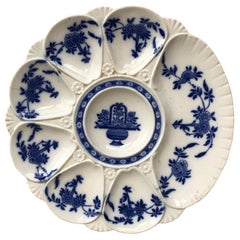
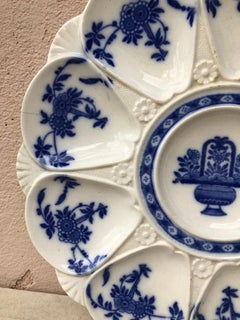
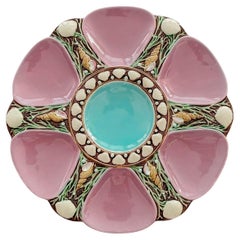
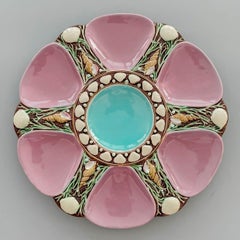
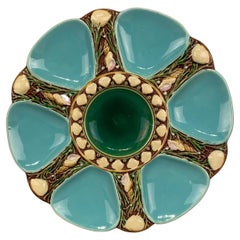
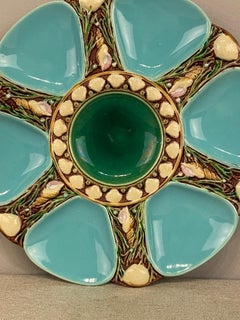
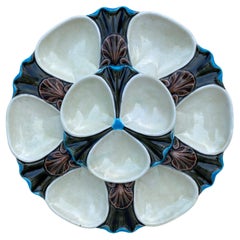
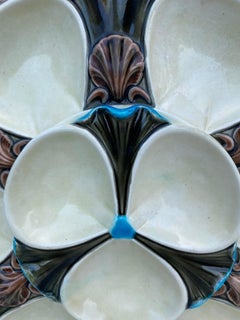
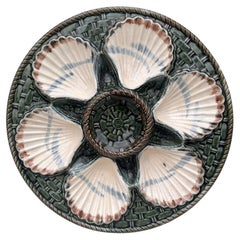
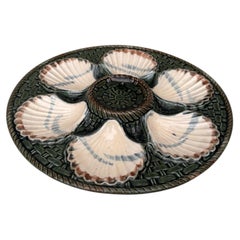
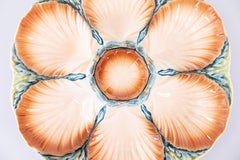
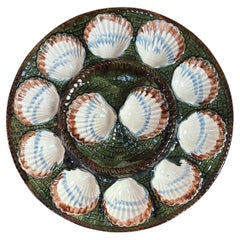
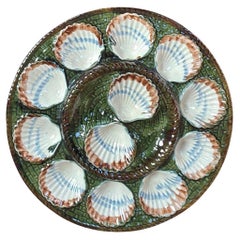
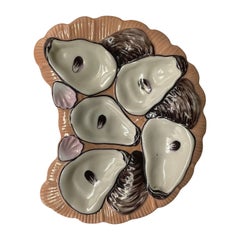
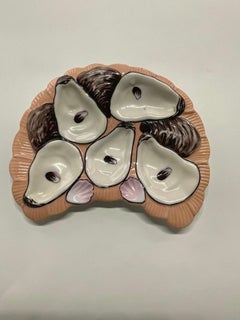
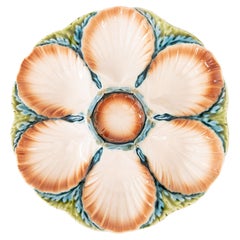
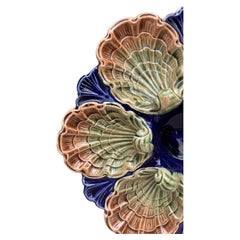
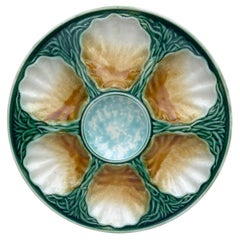
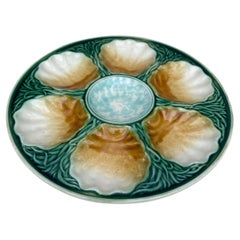
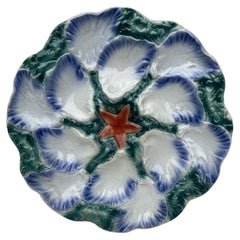
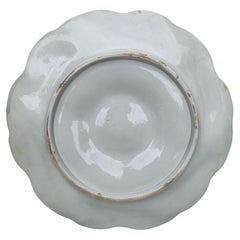
Pottery is one of the oldest decorative art forms, and Minton is one of its historical masters. For more than 250 years, the English company was a premier producer of porcelain and ceramic wares. Its factory was known for detailed and brightly colored Victorian tableware, including dinner plates and serving pieces.
Thomas Minton founded the Minton factory in 1793 in Stoke-upon-Trent, England. It initially made earthenware but introduced bone china in 1798. When Minton died in 1836, the company passed to his son, Herbert Minton. The younger Minton was a savvy businessman with an eye for design. He introduced glossy majolica earthenware to the factory’s repertoire and hired skilled artists and designers like Augustus Welby Northmore Pugin and Albert-Ernest Carrier-Belleuse, boosting the company’s reputation.
In 1851, Minton debuted its majolica at the Great Exhibition in London. It became a royal family favorite and was even used to tile the Royal Dairy at Windsor Home Park. Minton majolica was also displayed on the monumental Saint George and the dragon fountain at the 1862 London International Exhibition.
Colin Minton Campbell, a nephew of Herbert Minton, took over the family business in 1858. He led the company to the head of the 1870s English art pottery movement. In the 1890s, French porcelain artist Marc-Louis Solon helped modernize Minton with his Art Nouveau designs.
Minton ceased operating as an independent company when it merged with Royal Doulton Tableware Ltd. in 1968. It was the end of an era, but not the end of widespread appreciation for Minton ceramics.
In 1982, the ”English Majolica” exhibition at the Cooper Hewitt, Smithsonian Design Museum featured 75 Minton pieces. When the Metropolitan Museum of Art reopened its British Galleries in 2020, it included a display of three colorful Minton majolica bird sculptures. Minton pottery was also on display from September 2021 to January 2022, along with other English pottery, at the Bard Graduate Center’s ”Majolica Mania” exhibition.
On 1stDibs, find exquisite Minton serveware, decorative objects, wall decorations and more.
The unique graceful design and classic style of antique Delft pottery and faience make these pieces an exceptional addition to any dining room.
The popularity of the blue-and-white porcelain developed in 14th-century China inspired Delft and faience pottery in Europe. The global expansion of trade through the Dutch East India Company led to the import of numerous examples of Chinese porcelain, resulting in the creation of Dutch Delftware, which is the term generally used to describe the tin-glazed earthenware that Dutch potters used. There were other imitations of Chinese porcelain produced by ceramicists throughout Europe, but Delftware was the most successful. This iconic tradition — the subject of a 2020 exhibition at the Kunstmuseum den Haag — resembled Chinese porcelain but was more affordable.
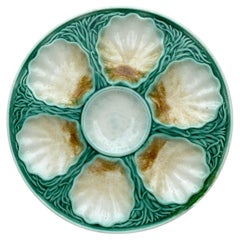
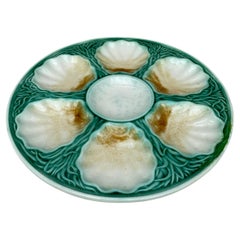
True blue Delftware originates only from a single location: Delft in the Netherlands. These precious pieces pair well with French faience. Unlike Delft plates, Delft vases and other pieces of Delftware, French faience utilizes a lead-and-tin glaze. This earthenware has roots in late-16th-century France. French Provincial Delft and faience tend to feature snow-white lacquered surfaces with colorful painted images or floral designs.
In terms of elegance and versatility, Baroque Delft and faience always impress. The most extravagant and boldly hued pieces are Rococo Delft and faience. Plates, tureens and other objects made in this style are frequently ornate and intricately decorated, making them ideal for display. Modern Dutch design masters often incorporate vintage decor into their contemporary designs, and Delftware items are a popular choice.
Browse antique Delft pottery and faience now on 1stDibs.