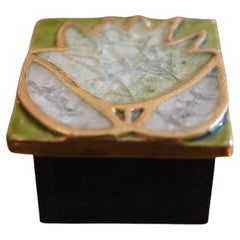
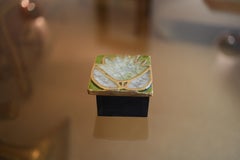
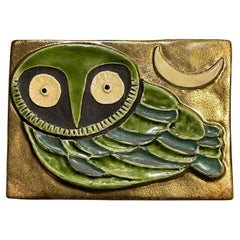
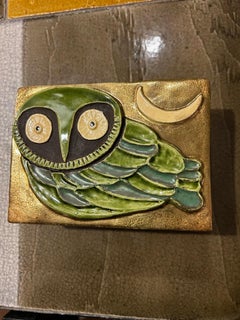
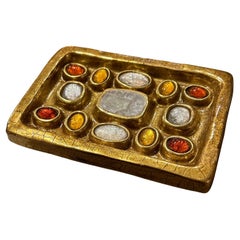
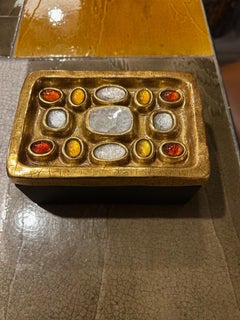
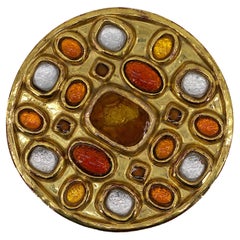
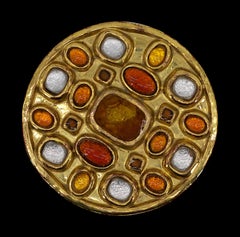
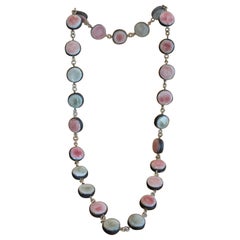
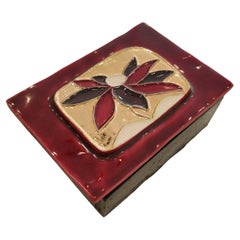
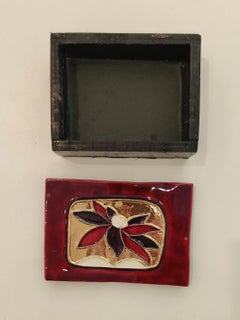
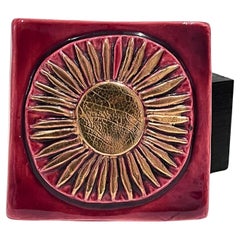
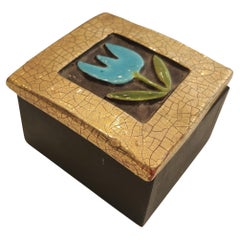
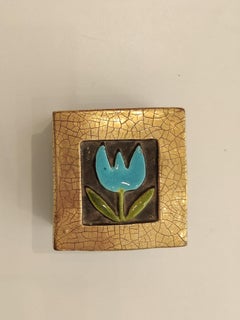
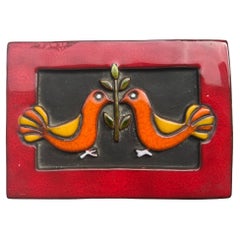
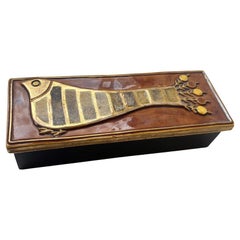
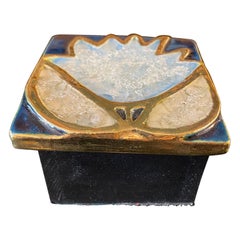
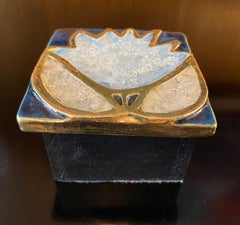
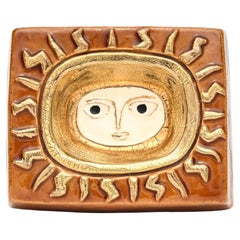
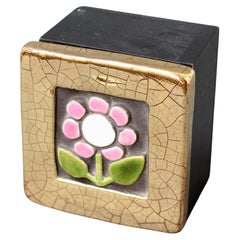
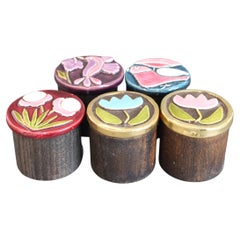
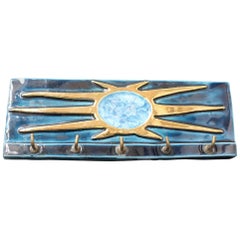
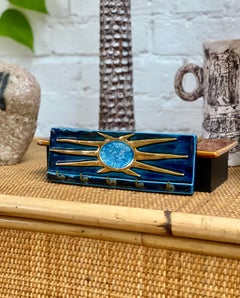
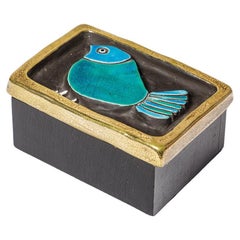
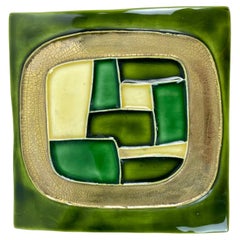
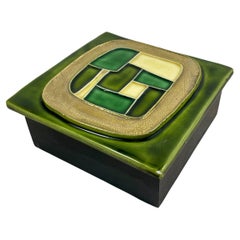
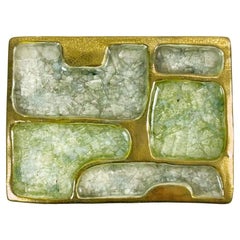
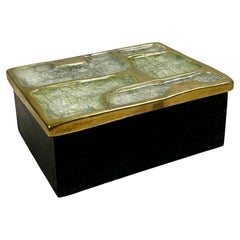
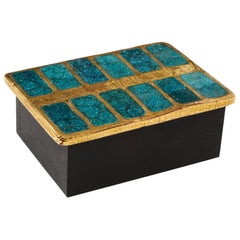
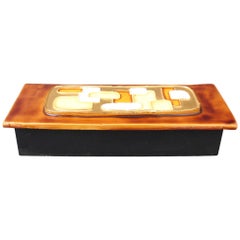
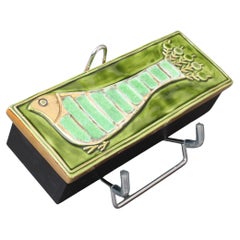
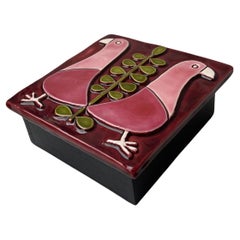
With a vast inventory of beautiful furniture at 1stDibs, we’ve got just the piece of mithe espelt jewelry you’re looking for. Was constructed with extraordinary care, often using
ceramic,
enamel and
metal. There are many kinds of the item from our selection of mithe espelt jewelry you’re looking for, from those produced as long ago as the 20th Century to those made as recently as the 20th Century. A choice in our collection of mithe espelt jewelry is a generally popular piece of furniture, but those created in
Mid-Century Modern styles are sought with frequency.
François Lembo each produced at least one beautiful object in our assortment of mithe espelt jewelry that is worth considering.
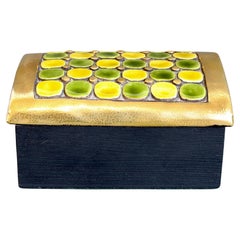
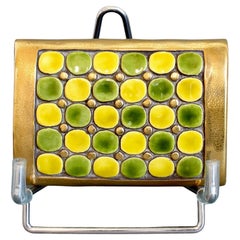
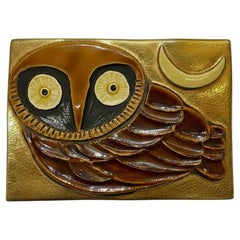
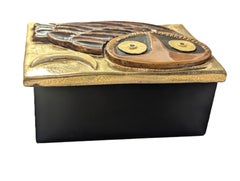
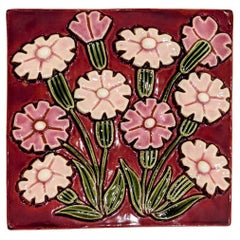
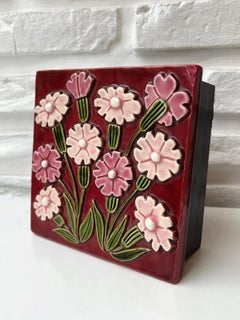
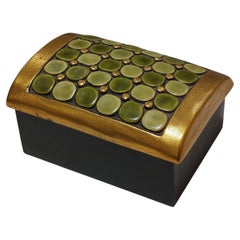
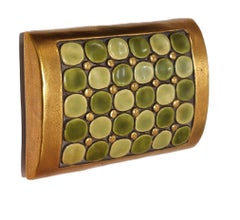
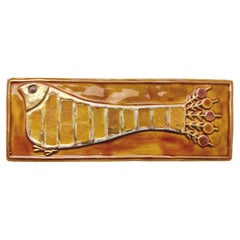
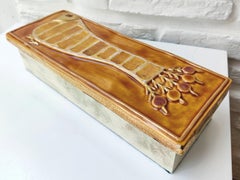
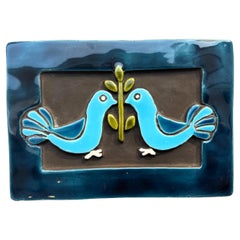
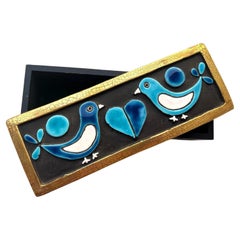
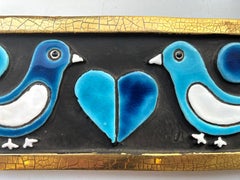
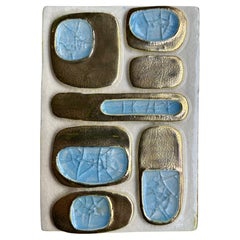
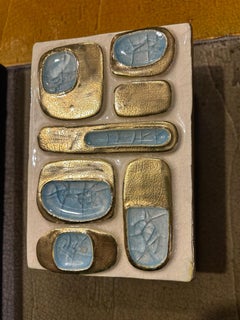
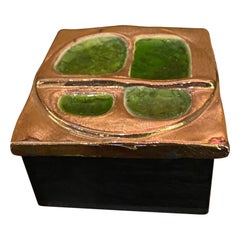
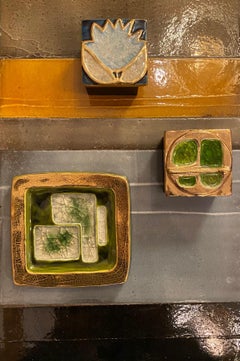
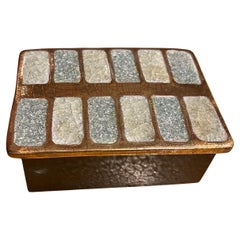
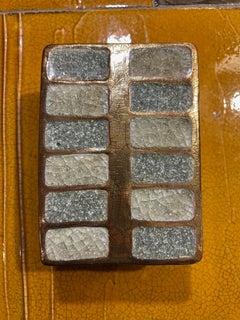
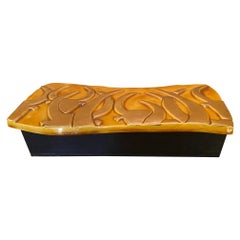
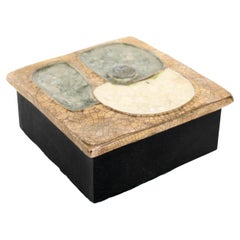
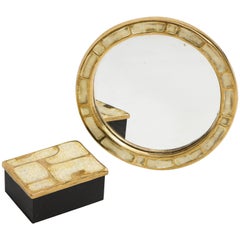
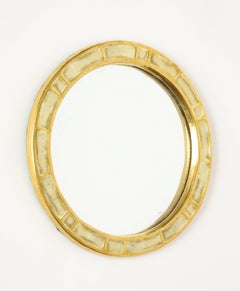
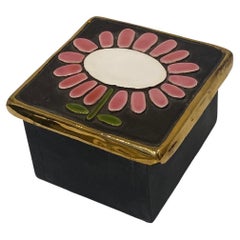
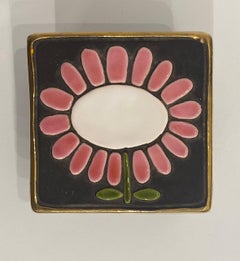
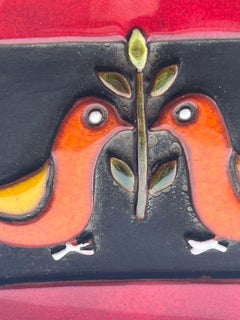
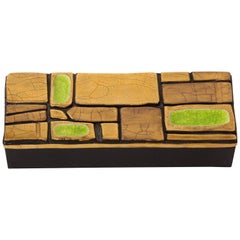
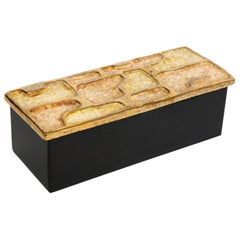
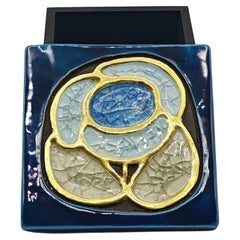
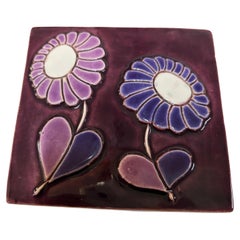
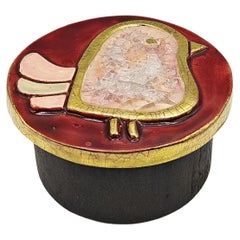
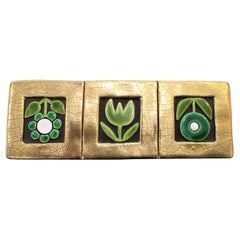
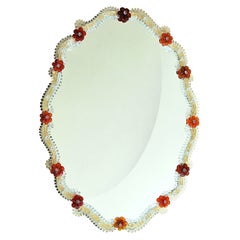
Marie-Thérèse Espelt, known better as Mithé Espelt, was a dominant force in mid-20th-century ceramics in France. Mithé is remembered for her modern ceramic wall mirrors, gilded and enameled ashtrays and other ornate objects and boxes, often featuring birds and lively colors. She preferred not to sign her pieces and, as a consequence, much of her work has been misattributed, including to French ceramist François Lembo.
Mithé grew up in the Camargue region of France. Her father’s extensive network included 1904 Nobel Prize winner Frédéric Mistral and Parisian painter and decorator Jean Hugo. Mithé’s early introduction to a community of artists inspired her to study sculpture and drawing at the Beaux-Arts School in Montpellier in 1939.
Mithé’s early work caught the attention of French ceramist Emilie Decanis and jewelry distributor Charles Démery. Mithé set up a ceramics workshop in the Hôtel de Bernis in Lunel, where she quickly garnered a reputation for her ceramic work and accessories, including mirrors, jewelry boxes and buttons. Démery founded the Souleiado boutique, which began distributing Mithé’s work, thus attracting a worldwide audience.
French author Antoine Candau wrote a retrospective book on Mithé’s career titled Mithé Espelt, the Discreet Luxury of the Every Day, which contributed to bringing her legacy to the forefront while shedding light on her anonymity. While Mithé was respected within her inner circle, the general public is only now beginning to understand the immense talent behind her over five-decade-long career.
Find Mithé Espelt mirrors, decorative objects, wall decorations and more for sale on 1stDibs.
If you have jewelry, chances are you have an antique or vintage jewelry box. This simple item was born from a simple need. It offers jewelry lovers a place to store their most cherished treasures. The idea behind a good jewelry box is that precious items deserve a place of honor.
It’s no surprise, then, that jewelry boxes (also called jewelry caskets or trinket boxes) have existed for as long as we’ve worn jewelry. It’s among the most popular decorative boxes we have in our homes, and we can find early versions that date at least as far back as Ancient Egypt. All Egyptians adorned themselves with necklaces, rings, earrings and other accessories, and the era’s jewelry boxes resembled small treasure chests. Later, fine jewelry became cost prohibitive and the only people with jewelry boxes were those who could afford jewelry.
Following the Industrial Revolution, jewelry was no longer made by hand. Mass production and the demand of the growing middle class rendered jewelry more accessible. Jewelry of the Romantic period, which refers to early Victorian jewelry, is reflective of these economic shifts. Jewelry from this time tends to be feminine and ornate, and embellished with seed pearls, coral and turquoise. Naturally, it was stored in elaborate, decorative Victorian-era jewelry boxes that were sometimes crafted from hand-painted porcelain or sterling silver.
Nowadays, jewelry boxes do more than keep jewelry safe and organized. They’re popular collector’s items that have become as treasured as the contents themselves.
Designer jewelry boxes — Chanel jewelry boxes, Hermès jewelry boxes and others created by celebrated fashion labels — are widely sought by jewelry lovers who covet a chic case for their jewelry essentials. An eye-catching vintage jewelry box, which is at least 20 but less than 100 years old, is a valuable decorative object, a sign of luxury and elegance that adds character and texture to any bedroom. Some jewelry boxes are even embellished with a few jewels of their own.
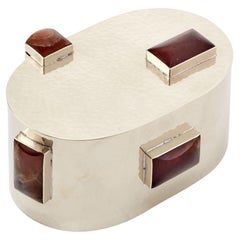
If you’re not tucking your jewelry into a drawer or shallow tray atop your vanity, perhaps an Art Deco trinket box with charming brass hardware or a sculptural, hand-carved rosewood mid-century modern jewelry box lined with linen and velvet will do?
Today’s jewelry boxes come in a variety of styles and sizes and are made of metal, wood, plastic and other materials. Give your cherished jewelry the good home it deserves — find an extensive collection of antique and vintage jewelry boxes today on 1stDibs.